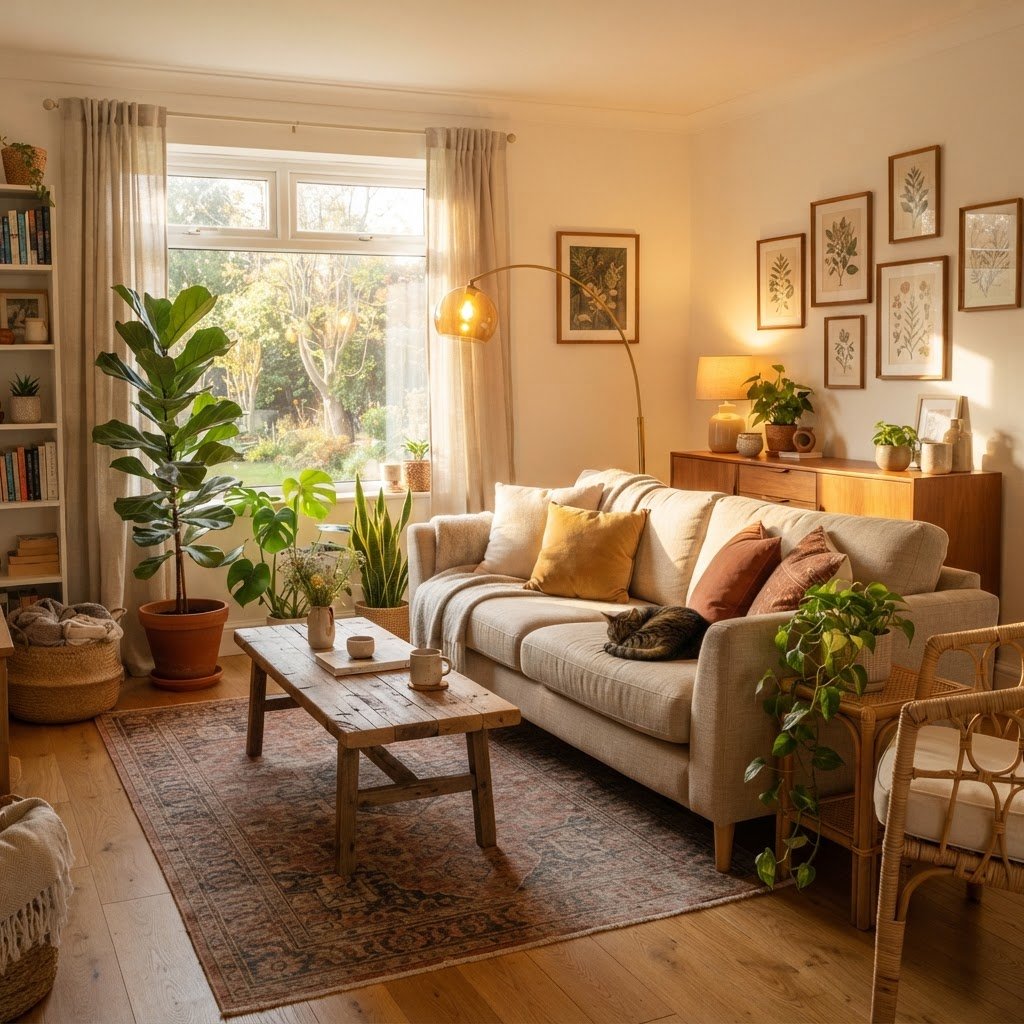
Cozy Living Room Ideas: Warm Lights and Lush Plants
To create a cozy living room, use layered warm lighting (2,700K–3,000K) combined with biophilic plant arrangements to transform your space into a peaceful, stress-reducing sanctuary. By balancing soft, golden hues with organic textures, you can achieve a high-end, comfortable aesthetic that supports both relaxation and mental well-being.
The Psychology of Cozy Design
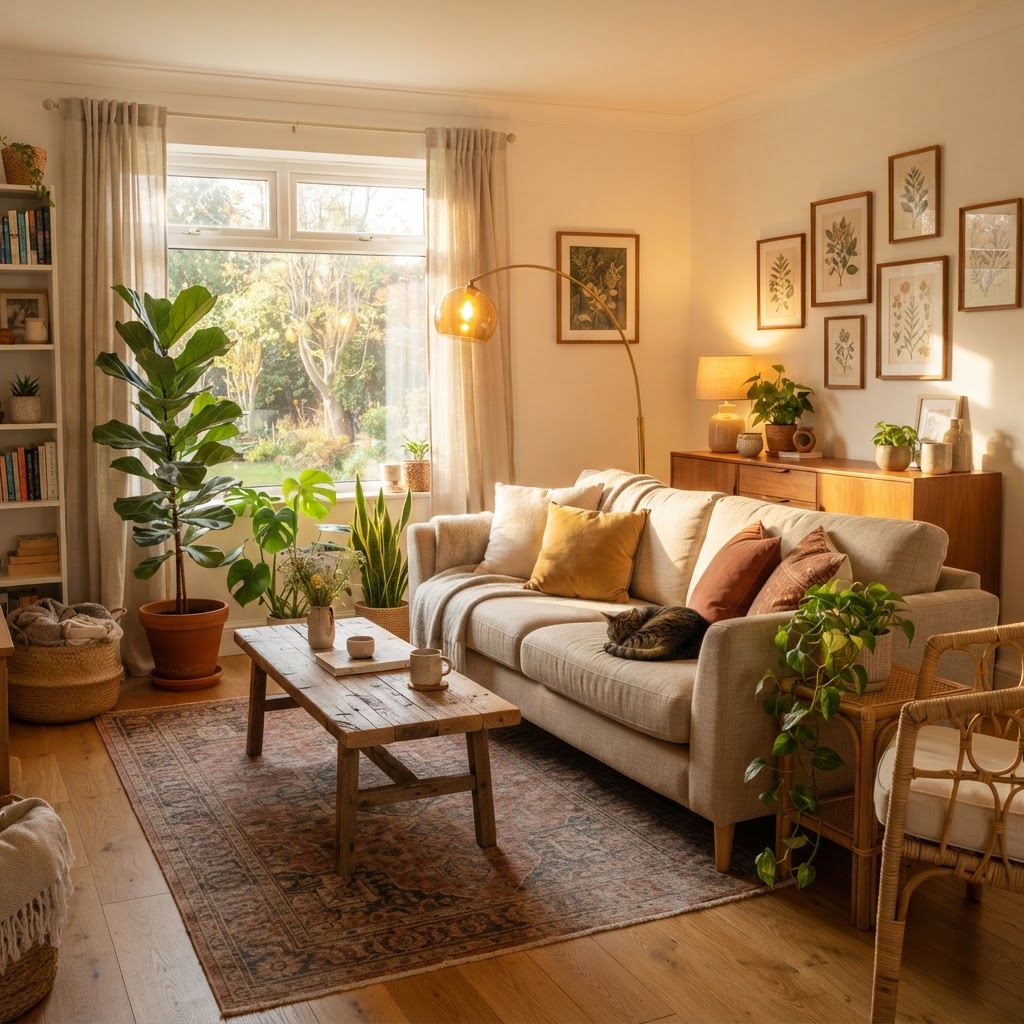
Design choices directly influence human physiology, with warm lighting and indoor greenery acting as primary drivers for home-based stress relief. Research indicates that warm-toned light (under 3,000K) promotes melatonin production, which is essential for evening relaxation, while biophilic design—the integration of plants—can lower cortisol levels by as much as 15% in home environments. Modern minimalist homes often lack these sensory inputs, leading to a sterile environment that can heighten anxiety. By intentionally layering these elements, you shift a room from a cold, functional box into a “soft” environment that signals safety to the brain. This design strategy utilizes the concept of Prospect and Refuge: providing an open space (prospect) while using lamps and foliage to create enclosed, comfortable nooks (refuge). This approach is not merely aesthetic; it is a calculated effort to optimize your living space for psychological recovery, ensuring that your home acts as a buffer against the daily stressors of the outside world. When you combine these two pillars, you create an environment that supports your mental well-being while looking effortlessly stylish.
Why Lighting Matters
Lighting dictates the perceived temperature and mood of an interior, with harsh overhead fixtures often triggering alertness rather than comfort. To maximize coziness, you must move away from a single, centralized light source toward a multi-layer lighting scheme that illuminates a room at various eye levels. This “layering” technique prevents the shadows that make rooms feel smaller and colder. By utilizing floor lamps, table lamps, and hidden LED strips, you create pockets of light that add depth and dimension to the architecture of the room.
Choosing the Right Warm Lighting
Mastering lighting aesthetics requires strict adherence to color temperature, specifically targeting the “warm white” range of 2,700K to 3,000K to mimic the soothing quality of sunset light. Bulbs labeled as ‘daylight’ or ‘cool white’ (above 4,000K) contain high levels of blue light, which suppresses melatonin and creates a sterile, institutional feel that is the antithesis of a cozy atmosphere. When shopping for bulbs, always check the Kelvin (K) rating on the packaging; a 2,700K bulb provides the classic, yellow-amber glow of an incandescent bulb while still offering the efficiency of modern LED technology. To further enhance this, consider the Color Rendering Index (CRI); a CRI of 90 or higher will ensure that your plants’ green hues look vibrant and natural under your chosen light, rather than washed out or gray. By replacing all primary bulbs in your living space with these specific parameters, you instantly reset the mood of the room without needing to move a single piece of furniture.
Essential Lighting Layers
- Ambient Lighting: The base layer, usually provided by chandeliers or ceiling lights, set to a low, dimmable level.
- Task Lighting: Focused lights for reading or working, such as an adjustable brass floor lamp placed next to your favorite armchair.
- Accent Lighting: Subtle strips or wall sconces used to highlight artwork, bookshelves, or your favorite plant displays.
Integrating Plants for Organic Texture
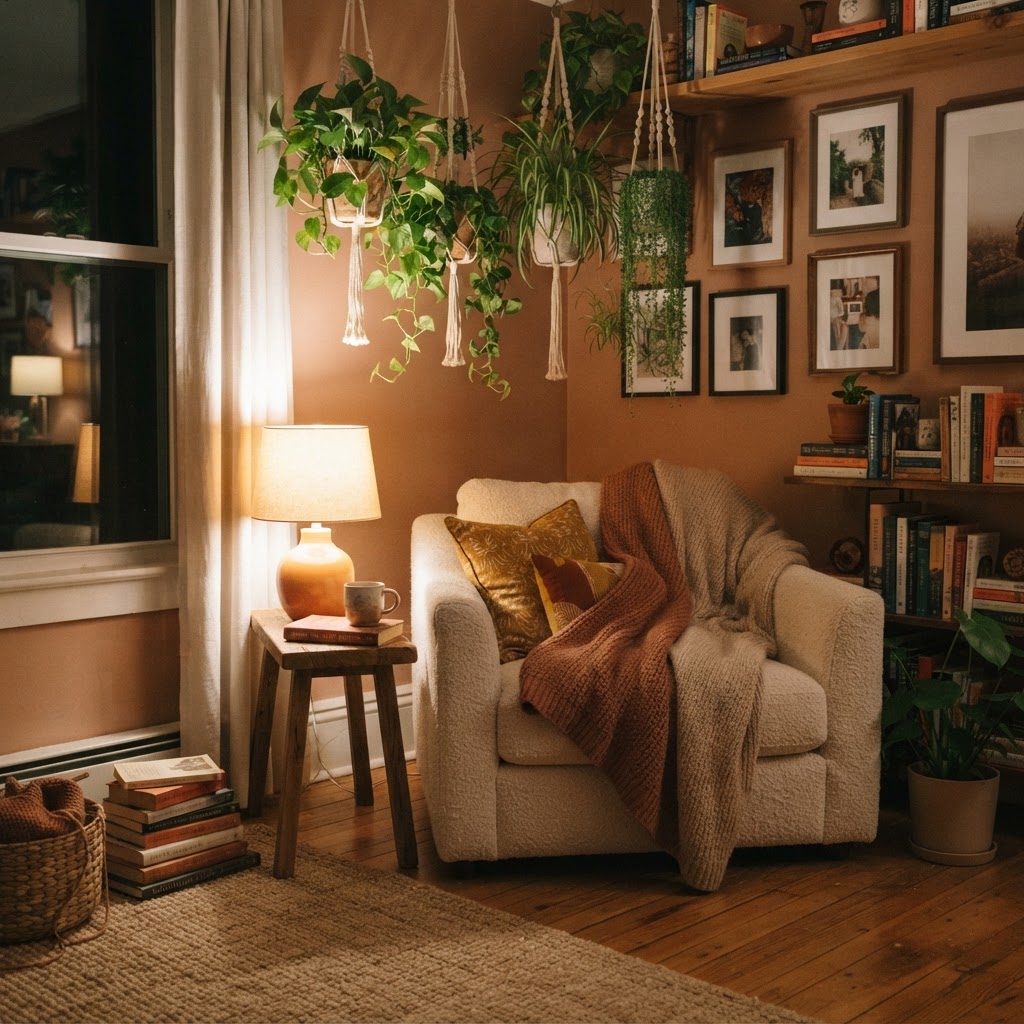
Integrating indoor plants is the most effective way to introduce organic, non-linear shapes that break up the rigidity of modern furniture and add a vital, living element to your decor. Selection should be based on your home’s specific micro-climate; for example, a Snake Plant (Sansevieria) is an ideal low-light choice that survives in corners receiving as little as 100-200 foot-candles of light, whereas a Fiddle Leaf Fig requires 600-1,000 foot-candles to thrive. By categorizing your plants based on maintenance levels—such as ‘low-maintenance succulents’ versus ‘high-attention tropicals’—you prevent the stress of plant death which would defeat the purpose of a relaxing room. Large statement plants, like the Monstera Deliciosa, serve as living sculptures, while smaller hanging plants add vertical interest, drawing the eye upward and creating a sense of volume in smaller rooms. Always ensure your pots have proper drainage to prevent root rot, as healthy plants are essential for maintaining the “fresh” quality of a cozy, air-purified space.
Creating Plant Clusters
Don’t be afraid to group plants together. Clustering different sizes, leaf shapes, and textures creates visual depth and interest. Place a tall plant on the floor, a medium-sized trailing plant on a side table, and a small succulent on a coffee table. This ‘plant pyramid’ technique ensures your greenery feels intentional rather than scattered.
Harmonizing Light and Greenery
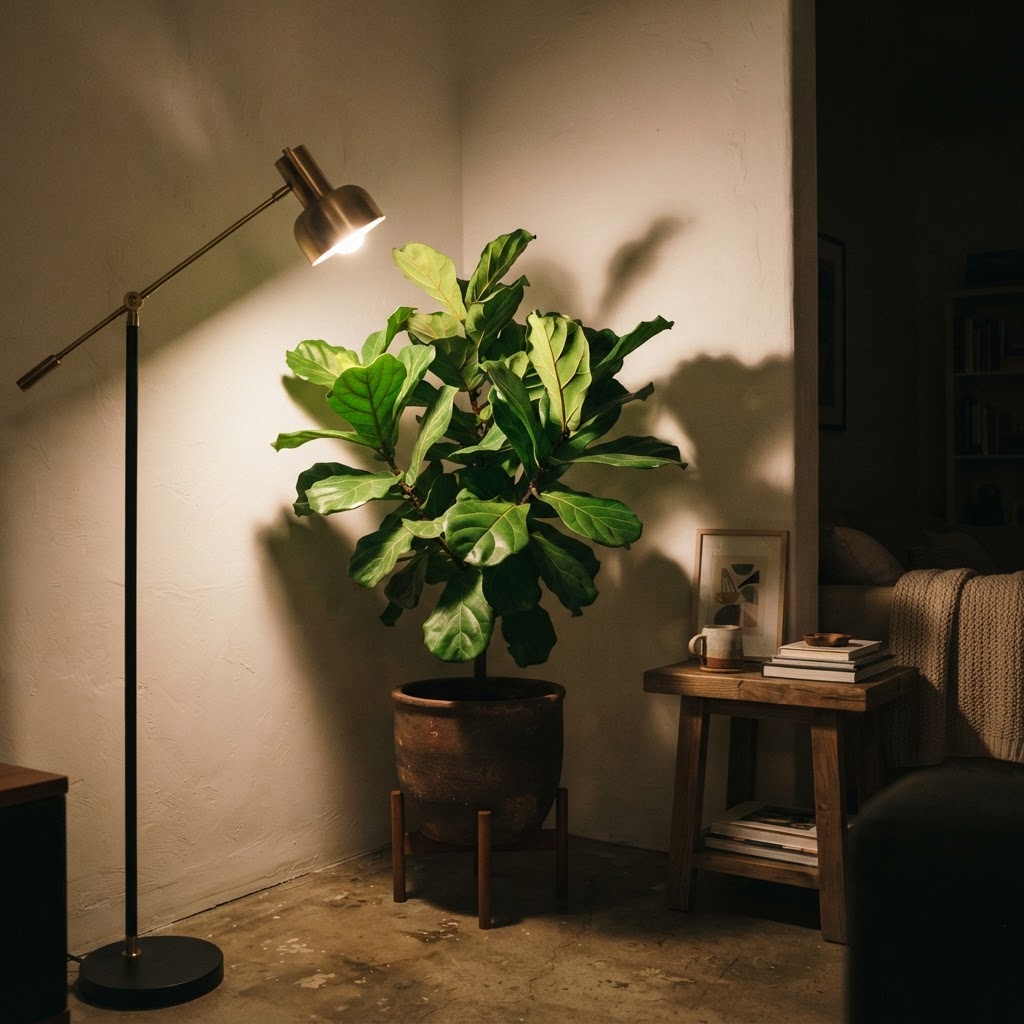
Cohesion between your light sources and plants is achieved by using accent lighting to highlight the architectural silhouette of your foliage after dark. When you place a directional spotlight or an uplight behind a large plant like a Bird of Paradise or a Fiddle Leaf Fig, the light casts large, complex shadows on the wall, adding a dynamic, dramatic texture that shifts with the light. For optimal results, ensure the light source is LED-based to prevent heat-stress on leaves; an incandescent bulb placed within 12 inches of a leaf can cause browning or dehydration. Aim for a 45-degree angle when pointing your accent lights at your plants to maximize the texture of the leaves and minimize glare on the foliage. By treating your plants as “living art,” you justify their placement throughout the living area, turning dark corners into cozy, illuminated galleries. This technique creates a focal point that is both visually engaging and deeply grounded in nature, effectively bridging the gap between your interior design and the outdoor world.
Positioning for Growth and Glow
Ensure that the lights you use for ambiance are not too close to heat-sensitive leaves. While warmth is beneficial, excessive heat from incandescent bulbs can dry out delicate foliage. Opt for LED bulbs, which provide the desired color temperature without the intense heat output, ensuring your plants stay healthy while your room stays cozy.
Selecting Furniture and Textures
Furniture selection serves as the physical foundation of your cozy design, requiring a focus on tactile surfaces that encourage physical comfort and relaxation. To create a balanced room, mix “soft” textiles like velvet, wool, or boucle with “hard” elements like rustic wood or stone to prevent a sense of monotony. Research shows that natural wood surfaces can reduce blood pressure and heart rate when compared to synthetic plastic or glass surfaces. A plush, high-pile rug is non-negotiable for a cozy room; it provides sound dampening, which creates a quieter, more intimate acoustic environment. When selecting seating, look for rounded edges and deep cushions, which promote a “nesting” behavior that is psychologically associated with comfort. Use these textures in a cohesive color palette—usually neutrals like cream, sage, or soft terracotta—to maintain visual harmony while letting the textures do the work of adding interest to the space.
Balancing Hard and Soft Elements
To keep the space from feeling cluttered, contrast your soft textiles with some hard, natural surfaces. A rustic wooden coffee table or a woven rattan basket for your plants can ground the space. The juxtaposition of smooth ceramic pots, soft cushions, and rough wood creates a sensory experience that feels natural and lived-in.
Maintenance Tips for a Sustained Oasis
Longevity in design is achieved through a consistent maintenance routine that preserves the clarity of your lighting and the health of your plants. Clean glass light shades at least once a month; a thin layer of dust can reduce light output by up to 20%, significantly dulling the warmth you worked to achieve. Similarly, cleaning plant leaves with a damp microfiber cloth is not just for aesthetic appeal; dust buildup blocks stomata, the small pores used for gas exchange, which can reduce a plant’s ability to photosynthesize by nearly 30% in dusty environments. For lighting control, prioritize dimmers or smart-bulb systems that allow for automated scheduling. Being able to program your lights to gradually dim as the sun sets helps regulate your body’s circadian rhythm, further cementing your living room as a space for genuine restoration rather than just storage.
The Importance of Dimmers
Installing dimmer switches is a game changer for living room lighting. It allows you to transition your space from a bright, functional area during the afternoon to a dim, intimate lounge for the evening. If you cannot install hardwired dimmers, smart bulbs are an affordable and effective alternative that can be controlled via your smartphone or voice assistant.
FAQ
Q: What is the best color temperature for a cozy living room?
Directly use light bulbs labeled as ‘warm white’ ranging from 2,700K to 3,000K to achieve a soft, amber glow. This color temperature mimics the natural warmth of sunset and is proven to signal the body to relax.
Q: Which plants are best for low-light living rooms?
Choose resilient, low-light plants such as Snake Plants, ZZ Plants, or Pothos, which require minimal direct sunlight. These varieties are highly adaptable and thrive in environments with as little as 100 foot-candles of ambient light.
Q: How do I make a small living room feel cozier?
Use layered lighting at varying heights and incorporate vertical plant displays to draw the eye upward and increase the perceived sense of volume. Avoid bulky furniture and instead opt for pieces with legs that reveal the floor to prevent the space from feeling cramped.
Q: Can I use LED lights with plants?
Yes, LED lights are the preferred choice for plant owners because they provide the necessary light spectrum without emitting excessive heat. Incandescent bulbs can damage foliage if placed too close, but cool-running LEDs can safely illuminate your greenery all evening.
Q: How often should I clean my plants to keep them healthy?
Dust your plant leaves every two to four weeks using a damp cloth to ensure they can photosynthesize efficiently. Healthy, dust-free leaves are brighter, more vibrant, and perform better at air purification than plants left to accumulate dirt.

Leave a Reply