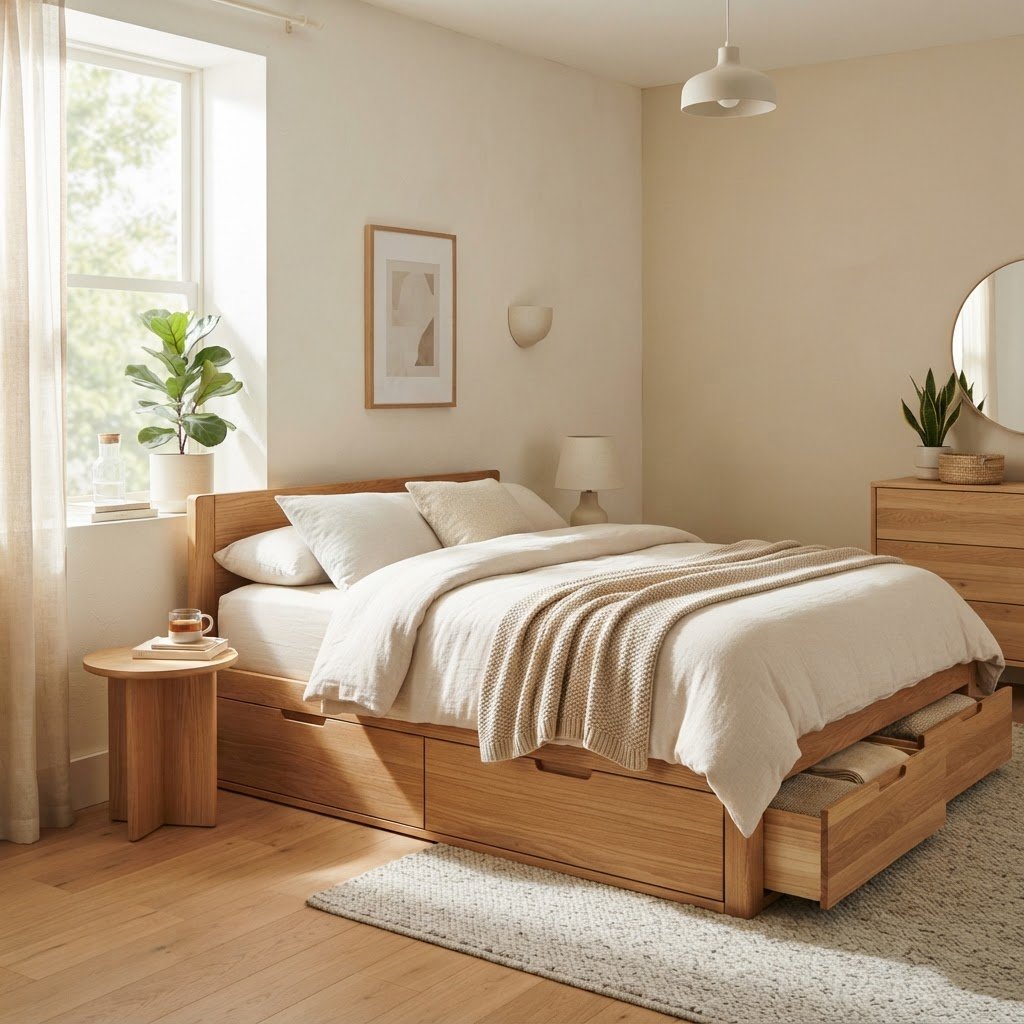
Small bedroom storage is best maximized by utilizing vertical space, opting for multi-functional furniture like platform storage beds, and installing recessed wall niches. These strategies clear floor space by keeping essential items organized within the structural footprint of the room, effectively turning a cramped area into a serene, functional oasis.
The Magic of Platform Beds with Storage
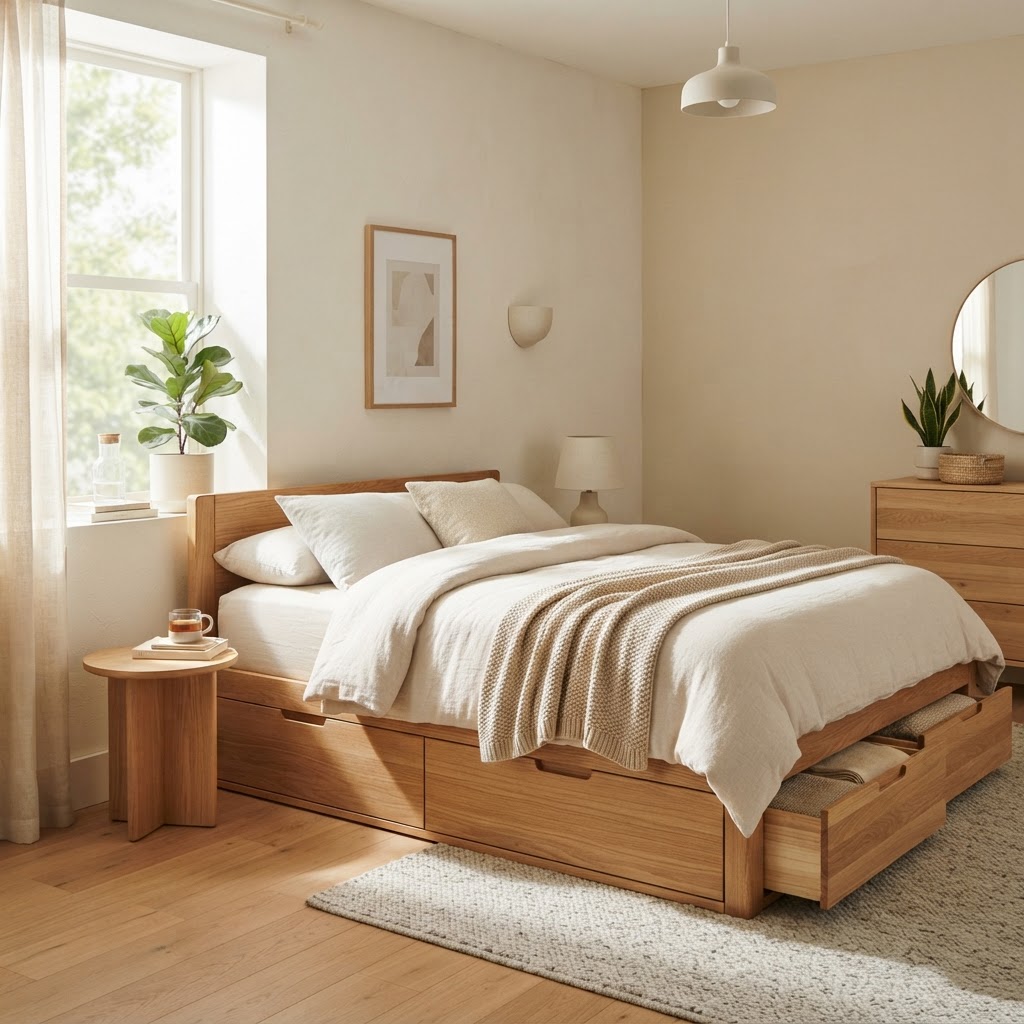
Platform beds with integrated storage are the gold standard for reclaiming lost floor space in rooms under 120 square feet. A traditional bed frame often leaves 10-15 cubic feet of dead air beneath the mattress; replacing this with drawer-based systems provides a dedicated home for bulky items like linens, seasonal sweaters, and spare pillows. Quality models utilize high-tensile drawer glides that can support up to 50 pounds per drawer, ensuring durability even with daily access.
Beyond simple utility, platform beds offer a minimalist, clean aesthetic that reduces visual noise. By removing the need for a separate box spring, you lower the mattress profile, which makes ceilings appear higher and the room more expansive. Models featuring integrated headboard shelving or foot-side cubbies provide an additional 3-5 linear feet of surface area, perfect for small apartments where standard bedside tables would obstruct pathways.
Utilizing Architectural Wall Niches
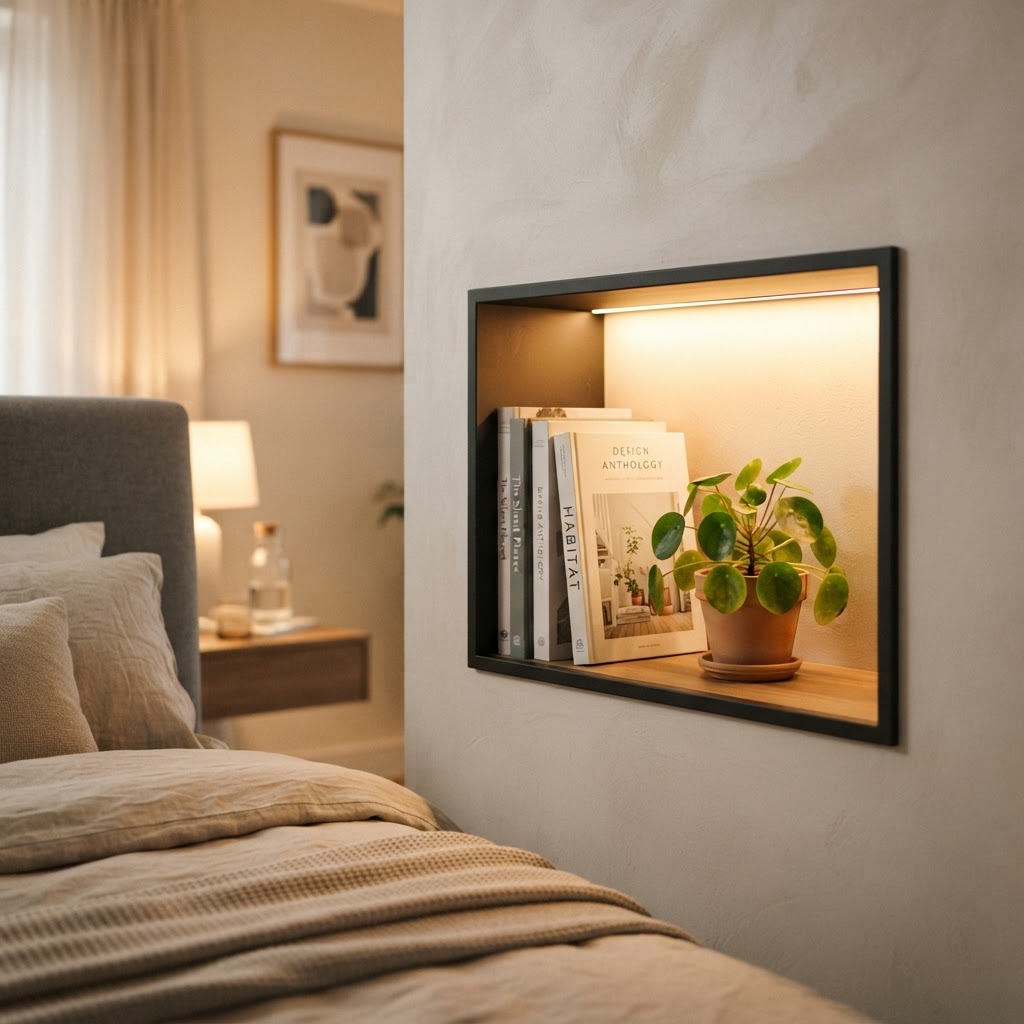
Wall niches are the most effective way to gain storage without protruding into precious circulation paths. By utilizing the 3.5-inch to 5.5-inch void between standard wall studs, you create flush shelving that keeps the bedroom layout open and airy. For rooms smaller than 10×10 feet, replacing bulky nightstands with recessed niches can save roughly 4 square feet of floor space per side of the bed.
Designing the perfect niche requires professional planning to ensure structural integrity. When carving out space between studs, incorporate integrated LED strip lighting—which typically consumes less than 5 watts of power—to serve as task lighting for reading. This design strategy keeps smartphones, glasses, and books off the floor, effectively creating a “floating” nightstand effect that feels high-end and intentional. A typical 16-inch wide niche can hold up to 20 pounds of weight if properly reinforced, providing more than enough capacity for personal essentials. If you are renovating, prioritize placing these at eye level while seated in bed to ensure the most ergonomic access to your items.
Maximizing Potential with Built-Ins
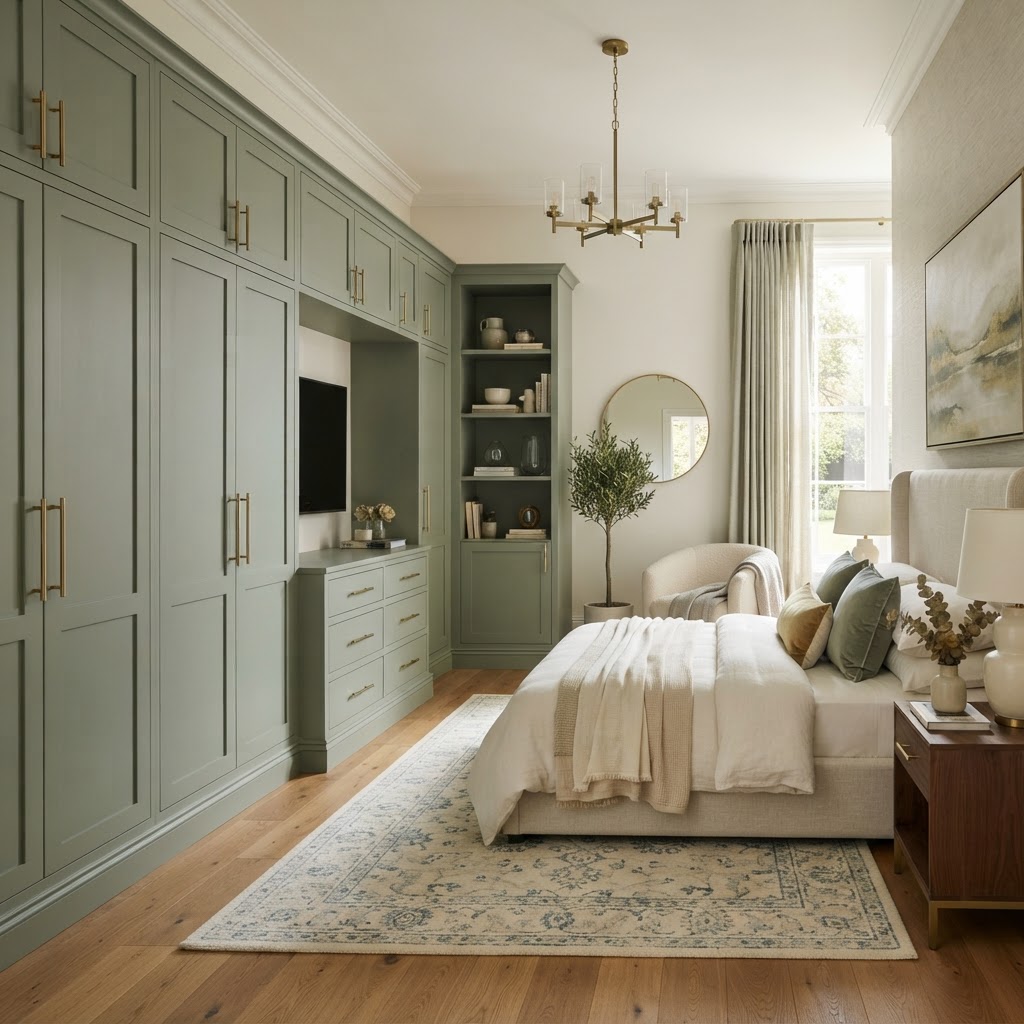
Custom floor-to-ceiling built-ins serve as the ultimate investment for long-term dwellers looking to utilize every inch of vertical capacity. While custom cabinetry requires a higher upfront cost (typically $2,000 to $5,000 depending on complexity), it increases the long-term organization potential by up to 300% compared to standalone furniture. Tailoring units to fit around window frames or challenging corner angles allows you to reclaim “dead” corners that would otherwise be unusable.
Mixing closed cabinetry with open cubbies creates a balanced visual environment where clutter is hidden behind smooth-finish doors while personality-defining items are displayed. For rooms lacking closets, wall-to-wall joinery that includes double-hanging clothing rods and deep drawers can effectively act as a self-contained wardrobe system. Painting these built-ins the exact color and finish as your walls makes the furniture “disappear” into the background, preventing the room from feeling claustrophobic.
Vertical Thinking and Wall-Mounted Solutions
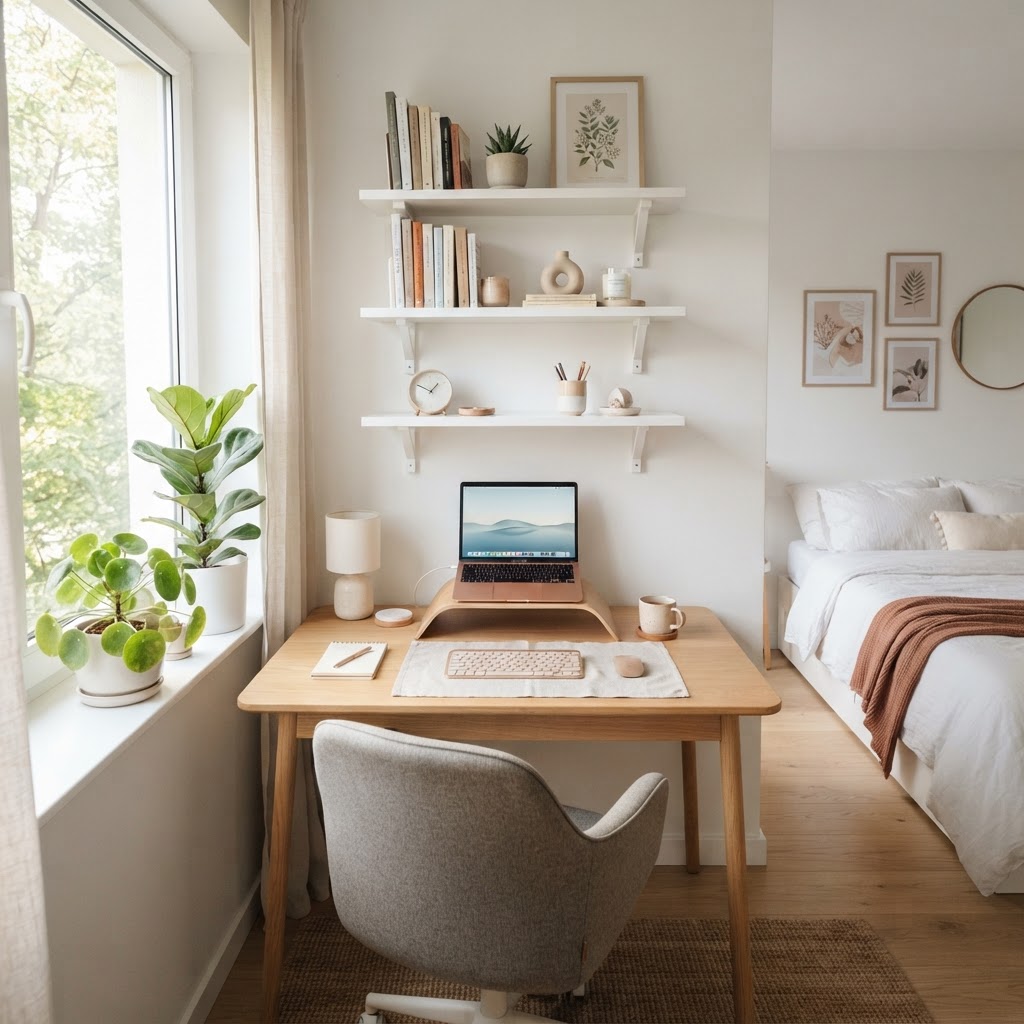
Vertical storage solutions become essential once the room reaches maximum floor capacity. Installing high-level shelving around the perimeter of the room creates a “halo” effect, providing ample space for infrequently used items like seasonal luggage or keepsakes without compromising the bedroom’s primary living zone. To avoid a cluttered look, these shelves should be mounted 12-18 inches from the ceiling line to maintain a sense of height.
Choosing the right hardware is non-negotiable for safety and stability; opt for heavy-duty metal brackets capable of supporting at least 50 pounds per shelf. Pair these with uniform decorative bins to maintain a cohesive interior design scheme. This approach ensures the storage remains orderly and aesthetically pleasing. If you are a renter, tension-rod shelving or adhesive-backed systems can offer similar vertical utility without the need for drilling into walls or damaging drywall.
Smart Organization for Small Drawers
Small drawers lose 20-30% of their utility without a rigid organizational system in place. Even the most efficient storage solution becomes chaotic if the interior volume is not compartmentalized using drawer dividers. By grouping items like socks, undergarments, and accessories into specific modular bins, you can increase the amount of clothing stored in a single drawer by roughly 25% through improved folding techniques like the file-fold method.
Maintenance is the backbone of small-space living; conduct a seasonal audit every 90 days. During these audits, rotate your wardrobe to ensure only current-season items occupy your most accessible storage zones. Vacuum-sealed storage bags are particularly effective for bulky off-season items, reducing their volume by up to 75%.
FAQ
How can I make a small bedroom look bigger with storage?
To make a small bedroom look larger, use light-colored, floor-to-ceiling built-ins that match your wall color to create a seamless, recessed look. Incorporating mirrors on cabinet doors or using glass-fronted storage also helps by reflecting light and adding a sense of depth to the room.
Are platform beds better than box springs for small rooms?
Yes, platform beds are superior for small rooms because they provide integrated, hidden storage capacity and eliminate the need for a bulky box spring. This design choice reduces visual clutter and provides 10-20 cubic feet of extra storage space that is otherwise wasted beneath a traditional frame.
What is the most space-efficient way to store clothing in a tiny room?
Use a combination of double-hanging rods within built-in closets and vacuum-sealed bags for off-season items to maximize volume. Implementing a strict seasonal audit system ensures that only the clothing you currently need occupies your primary storage space, keeping the room lean and functional.
Can I install wall niches if I am renting?
Most wall niches require structural modifications to the wall studs, which are generally not permitted in rental properties. As an alternative, renters can use tension-mounted shelves or adhesive-backed wall storage units to mimic the look and utility of a niche without making permanent changes to the building’s architecture.

Leave a Reply