8 Easy Ways to Add Warmth to a Cold Rental Without Painting
You can add instant warmth to a cold rental without painting by layering warm-toned lighting (2700K bulbs), introducing plush textures like wool or velvet, and covering sterile surfaces with area rugs and floor-to-ceiling drapes. These non-permanent modifications effectively neutralize clinical rental aesthetics while protecting your security deposit.
Rethink Your Lighting Strategy
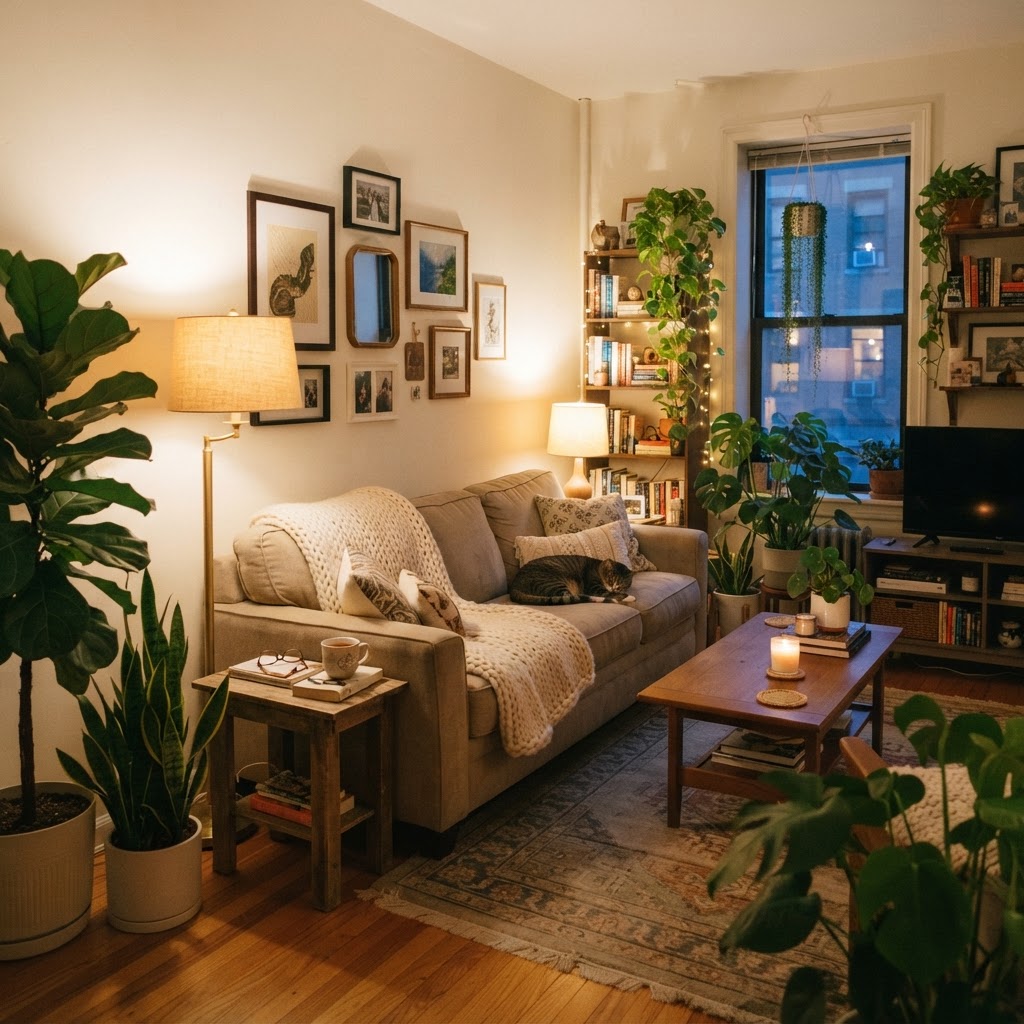
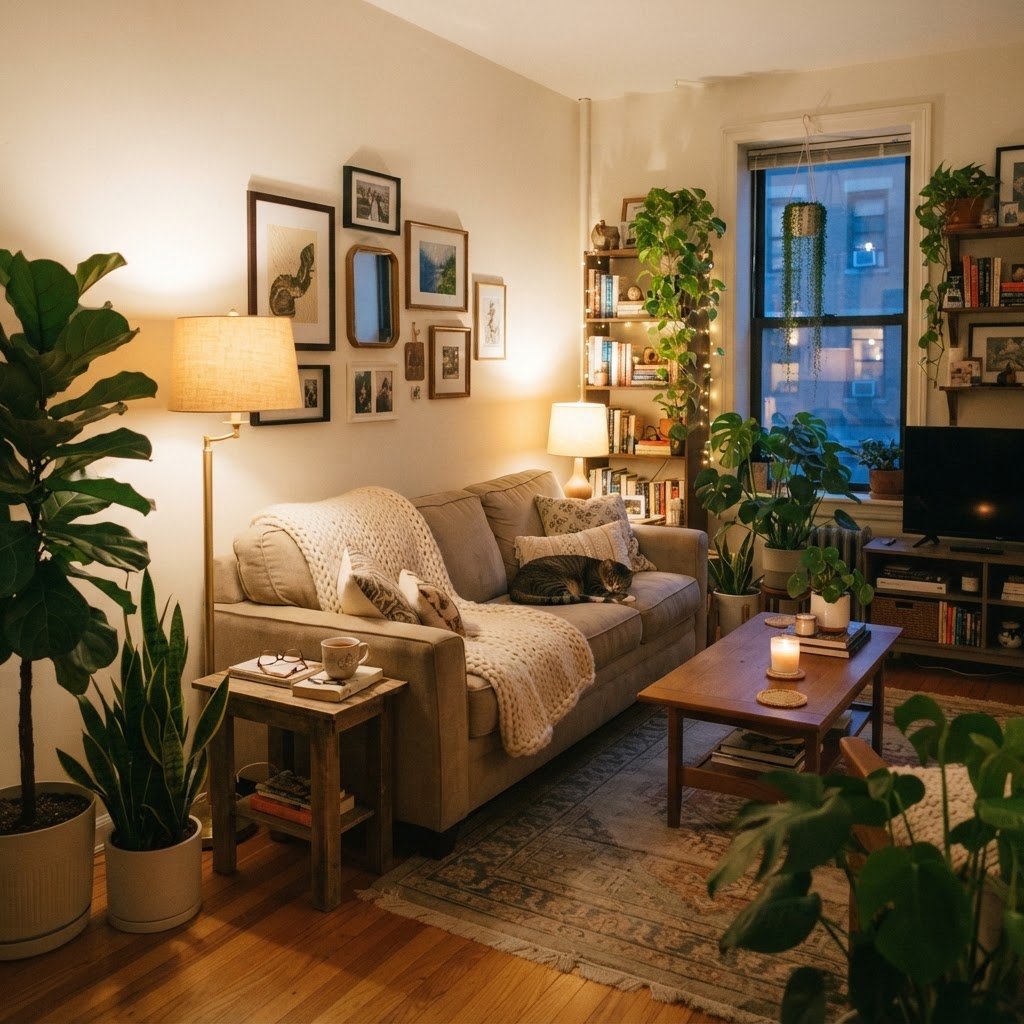
Transitioning away from harsh, overhead “boob lights” is the most effective way to eliminate a cold, clinical atmosphere in your rental apartment. Most rental units are equipped with high-Kelvin fluorescent lighting that casts an unflattering, sterile blue hue; by layering ambient, task, and accent lighting at varying heights, you can transform the “temperature” of a room. Start by swapping every bulb to a “soft white” 2700K or 3000K LED, which mimics the comforting glow of sunset rather than the sharp glare of an office space. Research shows that dimmable, warm lighting can reduce cortisol levels and create a psychological “cocooning” effect, making a space feel inherently more secure and residential. Additionally, avoid relying on single-source ceiling lighting. Instead, utilize at least three light sources per room—such as a floor lamp behind a sofa and a table lamp on a side table—to create depth and erase sharp, uninviting shadows.
Switch to Warm LED Bulbs
The easiest swap you can make is changing every single light bulb in your apartment to a ‘warm white’ or ‘soft white’ color temperature, typically between 2700K and 3000K on the Kelvin scale. These bulbs emit a golden, gentle glow that mimics the cozy feeling of sunset or candlelight. Avoid anything labeled as ‘daylight’ or ‘cool white,’ as these will only exacerbate the clinical feel of your rental.
Incorporate Floor and Table Lamps
Once you have upgraded your bulbs, introduce floor lamps and table lamps into every corner of the room. Create ‘pools of light’ that draw the eye away from the ceiling and toward cozy seating areas or reading nooks. By relying on lamps instead of your main ceiling light, you create intimate shadows that naturally make a room feel smaller, more protected, and significantly warmer.
Layer Textures for Visual Comfort
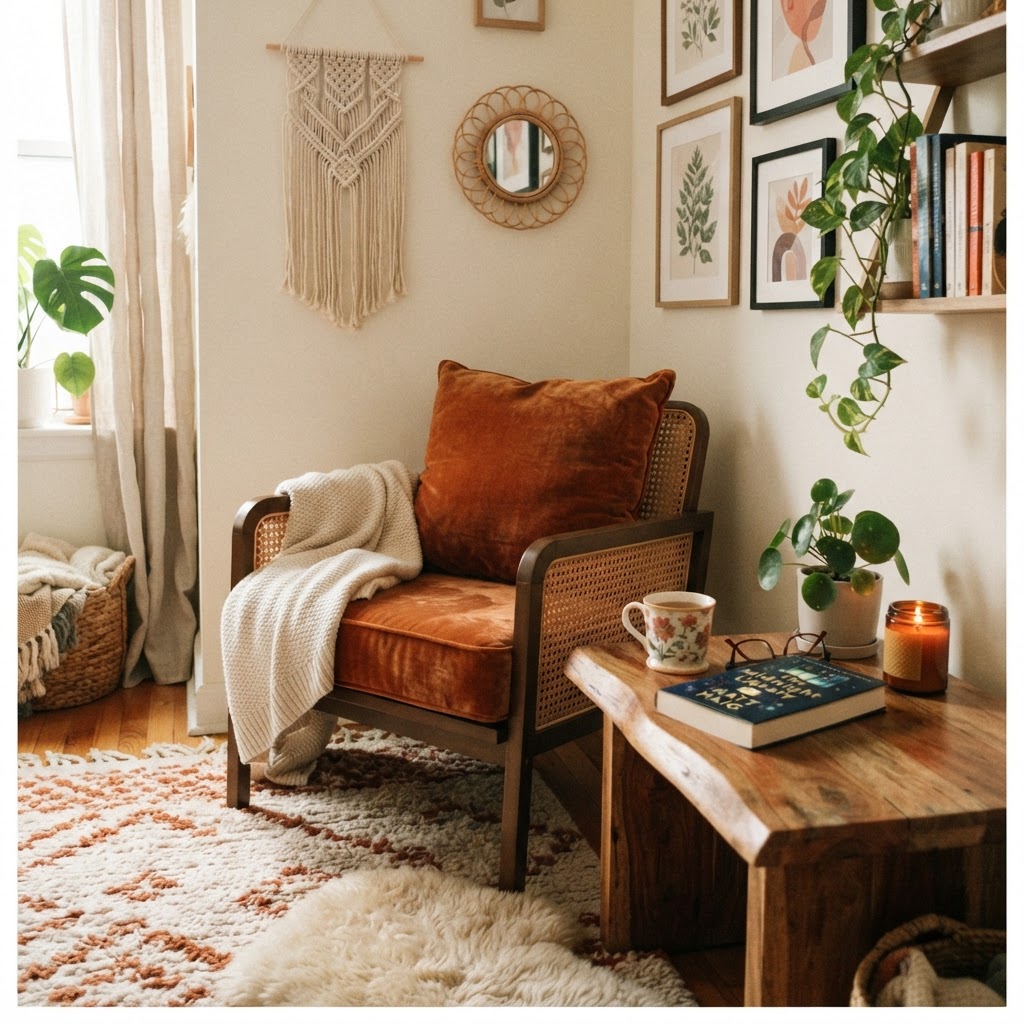
When you cannot change the color of your walls, you must change the texture of your surfaces to introduce visual “weight” and warmth. A room composed entirely of smooth, flat materials like painted drywall, tile, and laminate flooring feels psychologically cold; conversely, introducing tactile variety stimulates the senses and creates a feeling of luxury. Aim to incorporate at least four distinct textures in your living room: a hard element (like raw wood), a soft textile (like velvet or sheepskin), a natural fiber (like jute or rattan), and a metallic accent. For example, draping a chunky knit wool throw over a sleek, modern sofa provides an immediate contrast that softens the room’s edges. Layering a braided or high-pile rug over cold tile or low-quality carpet also helps insulate the floor, which can improve the thermal comfort of a room by up to 2 degrees Fahrenheit, according to interior design studies. By mixing these fibers—sisal for durability, velvet for comfort, and linen for breathability—you create a balanced environment that feels intentional rather than temporary. Avoid cheap synthetic fabrics; instead, seek out recycled cotton or wool blends that provide a “lived-in” weight that cheaper materials lack.
Dress Your Windows with Softness
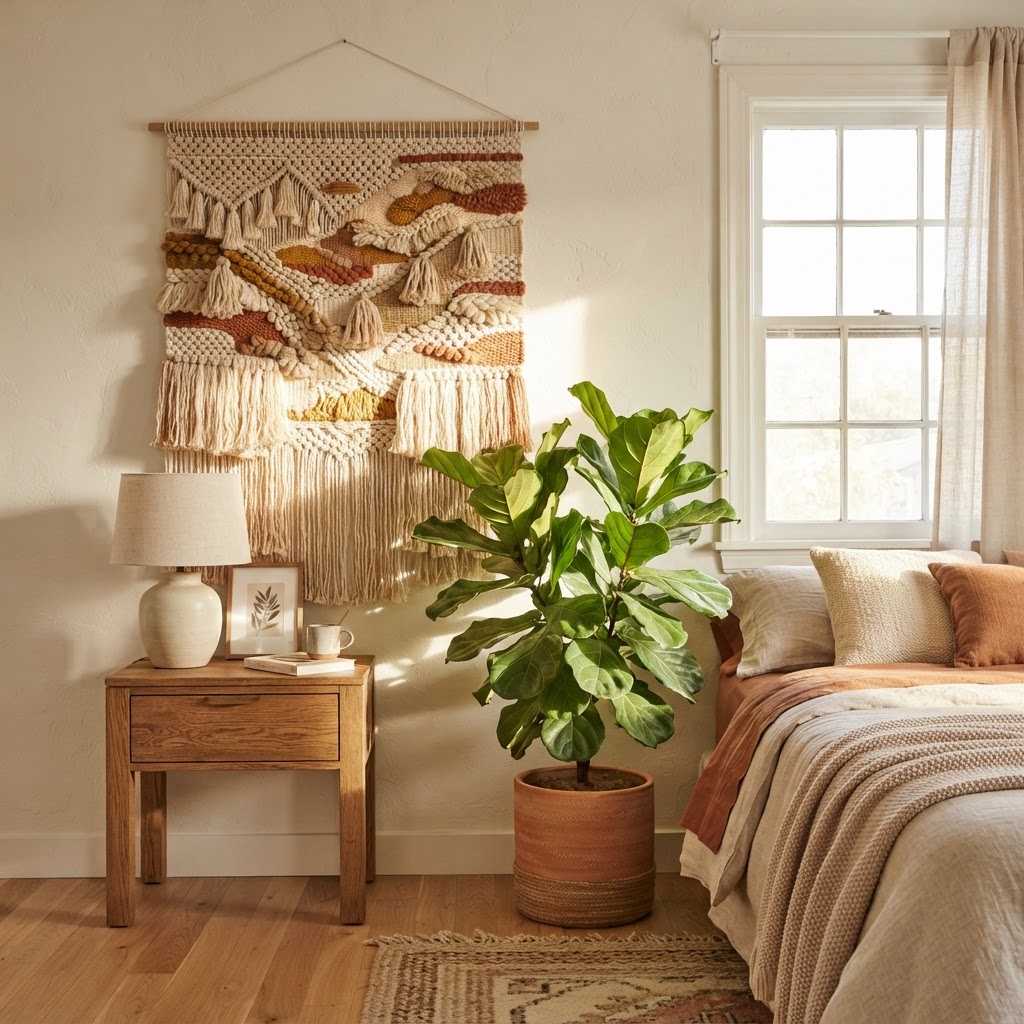
Rental blinds are notoriously cold and institutional, but you can effectively mask these eyesores using non-damaging window treatments to improve both the aesthetic and thermal efficiency of your apartment. Standard vinyl or plastic blinds serve a functional purpose for privacy but often trap air or create a “blocky” look that lacks elegance. By installing a tension rod inside the window frame—or using command-hook curtain brackets if you want to hang rods above the frame—you can introduce floor-to-ceiling drapes that instantly soften the architecture. Choosing heavy fabrics like blackout-lined cotton, thick linen, or velvet serves a dual purpose: it frames the view while providing an additional layer of insulation against drafts. If you prefer a lighter look, consider “layering” by keeping your blinds pulled up halfway and hanging sheer, linen-look curtains over them. This filters harsh daylight into a soft, diffused glow, which is particularly effective in North-facing apartments that lack natural golden-hour warmth. For a professional look, ensure your curtains are at least 1.5 times the width of the window to allow for proper “fullness” when closed.
Choose Floor-to-Ceiling Drapes
For the ultimate cozy factor, choose heavy, floor-to-ceiling drapes. Fabrics like velvet, thick linen, or blackout-lined cotton add insulation against cold windows while adding a touch of luxury. Aim for drapes that are wider than your window to ensure they frame the view beautifully, making the room feel taller and more substantial.
Layering Window Treatments
If you want to keep the light filter of the existing blinds, layer them with sheer curtains. This combination allows you to maintain privacy while softening the harsh glare of direct sunlight. The movement of fabric curtains as a breeze passes through adds a dynamic element that makes a space feel alive rather than static.
Use Large-Scale Wall Decor
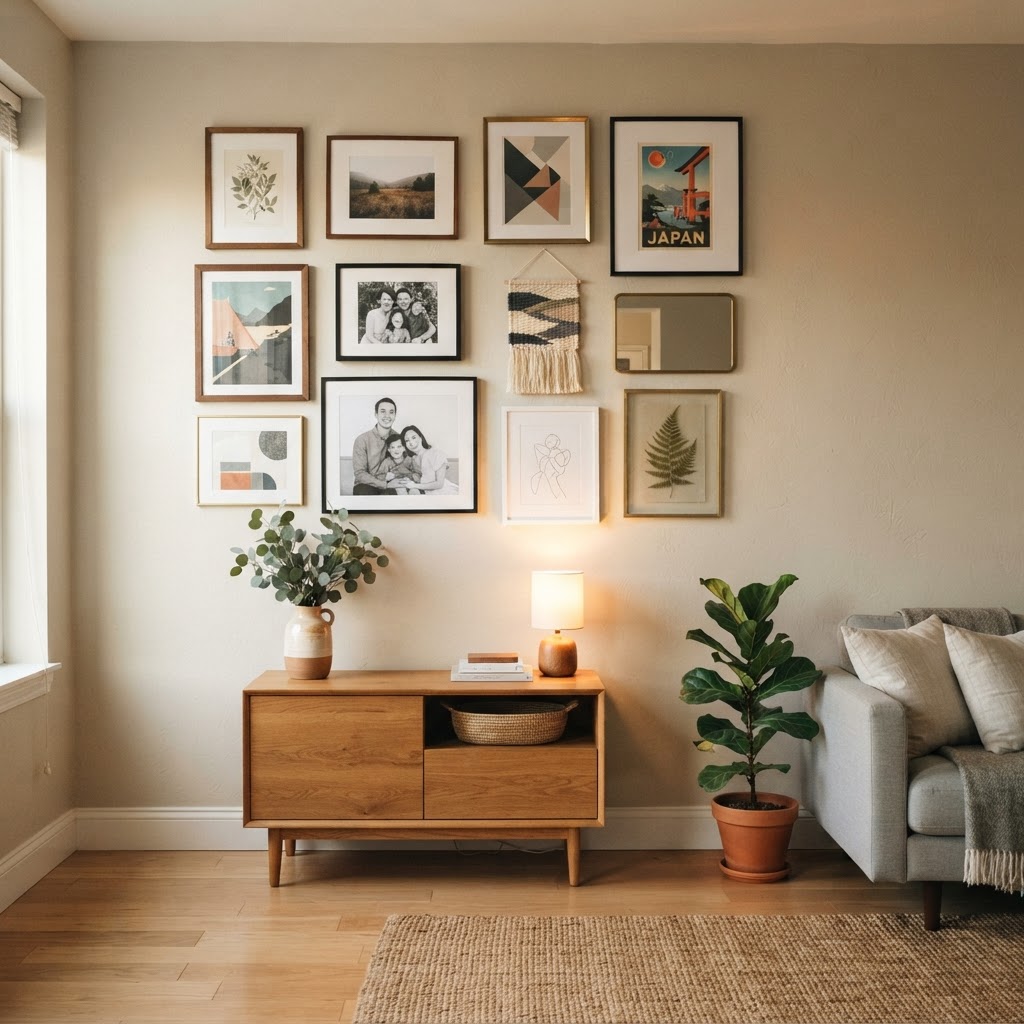
Large-scale wall decor is the secret weapon for hiding sterile, landlord-provided white walls, allowing you to reintroduce personality without violating your lease terms. Blank, empty walls are the primary contributor to a “cold” rental aesthetic, as they reflect sound and light in a way that feels uninviting. Instead of small, scattered pieces that make a room look cluttered, commit to one or two large-scale items, such as an oversized tapestry, a woven wall basket arrangement, or a set of peel-and-stick wallpaper panels. For gallery walls, use high-strength adhesive mounting strips, which are rated to hold up to 16 pounds, ensuring you can hang heavy frames safely. Incorporating warm-toned artwork—think amber, burnt orange, or muted wood tones—distracts from the starkness of the wall paint. Research suggests that filling vertical space with texture reduces sound echo, making the room feel physically “quieter” and more intimate. If you are on a budget, consider printing vintage botanical illustrations in large frames; this adds natural, organic life to the room while keeping the cost below $50 for a full installation.
Introduce Natural Elements
Incorporating living, natural elements into your apartment is the most effective way to break up boxy, modern architecture and inject organic warmth into your space. Plants act as living sculptures, providing varying heights and vibrant, deep green colors that contrast against sterile white walls. Beyond their aesthetic value, plants like the snake plant (Sansevieria) or ZZ plant (Zamioculcas zamiifolia) thrive in low-light rental conditions while actively purifying the air. To maximize impact, focus on grouping plants of different sizes rather than scattering them sporadically; this creates a “jungle corner” effect that draws the eye toward a focal point. Additionally, consider the vessel you use; swapping standard plastic nursery pots for woven baskets, ceramic crocks, or terracotta pots introduces natural earth tones that harmonize with the environment. If space is tight, utilize ceiling-mounted macramé hangers or tall plant stands to maximize floor space while still introducing life. Studies have indicated that living plants in a room increase perceived happiness and relaxation, helping you bridge the gap between a temporary rental and a home that feels like a sanctuary.
Displaying Plants for Impact
Don’t just place a few pots on the windowsill. Group plants of varying heights together in the corner of a room, or use hanging planters to draw the eye upward. If you have low light, look for ‘hard-to-kill’ varieties like snake plants or ZZ plants. The natural aesthetic of a ceramic pot or a woven basket planter further reinforces the cozy, earthy theme you are trying to cultivate.
The Power of Area Rugs
An area rug is an essential tool for anchoring furniture and adding physical comfort in a space where you cannot change the flooring. Many rentals feature low-grade, thin carpeting or cold, hard tile, both of which can make a room feel unfinished; a high-pile, plush area rug creates an immediate “zone” for your furniture, visually separating living areas from hallways or kitchens. For maximum warmth, choose rugs made of natural fibers like wool or a synthetic blend with a thick, shaggy texture that retains heat. Always place a high-density felt rug pad underneath; this costs approximately $30-$60 but significantly increases the perceived luxury and cushion of the rug. When selecting colors, lean into warm palettes like terracotta, deep wine, mustard, or cognac to counteract the coolness of a typical white or grey apartment. Defining your floor space with a rug larger than your sofa width will make the room appear larger, while providing a soft surface underfoot that changes the acoustics of the room, muffling footsteps and reducing echo.
Personalize with Sentimental Decor
A rental feels like a cold showroom when it lacks personal markers, so filling your space with sentimental items is the ultimate way to convert a temporary unit into a permanent-feeling home. Displaying items such as travel souvenirs, heirloom books, or art you’ve collected over time provides a layer of “history” that generic mass-produced decor cannot replicate. Use non-damaging adhesive shelving to create “memory walls” or place decorative trays on your coffee table to corral your favorite candles and magazines. Engaging the senses is a subtle but powerful tactic for warmth; integrate a reed diffuser or a wax warmer with scents like sandalwood, cedar, or vanilla, which are perceived as warmer than floral or citrus scents. By curating your shelves with items that tell a story, you divert attention away from the structural limitations of the apartment. A room that feels intentionally designed with items you love will always feel warmer, regardless of the paint color on the walls. Focus on the ’80/20 rule’: 80% of your items should be neutral and calming, while 20% should be bold, sentimental, or brightly colored pieces that reflect your unique personality.
FAQ
How can I make a room look warmer without spending a lot of money?
You can immediately warm up a room by swapping standard light bulbs for 2700K “soft white” LEDs and using a high-pile area rug to cover cold floors. These two changes together often cost less than $75 and significantly alter the perceived temperature and comfort of your living space.
Are command strips really safe for all rental walls?
Most command-style adhesive strips are safe for primed, high-quality drywall, but you should always test a small, hidden spot first. Avoid using them on loose wallpaper or fresh, uncured paint to prevent tearing or surface damage during removal.
What are the best fabrics to make a rental look cozy?
Velvet, chunky-knit wool, and thick linen are the best fabrics for creating a cozy atmosphere in a rental. These materials add “visual weight” and tactile softness that distract from hard surfaces like tile or laminate flooring.
Does adding plants really help the room feel warmer?
Yes, plants introduce natural organic shapes and deep green colors that break up the clinical, boxy lines of modern rental apartments. The living element creates a more relaxed, inviting environment that reduces the harshness of sterile walls.
How do I define a living area in an open-concept rental?
Use a large area rug to anchor your furniture, creating a clear “island” that feels like a distinct room. Positioning your sofa away from the wall to create a floating layout also helps define the space and makes the floor plan feel more intentional.

Leave a Reply