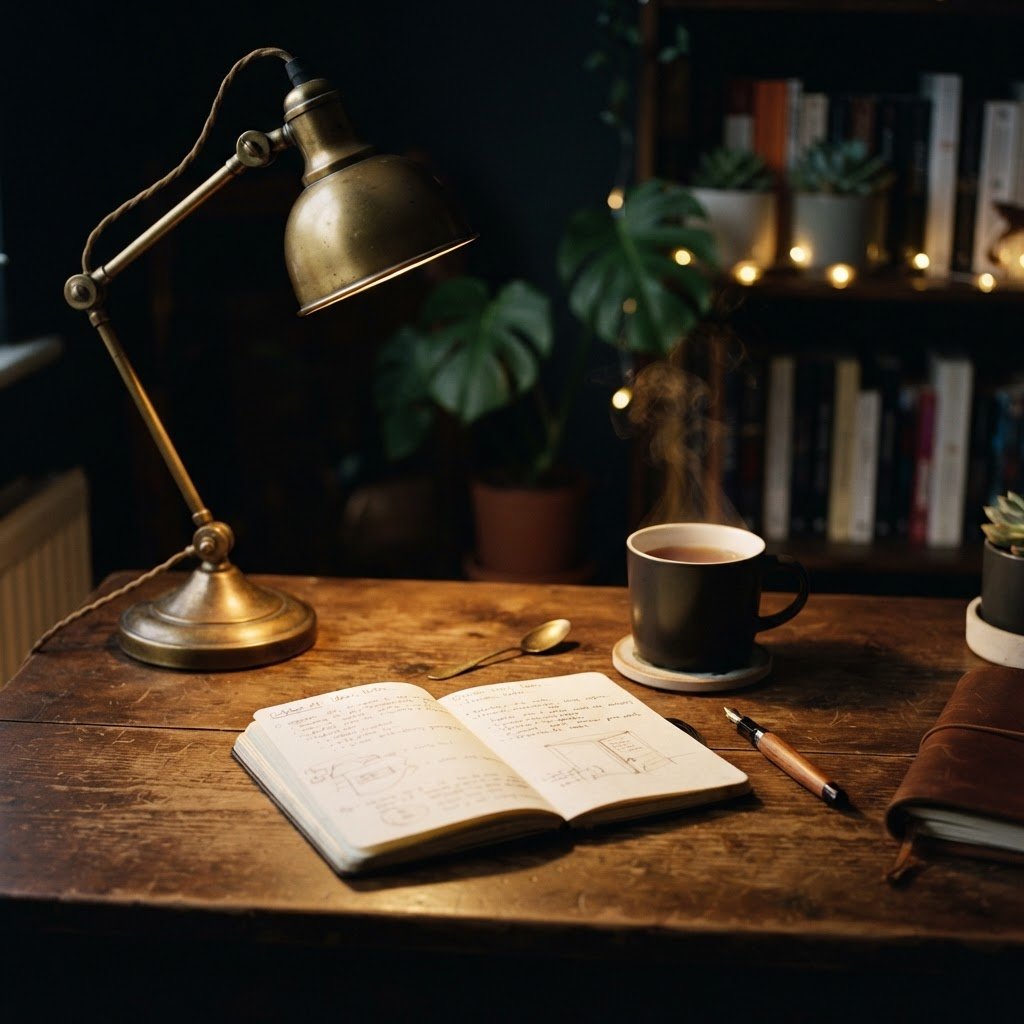
Cozy Home Studio Lighting Setups That Feel Like a Hug
Cozy home studio lighting setups that feel like a hug are best achieved by layering ambient, task, and accent lighting with warm color temperatures between 2700K and 3000K. By avoiding harsh overhead fixtures and using dimmable, indirect light sources, you create a sanctuary that reduces eye strain and fosters creative flow.
The Psychology of Warm Workspace Lighting
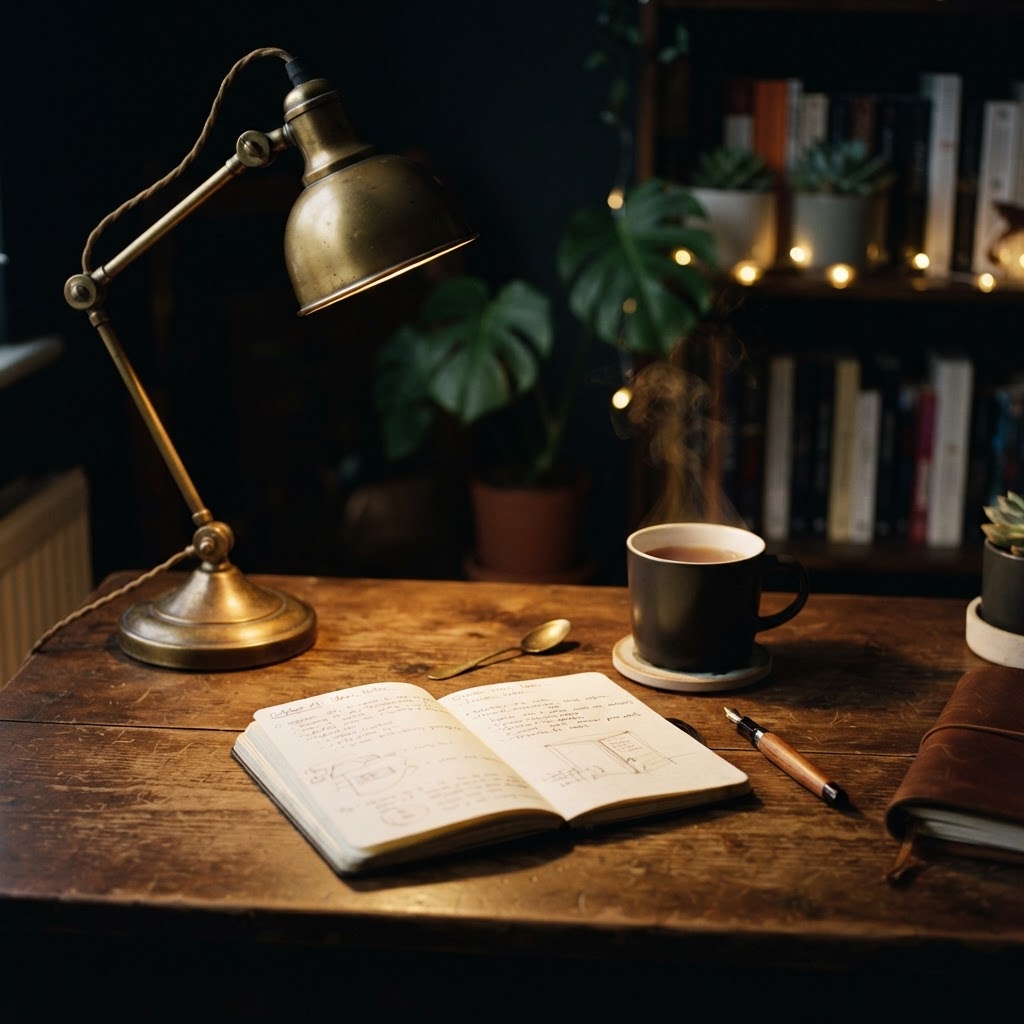
Lighting profoundly impacts our circadian rhythms and emotional states, making it a critical factor in how your nervous system responds to your workspace. Harsh, cool-toned lights (above 4000K) suppress melatonin and can trigger physical jitteriness, while warmer tones between 2700K and 3000K mimic the physiological safety of sunset, signaling the brain to relax into a “flow state.”
By prioritizing warm workspace lighting, you reduce the contrast ratio between your screen and the surrounding environment, which is the primary cause of digital eye strain. Research indicates that maintaining a balanced light level where the workspace is roughly 20-30% brighter than the ambient room glow minimizes cognitive load. When your environment feels physically “soft,” your mental energy is preserved for tasks rather than subconscious tension-management. This transition not only improves aesthetic appeal but also stabilizes your mood throughout long, back-to-back work sessions.
Lighting Temperature Comparison
Establishing the Foundation with Ambient Layers
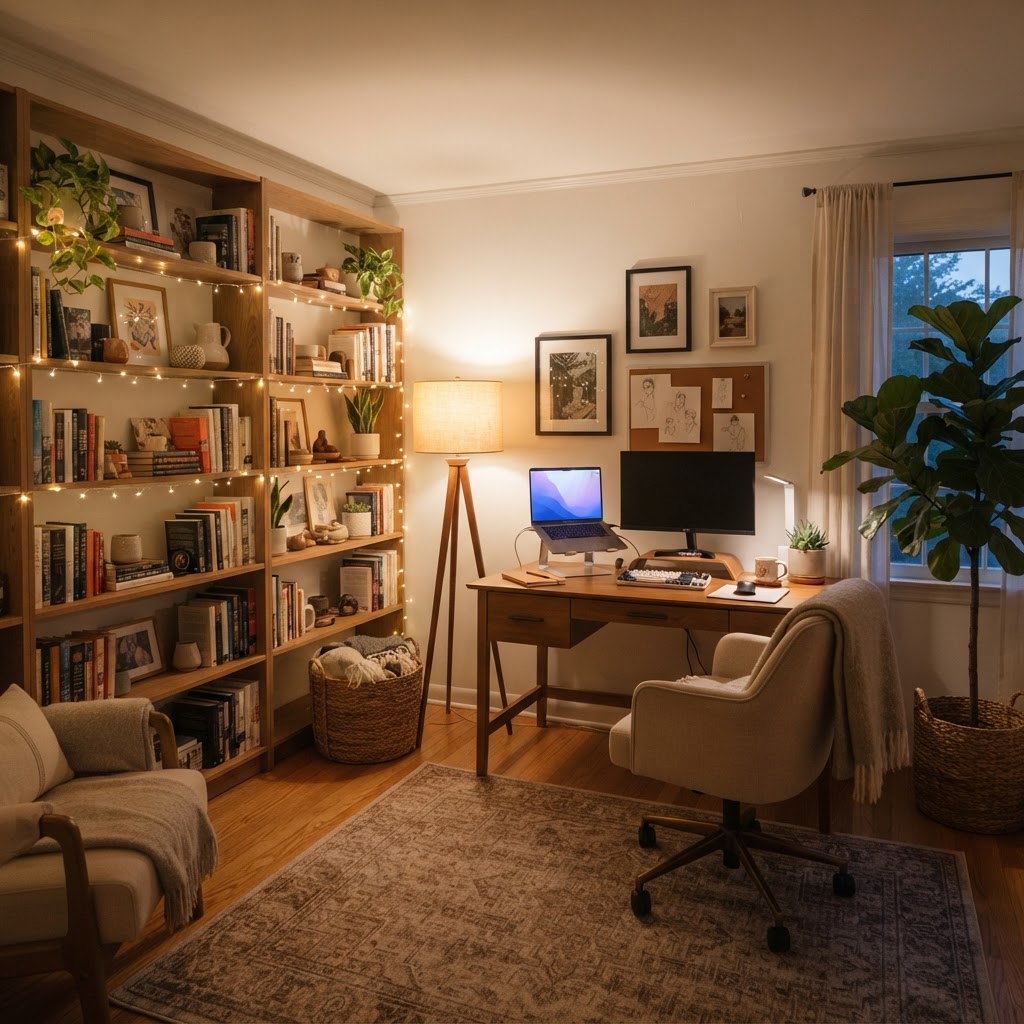
Establishing a base layer of ambient light is the most critical step in eliminating the “hospital” feel of a standard home office. Avoid relying on a single, centrally located ceiling fixture, which creates flat, uninspiring shadows that increase spatial anxiety; instead, focus on illuminating the perimeter of the room to define the space boundaries clearly.
Use dimmable wall sconces or diffused floor lamps that cast light upward against ceiling corners to create indirect “bounce” illumination. This technique softens the architectural edges of your room and minimizes harsh shadow lines. Aim for at least three distinct light sources per 100 square feet of workspace to achieve true, comfortable uniformity. By illuminating dark corners, you expand the perceived size of the room, turning a confined desk area into a cozy sanctuary. Ensure your ambient bulbs are rated for at least 800 lumens each for adequate coverage without being overpowering when dimmed to 50% capacity.
Utilizing Task Lighting for Comfort and Utility
Effective task lighting must provide precise illumination for your desk surface while maintaining the overall warm mood of your studio. The goal is to avoid “spotlighting” your work area, which creates jarring contrasts, and instead use adjustable, diffused light sources that allow for flexible brightness levels depending on the time of day.
Opt for desk lamps with articulated arms and fabric or frosted glass shades, which serve as physical diffusers to soften the light output. When positioning these, aim the lamp head to illuminate your papers or keyboard indirectly, preventing direct glare on your monitor. Brass or matte-finish fixtures add a tactile, “lived-in” quality that reinforces the “hugging” atmosphere. Align the color temperature of these task lights precisely with your ambient bulbs to prevent a color-clash, which can feel mentally fragmented. For optimal ergonomics, your task light should be positioned to your non-dominant side to minimize hand shadows while writing or typing.
Choosing the Right Bulb Temperature
- 2700K: A very warm, golden glow ideal for late-night editing or writing.
- 3000K: A soft, neutral warm light that bridges the gap between focus and comfort.
- 3500K: The absolute limit for a “cozy” setup; avoid anything higher, as it shifts into clinical, cool daylight tones.
Incorporating Accent Lighting for Personality
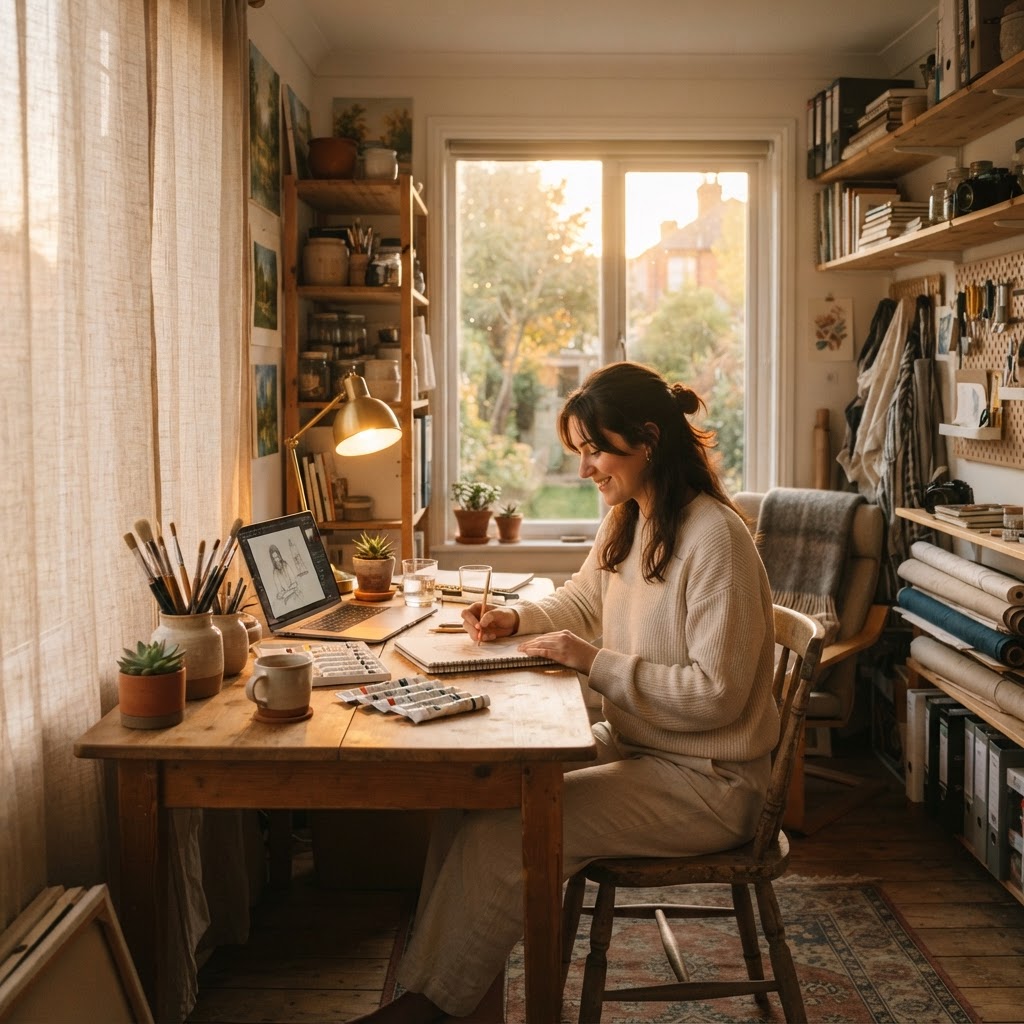
Accent lighting acts as the final flourish, transforming a functional workspace into a curated reflection of your personality. Strategic placement of these lights adds depth to your room by creating layers that guide the eye, making the space feel more intentional and “complete.”
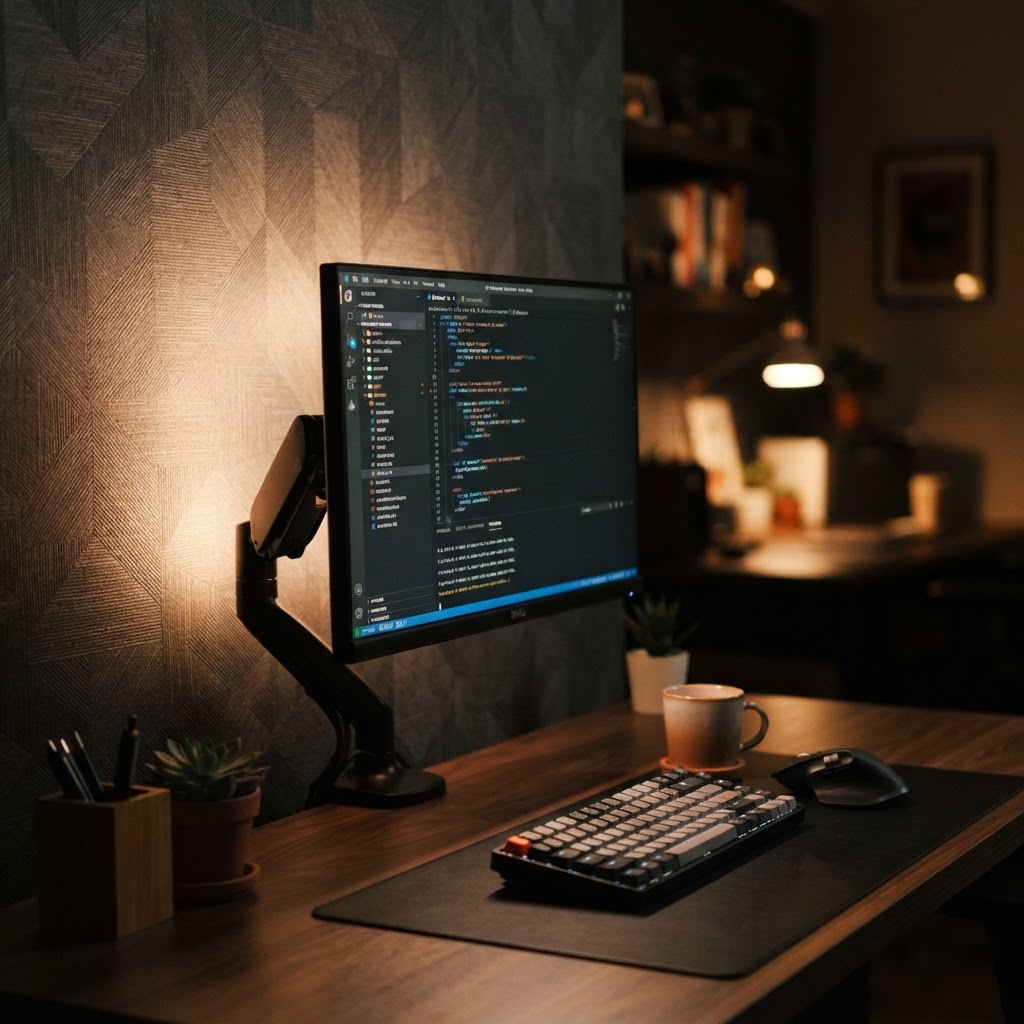
Install LED strip lighting or small puck lights behind your monitor screens to create a soft halo effect against the wall. This is a form of bias lighting that significantly reduces contrast-induced eye fatigue. Beyond the desk, integrate accent lights inside glass cabinets, behind artwork, or along shelving to create high-interest focal points. These small, concentrated pools of light draw the gaze away from the clutter of cords or equipment, creating a sense of visual hierarchy. Use warm-toned fairy lights for a whimsical touch, especially when draped behind sheer window treatments to soften the nighttime view outside your window.
Managing Natural Light Throughout the Day
Natural light is an essential component of a healthy, productive home studio that must be balanced with your artificial setup. Because the color temperature of sunlight changes throughout the day—ranging from roughly 5000K at midday to 2000K at dusk—you should use window treatments to maintain a consistent atmosphere.
Layering is the key strategy here. Use sheer, linen curtains to diffuse harsh, direct afternoon sun, which prevents glare on monitors while maintaining a bright, airy feeling. As the sun begins to set, transition into your interior lighting by layering your warm lamps on before the natural light completely fades. This “lighting ritual” helps the brain transition from the analytical focus of the workday to the reflective, creative state of the evening. If your studio faces south, use cellular shades to block heat gain in summer, as a hot room quickly destroys the “cozy” feeling you are working to build.
Smart Controls and Dimmers for Flexibility
Flexibility is the hallmark of a professional-grade home studio, and smart lighting provides the most efficient way to achieve this. Utilizing smart bulbs and dimmers allows you to adjust your environment instantly, saving you from having to rewire your space or install complex electrical infrastructure.
Programmable “scenes” allow you to save your favorite setups for different tasks. For example, a “Deep Focus” scene might set your overheads to 3000K at 80% intensity, while a “Creative Flow” scene dims the room to 2700K at 40% with accent lights at 100%. Modern smart bulbs are compatible with most voice assistants and phone apps, allowing for hands-free adjustments. This flexibility ensures that your lighting is always serving your current mood rather than forcing your mood to adapt to static, unchangeable lighting conditions.
The Role of Shadows and Texture
Shadows are the silent partners of lighting, providing depth, mystery, and visual rest to your home studio. A perfectly illuminated room feels flat and sterile, whereas a room with soft, muted shadows feels grounded and intentional.
To maximize the impact of your lighting, pair it with textured surfaces such as wool rugs, velvet cushions, or reclaimed wood desks. When warm light hits these textures at an angle, it creates micro-shadows that add tactile richness and perceived comfort. Design your space to have “visual rest spots” where light levels are intentionally lower. This contrast makes your primary work areas feel more cozy and inviting by comparison. Never try to light every square inch of the room; let the corners fade into soft, warm shadow to create the feeling of being nestled within your own private creative hub.
FAQ
What color temperature is best for a cozy home studio?
2700K to 3000K is the ideal range for a cozy home studio. This temperature mimics the warm glow of sunset and candlelight, which helps the nervous system relax and reduces the blue light exposure that causes eye strain.
How can I make my home office feel warmer without buying new lamps?
Switching your existing bulbs to warmer-toned LED alternatives or adding simple, inexpensive dimmers to your current fixtures can immediately transform the mood. Positioning existing lamps to bounce light off walls rather than directly onto your desk also creates a softer, more inviting glow.
Why does my studio feel “cold” even with the lights on?
Your studio likely feels cold because you are relying on a single, high-intensity overhead light source that creates flat, harsh shadows. You can fix this by adding at least two low-level ambient light sources at different heights, such as a floor lamp and a small table lamp.
What is bias lighting and why should I use it?
Bias lighting is the practice of placing a light source behind your monitor to illuminate the wall behind it. It reduces the contrast between your screen’s brightness and the dark wall, which significantly lowers eye strain and makes the screen colors appear more vivid.
How do I manage lighting transitions from day to night?
As natural light wanes, begin turning on your secondary lamps and floor lights before the room gets dark. This gradual transition prevents the “shock” of turning on bright artificial lights after sunset and keeps your brain in a state of consistent creative comfort.

Leave a Reply