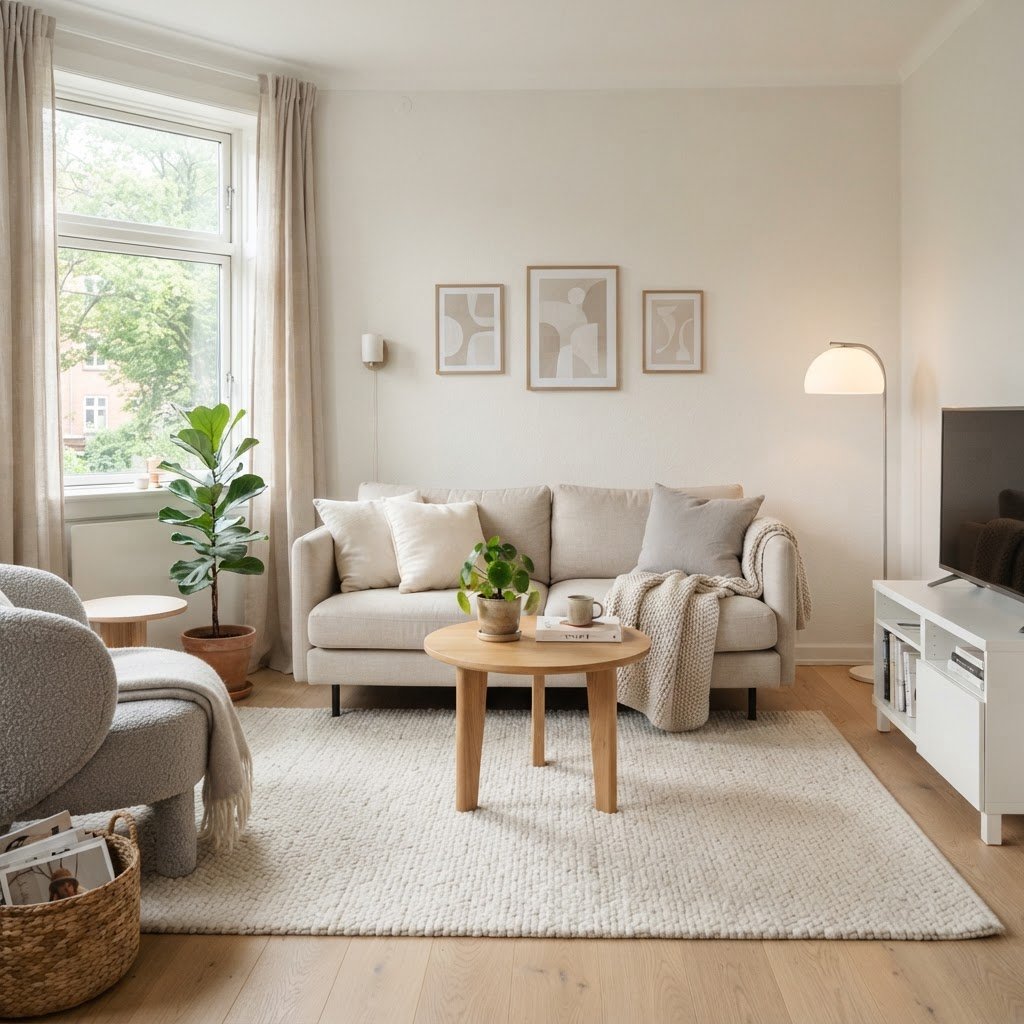
Decorate a Small Apartment on a Budget: Easy DIY Tips
You can decorate a small apartment on a budget by prioritizing multi-functional furniture, utilizing vertical storage to clear floor space, and layering neutral foundations with affordable textiles. These strategies, combined with intentional lighting and the “rule of three” for styling, create a high-end, cohesive aesthetic without requiring significant financial investment.
Rethinking Your Space and Layout
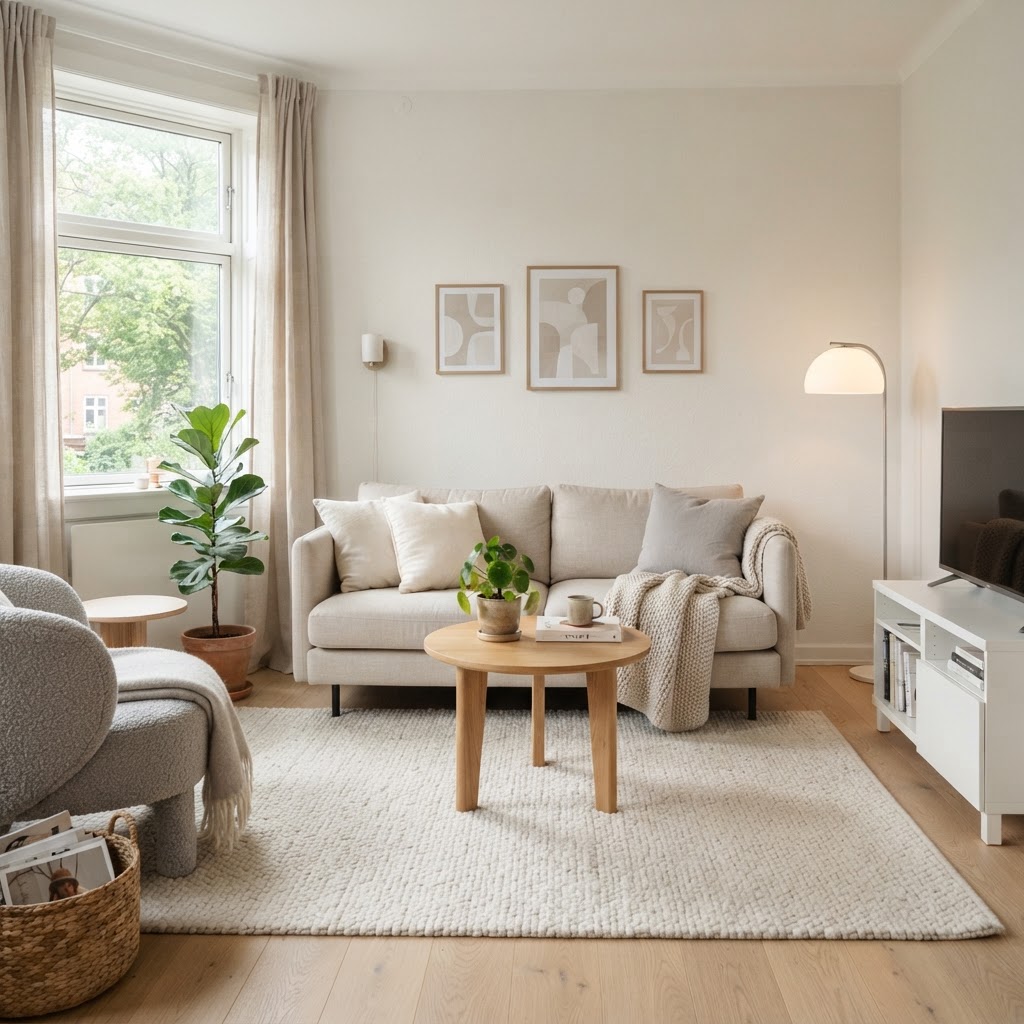
Maximizing a small apartment layout requires precise planning before purchasing any new items. Start by measuring your floor space and mapping it out; aim for furniture that occupies less than 60% of the walking area to maintain flow. Multi-functionality is your most valuable asset in tight quarters; prioritize “dual-purpose” pieces like storage ottomans that provide seating while hiding clutter, or nesting tables that tuck away when not in use.
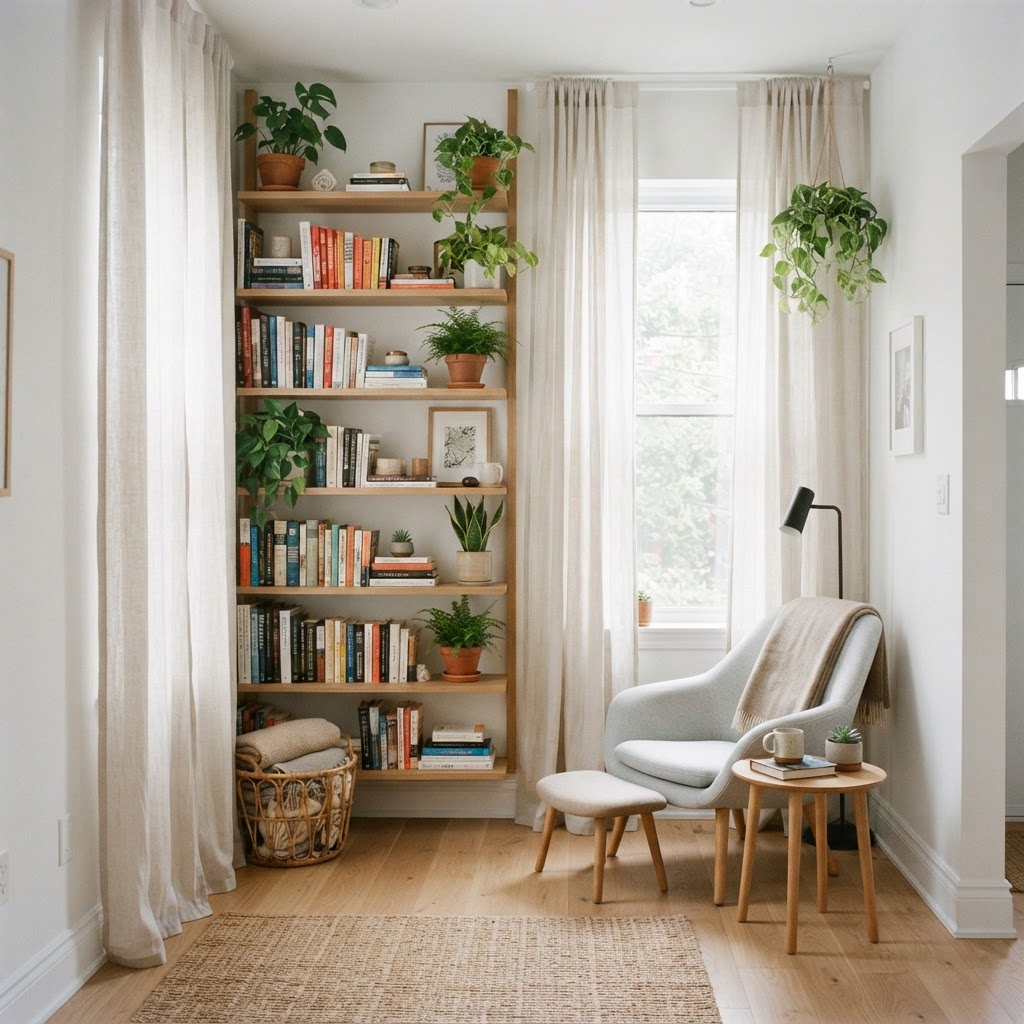
It is essential to declutter your surfaces to prevent a claustrophobic environment. Vertical storage solutions, such as wall-mounted floating shelves or tall, slim bookcases, draw the eye upward and keep the floor footprint clear. By mounting shelves 6 to 8 inches below the ceiling, you create a sense of height and expansive space. Always prioritize closed storage—such as bins or baskets—to keep essential items out of sight, ensuring the room remains visually calm and functional for daily activities.
Budget-Friendly Styling Strategies
Elevating a small space on a budget relies on specific, high-impact styling tweaks rather than large-scale purchases. Swapping out standard, builder-grade cabinet hardware for matte black or brass knobs can be achieved for under $50 and provides an instant custom look. Incorporating varied textures through layered rugs and high-pile throw blankets adds an expensive aesthetic; a 5×8 area rug placed under the front legs of your sofa will define your living zone effectively.
Focus on a neutral base for your larger, more expensive items like sofas and window treatments. Using beige, cream, or light grey as your foundation allows you to update your apartment’s color scheme seasonally with low-cost accessories like throw pillows or wall art, which typically cost between $15 and $30 each. This approach keeps your primary investment pieces timeless while giving you the flexibility to experiment with bold accents or greenery to brighten your home.
Master the Art of Interior Design Rules
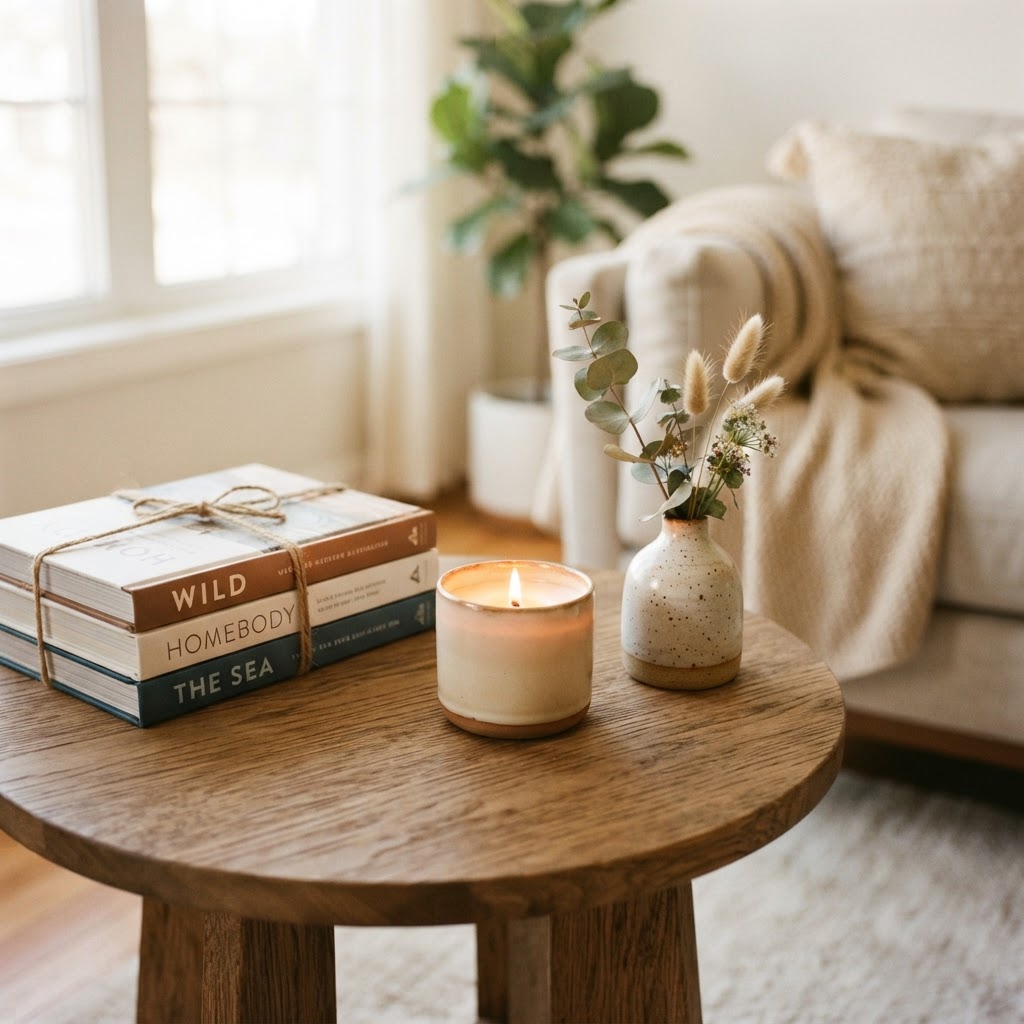
What is the 3-5-7 rule in interior design? This rule suggests that you should group items in odd numbers, specifically three, five, or seven, to create visual balance and professional depth. Designers use this trick to prevent rooms from feeling cluttered or random. Instead of placing a single item on a side table, arrange three objects of varying heights—such as a tall vase, a medium candle, and a short stack of books—to lead the eye across the space.
Creating Visual Balance
When styling your home, consider how different heights interact to create a pleasing contrast. A tall floor lamp placed next to a shorter armchair creates a dynamic visual focal point. On your coffee table, combine a stack of books, a decorative tray, and a small plant to ground the surface. By clustering these objects, you transform flat surfaces into intentional displays that feel curated rather than messy, which is essential for maintaining a sense of luxury in a limited apartment space.
Achieving a High-End Look for Less
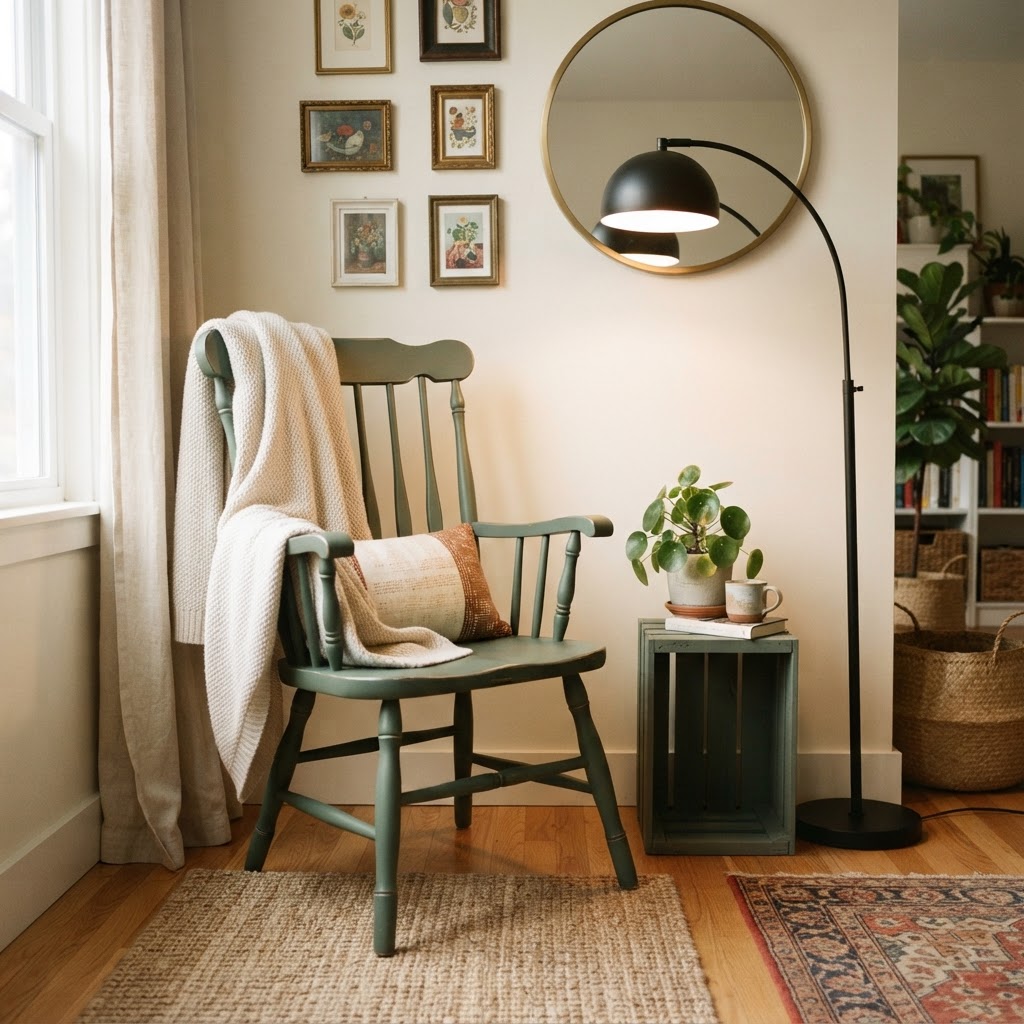
How to make a small apartment look luxurious? Focus on the quality of light and the use of scale to elevate your surroundings. Avoid the singular overhead “boob light” by layering your lighting; combine a floor lamp for ambient light, a task lamp for reading, and string lights or candles for accent depth. This professional lighting scheme creates warmth and masks the limitations of a small, cramped floor plan.
Adding floor-to-ceiling curtains is one of the most effective designer tricks to make ceilings appear higher. Mount your curtain rod at the ceiling line—or at least 6 inches above the window frame—rather than directly above the window. This creates the illusion of grandeur. Investing in linen or velvet curtains can add a high-end texture that masks cheap window frames, making the entire room feel more expensive.
Decorating on a Shoestring Budget
How to decorate a low income apartment? Prioritize DIY refurbishing and secondhand marketplaces, which can save you up to 70% compared to buying new retail furniture. Visit local thrift stores or browse online marketplaces for solid-wood furniture that only requires a light sanding and a fresh coat of paint to look modern and refined. If you are struggling with ideas, Pinterest serves as an excellent resource for DIY tutorials on refurbishing everything from old chairs to kitchen cabinets.
Do not underestimate the power of DIY wall art to fill empty spaces cheaply. You can print high-resolution public domain art or create abstract paintings on canvases costing less than $10. Placing these in matching frames provides a cohesive, gallery-like feel. By repurposing what you already own and focusing on quality items over quantity, you avoid the “clutter trap” that makes small apartments feel smaller, while maintaining a distinct, personal sense of style.
The Power of Textiles and Lighting
Never underestimate how much a rug can anchor a living space. It effectively defines distinct zones in a small apartment, separating the lounge from the dining area without needing walls. Choose a rug that is large enough to touch at least the front legs of your furniture, as this pulls the grouping together into one intentional “room.” If you have mismatched furniture, a cohesive rug color can tie the whole look together seamlessly.
Lighting is equally vital for creating mood. If your apartment has minimal natural light, use large mirrors to bounce available light around the room. A full-length mirror leaning against a wall can effectively make a cramped room feel twice as large by reflecting space and natural windows. Complement this with a warm-toned floor lamp (2700K to 3000K bulb) for evenings, which provides a cozy glow compared to the sterile, cold appearance of standard overhead white lights.
FAQ
How can I make my apartment feel larger without spending much money?
Use mirrors to reflect light and space, and choose furniture with exposed legs to create the illusion of more floor area. Keeping surfaces clear and utilizing vertical space for storage also prevents the room from feeling cramped or cluttered.
What are the best colors for a small apartment?
Stick to a neutral palette of white, cream, or light grey for your large pieces to maintain an airy, open feel. You can introduce personality through small, inexpensive accessories like colorful throw pillows, blankets, or wall art that can be changed out easily.
How do I use the rule of three when decorating?
Group items in sets of three, five, or seven to create visual balance and interest. Ensure your objects vary in height and texture—such as combining a tall vase, a round candle, and a flat book—to create a professional, intentional focal point on surfaces like coffee tables.
Is it worth buying secondhand furniture for small spaces?
Yes, buying secondhand is a highly cost-effective way to get high-quality materials like real wood or metal. You can easily refurbish these pieces with paint or new hardware to match your personal aesthetic, often saving hundreds of dollars compared to buying mass-produced furniture.
How can I improve lighting in a windowless room?
Layering your lighting is the best approach for rooms lacking natural light. Use a combination of a floor lamp for ambient glow, a table lamp for task-oriented lighting, and wall sconces or string lights to add decorative accent lighting that warms up the space.

Leave a Reply