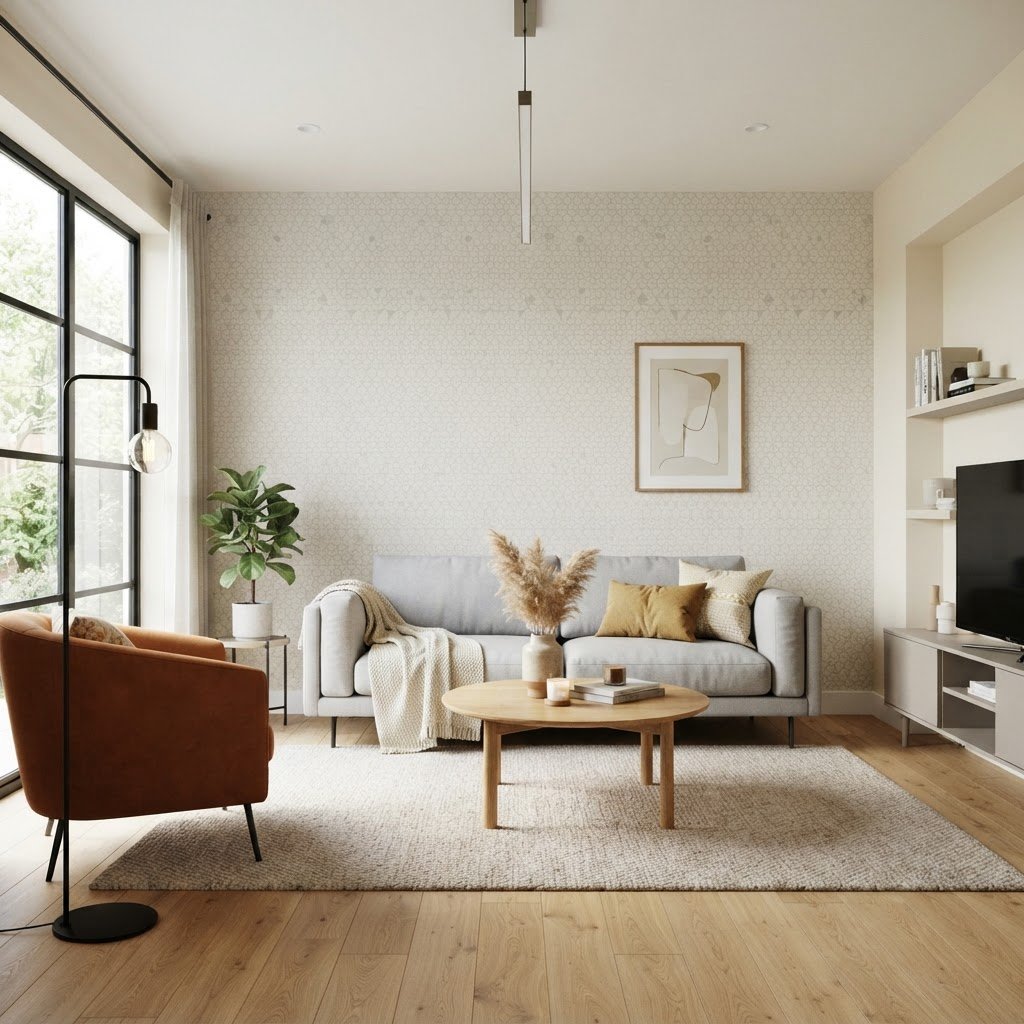
7 Renter-Friendly Ways to Hide Ugly Apartment Features
You can hide ugly apartment features using non-permanent solutions like peel-and-stick wallpaper, large area rugs, removable vinyl cabinet wraps, and strategic lighting. These methods allow you to disguise dated finishes, mask floor imperfections, and draw attention away from architectural eyesores without violating your lease or losing your security deposit.
Use Peel-and-Stick Wallpaper for Dated Walls
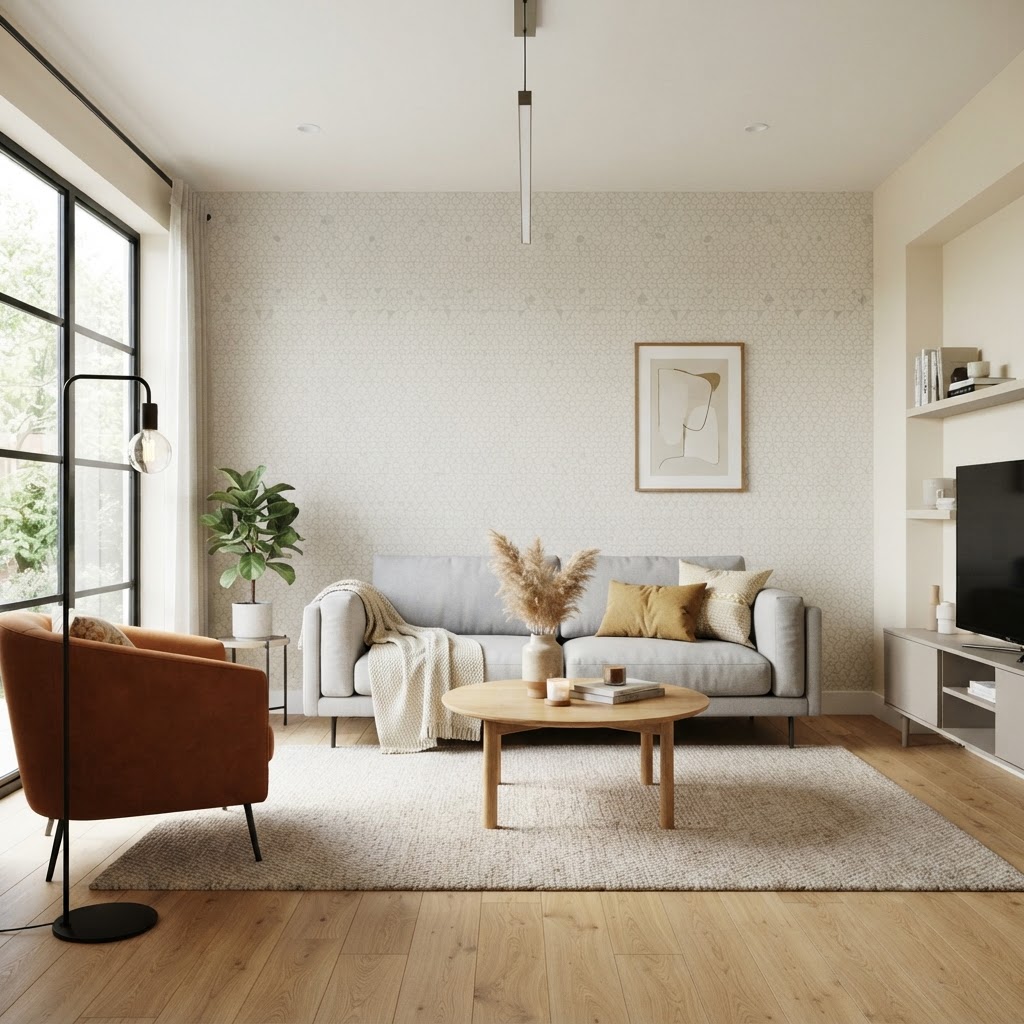
One of the most effective renter-friendly ways to hide ugly apartment features is the use of removable peel-and-stick wallpaper, which effectively conceals textured, damaged, or discolored walls. High-quality vinyl wallpaper typically costs between $30 and $60 per roll, offering a significantly cheaper alternative to professional painting while remaining 100% reversible.
Choosing the Right Pattern
When selecting a pattern, consider the scale of your room. If you are dealing with a cramped bedroom, lighter colors and subtle geometric patterns can make the space feel larger. For a bold statement, try a botanical print in a hallway or a small accent wall behind your bed. The key is to ensure the surface is clean and dry before application to avoid air bubbles or peeling. When applying, use a plastic smoother to remove trapped air, working from the center toward the edges to ensure a flat, professional-looking bond that leaves no residue upon removal.
Comparison: Wallpaper Options
Cover Unsightly Flooring with Area Rugs
Rental apartments often come with worn-out carpet or mismatched vinyl flooring that detracts from your furniture, but large area rugs can cover these eyesores while protecting the base flooring. A standard 8×10 foot area rug can completely obscure a stained carpet or cracked linoleum, shifting the visual focus toward your furniture and decor rather than the foundation of the room.
Layering for Depth
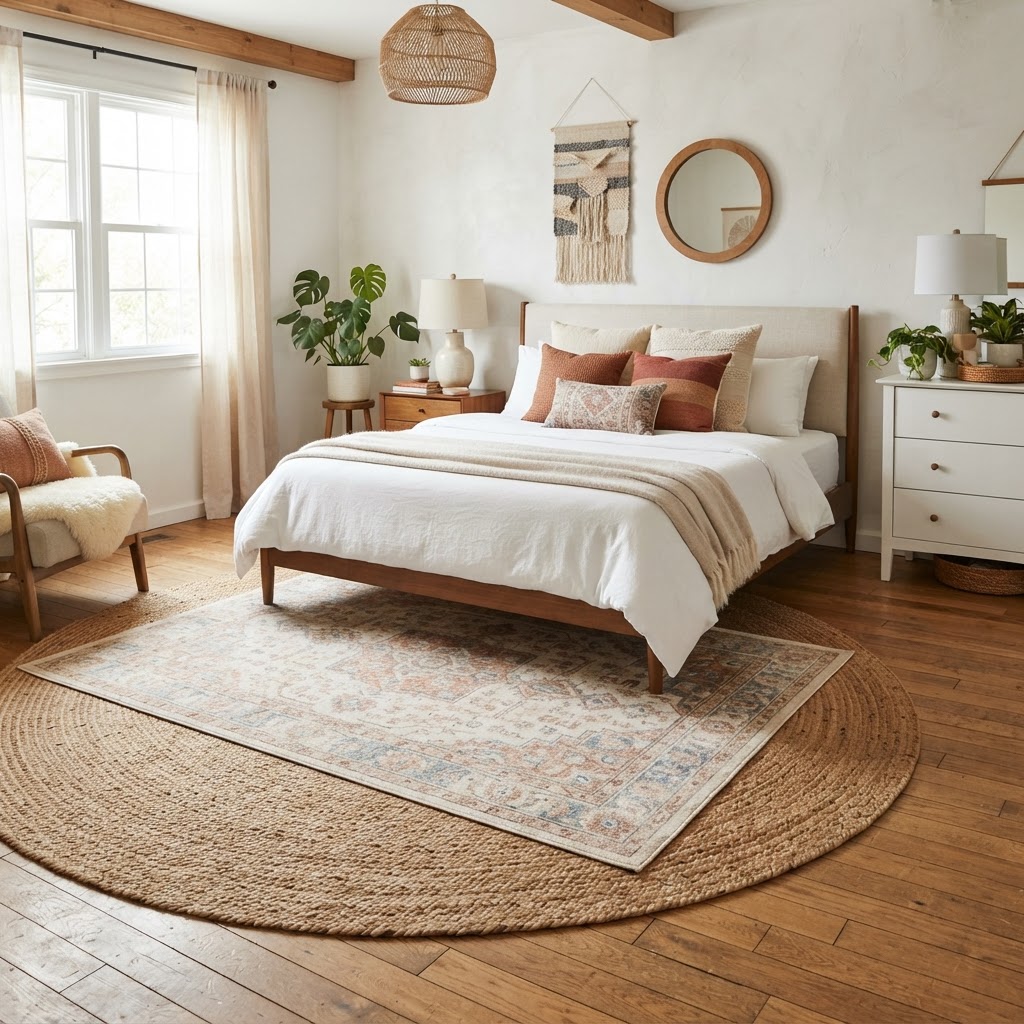
If one rug is not enough, try layering. Placing a natural fiber rug like jute underneath a colorful patterned rug can add texture and dimension to a boring floor. This technique is particularly effective in high-traffic areas like entryways or dining rooms where you want to protect the existing flooring while adding personality to your space. By using a rug pad underneath, you increase the lifespan of your rug by 30-50% and provide additional cushioning that makes dated floors feel softer and more luxurious underfoot.
Mask Old Cabinets with Removable Vinyl
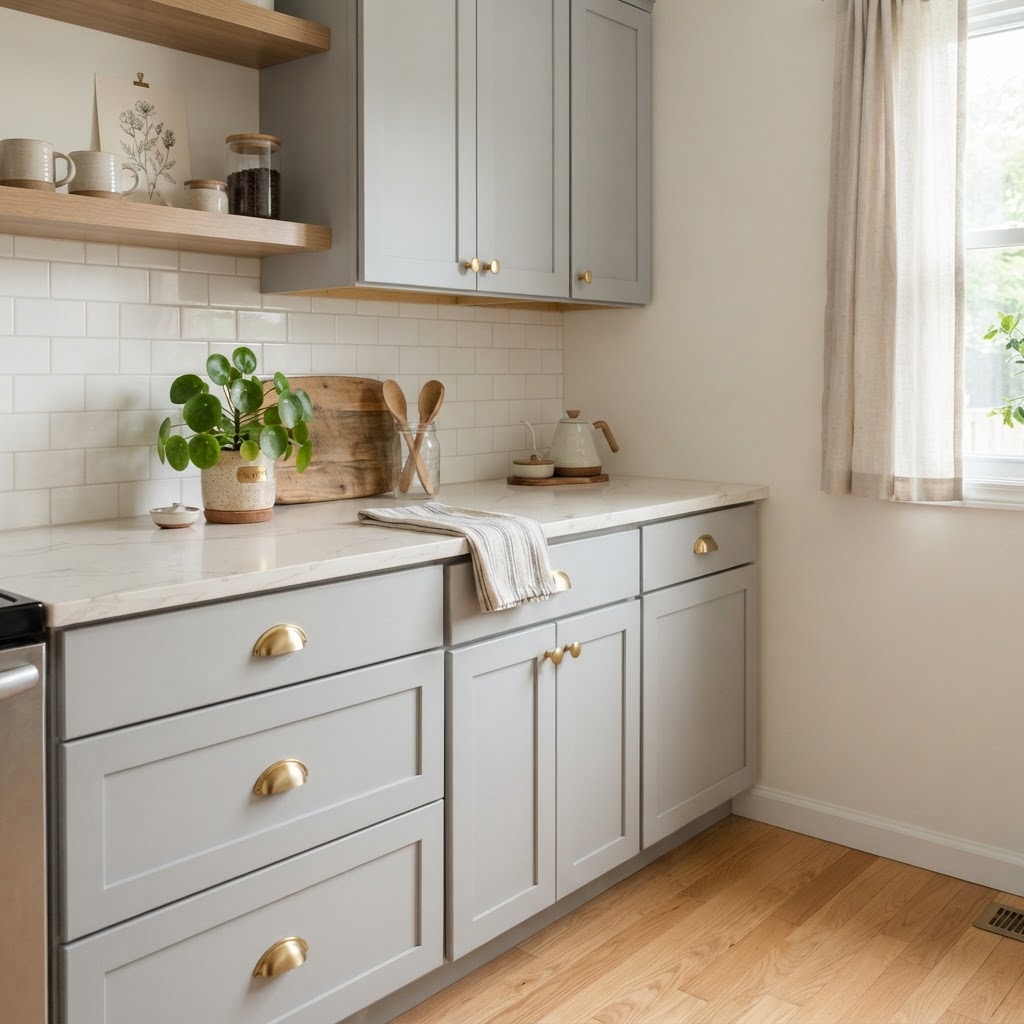
Kitchens are notorious for being the least customizable room in an apartment, but you can transform stained or cheap-looking cabinets using removable contact paper or architectural vinyl. This is one of the most popular renter-friendly ways to hide ugly apartment features because it provides a polished, high-end look without requiring any permanent paint or hardware changes, often costing less than $100 for a standard kitchen upgrade.
Tips for a Seamless Finish
Take your time measuring each cabinet door precisely. Use a sharp utility knife to trim excess material, and a hair dryer to help the vinyl wrap tightly around the edges. If your cabinets have outdated hardware, simply unscrew the knobs and replace them with stylish modern pulls; just be sure to keep the original hardware in a plastic bag so you can swap them back when you move out. For the best results, wipe cabinets down with isopropyl alcohol to remove all grease before applying the vinyl, ensuring a long-lasting adhesive bond.
Upgrade Ugly Lighting with Plug-in Fixtures
Fluorescent “boob lights” and dated brass chandeliers are common in many rentals, but you can neutralize these eyesores by using plug-in pendant lights or floor lamps to dictate the room’s atmosphere. Electrical work can be risky and may violate your lease agreement, so creating layers of light is a safer, more effective strategy to redirect attention away from ceiling fixtures.
Creating Ambient Lighting
By adding floor lamps, table lamps, and LED strip lights behind furniture, you create layers of light that make the room feel cozy. When the main, ugly ceiling light is turned off, the ambient lighting becomes the focal point. This creates a warm, welcoming environment that completely hides the visual clutter of dated light fixtures. Aim for at least three light sources per room—a general overhead, a task lamp, and an accent lamp—to achieve professional-level lighting design that diminishes the impact of unwanted architectural features.
Use Window Treatments to Camouflage Walls
Sometimes, the issue isn’t just the walls, but the windows themselves, where cheap plastic blinds can make an entire room feel sterile or office-like. Floor-to-ceiling curtains are a game-changer because they draw the eye upward and cover not only the blinds but also the surrounding wall space, creating an illusion of grandeur in even the smallest of apartments.
Choosing the Right Rod
If you cannot drill holes, look for tension rods designed for heavy curtains. By installing the rod closer to the ceiling rather than just above the window frame, you create the illusion of taller ceilings and larger windows. This adds elegance to your space and effectively hides unattractive window casings or mismatched trim. When shopping for curtains, look for thermal-lined options, which can help regulate room temperature and reduce energy costs by up to 10% in older apartment buildings.
Create a Gallery Wall to Hide Wall Imperfections
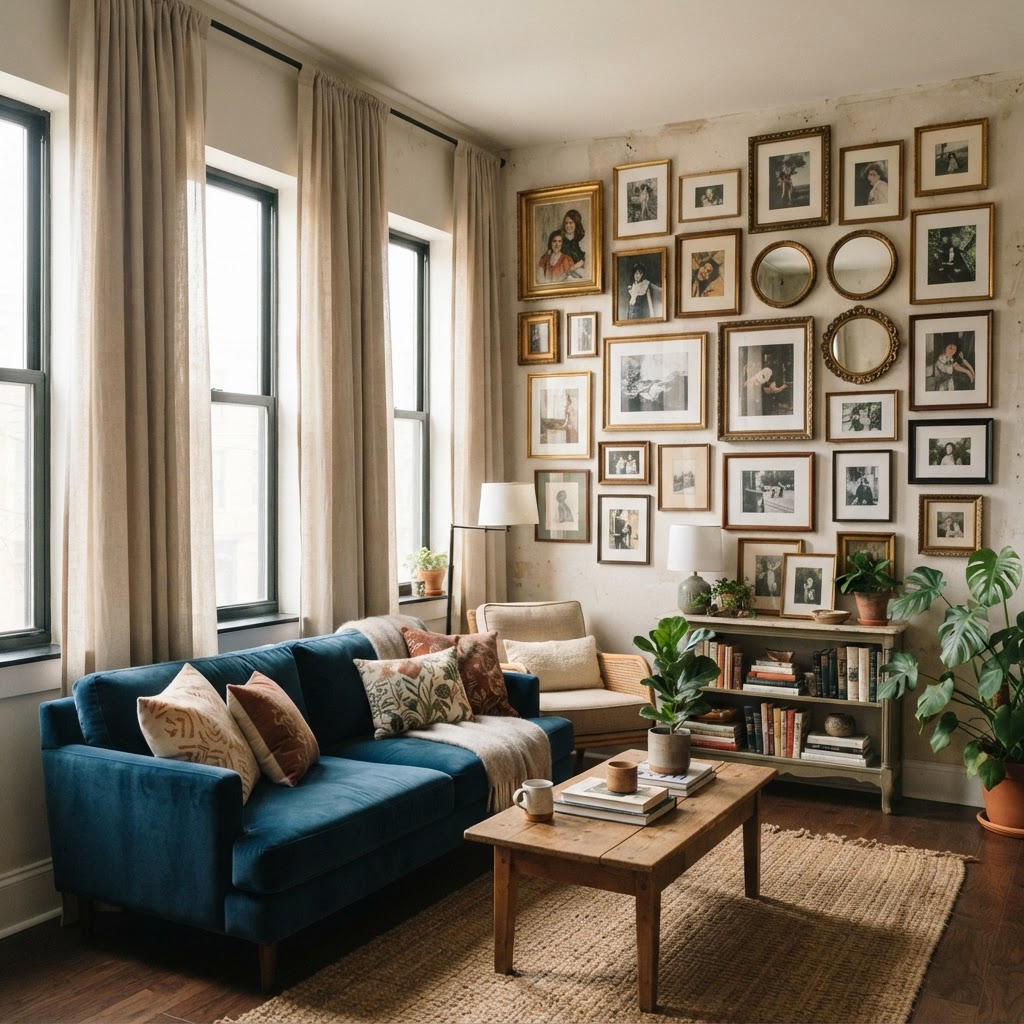
If your apartment has ugly wall patches, nail holes, or textured plaster, a gallery wall is your best friend for obscuring damage without needing to patch or repaint the surface. Instead of trying to fix the wall, decorate it with a collection of framed art, photos, and mirrors. You can use command strips to hang items, which prevents damage to the drywall and allows you to customize the arrangement as much as you like.
Mixing Mediums
Do not feel limited to just photos. Incorporate mirrors to bounce light, woven wall hangings for texture, or empty frames for a modern, minimalist vibe. A well-curated gallery wall acts as a massive focal point, drawing the attention of guests to your carefully curated collection rather than the underlying wall surface. If you want a symmetrical look, use a paper template for each frame before sticking it to the wall to ensure even spacing, ideally keeping frames at least 2-3 inches apart for a cohesive display.
Use Furniture to Obscure Bad Layouts
Sometimes, the problem is not a specific finish but a bad architectural choice, such as a radiator or a low-quality closet door, which can be easily hidden with clever furniture placement. A decorative room divider or screen is often enough to mask a radiator, while a tall bookshelf can completely block a closet door that you rarely use, turning a negative feature into a functional storage solution.
Strategic Placement
Before you commit to a layout, walk through your apartment and identify the areas that consistently draw your attention for the wrong reasons. Can you place a piece of accent furniture, such as a console table or a tall plant, in front of that area? By using your furniture to create paths and block views, you can effectively manage the flow and aesthetic of your apartment. Ensure that any large furniture pieces are placed at least 12 inches away from radiators or heaters to prevent fire hazards and ensure proper airflow, which is critical for apartment safety.
FAQ
Q: Can I use peel-and-stick wallpaper on textured walls?
Peel-and-stick wallpaper typically adheres best to smooth surfaces, but you can use it on light texture if you apply a strong adhesive primer or ensure the wall is meticulously cleaned first. For heavy popcorn or orange-peel textures, the adhesive may fail or show bumps.
Q: Will command strips really hold up a heavy gallery wall?
Yes, if you follow the weight rating guidelines specified on the packaging for each strip, command strips are highly reliable. Always clean the wall surface with rubbing alcohol before applying the strip to ensure a secure bond that can hold frames weighing up to 15 pounds.
Q: Are there ways to cover carpet without buying a giant rug?
If you cannot afford a large area rug, you can use carpet tiles which are modular and often cheaper than one large piece. Carpet tiles are easy to install, can be cut to fit odd-shaped rooms, and are easily removable when your lease ends.
Q: Can I paint my apartment cabinets if I have a landlord’s permission?
If you have written permission, painting is an option, but you may be required to restore them to the original color upon moving out. To avoid this burden, most renters prefer using removable vinyl contact paper, which offers a similar aesthetic without the need for restoration labor.
Q: How do I hide an ugly radiator without causing a fire hazard?
To hide a radiator safely, use a metal or wooden radiator cover that allows for proper airflow and heat distribution. Never place flammable furniture, curtains, or contact paper directly against a radiator, as the intense heat can cause damage or ignite nearby materials.

Leave a Reply