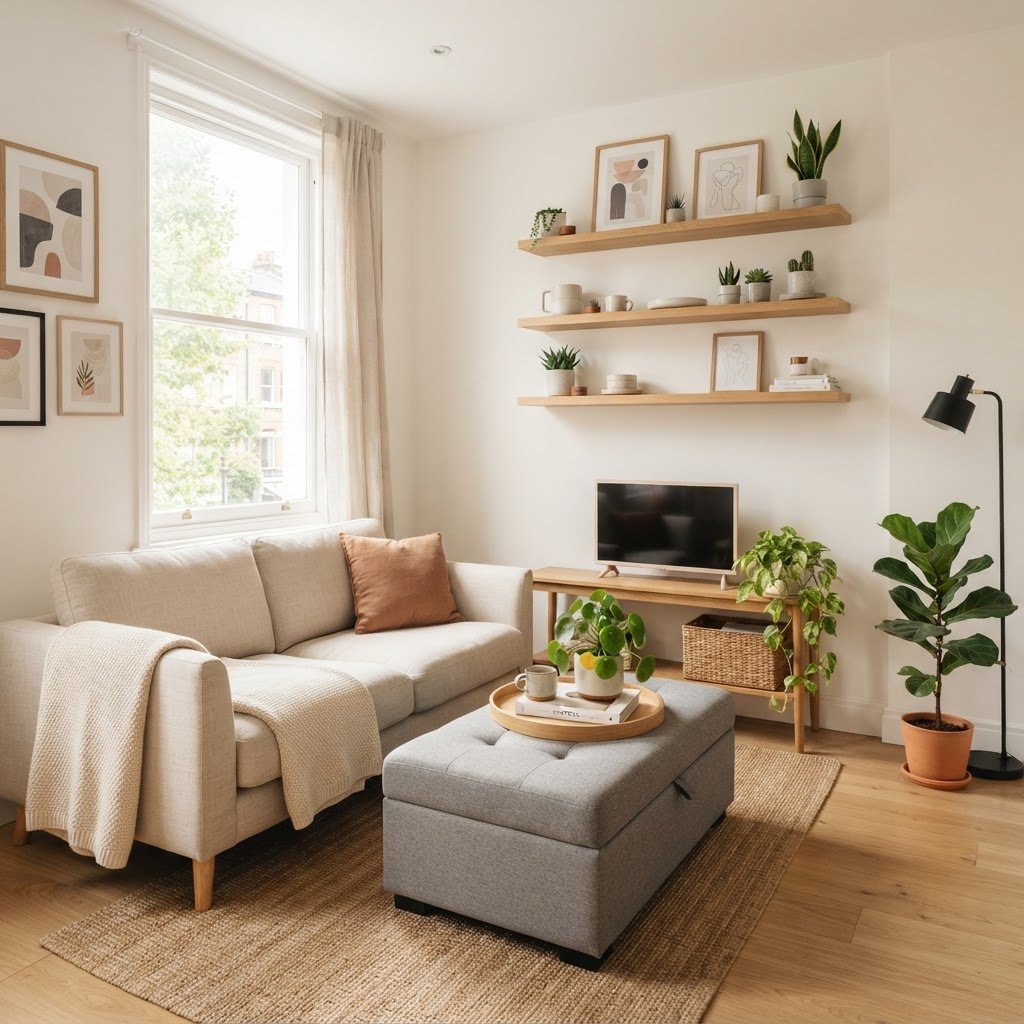
Small Apartment Storage Ideas on a Budget
Maximize your small apartment storage by utilizing vertical wall space, incorporating multi-functional furniture, and implementing a strict “one-in, one-out” decluttering policy. These budget-friendly strategies transform cramped living areas into organized, efficient spaces by reclaiming unused footprints beneath furniture, behind cabinet doors, and above standard eye-level storage.
Rethinking Your Vertical Potential
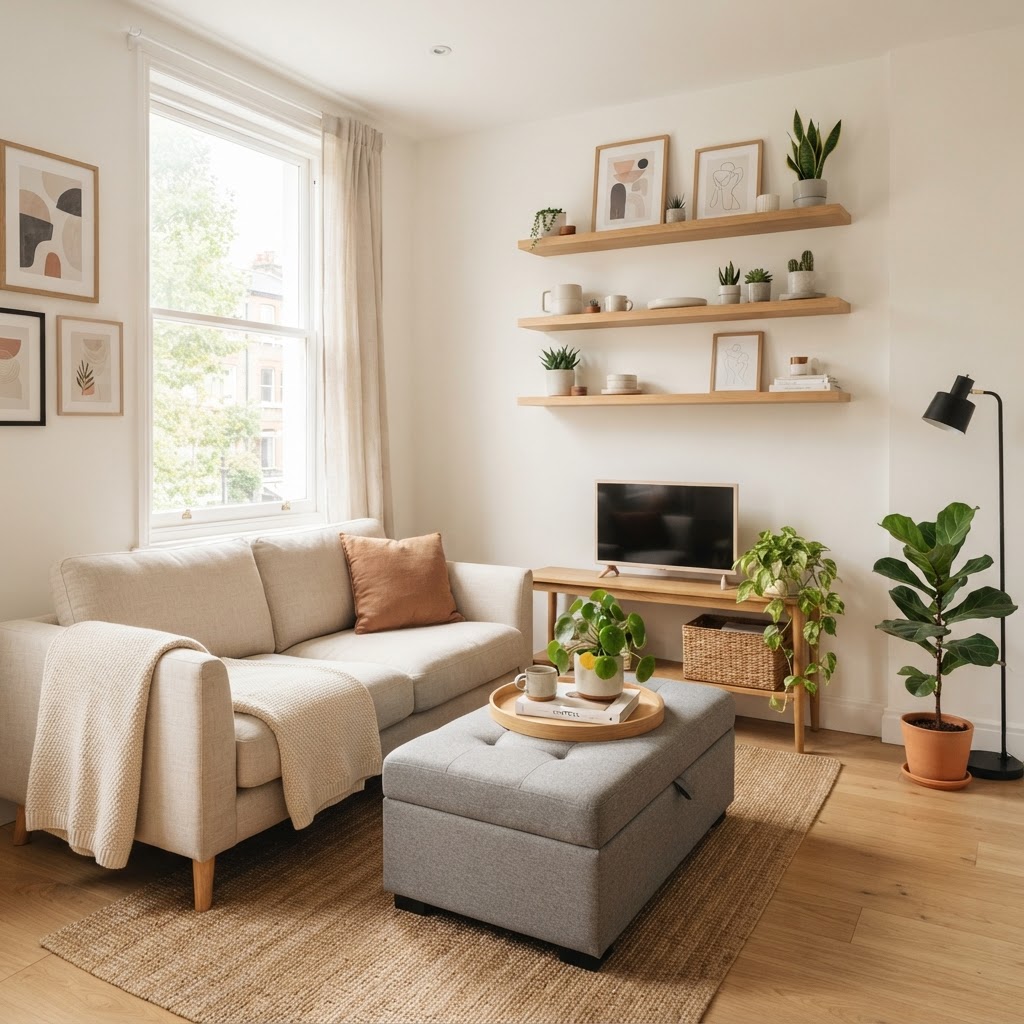
One of the most effective ways to expand your floor plan is to move storage from the ground to your vertical wall surfaces. Most apartment dwellers overlook the 8-to-9 feet of vertical space between the floor and ceiling, which can effectively double your storage capacity when utilized correctly. Installing simple floating shelves above doorways or windows adds approximately 2 to 4 square feet of display or storage area per wall without infringing on precious floor space.
Think about the areas above your doors, windows, or even your desk. A single sturdy shelve can hold books, decor, or plants, drawing the eye upward and making the room feel taller. If you are handy, a DIY pegboard is a fantastic solution for craft rooms, kitchens, or even the entryway. It provides a flexible way to hang tools, bags, or kitchen utensils, keeping them off the counter while remaining easily accessible. For those renting, use damage-free adhesive strips or tension-mounted rods that support up to 15 pounds, ensuring your security deposit remains safe while your organization improves.
Mastering the Art of Hidden Storage
When you live in a small apartment, your furniture should do double duty by acting as both a functional piece and a storage unit. Selecting multi-functional pieces, such as ottomans with interior hollow compartments, can hide up to 5 cubic feet of household clutter like spare blankets, magazines, or seasonal board games. By prioritizing pieces that incorporate hidden storage, you reduce the need for additional freestanding bins that eat up floor space.
Consider the space under your bed, which is often completely wasted. Utilize a flat rolling bin to slide underneath the frame. This is the perfect location for out-of-season clothing, extra bedding, or shoes. By keeping your primary living areas clear of these seasonal items, you significantly reduce visual clutter and make your home feel significantly more spacious. Experts recommend using rolling bins with labels; this simple step saves an average of 10 minutes of searching time per week. For added efficiency, choose bins with dimensions under 6 inches in height to ensure they fit under standard bed frames without catching on the floorboards.
Streamlining Your Entryway and Closet
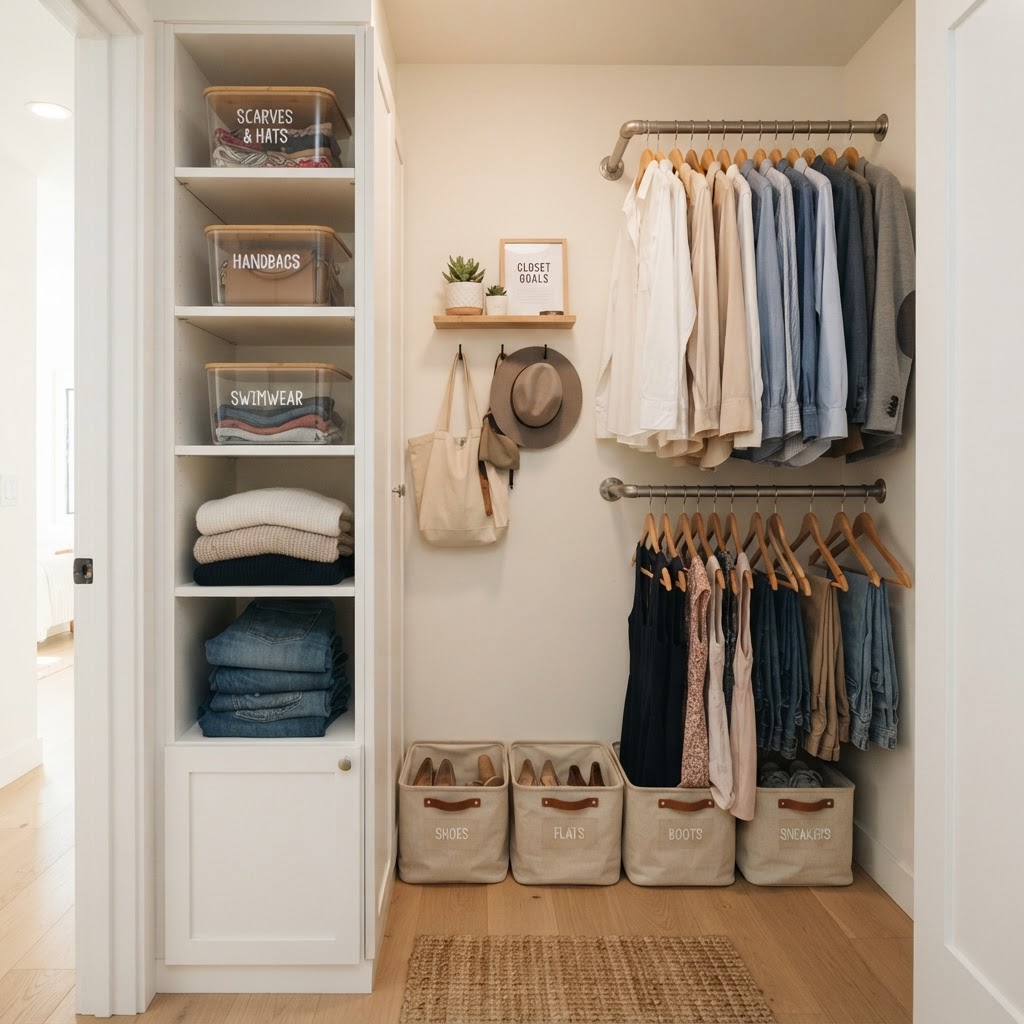
Your entrance is the first thing you see when you walk through the door, and it often becomes a catch-all for mail, keys, and bags. A dedicated shoe rack in the entryway is a non-negotiable for keeping floors clear. Use hooks on the back of the door to catch coats, umbrellas, and hats, preventing them from piling up on chairs. Implementing an entryway “landing zone” with a basket for keys and mail prevents daily clutter from migrating into the living room.
Next, turn your attention to your closet. Many reach-in closets are underutilized due to inefficient rod placement. Install an additional closet rod to double your hanging capacity. Use a hanging shelf organizer for folded items or accessories like belts and scarves. Adding a simple divider within your shelves can help keep stacks of clothing neat and prevent them from toppling over into a disorganized mess. By utilizing thin, non-slip velvet hangers, you can fit up to 30% more clothing in the same closet space compared to traditional plastic or wooden hangers.
Organizing the Kitchen and Bathroom
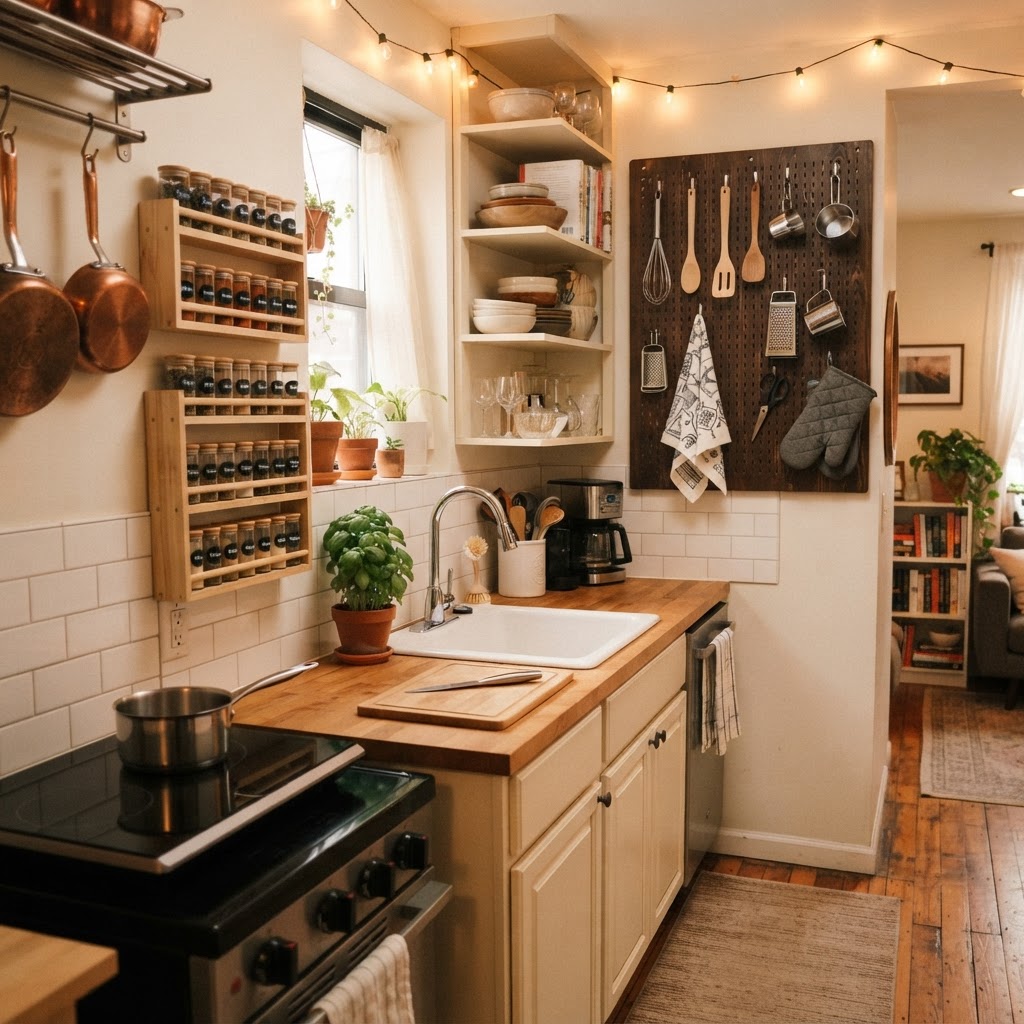
Kitchens are notoriously difficult to keep tidy, especially when drawer space is limited. Utilize the inside of your cabinet doors by attaching adhesive hooks or slim bins for sponges, brushes, or pot lids. If your counters are cluttered with spices, consider a wall-mounted magnetic rack or a tiered lazy Susan to maximize the footprint of a single cabinet shelf. These organizers typically reclaim about 20% of shelf space that is usually lost to deep, inaccessible corners.
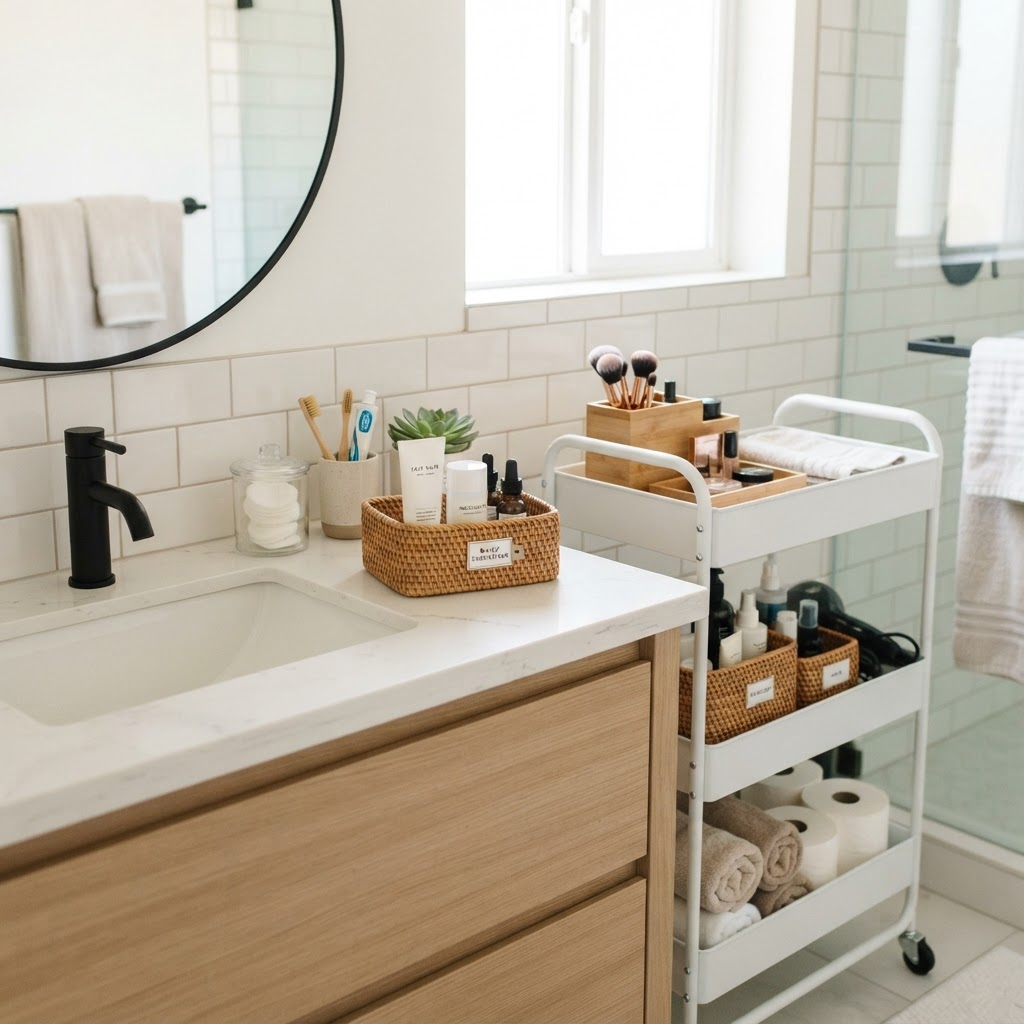
In the bathroom, the same logic applies. If you lack vanity storage, use a slim rolling cart that fits between the toilet and the sink. This is an excellent way to hold extra toilet paper, towels, and toiletries without needing to install permanent cabinetry. Keep smaller items like cotton swabs or makeup in a small, clear basket so you can see exactly what you have at a glance.
Creative Hacks for Small Apartment Living
Sometimes, the best way to get organized is to use a clever hack that solves a very specific problem. For example, use tension rods inside cabinets to store cutting boards or baking sheets vertically. This keeps them from clumping together in a horizontal stack and makes it incredibly easy to grab what you need without shuffling through heavy pans.
If you have a small space, consider using clear storage bins for everything. While they are not the most stylish, being able to see exactly what is inside a bin prevents you from double-buying items or losing track of your inventory. If you want a cleaner look, opt for uniform fabric bins or a nice woven basket that hides the contents while maintaining a cohesive, tidy aesthetic throughout the apartment. These uniform systems can reduce “visual noise” by nearly 50%, making your apartment appear larger and more curated to the eye.
Cultivating a Habit of Decluttering
The most effective storage solution of all is simple: own less. Regularly editing your belongings is the only way to ensure your systems continue to work over the long term. Even the best organizer in the world will fail if the closet is stuffed past its capacity. Aim to donate or sell items you have not used in the past six months, especially in a small apartment where every inch of storage space is valuable.
Make a habit of “one in, one out.” Every time you buy a new piece of clothing or a new kitchen gadget, commit to donating an existing item. This prevents your apartment from slowly creeping back into a state of chaos. By keeping your belongings curated, you ensure that your apartment feels like a curated home rather than a storage unit for your possessions. Studies show that a 15-minute weekly decluttering session maintains organization levels significantly better than a massive annual purge.
FAQ
Q: What is the best way to store clothes in a small apartment without a large closet?
Use under-bed rolling bins and add an extra tension-mounted hanging rod to your existing closet. These methods allow you to maximize vertical and under-utilized floor space, effectively doubling your storage capacity without requiring permanent installation or major renovations.
Q: How can I organize a tiny kitchen with very few cabinets?
Utilize the inside of your cabinet doors with adhesive hooks for utensils and install a magnetic strip on the wall for knives. These tactics clear your countertops, which are often the most valuable real estate in a small kitchen.
Q: Are clear storage bins better than opaque ones?
Clear bins are superior for inventory management because they prevent double-buying and allow for immediate visual identification of contents. Opaque or fabric bins are better for maintaining a consistent aesthetic in visible living areas where you want to hide clutter.
Q: How do I stop my small apartment from feeling cluttered?
Adopt the “one-in, one-out” rule and clear off all flat surfaces like tables and counters. Visual clutter is the primary cause of a cramped feeling; by keeping surfaces empty, you create a psychological sense of openness and tranquility in your home.

Leave a Reply