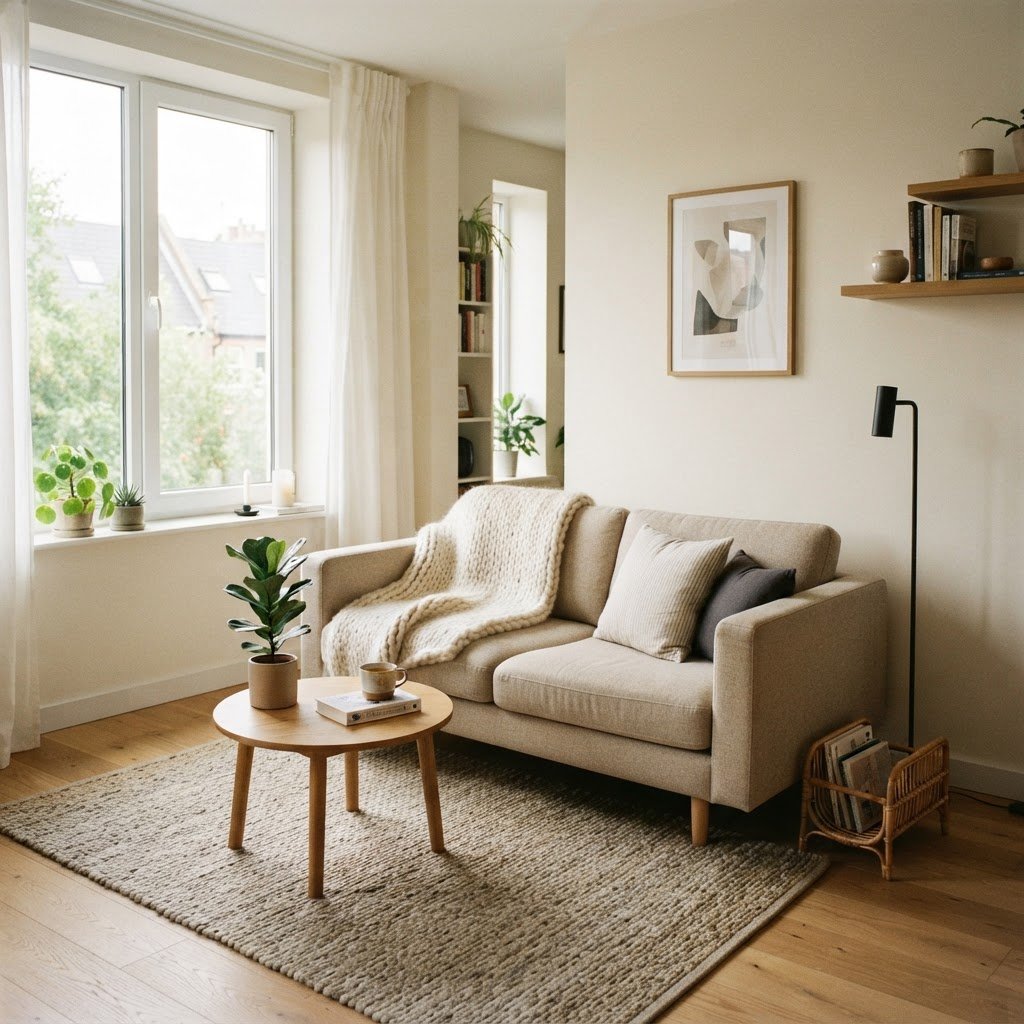
Small Apartment Decorating Ideas on a Budget
To decorate a small apartment on a budget, prioritize vertical storage, declutter surfaces, and rearrange furniture to maximize natural light and flow. These cost-effective strategies focus on repurposing existing items, utilizing mirrors to create depth, and layering textures to transform compact living spaces into functional, stylish, and expensive-looking retreats.
Rethink Your Current Layout
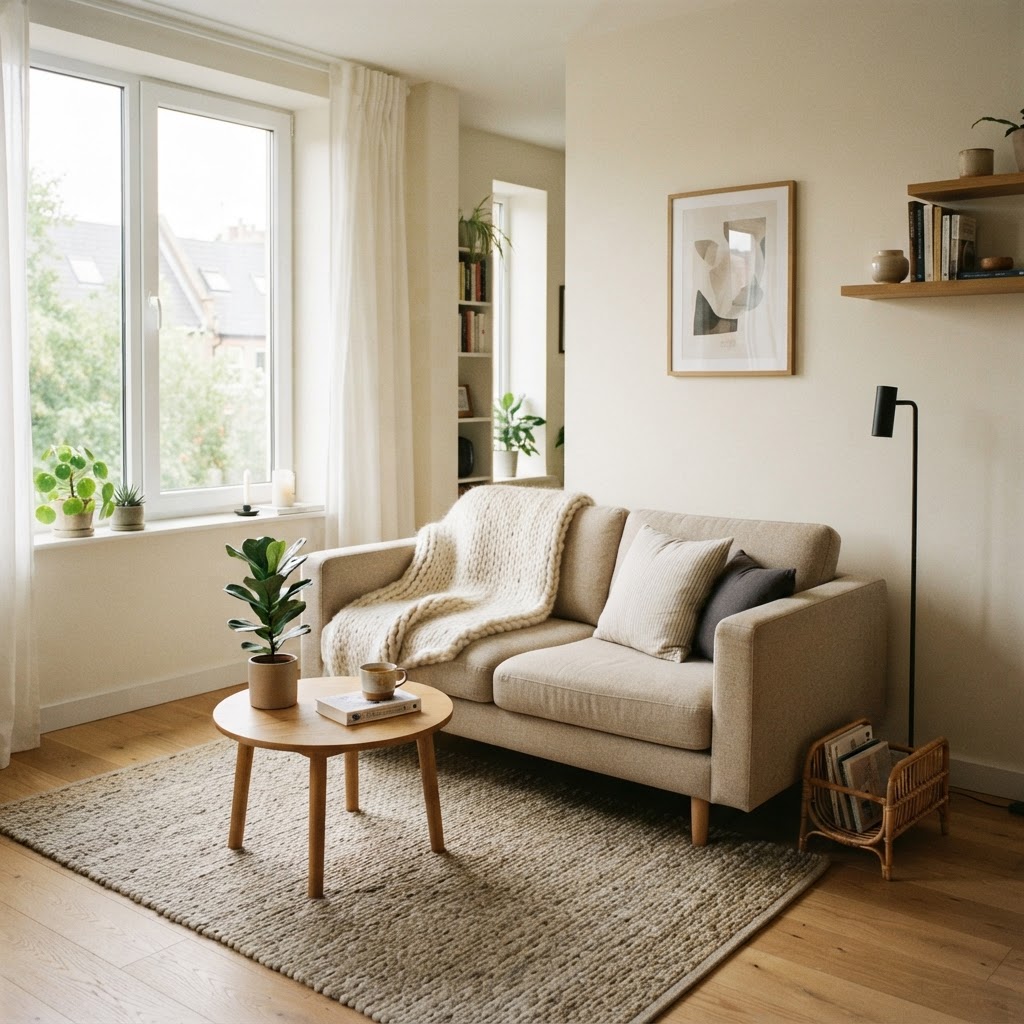
Optimizing your floor plan is the most effective way to change the feel of a small apartment without spending a dime. Start by analyzing the “traffic lanes” in your room; if you find yourself walking around furniture to get from the door to the window, your layout is likely inefficient. Floating furniture—moving pieces away from walls—creates a sense of space and allows air to circulate, making a tiny room feel significantly larger. Even a shift of just 6 inches can prevent a couch or desk from blocking crucial natural light sources. Furthermore, swapping furniture between rooms can breathe new life into stale decor; a bedroom accent chair might serve as a perfect reading nook addition in the living area, creating a fresh aesthetic without requiring any new purchases. By treating your furniture as modular components, you can reinvent your home’s functionality seasonally or whenever you feel the need for change. Keeping your main thoroughfares clear is the single most important rule in small-space interior design, as it reduces visual friction and enhances the overall livability of the home.
How to Make a Small Apartment Look Expensive
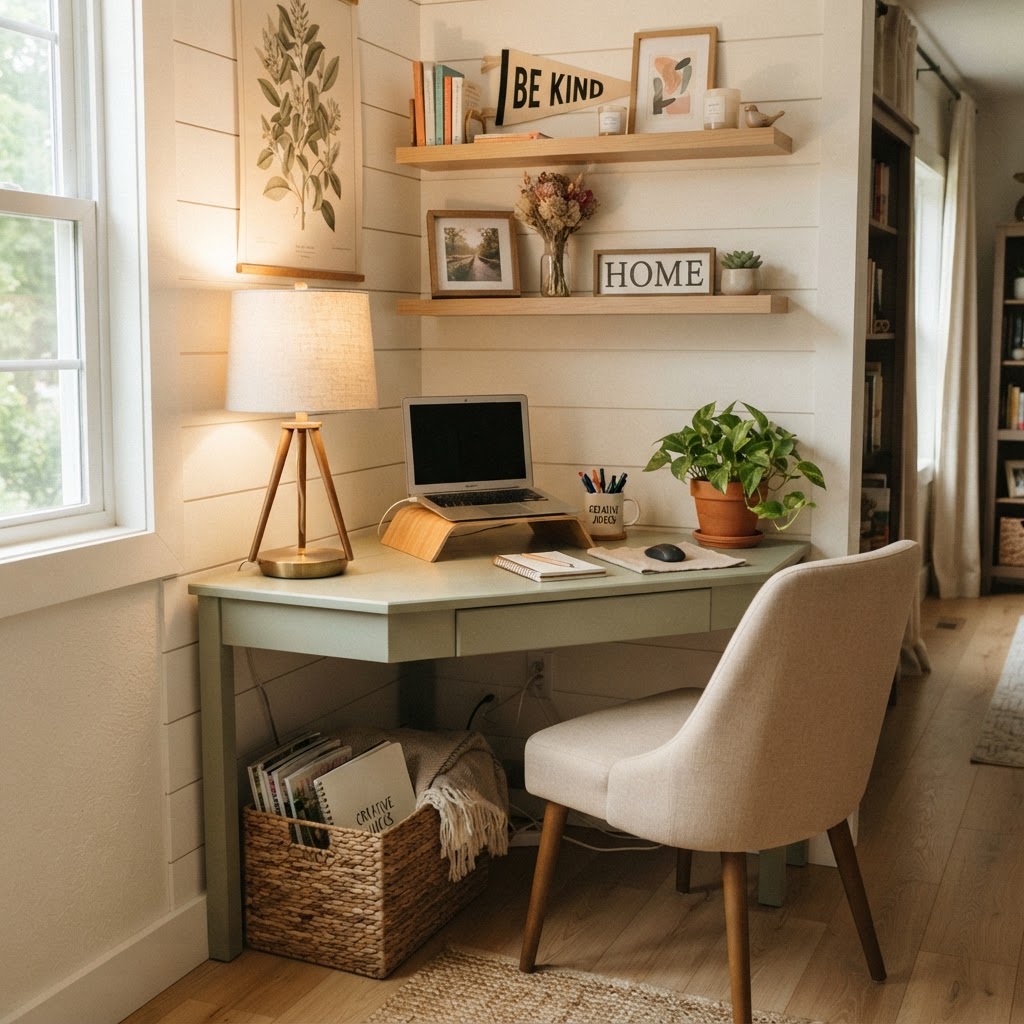
Achieving a luxury look in a small apartment relies on strict minimalism and consistent styling rather than high-end furniture price tags. The secret to an expensive appearance is the removal of “visual noise”; clear every surface of non-essential items and tuck away tech cables using cable management clips, which cost under $10 for a pack of 50. When choosing storage, prioritize uniformity; if you have mismatched plastic bins, use peel-and-stick contact paper or a $6 can of matte spray paint to make them look like a custom collection. Lighting is the final luxury layer; replace harsh overhead “boob lights” with warm-toned (2700K) LED bulbs or add a brass-finish table lamp. High-end spaces are almost always defined by a lack of clutter and a specific, warm color palette. By curating your items so that everything serves a purpose or provides clear aesthetic value, you emulate the boutique hotel experience. Remember, quality is defined by the intentionality of the space, not the cost of the goods; a single, well-placed plant in a clean corner often signals luxury more effectively than a room full of budget decor items that clutter the eye.
How to Decorate a Very Small Apartment
In extreme space constraints, you must shift your focus from floor square footage to vertical potential to prevent the room from feeling suffocated. Install floating shelves at eye level to draw the gaze upward, which makes ceilings appear higher and frees up precious floor space for essential movement. Choose furniture with thin, tapered legs—often called mid-century modern style—because seeing the floor underneath the piece makes the room feel larger by maintaining sightlines. Mirrors are your most valuable tool; placing a large, floor-length mirror opposite a window can essentially double the natural light and perception of depth in your room. If you are on a tight budget, create a “gallery wall” using personal items like postcards, sketches, or even pressed leaves in thrifted frames. By using command strips instead of nails, you avoid damaging walls, making this an ideal solution for renters. Every inch of wall space is an opportunity for storage or art; by keeping the floor clear of bulky items like large ottomans or heavy bookcases, you create a sense of openness that is essential for comfort in a very small dwelling.
How to Make an Apartment Look Less Empty
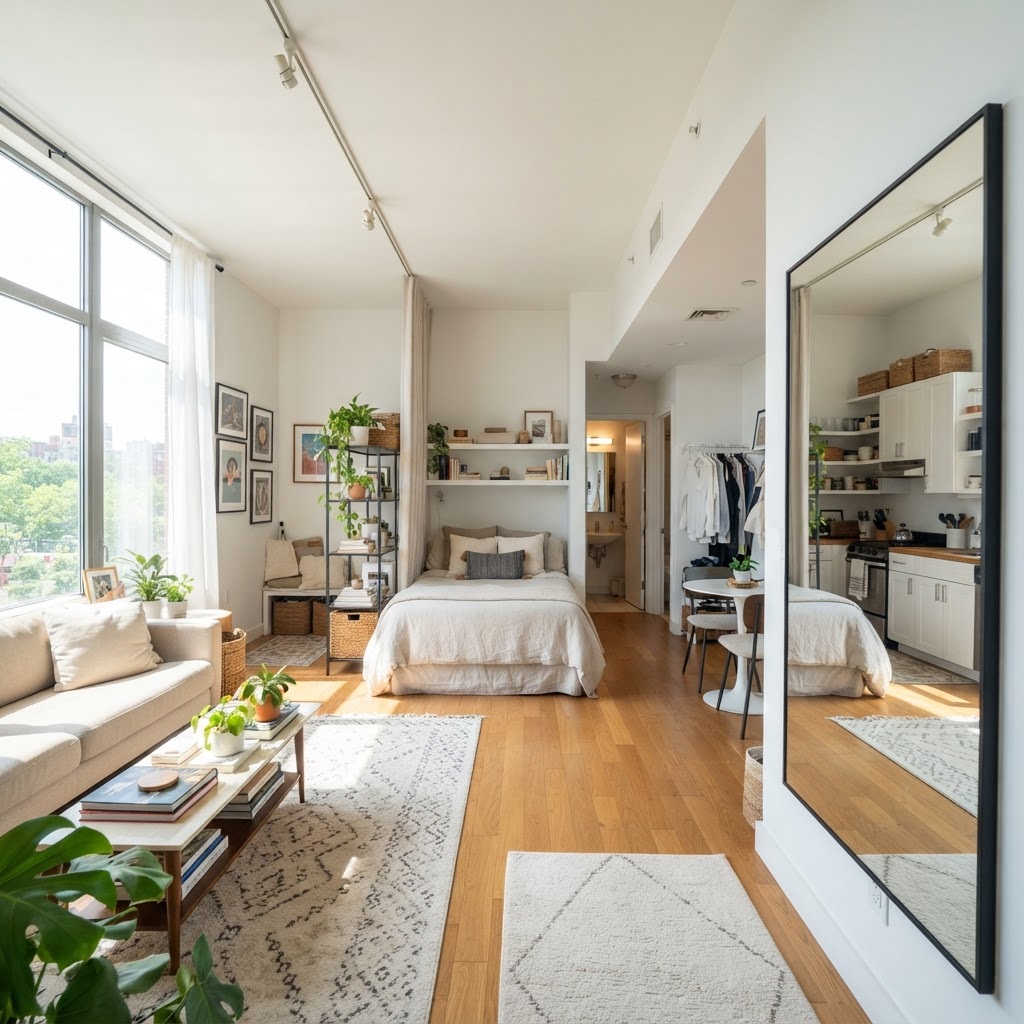
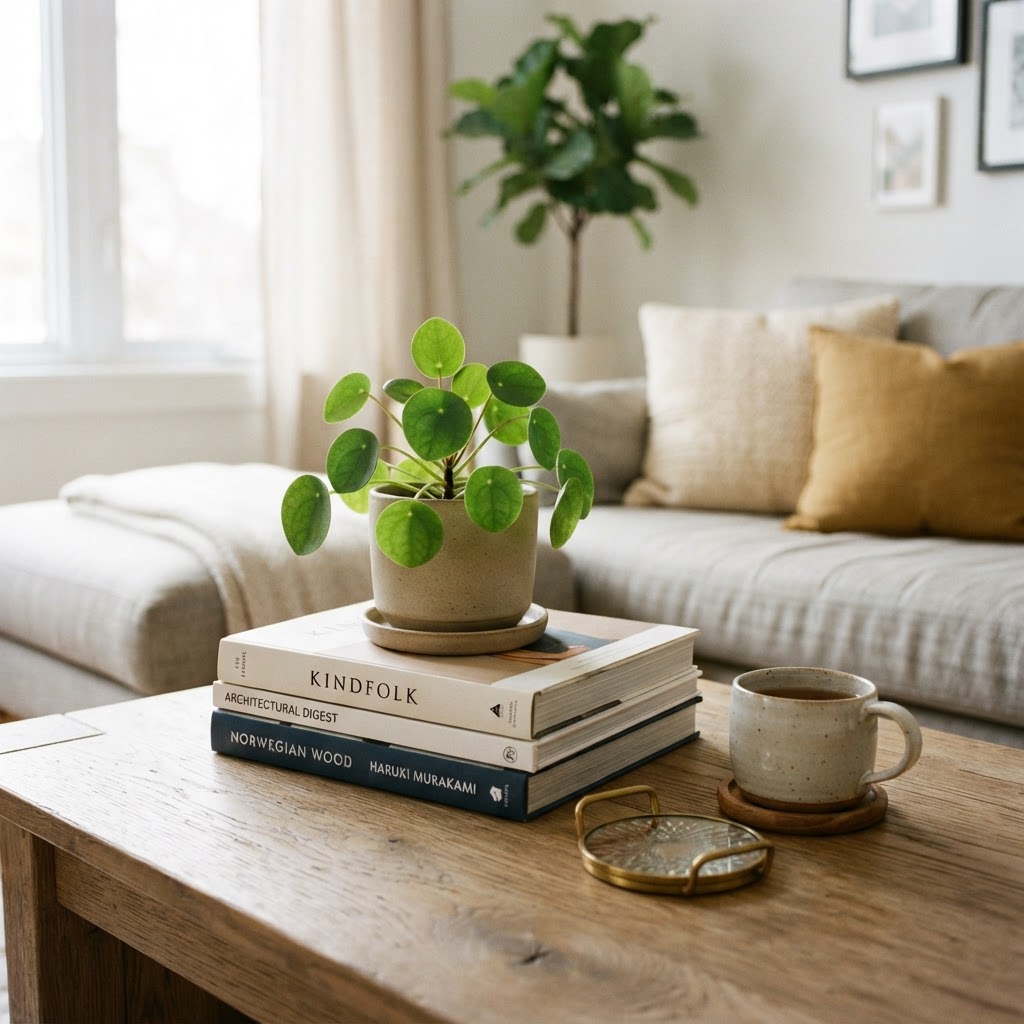
To bridge the gap between a minimalist apartment and a cold, empty box, you must integrate layers of texture through textiles and curated focal points. Start by placing a rug to anchor your primary seating area; if you lack a large rug, layer two or three smaller mats to create a cohesive island of comfort. Create “vignettes” on flat surfaces by grouping three items of varying heights—for example, a candle, a stack of books, and a small vase. These groupings create visual interest and prevent surfaces from feeling barren. Adding soft textures is key to absorbing sound and warming up a room, so introduce a basket of blankets or a simple linen curtain used as a wall hanging. This fabric softens the harsh, straight lines of an apartment, making the space feel finished and lived-in. For those on a zero-budget, use fabric scraps or vintage scarves draped over an armchair to add warmth. A well-layered room feels deliberate rather than empty; aim for a mix of hard surfaces (wood, glass) and soft surfaces (wool, cotton, velvet) to create a balanced, sensory-rich environment that invites you to relax.
How to Give Your Room a Makeover Without Buying Anything
Giving your room a zero-cost makeover requires a “shopping your own home” mindset, where you reimagine the purpose and placement of every object you already own. Start by deep cleaning windows and mirrors; bright, clean glass allows maximum natural light to enter, which is the most impactful way to refresh a space without spending money. Rearranging your bookshelves by color or turning books so the pages face outward creates an immediate design-forward shift in visual impact. Scour your closets for items like vintage scarves, old maps, or photos; these can be framed or pinned to a wall to add personal character. Don’t underestimate the power of a deep clean—wiping down baseboards, cleaning light fixtures, and washing curtains can make a home feel years younger. Finally, audit your current inventory; sometimes, removing an item that creates visual clutter is more effective than adding new decorations. By rotating decor from one room to another, you reset the brain’s association with your furniture, making your living environment feel brand new and exciting. This process of curation ensures that every item in your home has a specific, active role in your daily life.
Finding Inspiration and Staying Organized
Finding design inspiration while keeping a small home organized requires a balance of visual research and ruthless editing of your belongings. Pinterest is an essential tool; create a private board to pin rooms that feature layouts similar to your specific square footage, but always audit the images for “fake” elements like professional lighting or non-existent storage gaps. Once you have a vision, focus on maintaining that look through organizational discipline. Keep a dedicated “landing zone” near the entrance for keys and mail; this prevents items from scattering across the living room and building up visual mess. Regularly audit your belongings using the “one-year rule”: if you haven’t used, worn, or interacted with an item in 365 days, donate or sell it. A smaller inventory of possessions is the greatest luxury you can afford in a tiny space, as it prevents the stress of over-accumulation. By staying organized, you ensure that your apartment remains a peaceful retreat rather than a source of daily anxiety. Remember that your goal is to create a home that supports your lifestyle, not a museum that demands constant maintenance and constant cleaning.
FAQ
Q: How can I make a tiny apartment feel bigger for free?
A: To make a tiny apartment feel larger for free, remove excess clutter, rearrange furniture to keep pathways open, and use mirrors to reflect light. Ensuring that your floors remain visible by choosing furniture with legs and using vertical wall storage are also highly effective, no-cost methods for increasing perceived space.
Q: What is the best way to hide cables in a small room?
A: Use adhesive cable management clips or cable sleeves to route cords along furniture legs or baseboards. You can also hide power strips inside decorative boxes with pre-cut holes or behind furniture, which instantly eliminates visual clutter and creates a cleaner, more expensive look.
Q: How do I choose the right rug for a small space?
A: Choose a rug that is large enough to have at least the front legs of your sofa and chairs on it, which anchors the space and defines the area. Avoid small “bath-mat” sized rugs in the middle of the floor, as these can make the room appear disjointed and smaller.
Q: What are the best colors to make a small apartment look larger?
A: Use light, neutral colors like off-white, soft gray, or beige on your walls to reflect light and expand the room. You can add depth by using monochrome color schemes with different textures, which prevents the space from feeling sterile while maintaining an airy, open atmosphere.

Leave a Reply