15 Best Small Apartment Hacks on a Budget for More Space
You can maximize a small apartment by utilizing vertical wall space, choosing multifunctional furniture like lift-top tables, and implementing zone-based organization. These 15 budget-friendly hacks transform cramped quarters into functional living areas by reclaiming wasted square footage and reducing visual clutter without requiring expensive renovations or custom cabinetry.
The Psychology of Compact Living
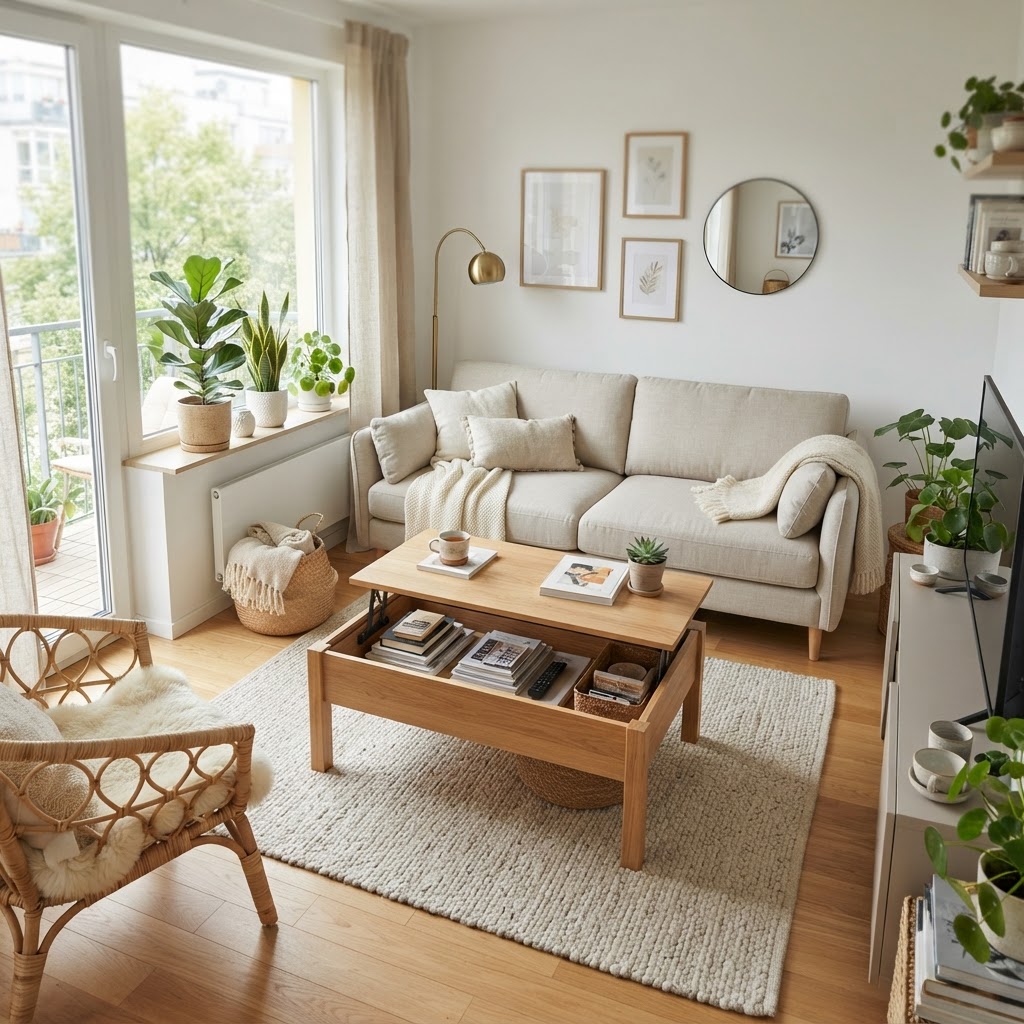
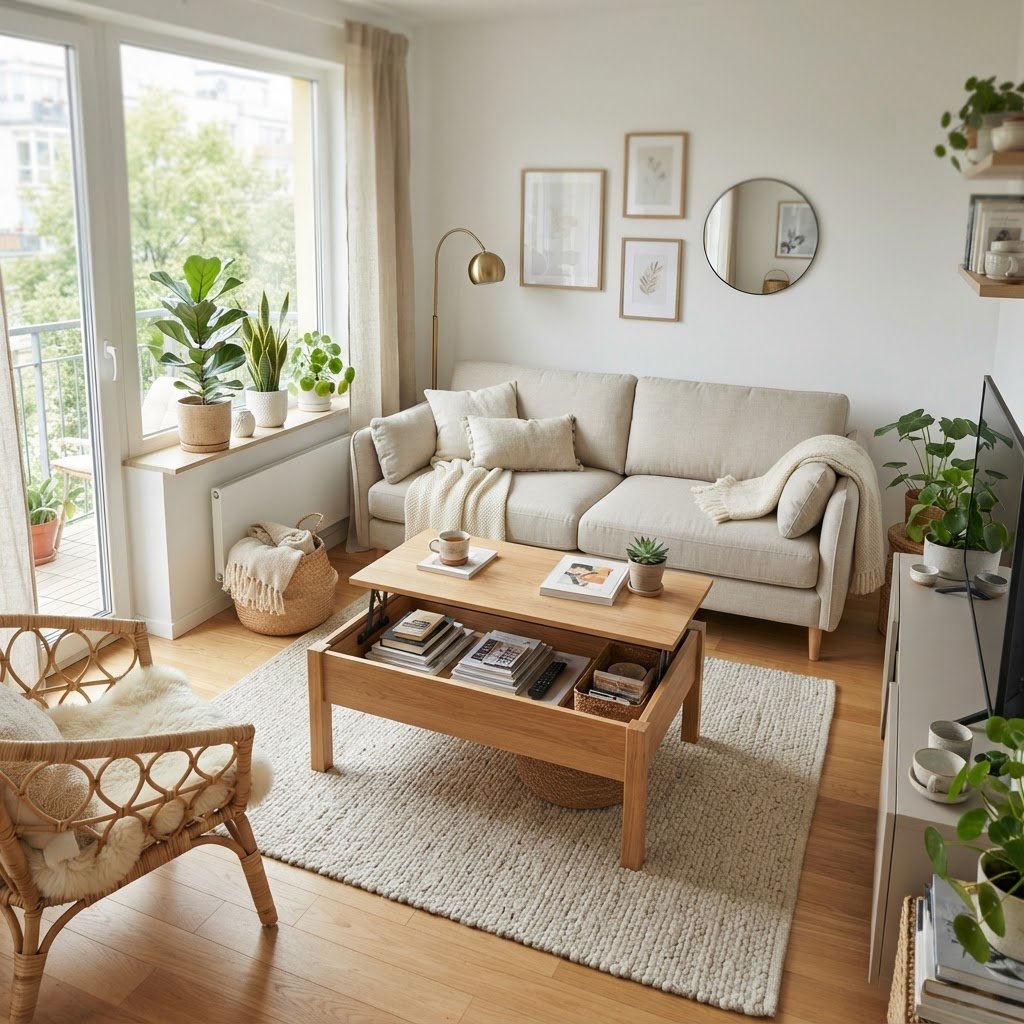
When your environment is cluttered, your mind often feels cluttered too. The first step in transforming your home is recognizing that your lifestyle doesn’t need to shrink just because your walls are closer together. A small space can actually encourage a more intentional way of living, forcing you to prioritize items that truly bring value to your daily routine. By auditing your belongings—ideally keeping only items used within the last 12 months—you can eliminate the visual noise that makes a room feel smaller. It is about creating a flow that allows you to move freely, turning your home into a sanctuary rather than a storage unit. When you optimize, you start seeing the potential in every corner, including vertical walls and the space beneath your furniture. Research indicates that living in a space with less than 20% visual surface clutter can improve focus and reduce cortisol levels. Focus on “light” furniture designs, such as pieces with exposed legs, which keep the floor visible and make a room feel significantly more spacious to the human eye. Ultimately, compact living is about efficiency over excess, ensuring every square foot serves a distinct purpose.
Why Budget Matters
Many interior design trends suggest expensive custom cabinetry or high-end architectural changes to save space. However, the most effective solutions are often simple, accessible, and incredibly affordable. You do not need a renovation budget to make a massive impact; you only need a bit of creativity and a few DIY spirit boosters to get the job done right. Often, a $50 investment in organization tools yields higher functional gains than a $500 piece of furniture.
Master the Art of Vertical Storage
One of the most overlooked areas in any apartment is the wall space, which offers up to 50% more storage potential than floor area alone. Installing floating shelves is a classic hack for displaying decor and keeping necessities off your surfaces. Look for inexpensive options that can be mounted easily, allowing you to create customized configurations that suit your specific needs. Think beyond standard shelves by using pegboards in the kitchen or entryway. A pegboard is a versatile organizer that allows you to hang pots, pans, utensils, or even bags and keys. This keeps your counters clear and ensures everything has a designated home, preventing the dreaded countertop pile-up. When installing vertical storage, ensure you use anchors for drywall if you plan to hold more than 5 lbs. For maximum impact, install shelves up to the ceiling line; this draws the eye upward and emphasizes height, making the room feel taller. Consider using magnetic strips for kitchen knives or entryways for keys, which can save up to two square feet of counter space per unit. By treating your walls as functional real estate, you effectively double your storage capacity without sacrificing precious floor room for bulky cabinets or shelving units.
Rethink Your Furniture Choices
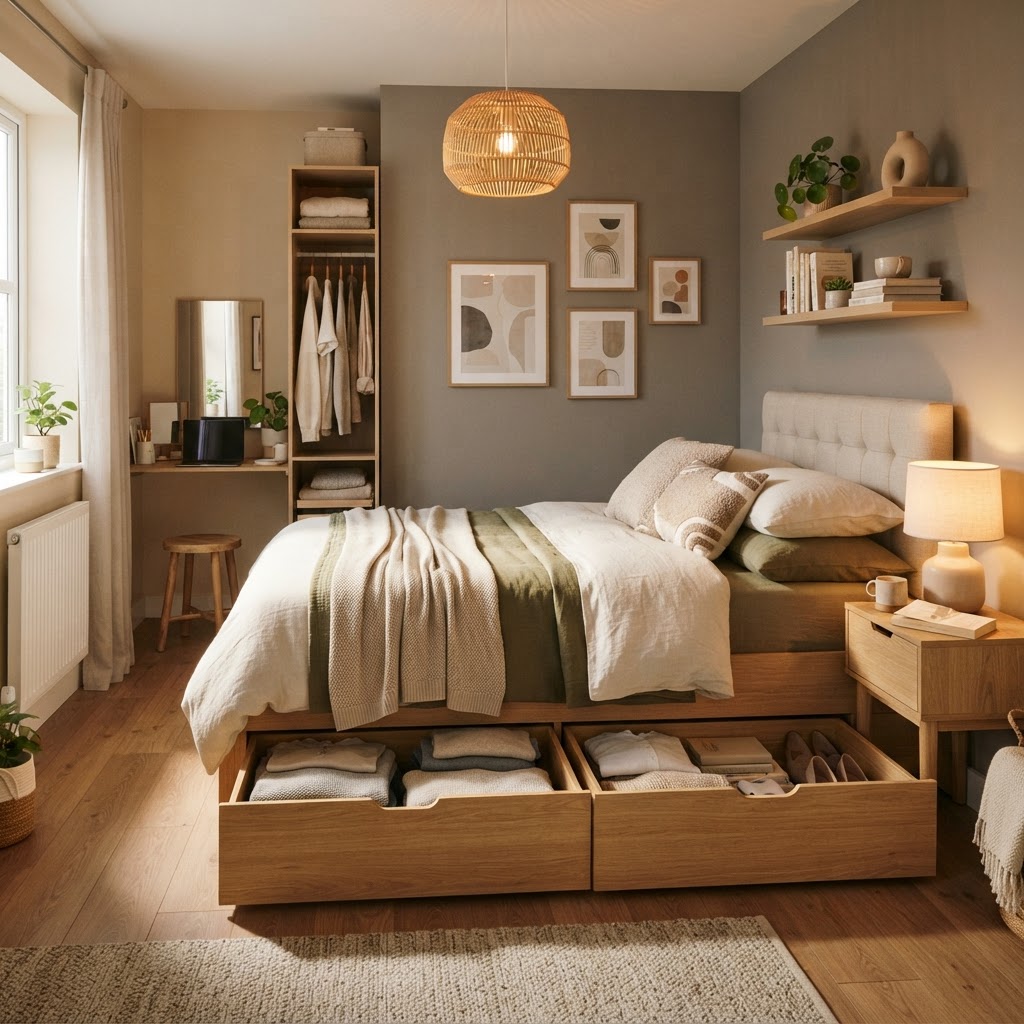
In a tiny apartment, every piece of furniture must work twice as hard, typically performing at least two distinct functions to justify its footprint. A coffee table should offer more than just a place to set your drink; look for one with built-in storage or a lift-top that can double as a desk. This simple switch can save you from needing a separate bulky workstation that eats up precious room. Consider the hidden potential of your bed frame. If your current model sits low to the ground, swap it for a frame with built-in drawers or one tall enough to slide a storage bin underneath. This area is perfect for seasonal clothing, extra bedding, or shoes that you only reach for occasionally. Utilizing the space under your bed is a game-changer for maintaining an uncluttered bedroom. By opting for “double-duty” furniture, you reduce the total number of items needed by approximately 30%. For example, an ottoman with internal storage can serve as a footrest, guest seating, and a hidden hamper all at once. Prioritize modular pieces that can be reconfigured when hosting guests, such as nesting tables that take up the space of one unit while providing three surfaces.
The Power of Multipurpose Pieces
Another strategy is using furniture that can nest. Nesting tables are perfect for hosting; you can tuck them away when it is just you, but pull them out when guests arrive to provide extra surface area. This flexibility is essential for maintaining a clean aesthetic while remaining prepared for social gatherings. Don’t forget about your dresser. Instead of keeping a bulky unit that occupies significant floor space, look for vertical dresser designs that draw the eye upward. A taller, slimmer unit can hold just as much as a wide one while leaving more room for movement around the bed.
Organizing the Hidden Areas
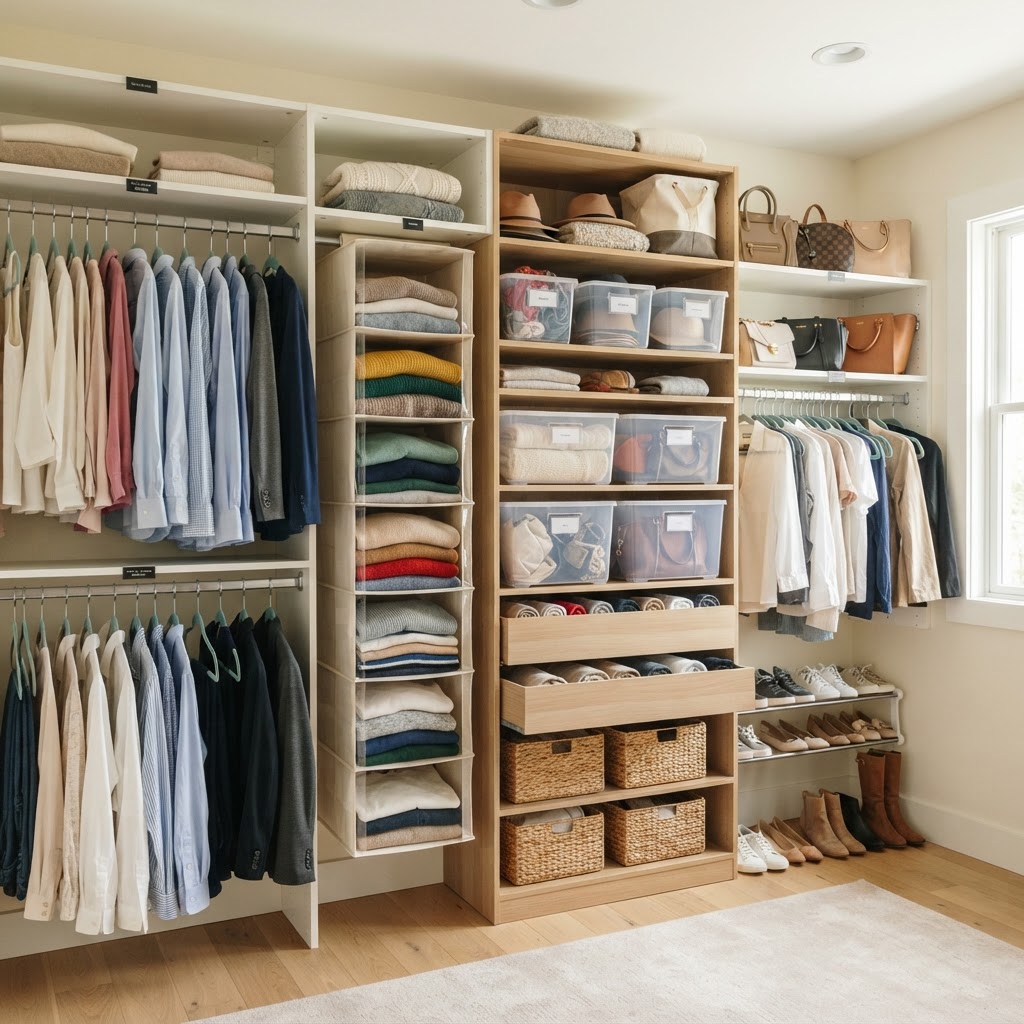
Your cabinets and drawers are likely where most of your clutter is hiding, with average homes losing 25% of drawer efficiency due to poor segmentation. Start by using a drawer divider system to keep items sorted. By preventing small objects from migrating and mingling, you can fit significantly more into a single drawer, making your morning routine much smoother. Consider how you utilize your closet. Most people waste vertical space by only using the rod. Add a hanging organizer to store folded sweaters, jeans, or handbags. By utilizing every inch of your vertical closet space, you free up the floor for hampers or overflow items that simply have no other place to go. Utilize over-the-door hooks for items like robes, belts, or hats, which helps maintain a clutter-free floor. Using clear, modular bins inside cabinets allows for a “see-through” inventory, reducing the likelihood of purchasing duplicate items by nearly 40%. Investing in labels for these bins can further streamline your organization process, ensuring every item has a specific home and preventing the “junk drawer” effect that plagues small apartments.
Creative Use of Room Dividers
If you live in a studio, defining different areas is crucial for your mental well-being, as creating distinct “zones” has been shown to increase perceived square footage by 15%. A room divider can act as a wall without blocking light or making the room feel heavy. You can use an open bookshelf as a divider; it provides storage for books and decorative items while clearly separating your sleeping area from your living space. Alternatively, consider using curtains or even a rolling wardrobe rack as a soft divider. This is a very budget-friendly way to create a sense of privacy in an open floor plan. By breaking the room into functional “zones,” you stop the feeling that your bed is in your kitchen, which is vital for feeling like your apartment is a proper home. Use area rugs to further anchor these zones, as a rug acts as a visual border that keeps furniture grouped logically. By keeping the divider height consistent with your furniture height (e.g., bookshelf height of 4-5 feet), you maintain an open, airy feel while still creating the necessary psychological barrier between your workspace and your relaxation space.
Quick Hacks for Every Room
For the bathroom, consider over-the-door storage racks. These are perfect for hair dryers, brushes, and toiletries. If your sink cabinet is a disaster, small clear containers can act as a modular organizer, helping you see exactly what you have so you stop buying duplicates of shampoo or lotion. In the kitchen, mount magnetic strips for knives or spice jars. This simple trick turns your backsplash into a functional tool board. If you have an empty corner, a slim rolling cart can serve as a bar cart, a snack station, or a cleaning supply depot. The key is to keep things mobile and modular so your arrangement can change as your needs evolve over time. Use tension rods inside cabinets to store cutting boards upright, which saves precious shelf space. For small balconies or entryways, install wall-mounted drop-leaf tables that fold away entirely when not in use. These minor tweaks allow you to maintain a clean aesthetic while significantly increasing your functional storage capacity for daily essentials.
FAQ
How can I make a tiny apartment look bigger?
Make a tiny apartment look bigger by using light, neutral colors on walls and adding large mirrors to reflect natural light. Additionally, choosing furniture with exposed legs instead of solid bases creates the illusion of more floor space by allowing the eye to see the entire room footprint.
What is the best way to organize a small closet?
Use vertical hanging organizers and double-rod systems to maximize closet storage. Implementing clear, stackable bins and utilizing the back of the door for hooks or pockets allows you to store 30% more items without creating a disorganized mess on the closet floor.
How can I divide a studio apartment without building walls?
Divide a studio apartment using open-backed bookshelves, floor-to-ceiling curtains, or area rugs to define zones. These solutions act as psychological barriers that separate your sleeping area from your living space without obstructing light or requiring permanent construction.
What furniture is essential for small spaces?
Essential small-space furniture includes items that serve two or more purposes, such as storage ottomans, lift-top coffee tables, and nesting side tables. These pieces provide the necessary utility of larger furniture while maintaining a small, flexible footprint that can be easily rearranged.

Leave a Reply