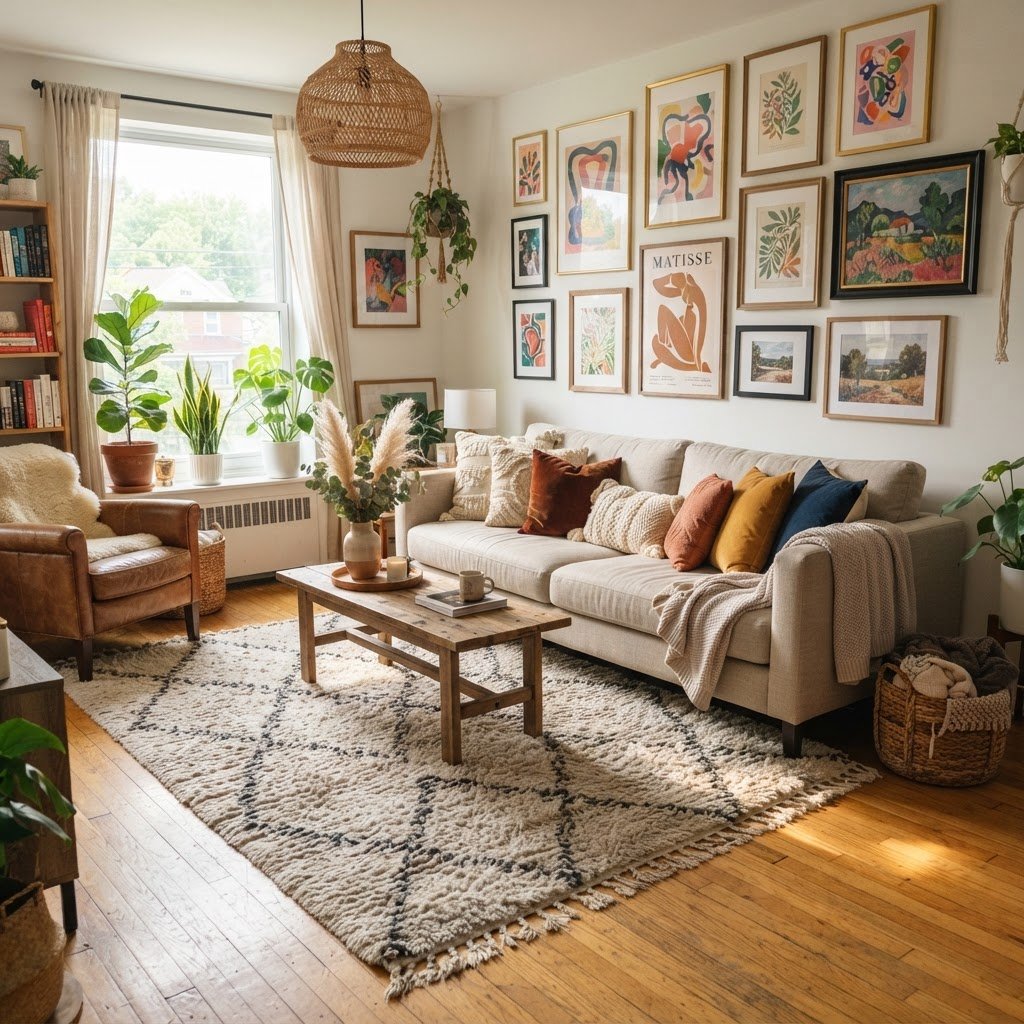
You can personalize a basic apartment by using reversible upgrades like peel-and-stick wallpaper, replacing standard cabinet hardware, and layering floor rugs to anchor furniture zones. These budget-friendly, lease-safe modifications allow renters to transform sterile, builder-grade units into customized sanctuaries without violating rental agreements or losing their security deposit.
The Power of Textiles and Layering
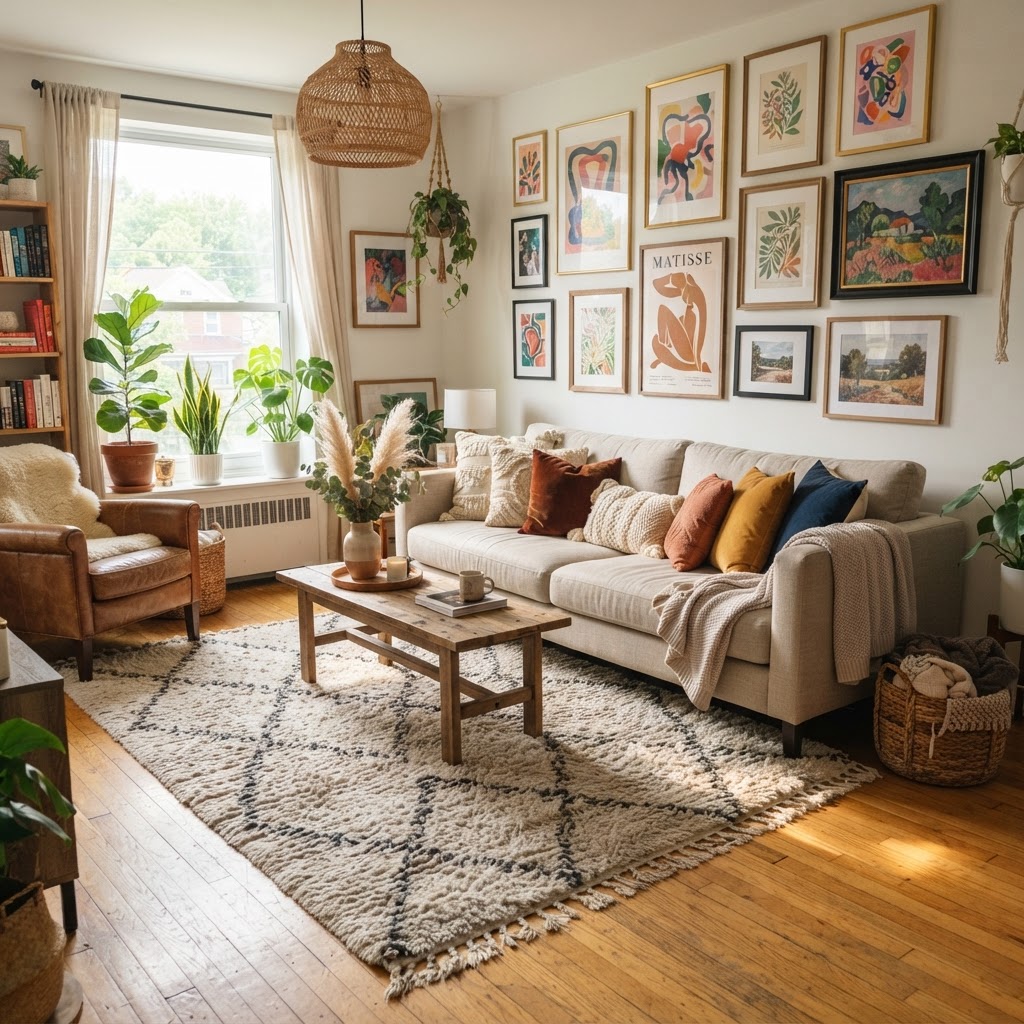
One of the most effective ways to personalize a basic apartment is by leaning heavily into textiles, which serve as the primary foundation for color and warmth. When you cannot modify flooring or paint, area rugs act as the essential anchor for a room’s aesthetic. A large area rug, typically sized 8×10 for living areas, hides unsightly carpets while defining distinct zones in open-concept layouts.
Why Rugs Matter
Layering textures is a professional interior design technique that adds depth and perceived value. To achieve a luxury look on a budget, combine a natural fiber jute base rug with a plush faux-fur or woven wool accent rug on top. This tactile contrast makes a space feel curated rather than standard. Furthermore, upgrading your window treatments is vital; swapping out standard plastic blinds for floor-to-ceiling curtains can add an average of 10-15% more visual height to a room.
Rethinking Rental-Friendly Lighting
Lighting is often the most neglected aspect of apartment living, yet replacing harsh flush-mount fixtures with layered portable lighting is the fastest way to improve ambiance. Since most rental agreements prohibit changing hardwired ceiling lights, you must maximize floor and table lamps to create a warm, inviting glow. Aim for at least three distinct light sources per room to eliminate the “sterile box” effect typical of modern apartments.
Start by incorporating floor lamps and table lamps in every corner. Use warm-toned LED bulbs specifically rated between 2700K and 3000K, which mimic the color temperature of incandescent light. You can also experiment with LED strips tucked behind shelves or under kitchen cabinets for a custom, high-end glow. Studies show that proper lighting can influence mood and productivity; by avoiding a single overhead source, you reduce harsh shadows and make rooms feel significantly larger. Integrating smart bulbs or dimmable plugs can further personalize your lighting experience without any electrical work. These simple additions do more to change the mood of an apartment than almost any other decorative choice, providing immediate, cost-effective transformation.
The Art of Gallery Walls
A gallery wall is a classic, renter-friendly solution that allows you to showcase personality through art while respecting wall damage limitations. Because structural damage is a concern in rentals, utilize high-quality command strips or picture-hanging tape that peels off cleanly without leaving residue. The key to a professional look is maintaining consistent spacing, typically 2 to 3 inches between frames, to create a cohesive “anchor” on the wall.
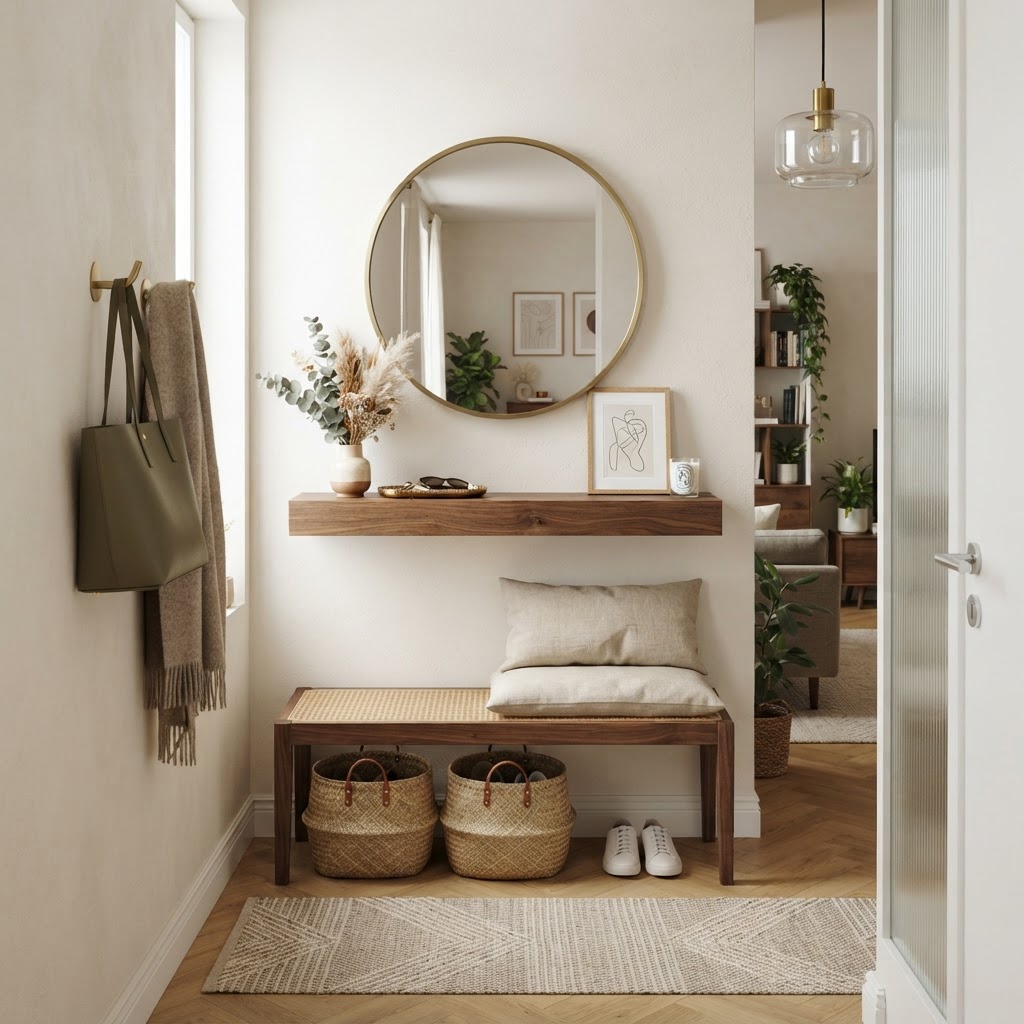
When planning your gallery, try to stick to a unified color scheme or consistent frame style to keep the display looking tidy. Mixing frame sizes provides visual interest, but keeping the center-point of the gallery at eye level—roughly 57 to 60 inches from the floor—ensures the arrangement feels intentional. You can even mix in non-framed items like decorative masks, dried botanical pressings, or lightweight mirrors to add texture to the arrangement. This design choice transforms a blank white wall into a focal point, grounding the room and reflecting your specific taste.
Implementing Temporary Backsplashes and Accents
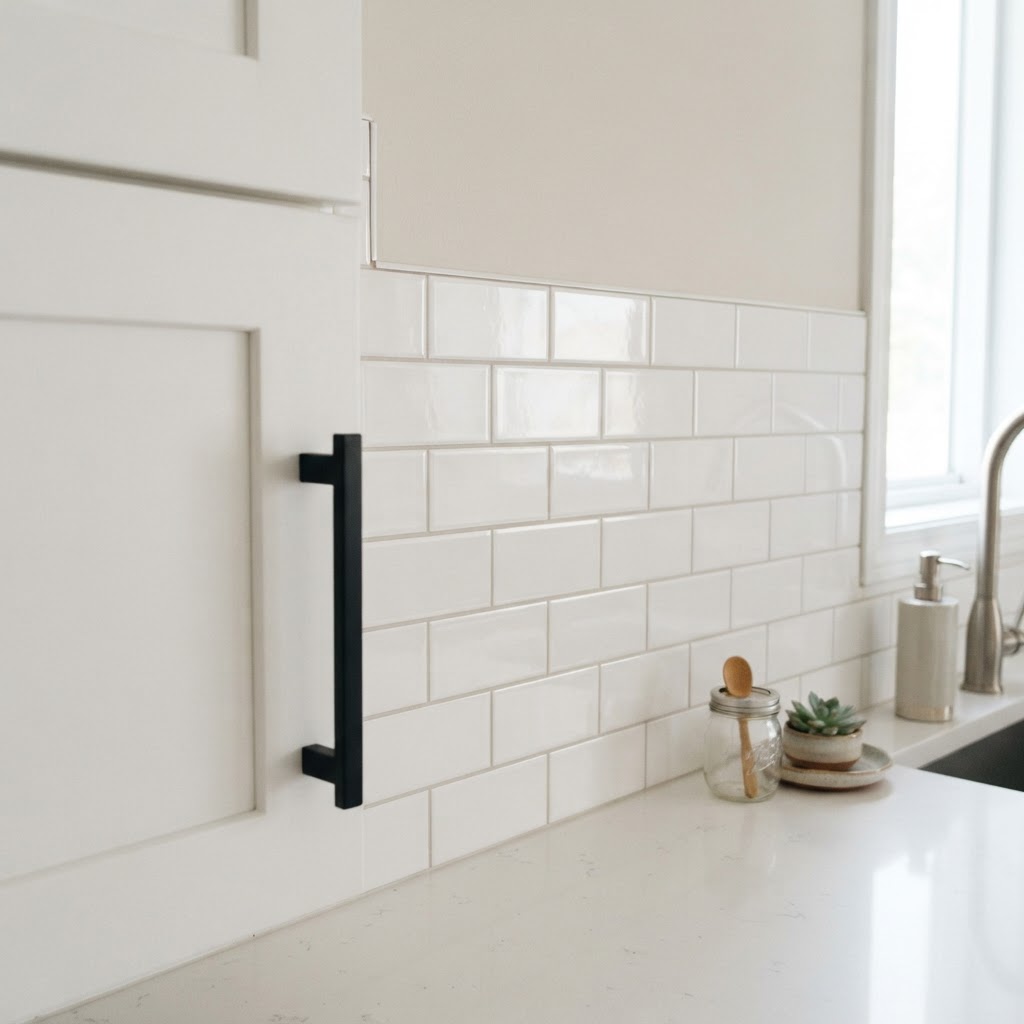
If you dislike dated tile or blank kitchen walls, peel-and-stick wallpaper and tile decals are game-changing, non-permanent solutions. These adhesive products can be applied to backsplashes, cabinet fronts, or feature walls to add pattern and color without the need for glue or grout. When choosing these products, always ensure they are marked as “rental-safe” or “residue-free” to prevent damage to the substrate upon removal.
Before you commit to a full installation, order a sample and test it in your apartment’s specific lighting conditions for 24 hours. Consider that pattern density affects the size of the room; busy, small-scale patterns can feel overwhelming in tiny kitchens, while larger, minimalist geometric prints often provide a more open feel. You can also use contact paper to line the inside of open shelves, which adds a surprise pop of design without overwhelming the entire space. Even a modest 5-square-foot application of adhesive tile on a backsplash can shift the entire kitchen aesthetic from dated to modern, making it one of the highest-impact budget investments you can make.
Maximizing Functional Storage Furniture
In many apartments, the lack of storage is a major pain point, so choosing multi-functional furniture is essential to keeping your space personalized and clutter-free. Pieces like ottomans with hidden storage, bed frames with built-in drawers, and floor-to-ceiling bookshelves maximize utility while serving as core design elements.
When your home is free of clutter, the design elements you have chosen finally have room to shine. Consider wall-mounted shelving units that use pressure-fit systems or minimal hardware to maximize vertical space. Keeping floor space clear makes smaller apartments feel significantly larger and more luxurious, providing the perfect backdrop for your decor choices. Focus on furniture that features concealed storage, which hides unsightly items and maintains a curated visual. By prioritizing pieces that offer dual-purpose utility, you create a cleaner, more efficient environment that feels both custom and highly functional. Investing in high-quality storage is a permanent upgrade you can take with you to your next home.
Introducing Greenery for Life and Depth
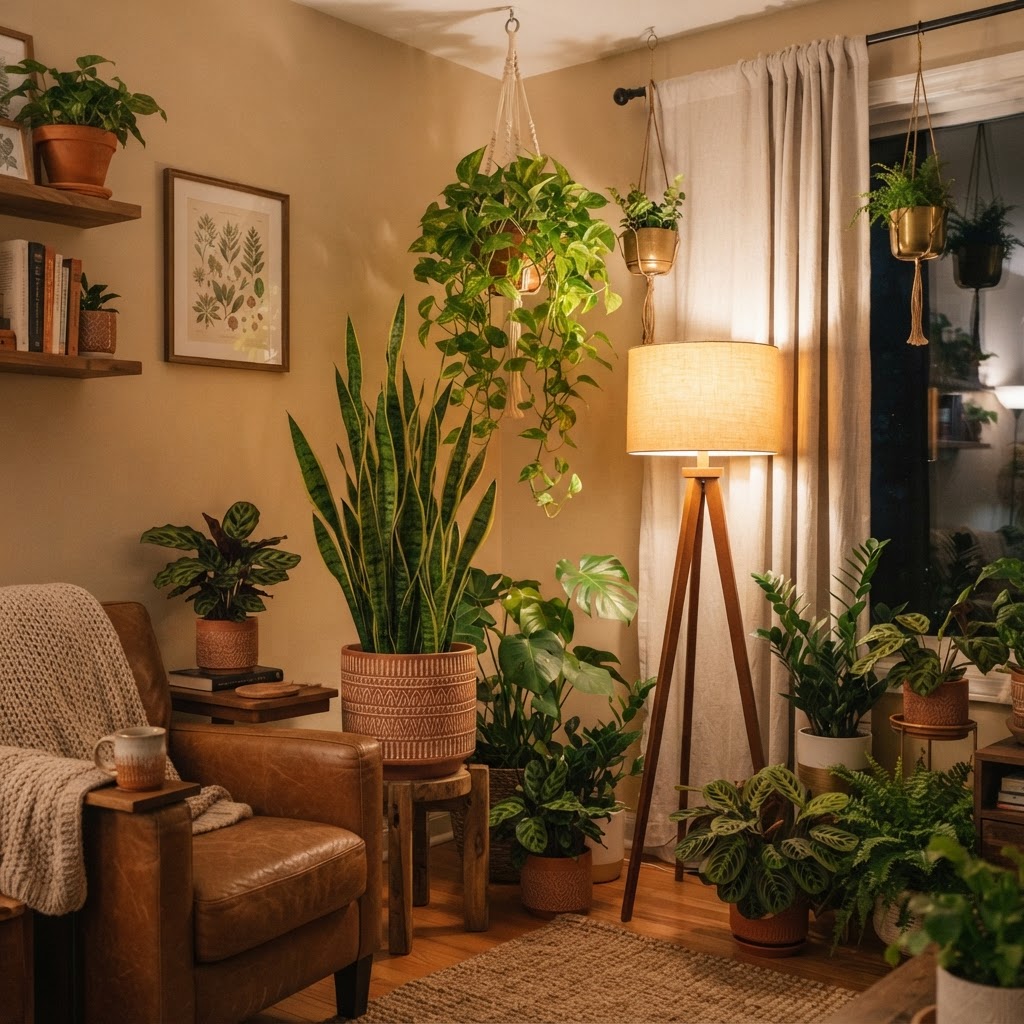
Plants are one of the most versatile decorative elements available, bringing vital color, texture, and natural energy to otherwise sterile, cookie-cutter apartments. Whether you choose large floor plants for architectural interest or trailing vines to soften sharp corners, greenery is an excellent way to introduce a organic feel into an industrial-style rental.
If your apartment lacks natural light, you can still successfully decorate with greenery by selecting hardy species. Snake plants (Sansevieria) and ZZ plants are top-tier choices for low-light environments, requiring water only once every 2-4 weeks. Furthermore, the pots you choose act as an extension of your style, allowing you to incorporate materials like terracotta, polished ceramic, or hand-woven seagrass baskets. Placing plants on varying levels—using stands, shelves, and hanging hooks—adds a vertical, sculptural element that directs the eye upward, effectively making the room feel more spacious and well-designed.
Customizing Hardware and Fixtures
Small, high-impact changes like replacing cabinet knobs and pulls are the secret to achieving a custom-designer look in an otherwise standard rental kitchen or bathroom. You can replace generic builder-grade hardware with stylish options like brushed brass, matte black, or vintage-inspired glass knobs for a fraction of the cost of a full remodel.
The most important step in this process is keeping the original hardware in a labeled plastic baggie inside a kitchen drawer. When it comes time to move out, simply swap the original knobs back on, leaving the unit in its original condition. This simple change, which can often be completed for under $50, makes a massive difference in how the room feels, moving it from “generic apartment” to “custom-designed home.” It is a low-risk, high-reward upgrade that provides a tactile upgrade every time you interact with your cabinets or doors.
Establishing a Signature Scent and Color Palette
Personalizing your home involves multisensory design, where scent and color palette unify the space and make it feel uniquely yours. Establishing a signature scent using reed diffusers, high-quality soy candles, or ultrasonic essential oil diffusers can significantly influence your comfort levels and guest perception the moment you walk through the door.
Pair your scent strategy with a consistent, restricted color palette—perhaps centered around three base colors like charcoal, cream, and a warm accent tone like terracotta. A defined palette ensures that all your belongings, from throw pillows to books, feel cohesive rather than chaotic. When you commit to a specific palette, it becomes much easier to shop for decor, preventing the purchase of random, disjointed items. This consistency is the hallmark of a well-designed home, proving that you do not need to own your walls to create a cohesive, curated living experience that feels like a true reflection of your personality.
FAQ
Q: Can I use command strips on all types of apartment walls?
Most command strips work well on standard painted drywall, but always test a small, inconspicuous area first. Avoid using them on loose wallpaper or textured plaster, as these surfaces may peel or crumble when the adhesive is removed during your move-out process.
Q: What is the most budget-friendly way to make a rental look expensive?
Updating your hardware and improving your lighting are the two most cost-effective methods for a luxury look. Replacing basic knobs with modern brass or matte black pulls and adding warm-toned floor lamps instantly elevates a room’s aesthetic far more than purchasing expensive furniture.
Q: How can I hide ugly rental flooring without replacing it?
Covering the floor with large area rugs is the standard solution for hiding carpet or damaged vinyl. For a more intensive update, you can use interlocking foam floor tiles or removable vinyl floor stickers, provided your lease permits non-permanent floor coverings.
Q: Is peel-and-stick wallpaper safe for all rental walls?
Peel-and-stick wallpaper is generally safe for smooth, primed drywall but can damage flat paint if the surface was not properly prepared before installation. Always buy a small sample to test how the adhesive interacts with your specific wall paint before covering a large surface area.
Q: How do I choose plants for a dark apartment?
Focus on low-light tolerant varieties like Snake Plants, ZZ Plants, or Pothos, which thrive with minimal natural sunlight. These plants are incredibly resilient and require less frequent watering, making them ideal for apartment dwellers who may have limited access to bright windows.

Leave a Reply