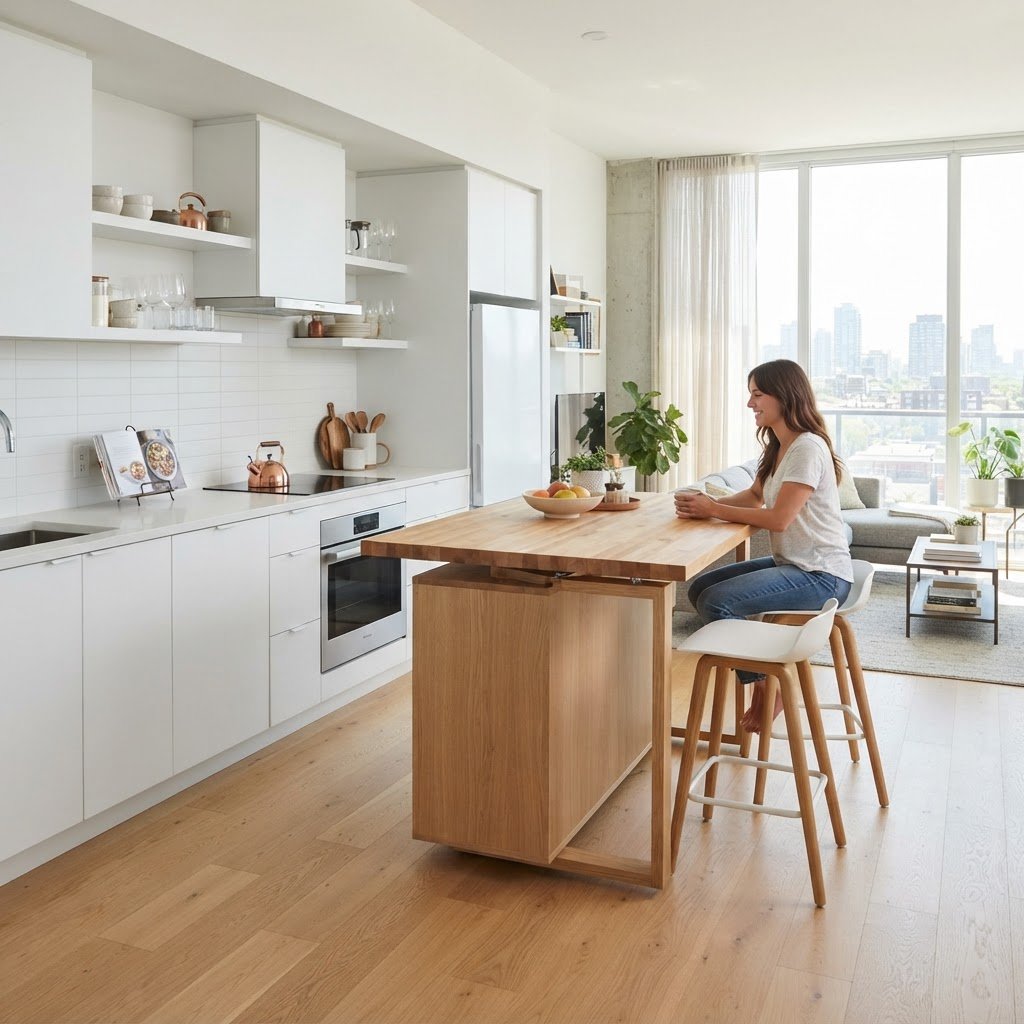
A rotating kitchen island table is a multifunctional furniture piece that pivots on a central axis to provide additional prep space, seating, or dining capacity in compact floor plans. These islands serve as space-saving solutions for tiny homes and studio apartments, allowing you to reclaim floor space by tucking them away when not in use.
The Evolution of Multifunctional Kitchen Furniture
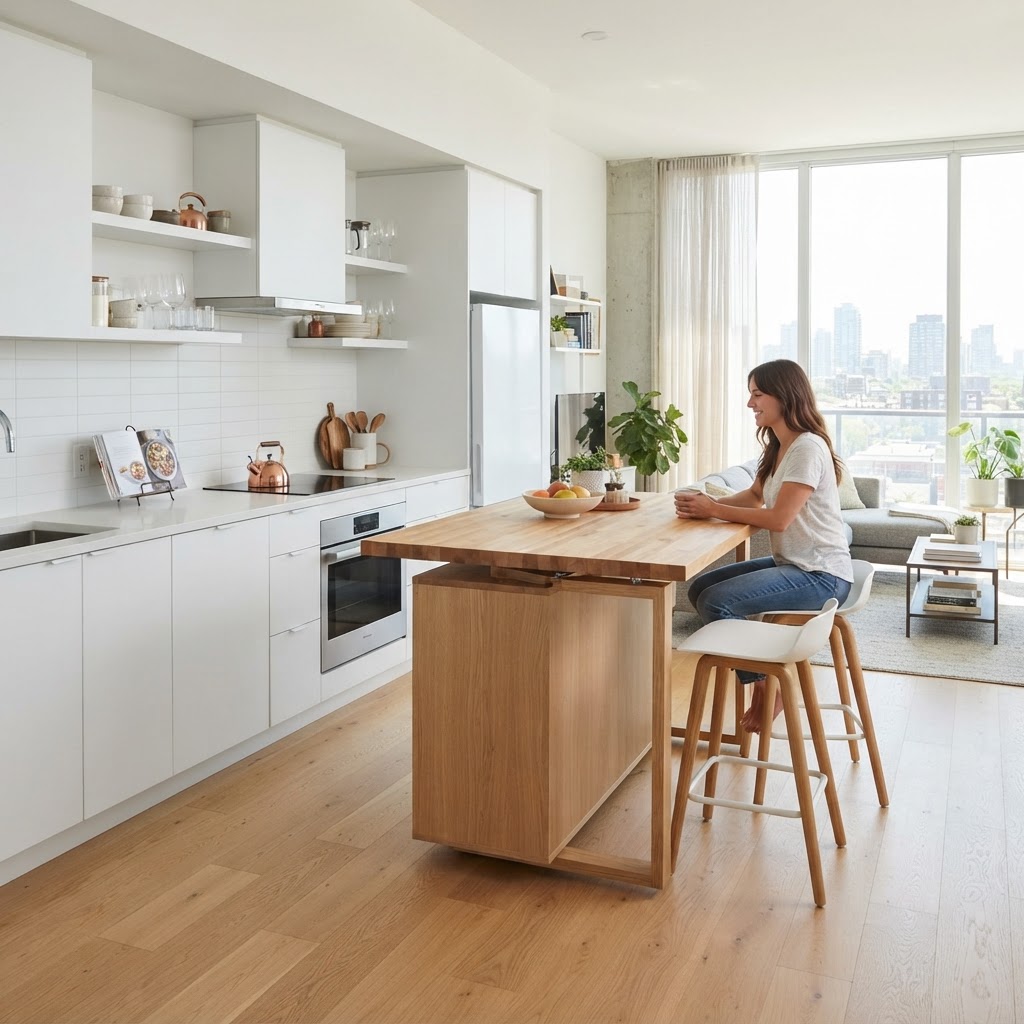
Modern interior design has shifted away from static, monolithic islands toward dynamic, mobile, and modular components that prioritize versatility. In small homes, a traditional fixed island can act as a permanent barrier to movement, effectively shrinking the kitchen and cutting off the vital flow to the living area. The rotating kitchen island table represents a smart, responsive design solution that pivots on a central axis, allowing it to transition seamlessly from a preparation station to a dining table. By utilizing high-end pivot hardware, these units offer a fluid user experience that static designs cannot match. Designers now prioritize “dynamic footprints,” where a space must serve at least two distinct functions—such as a chef’s prep station during the day and a formal dining area at night. This evolution in cabinetry hardware allows for 90 to 180-degree rotation, ensuring that no square inch of a tiny apartment remains stagnant. When space is limited to under 400 square feet, the ability to tuck a table into a cabinet run is not just a luxury; it is a fundamental requirement for functional, modern living.
Why Rotation Matters for Small Spaces
Rotation offers more than just movement; it offers functional adaptability. When you are cooking, the island can be tucked against a wall or cabinet run to maximize floor space for meal prep. When it is time for dinner, the table can swing out, creating a comfortable seating area that utilizes the existing counter height or extends into the living room. This adaptability ensures that your kitchen footprint is never wasted.
Design Mechanics of Rotating Islands
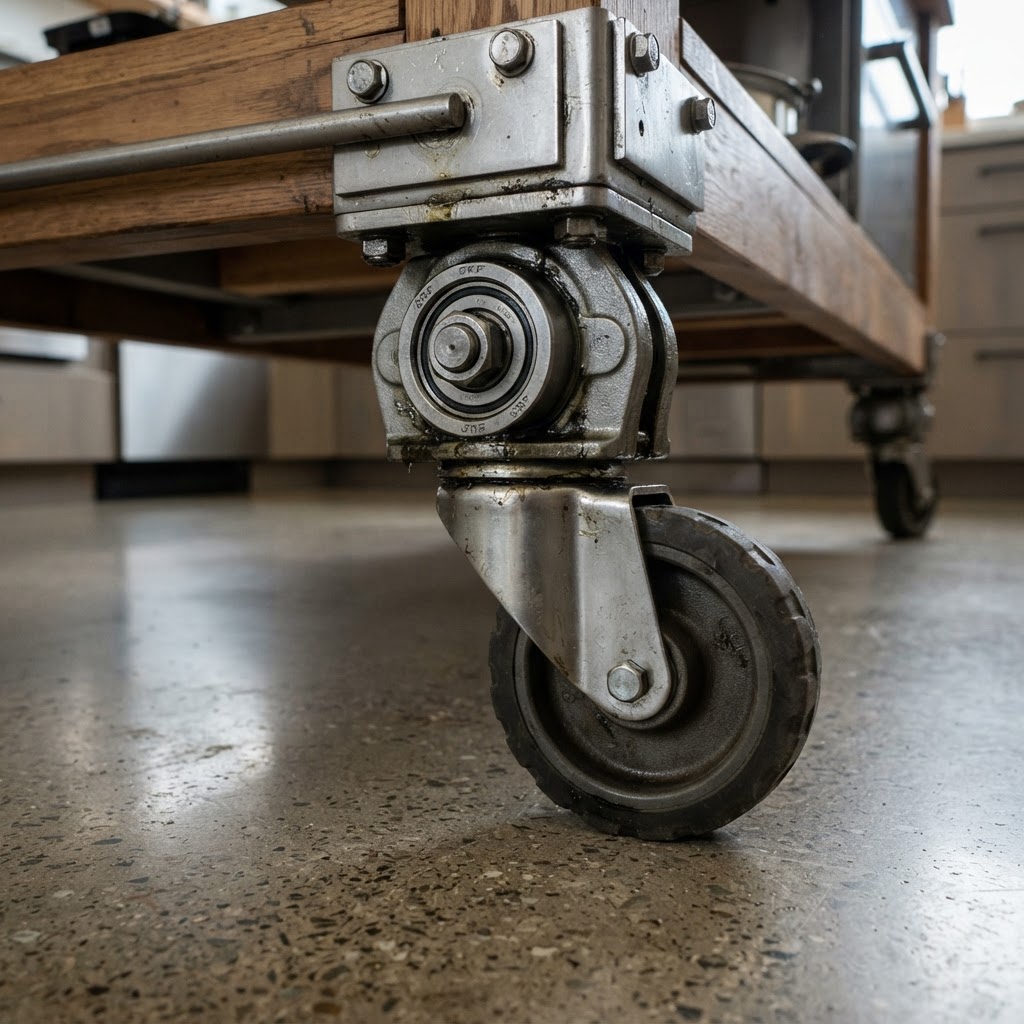
Understanding the mechanics of rotating islands is critical to ensuring long-term durability and safety in a small kitchen. Most high-performance rotating mechanisms utilize either a heavy-duty stainless steel swivel bearing or a caster-assisted pivot system to facilitate smooth movement across the floor. A steel swivel bearing is typically rated for load capacities exceeding 500 pounds, ensuring that heavy stone or quartz countertops remain stable during high-intensity tasks like kneading dough or chopping heavy produce. In contrast, caster-assisted systems often rely on locking polyurethane wheels, which are rated for up to 200 pounds each to prevent floor marring. When selecting a system, the choice depends heavily on your flooring material and the weight of the countertop. For hardwood floors, rubber-coated wheels are essential to prevent deep scratches. For concrete or tile, a floor-mounted swivel bearing provides the most stability. You must ensure that the pivot point is anchored into structural sub-flooring or reinforced cabinetry, as the leverage force applied to the island while it is fully extended can be significant. Professional-grade hardware often includes a dampening feature that prevents the table from swinging too quickly, protecting both your cabinetry edges and the surrounding residents.
Swivel Base Mechanisms
For a sleek, built-in look, a high-quality stainless steel swivel bearing is often used. This allows the island to rotate on a central point, keeping it securely grounded while providing smooth movement. This is ideal for tiny homes where structural stability is critical, as the pivot point is often anchored to the cabinetry or floor.
Caster-Assisted Rotation
If you prefer a more portable solution, islands with locking heavy-duty casters offer unparalleled flexibility. While these don’t rotate on a single fixed axis, they allow for 360-degree positioning. You can swing them out, move them into another room, or tuck them away completely when they are not in use.
Top Benefits for Studio Apartment Residents
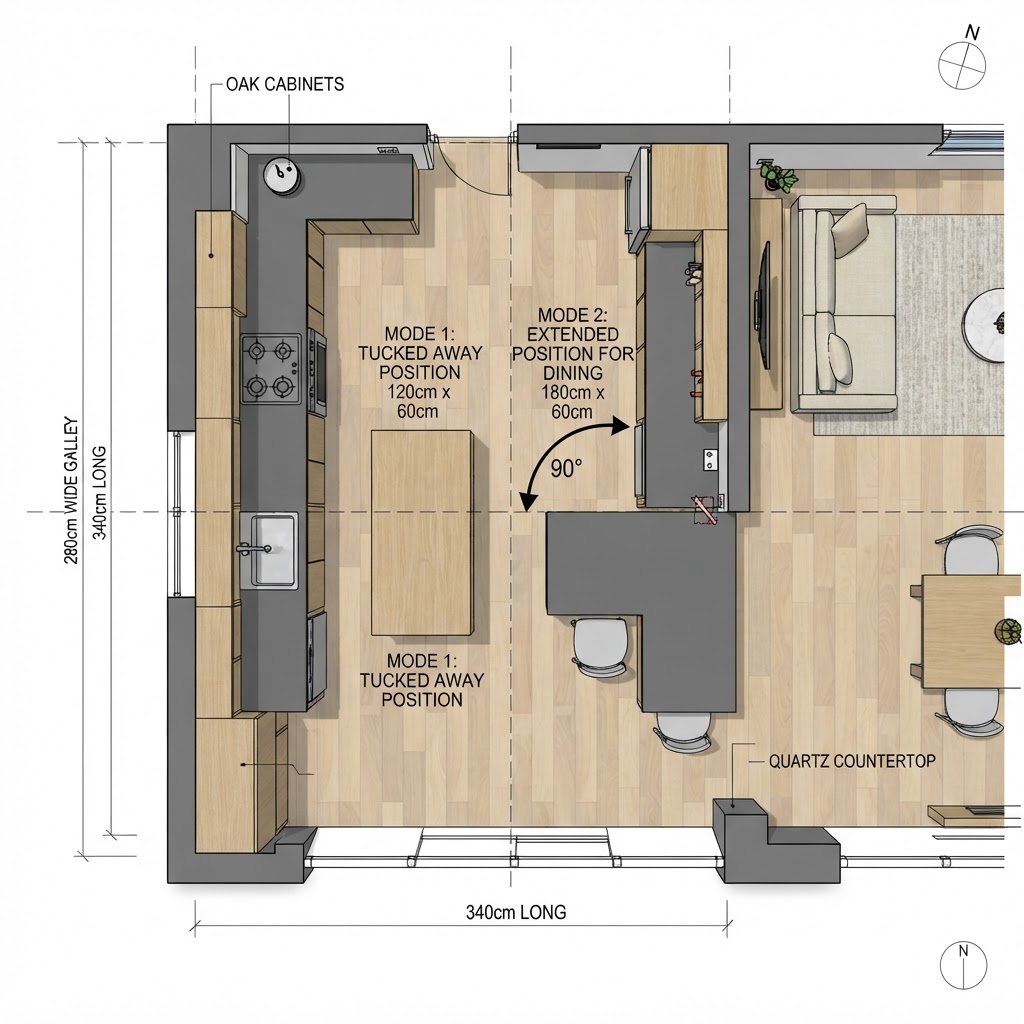
Living in a studio apartment often means your kitchen acts as a multi-zone hub for cooking, socializing, and working. By installing a rotating kitchen island table, you create a distinct, modular zone that can be hidden away to reclaim your living space at the end of the day. The primary advantages include:
- Space Efficiency: You can reclaim 6 to 10 square feet of floor space when the table is not in use, which is critical for studio living.
- Multifunctionality: Easily switch between a prep surface, a home office desk, and a formal dining table by simply pivoting the unit.
- Social Integration: Pivot the island to face guests, turning your kitchen into an interactive hub rather than a isolated utility room.
- Ergonomic Adjustments: Modify the orientation of the table to improve lighting or accessibility during specific tasks, such as task-heavy prep work.
By optimizing your workflow with a rotating unit, you effectively “borrow” space from the living room when the kitchen is busy. Data from urban design studies shows that modular, rotating furniture can increase the perceived usable area of a studio apartment by nearly 20% compared to fixed-layout floor plans. This creates an environment where you are not restricted by the physical constraints of your walls, but rather liberated by the flexibility of your furniture. Furthermore, having an island that rotates allows for better “flow-through” movement when you have guests over, preventing the standard “kitchen bottleneck” common in narrow studio layouts.
Selecting Materials for Your Rotating Island
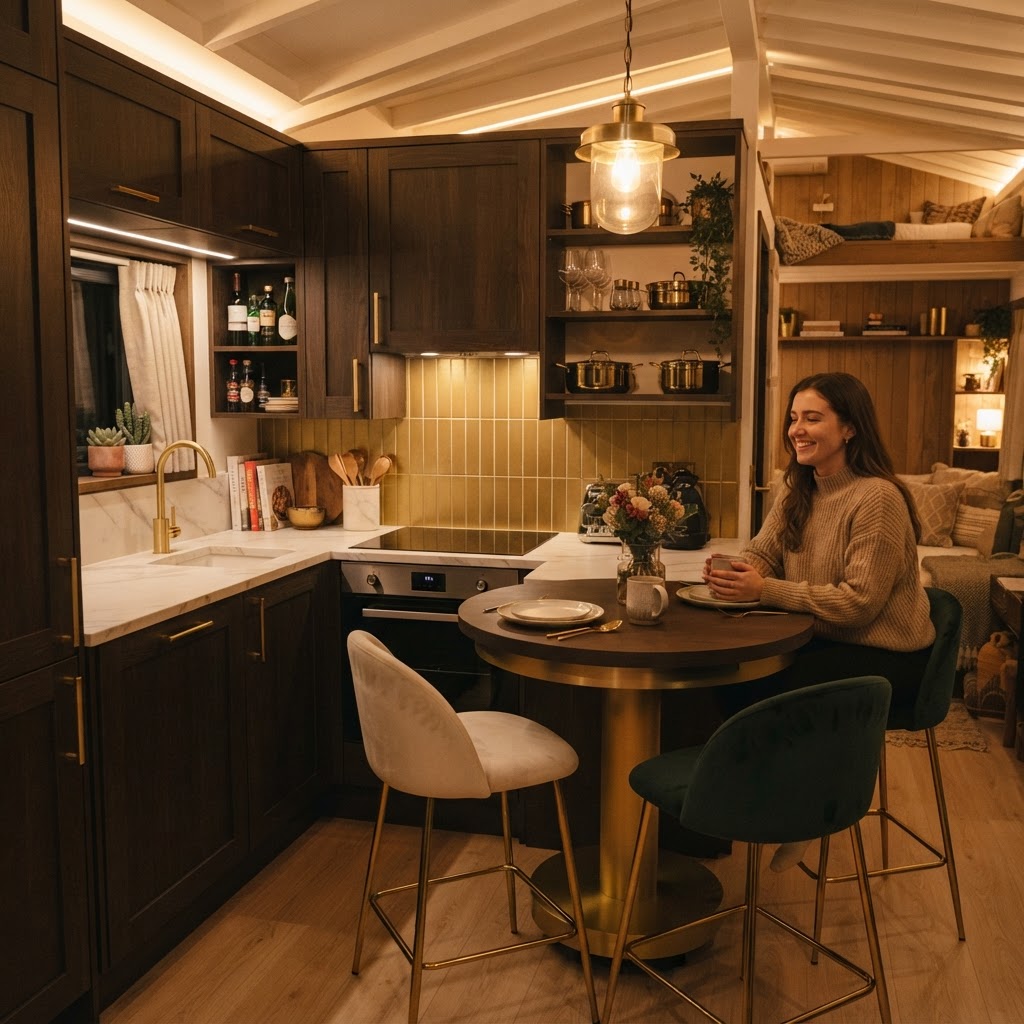
Material selection determines the longevity and ease of operation for your rotating island, requiring a strategic balance between weight and durability. Because rotating islands are designed for heavy use, they must handle both torque at the pivot point and daily surface abrasion. Butcher block remains the industry standard for these islands because it provides a warm aesthetic, is easily refinished if scratched, and weighs significantly less than stone, reducing the stress on your pivot hardware. Compact laminate is another superior choice, as it is non-porous and can be as thin as 12mm, keeping the overall weight manageable. If you must use engineered quartz or granite, you must upgrade your swivel bearing to a high-tensile strength model, as the added mass increases the rotational force significantly. As a rule of thumb, ensure the total weight of the island does not exceed 150 pounds for DIY projects to maintain smooth, single-handed operation. If the island is intended to carry heavy appliances like a mixer, ensure the base cabinet is reinforced with marine-grade plywood. Always consult with a professional regarding the weight load capacity of your floor and the swivel hardware. If you are retrofitting, ensure the pivot point is anchored into a joist to prevent floor bowing.
Best Countertop Options
- Butcher Block: Warm, durable, and relatively lightweight, making it perfect for rotating systems.
- Compact Laminate: Extremely thin and robust, offering a modern aesthetic without adding excessive weight.
- Engineered Quartz: A high-end choice that provides a permanent, scratch-resistant surface, though it requires a more robust pivot mechanism.
Integrating Style with Practicality
Functionality should never come at the expense of aesthetics, as a kitchen island is often the visual anchor of a small home. The market for small kitchen island ideas has exploded, offering styles from industrial chic with black steel accents to minimalist Scandinavian light-oak finishes. Choosing an island that matches your existing cabinetry can make the unit appear like a built-in feature, creating a seamless visual flow that tricks the eye into perceiving more space. Alternatively, selecting a contrasting material—like a walnut top on white lacquer cabinets—turns the island into a statement piece. For DIY enthusiasts, creating a rotating version using a high-quality lazy Susan bearing and a standard butcher block table is an affordable way to gain functionality. If you have the budget, custom joinery allows you to integrate concealed storage directly into the rotating unit, such as pull-out knife blocks or hidden spice racks. This is an excellent way to maintain a minimalist countertop aesthetic while keeping your most used tools within arm’s reach. Always ensure the edges of your island are rounded; in a tiny home, sharp corners are a significant safety hazard and can damage the paint on your walls when the table is pivoted.
Managing Workflow in Compact Kitchens
Efficiency in a small kitchen relies heavily on the “Golden Triangle” of the sink, stove, and refrigerator. Adding a rotating island can either disrupt or enhance this flow depending on its placement relative to these three points. The secret is to anchor the pivot point so that the island acts as an extension of the primary prep area while staying outside the main path of travel. By positioning the island at a 45-degree angle to the stove, you create an efficient “landing strip” for hot pans that doesn’t block the aisle to the refrigerator. When planning, use painter’s tape on your floor to map out the swing radius of the island. Ensure that when fully extended, it does not hit appliances, cabinet handles, or door casings. It is also wise to consider the “reach distance”; the island should be no more than 36 inches from your sink to ensure that you are not constantly walking back and forth during clean-up. For maintenance, implement a bi-annual check of the swivel mechanism. Tighten the bolts that secure the hardware to the base cabinet to prevent any “wobble” that could occur as the wood or floor settles over time. By carefully managing this clearance, you ensure your kitchen remains a workspace, not a cramped obstacle course.
FAQ
Q: How much space is required for a rotating kitchen island?
In most studio apartments, you should allocate a footprint of at least 30 to 48 inches of clearance around the island’s swing radius. This ensures that you have enough room to rotate the unit fully without hitting major kitchen appliances or walls.
Q: Can I install a rotating island on existing kitchen flooring?
Yes, you can install a rotating island on existing floors, but you must ensure the pivot point is anchored securely into a floor joist or a reinforced plate. Always use high-quality, non-marring rubber casters or felt-padded swivel bases to protect your existing floor surface from damage.
Q: What is the maximum weight a rotating island should be?
For a standard DIY-friendly rotating island, try to keep the total weight under 150 pounds. Heavier units (200+ pounds) require industrial-grade steel pivot bearings and significantly more robust structural reinforcements in both the floor and the base of the cabinet.
Q: Are rotating islands safe for homes with children?
Yes, as long as the island features a secure, heavy-duty locking mechanism that prevents the unit from swinging unexpectedly. Always ensure the swivel mechanism has a built-in braking system so that the island remains locked in place when not in use or when being used for prep work.

Leave a Reply