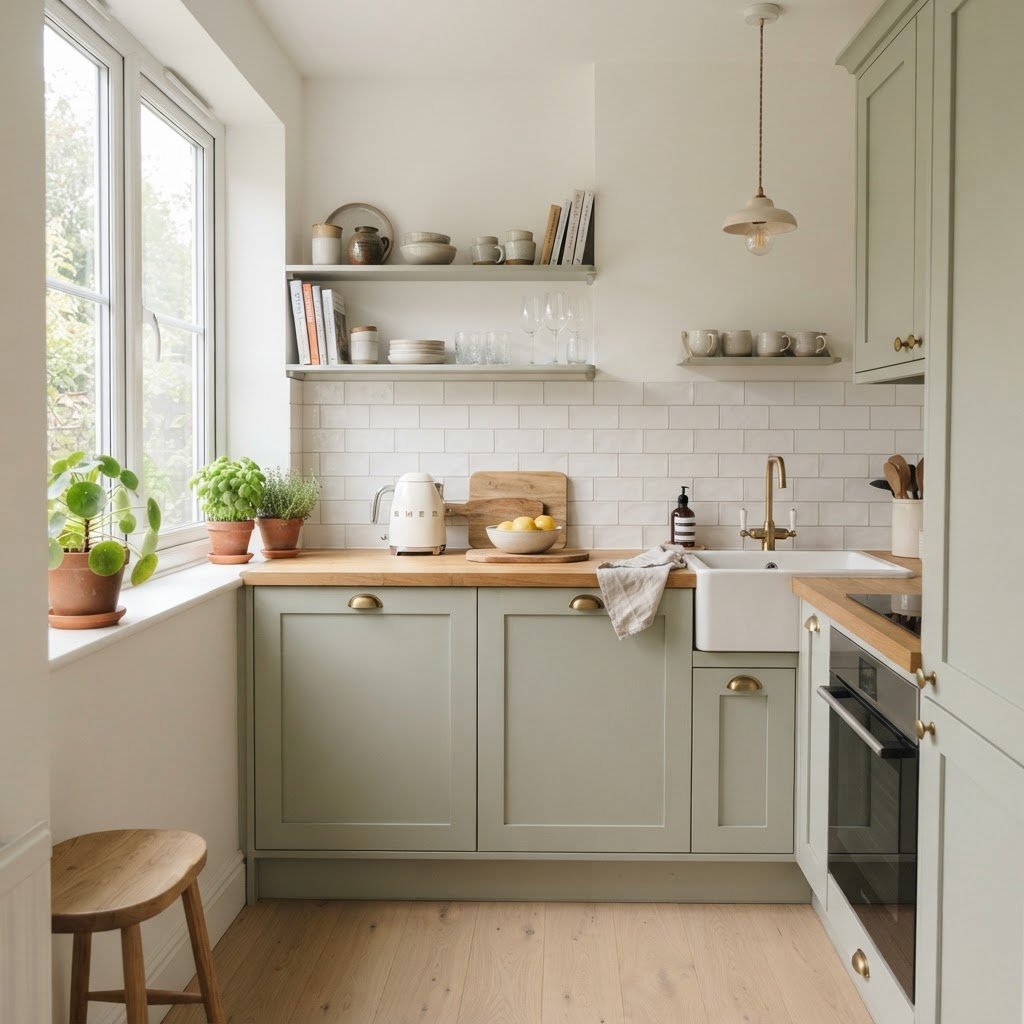
Small Scandinavian Kitchen Ideas With Cozy Green Cabinets
Small Scandinavian kitchens can be optimized with green cabinets by utilizing light-reflective soft sage shades for compact spaces and matte forest tones for high-contrast depth. These designs thrive on the balance of minimalist utility, layered warm lighting, and vertical storage solutions, creating a functional, nature-inspired sanctuary regardless of your total square footage.
The Allure of Green in Nordic Design
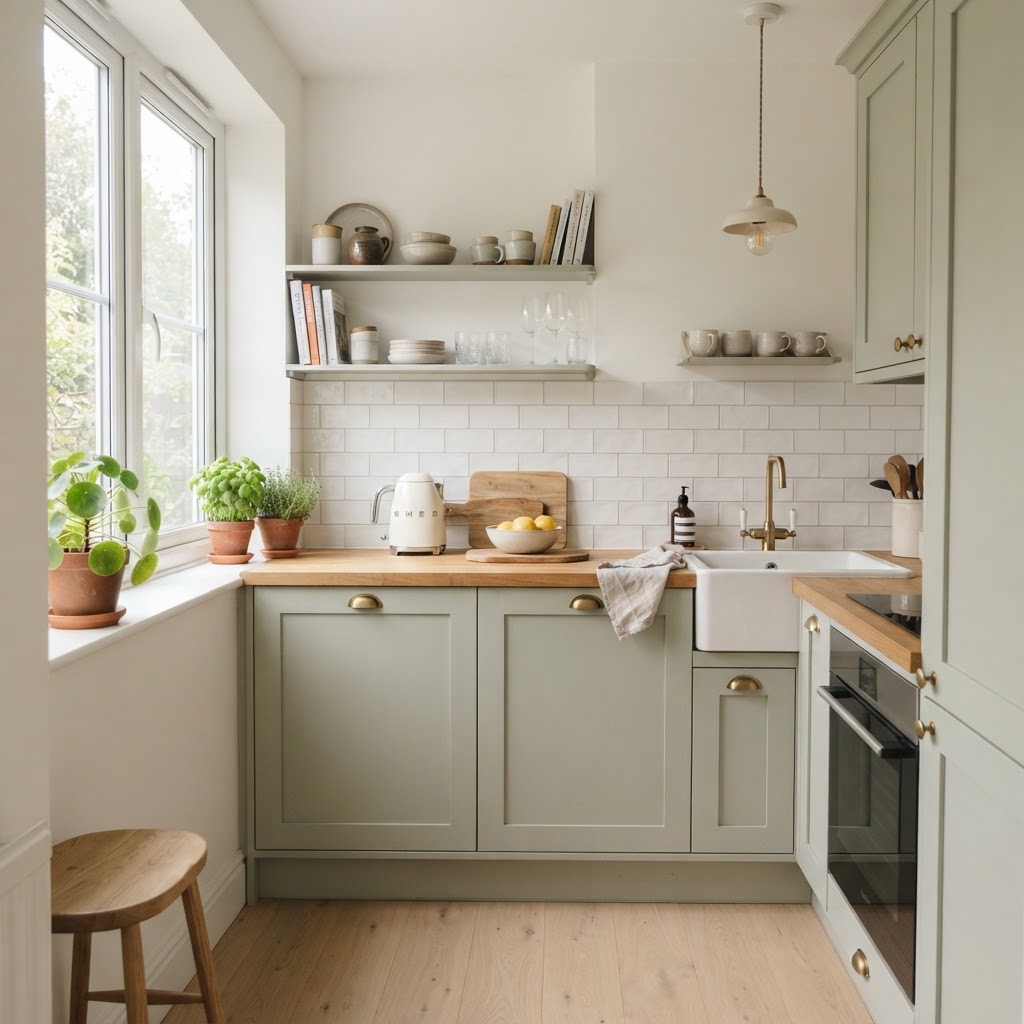
Scandinavian design is shifting from strictly monochrome white palettes toward muted, organic tones like sage, olive, and forest green to ground interior spaces. While traditional Nordic minimalism relies on light grey and white to bounce natural light, adding sophisticated green cabinetry mimics the lush Nordic landscape and adds psychological warmth. Choosing the right shade acts as a neutral backdrop that complements light oak floors and white ceramic subway tiles, effectively “softening” the clinical edges often found in small apartment kitchens. By layering green with natural wood grains, you create a connection to the outdoors that elevates the perceived value and aesthetic appeal of your home.
Why Choose Green for Small Spaces
Contrary to the common belief that dark colors shrink a room, strategic shades of green can actually create an illusion of depth, making the physical boundaries of a small kitchen feel less rigid. A monochrome approach, where you paint cabinet fronts, walls, and shelving in a cohesive tone, removes visual clutter and stops the eye from detecting harsh transitions. This seamless integration is a staple in modern Scandinavian design, transforming a cramped, disconnected kitchen into a singular, intentional piece of architecture that feels more spacious than a traditional white-box kitchen.
Maximizing Functionality Through Minimalism
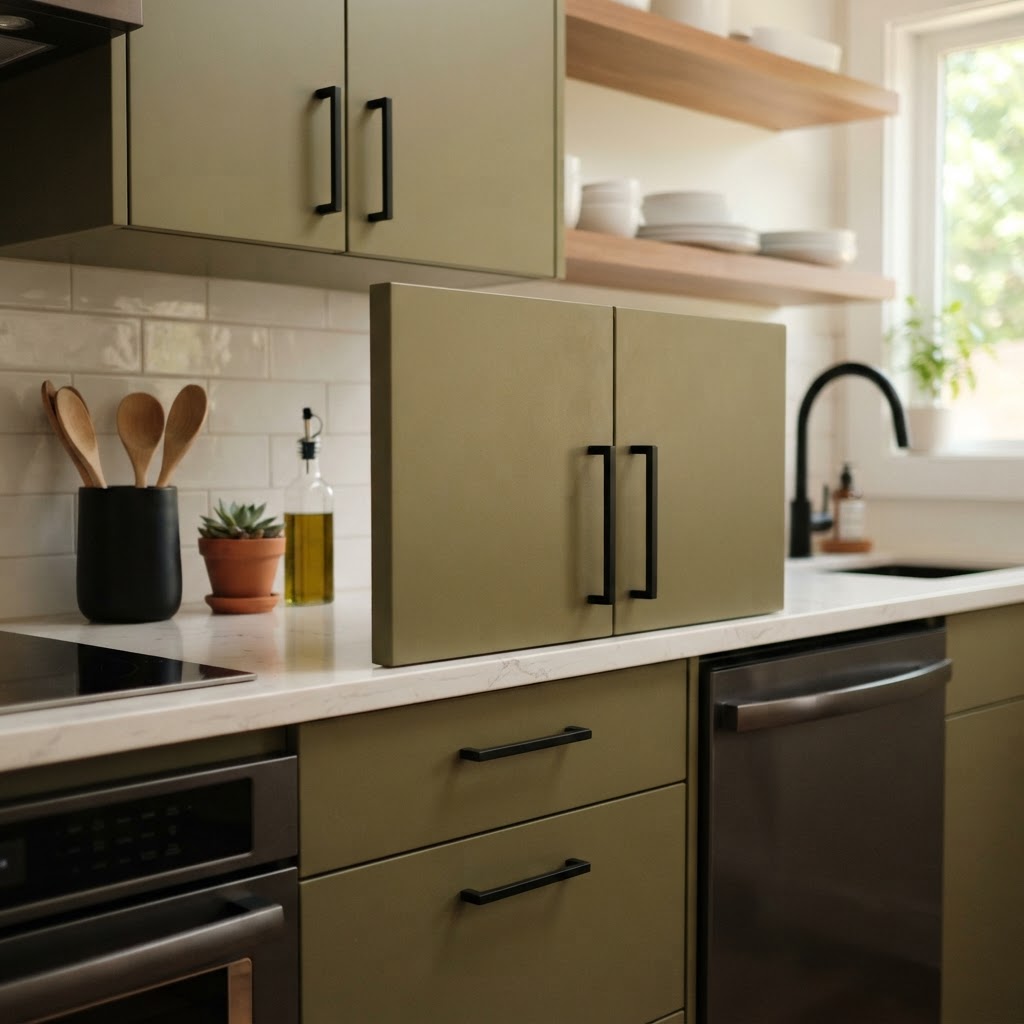
In a tiny kitchen, every square inch must earn its keep through strict adherence to Scandinavian utility principles. Before installing cabinetry, conduct a “kitchen audit” to purge non-essentials; research shows that homeowners typically use less than 30% of their kitchen gadgets daily, making downsizing essential for flow. Open shelving is a powerful tool to prevent a kitchen from feeling boxy, provided you limit display items to color-coordinated or textured essentials like ceramic bowls or wooden boards. Focus on creating “clear surfaces,” as clutter is the primary antagonist to the peaceful, airy atmosphere synonymous with high-end Scandinavian design.
Integrating Smart Storage
Vertical space is the most underutilized asset in small kitchens; installing floor-to-ceiling cabinetry ensures you are maximizing every vertical inch. By integrating internal organizers like pull-out spice racks, corner carousel units (which can regain up to 40% of corner dead-space), and drawer dividers, you ensure your aesthetic green exterior remains undisturbed by mess. These systems allow you to store bulky appliances behind custom panels, maintaining the minimalist, clean lines that define the Scandinavian look while keeping tools accessible.
Choosing the Perfect Green Cabinet Shade
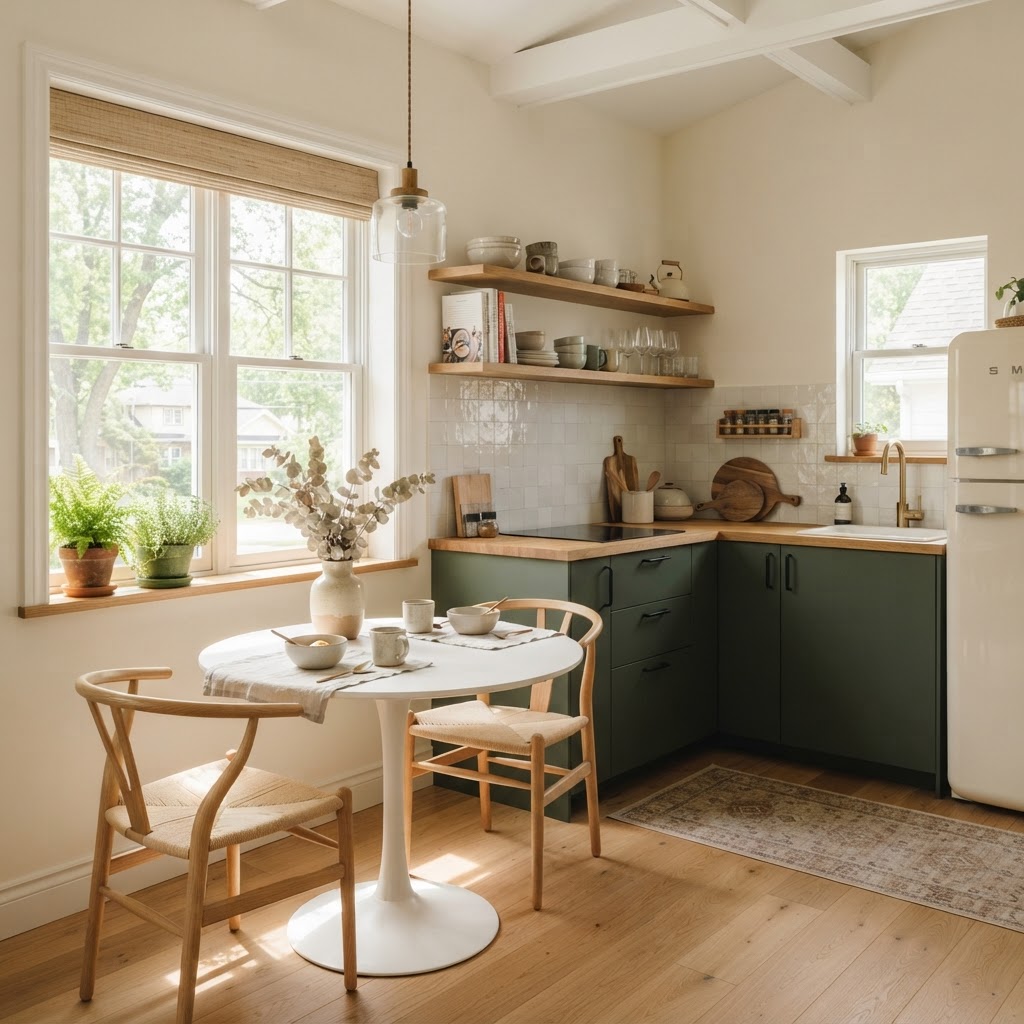
Selecting the right hue is the most critical step in achieving an authentic Scandinavian look, as lighting conditions dictate how the color renders. For smaller kitchens with limited natural light, prioritize “greige” greens or light sage tones that contain more yellow or white pigment to reflect artificial light. If your kitchen features large, south-facing windows, you can safely experiment with moodier, richer emerald or olive tones. When pairing, aim for a 60-30-10 color rule: 60% green cabinetry, 30% neutral white or wood walls/floors, and 10% high-contrast accents like matte black hardware or polished brass.
Popular Color Palettes for Small Kitchens
- Sage Green and Warm White: Provides a crisp, clean feel that maximizes reflection of natural light, perfect for kitchens under 80 square feet.
- Olive and Natural Wood: Creates a rustic, organic atmosphere that feels lived-in and cozy; ideal for creating a “hygge” environment.
- Forest Green and Matte Black: A modern, high-contrast look that feels professional, sophisticated, and perfect for industrial-leaning Nordic styles.
Where to Shop for Scandinavian Cabinetry
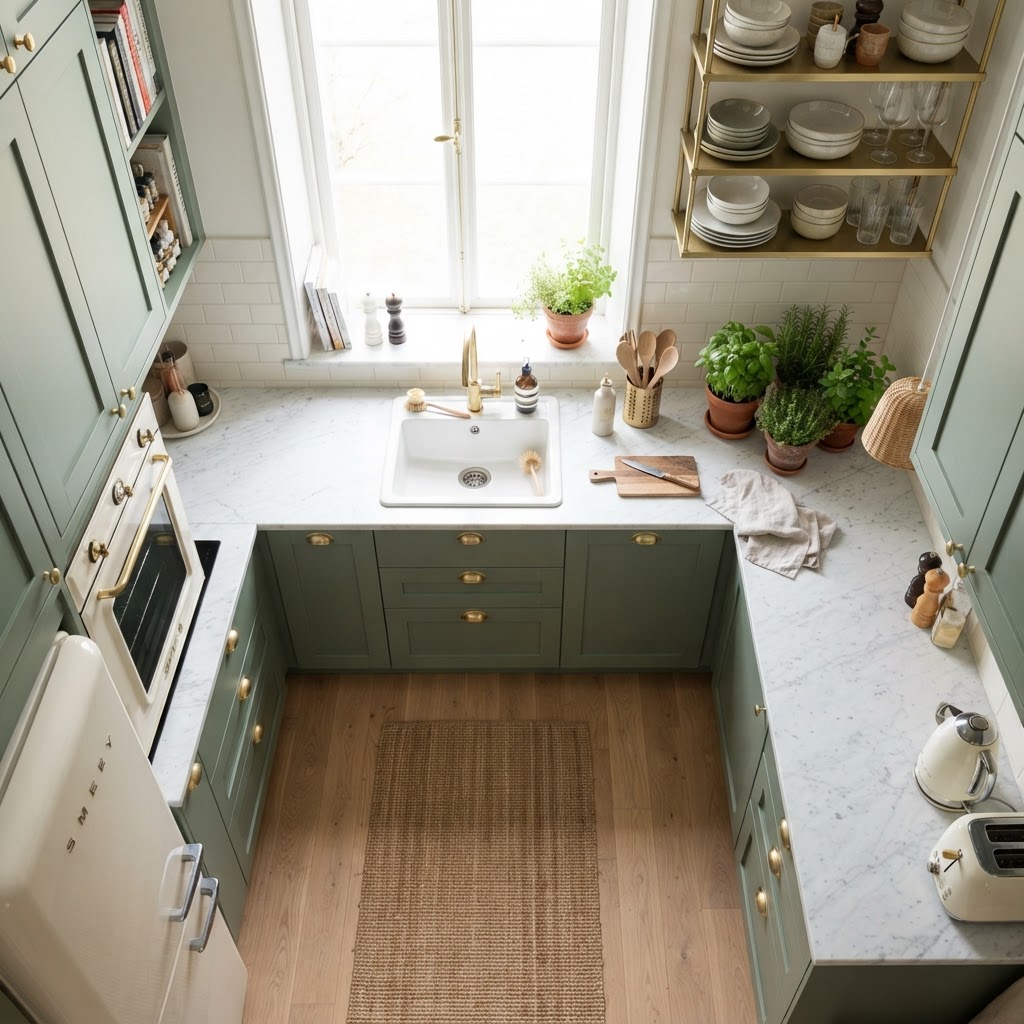
Achieving a designer look does not require a custom cabinet price tag; many modern homeowners use modular systems from retailers like IKEA combined with aftermarket cabinet fronts from companies like Reform or Semihandmade. These specialized doors are often made with high-quality, sustainable wood veneers or matte lacquers designed specifically to fit standard cabinet boxes. Look for slab-front or minimalist shaker-style designs, as they lack ornate detailing that can make a small kitchen feel dated or unnecessarily busy.
Hardware and Lighting Choices
In a small Scandinavian kitchen, your hardware acts as jewelry, elevating the cabinets and providing essential tactile contrast. Leather pulls are a popular choice in Nordic homes, as they age gracefully, darkening and developing a patina that mimics the natural warmth of the wood. Alternatively, slim, elongated brass handles offer a subtle glow that breaks up the mass of green cabinetry. Proper lighting is equally important; for a professional finish, install at least three layers of light: ambient, task, and accent. Under-cabinet LED strips are critical for task lighting, and pairing these with warm 2700K bulbs prevents your green cabinets from appearing sterile or cold.
Styling Your Green Kitchen for Maximum Impact
Styling is the final step in turning a functional kitchen into a curated space that feels deeply personal. Integrate nature by adding indoor plants like pothos or fiddle leaf figs, which harmonize with the green cabinets while purifying the air. When styling your counters, limit items to a wooden cutting board, a single ceramic bowl, or a small grouping of spices to maintain clean lines. Remember that Scandinavian style prioritizes quality over quantity; keep the surface area clear to allow the color and texture of your cabinetry to serve as the visual focal point.
Budget-Friendly Hacks for the Look
Achieving the Scandinavian aesthetic on a budget is easily accomplished through a professional-grade DIY cabinet paint project. By using a high-quality, water-borne alkyd enamel paint specifically designed for cabinets, you can transform dated white or wood fronts into a high-end matte finish for less than $300. Combined with new, minimalist matte black or brass hardware, this renovation offers the highest return on investment for small kitchens. Ensure your prep work includes a degreaser and a high-adhesion bonding primer to prevent peeling, which is common in high-traffic kitchen environments.
Checklist for Your DIY Kitchen Update
- Clean and degrease surfaces with TSP (Trisodium Phosphate) to remove all cabinet oils.
- Sand surfaces lightly with 220-grit paper to create a tooth for the paint to adhere to.
- Apply a high-quality bonding primer to ensure the paint finish is durable and moisture-resistant.
- Apply at least two thin, even coats of cabinet-grade enamel paint with a high-density foam roller.
- Swap out dated hardware for modern brass or matte black pulls to finalize the look.
FAQ
Q: Do green cabinets make a small kitchen look smaller?
No, green cabinets do not make a kitchen look smaller; in fact, using light sage or soft green can create a sense of depth that makes a cramped space feel more open and connected. Using a monochromatic palette helps blur lines, making the kitchen appear larger.
Q: What is the best cabinet color for a kitchen with no natural light?
For kitchens with no windows or natural light, opt for light, warm-toned greens like pale sage or a soft olive with warm undertones. Avoid dark forest greens or cool, blue-based emeralds, as these can look flat or gloomy under harsh artificial lighting.
Q: Should I choose matte or glossy finish for green cabinets?
A matte or satin finish is the standard choice for the Scandinavian aesthetic, as it minimizes reflections and provides a soft, sophisticated look. High-gloss finishes tend to reflect light aggressively and can make a small kitchen feel cluttered or dated.
Q: What hardware colors work best with green cabinets?
Matte black, brushed brass, and natural leather are the best hardware choices for green cabinets. Matte black provides a modern, high-contrast look, while brushed brass adds warmth and luxury, and leather pulls emphasize the organic, natural vibe of the Nordic design style.
Q: How much does it cost to paint kitchen cabinets yourself?
Expect to spend between $200 and $400 for high-quality paint, rollers, brushes, primer, and new hardware if you do the work yourself. This is significantly cheaper than buying new cabinets, which can cost $5,000 to $15,000 or more.

Leave a Reply