Cheap and Chic Small Apartment Decorating Ideas
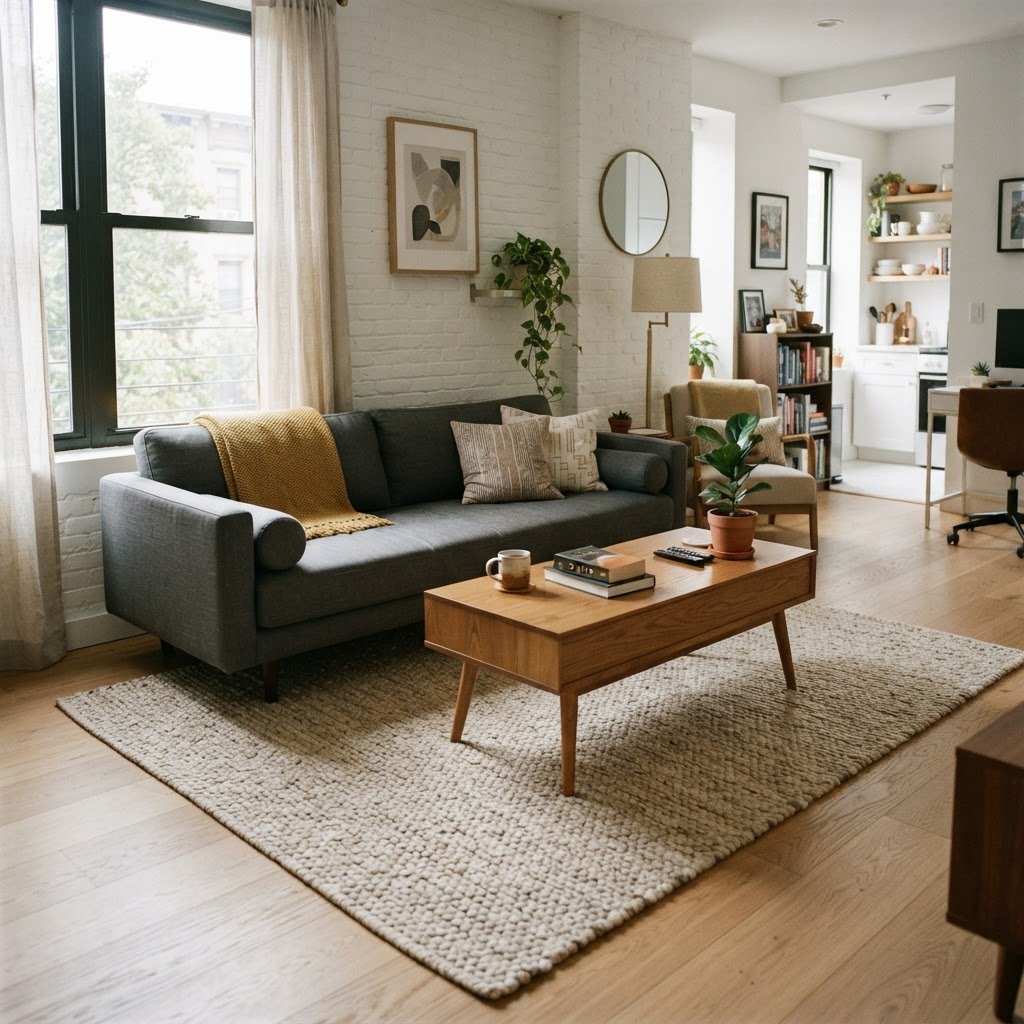
To decorate a small apartment on a budget, prioritize multi-functional furniture, vertical storage, and layered lighting to maximize square footage while maintaining style. By choosing light-reflecting decor, choosing furniture with exposed legs to increase floor visibility, and utilizing temporary renter-friendly upgrades, you can transform cramped spaces into organized, chic, and expansive-feeling living areas.
Maximizing Your Layout and Flow
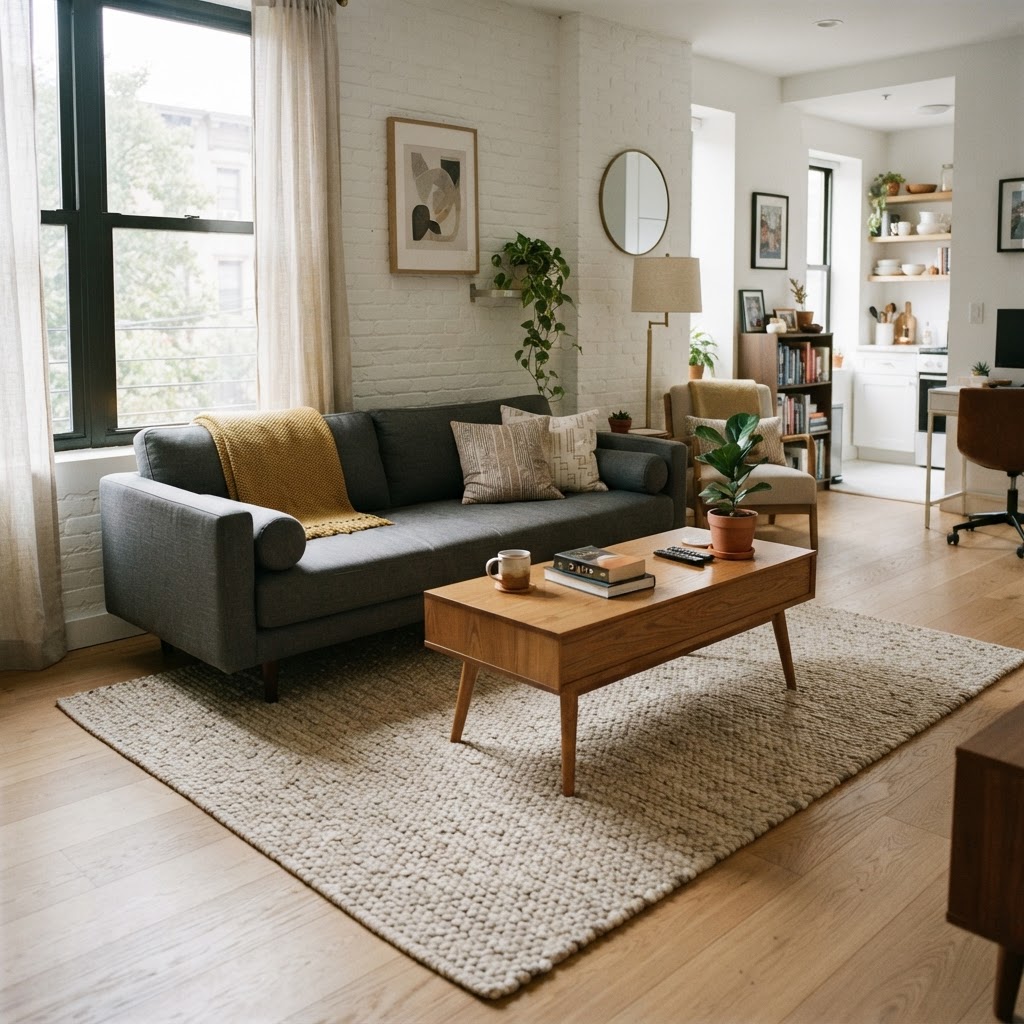
Effective small-apartment layouts rely on precise measurements and a ‘less is more’ furniture strategy to maintain open sightlines. Before purchasing pieces, measure your floor plan to ensure walkways remain at least 30 inches wide. Opt for low-profile, sleek sofas that occupy less visual volume; a bulky sofa can reduce perceived room size by up to 25%.
Prioritize furniture that sits on legs rather than bases. Seeing the floor beneath a coffee table or armchair creates an illusion of openness by allowing light to circulate beneath the piece. This simple design trick prevents rooms from feeling heavy or cramped. When planning, consider this comparison of furniture styles for small spaces:
The Power of Multi-Functional Furniture
Every piece of furnishing in a small home should serve at least two primary purposes to maximize efficiency. A high-quality storage ottoman provides hidden space for blankets while doubling as an extra seat or footrest. Similarly, wall-mounted folding desks or extension dining tables save roughly 10-15 square feet of floor space when not in use. Investing in “dual-duty” pieces reduces the total number of items in a room, naturally creating a more curated and organized environment.
Lighting and the Illusion of Space
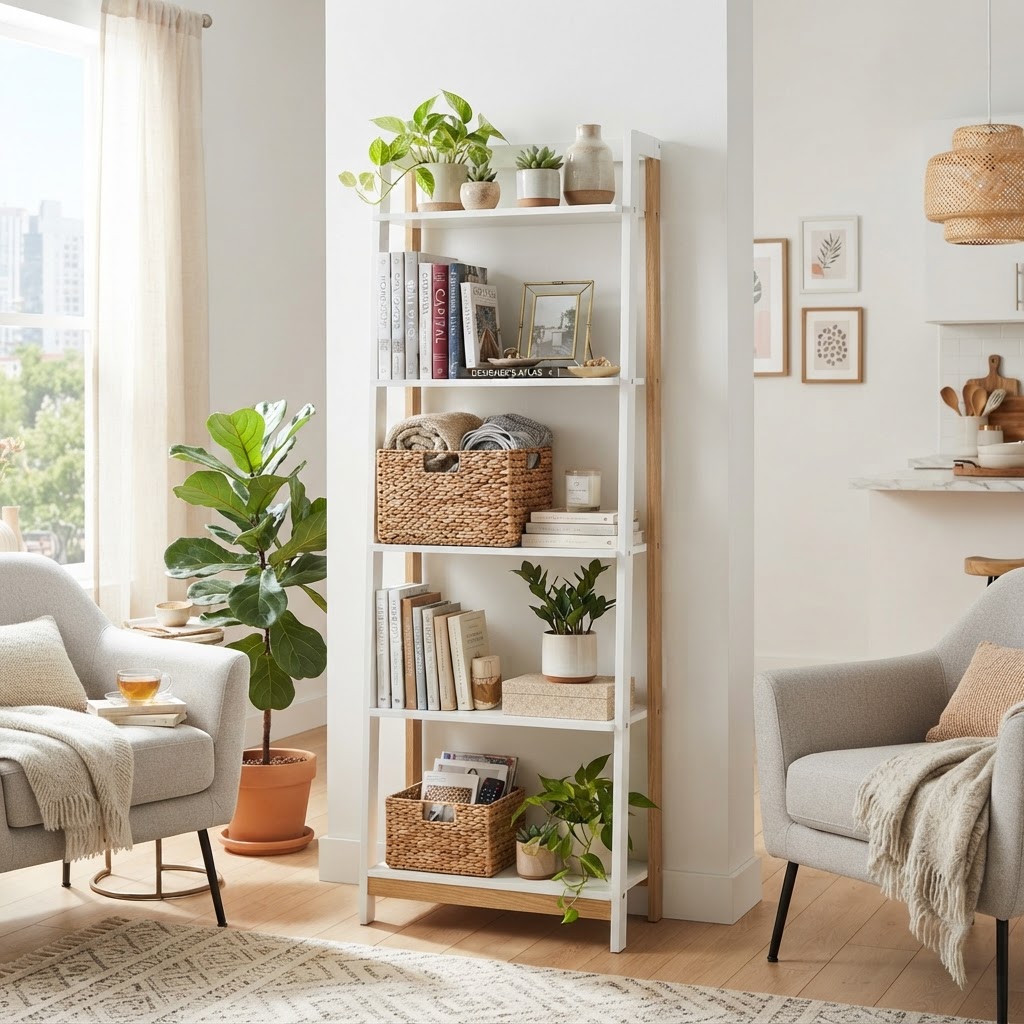
Strategic lighting design expands a small room’s perceived dimensions by eliminating the flat, boxy look created by single overhead sources. Instead of relying on a central “big light,” layer your lighting using at least three different sources to create depth and warmth. Place floor lamps in dark corners to push the eye outward, highlighting the room’s height and corners.
Integrating LED strips behind televisions or beneath console tables adds an ethereal, high-end glow that makes a space feel custom-designed. For maximum impact, use bulbs with a color temperature between 2700K and 3000K to provide a warm, inviting atmosphere. By drawing the eye upward with tall lamps or wall-mounted sconces, you effectively increase the perceived volume of the apartment without needing additional physical square footage.
Storage Hacks for a Tidy Home
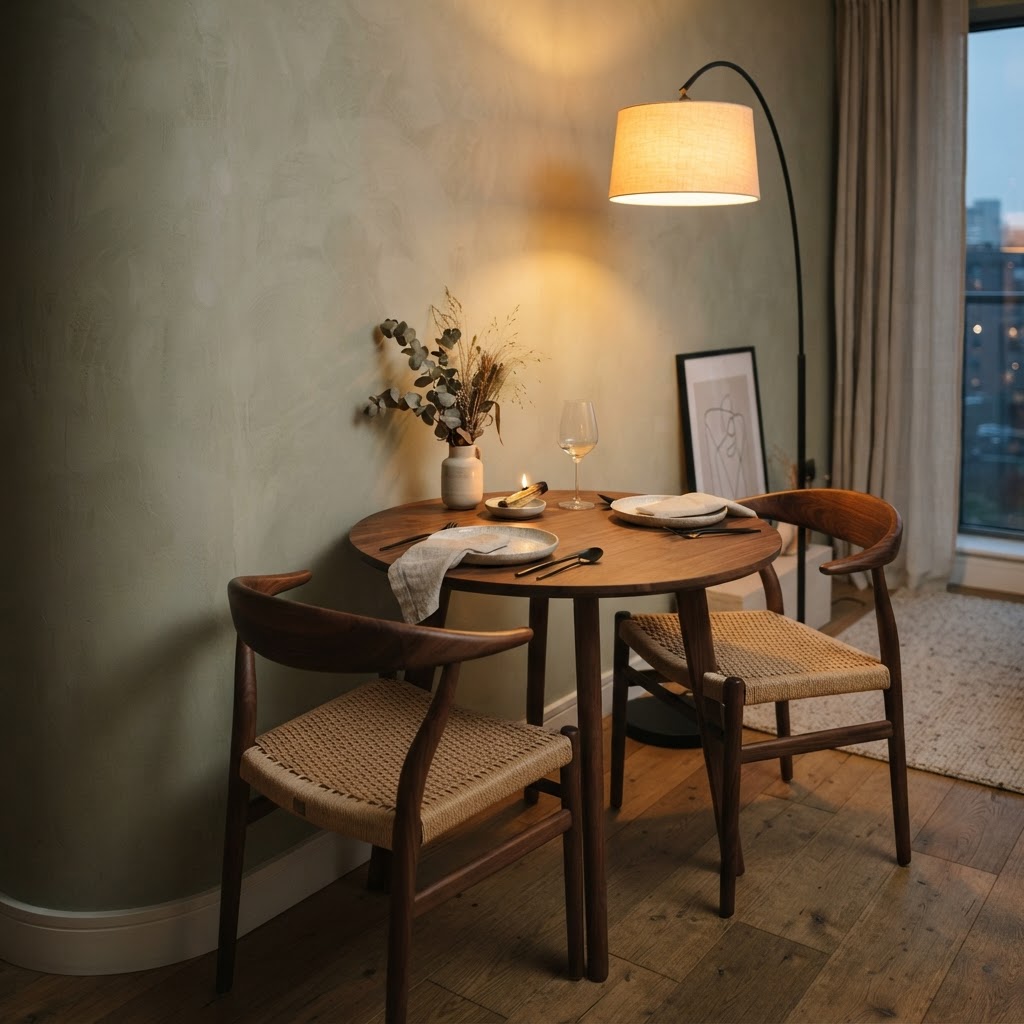
Effective storage in small apartments requires shifting from horizontal clutter to vertical utilization. Since floor space is limited, you must treat your wall space as a valuable real estate asset for organization. Incorporate woven baskets under furniture to hide daily “miscellaneous” items, keeping surfaces clear to avoid a chaotic, cluttered aesthetic.
Vertical Storage Solutions
When square footage is at a premium, installing open shelving systems or modular wall units allows you to display books and plants without consuming surface area. To maintain a clean look, follow the ‘two-to-one’ rule: for every two decorative items on a shelf, include one functional item, such as a basket or a storage box. This ensures the storage looks intentionally curated rather than just utilitarian.
Soft Furnishings and Texture
Textiles serve as the foundation for creating a cozy, unified home environment. A large, high-quality rug functions as a visual anchor; a common mistake is choosing a rug that is too small, which makes the floor appear fragmented and the room feel smaller. Use a single, large-format rug to define a ‘lounge zone,’ as this connects furniture pieces into a single, cohesive space.
Maintain a consistent color palette while mixing textures to avoid a cramped look. Use light-colored, natural linens or neutral-toned throws to keep the energy of the room bright. Mixing subtle textures—like a wool throw, a cotton rug, and velvet pillows—adds visual interest without cluttering the space with clashing patterns.
Budget-Friendly Renter Hacks
Decorating as a renter requires temporary, non-destructive solutions that pack a high visual punch. Peel-and-stick wallpaper is a budget-friendly way to introduce bold personality, often costing under $50 for a single feature wall that can be removed in minutes. Swapping standard cabinet hardware for modern brass or matte black pulls is another high-impact, low-cost upgrade.
Renter Upgrade Comparison
Always store the original hardware or materials in a dedicated bag to ensure you can fully restore the unit upon moving out.
Minimalist Aesthetic for Tiny Spaces
Minimalism is the most effective strategy for small living, focusing on high-quality pieces rather than sheer volume. By limiting the total items on display, you ensure that every object serves a purpose or provides genuine joy, which naturally reduces daily cleaning time. A minimalist approach is mathematically superior for small apartments because it leaves more empty wall and floor space, which directly correlates to a more ‘open’ feeling.
Keep surfaces clear of daily detritus. Use the ‘one-in, one-out’ rule for every new purchase: if a new decorative item enters the home, an old one must be donated or discarded. This discipline prevents the slow accumulation of clutter that inevitably makes small apartments feel suffocating.
FAQ
How can I make a tiny apartment look bigger?
Make a tiny apartment look bigger by using large-scale mirrors to reflect light, choosing furniture with exposed legs to show floor space, and keeping a light, neutral color palette. These design elements work together to eliminate visual bottlenecks and create an illusion of increased depth.
What is the best furniture for a studio apartment?
Multi-functional furniture is the best choice for studios, specifically items like storage ottomans, sofa beds, or extendable dining tables. These pieces provide necessary utility while keeping the floor footprint small, which is critical in single-room living environments.
How can I decorate a rental apartment without damaging the walls?
Use damage-free mounting solutions like Command strips, tension rods for curtains, and removable peel-and-stick wallpaper. These products allow you to personalize your home with paint, art, and texture while ensuring full security deposit refunds when it is time to move.
What lighting is best for small rooms?
Layered lighting is best for small rooms, incorporating at least three light sources like floor lamps, under-cabinet lighting, and wall-mounted sconces. Avoiding a single overhead light prevents the room from feeling flat and helps define different activity zones within a smaller floor plan.
How do I store items in a small apartment without clutter?
Use vertical storage solutions like floor-to-ceiling shelving, over-the-door organizers, and hidden storage ottomans to clear clutter from your floor. Organizing items inside baskets or bins within these systems keeps your space looking clean, intentional, and curated rather than packed.

Leave a Reply