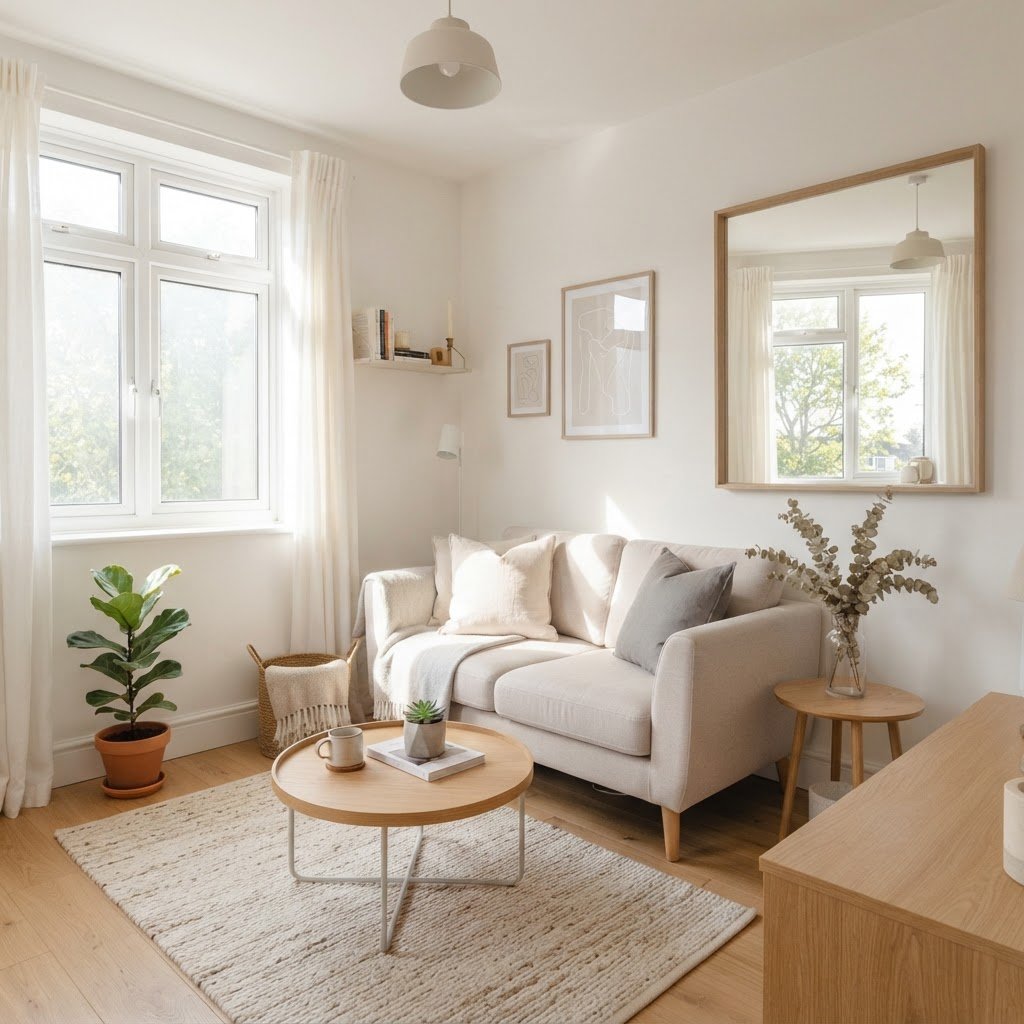
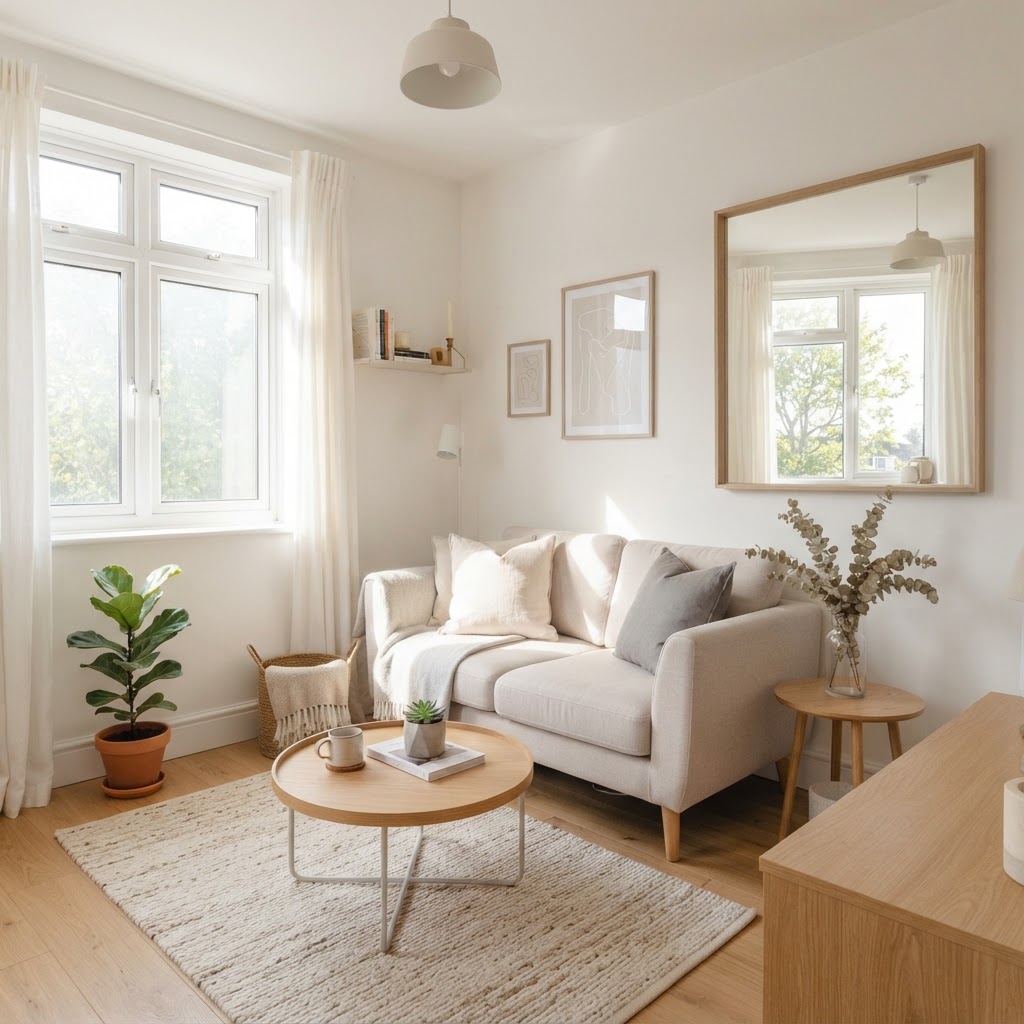
Living in a cozy home doesn’t mean you have to sacrifice style or comfort. In fact, many people find that implementing smart small living room ideas that feel bigger instantly leads to a more intimate and curated environment. Whether you are living in a compact city apartment or a charming cottage, the secret lies in how you manipulate light, scale, and visual flow. By making intentional design choices, you can trick the eye into seeing more space than actually exists.
The Power of Strategic Furniture Layouts
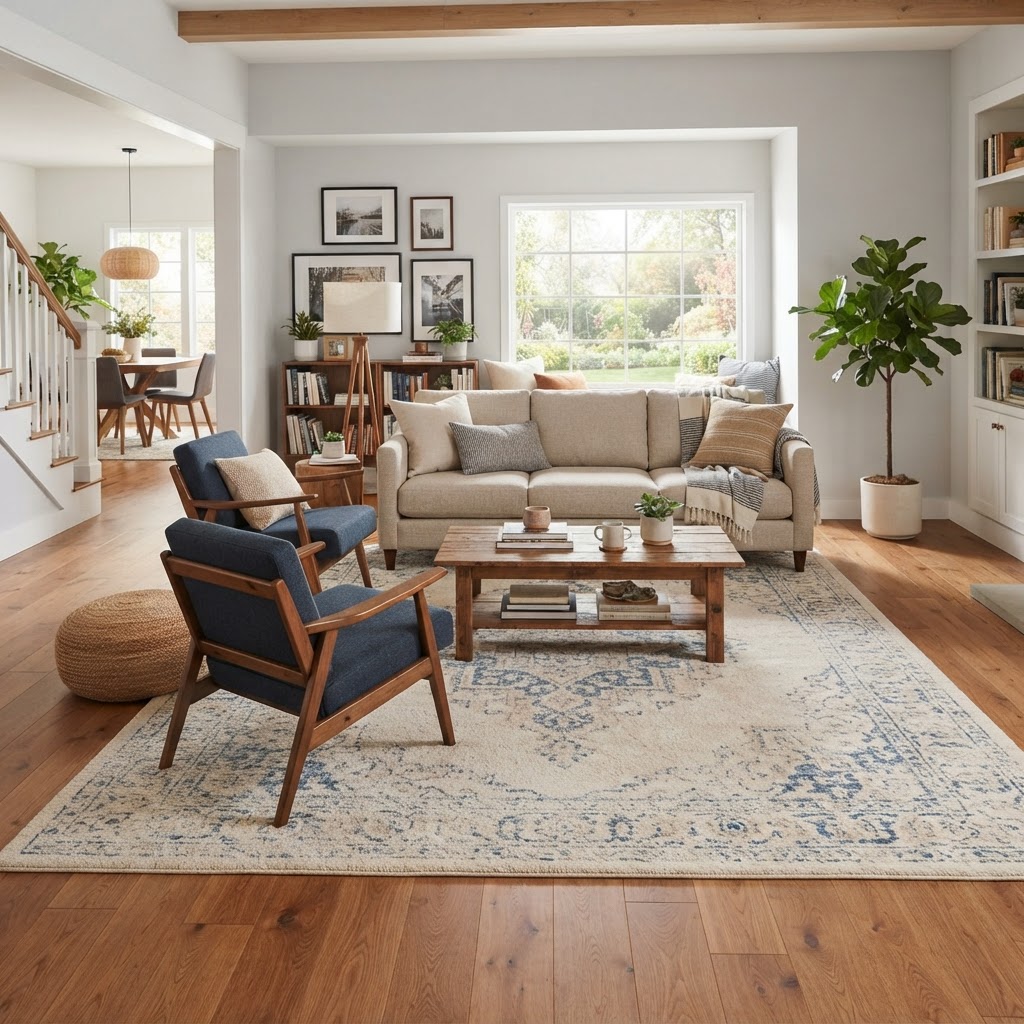
One of the most common mistakes in smaller homes is pushing all furniture against the walls. Many homeowners believe this creates more floor space, but it often makes the room feel like a rigid box. Instead, pull your seating away from the walls to create a floating layout that encourages better flow and conversation.
Choosing Multi-Functional Pieces
When square footage is at a premium, every item must earn its keep. Look for ottomans that double as storage, nesting coffee tables, or sofa beds that transform for guests. By reducing the number of individual pieces, you minimize visual clutter.
Why Floating Furniture Works
Floating your furniture, even by just a few inches, allows the eye to travel around the perimeter of the room. This simple act creates an illusion of depth, making your small living room ideas that feel bigger instantly more effective. Add a sleek area rug under the legs of your sofa to anchor the space and define the ‘zone’ without needing walls.
Mastering the Art of Lighting
Lighting is perhaps the most important element when trying to expand a room. A dim, shadows-heavy room will always feel cramped and claustrophobic. Maximize your natural light by using sheer curtains instead of heavy drapes, allowing sun to permeate the space during the day.
For the evenings, layer your lighting. Avoid relying on a single overhead light, which can create harsh shadows. Instead, combine floor lamps, table lamps, and wall-mounted sconces to brighten dark corners. When every inch of the room is illuminated, the perceived size of the area increases significantly.
Color Palettes for Expansion
We have all heard the advice that white paint makes a room look larger, but that does not mean you are limited to a clinical, sterile environment. While light neutrals like soft greys, creams, and whites are best for reflecting light, you can introduce depth through texture rather than bold colors.
If you love color, try painting your trim and ceiling the same color as the walls. This blurs the lines where the wall meets the ceiling, drawing the eye upward and creating the feeling of height. When walls and molding blend together, the room feels like an expansive canvas rather than a segmented box.
Vertical Storage Solutions
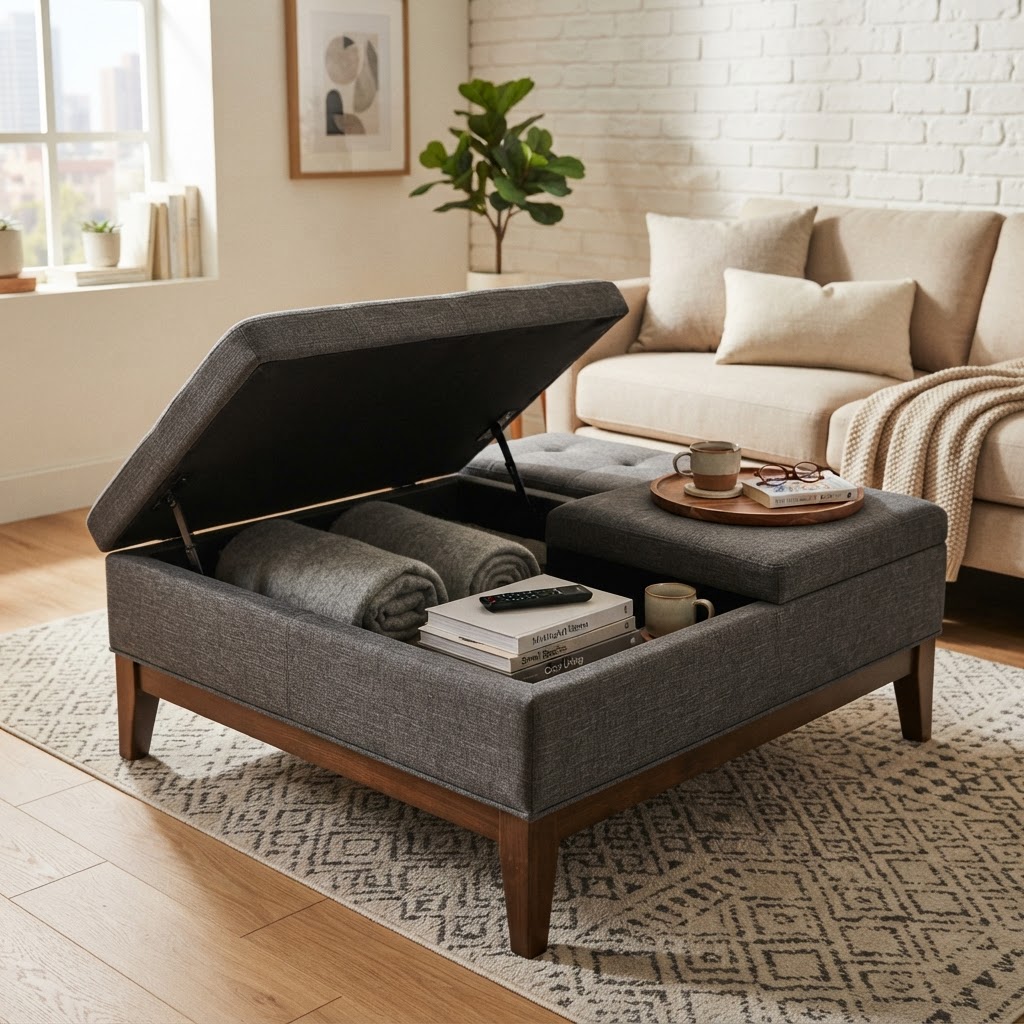
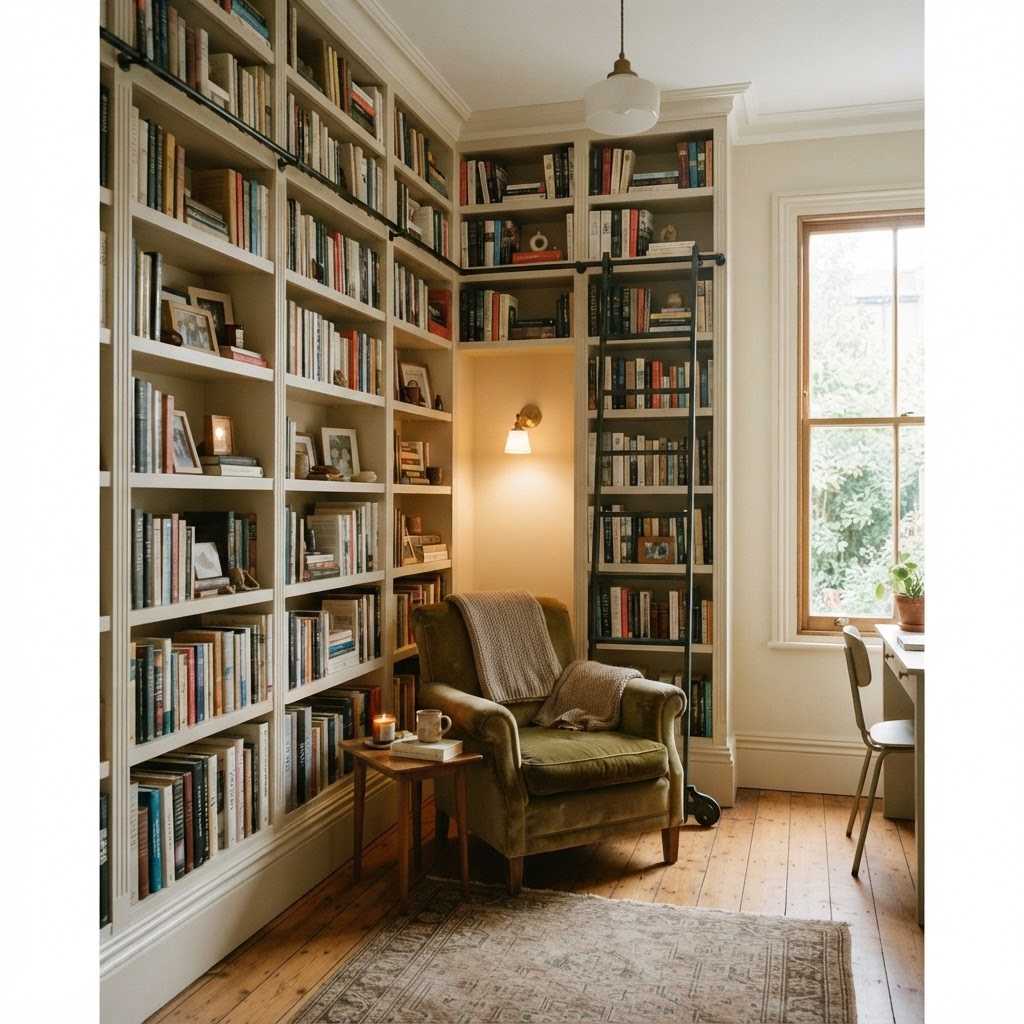
When floor space is limited, look up. Utilizing your vertical wall space is a game-changer for those seeking small living room ideas that feel bigger instantly. Tall bookcases that go all the way to the ceiling draw the eye up, emphasizing your vertical space rather than your limited horizontal footprint.
Open Shelving vs. Closed Cabinets
Open shelving can make a room feel airier, but it can quickly look cluttered. Keep your shelves organized with a mix of books, art, and decorative objects to maintain a curated look. Closed storage, on the other hand, is perfect for hiding away the inevitable mess of daily life, keeping your surfaces clear.
Mirror Magic and Reflective Surfaces
Mirrors are the oldest trick in the designer’s handbook, and for good reason. Placing a large mirror opposite a window will reflect natural light back into the room and double the perceived depth of your space. It essentially creates the illusion of another window or doorway.
Don’t stop at wall mirrors. Consider glass-topped coffee tables or metallic accents in your lighting fixtures. These reflective surfaces allow light to bounce around the room, preventing the space from feeling static or heavy. The more light that hits these surfaces, the more expansive the room will feel.
Curating Your Decor and Accessories
In a small space, less is often more. Instead of cluttering your coffee table or shelves with dozens of small items, choose a few larger statement pieces. One large piece of artwork is significantly more effective at creating a sense of space than a gallery wall of tiny frames.
- Use clear acrylic chairs to reduce visual weight.
- Keep rugs large enough to extend under all furniture pieces.
- Incorporate hidden storage in every possible piece of furniture.
- Maintain a consistent color palette across the room to create visual continuity.
- Keep your walkways clear to improve the flow of movement.
Creating Visual Continuity
If your living room opens into a dining area or kitchen, treat the two spaces as one. Using the same flooring throughout creates an unbroken line that makes the entire home feel like a single, large room. Even using the same paint color in adjacent rooms can help them bleed into one another, reducing the ‘chopped up’ feeling of smaller homes.
Additionally, consider the scale of your patterns. While you can certainly use rugs and pillows with patterns, avoid overly busy, large-scale prints that can overwhelm a compact room. Stick to subtle textures and monochromatic schemes that add interest without stealing all the visual attention.
The Importance of Decluttering
None of the design tricks listed above will work if your room is full of unnecessary items. Maintaining a tidy space is essential for making a living room feel larger. Take a critical look at your shelves, coffee tables, and floor. If an object does not serve a purpose or bring you joy, it may be time to let it go.
Conclusion
Transforming your home using these 25 small living room ideas that feel bigger instantly requires a mix of intentional furniture placement, smart storage, and light-reflective decor. By focusing on verticality, choosing multi-functional items, and embracing a brighter color palette, you can create a sanctuary that feels open and inviting regardless of its actual size. Start with one or two of these tips today and watch your space expand right before your eyes. Which of these strategies are you going to try first in your own home?

Leave a Reply