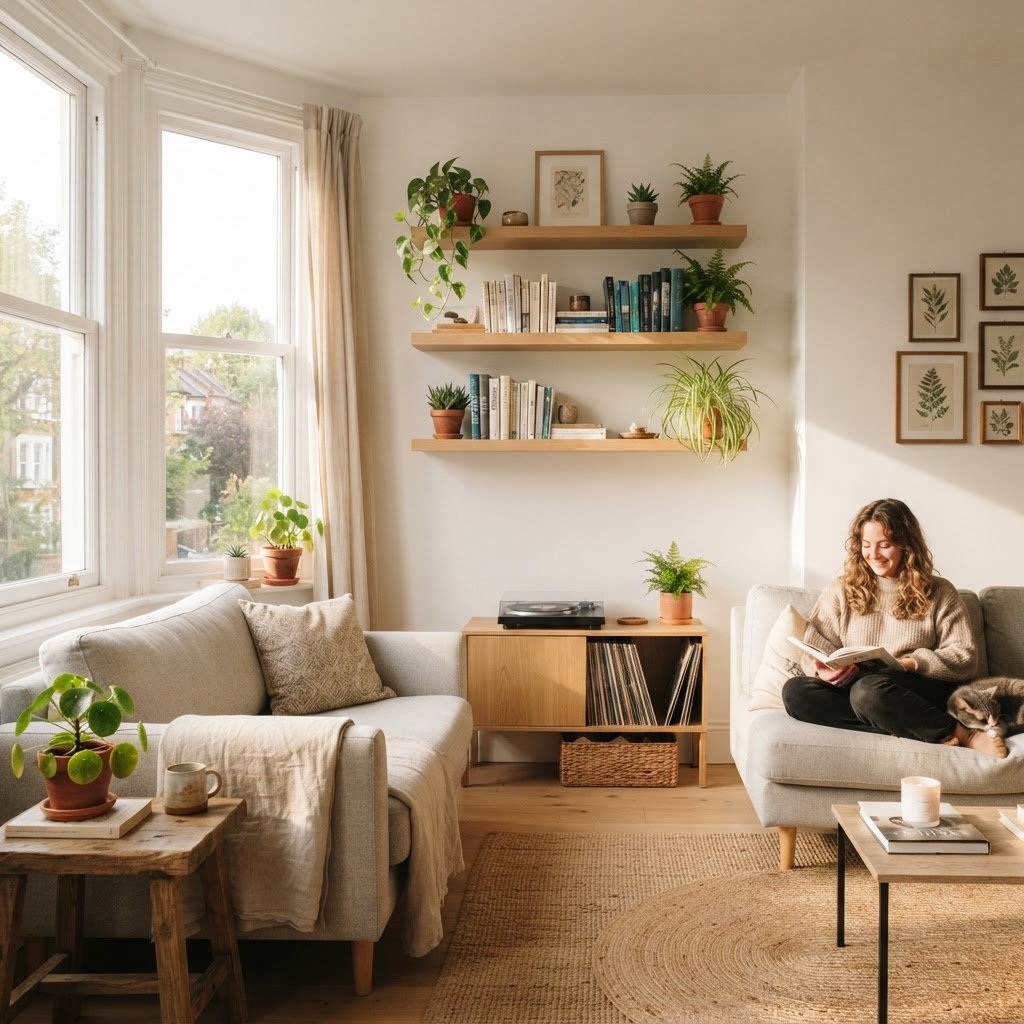
10 Creative Small Apartment Storage Ideas on a Budget
Maximize small apartment storage on a budget by utilizing vertical wall space, incorporating multi-functional furniture, and optimizing hidden areas like door backs and under-bed voids. Prioritize modular organizers and consistent decluttering habits to maintain an efficient, spacious-feeling home without the need for expensive renovations or custom cabinetry.
Rethinking Your Vertical Storage Potential
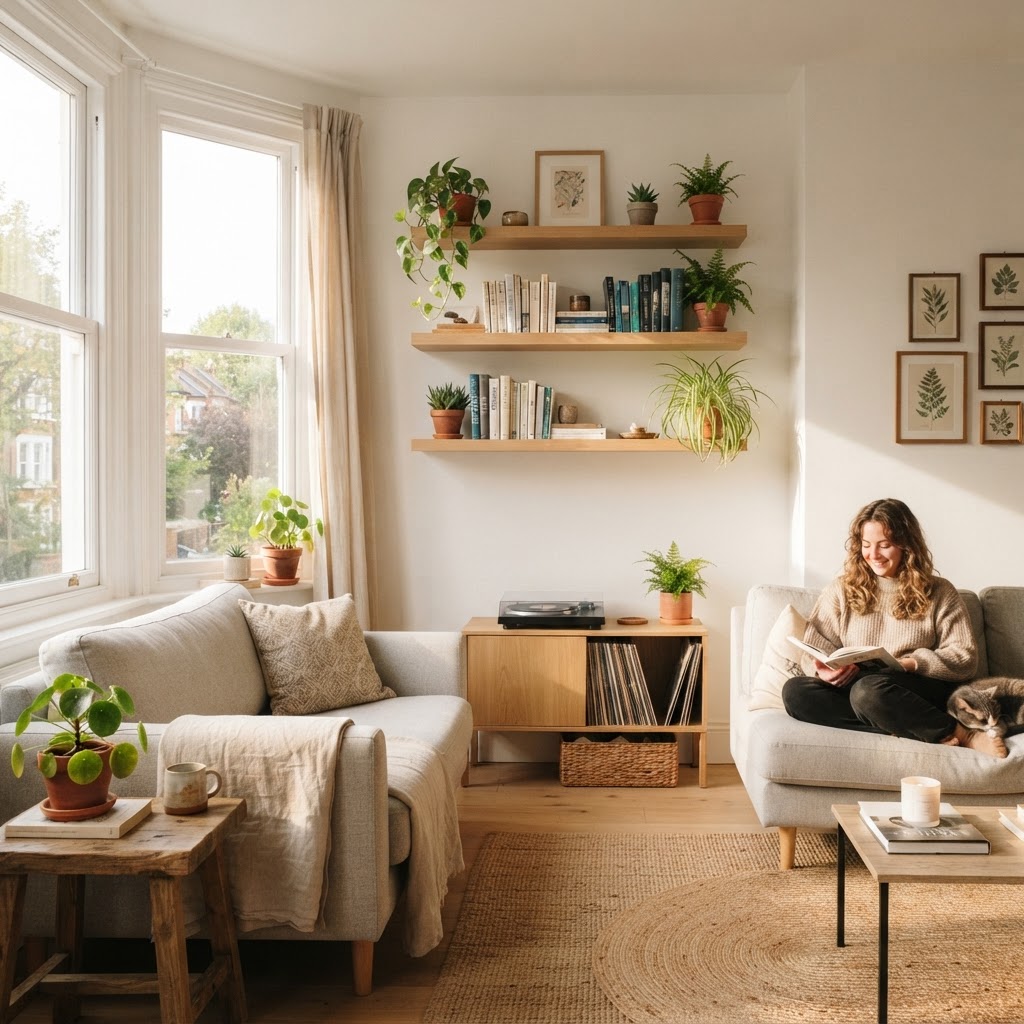
One of the most common mistakes people make when settling into a small apartment is ignoring the height of their walls, leaving 70% of potential storage area untouched. While you might lack floor area, you likely have plenty of vertical wall space waiting to be utilized. Installing floating shelves is an easy way to elevate your belongings and clear off flat surfaces like nightstands or kitchen counters. These shelves act as a display for books or decor while keeping essential items within arm’s reach. Aim for shelves that can support at least 15-20 lbs to ensure they remain functional for heavy books or small appliances. By drawing the eye upward, these installations also create the illusion of a larger ceiling height.
For a truly functional wall, consider installing a pegboard in your kitchen or office area, which offers a 200% increase in usable wall storage capacity compared to static shelves. This customizable organizer allows you to hang everything from pots and pans to scissors and craft supplies. By using a pegboard, you are essentially moving your storage from the counters to the wall, which instantly removes visual clutter. It is a cost-effective method that can be found at any hardware store or even repurposed from older workshop materials. When selecting a pegboard, prioritize metal options over fiberboard for better durability and moisture resistance, especially for kitchen environments where humidity levels fluctuate frequently.
Maximizing the Hidden Closet Capacity
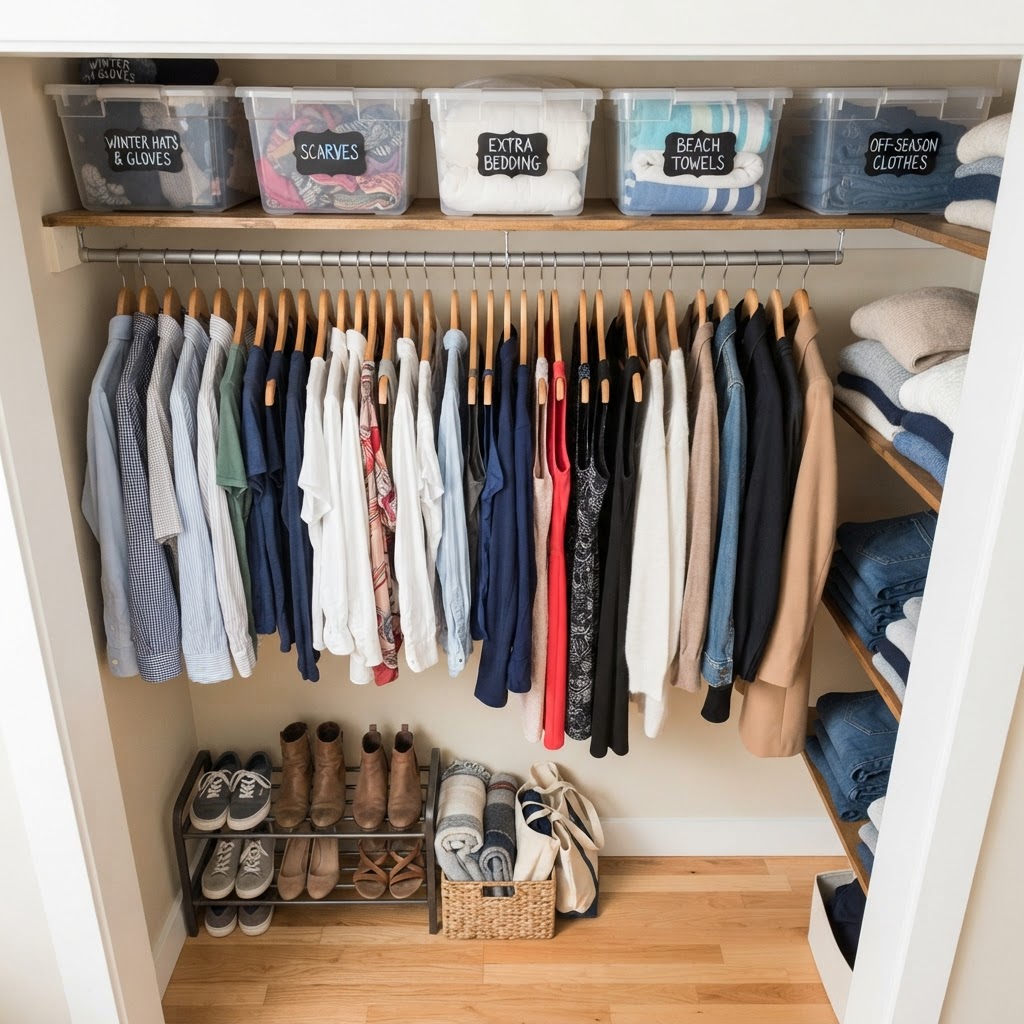
Your closet is likely the most underutilized real estate in your home, often operating at only 50% of its physical capacity. Instead of just hanging clothes on a rod, you should look at the doors and the floor space beneath your garments. Over-the-door hangers are perfect for maximizing a tight closet. Use them for scarves, jewelry, or even extra cleaning supplies. You can also add a modular shoe rack on the floor to ensure your footwear does not end up in a chaotic pile at the bottom of the unit. For optimal results, use clear acrylic bins which allow for instant visual identification of items, reducing the time spent searching for specific accessories by approximately 30 seconds per session.
Adding a second tension rod inside your closet is another budget-friendly trick to double your hanging space for shirts or jackets. By categorizing your items, you save time during the morning rush. Remember that an efficient closet is the first line of defense against the mess that tends to spill out into the rest of your bedroom. Consider adding a small bin for accessories that do not hang well, ensuring every square inch serves a purpose.
Smart Entryway Organization Strategies
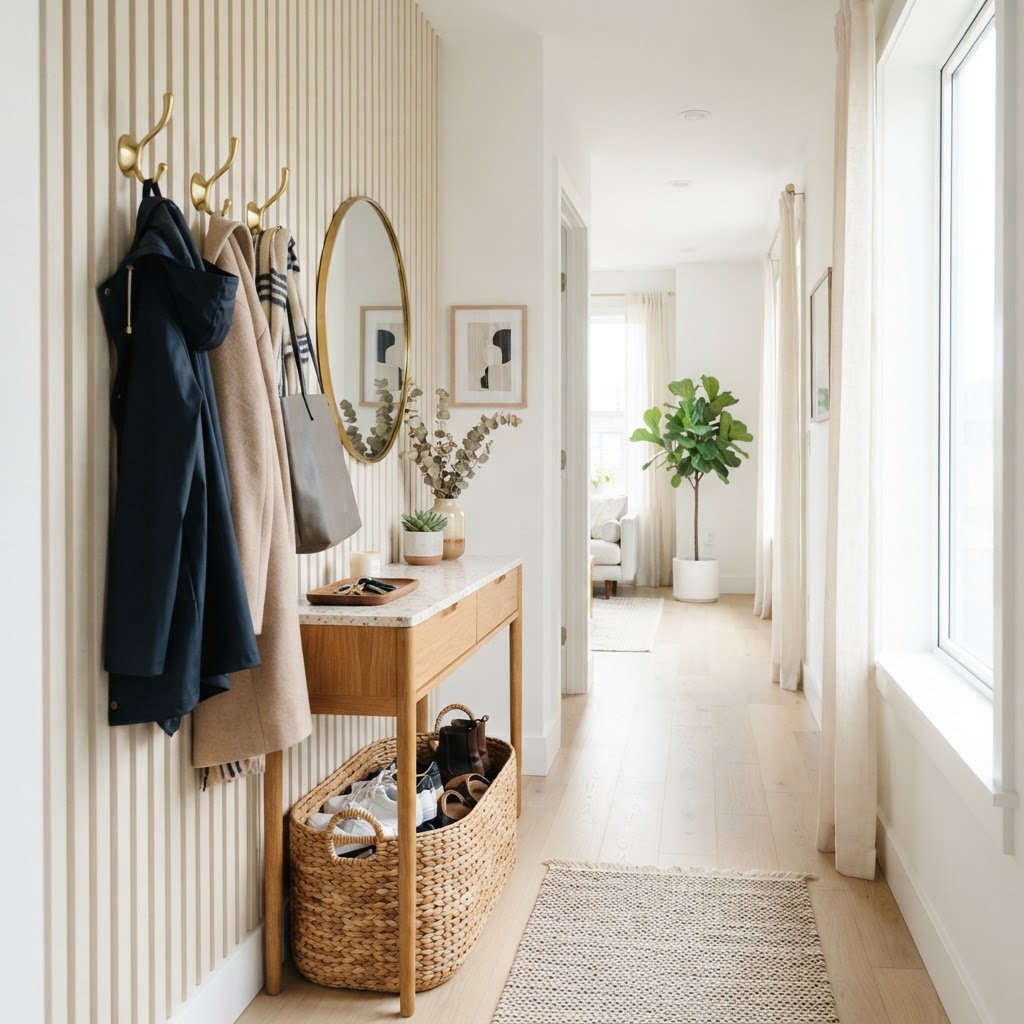
First impressions matter, even in a micro-apartment, as a chaotic entryway typically leads to a 15% increase in perceived overall home stress. If your front door opens directly into your living room, you need a strategy to keep that transition zone clean. A slim console table can act as a home for your keys and mail, while a woven basket tucked underneath provides a designated spot for bags or umbrellas. This simple setup helps prevent the ‘drop zone’ mess that often plagues entryways. Ensure your console table has a depth of 12 inches or less to maintain clear traffic flow in narrow hallways.
If you lack the floor space for furniture, look toward wall-mounted hooks. By placing hooks at different heights—typically at 60 inches, 48 inches, and 36 inches from the floor—you can store coats, hats, and dog leashes without blocking the hallway. It is about creating a visual divider between your living space and the outside world. Keep a small organizer on the wall to hold daily essentials so you never misplace your phone or wallet again. These systems are highly effective; households using dedicated “landing strips” report a 40% reduction in time spent looking for misplaced keys or bags before leaving the house.
Kitchen Solutions for Limited Countertops
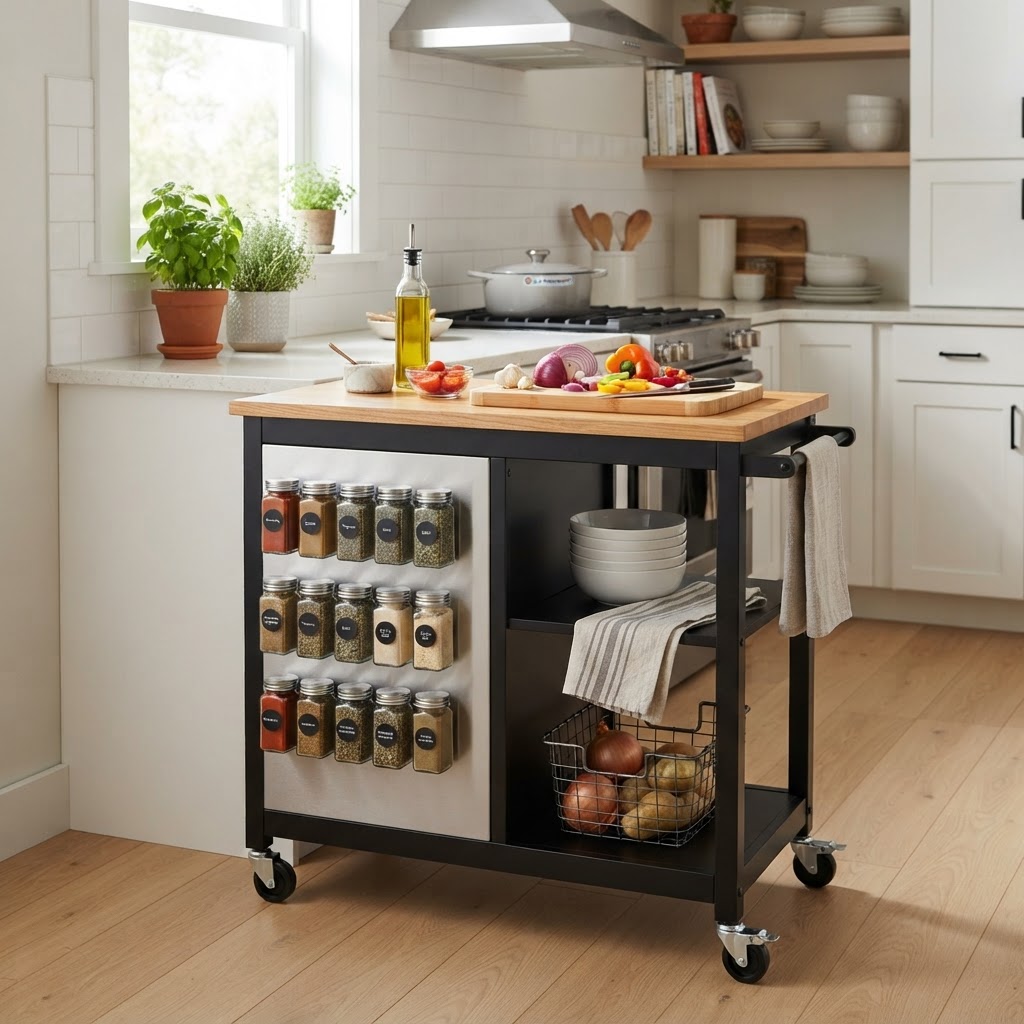
Small kitchens are notorious for lacking drawer space and counter area, but incorporating vertical mobile storage can reclaim up to 4 square feet of workspace. To regain control, start by looking for a rolling cart that can serve as an extension of your kitchen island. You can store spices, oils, and rarely used appliances on it, and roll it away when you are not actively cooking. It is a flexible piece of furniture that adapts to your needs. When choosing a cart, prioritize models with locking casters to ensure stability during food preparation and a height that matches standard 36-inch counters for an ergonomic extension of your kitchen surface.
Inside your cabinets, use stackable bins to prevent items from being shoved to the back where they are forgotten. If you have deep cabinets, a pull-out organizer will save your back and keep everything visible. Remember to utilize the insides of cabinet doors by attaching adhesive hooks to hold measuring cups or towels. By staying disciplined with your pantry items, you effectively reduce the amount of visual noise in your cooking area. Consistent organization of pantry items by frequency of use—placing daily essentials at eye level—can improve meal prep efficiency by up to 20%.
Furniture That Works Double Duty
When buying new pieces, never settle for furniture that only serves one purpose, as multi-functional items can reduce your total furniture count by 30%. Look for ottomans that include internal storage, or beds with built-in drawers underneath. A coffee table with a hidden compartment is an excellent place to tuck away blankets, magazines, or remote controls. These pieces might cost a bit more upfront, but they serve as both furniture and storage solutions, effectively paying for themselves in saved space. A quality storage ottoman, for instance, can provide 2-3 cubic feet of hidden storage while functioning as a seat or footrest.
If you are on a strict budget, check out sites like Ikea for minimalist designs that fit well in a small apartment. Their modular systems allow you to choose exactly what you need without paying for extra features that clutter your floor plan. A simple bookshelf can be transformed into a room divider by placing it strategically in the middle of a studio. This creates a psychological boundary between your sleeping and living zones without the need for expensive renovations. Maintaining a clutter-free environment requires a seasonal purge; by removing items unused for over 365 days, you keep your storage density optimal for the space available.
FAQ
Q: What is the most effective way to store clothes in a tiny apartment?
Use double-hanging tension rods to increase vertical closet capacity and utilize over-the-door organizers for accessories. Maximizing these often-neglected areas ensures that your limited closet space works twice as hard without requiring expensive professional installations.
Q: How can I organize a small kitchen with no counter space?
Add a rolling kitchen cart to create a portable workspace that can be tucked away when not in use. Additionally, utilize wall-mounted pegboards and cabinet door organizers to move essential cooking tools off your primary surfaces and onto vertical storage areas.
Q: What furniture is best for small studio apartments?
Prioritize multi-functional furniture like storage ottomans, bed frames with built-in drawers, and bookshelves that double as room dividers. These items provide necessary storage while reducing the total number of individual pieces cluttering your floor plan.
Q: How do I prevent clutter from accumulating in a small space?
Implement a daily five-minute “reset” habit to clear surfaces and perform a seasonal purge of items unused for over a year. Consistent maintenance prevents small messes from turning into overwhelming piles that compromise your living environment.

Leave a Reply