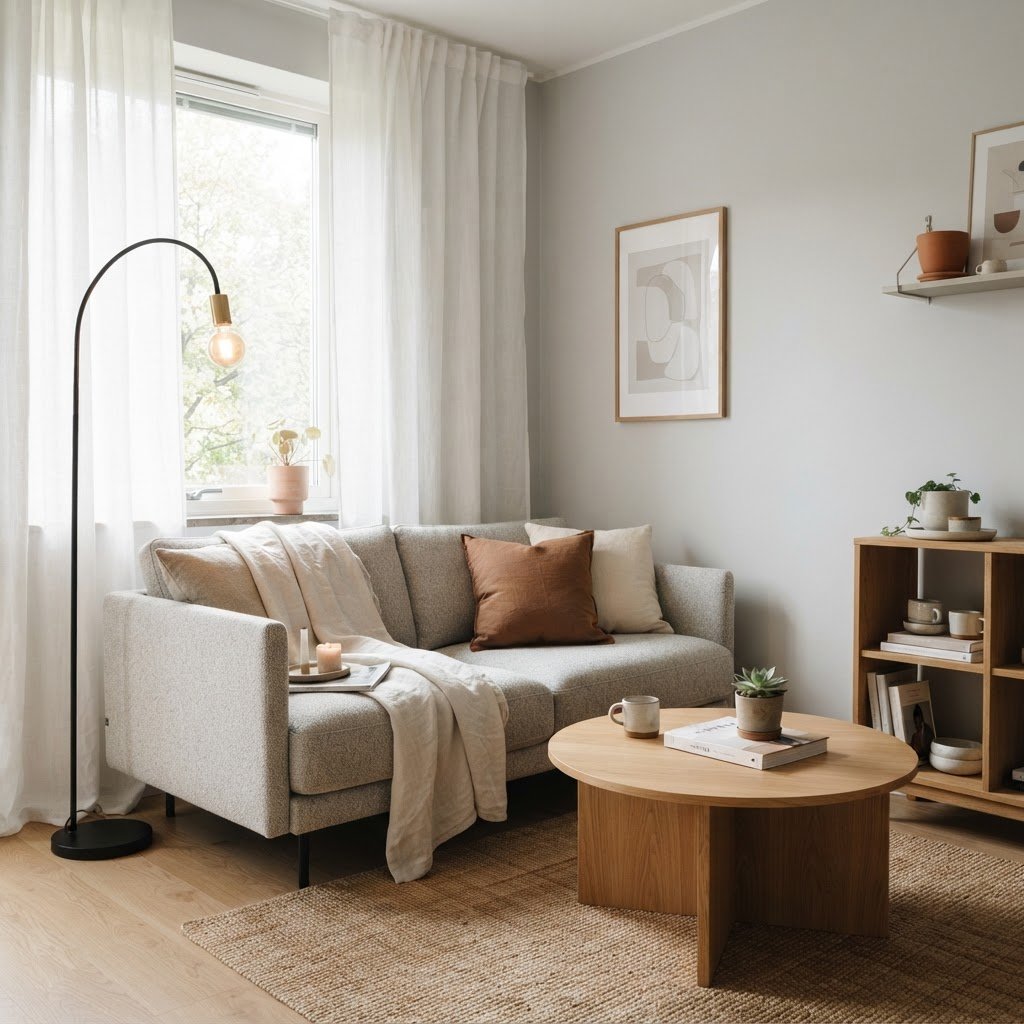
Small Apartment Lighting Ideas: Ways to Brighten Your Space
To brighten a small apartment, layer multiple light sources—such as floor lamps, desk lamps, and sconces—with warm-toned LED bulbs (2700K-3000K) while utilizing mirrors to reflect natural light. Combining this lighting strategy with a light, neutral color palette and low-profile furniture creates the illusion of a significantly larger, more inviting space.
The Power of a Light Color Palette
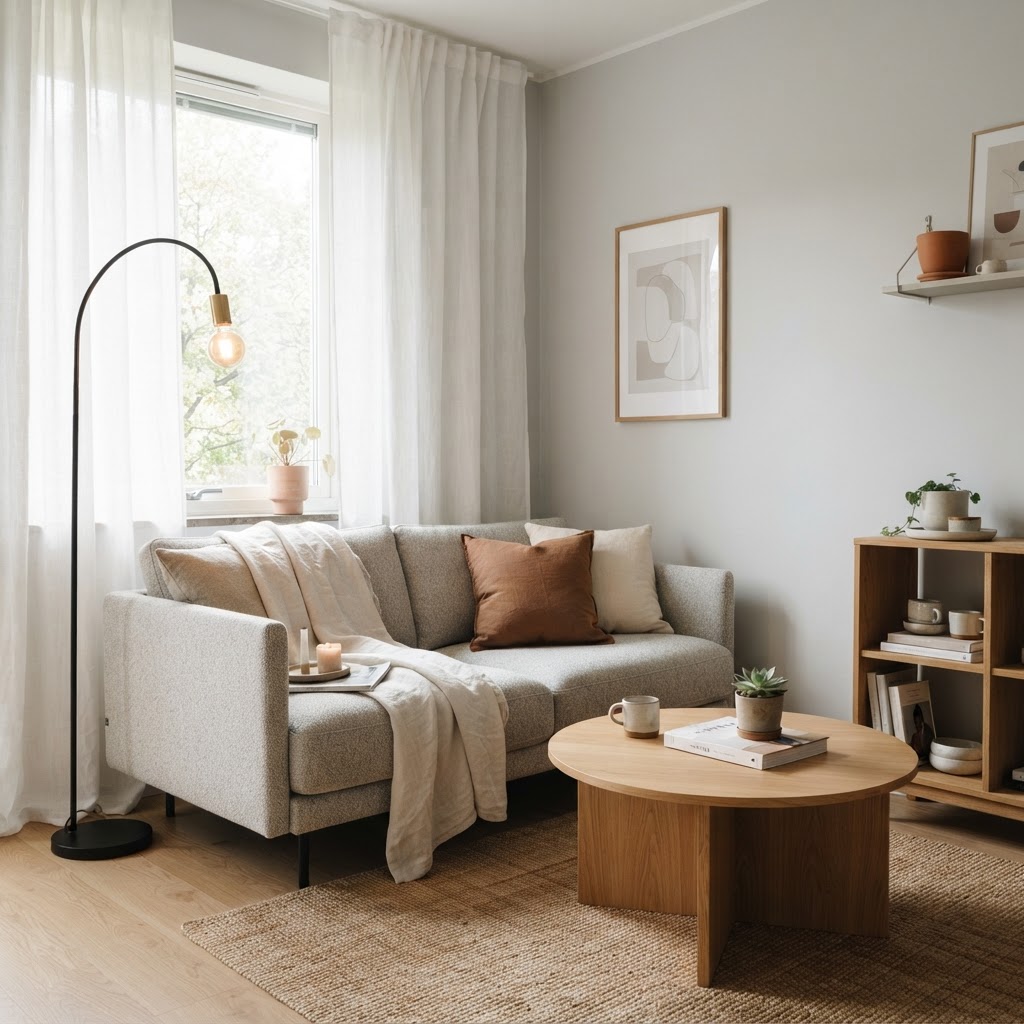
Strategic use of paint and textiles is the most effective way to brighten any room, as lighter shades reflect up to 80% more natural light than dark surfaces. When living in a small apartment, prioritize crisp whites, soft greys, or pale pastels on your walls to remove visual clutter and create a clean, modern canvas. A minimalist approach to color prevents the “cramped” feeling that often plagues smaller square footage, making the room feel open rather than confined.
To keep your space from feeling sterile, focus on introducing varied textures rather than high-contrast patterns. A soft rug or a light-colored throw blanket adds necessary warmth without visually crowding the floor plan. Consistency is vital; by applying a cohesive color scheme across your living, dining, and sleeping areas, you establish a visual flow that makes the entire apartment feel like one expansive, thoughtfully designed unit rather than a collection of separate, tiny rooms.
Maximizing Natural Light in Your Apartment
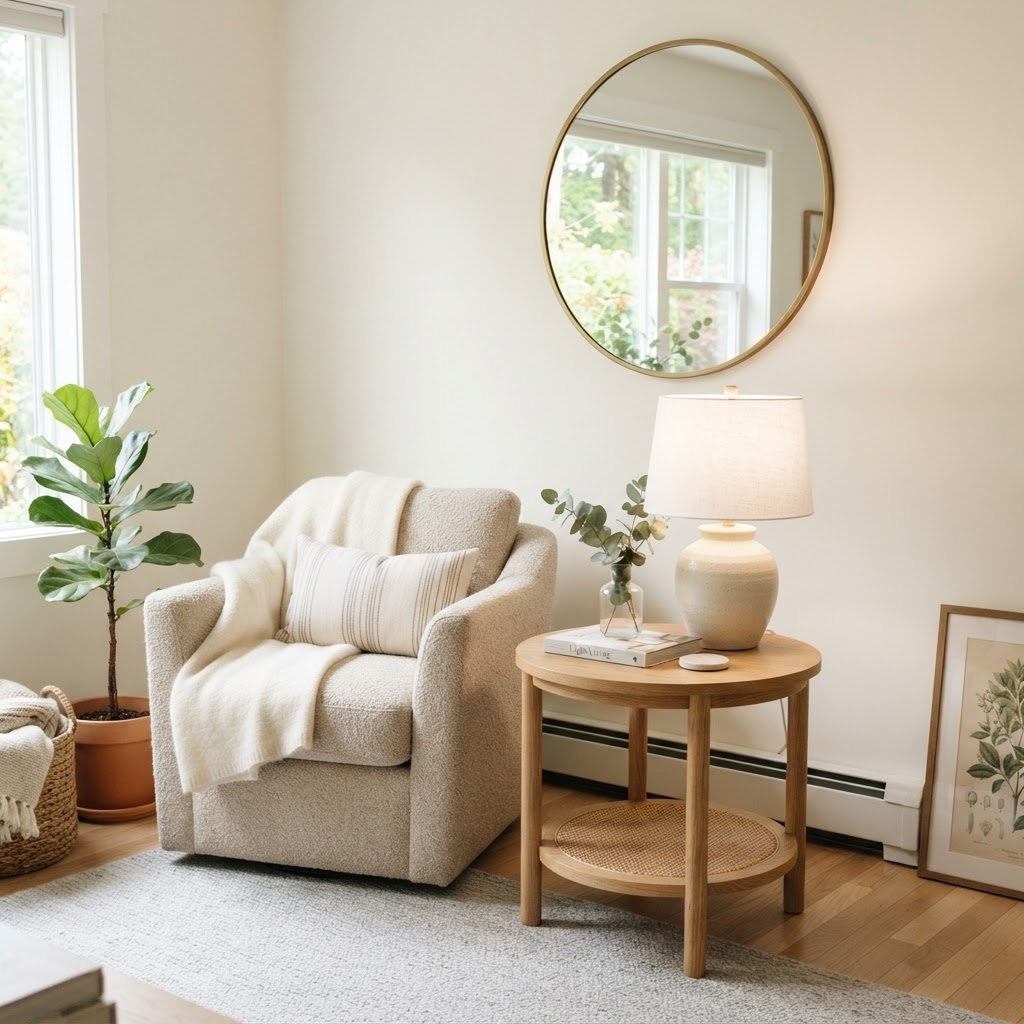
Natural light is your most valuable asset for expanding a small space, and you should maximize it by removing obstructions that block daylight. Replace heavy, opaque drapes with sheer linen curtains that provide privacy while diffusing soft, natural light throughout the room. If your apartment has poorly placed windows, strategically position a decorative mirror directly opposite the primary light source; this simple physics hack bounces sunlight into deep, dark corners, effectively doubling the apparent light output of the room.
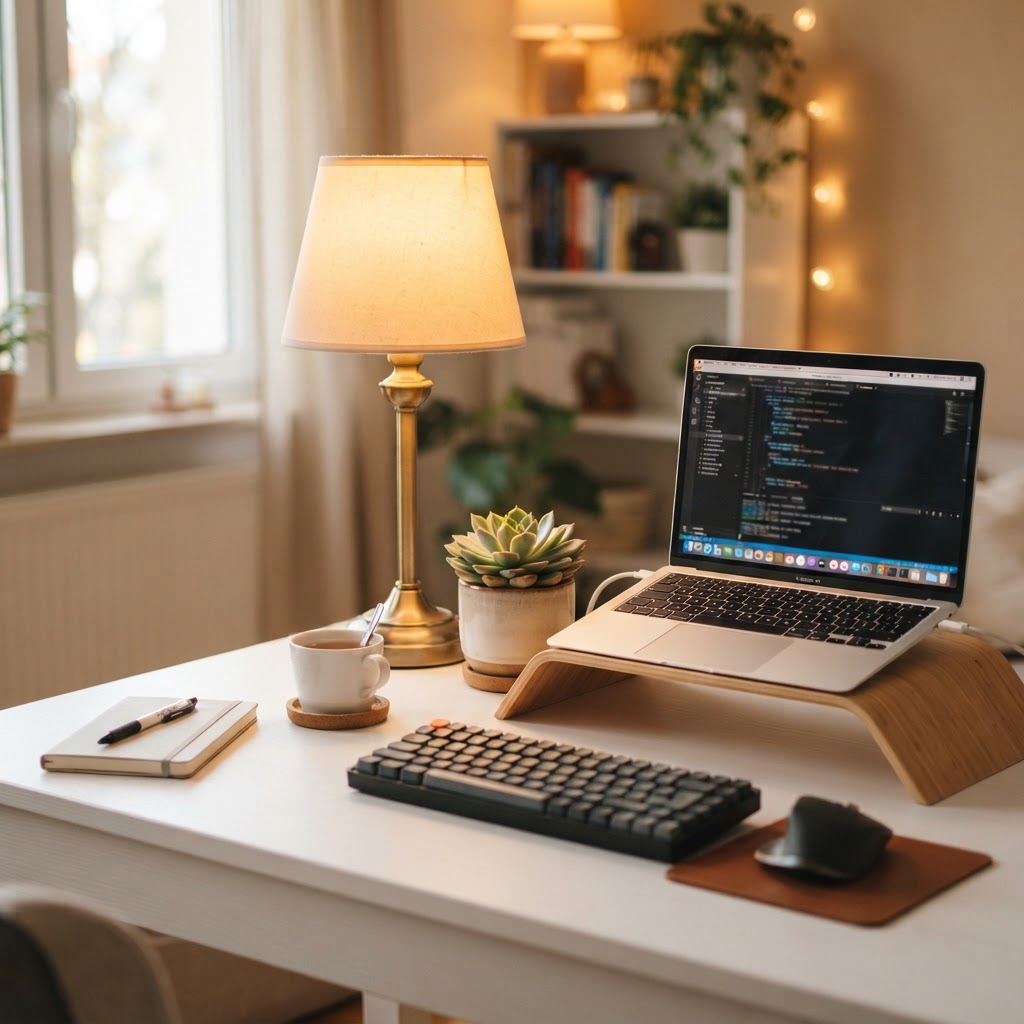
Keep your windowsills completely clear to ensure every inch of daylight reaches the heart of your home. While it is tempting to use sills for decor, excess items act as physical barriers that limit illumination. If you maintain a home office, orient your desk to face or stand perpendicular to the window. This setup maximizes exposure to the outdoors while reducing reliance on artificial electricity during daylight hours, contributing to both a better mood and lower monthly energy consumption.
Selecting the Right Lamp for Every Corner
Lighting should be layered to define specific functions, as relying on a single overhead ceiling light often creates harsh, unappealing shadows that highlight the room’s limited size. A tall, slender floor lamp is ideal for illuminating dark corners because it provides height and necessary task lighting without eating up precious square footage. When shopping on a budget, prioritize adjustable-neck models that offer flexibility, allowing you to direct light exactly where you need it for reading or working.
Incorporate task lighting to make individual zones feel more professional and cozy. A dedicated lamp on your side table or workspace serves as a visual anchor that distinguishes that zone from the rest of the room. By using multiple smaller, low-wattage sources rather than one bright overhead light, you create a soft, ambient environment that feels curated and sophisticated. This “layering” approach is a common professional interior design technique that makes even the smallest studios feel like high-end apartments.
Choosing the Perfect Bulb for Ambiance
Many apartment dwellers underestimate the impact of the humble light bulb, yet the color temperature—measured in Kelvins (K)—fundamentally changes the room’s personality. For living areas and bedrooms, opt for bulbs with a “warm white” rating, typically between 2700K and 3000K, to create a golden glow that makes a small space feel intimate and welcoming.
If you have a dedicated home office area, consider a cooler, slightly brighter light (around 4000K) to keep you alert and energized during work hours. Modern LED bulbs are the standard for efficiency, usually lasting 15,000 to 25,000 hours, significantly reducing long-term costs. Always check the lumen output on the packaging; for a standard small bedroom, 400 to 800 lumens is generally sufficient. Avoid over-brightening, as excessive glare in a confined area can lead to significant eye strain and make the space feel sterile.
Furniture Placement and Spatial Awareness
Furniture placement is as critical as your lighting strategy, with the goal being to maintain clear “sightlines” that make the room look longer and wider. Avoid bulky, low-to-the-ground sofas that dominate the floor space; instead, select furniture with legs, which creates the illusion of more floor space by allowing light to circulate underneath. Multifunctional pieces, such as an ottoman with hidden storage or nesting side tables, are essential for keeping high-traffic areas clear of clutter.
Arrange larger furniture pieces toward the perimeter of the room to keep the center of your floor plan open. This layout not only makes the apartment feel larger but also improves the flow of foot traffic. Furthermore, a minimalist floor layout ensures that your lighting pieces, such as your floor lamp or accent sconce, are not competing with excess furniture for attention, allowing the room to feel curated rather than crowded.
Creating Vertical Interest
When floor space is at a premium, you must look toward your walls to draw the eye upward and maximize your storage capacity. Using vertical shelving or wall-mounted lighting is a game-changer; for instance, installing a sconce or a wall-mounted reading lamp near your bed completely frees up your nightstand surface area. By shifting items off the floor and onto walls, you increase the perceived ceiling height and create a more spacious, organized environment.
Consider adding a gallery wall with light-colored, matching frames or a single oversized mirror to add depth. Mirrors are the most powerful tool for small-space decorating because they reflect natural light and create a ‘window’ effect on solid walls. Keep your vertical displays organized and purposeful; a chaotic wall with too many small items will make the living quarters feel cramped. A clean, vertical approach provides a sophisticated aesthetic that makes the apartment feel much larger than its actual square footage.
Affordable Decorating Hacks for Renters
Renters often face lease restrictions that prevent structural renovations, but temporary hacks provide professional results without risking a security deposit. Peel-and-stick wallpaper is an excellent solution for creating a focal accent wall behind a sofa or bed, adding depth and personality without permanent damage. For hanging decor, use adhesive strips—such as Command strips—which can easily hold mirrors, art, and even lightweight wall sconces without requiring a single nail hole.
Shopping second-hand for accent pieces is another way to maximize your budget while adding unique character. Look for vintage side tables or lamps made from wood or metal, which offer a higher quality of finish compared to budget-retail composite materials. By curating your space with items that offer both function and style, you create a home that feels intentionally designed. Focus on high-quality, long-lasting items to maintain a clean, minimalist aesthetic that works perfectly in a small, well-lit apartment.
FAQ
Q: What is the best light bulb temperature for a small living room?
For a cozy and welcoming living room, use bulbs with a “warm white” rating of 2700K to 3000K. This range produces a soft, golden light that makes compact spaces feel comfortable and inviting, avoiding the harshness of cooler, blue-toned office lighting.
Q: How can I brighten a room without windows?
To brighten a windowless room, use a combination of floor lamps and wall-mounted sconces placed in all four corners to eliminate dark shadows. Additionally, install a large mirror on the most prominent wall to reflect existing artificial light and create the illusion of added depth.
Q: Are floor lamps better than table lamps in small apartments?
Floor lamps are generally better for small apartments because they provide vertical height and illumination without occupying valuable surface space on tables or desks. If your floor area is extremely limited, opt for a slender floor lamp with a thin profile or a wall-mounted sconce.
Q: Can dark colors work in a small apartment?
Yes, dark colors can work in a small apartment if used strategically as an accent wall rather than painting every surface. Using a dark navy or charcoal on one wall can add depth and create a dramatic focal point, provided the other walls remain light and the room is well-lit.
Q: What is the best way to hide cords in a small space?
Use adhesive cable clips or cord covers that match your wall color to keep wires pinned neatly along the baseboards or behind furniture legs. Hiding cords reduces visual clutter, which is essential for maintaining the clean, minimalist look required to make a small room feel larger.

Leave a Reply