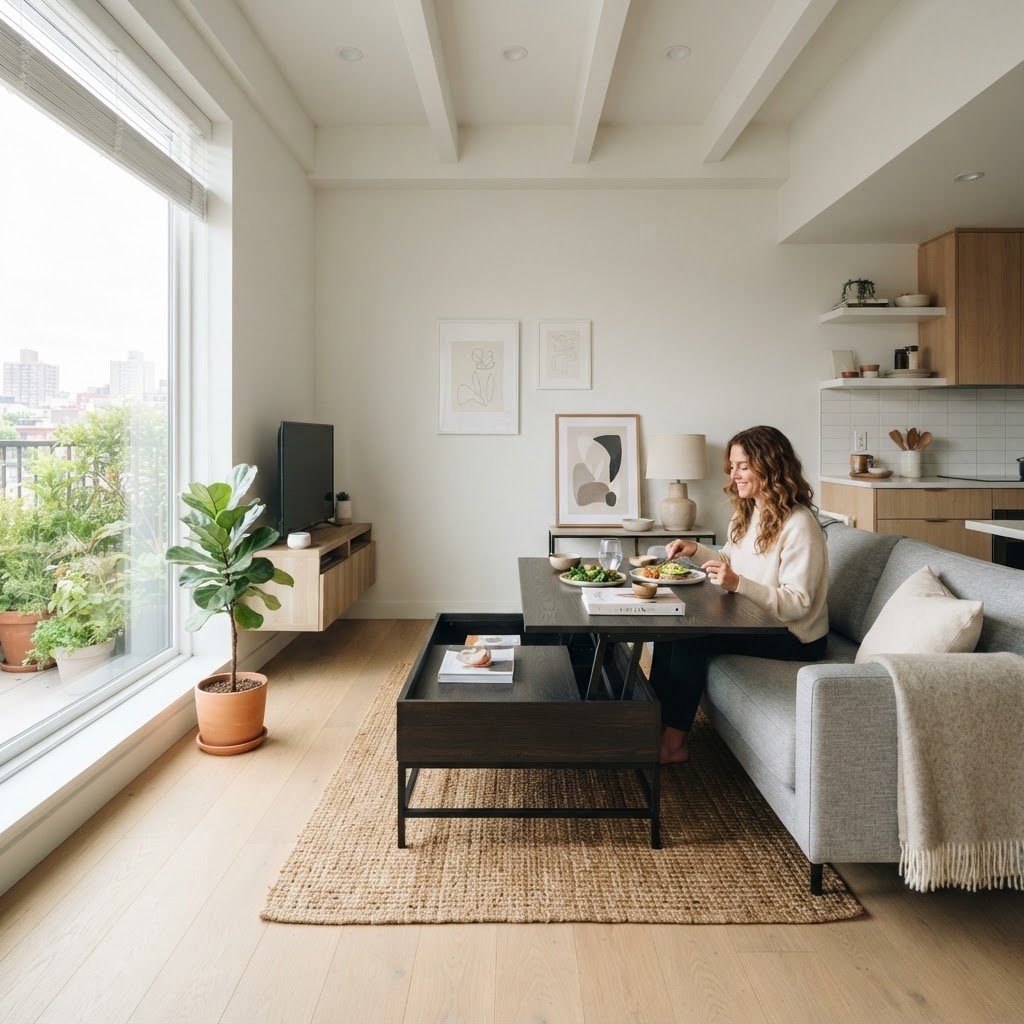
Living in a compact apartment or a cozy house often feels like a puzzle. When square footage is at a premium, every piece of furniture must earn its keep. Integrating multifunctional furniture into your design strategy is the single most effective way to maximize tiny living rooms while maintaining a sense of openness and style. By choosing items that serve double or even triple duty, you can reclaim your floor space without sacrificing the comforts of home.
The Philosophy of Compact Living
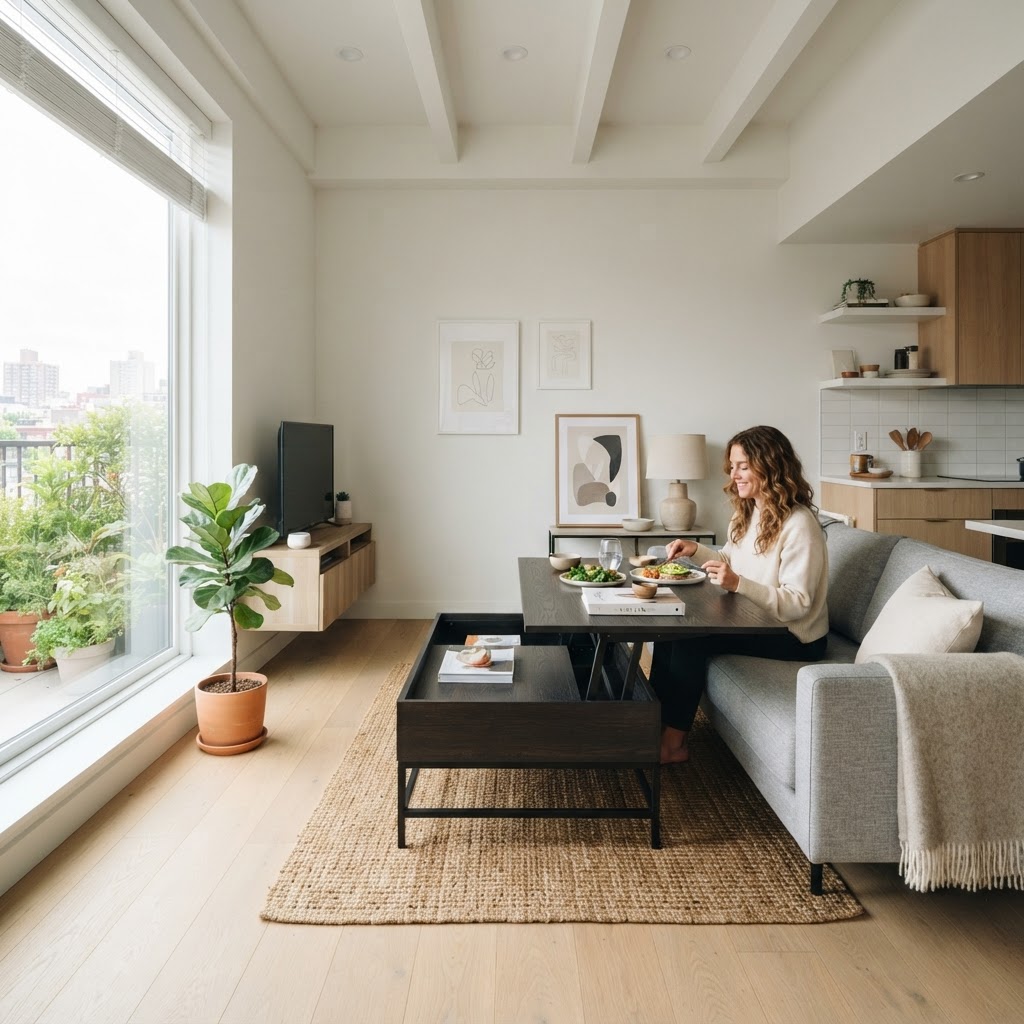
At the heart of successful small-space interior design lies the concept of intentionality. Every object in your living room should contribute to either function, beauty, or both. When you prioritize pieces that offer hidden storage or transformable features, you prevent the cluttered, overwhelmed aesthetic that often plagues smaller homes.
Embracing this mindset requires looking beyond the traditional sofa-and-coffee-table layout. Instead, consider how your furniture can pivot based on your daily needs. A coffee table that rises to become a desk, or a footstool that hides a secret storage compartment, can fundamentally change how you interact with your living environment.
Why Every Inch Matters
In a tiny living room, spatial awareness is your best friend. Furniture that creates visual “dead space” underneath—like bulky sofas with solid wood bases—can make a room feel closed off. Opting for pieces with slim legs or transparent materials allows the eye to travel across the floor, creating an illusion of depth.
Versatile Seating Options for Small Spaces
Beyond furniture choice, implementing clever living room storage ideas can further help in maintaining a clutter-free environment.
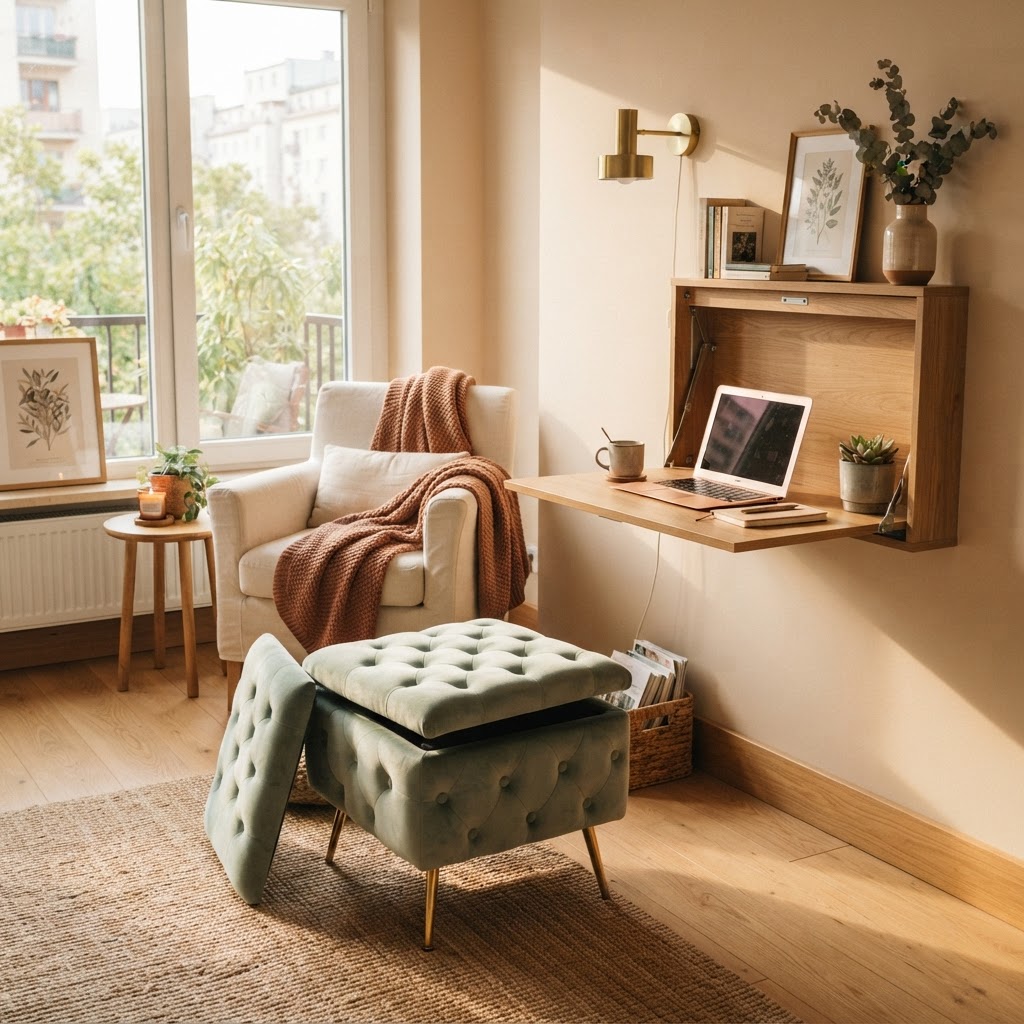
Seating is often the most significant footprint consumer in any living room. To optimize your floor plan, prioritize furniture that can be tucked away, stacked, or converted for guests. Modular sectionals or armchairs with hidden compartments are game-changers for those who entertain frequently but live in limited square footage.
Consider the “nesting” trend. Nesting chairs or ottomans can be stacked to occupy the space of one chair when not in use. When guests arrive, you can simply pull them apart to provide individual seating solutions. This approach keeps your circulation paths clear throughout the day while ensuring you are always ready for social gatherings.
Coffee Tables That Work Overtime
The center of your living room is prime real estate. A traditional coffee table is often just a surface for remotes and coffee mugs, but with a bit of innovation, it can become a storage powerhouse or a temporary workstation. Look for lift-top coffee tables that bridge the gap between sofa and desk.
Benefits of Lift-Top Designs
Lift-top coffee tables solve the issue of limited surface space instantly. By pulling the top toward you, you can comfortably work on a laptop, eat a meal, or craft without hunching over. Most of these models also feature a deep storage cavity underneath, perfect for stashing extra blankets, board games, or magazines.
Maximizing Vertical Space with Wall Units
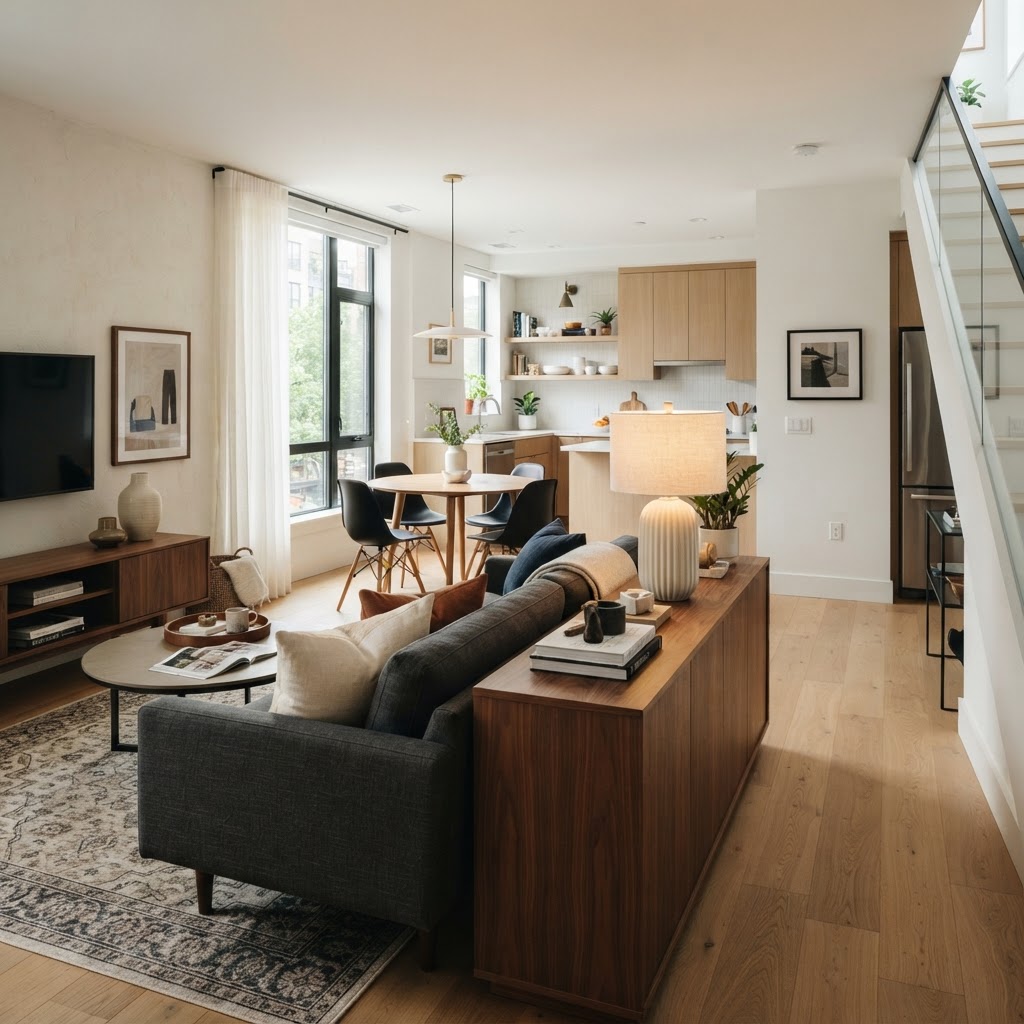
When the floor is full, look to the walls. Multifunctional furniture isn’t just about floor-based items; it includes wall-mounted solutions that can expand or contract based on your activity. A wall-mounted drop-leaf table can serve as a minimalist bookshelf when folded up and a dining table or desk when dropped down.
Using the verticality of your room draws the eye upward, which inherently makes the ceiling feel higher. Consider installing floor-to-ceiling shelving that incorporates a built-in media console. By centralizing your storage in one vertical column, you minimize the number of separate, clutter-inducing furniture pieces spread across the room.
Hidden Storage Solutions in Plain Sight
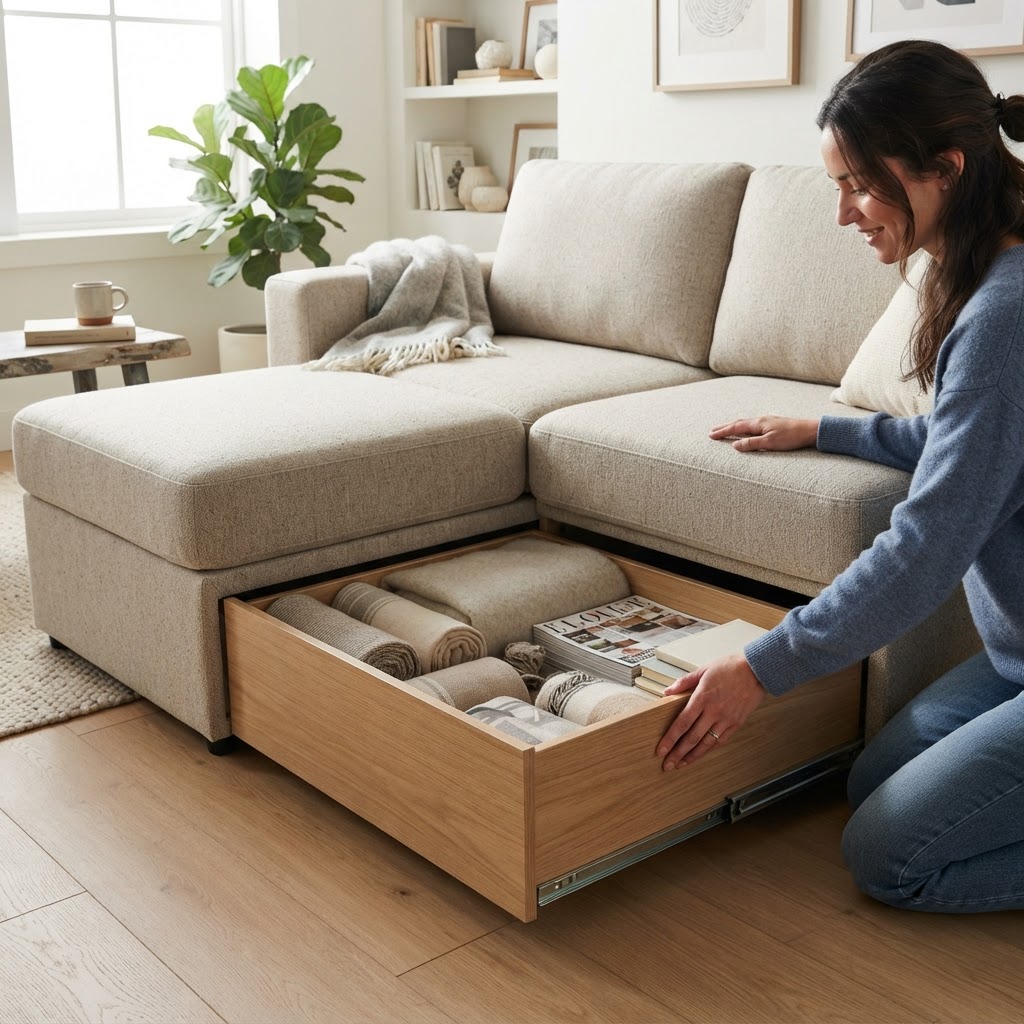
Every piece of furniture is an opportunity for storage. If you are shopping for a new sofa, look for models with built-in drawers under the seat cushions. Ottomans and benches should always be selected based on their internal capacity. A bench placed against a wall can act as a window seat, a library, and a storage trunk all at once.
Checklist for Selecting Multifunctional Pieces
- Does this item offer at least two distinct functions?
- Is the storage accessible without moving heavy equipment?
- Does the scale of the piece fit comfortably within the room’s proportions?
- Can it be easily moved or collapsed if the floor space is needed for exercise or yoga?
By following this checklist, you ensure that every purchase is a strategic investment rather than just more “stuff” in your home.
Creating Zones in an Open-Concept Layout
Even in a tiny home, creating distinct “zones” helps organize the space. Use back-to-back furniture arrangements to separate your living area from a tiny dining nook. A console table placed behind your sofa can serve as a room divider while providing a surface for lighting or plants.
Using rugs is another effective way to anchor these zones. By placing a small, patterned rug under your coffee table and seating area, you psychologically define that space as the “living zone,” even if it sits only a few feet away from your bed or kitchen area. This definition prevents the room from feeling like a disorganized jumble of furniture.
The Role of Lighting and Color
While furniture is the structural element of your tiny living room, lighting and color are the atmospheric elements. Light-colored furniture, especially in neutral shades like cream, light gray, or soft beige, reflects light and makes a small room feel airier. Avoiding heavy, dark fabrics is key to preventing the furniture from weighing down the room visually.
Additionally, incorporate floor lamps that serve as focal points rather than bulky end tables. Many modern floor lamps come with small, built-in circular shelves that act as a “floating” nightstand or coaster surface, saving you the need for a traditional side table.
Conclusion
Designing for a small home doesn’t mean you have to trade style for practicality. By embracing multifunctional furniture, you can create a living room that is as dynamic as your lifestyle. Remember to evaluate your space, choose pieces that serve multiple purposes, and keep your visual lines clear to maintain that expansive feel.
Whether you opt for a lift-top coffee table, a nesting chair set, or wall-mounted desks, the goal is always the same: comfort, utility, and joy. Take a look at your current living room layout today and identify one piece of furniture that could be working harder for you. Start small, stay organized, and watch how much room you can reclaim in your home. If you found these tips helpful, subscribe to our newsletter for more small-space design hacks delivered directly to your inbox!

Leave a Reply