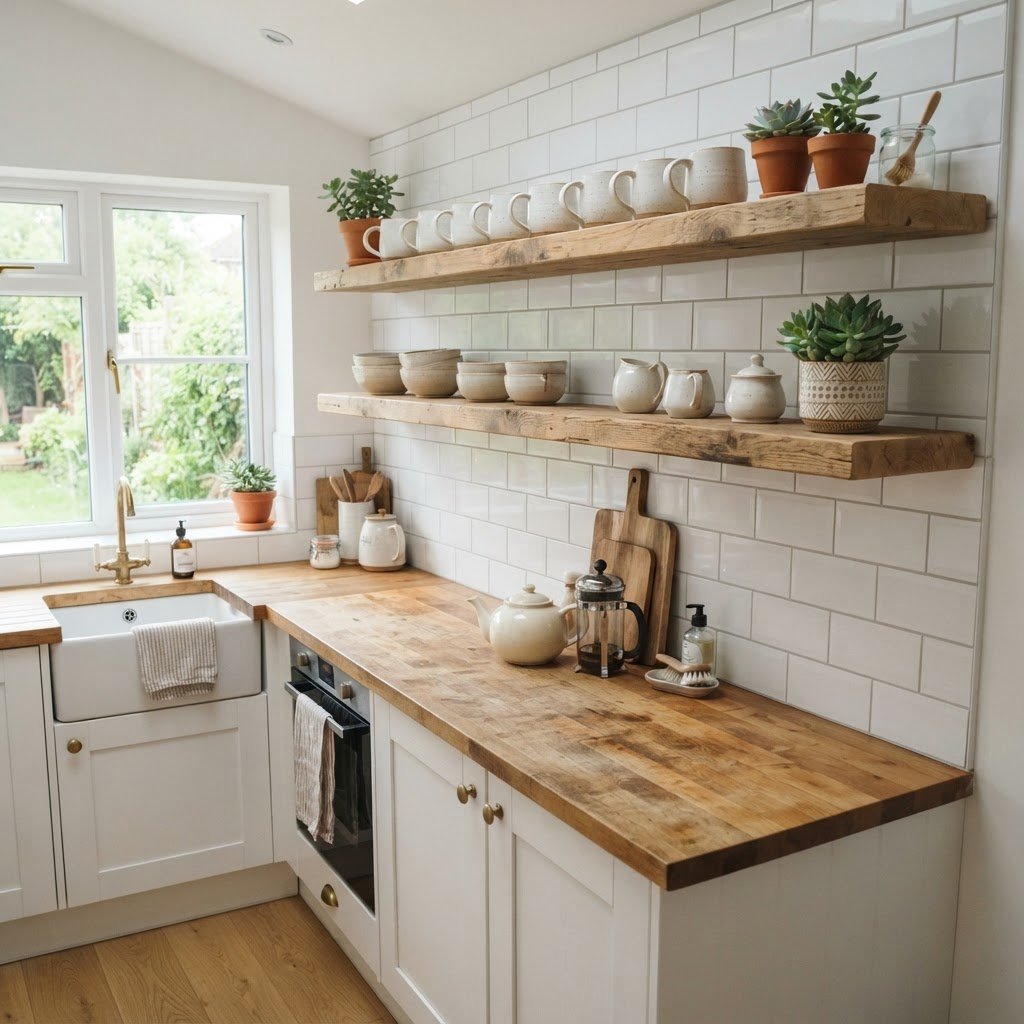
Designing a compact cooking space is a balancing act of aesthetics and utility. When planning your layout, the age-old debate of open shelving vs closed cabinets often becomes the central point of contention for homeowners looking to maximize every square inch. A tiny kitchen requires precision, as there is little room for error when it comes to storage logistics and visual clutter. Whether you are aiming for a minimalist look or traditional charm, understanding how these two storage solutions impact your daily workflow is essential for creating a functional home.
## The Aesthetic Appeal of Open Shelving
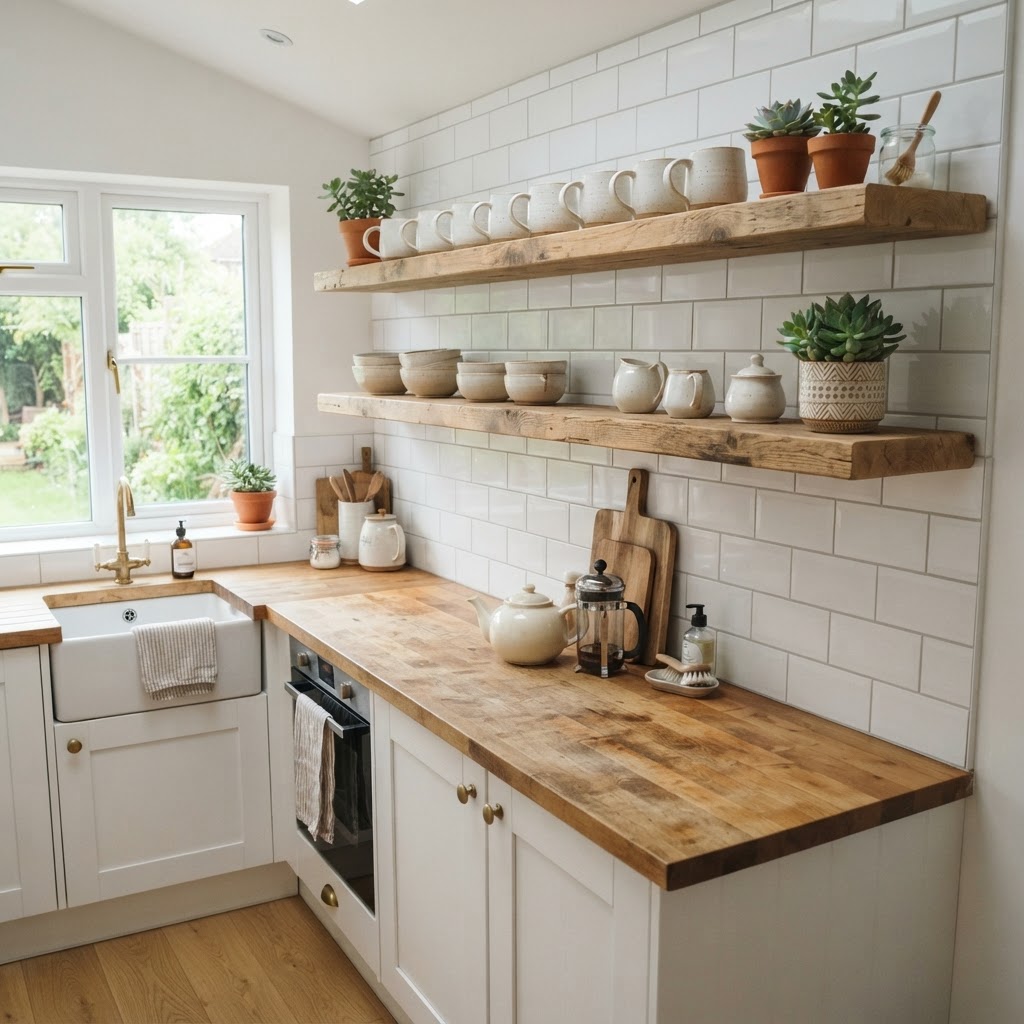
Open shelving has surged in popularity, largely due to the airy, open-concept designs favored by modern interior designers. In a tiny kitchen, open shelves can prevent the space from feeling boxed in by heavy, wall-mounted units. By removing the visual weight of cabinet doors, you allow the eye to travel further, which creates the illusion of a larger, more expansive room. This approach is particularly effective if you have beautiful dishware or curated pantry items that deserve to be seen rather than hidden behind solid panels.
### Benefits of Going Open
Choosing open shelving allows for easy accessibility to your everyday items. When your plates, mugs, and bowls are within reach, the rhythm of preparing meals becomes significantly more efficient. This setup also encourages better organization, as you are naturally motivated to keep your items neatly arranged when they are always on display. For those living in smaller apartments, this is a prime opportunity to integrate decorative elements like small plants or vintage jars, turning functional storage into a design focal point.
## The Practicality of Closed Cabinets
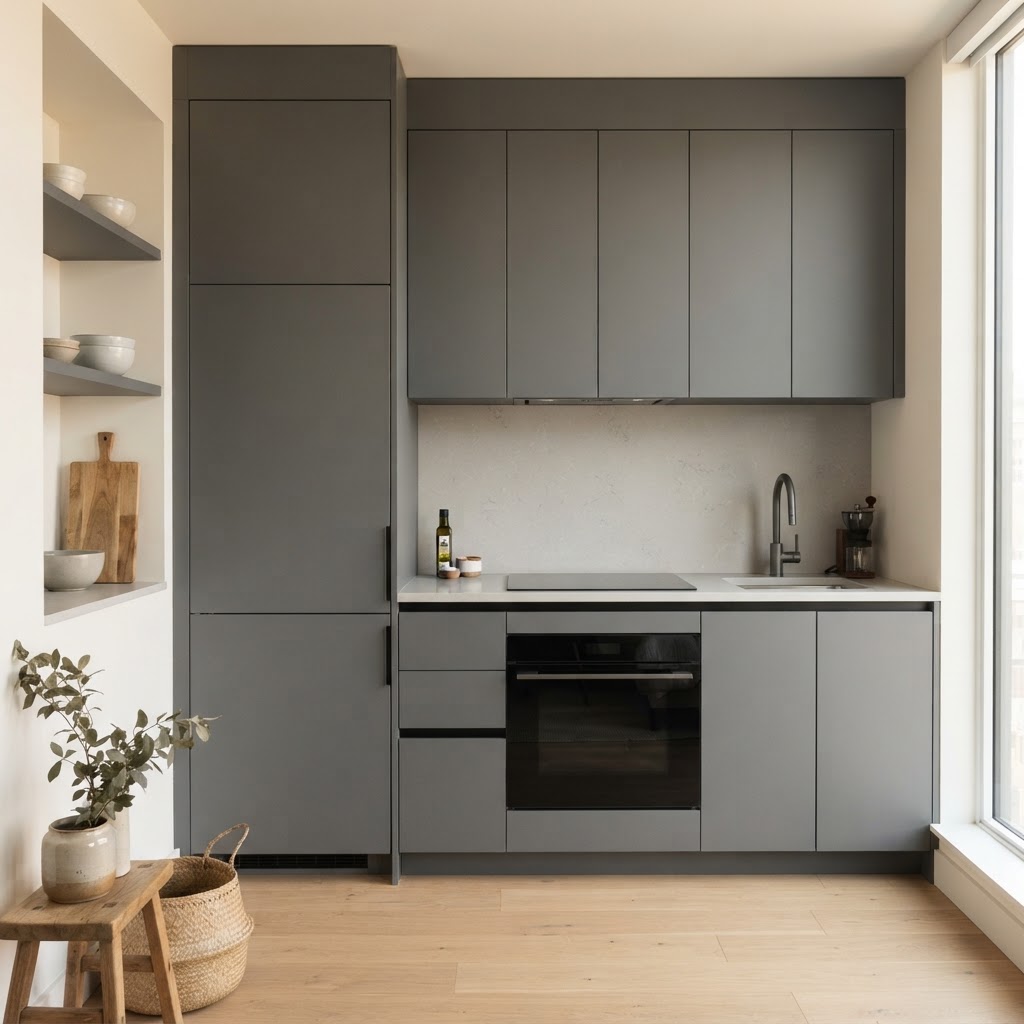
While open shelves offer a beautiful display, closed cabinets provide the ultimate security for your kitchen inventory. In a tiny kitchen, dust can be a silent enemy, and closed cabinets keep your dinnerware, glassware, and dry goods protected from grease and airborne particles. This is a significant advantage for those who do not want to clean their dishes before every use. Beyond choosing between open or closed styles, you should look for ways to maximize your cabinet space in a small kitchen to ensure every item has a proper home. Furthermore, closed storage acts as a ‘visual reset’ button, allowing you to hide the inevitable mess of a busy kitchen behind clean, uniform doors.
### Managing Clutter with Doors
Closed cabinets are the unsung heroes of kitchen organization. If your collection of pots, pans, and mismatched containers is less than ‘Pinterest-perfect,’ closed cabinets ensure that your kitchen remains looking clean and streamlined regardless of what is happening inside. By choosing light-colored cabinet finishes or glass-fronted doors, you can maintain the sense of order without making the room feel closed off. It provides a sanctuary for the utilitarian side of cooking that doesn’t necessarily need to be part of your home decor.
## Comparing Workflow Efficiency
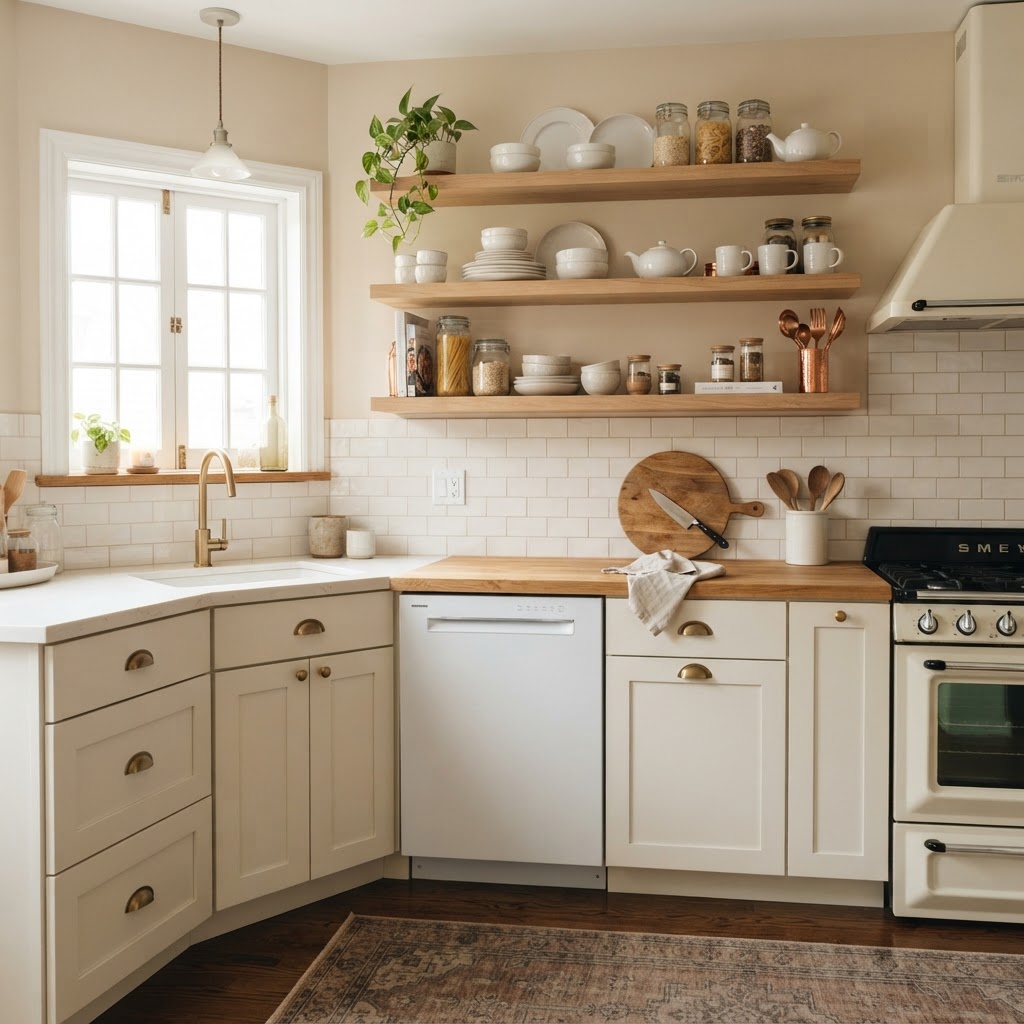
When evaluating open shelving vs closed cabinets, you must consider your own personality and cooking habits. Do you enjoy having a ‘ready-to-grab’ system, or do you prefer a clean slate? The efficiency of a kitchen often depends on how far you have to reach or how many steps you take to complete a task. In a small kitchen, every movement counts. A well-placed open shelf can reduce the ‘open-door-and-search’ time, but it may increase the frequency of dusting. Conversely, closed cabinets might require an extra motion to open a door, but they simplify the process of storing items that you don’t use every single day.
### Factors to Consider for Your Layout
1. Maintenance: Are you willing to wipe down shelves weekly? If not, closed cabinets win.
2. Visual Space: Does your kitchen feel claustrophobic? Try open shelving to ‘open’ the room.
3. Storage Density: How many items do you own? Closed cabinets hold more without looking messy.
4. Lighting: Open shelves can benefit from under-cabinet LED strips, brightening dark corners.

## Hybrid Solutions for Small Kitchens
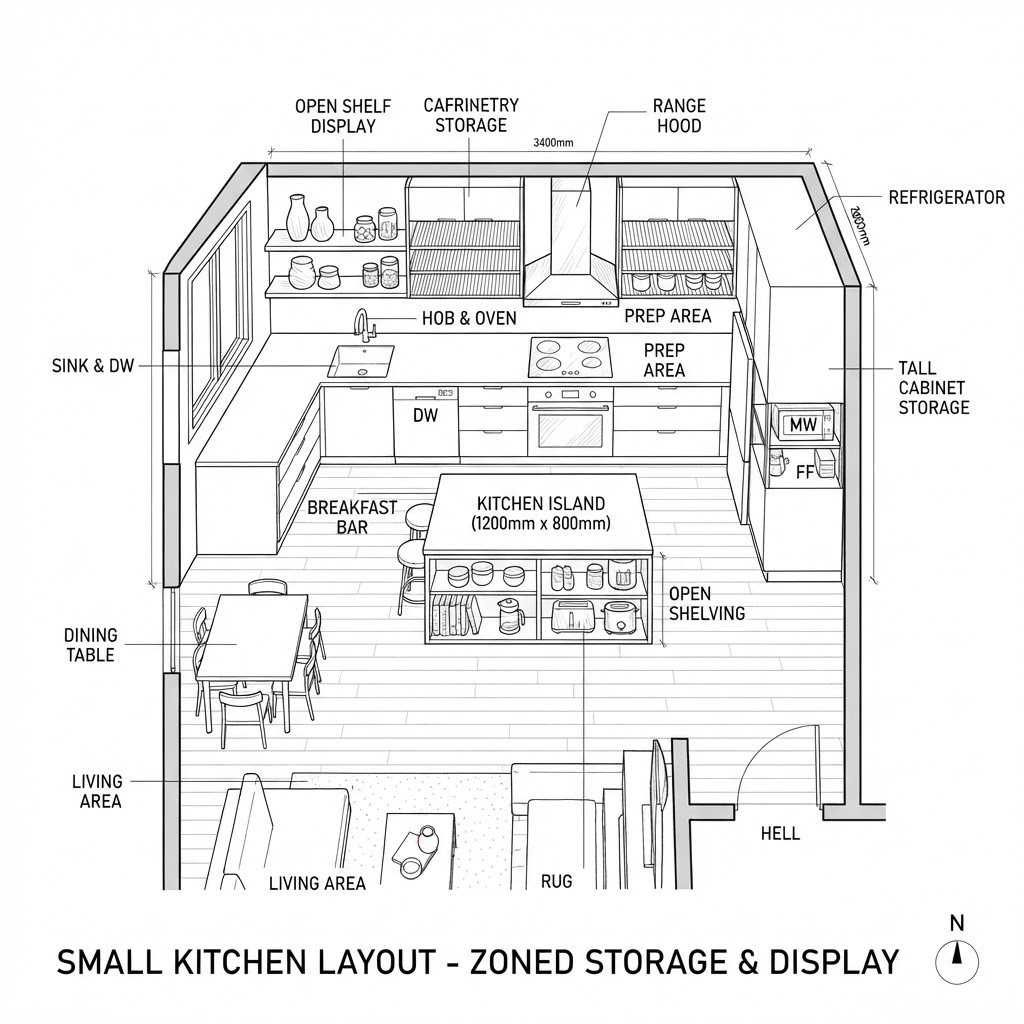
Why settle for one when you can have both? Many of the most successful tiny kitchen designs utilize a hybrid approach. This often involves keeping upper cabinetry closed for bulkier or less attractive items and dedicating a specific corner or a single wall to open shelves for your most-used items. This strategy balances the need for hidden storage with the airy aesthetic of modern shelving. It allows you to display a small, curated set of items that add personality to your kitchen while keeping the rest of your inventory safely tucked away.
## Maintenance and Care Requirements
Living with open shelving requires a shift in mindset. Because your items are exposed, they are subject to the oils and debris that naturally occur in a kitchen environment. If you do significant daily frying or sautéing, you might find that open shelves require a regular maintenance schedule. Closed cabinets, however, offer a buffer. Maintaining a clean kitchen is much simpler when your storage units are sealed. If you choose open shelving, consider mounting them away from the stove or near a window with good ventilation to mitigate the buildup of kitchen grime.
## Budget and Installation Considerations
From a budget perspective, open shelving is generally the more affordable option. It involves buying brackets and boards rather than custom cabinetry or doors. However, this depends entirely on the material quality and the installation method. Installing high-end, solid wood floating shelves can sometimes rival the cost of mid-range cabinets. For tight budgets, open shelving is a great way to save money while creating a custom, bespoke look. Closed cabinets are an investment, but they often offer better resale value and structural integrity over time.

## Maximizing Your Tiny Kitchen Strategy
Ultimately, the choice between open shelving and closed cabinets comes down to your personal lifestyle and the layout of your tiny kitchen. If you love the idea of a minimalist, gallery-style space, lean into open shelves. If you prefer a seamless, clean-lined look that hides all the ‘behind-the-scenes’ chaos, stick with closed cabinets. Don’t be afraid to experiment; you can start by removing the doors on a single cabinet to see how you like the look before committing to a full renovation. Remember that lighting, paint color, and hardware choices also play a massive role in how these storage solutions impact your perception of space.
## Conclusion
Deciding between open shelving and closed cabinets is a vital step in optimizing your tiny kitchen. By assessing your storage needs, cleaning habits, and aesthetic goals, you can create a layout that feels both spacious and highly functional. Whether you choose the openness of shelves or the sleekness of doors, the best kitchen is one that simplifies your life and brings you joy. Are you ready to redesign your space? Start by assessing your inventory today and choose the storage solution that best supports your daily culinary adventures.

Leave a Reply