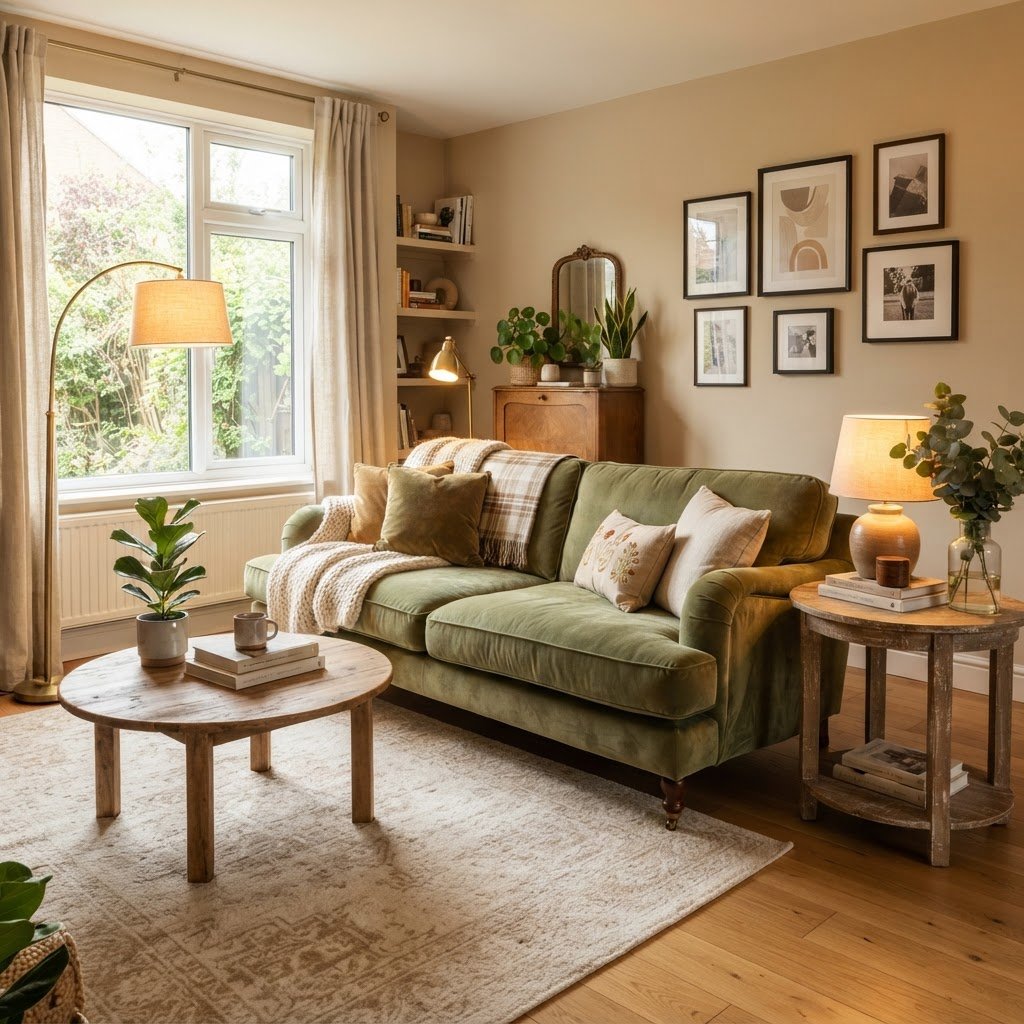
Designing a space that feels snug rather than cramped is the ultimate goal when working with limited square footage. When looking for the best warm and inviting small living room decor ideas, the secret lies in balancing functionality with soft, tactile elements that make your home feel like a sanctuary. A small room doesn’t have to feel restrictive; in fact, a limited footprint is the perfect opportunity to curate a cozy environment that feels intimate and well-loved.
## Maximizing Space Through Intentional Layouts
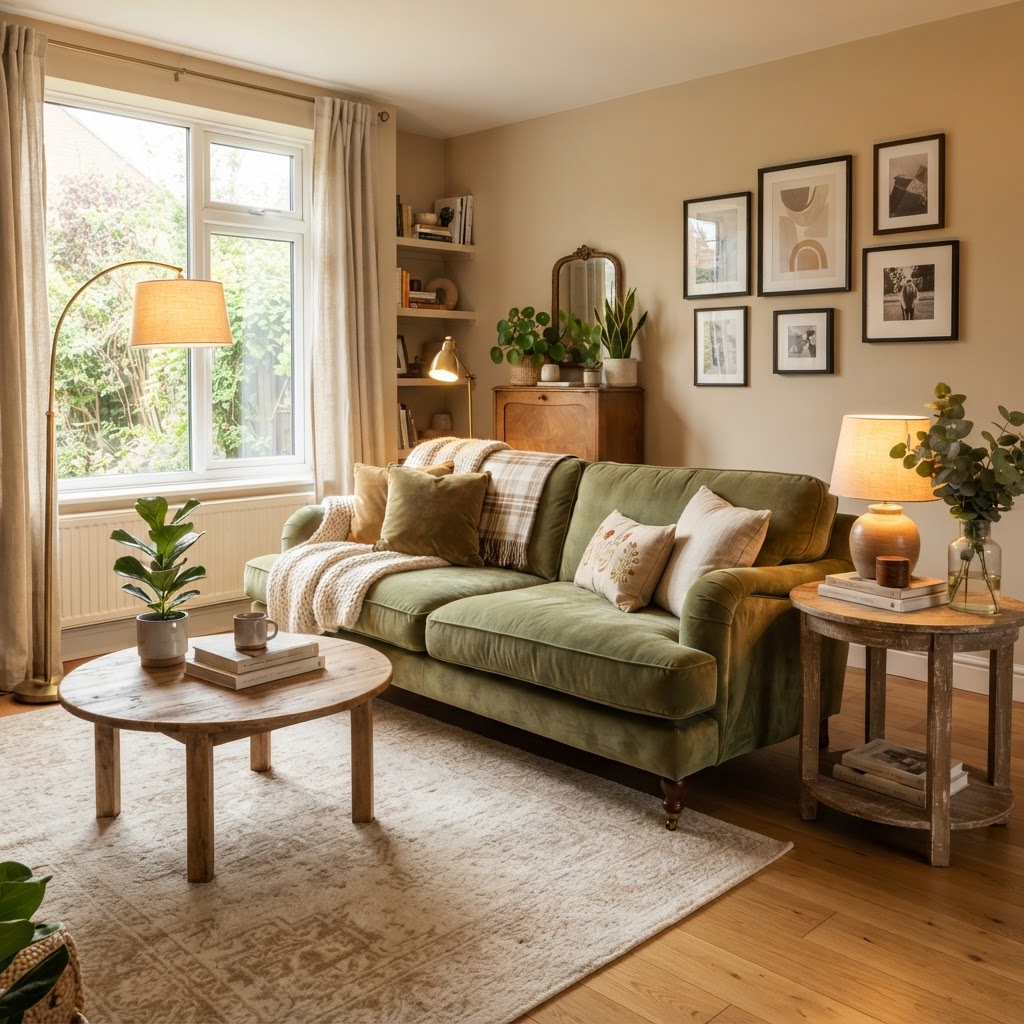
The foundation of any comfortable room is its floor plan. In a small living area, you must be ruthless about what stays and what goes. Instead of pushing all your furniture against the walls, which can actually make a room feel boxy, try floating your furniture slightly toward the center of the room to create a more welcoming flow.
### Prioritizing Multipurpose Furniture
Every piece of furniture should earn its keep. Look for ottomans with hidden storage, nesting coffee tables that can be pulled apart when guests arrive, or slim-profile media consoles that provide surface area without consuming valuable floor space, or explore these clever living room storage ideas to keep your essentials neatly tucked away. Choosing pieces with exposed legs also helps, as seeing the floor underneath the furniture tricks the eye into perceiving more space.
## The Magic of Warm Lighting Layers
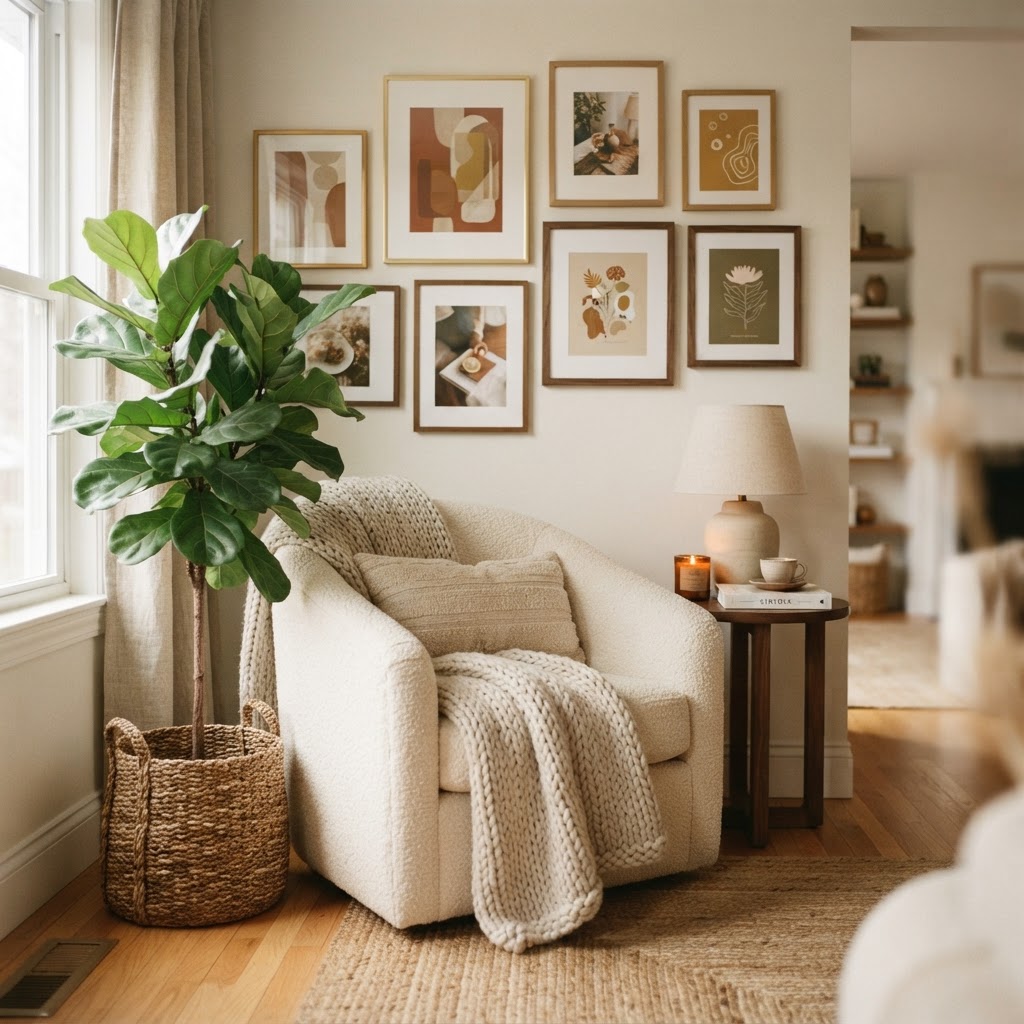
Lighting is perhaps the most critical factor in achieving a warm and inviting vibe. Harsh overhead lighting is the enemy of coziness. Instead, aim to have at least three different light sources in your room at varying heights. Combine table lamps, floor lamps, and wall sconces to create a soft, golden glow that fills the room.
### Selecting the Right Color Temperature
Always opt for warm white light bulbs, typically in the 2700K to 3000K range. Avoid “daylight” or “cool white” bulbs, which can make a small living room feel sterile or clinical. Dimmers are also an inexpensive way to completely transform the mood of your living area from a bright daytime space to an evening retreat.
## Textiles and Texture for Comfort
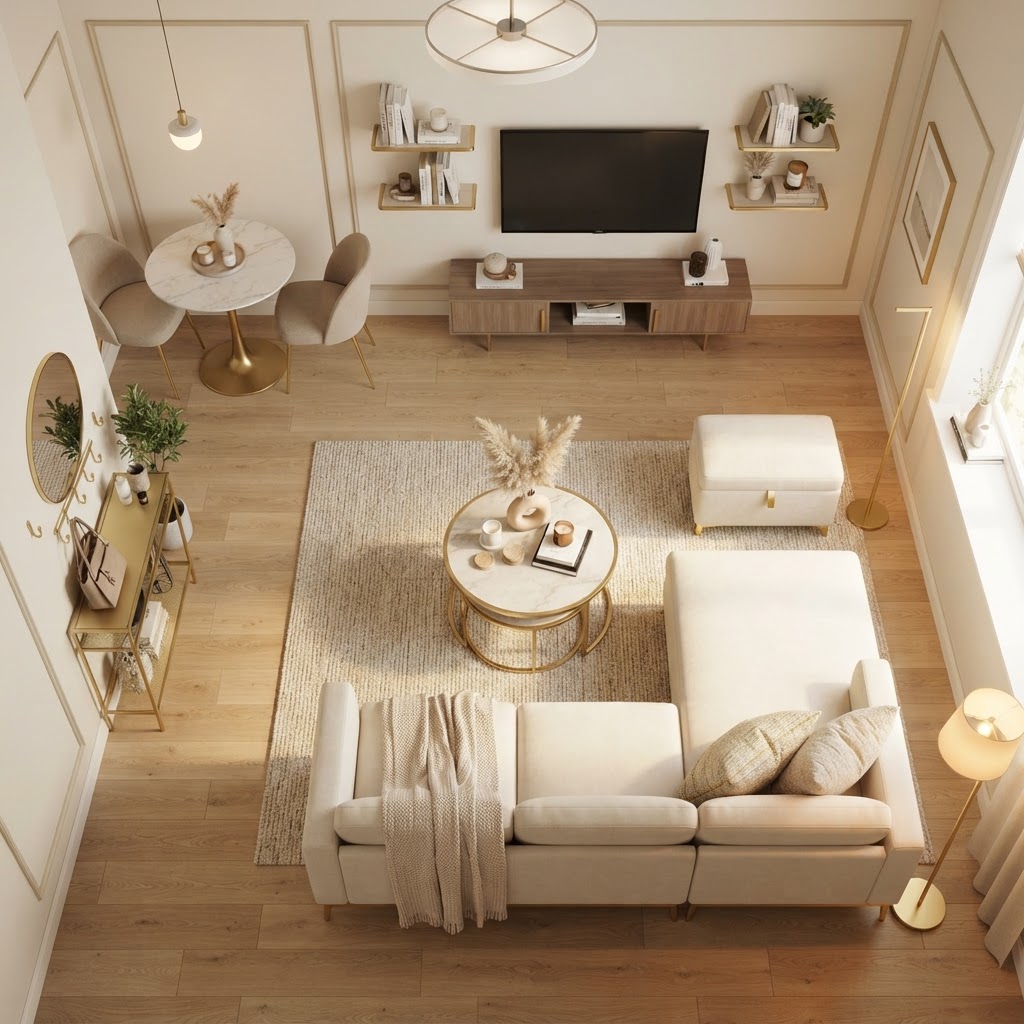
Adding layers of soft materials is the fastest way to make a room feel lived-in and comfortable. Think of your living room as a place where you want to curl up with a book or spend an evening with friends. Incorporating different textures helps to add depth, which prevents a small space from feeling flat.
#### Essential Textile Additions
– Plush area rugs that define the seating zone
– Chunky knit throw blankets draped over a sofa arm
– Velvet or linen throw pillows in varying sizes
– Floor-length curtains that draw the eye upward

## Choosing a Cohesive Color Palette
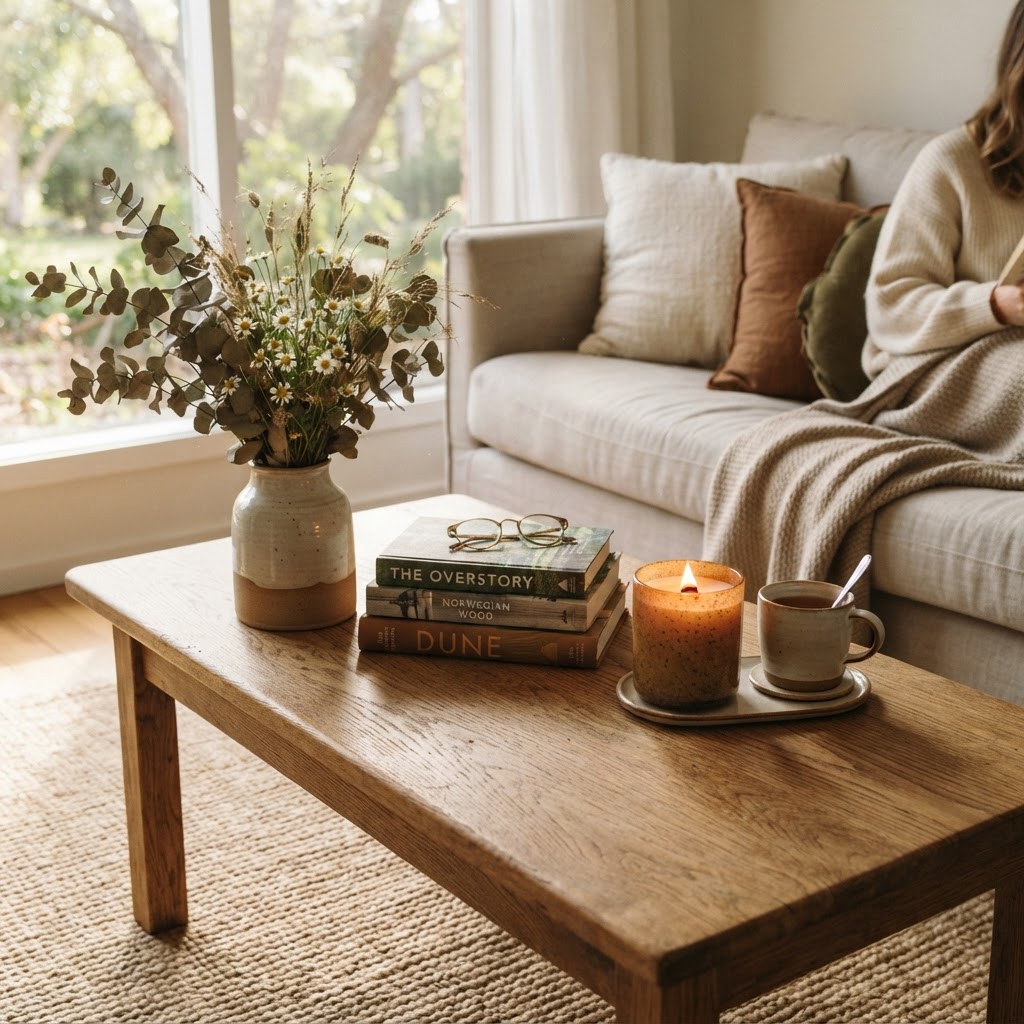
When choosing colors for a small space, many people assume they must stick to white, but that is a myth. While light colors do reflect light, warm, saturated earth tones can create an incredibly cozy “jewel box” effect. If you prefer neutrals, focus on warm undertones like cream, camel, or soft taupe rather than cool grays.
### Implementing the 60-30-10 Rule
To keep your design balanced, use the 60-30-10 rule. Let 60 percent of the room be a dominant base color (often your walls), 30 percent be a secondary color (upholstery or rugs), and 10 percent be an accent color (pillows, art, or decorative objects). This structure prevents a room from feeling cluttered while still allowing for visual interest.
## Vertical Space and Wall Decor
Don’t let your walls go to waste. In a small living room, the walls offer significant potential for storage and decoration without sacrificing floor space. Installing floating shelves or hanging art at eye level draws the eye upward, which can make your ceilings feel higher and the room feel more spacious overall.
### Curating Personal Gallery Walls
A gallery wall is an excellent way to add personality without clutter. By sticking to a uniform frame color or a consistent theme, you can display a collection of photos, sketches, or prints that tell your story. Keep the layout organized and symmetrical to prevent the wall from looking too busy, which is key for maintaining that warm and inviting feeling.
## Adding Life with Plants and Greenery
Bringing nature indoors is an effective strategy for softening the hard edges of furniture. Plants add a vibrant pop of color and improve air quality, which contributes to an overall healthier home environment. For a small space, focus on vertical plants that grow upward rather than bushy ones that spread horizontally.
#### Low-Maintenance Choices for Small Spaces
1. Snake Plants: Excellent for corners and thrive in low light.
2. Pothos: Perfect for hanging planters or trailing off shelves.
3. ZZ Plants: Extremely hardy and add a glossy, structural element.
## Creating Zones Without Walls
Even in a small living room, you can create distinct zones to make the room feel larger and more purposeful. Use rugs to anchor specific areas—one rug for the seating area and perhaps a small, different rug to define a reading corner. This subtle zoning tricks the mind into thinking there is more “functionality” packed into the room, making it feel complete and well-designed.
## Conclusion
Creating a space that feels both small and grand in character is about intentionality. By utilizing warm lighting, layering textures, and picking furniture that serves a dual purpose, you can turn any compact room into a stylish retreat. Remember that your home is a reflection of your personality, so prioritize comfort and the items that bring you joy. Start small, try one of these tips this weekend, and watch how your space transforms. Share your progress in the comments below, and let us know which of these small living room decor ideas worked best for you!

Leave a Reply