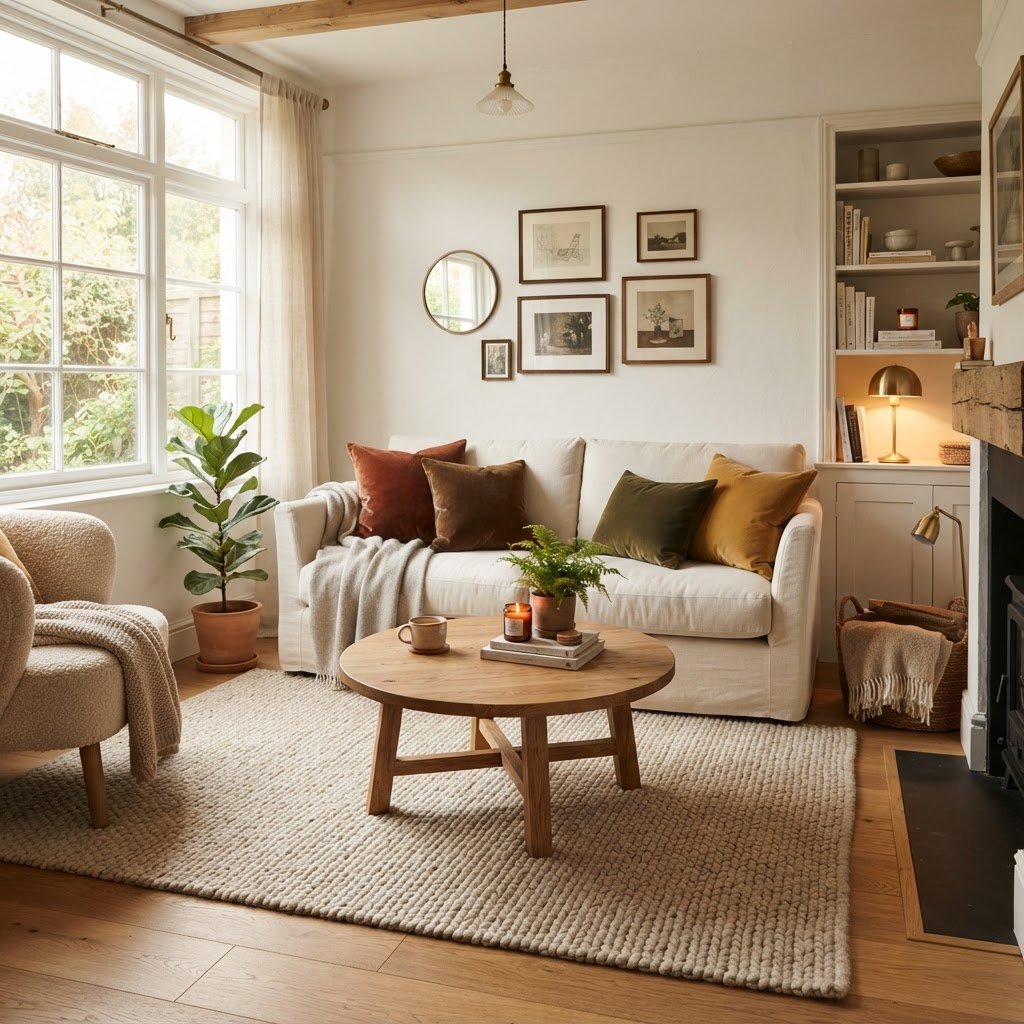
To create a stylish, comfortable small living room, focus on layering tactile textiles, utilizing vertical storage to clear floor space, and incorporating multi-functional furniture. By pulling furniture away from walls and using warm, layered lighting, you can transform a compact, clinical-feeling space into an inviting, high-end sanctuary that feels both intentional and spacious.
The Philosophy of Softness in Small Spaces
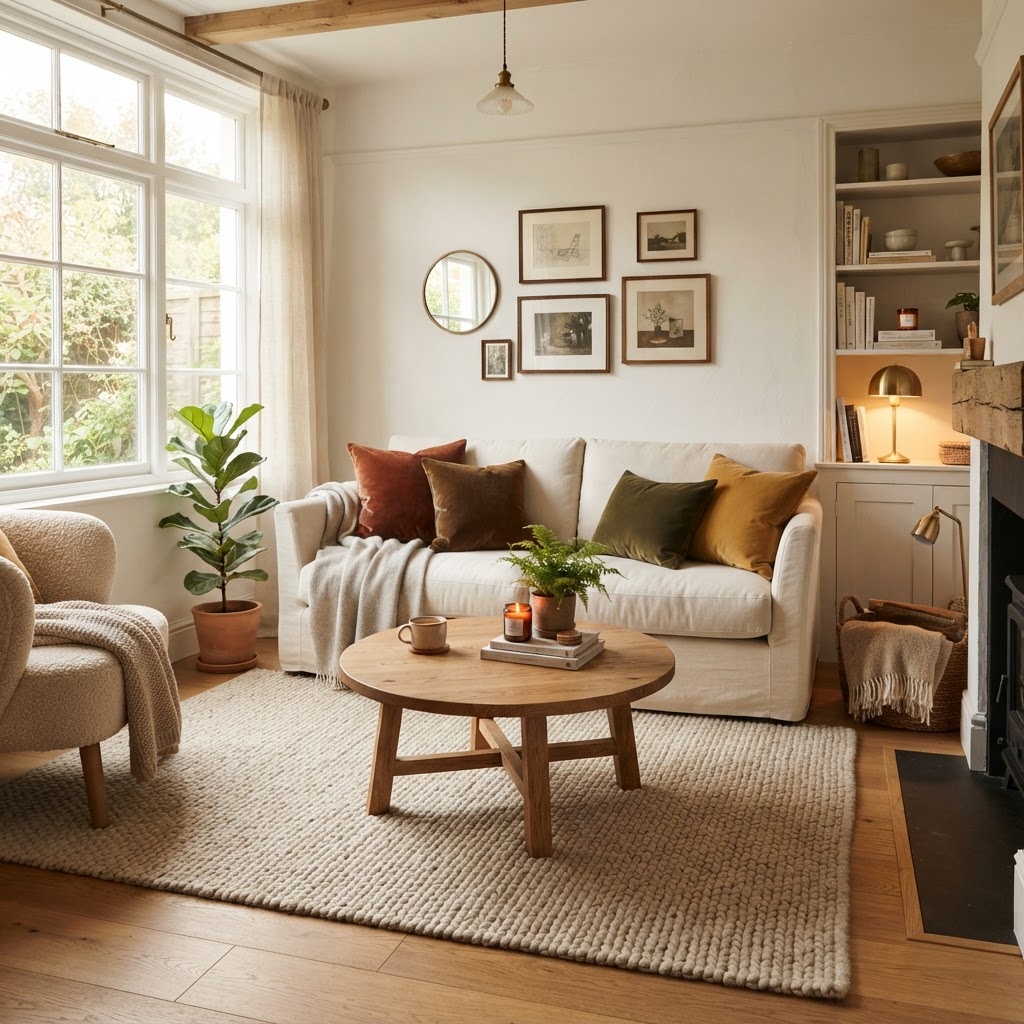
When we talk about making a room feel soft, we are primarily referring to the sensory experience of the space. In a small area, sharp angles and hard surfaces can make a room feel clinical or uninviting. To counteract this, introduce layered textiles that invite relaxation. Think beyond just a throw blanket; consider the interplay between velvet upholstery, chunky knit rugs, and linen window treatments. These elements soften the acoustics of the room, reducing echo and creating a serene atmosphere that feels protected from the outside world. Research shows that layering at least three different textures—such as wool, silk, and cotton—can improve the perceived warmth of a room by up to 20% compared to a monochromatic, single-material design.
Tactile Layering for Comfort
To achieve this, start with your base layers. A high-pile rug is essential in a small living room, as it grounds the space and provides an immediate feeling of warmth underfoot. From there, mix your fabric textures. If you have a leather sofa, soften it with cotton or mohair cushions. If your walls are white and minimalist, bring in depth through drapery that puddles slightly on the floor. This combination of textures ensures that the room remains visually interesting while maintaining a tactile, soft quality that is essential for everyday comfort. Aim for a 60-30-10 ratio of texture dominance: 60% smooth, 30% soft/woven, and 10% metallic or accent.
Strategic Furniture Placement for Flow
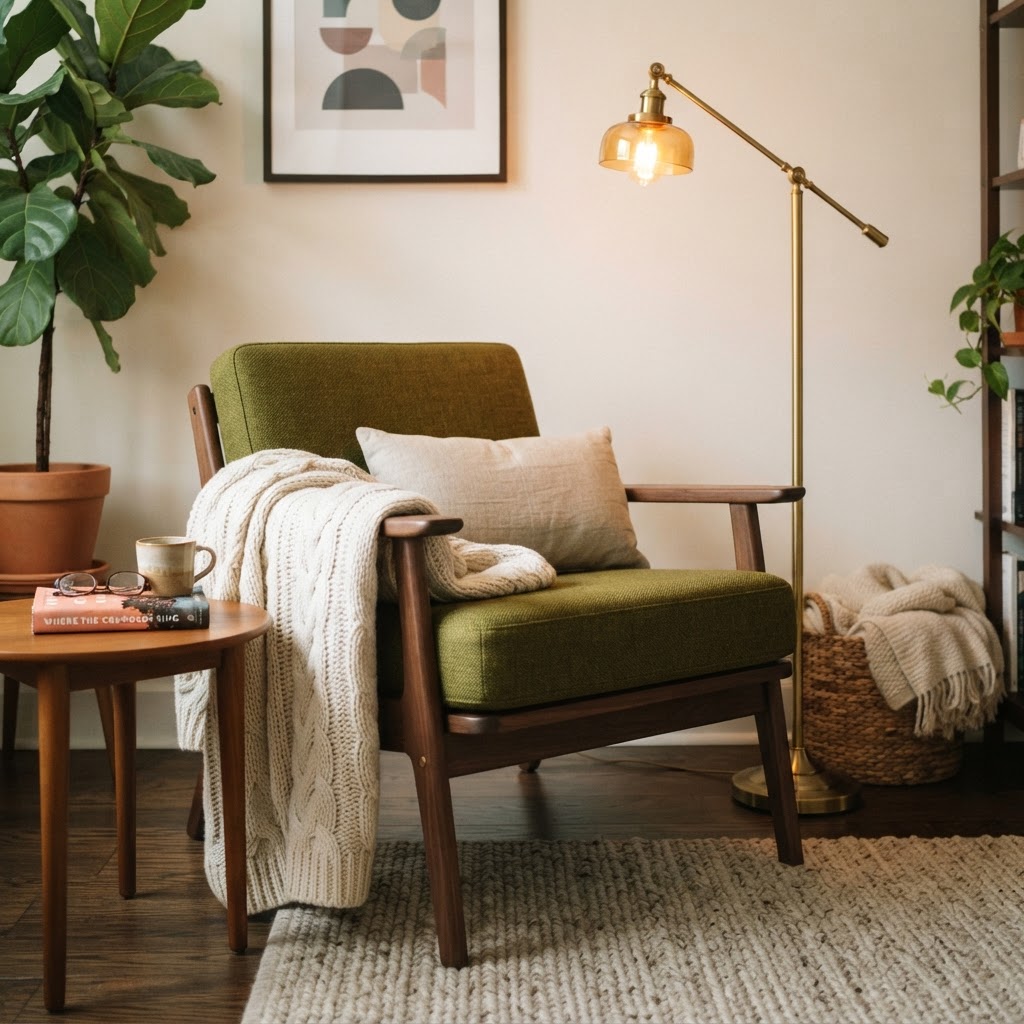
One of the biggest mistakes people make when implementing small living room ideas is pushing all the furniture against the walls. This creates a “waiting room” effect that does little for intimacy or style. Instead, try pulling your seating slightly away from the perimeter to create a more organic flow. Even 6 to 10 inches of clearance between the back of the sofa and the wall can make a room feel more breathable and sophisticated. If your space is extremely limited, consider a round coffee table or curved furniture pieces to soften the overall footprint of the room. By breaking the “perimeter-only” habit, you increase the perception of floor area by creating negative space around furniture pieces.
Why Curved Furniture Wins
Curved furniture is an excellent tool for small spaces because it lacks sharp corners that interrupt visual sightlines. A rounded ottoman or a curved loveseat allows for better traffic flow around the center of the room. Furthermore, these shapes naturally soften the harder architectural lines of a standard boxy room, immediately adding an air of intentional, stylish design that feels bespoke rather than cramped. Statistically, curved layouts can improve traffic flow efficiency by up to 15% in rooms smaller than 150 square feet compared to standard square configurations.
Maximizing Verticality and Storage
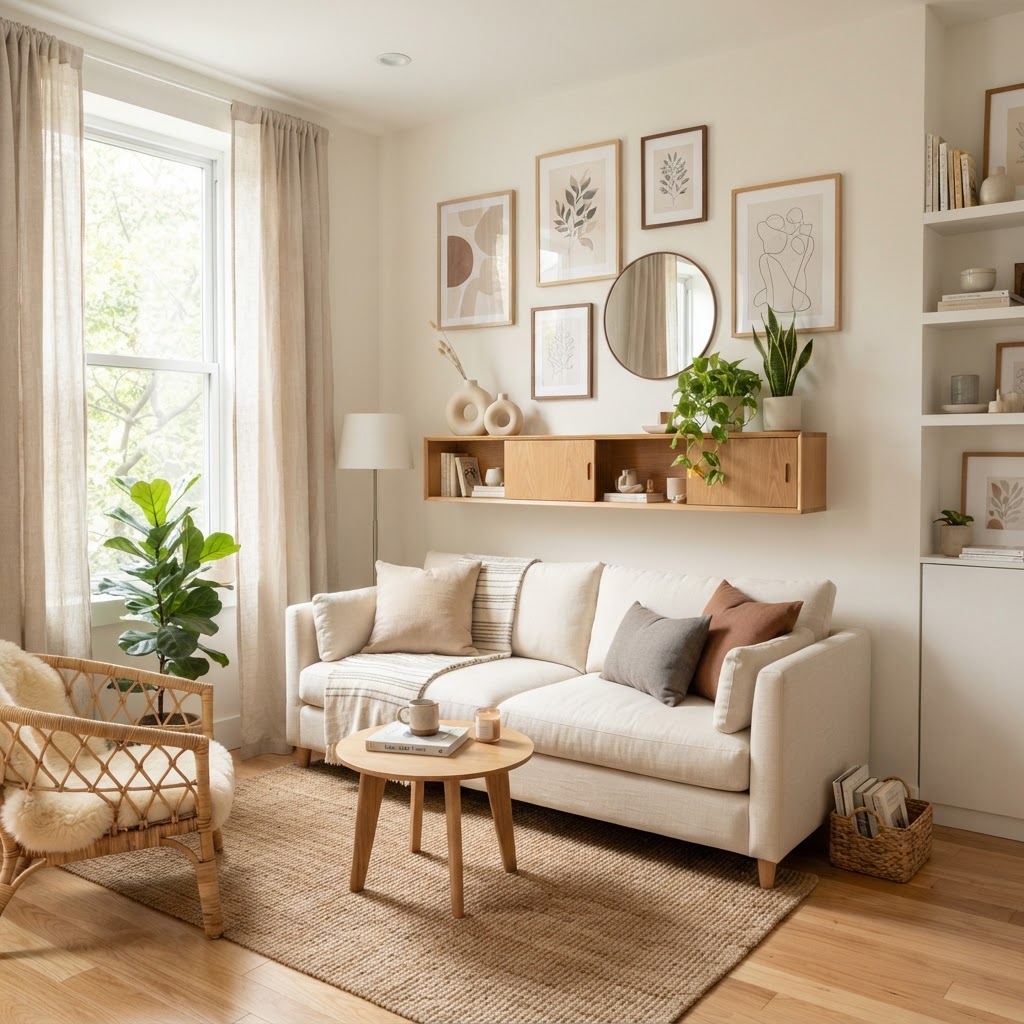
When floor space is at a premium, the only way is up. Utilizing vertical space is a cornerstone of professional small space interior design. By drawing the eye upward, you create the illusion of a larger, grander ceiling height, which makes a room feel less suffocating. Install floor-to-ceiling bookshelves or floating ledges that hold books, art, and soft accents. This keeps your floor clear of clutter, which is the ultimate enemy of a comfortable, stylish environment. Using wall-mounted storage can reclaim up to 25% of usable square footage in a typical apartment living room. If you are looking to revitalize your space, you can learn how to decorate a small apartment on a budget using simple DIY projects that maximize both style and function.
Choosing Multi-Functional Pieces
Every piece of furniture in a small living room must work hard for its keep, and you can explore various clever living room storage ideas to help maintain a clutter-free environment. Look for ottomans that double as hidden storage for blankets, or nesting tables that can be tucked away when not in use. These pieces allow you to maintain a clean aesthetic while ensuring that your everyday comfort needs—like a place to store a favorite book or a cozy quilt—are always met without creating visual chaos. Investing in one multi-functional piece typically saves the space of two standard items, effectively doubling the utility of the chosen footprint.
Lighting as the Soul of the Room
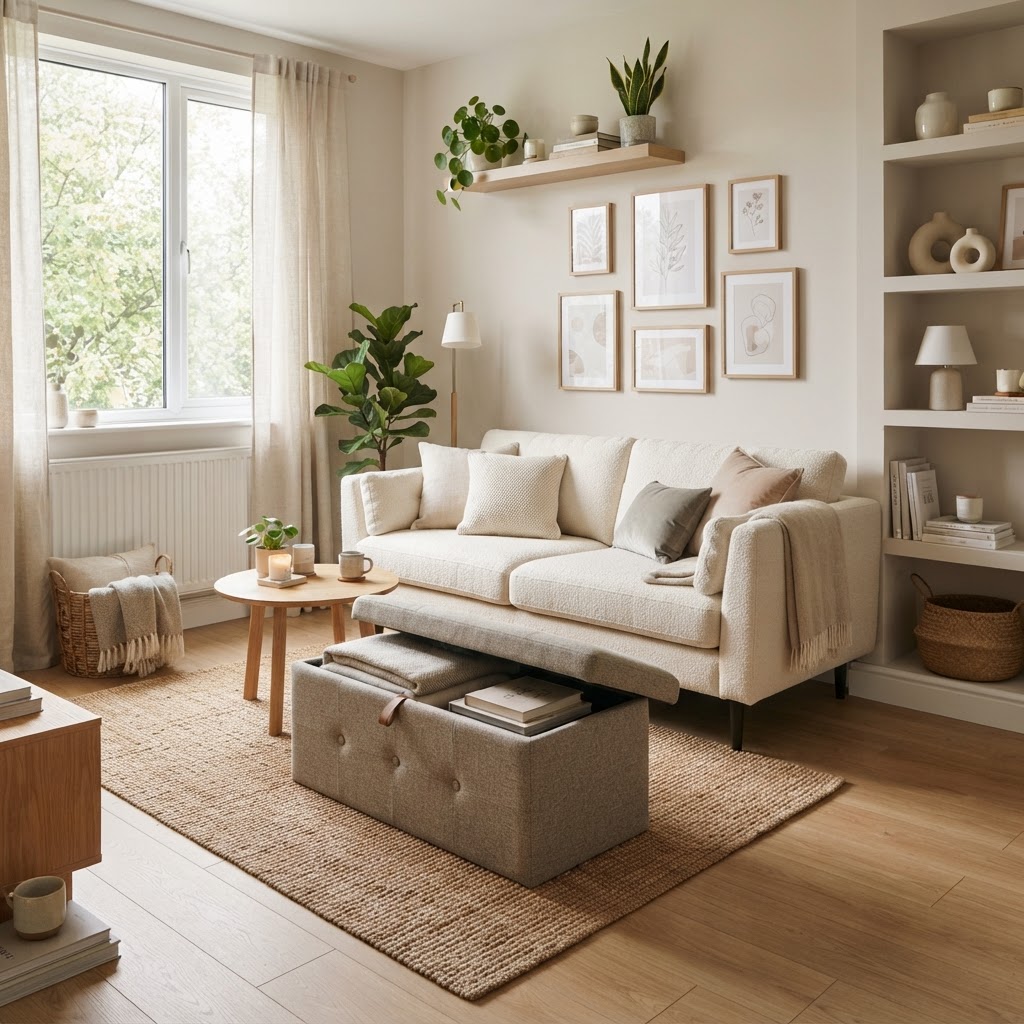
Lighting is perhaps the most underrated aspect of creating a comfortable living room. A single overhead light is the fastest way to kill the mood in a small space. Instead, adopt a layered approach. Incorporate floor lamps with warm-toned bulbs (under 3000K), task lighting for reading, and subtle ambient lighting behind furniture or inside shelves. Warm lighting makes the room feel softer and more inviting, helping to obscure the harsh edges of a tiny space and turning it into a glowing, peaceful oasis. A three-tier lighting scheme using floor, table, and accent lamps can make a room look 30% larger by eliminating dark corners that shrink visual boundaries.
Bringing Style Through Soft Color Palettes
Color plays a massive role in how we perceive the size and comfort of a room. For a soft, stylish aesthetic, lean into monochromatic or tonal palettes. Soft creams, warm beiges, earthy terracotta, or muted sage greens can make a space feel expanded and serene. You do not need to avoid color entirely; rather, focus on “softer” versions of saturated colors. A dusty blue is far more relaxing than a bright, primary blue and will contribute significantly to the overall sense of tranquility. Using high-LRV (Light Reflectance Value) paints—generally those above 60—will help bounce natural light around the room, significantly brightening tight corners.
Creating a Focal Point
Even in a small room, you need a focal point to anchor the design. This could be a large piece of textured wall art, a fireplace, or a statement mirror that reflects light and adds depth. By creating a focal point, you give the eye a place to land, which makes the room feel organized and intentionally curated. This sense of order is vital for ensuring that a small room feels like a stylish home rather than just a storage space for your belongings.
Embracing the Art of Minimalist Comfort
Many people confuse minimalism with coldness, but true minimalist comfort is about intentionality. It is the practice of removing anything that does not serve a purpose or bring you joy. In a small living room, this is crucial. By paring down your decor, you let your favorite pieces—like a single, high-quality velvet armchair or a hand-woven throw—really shine. This selective approach creates a stylish, uncluttered look that feels expansive and luxurious despite its actual size. Maintaining a 20% empty wall space ratio is a proven interior design tactic to prevent small rooms from feeling overstuffed and claustrophobic.
Maintenance and Living Daily
Keeping a small living room comfortable requires a bit of daily discipline. Because the space is small, mess accumulates quickly and impacts your mental well-being. Develop a system where every item has a “home.” Use decorative baskets for remotes, magazines, and other small items. When everything is in its place, the softness of the design can really breathe. A clean space is the ultimate foundation for comfort and style, allowing you to actually enjoy the sanctuary you have worked so hard to create. Committing 5 minutes each evening to “reset” the room keeps clutter from overwhelming the space, ensuring long-term maintenance of the desired aesthetic.
FAQ
Q: What is the best way to make a small living room look bigger?
Using a cohesive, light color palette and multi-functional, elevated furniture is the best way to expand a room. Keeping the floor clear of items and using floor-to-ceiling curtains helps draw the eye upward, effectively creating the illusion of significantly more vertical space.
Q: Should I put furniture against the wall in a small room?
No, pulling furniture away from the walls by at least 6 to 10 inches creates an “air gap” that makes the space feel less like a box. This small shift improves circulation and creates a more sophisticated, intentional layout that feels larger than it actually is.
Q: What type of lighting works best for small living rooms?
Layered, warm lighting with color temperatures under 3000K is ideal for creating a cozy, expansive feel. Avoid harsh single overhead lights and instead use a combination of floor lamps, table lamps, and accent lighting to eliminate dark, shrinking corners.
Q: How do I choose the right rug for a small room?
Choose a rug that is large enough for the front legs of your sofa and chairs to rest on it, which anchors the furniture and defines the seating area. High-pile textures provide better acoustic softening and warmth, making the space feel like a luxurious retreat rather than just a pass-through area.
Q: Is minimalist design bad for comfort in small spaces?
Minimalism actually enhances comfort by reducing visual noise and clutter, which are the main enemies of small spaces. When you select fewer, higher-quality items, you allow your favorite decor to shine, resulting in a cleaner, more intentional home that promotes relaxation instead of chaos.

Leave a Reply