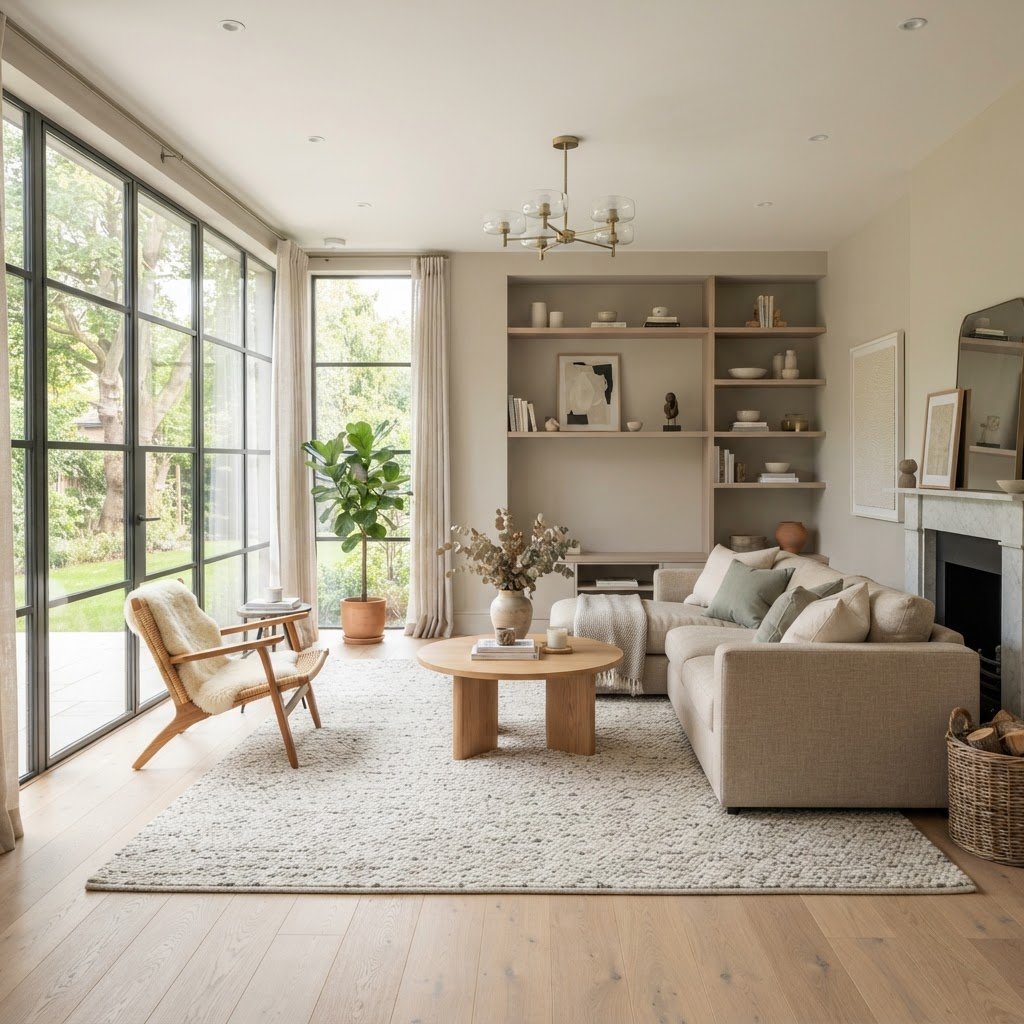
Living in a compact environment does not mean you have to sacrifice style or comfort. Many homeowners struggle with the feeling of being closed in, but with the right interior design choices, you can completely transform your living space. The secret often lies in your choice of paint color, which serves as the foundation for your home’s entire aesthetic. By selecting the right tones, you can visually expand your boundaries, allowing your small rooms feel like airy, open sanctuaries rather than confined boxes.
The Power of Light and Color Psychology
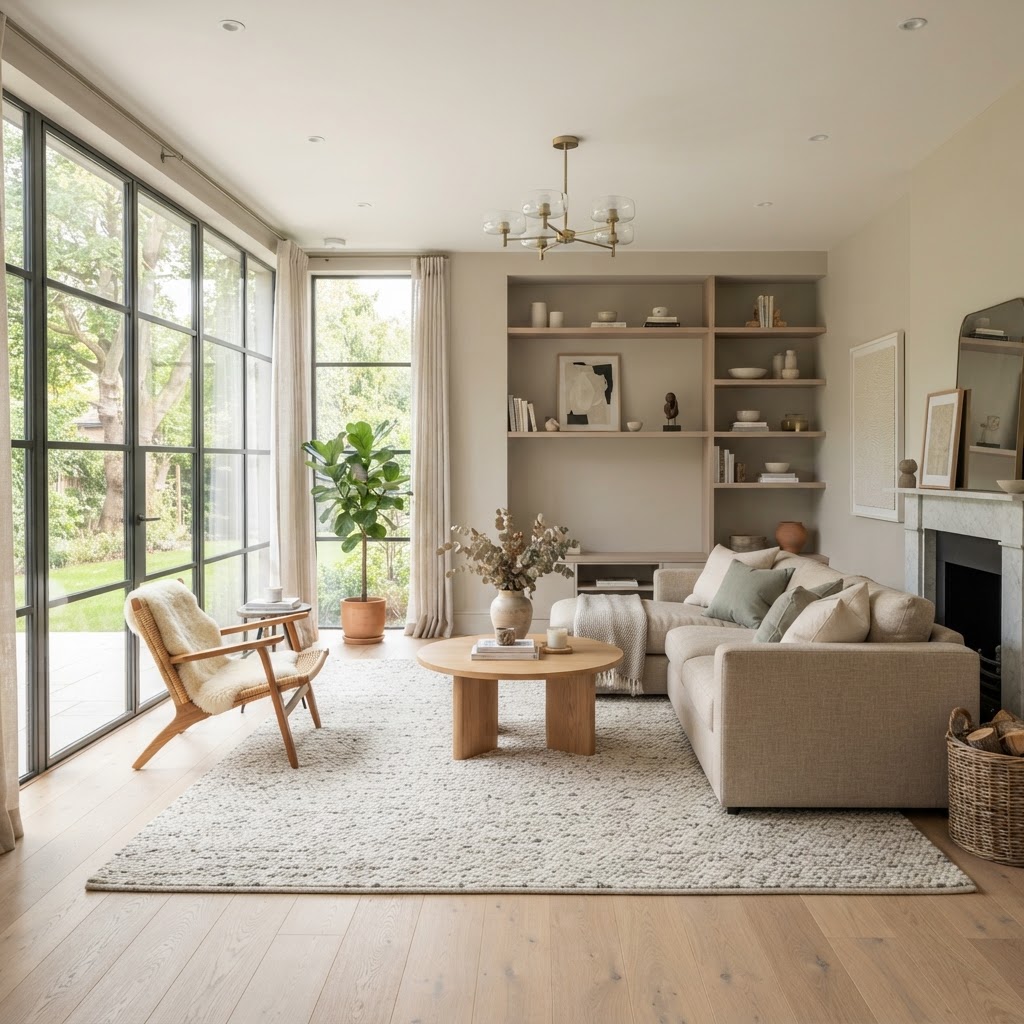
When you aim to make a small room feel larger, understanding how light interacts with your walls is crucial. Light colors are generally the best choice because they possess a higher light reflectance value, which helps them reflect light back into the space. This prevents the corners from appearing shadowy or cave-like. When your room looks brighter, it naturally feels more expansive and welcoming to anyone who enters.
Choosing the right wall color is about more than just personal preference; it is about manipulating perception. A soft, pale hue can blur the edges of your walls, making it difficult for the eye to track where the wall ends and the next begins. This creates the illusion of infinite space. If you are worried about your space feeling too sterile with white, consider soft pastels or very light cool tones that still provide depth while maintaining that airy quality.
Neutral Palettes for Cohesive Design
Neutral shades are the gold standard for small spaces for a good reason. They act as a blank canvas that allows your furniture and decor to shine without overwhelming the senses. Using a consistent, cohesive color palette throughout your home is an excellent trick to make the room look larger, as it eliminates visual clutter and creates a sense of flow from one area to the next.
Consider incorporating a shade like greige, which bridges the gap between warm gray and beige. Greige is incredibly versatile because it offers the warmth of brown with the modern, clean aesthetic of gray. By using this as your base, you ensure that even when you have multiple living rooms or distinct zones, they all feel connected and harmonious, which helps the entire space feels much larger than it actually is.
The Impact of Ceiling Color
One of the most overlooked elements in home design is the ceiling. Many people default to a flat white, but if you want to make a small room look bigger, you might need to think vertically. Painting your ceiling a shade that is lighter than your walls can draw the eye upward, effectively increasing the perceived height of the room.
If you want to create a more intimate and cozy atmosphere in certain small rooms, you could try painting the ceiling the same color as the walls. This removes the “boundary” line where the wall meets the ceiling, which can trick the eye into thinking the room is taller or at least less defined. This is a bold move, but it is one of the most effective ways to make the room feel seamless.
Maximizing Natural Light in Tight Areas
If your home suffers from a lack of windows, you need to be strategic. Reflecting light is your primary goal. Use high-gloss or semi-gloss finishes on trims or accent pieces to bounce any available natural light around the room. A space feels larger when it is well-lit, so be sure not to block your windows with heavy curtains that swallow up sunlight.
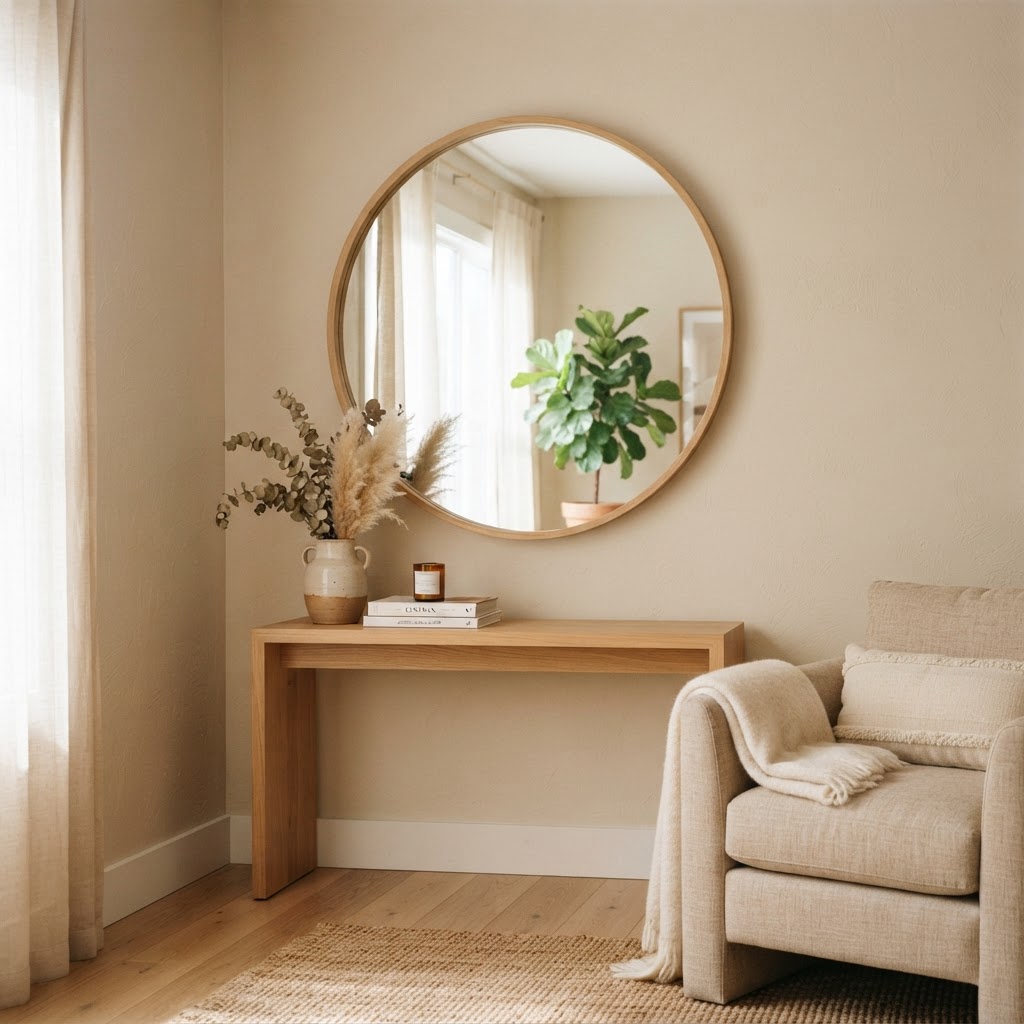
Mirrors are another great addition alongside your chosen paint color. When you place a large mirror opposite a window, it effectively doubles the amount of natural light entering the room. This combination of bright, reflective wall colors and clever mirror placement is a classic trick interior designers use to make a small room look bigger in seconds.
Incorporating an Accent Wall Properly
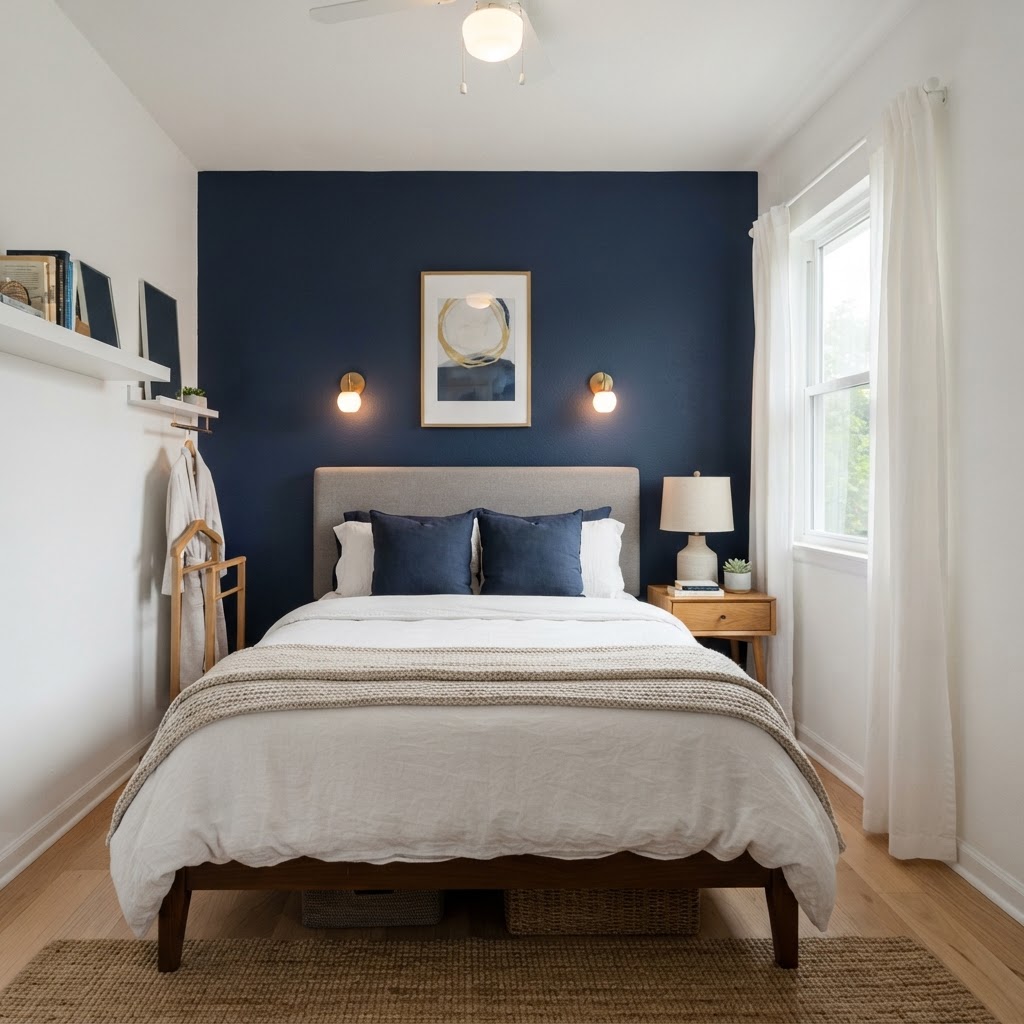
There is a common myth that accent walls are a big “no” for smaller homes. While you should avoid overly dark or busy wallpaper that can close off a room, an accent wall can actually add depth when done correctly. If you want to use a bold paint color, pick the wall that acts as the focal point—usually the one behind the bed or the sofa.
Keeping the other three walls a lighter, neutral tone ensures that the room maintains its breezy feel while gaining a punch of personality. This technique prevents the space from looking monotonous. When done with intent, it creates a focal point that keeps the viewer’s eyes from scanning the limited floor space too quickly, making the room appear more interesting and layered.
Final Tips for Spatial Perception
Beyond just paint, remember that furniture scale matters immensely. Low-profile furniture often works best in small rooms because it leaves more wall space visible. When more of the wall is exposed, the room looks more spacious. Always try to keep your floor clear; when the floor is visible, your brain perceives the room as larger.
Lighting is your final tool in the arsenal. Layered lighting—incorporating floor lamps, table lamps, and overhead fixtures—ensures there are no dark corners. Dark corners are the enemies of a small space, as they define the boundaries of the room. By lighting every corner, you push those boundaries back and make the room feel truly open.
Conclusion
Redesigning a compact apartment or home doesn’t require knocking down walls. By choosing the right paint color, maximizing your natural light, and keeping your design cohesive, you can significantly alter how your home feels. Focus on light-reflecting neutrals, consider the height of your ceilings, and always keep the space feeling uncluttered. You have the power to make your home feel like a sanctuary. Start by painting one room today and see how these simple shifts can transform your living experience!

Leave a Reply