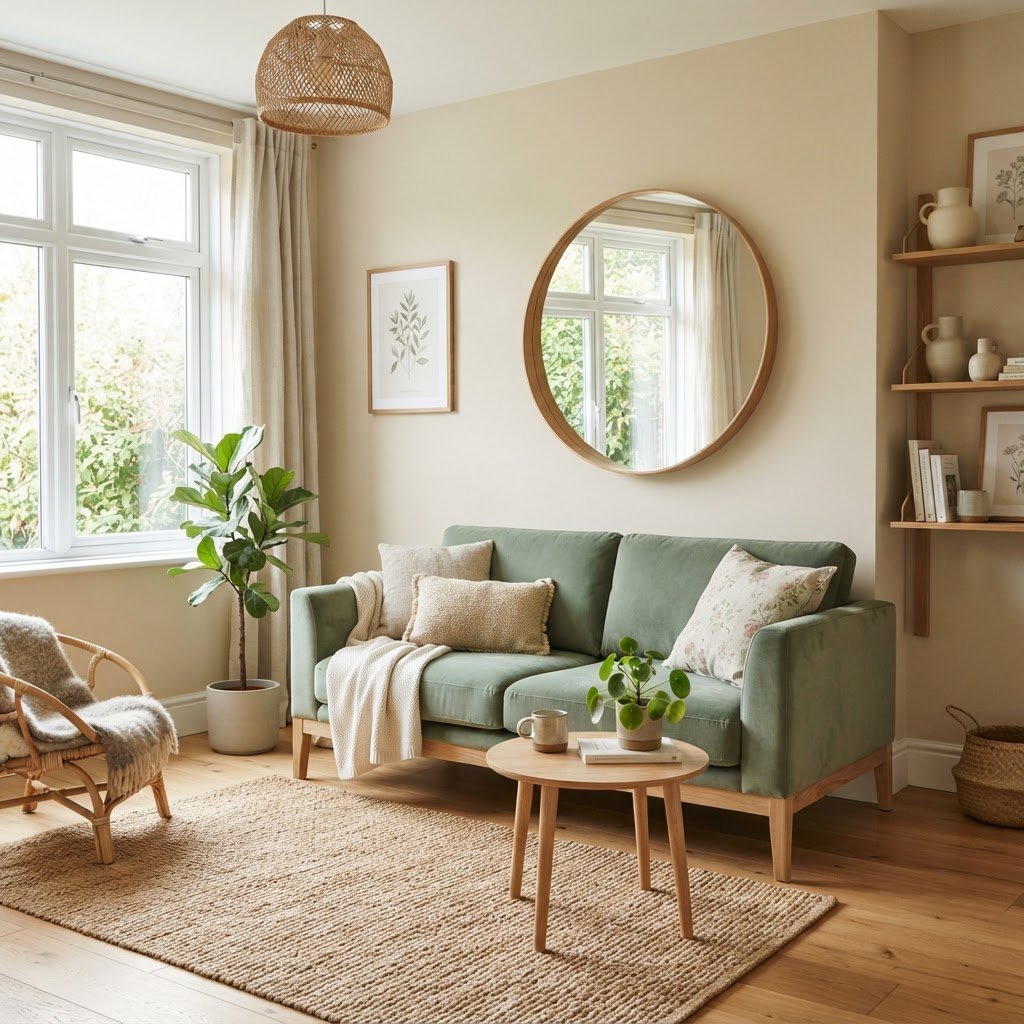
Living in a compact home often feels like a puzzle, but finding the right small living room ideas that work on a budget can turn your cramped area into a cozy sanctuary. You do not need a massive renovation or a professional interior designer to achieve a high-end look in a limited square footage. By focusing on smart layout choices, strategic color palettes, and budget-friendly furniture, you can craft a space that feels both open and inviting. In this guide, we explore how to maximize every inch of your living area without draining your savings account.
The Power of Strategic Layout Planning
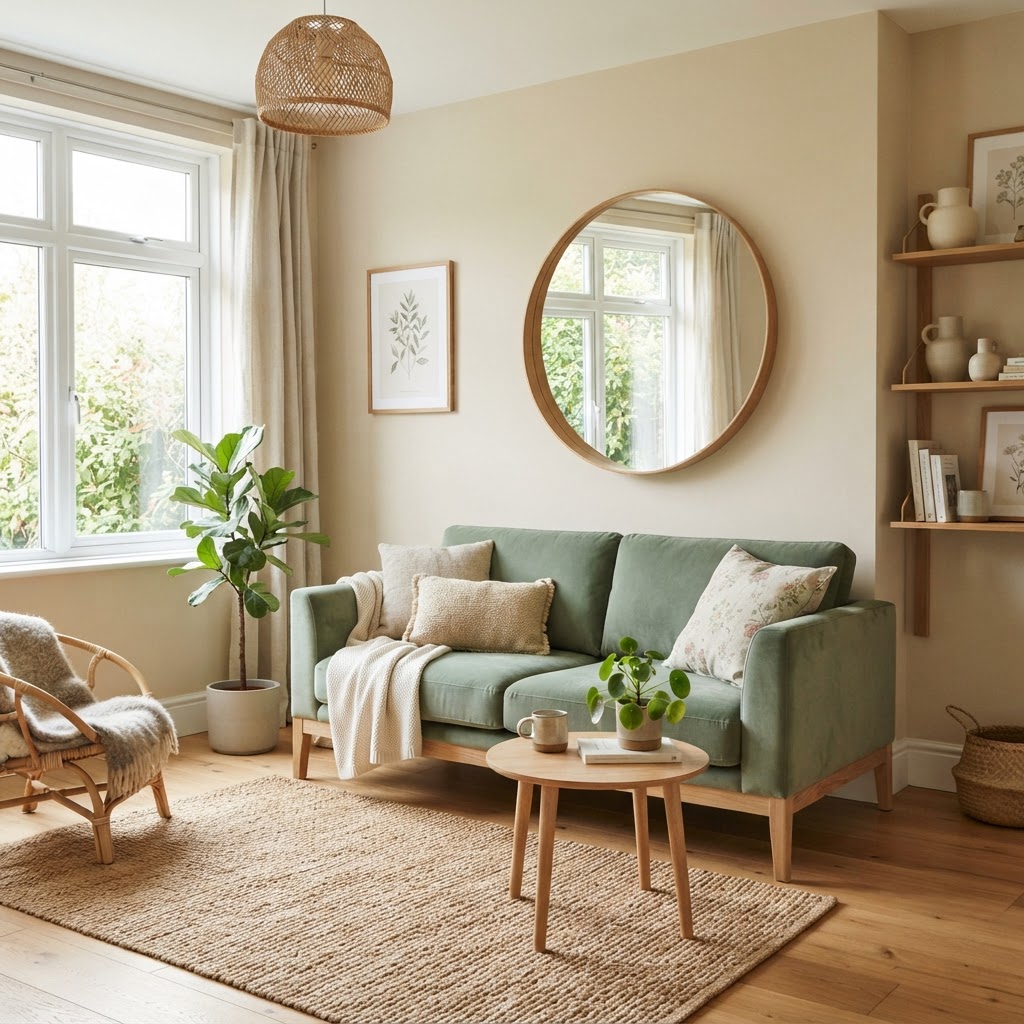
Before you commit to a major change, it is helpful to identify common layout mistakes that make small living rooms feel smaller so you can avoid those pitfalls from the start. The foundation of any successful small room redesign is the floor plan. Before spending a dime, take a critical look at how you use your living room. Often, moving furniture just a few inches away from walls or creating a clear pathway can make a massive difference in perceived size.
Prioritize Flow and Function
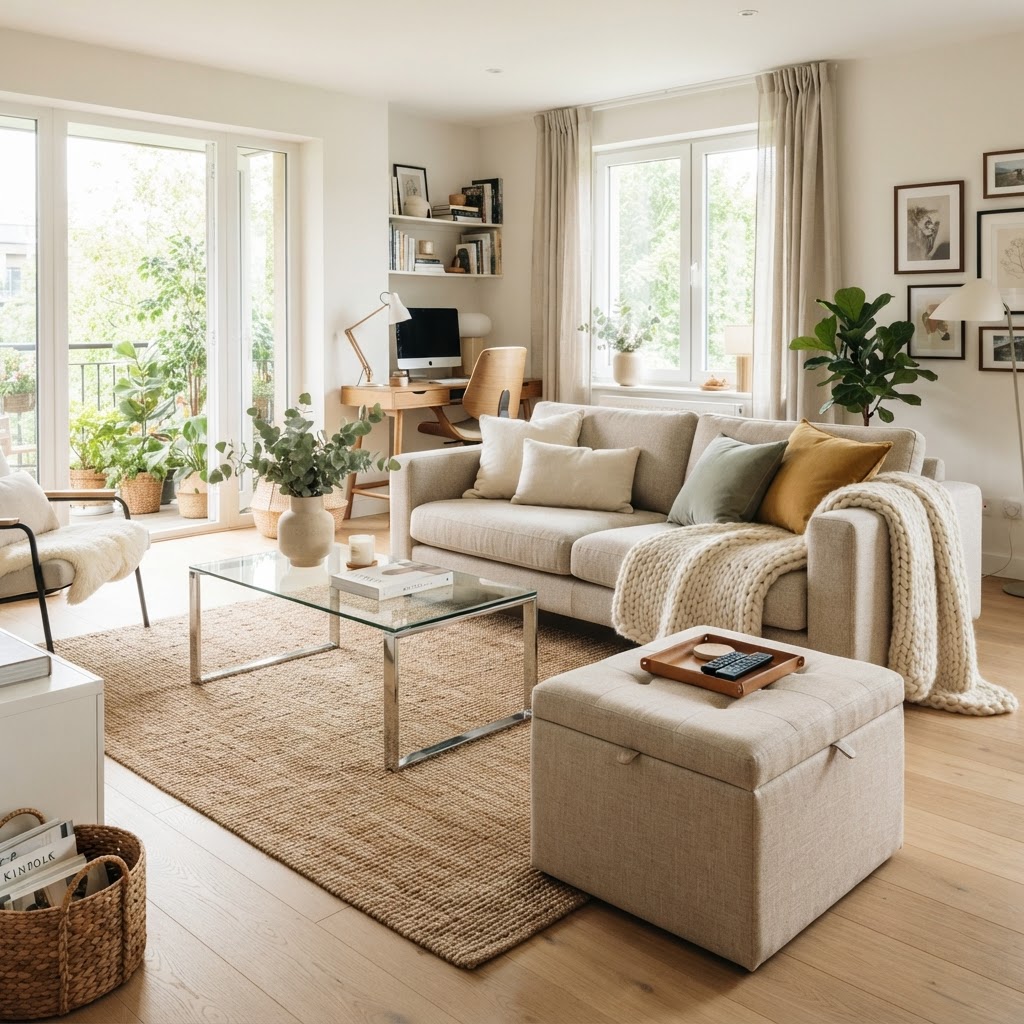
Avoid the common mistake of overcrowding your space with oversized pieces. Instead, opt for multi-functional furniture, such as an ottoman that doubles as storage or a coffee table with a hidden compartment. If you are working with a living room on a budget, consider repurposing items you already own to improve functionality without adding clutter.
Creating Zones
Even in a tiny room, you can create distinct areas. Use a rug to anchor the seating area, separating it from a makeshift workspace or reading nook. Keeping your furniture proportions in check is essential for maintaining a sense of openness.
Embracing Light and Color Schemes
Color is one of the most cost-effective tools in a designer’s arsenal. Light, airy colors are well-known for their ability to make a small space feel larger by reflecting natural light and blurring the lines between walls and floors.
Painting your walls in shades of soft white, pale gray, or light beige is an affordable way to instantly brighten your environment. You can achieve this effect on a weekend with just a few gallons of paint, making it a perfect project for those seeking a budget-friendly home update.
Mirrors as Design Multipliers
Strategically placed mirrors are essential among small living room ideas. By placing a large mirror opposite a window, you can bounce natural light throughout the room and create the illusion of added depth. This simple addition can make your space feel twice as large for very little investment.
Smart Furniture Choices for Tight Spaces
Selecting the right furniture is where many people go wrong. In a small space, you want pieces that lift off the ground on legs, as seeing the floor underneath the furniture tricks the eye into thinking there is more surface area than actually exists.
| Furniture Type | Benefit for Small Spaces |
|---|---|
| Acrylic Chairs | Minimalist look, keeps sightlines open |
| Wall-Mounted Shelving | Saves floor space, adds vertical storage |
| Nested Tables | Compact, flexible for entertaining |
| Sofa Beds | Dual-purpose functionality |
When you are shopping for a living room on a budget, look for “leggy” furniture at thrift stores or discount retailers. Metal legs, in particular, add a modern, sleek touch that prevents the room from feeling heavy or traditional.
Maximizing Vertical Real Estate
When your floor space is limited, look up. Walls are an underutilized resource that can provide ample storage and decorative flair. Installing floor-to-ceiling shelving draws the eye upward, making your ceilings appear higher and the room feel more expansive.
Vertical Styling Tips
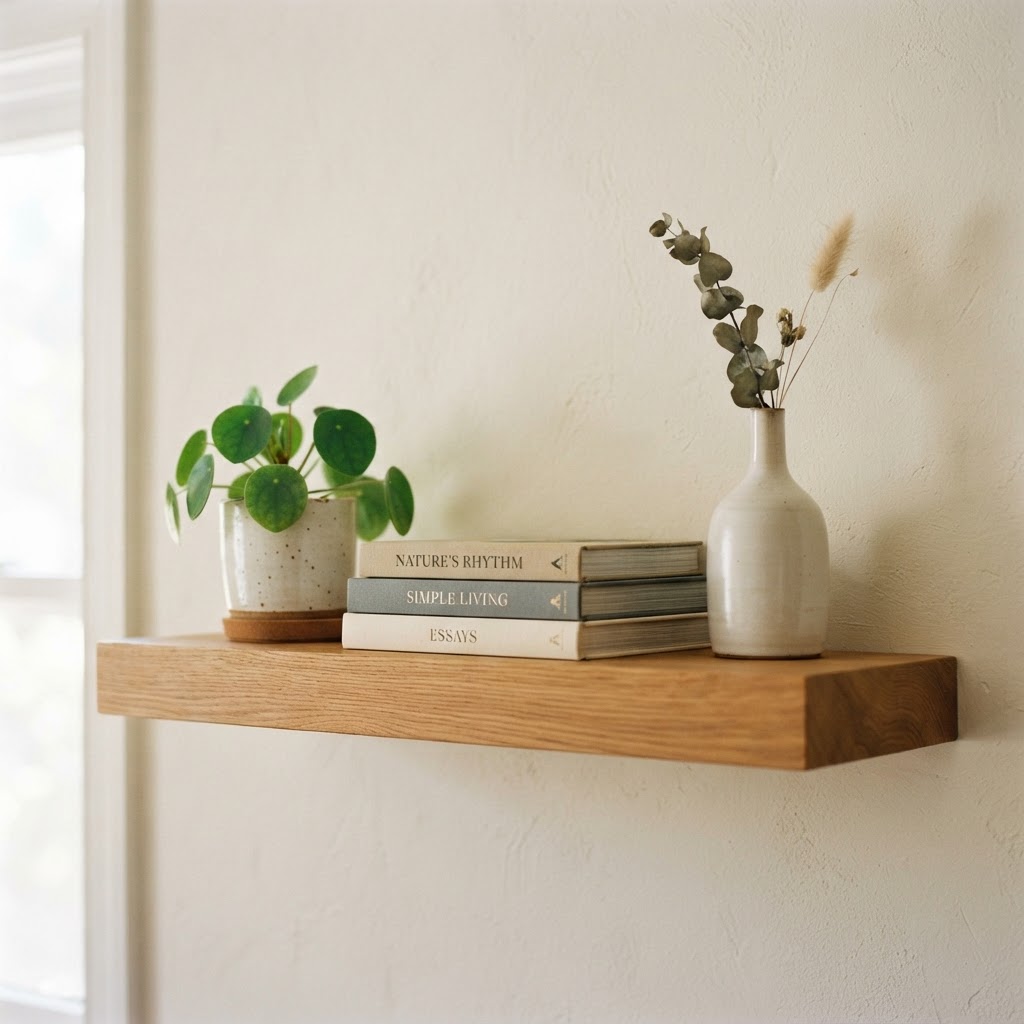
Install floating shelves above your television or behind your sofa to house books, plants, and art. This keeps your surfaces clutter-free while adding personality. Remember, when organizing items on these shelves, follow the rule of three: group objects in odd numbers for a balanced, professional display that doesn’t feel chaotic.
Affordable Decor and Texture Hacks
Decorating on a budget does not mean sacrificing personality. The secret to a sophisticated home lies in textures rather than expensive statement pieces. Mix and match soft elements like velvet pillows, jute rugs, and knit throws to create a cozy atmosphere.
These tactile additions make a room feel lived-in and comfortable. Scour flea markets, estate sales, or online marketplaces for unique accessories. A vintage brass lamp or a hand-woven basket can add more character to a room than brand-new, mass-produced decor ever could.
The Art of Decluttering
Nothing kills the vibe of a small room faster than clutter. Adopting a minimalist mindset is free, but it requires discipline. Evaluate your belongings periodically and donate items that no longer serve a purpose. Clear surfaces allow the room to breathe, which is arguably the most important of all small living room ideas.
Lighting Design for Small Spaces
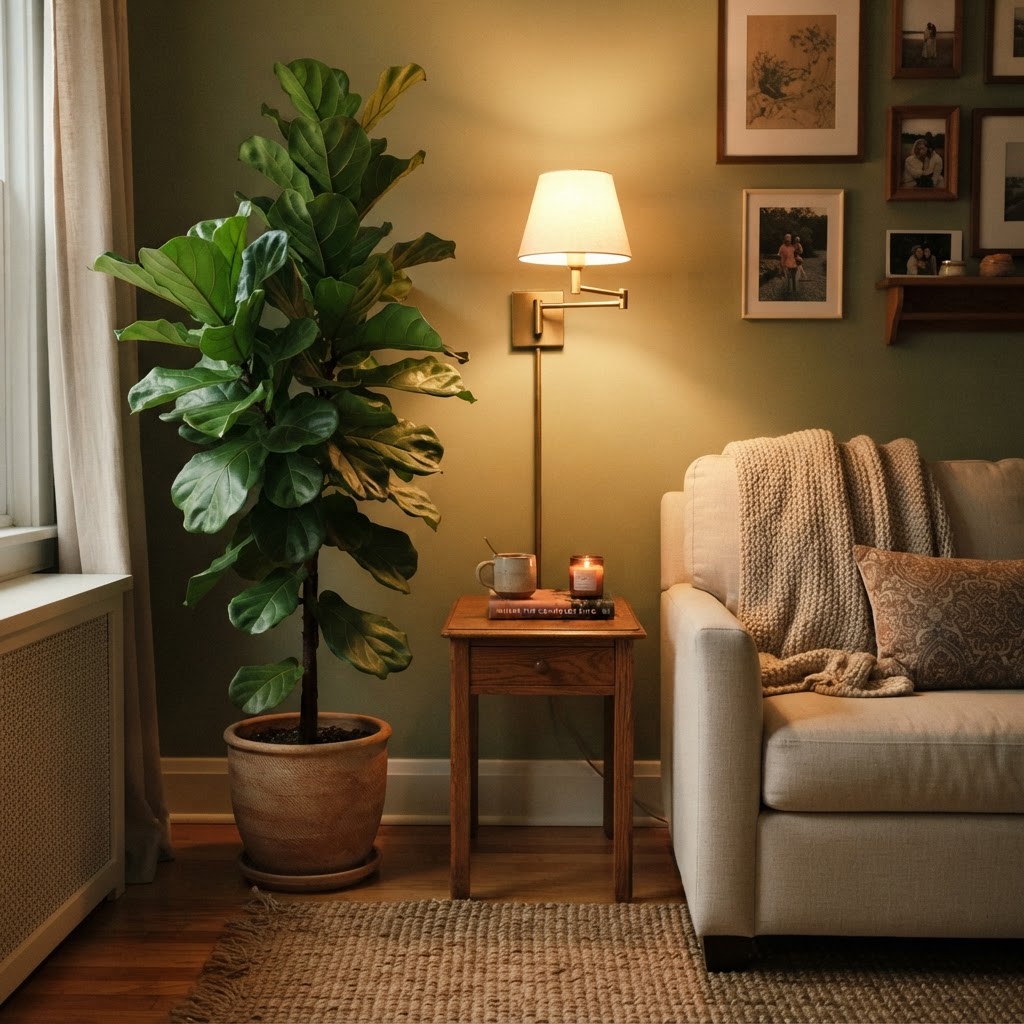
Good lighting is non-negotiable. Relying solely on a central ceiling light often creates harsh shadows that make a room feel smaller. Instead, embrace a layered lighting approach. Combine floor lamps, table lamps, and wall sconces to create pools of light that soften the room’s edges.
If you are on a tight budget, look for plug-in wall sconces, which provide a high-end look without requiring electrical work. Lighting is not just functional; it is a design feature that can dictate the mood of your living area during evening hours, making it feel intimate and well-curated rather than like a cramped studio.
Making Big Impacts with Small Changes
Sometimes, the smallest details provide the most significant visual impact. Consider swapping out basic curtain rods for gold or matte black alternatives, or replacing generic cabinet pulls with something more tactile like leather or polished nickel. These small touches add a layer of refinement that suggests intention and design, distracting the eye from the room’s modest proportions.
Do not underestimate the power of greenery. A single, tall floor plant in a corner can draw attention upward and inject life into an otherwise neutral space. Plants add organic shapes that contrast beautifully with the geometric lines of modern, space-saving furniture.
Conclusion
Designing a beautiful home is not about the size of your space or the depth of your pockets; it is about creativity and intentionality. By implementing these small living room ideas, you can build a home that feels open, functional, and uniquely yours. Whether you start by painting your walls, clearing out the clutter, or investing in one key multi-functional piece of furniture, remember that every small change contributes to a bigger picture.
Start your transformation today by choosing one room section to tackle this weekend. Once you see the impact of these budget-friendly design hacks, you will feel inspired to keep going. Share this guide with a friend who is looking to refresh their space and subscribe to our newsletter for more interior design tips and tricks!

Leave a Reply