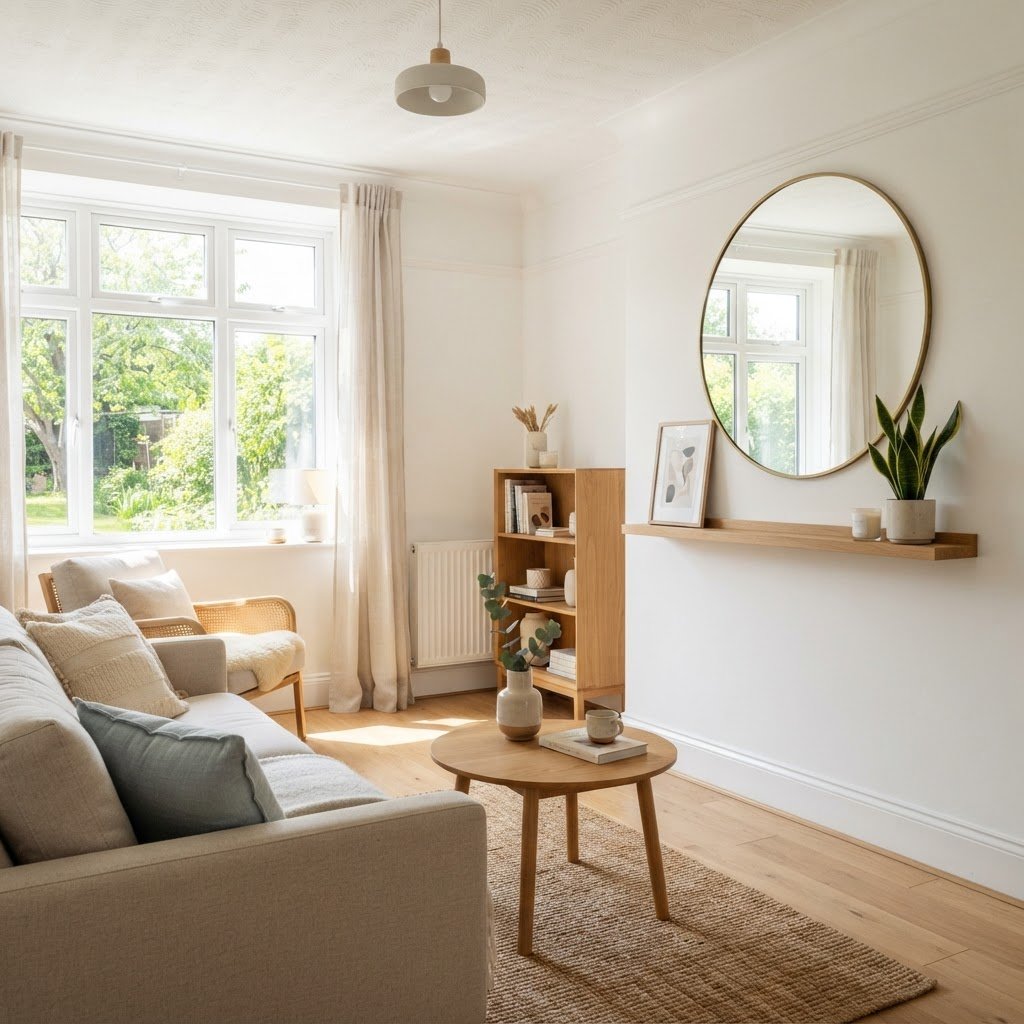
Living in a compact apartment or a cozy house shouldn’t mean sacrificing style or comfort. If you are struggling with a cramped floor plan, implementing the right small living room ideas can completely transform your space and trick the eye into perceiving a much larger square footage. By mastering the balance of light, furniture scale, and decor, you can turn any tiny room into a breezy, open sanctuary.
The Power of Strategic Furniture Placement
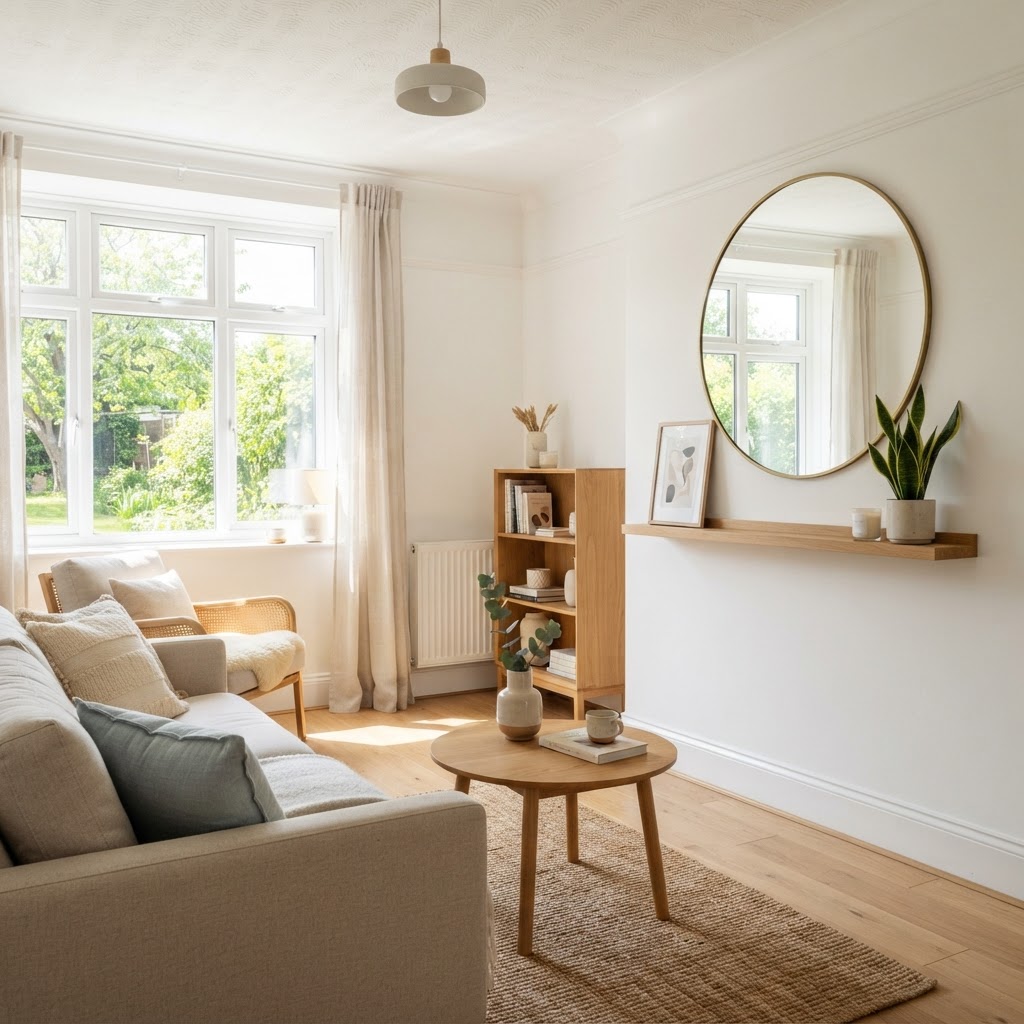
The biggest mistake people make in tight quarters is pushing all their furniture against the walls. Many believe this creates more floor space, but it actually highlights the boundaries of the room, making it feel boxy. Instead, try floating your furniture slightly away from the walls or pulling your sofa toward the center of the rug to create a cozy conversational cluster. To further refine your layout, you might want to explore some clever small living room hacks that designers use to create a more functional and stylish environment.
Choosing Multi-Functional Furniture
When every square inch counts, your furniture needs to work twice as hard. Look for ottomans with hidden storage, nesting coffee tables, or sleek consoles that serve as desks. By choosing pieces that serve dual purposes, you significantly reduce visual clutter, which is the fastest way to make a room feel closed in.
Why Scale Matters
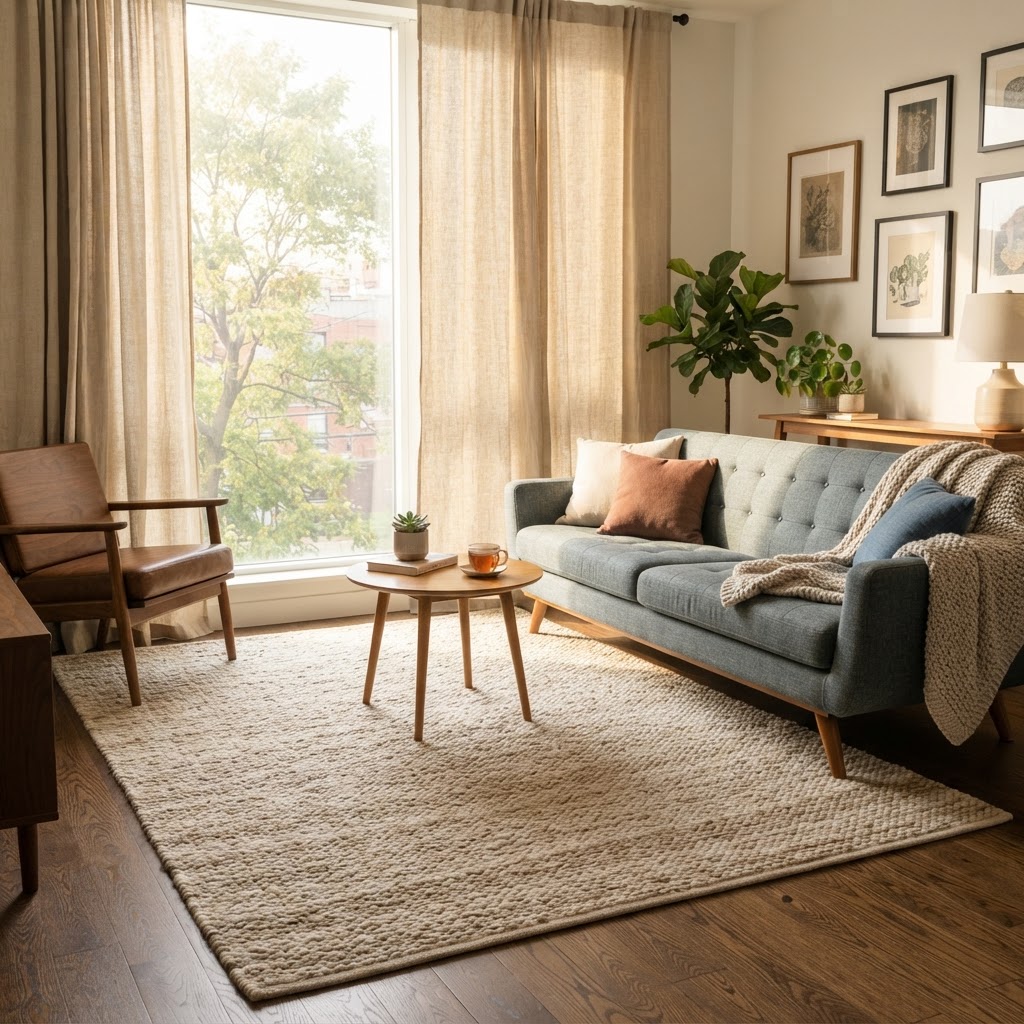
Avoid buying oversized, bulky sectionals that dominate the entire room. Instead, opt for pieces with exposed legs, such as mid-century modern sofas or armchairs. When you can see the floor underneath your furniture, the eye perceives more open space, creating an instant feeling of lightness and volume.
Using Color to Expand Your Horizons
Color is a powerful tool in interior design, especially when it comes to manipulating how we perceive dimensions. While bright white walls are the classic choice for “opening up” a room, you do not have to stick to a sterile palette. Soft neutrals like greige, off-white, or even light pastels provide a sense of depth without the harshness of a stark clinical room.
Painting the Ceiling and Trim
One of the most effective small living room ideas involves painting your ceiling a slightly lighter shade than your walls, or even pure white. This draws the eye upward and creates the illusion of higher ceilings. Similarly, painting your baseboards and window frames the same color as the walls blurs the lines of the room, making the edges disappear into the background.
Reflecting Light with Mirrors
Mirrors are the oldest trick in the book, but they remain the most effective for a reason. By placing a large floor mirror or a wall-mounted piece opposite a window, you effectively double the amount of natural light flooding into the space. This reflection creates the illusion of a secondary “window” or “depth,” making the room feel significantly deeper than it actually is.
Best Mirror Placements
For the best results, consider a gallery wall made of antique mirrors, or one oversized, leaning mirror. The key is to ensure the mirror reflects something attractive, like a piece of art or an indoor plant, rather than just a blank hallway. This adds texture and visual interest while maintaining an airy atmosphere.
Maximizing Vertical Space
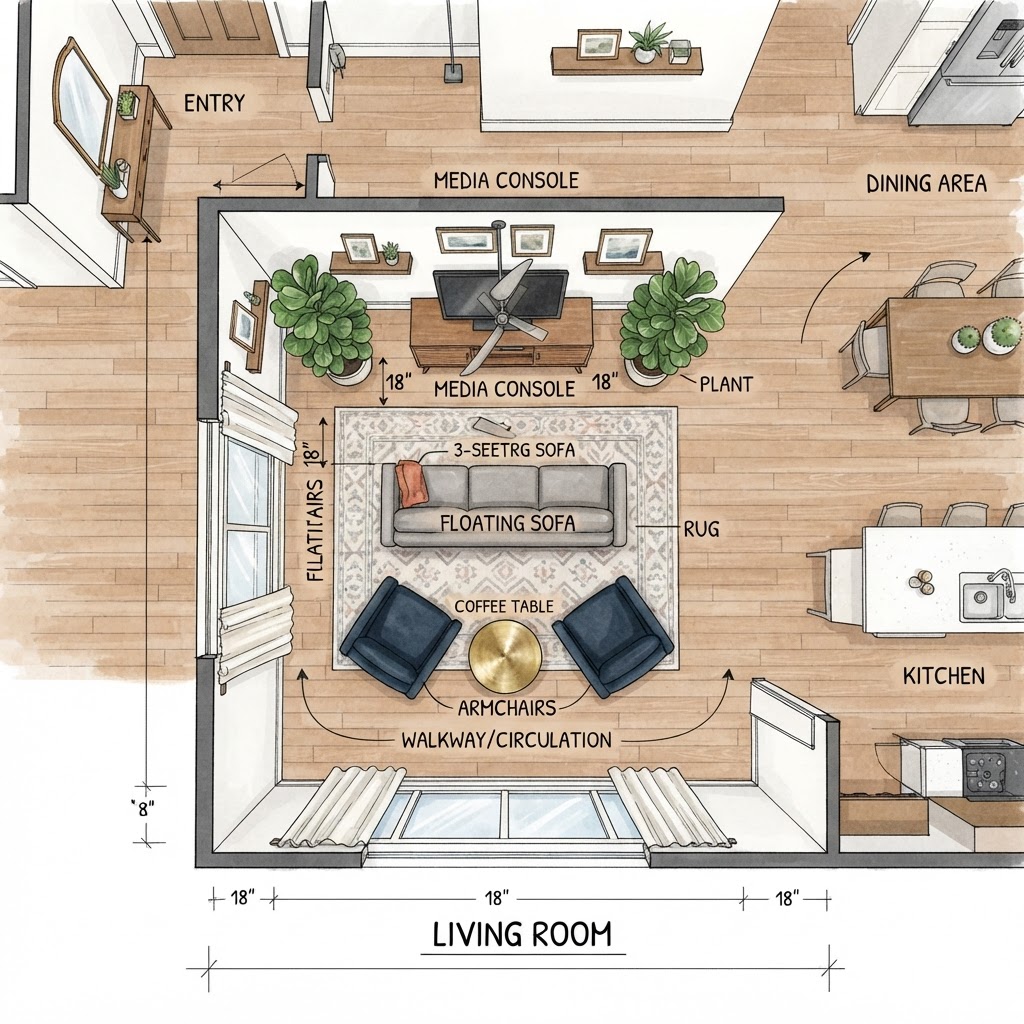
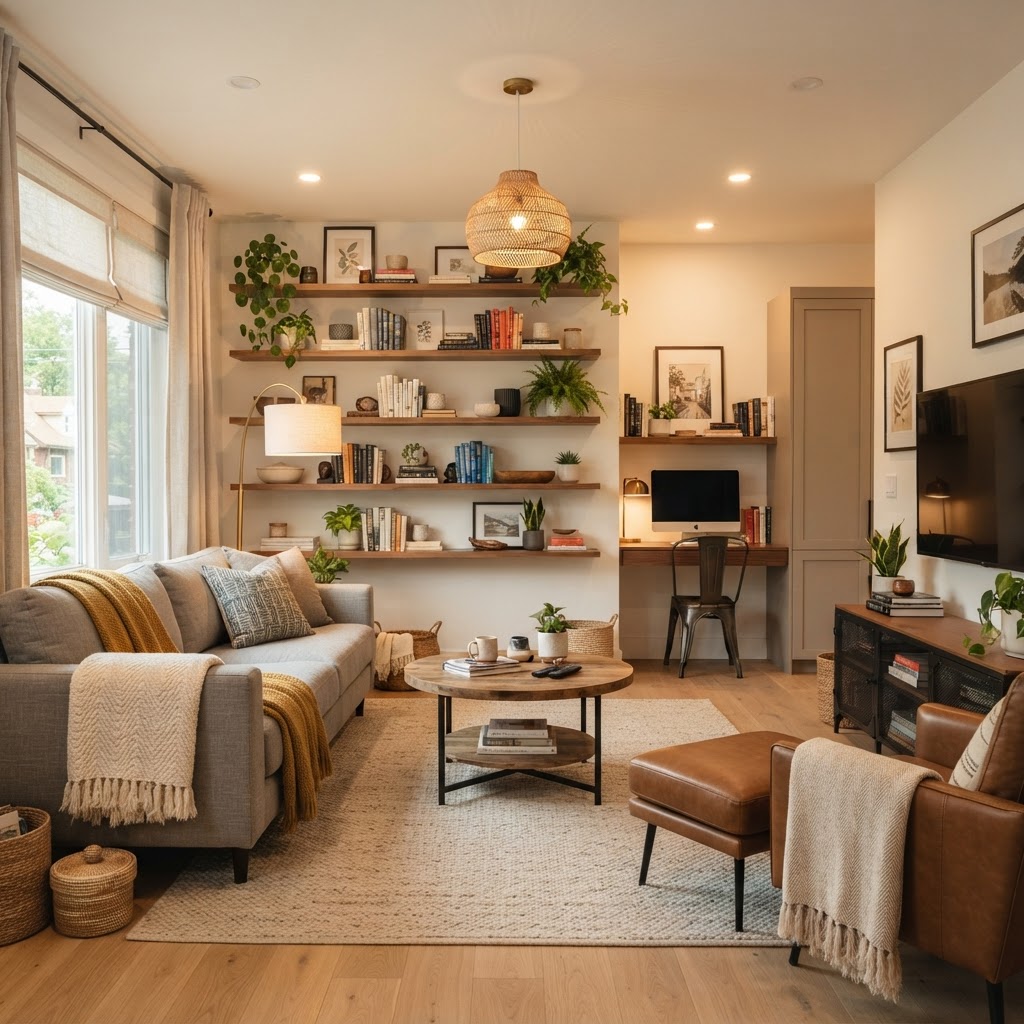
When floor space is limited, look up. Utilizing your walls effectively is crucial when considering how to make a room look bigger. Install floor-to-ceiling bookshelves or floating shelves to draw the gaze toward the ceiling. This vertical orientation makes the room feel taller and more grand.
The Rule of Verticality
By placing tall items in the corners of your room, you emphasize the height of your home rather than its limited width. Pair your floor-to-ceiling shelves with long, floor-length curtains hung as high as possible near the ceiling line, rather than just above the window frame. This simple adjustment forces the eye to scan the full height of the wall.
Strategic Lighting Solutions
Bad lighting is a major contributor to a room feeling small and dingy. Relying solely on one overhead light source creates harsh shadows in corners, which shrinks the perceived size of the room. Instead, layer your lighting using floor lamps, table lamps, and wall sconces to ensure every corner is illuminated.
The Importance of Task Lighting
Distributing light sources at different heights throughout the room creates a sense of depth. Place a task lamp by your reading nook, a floor lamp behind your sofa, and accent lighting on a bookshelf. This layered approach eliminates dark pockets and makes the overall living area feel more expansive and welcoming to guests.
Decluttering as a Design Principle
There is no way around it: clutter kills the sense of space. Minimalist living room design isn’t just a trend; it is a functional necessity for smaller homes. By editing down your belongings and keeping surfaces clear, you create “negative space.” This negative space allows the eye to rest and prevents the feeling of being overwhelmed in a small room.
The “One-In, One-Out” Rule
To maintain an open feel, commit to the one-in, one-out rule. Every time you purchase a new decorative item, an old one must be donated or moved. This constant curation ensures that your living room remains a place of relaxation rather than a repository for stuff that makes the room feel confined.
Incorporating Optical Illusions
Sometimes, you need to use a bit of visual trickery to improve the flow of a small home. Using rugs, for instance, can help delineate zones. A large area rug that covers most of the floor actually makes a room look larger than several small rugs scattered everywhere. Small rugs chop up the floor visually, while one large rug creates a unified, seamless foundation.
Key Tricks for Better Flow:
- Use furniture with glass or acrylic tops to maintain visual transparency.
- Incorporate monochromatic color schemes to reduce visual interruption.
- Use transparent “ghost” chairs to save visual space while providing seating.
- Keep the pathways between furniture pieces wide enough to ensure easy movement.
Conclusion
Implementing these small living room ideas is about more than just aesthetics; it is about creating a space where you feel comfortable, relaxed, and at ease. Whether you choose to swap out your heavy drapes for light-filtering shades, introduce a strategically placed mirror, or clear the floor clutter, every small change contributes to a bigger result. Start by choosing two or three of these tips to implement this weekend and watch how your living room begins to breathe again.
If you found these tips helpful, share this post with a friend who is currently decorating their own small space! Have a favorite trick that we missed? Let us know in the comments below, and don’t forget to sign up for our newsletter for more interior design inspiration delivered directly to your inbox.

Leave a Reply