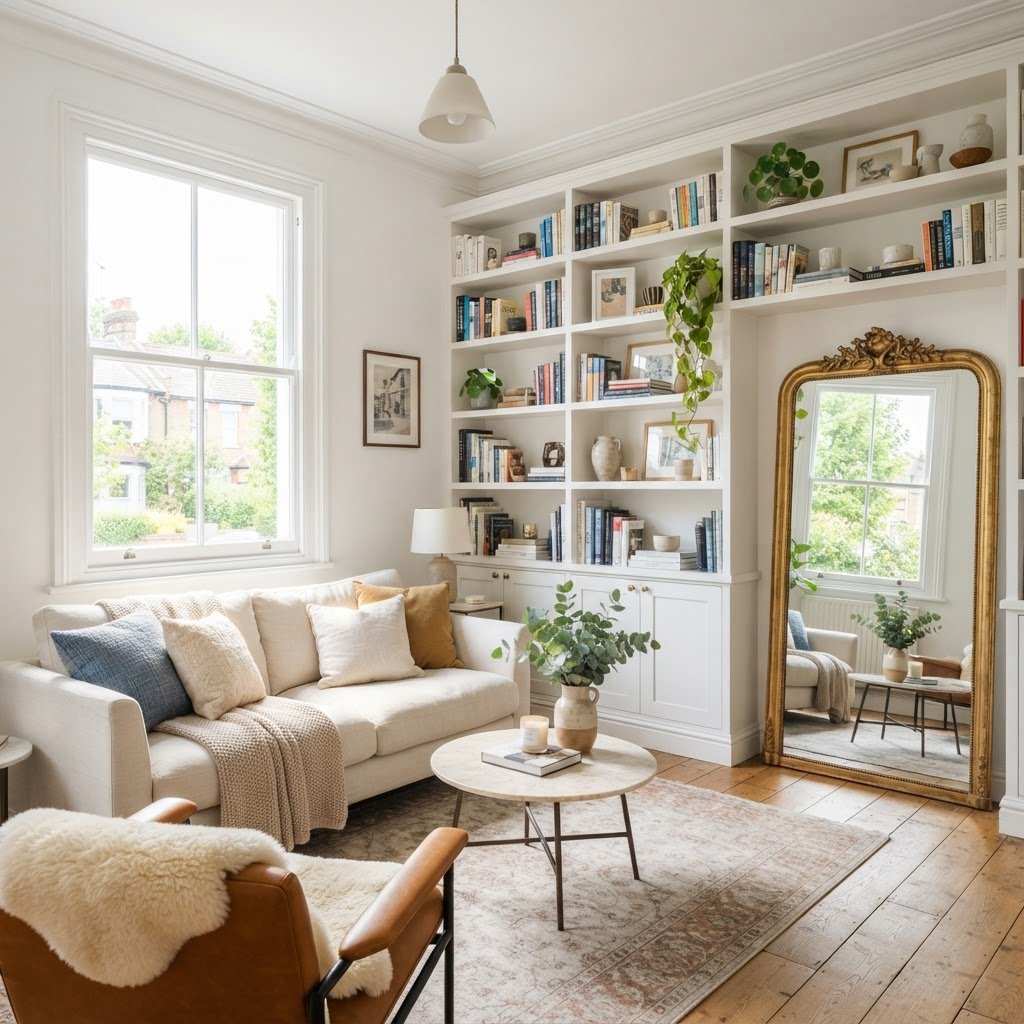
Living in a compact home often feels like a puzzle, but with the right clever small living room hacks, you can turn your cozy quarters into a highly functional masterpiece. Designers have a unique ability to see potential in square footage that most homeowners ignore, using optical illusions and strategic furniture placement to make rooms feel twice their size. Whether you are living in a studio apartment or a modest house, these professional secrets will help you reclaim your space and create an environment that feels open, airy, and intentional. The secret is rarely about removing everything you love, but rather about choosing pieces that work harder for you.
The Psychology of Vertical Space
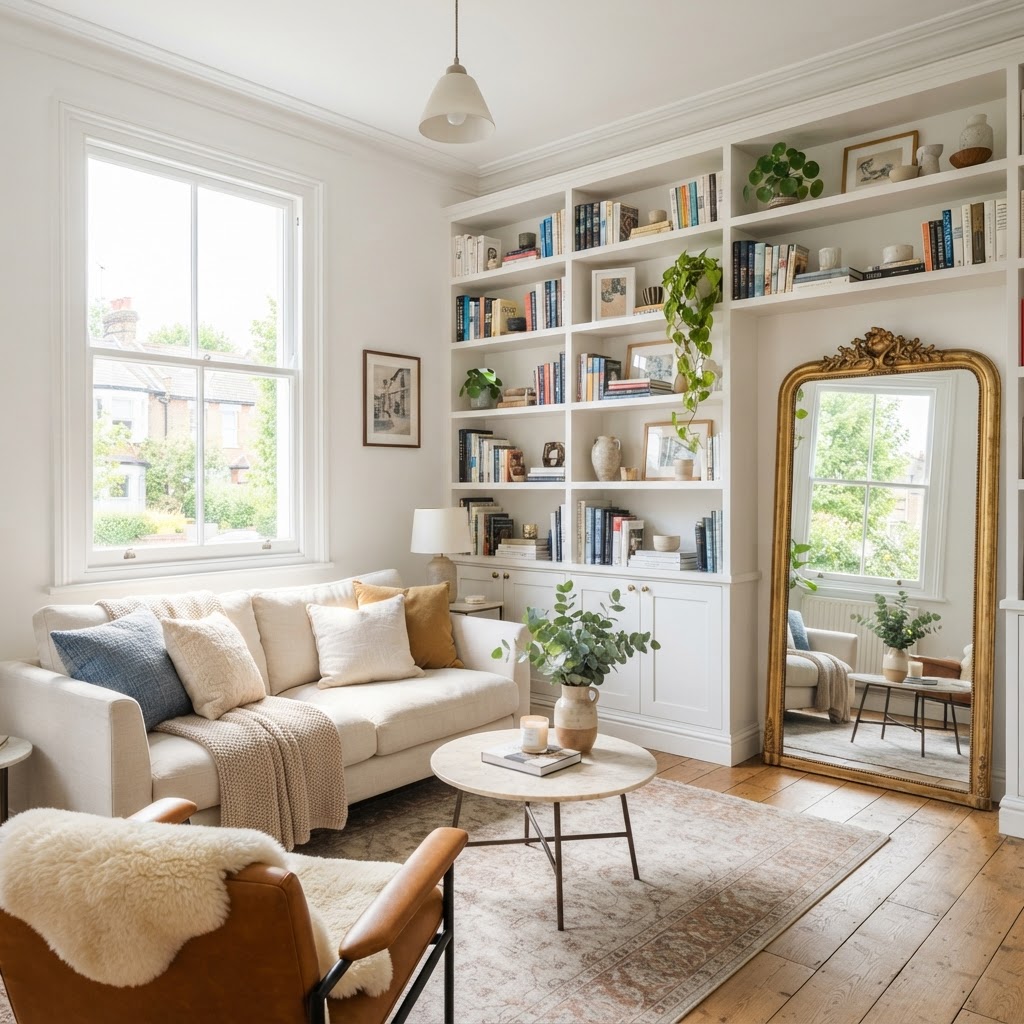
One of the most effective small living room hacks is shifting your focus from the floor to the walls. In tight spaces, floor real estate is precious, so we must stop treating walls as mere boundaries and start using them as opportunities for storage and visual height. When you install floor-to-ceiling bookshelves or floating wall units, you draw the eye upward, which naturally makes a room feel taller and more expansive. This vertical movement creates a sense of grandeur, even in a room with a low ceiling.
Why Height Matters for Small Rooms
Visual clutter often accumulates at eye level, which makes a room feel compressed. By moving your books, decorative objects, and even lighting onto vertical surfaces, you liberate the floor. This provides a clearer line of sight across the room. Clear lines of sight are essential because they trick the human brain into perceiving a larger expanse of floor space than actually exists.
Tips for Installing Vertical Storage
Always anchor tall shelving units to the wall to ensure safety. Use light-colored shelving to blend into the wall, or paint them the same color as the walls to achieve a seamless, built-in look. This prevents the units from looking like heavy, intrusive blocks that define the limits of the room.
Choosing Furniture with a Purpose
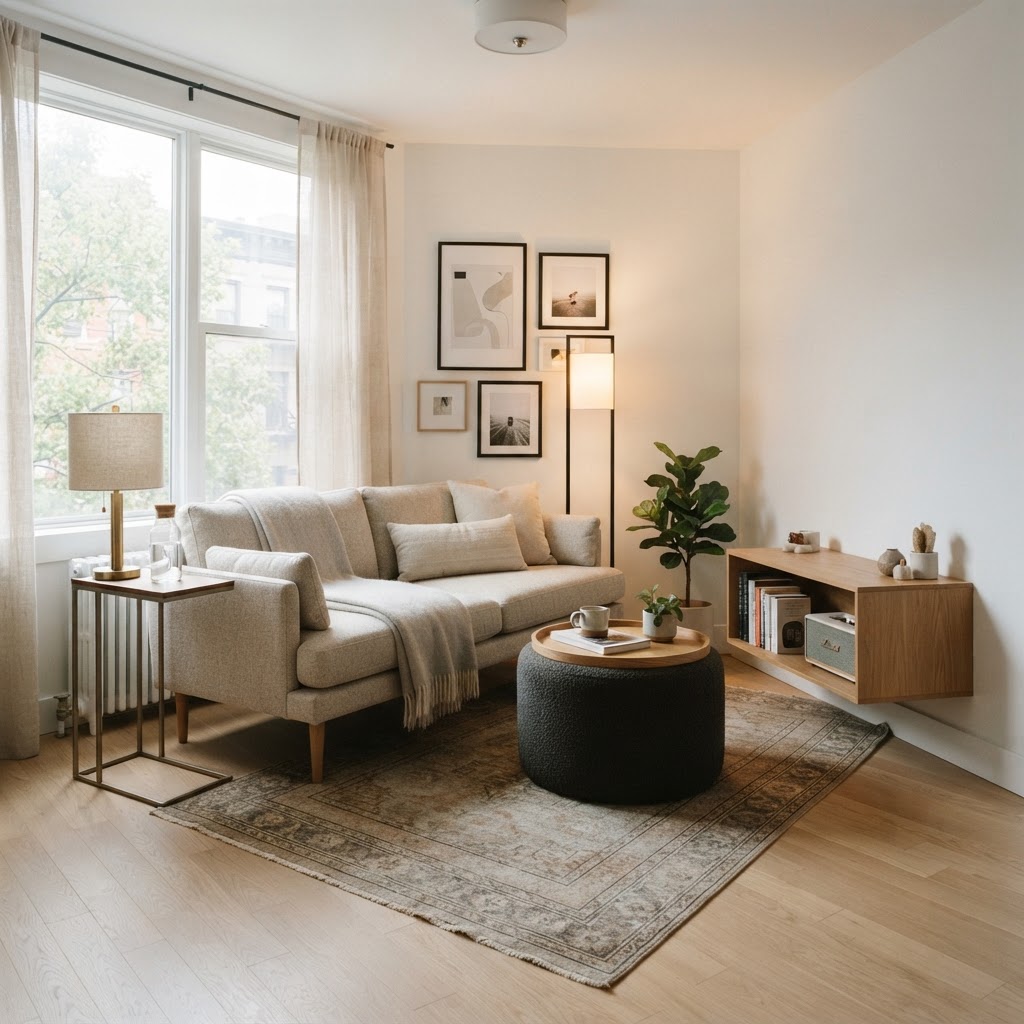
When you are working with limited square footage, every piece of furniture must earn its keep. Designers favor multi-functional items that provide hidden storage or serve dual purposes. If you are struggling to keep your space tidy, consider implementing some clever living room storage ideas for small apartments to help maintain a clutter-free environment. For instance, an ottoman with a removable lid can store blankets, games, or remote controls, effectively doubling as a coffee table and a storage trunk. Choosing furniture with exposed legs, such as a mid-century modern sofa, is another essential tactic. When you can see the floor beneath a piece of furniture, the room feels lighter and less crowded compared to pieces that sit flush against the ground.
Mastering the Art of Lighting
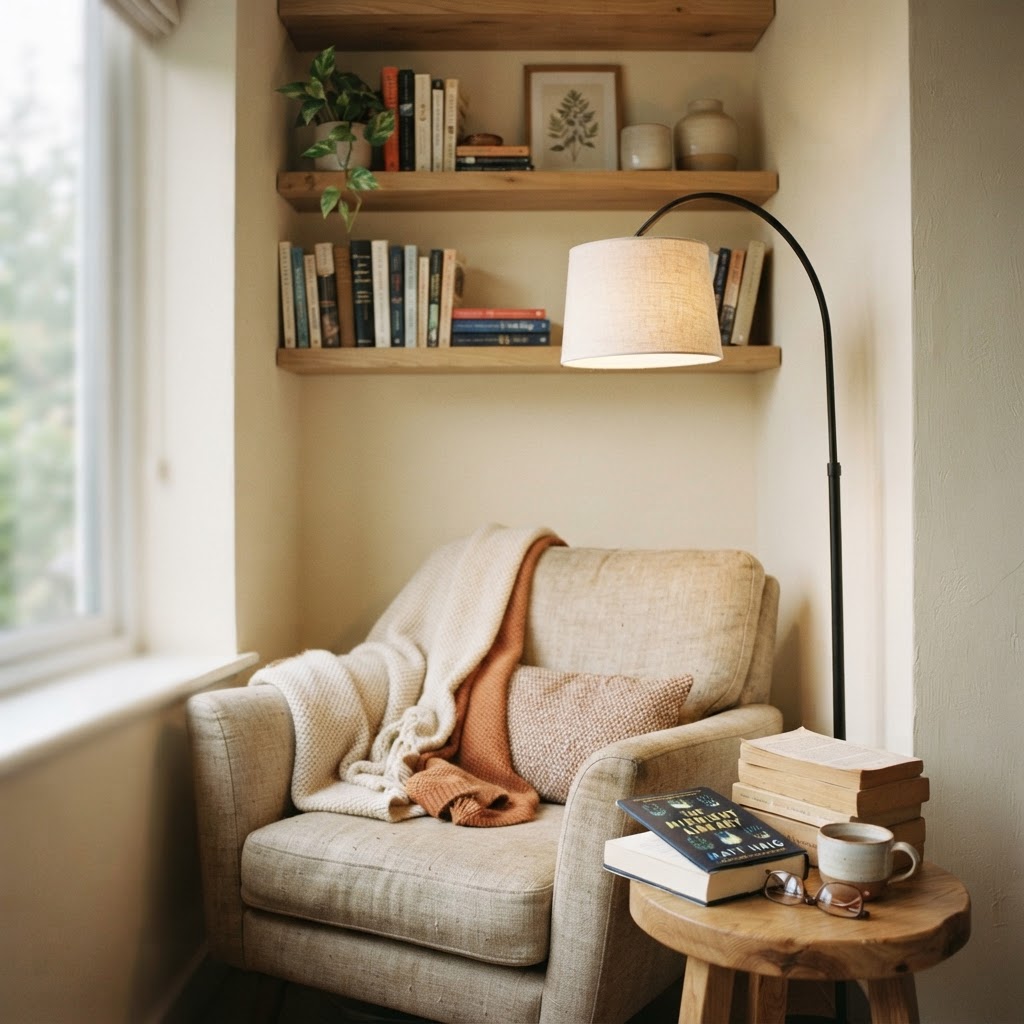
Lighting is perhaps the most underrated aspect of design in compact areas. Relying on a single overhead light source usually creates deep shadows in the corners, which makes a room feel much smaller and more cavernous than it is. Instead, designers use a layered lighting approach. Combine floor lamps, table lamps, and wall-mounted sconces to illuminate the entire perimeter of the room. By brightening the corners, you push the walls out visually and create a warmer, more inviting atmosphere. Dimmer switches are also your best friend here; they provide control over the mood and help you transform a space from a bright workspace into a cozy lounge area at night.
The Power of Reflective Surfaces
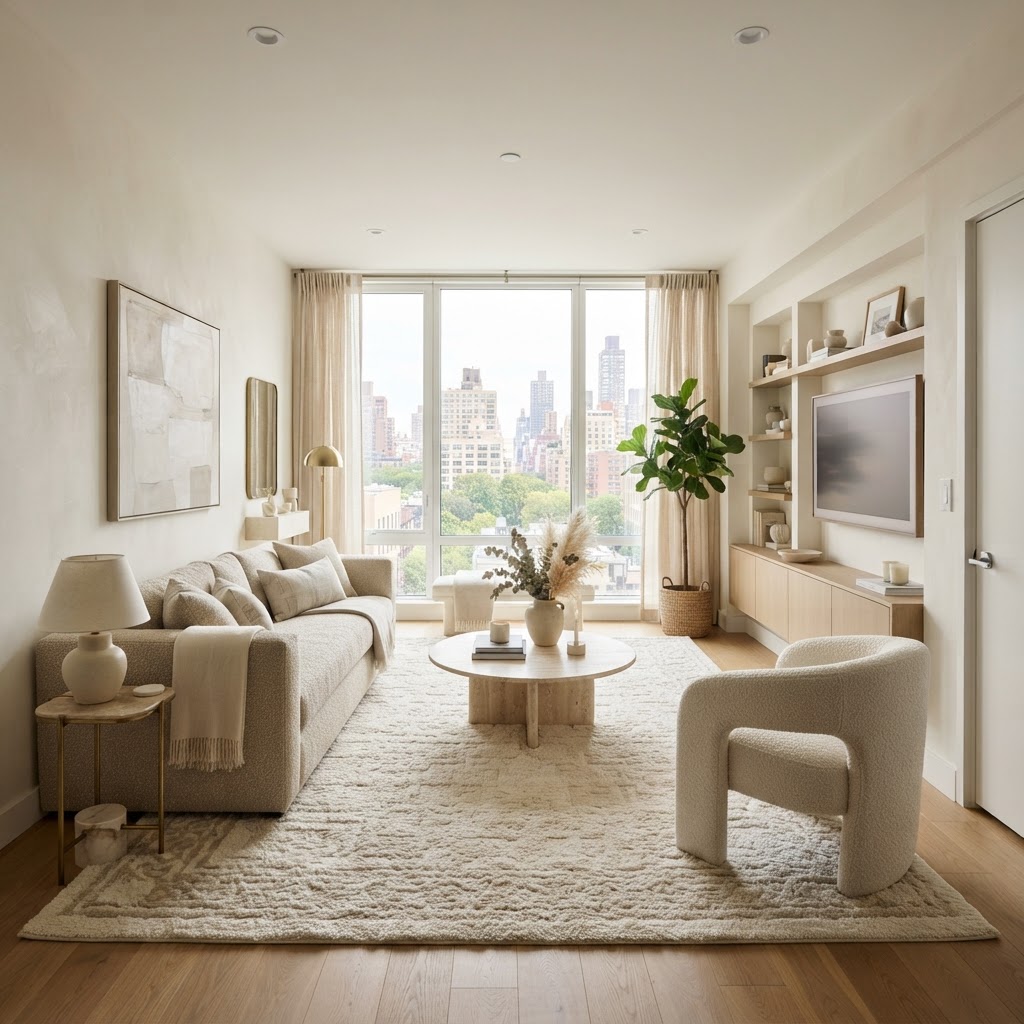
Mirrors are the oldest trick in the designer’s playbook, but they are often used incorrectly. To get the most out of this small living room hack, place a large mirror directly opposite a window. This bounces natural light deep into the room and creates the illusion of an additional window. This simple adjustment can completely change the energy of a dark, cramped room. You do not need to stick to traditional wall mirrors either. Consider mirrored side tables, glass-topped coffee tables, or metallic accents that catch and reflect light, adding depth without taking up extra physical space.
Rethinking Your Layout and Traffic Flow
Often, the biggest mistake people make in small rooms is pushing all their furniture against the walls in a bid to create a “big open center.” While this might seem logical, it often makes the room feel like a waiting room and doesn’t actually add much functionality. Designers often pull furniture slightly away from the walls to create a more intimate grouping that encourages conversation. Even a few inches of “breathing room” between the furniture and the wall can make a space feel more sophisticated. Focus on creating clear paths for movement; if you have to weave through an obstacle course to get to the window, the room is not laid out correctly.
Utilizing ‘Dead’ Zones
Every home has corners or alcoves that seem useless, but these are actually the best spots for custom storage solutions. A neglected corner can be transformed into a reading nook with a slim armchair and a tall, slender floor lamp. An alcove can house custom-built shelves or a compact desk. Identifying these dead zones is a critical step in maximizing your living room functionality. Don’t let awkward architecture dictate your style; instead, embrace it as a niche that provides a special function within your primary living area.
Choosing a Cohesive Color Palette
Monochromatic or tone-on-tone color schemes are powerful tools for small spaces. When your walls, trim, and curtains are shades of the same color, the eye doesn’t have to pause at every boundary, which makes the space feel fluid and expansive. You can still incorporate texture and patterns to avoid a boring aesthetic. Use a tactile mix of linens, velvets, and wools in similar hues to add depth. A neutral base allows you to swap out smaller accent pieces—like throw pillows or art—without ever making the room feel cluttered or chaotic.
Strategic Use of Rugs
People often choose a rug that is too small for their living room, which is a common mistake that breaks up the floor and highlights the lack of space. A large area rug that anchors all your furniture will actually make the room look larger. When the front legs of your sofa and chairs are sitting on the rug, it visually unifies the pieces into one cohesive “zone.” Aim for a rug that fits most of your seating area; it will provide a luxurious feel and prevent the room from feeling disjointed.
Maintenance and Decluttering Habits
No design hack can overcome excessive clutter. In a small space, you need a ‘one in, one out’ policy. Every time you bring a new decorative item home, evaluate if something else needs to be donated or stored away. Designers prioritize curated collections over crowded surfaces. Keep your tabletops clean and your shelves organized to maintain that professional, airy vibe that makes a small room feel like a sanctuary.
Conclusion
Transforming your living space doesn’t require a renovation or a massive budget. By implementing these clever small living room hacks, you can elevate your environment, making it feel more open, stylish, and functional. Focus on verticality, light reflection, and choosing high-quality, multi-functional furniture. Remember, the best design is one that supports your daily lifestyle while bringing you joy. Start small—try rearranging your furniture or adding a mirror today—and watch your room evolve. If you found these tips helpful, subscribe to our newsletter for more interior design secrets delivered straight to your inbox!

Leave a Reply