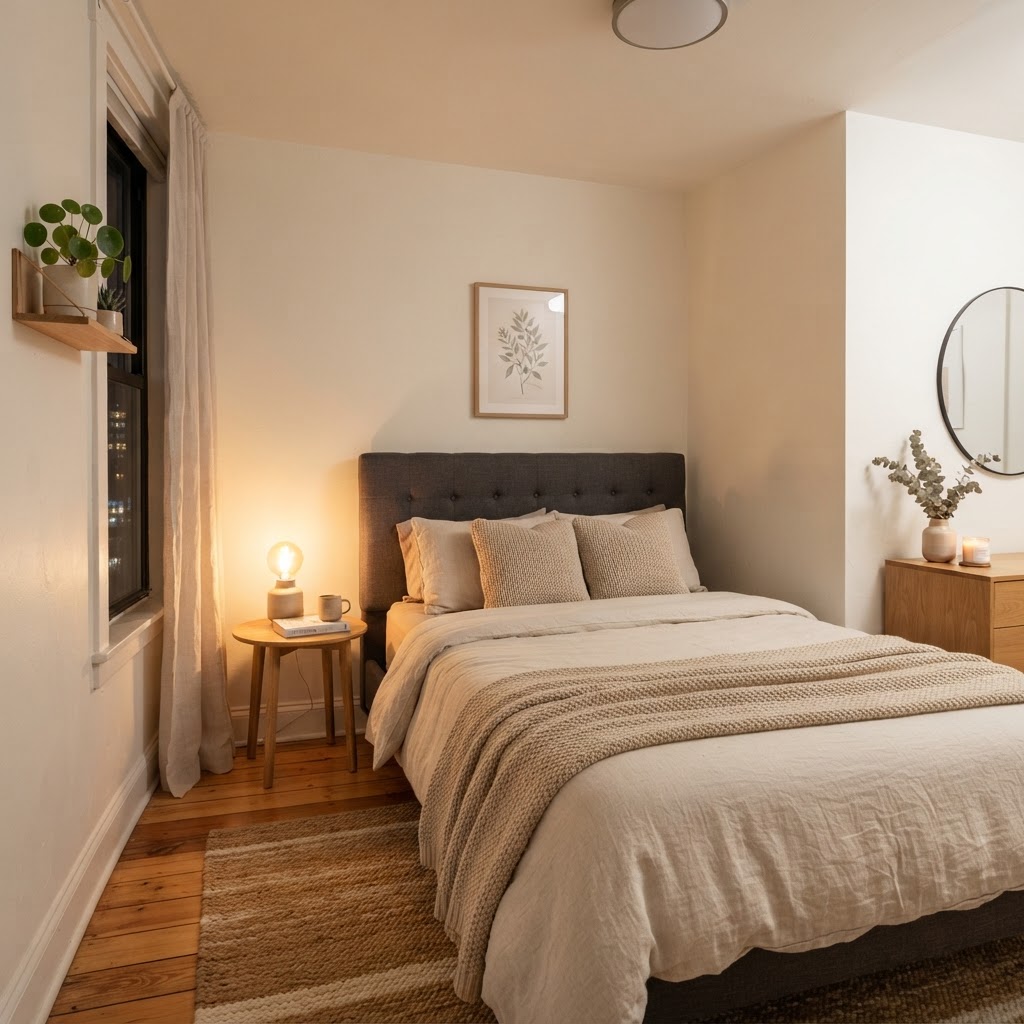
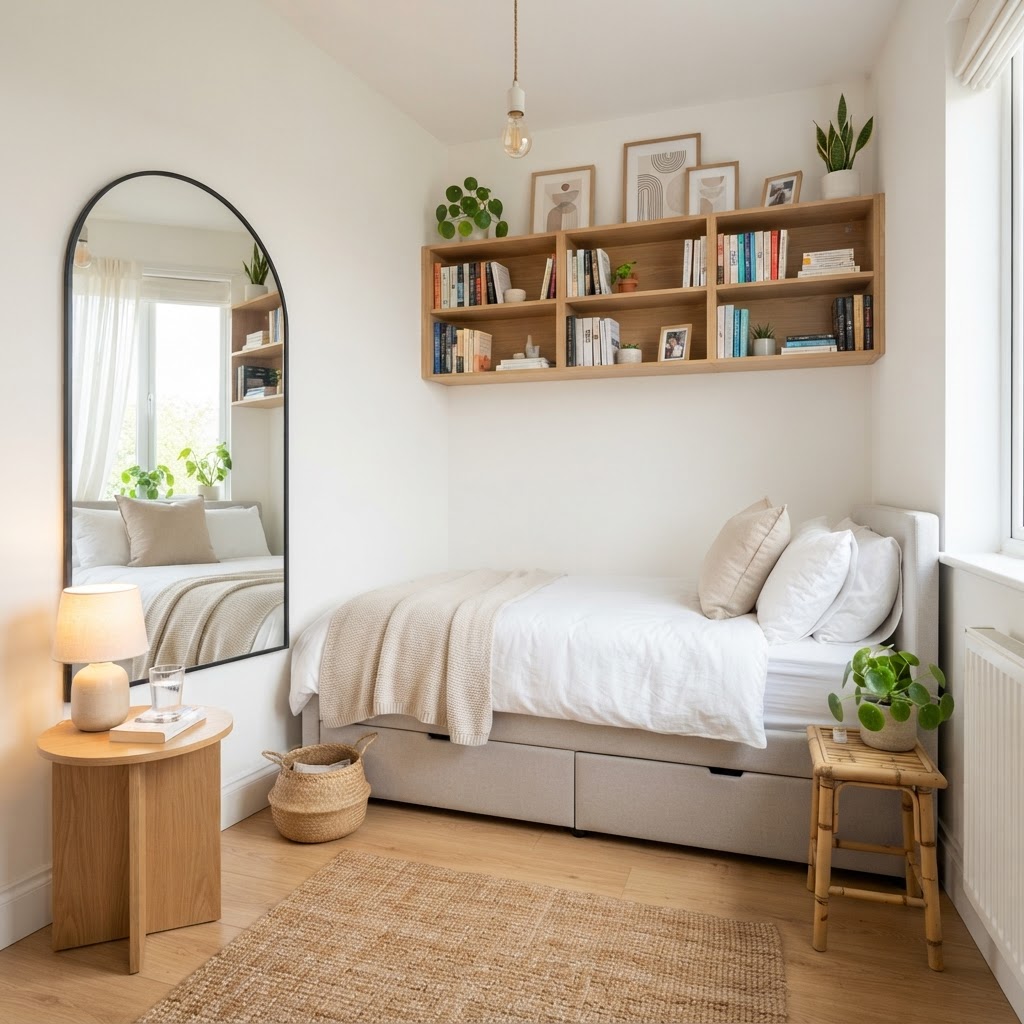
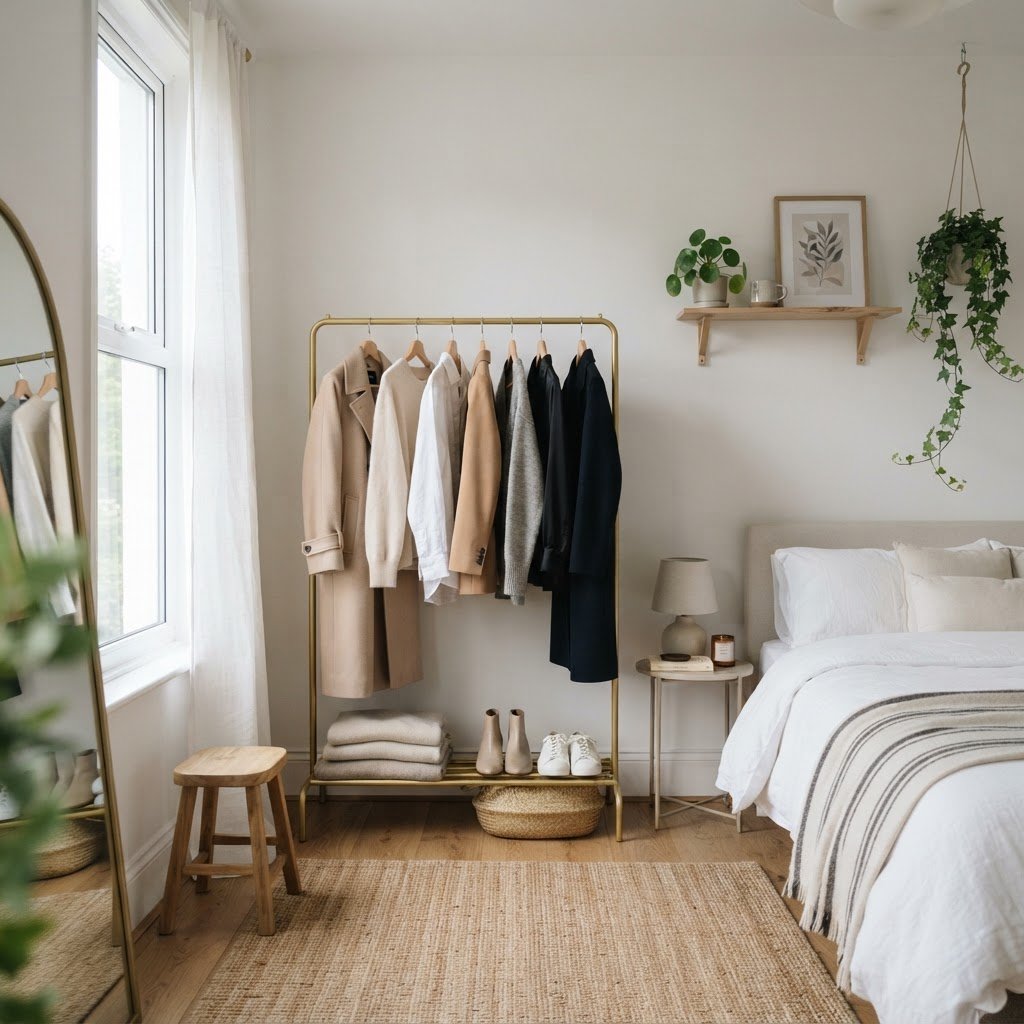
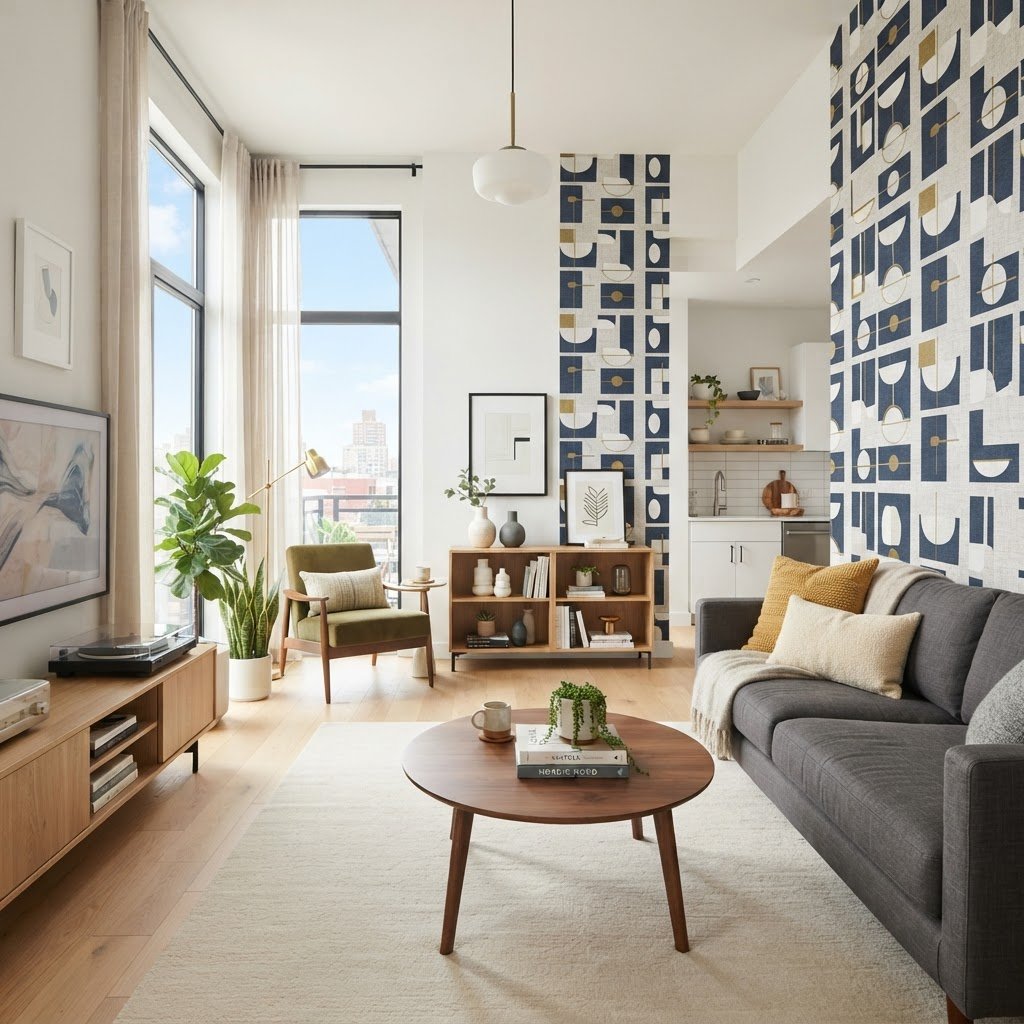
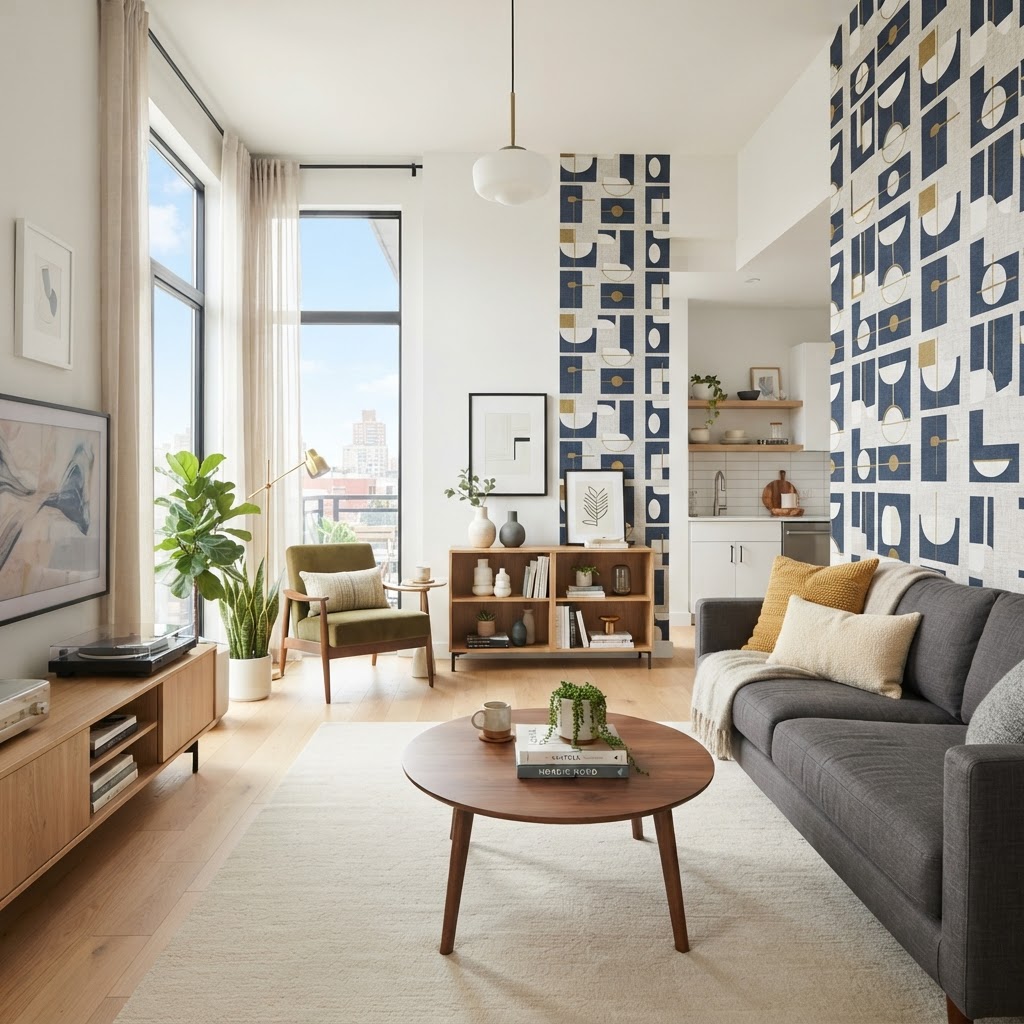
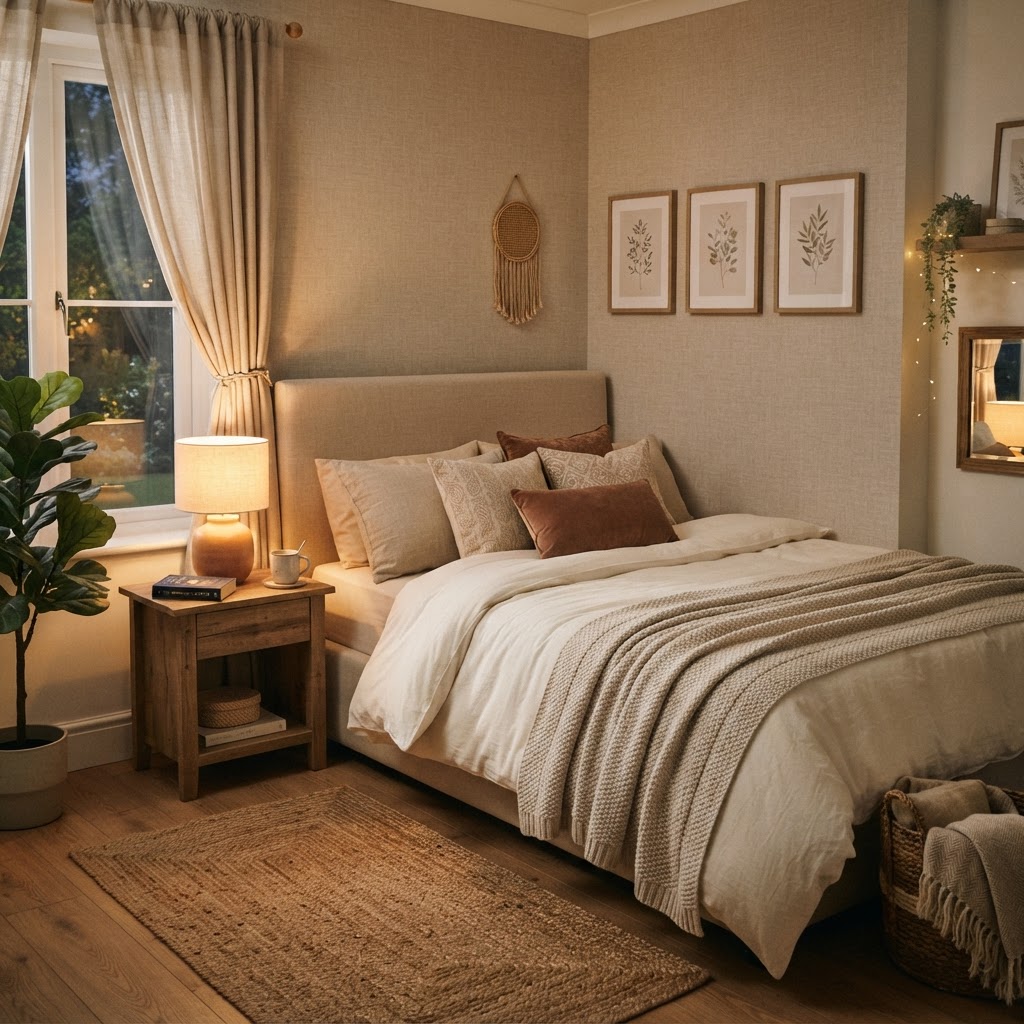
Living in a city apartment often means compromising on square footage, especially when it comes to your sleeping quarters. Many people struggle with finding the right bedroom layout when working with a tiny footprint. However, a small bedroom doesn’t have to feel cramped or cluttered. With the right design ideas and intentional planning, you can create a sanctuary that feels both open and inviting. It is all about prioritizing functionality and maximizing every inch of available floor space.
Rethinking Your Bedroom Layout Strategies
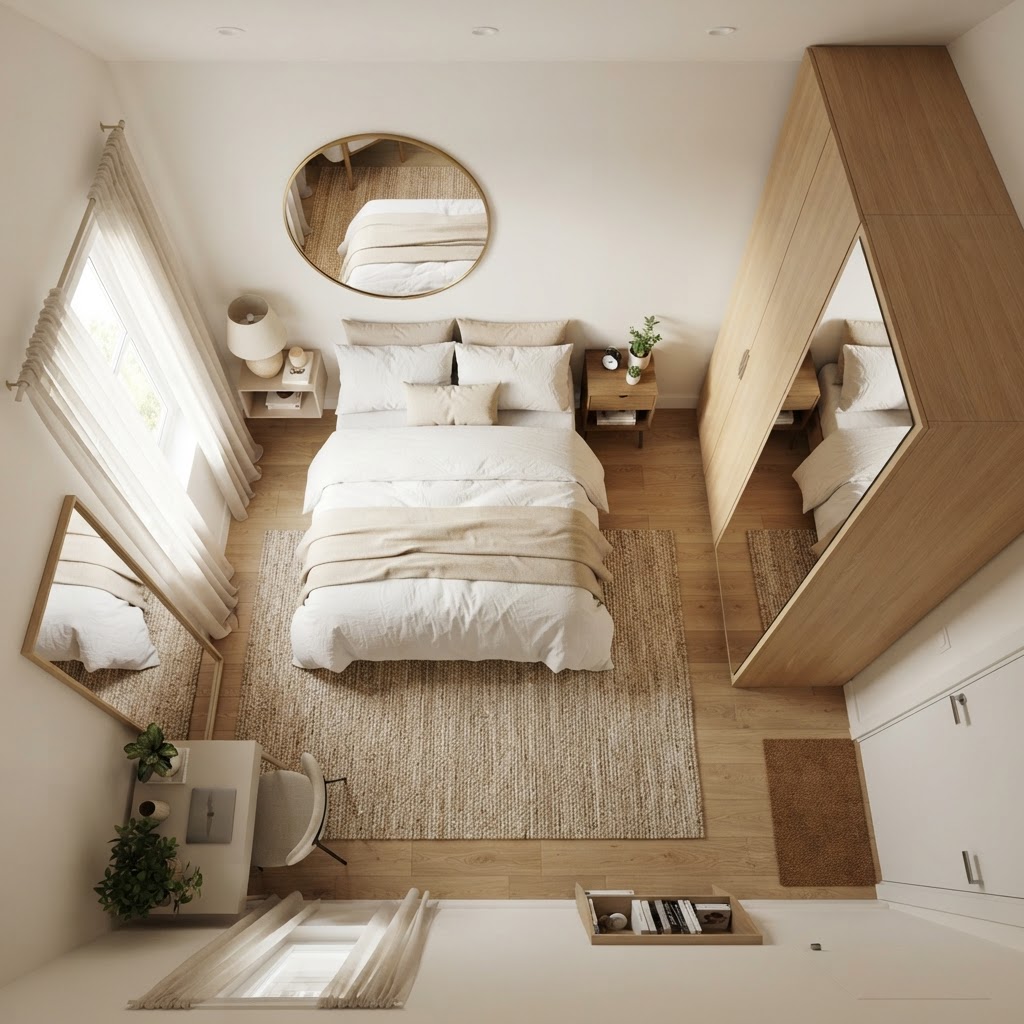
The biggest mistake people make in a small bedroom is overcrowding the room with furniture that is too large or poorly placed. The goal should be to create a layout that allows for easy movement while keeping the bed as the central focus. Before you start rearranging, take exact measurements of your bedroom and your furniture. Sometimes, shifting the orientation of your bed can completely change the energy of the space.
Think about the flow of traffic. Can you walk around the bed easily? If your bedroom is also serving as a home office or a guest room, zoning becomes critical. By separating your sleep area from your workspace, you help your brain transition from ‘work mode’ to ‘rest mode’ more effectively, even if you are doing it in a tiny bedroom.
Maximizing Vertical Space and Storage
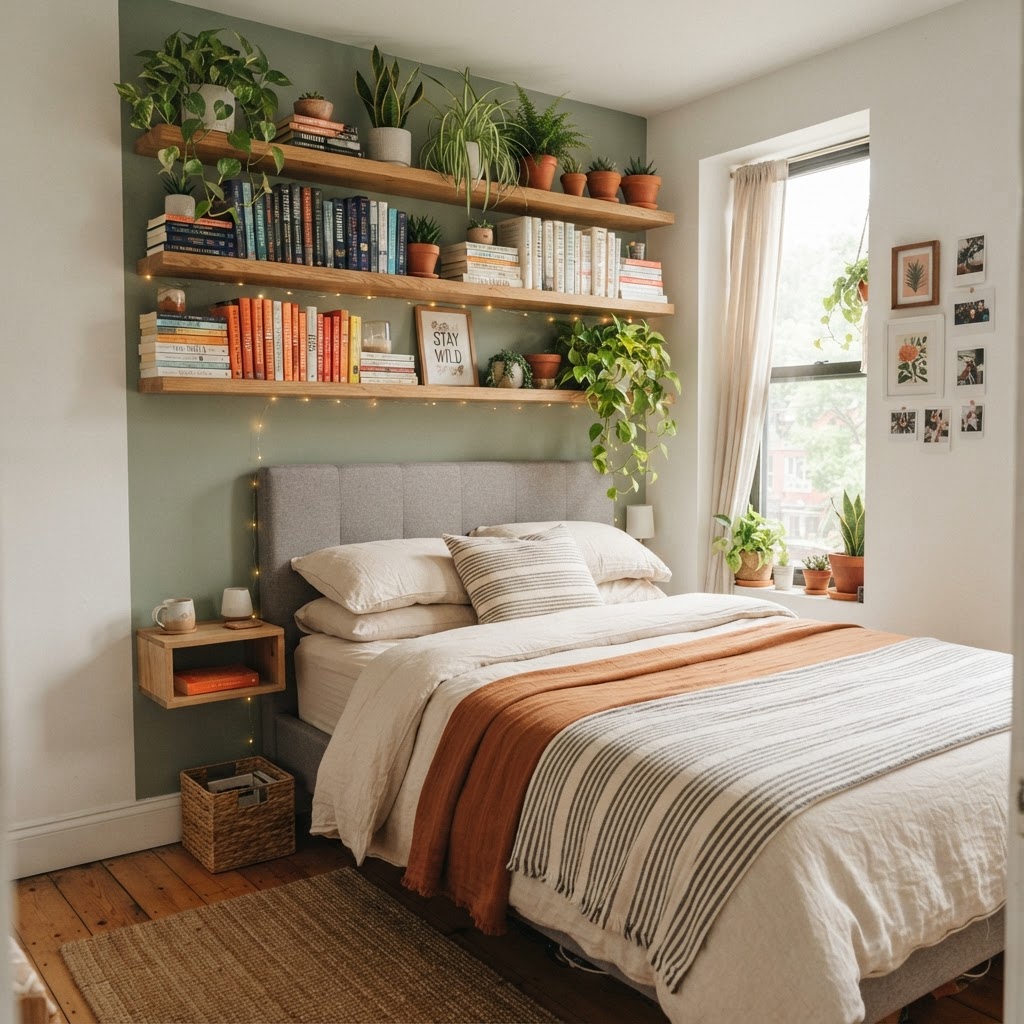
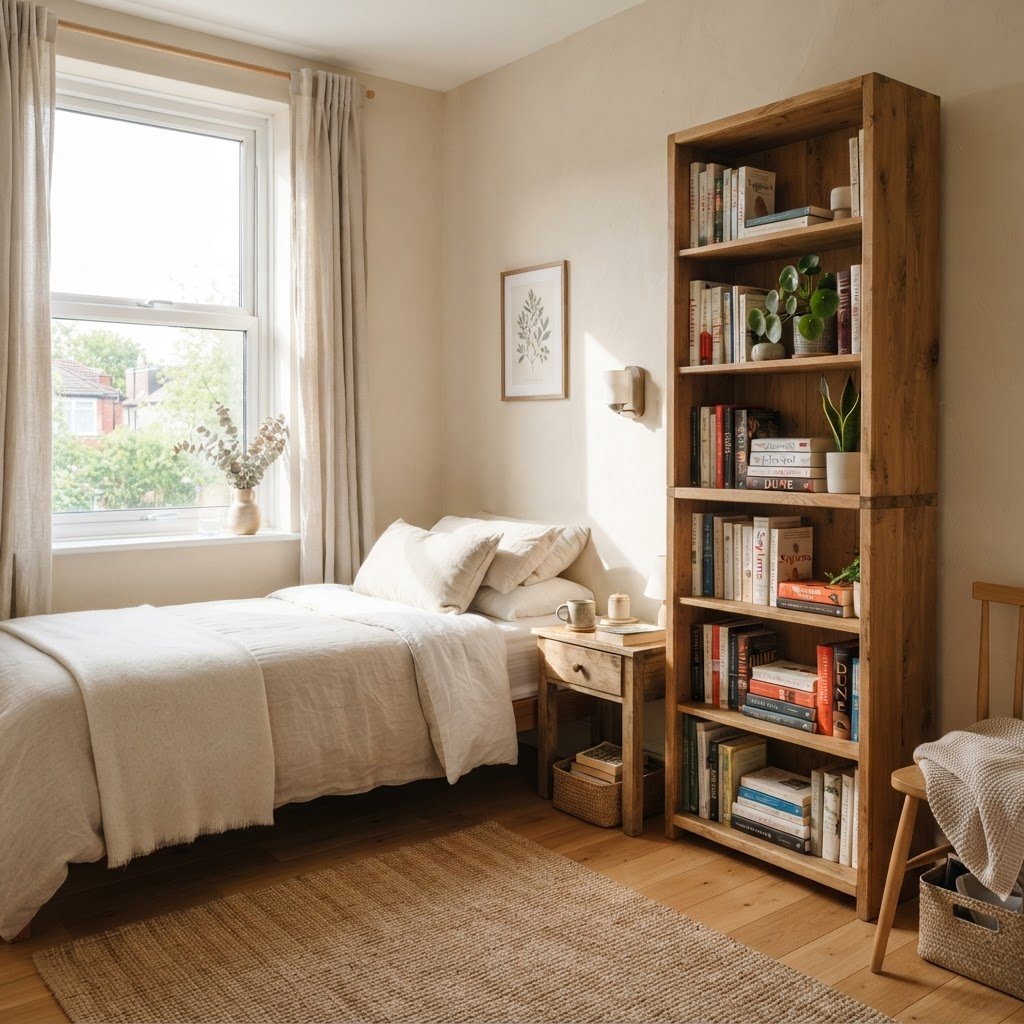
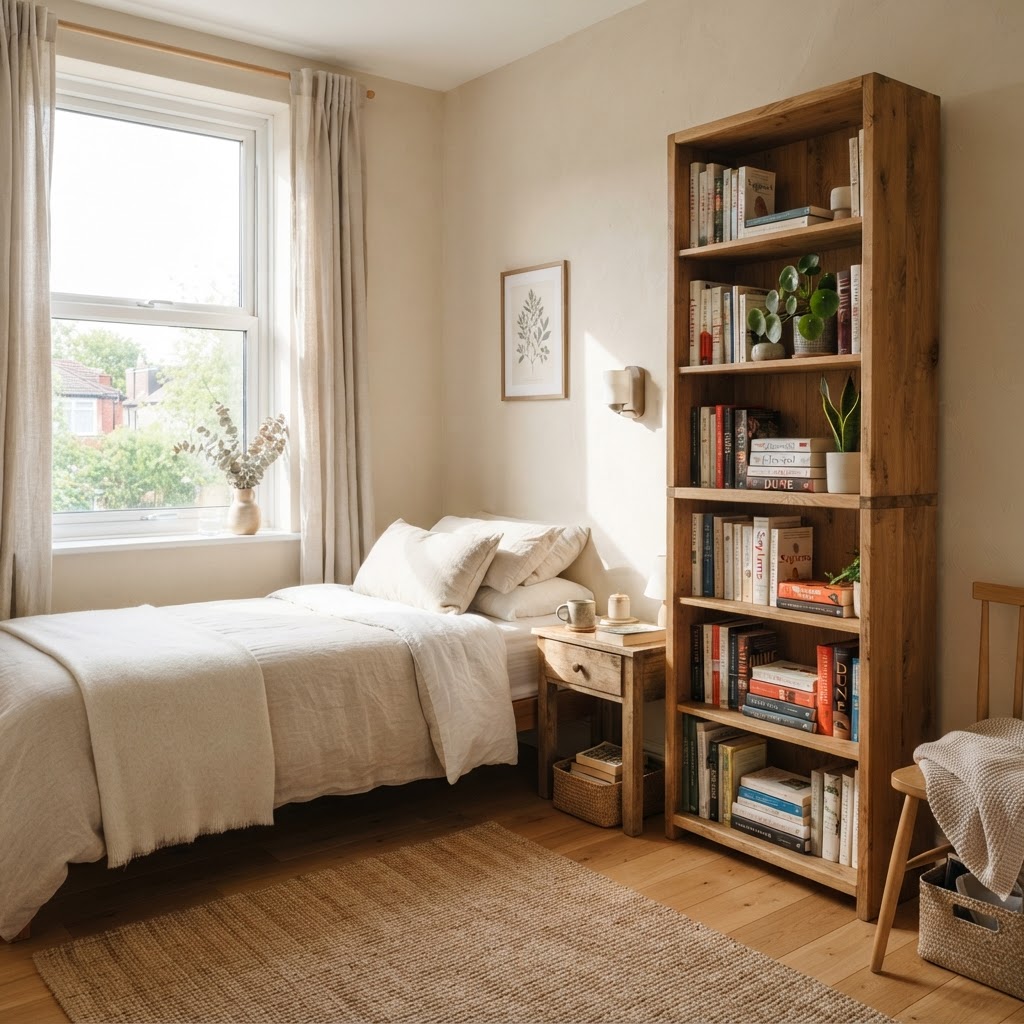
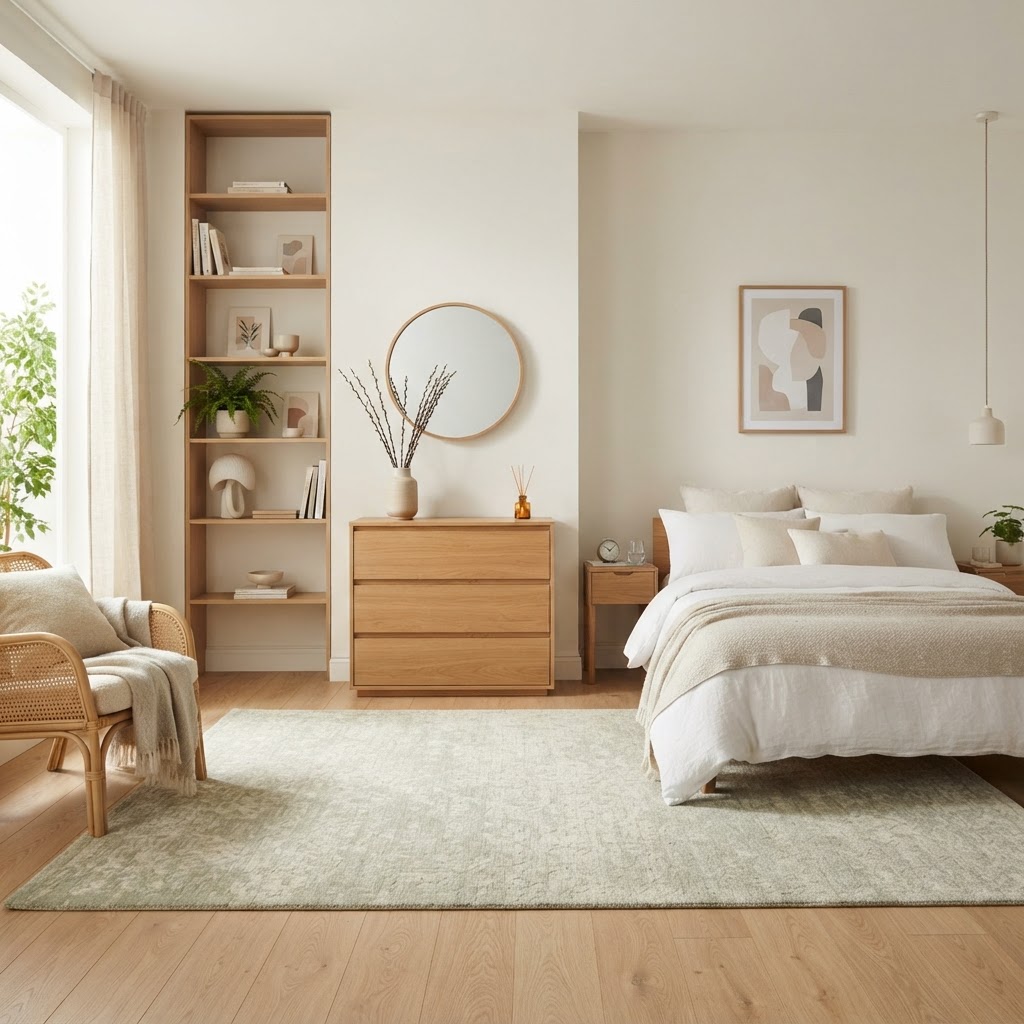
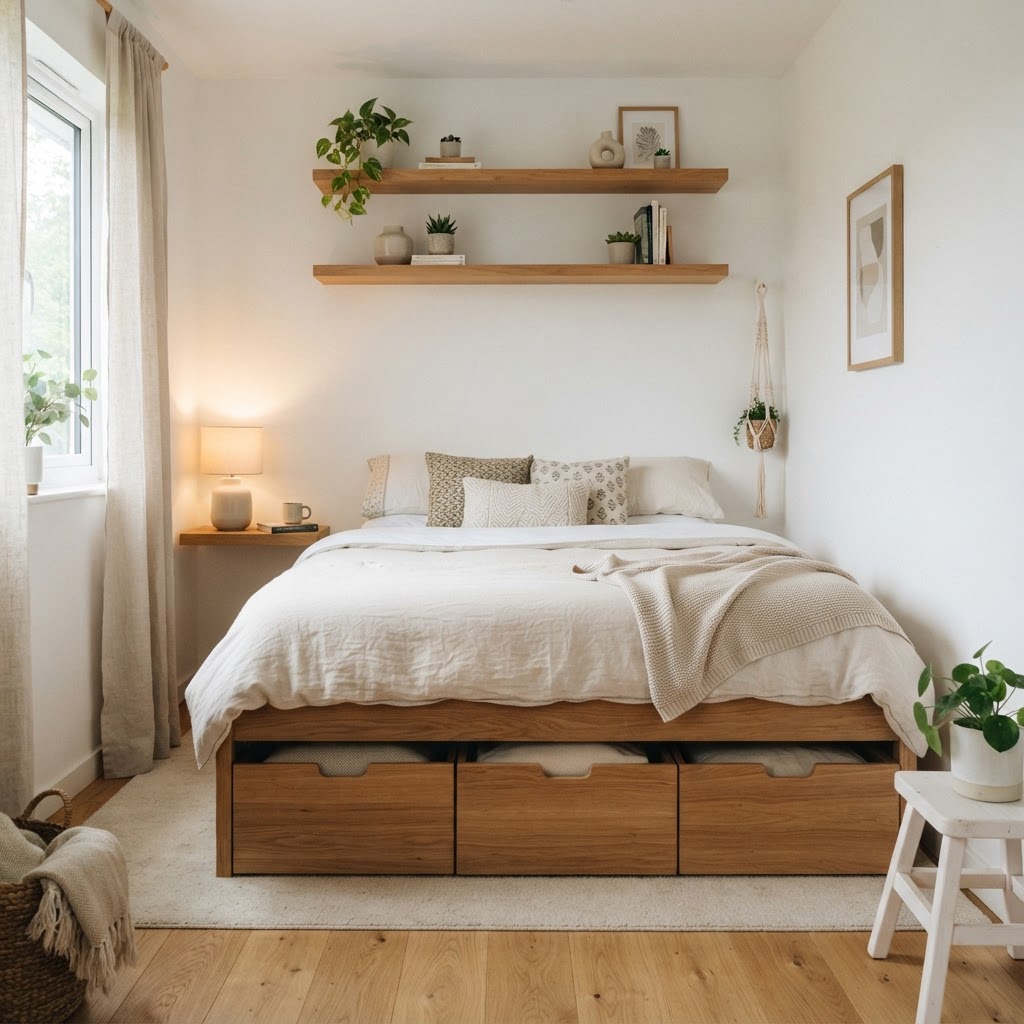
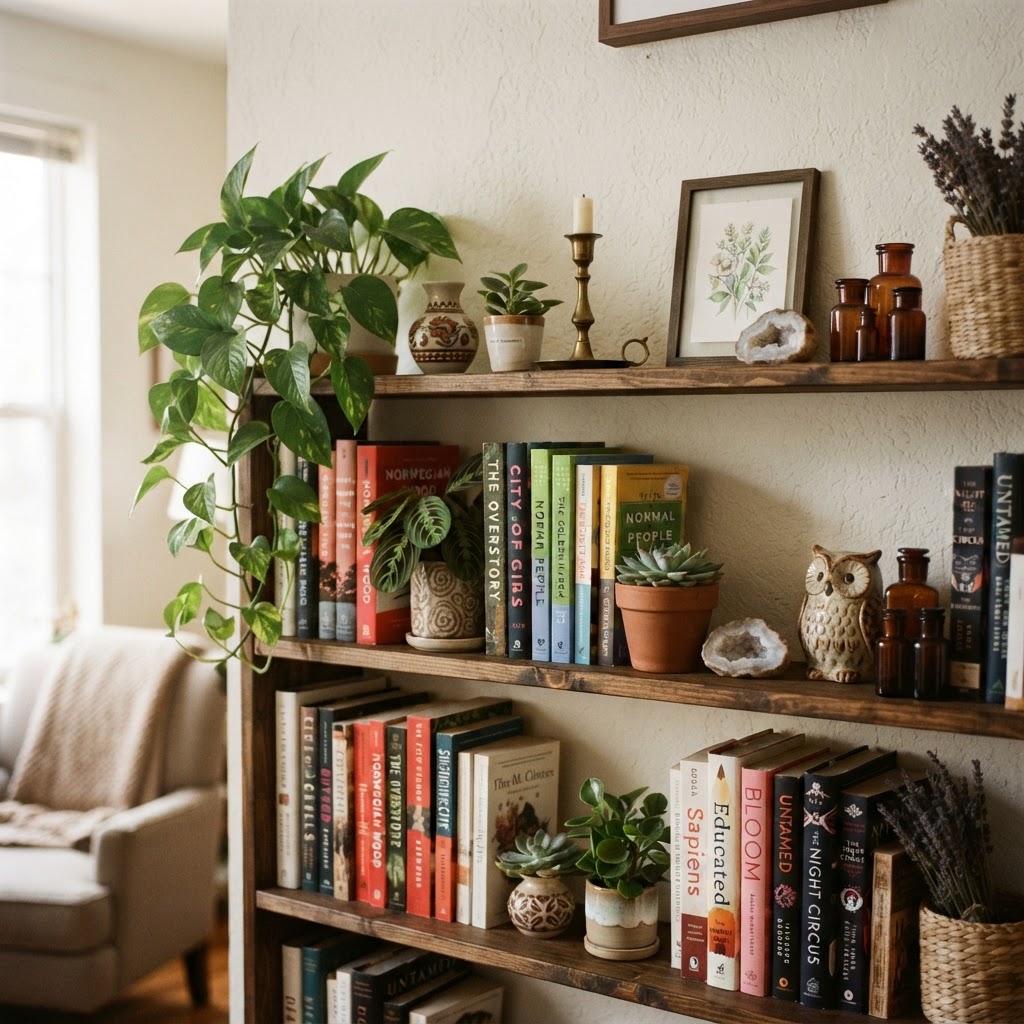
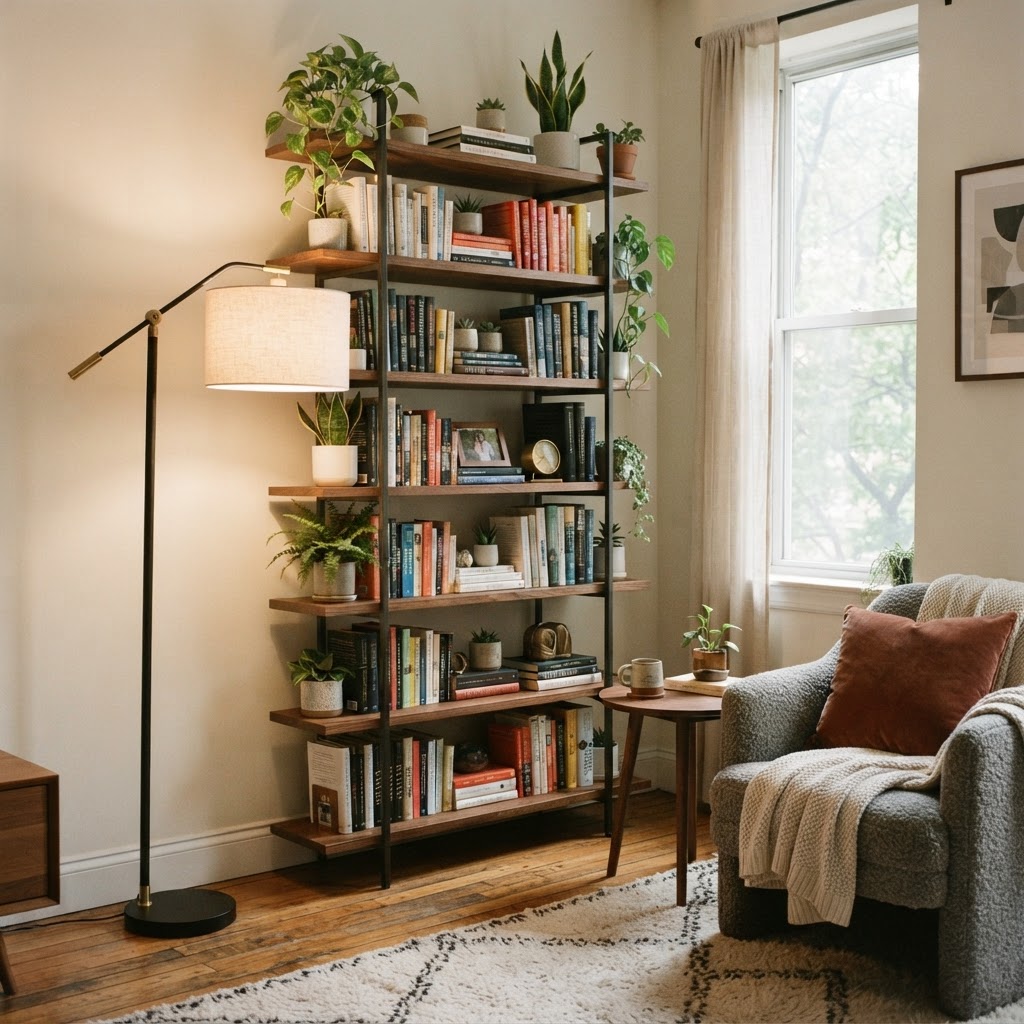
When you run out of floor space, the only way to go is up. Utilizing your vertical space is one of the most effective small bedroom ideas for keeping clutter off the floor. Consider installing floating shelves above your headboard or using tall, slim bookcases that draw the eye upward. This creates the illusion of a higher ceiling while providing a dedicated storage solution for your books, plants, or personal mementos.
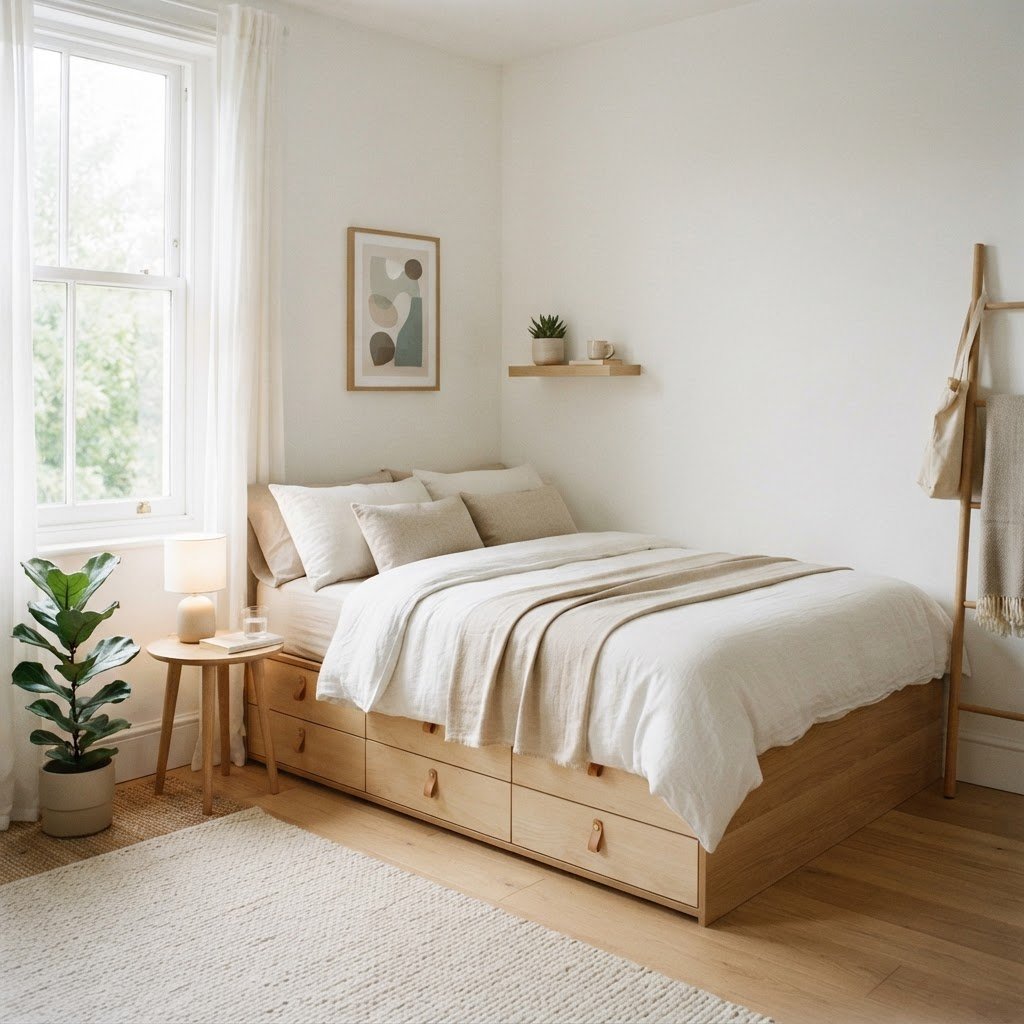
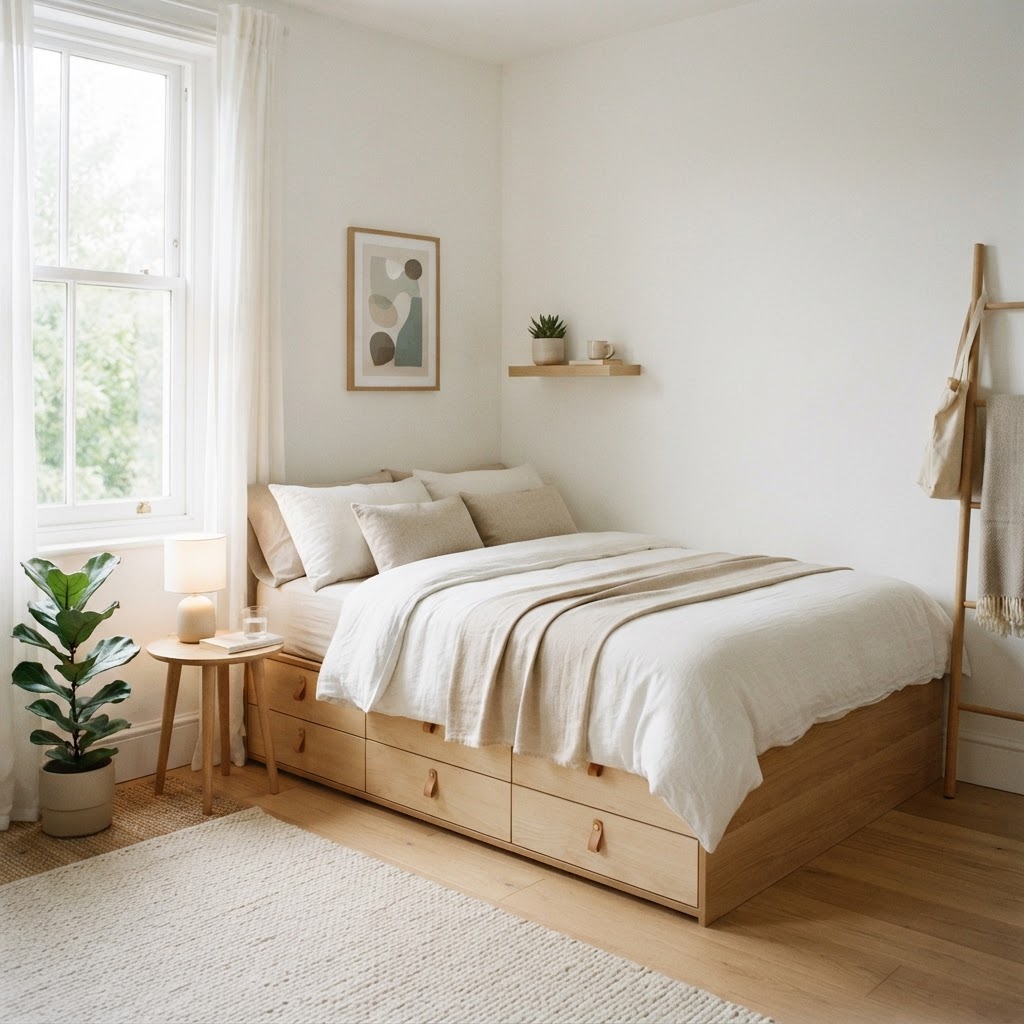
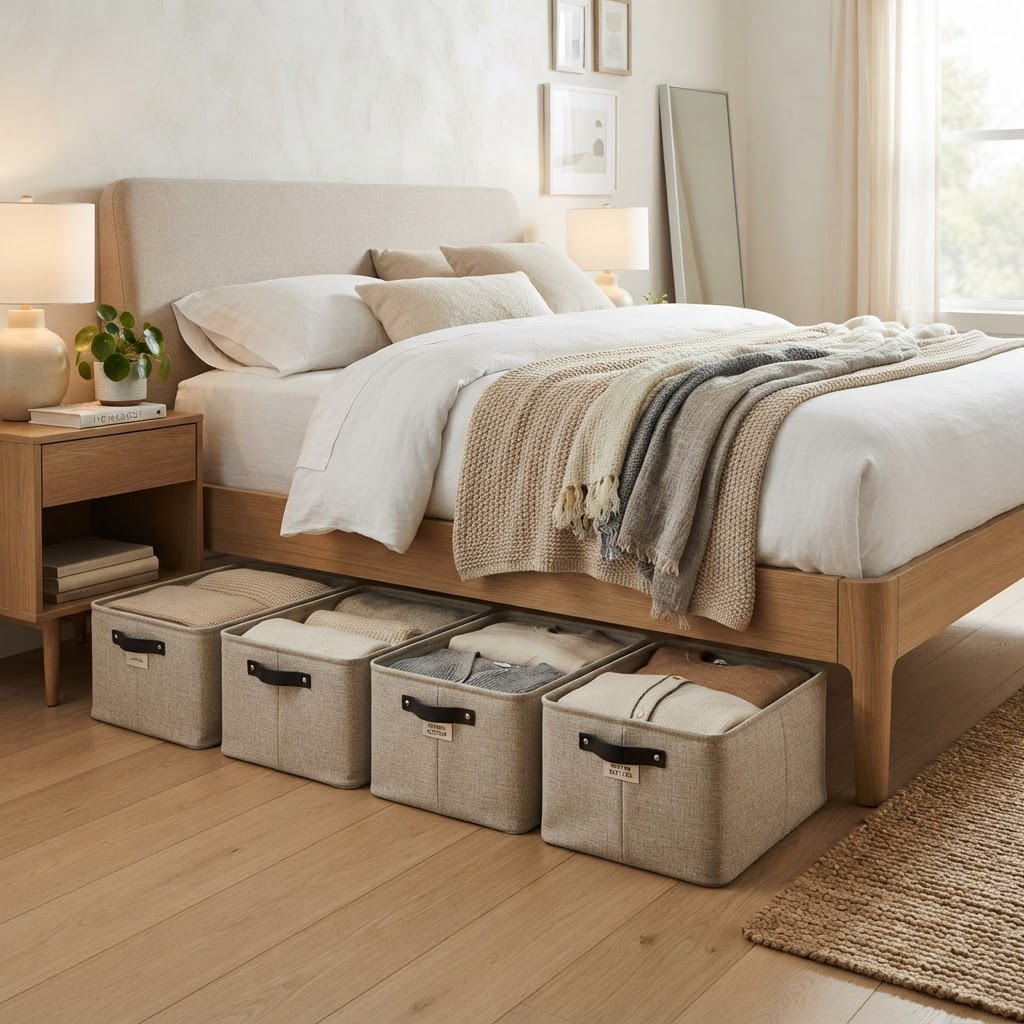
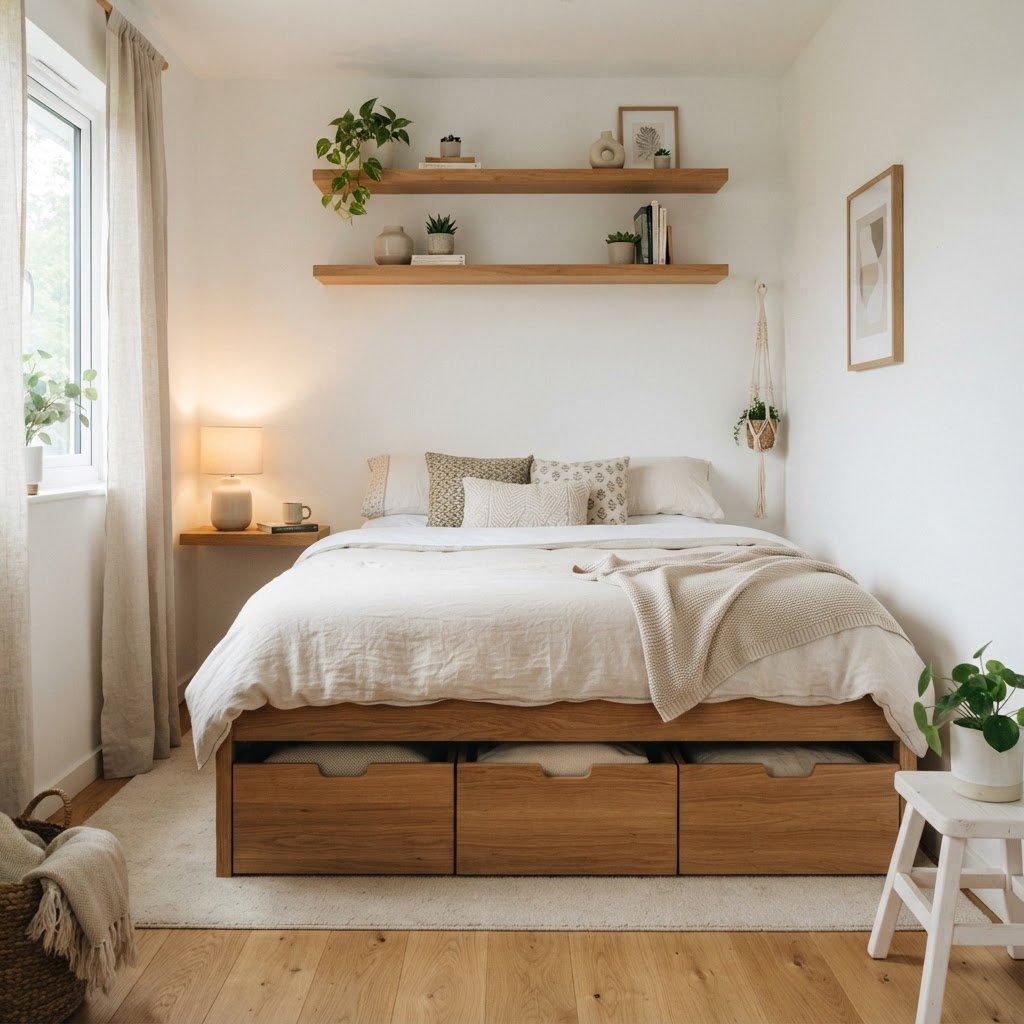
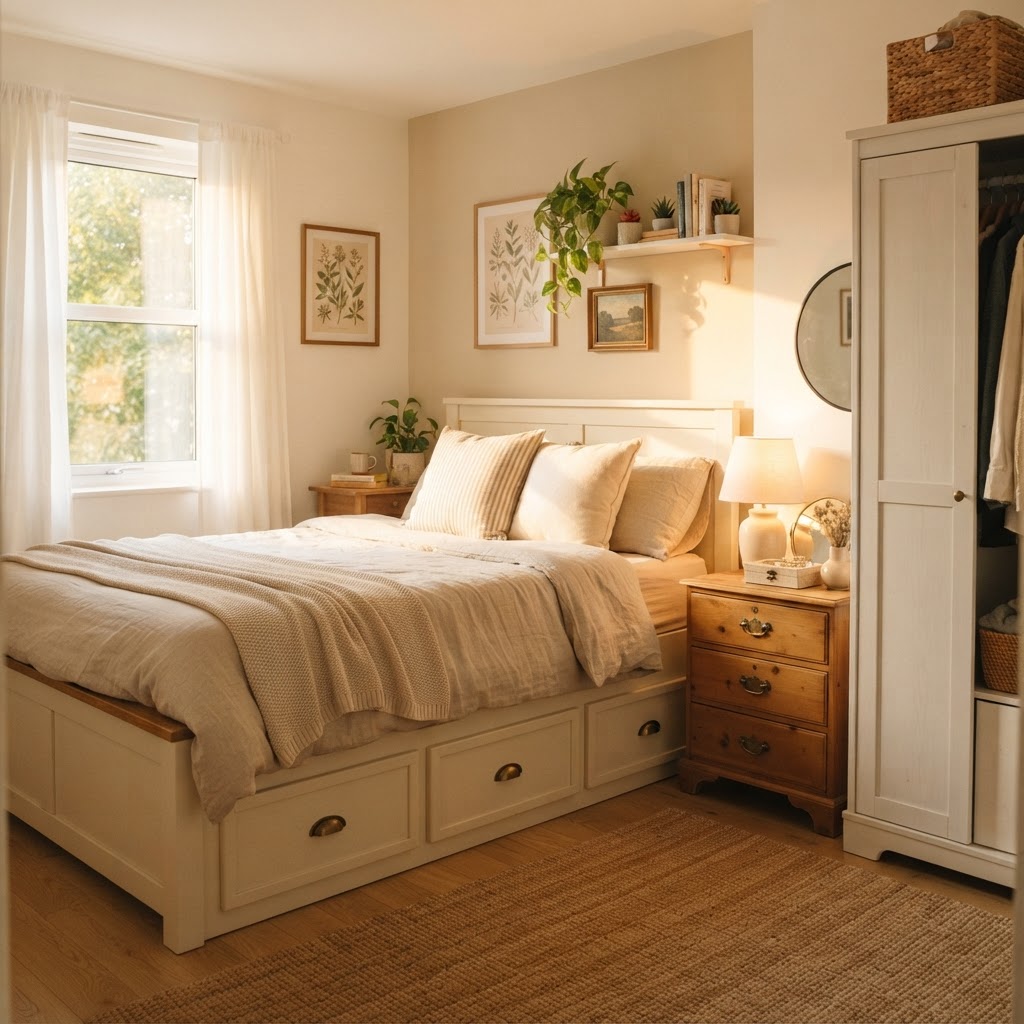
Don’t ignore the area underneath your bed. If your bed frame is low, consider investing in risers or switching to a frame with built-in drawers. This is perfect for storing off-season clothing, extra linens, or items you don’t use daily. When you clear the surfaces in your bedroom, you are essentially making the space feel larger and more serene.
Choosing the Right Furniture for a Small Room
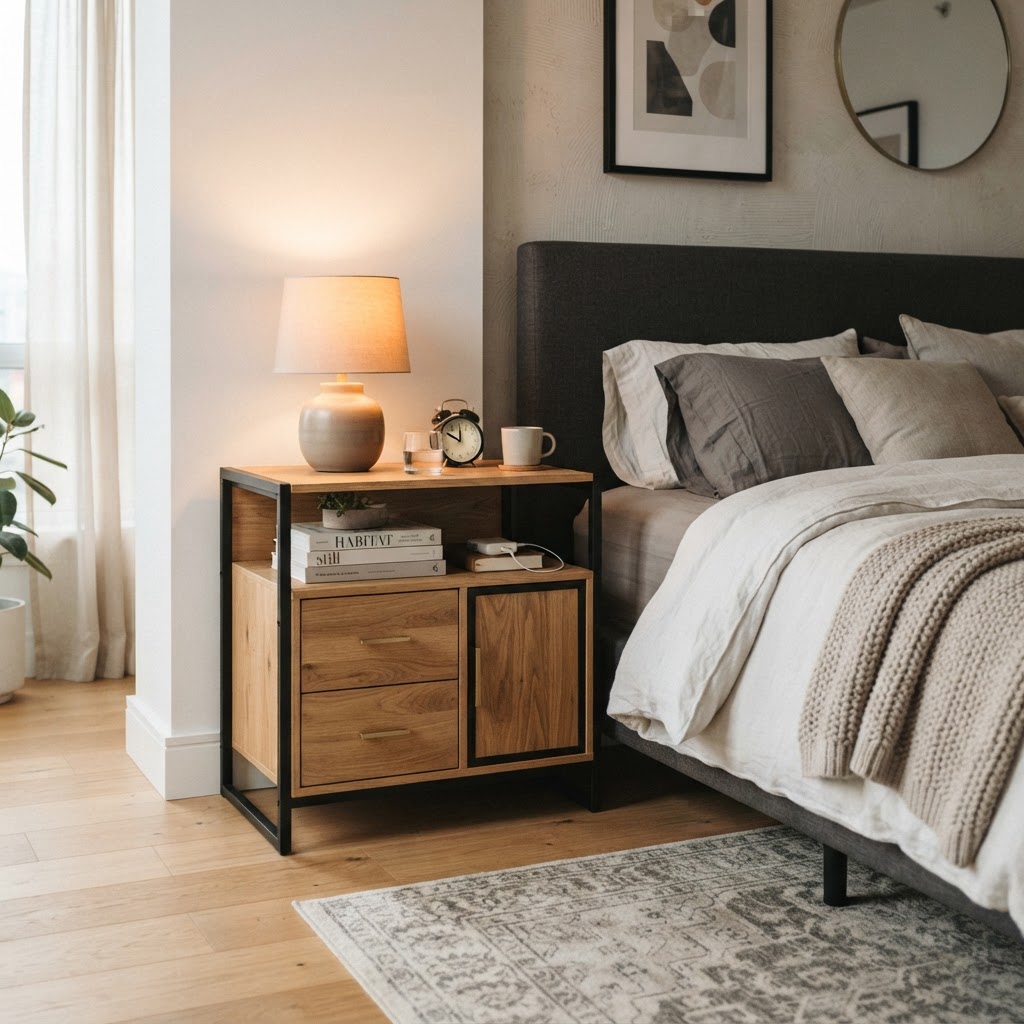
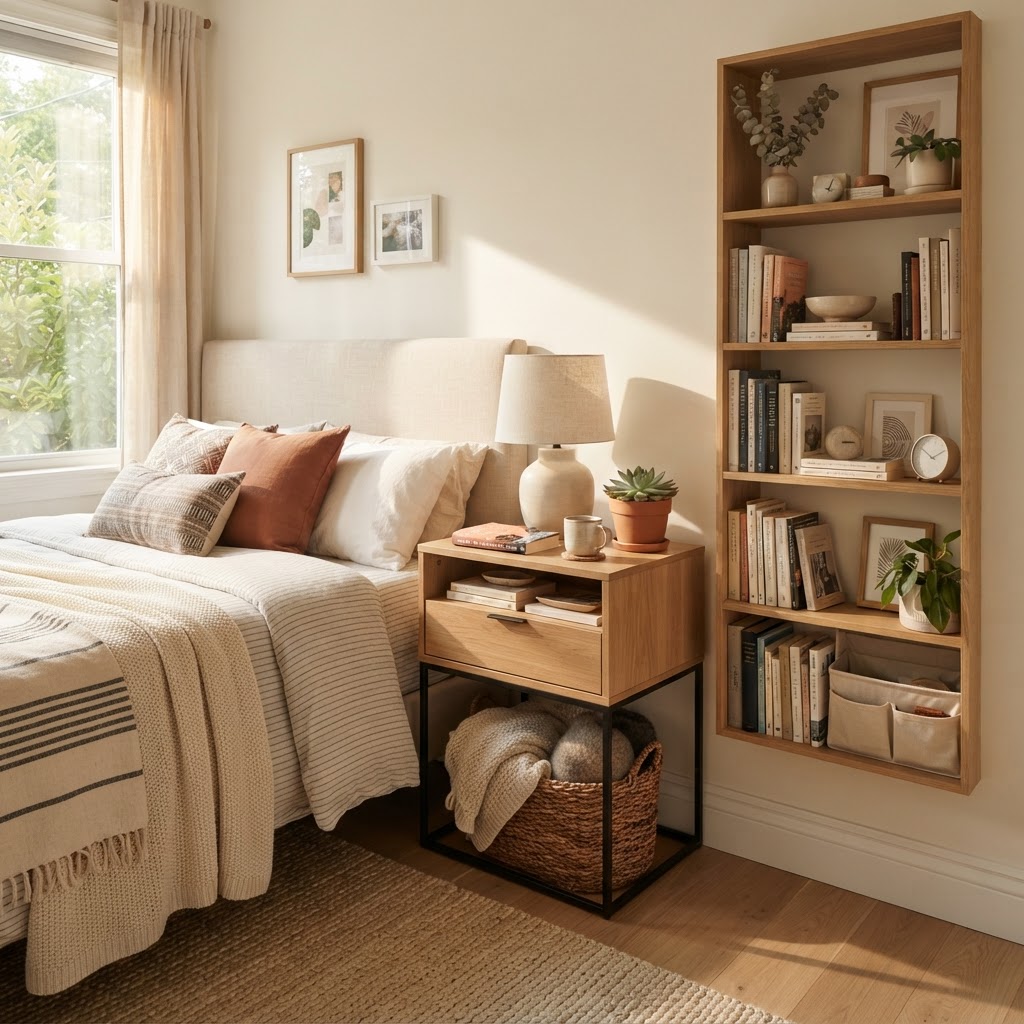
In a tiny apartment, every piece of furniture must earn its keep. Look for multi-functional pieces that serve more than one purpose. For example, a nightstand with drawers is much better than a simple pedestal table because it hides your daily clutter. If your bedroom is truly tight, consider a murphy bed, which can be folded away during the day to reclaim your floor space for yoga, working, or simply having room to breathe.
Choosing furniture with legs instead of solid bases can also change the space feel. When you can see the floor underneath a dresser or a bed, it keeps the room from looking heavy or grounded. Transparent materials like acrylic chairs or side tables are also excellent decorating ideas because they provide functionality without taking up visual weight in your small space.
Lighting and Color Palette Secrets
Your choice of color palette has a profound impact on how large or small a room feels. Lighter, cooler colors like soft whites, pale grays, or light blues tend to recede, making walls appear further away. If you love bold colors, consider keeping the walls neutral and adding pops of color through a throw pillow or a piece of artwork.
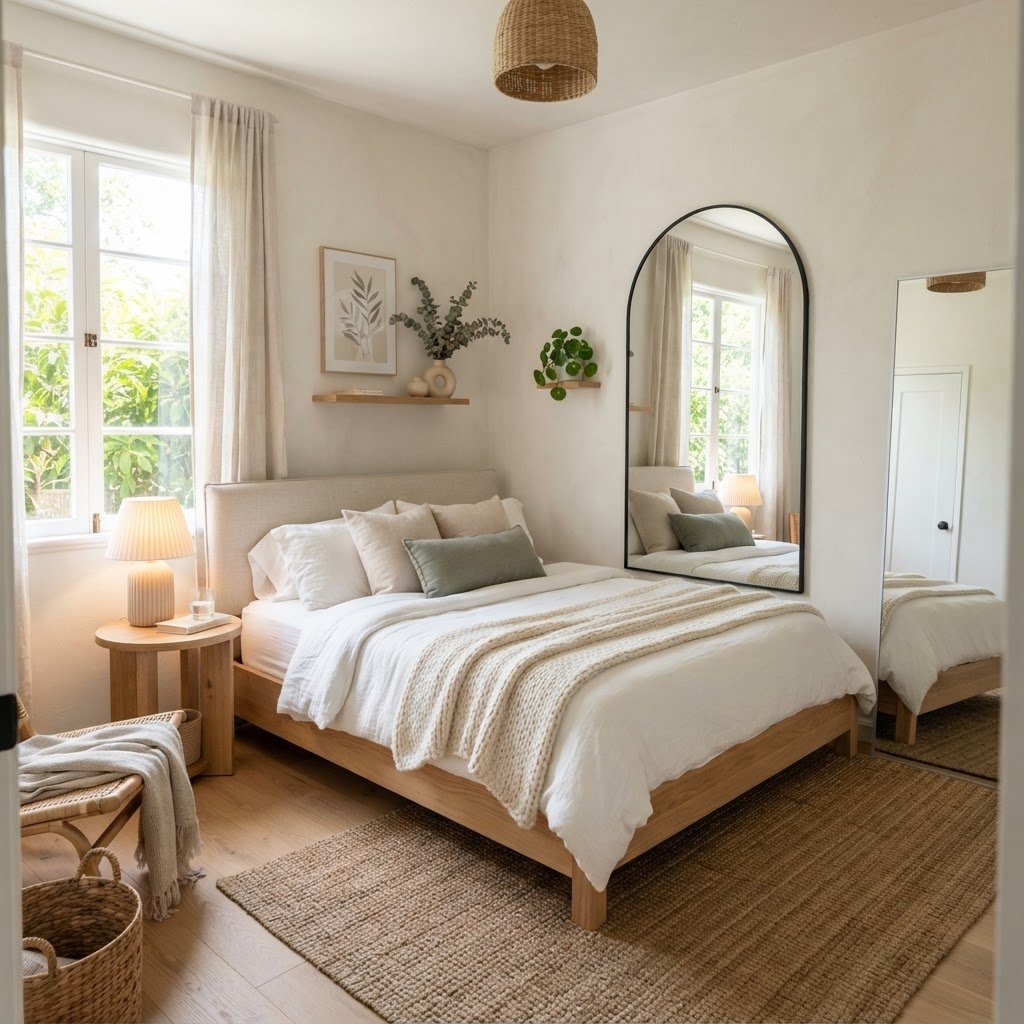
Natural light is your best friend in a small bedroom. If your windows are small, use sheer curtains to allow light to filter in while maintaining privacy. Mirror placement is another trick used by designers; positioning a large mirror opposite a window can amplify the light and make the bedroom look almost double in size. Avoid heavy drapes that block precious natural light.
Creating Cozy Vibes Without Clutter
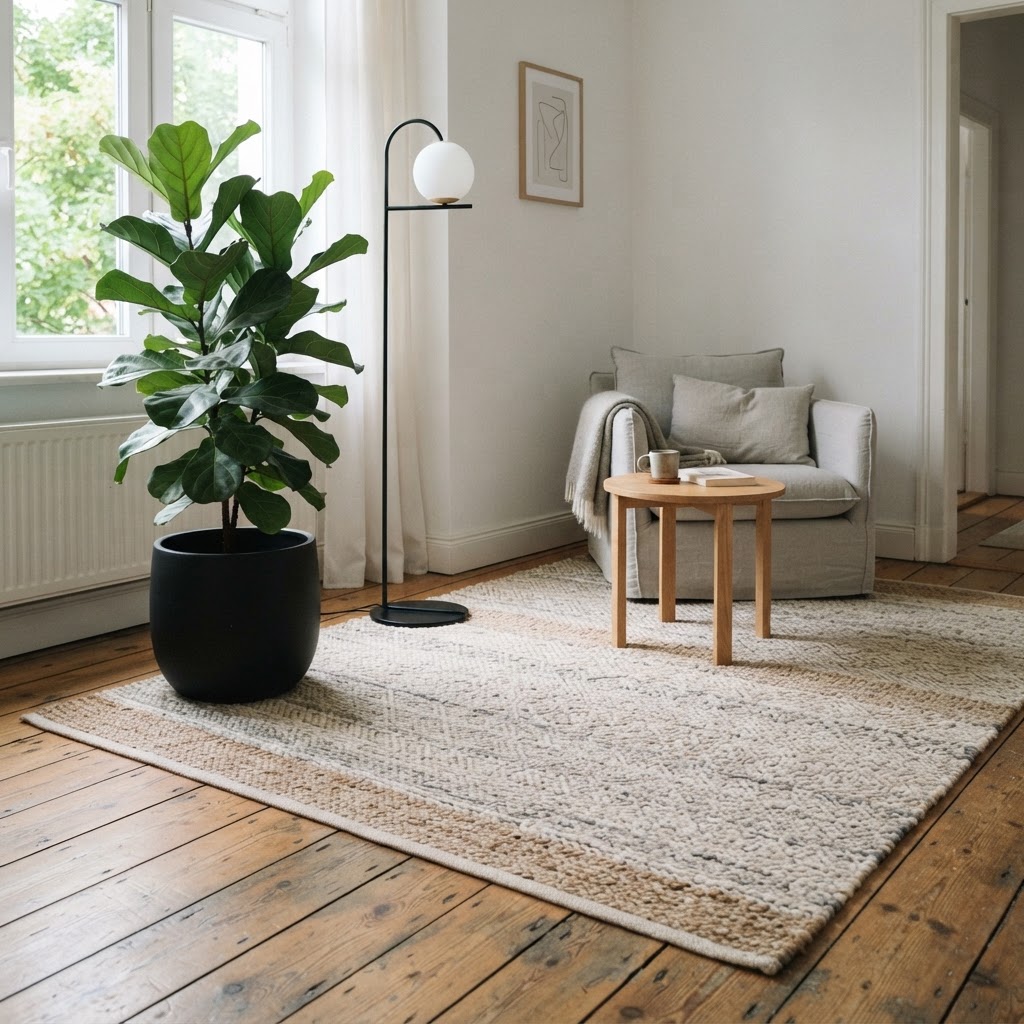
Just because a room is small doesn’t mean it can’t be luxurious. Focus on textiles to add warmth and texture. A soft area rug can ground the room and define the sleeping zone, while layers of bedding invite you to relax. The secret is to keep these textures cohesive; too many conflicting patterns can make a small room feel chaotic rather than cozy.
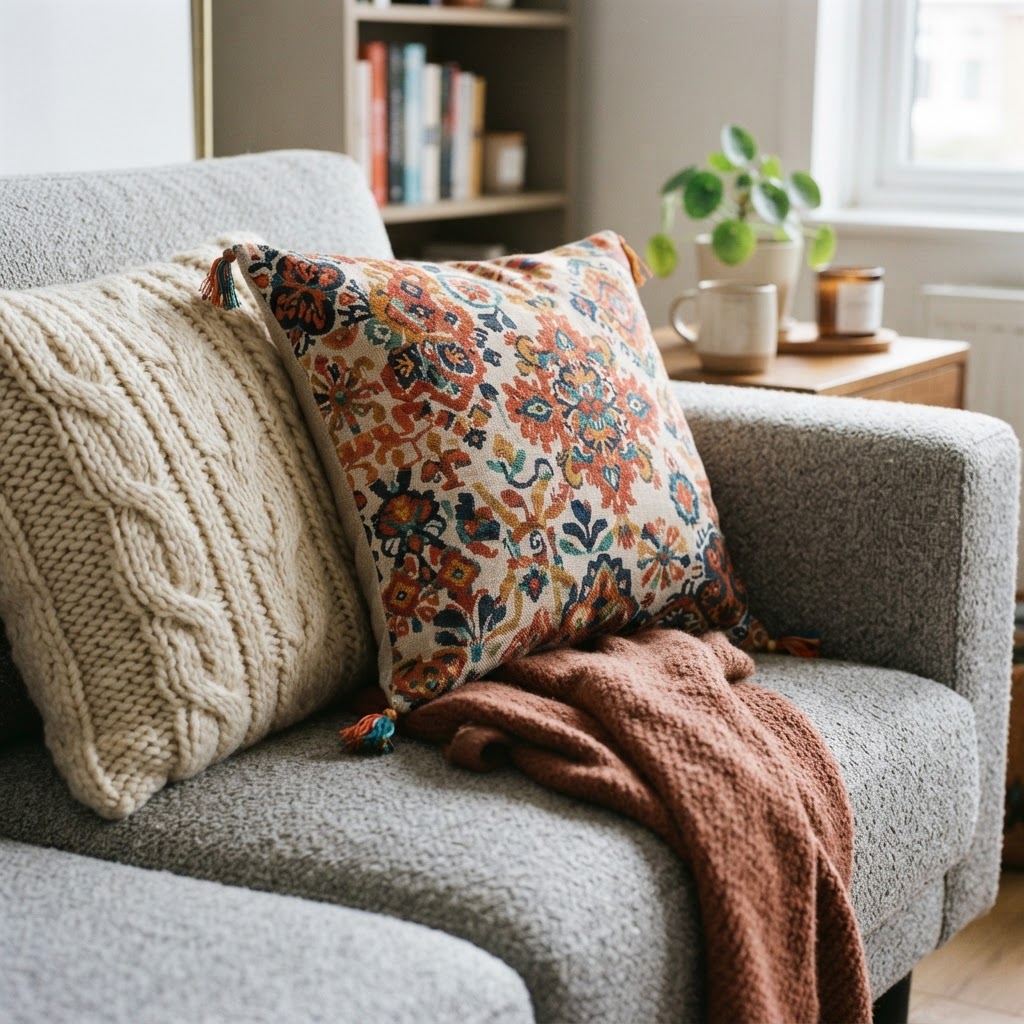
Keep your accessory game minimal. A single, large piece of art is often better than a gallery wall of smaller items, which can make a wall look busy. If you enjoy having a throw pillow, keep the count low and the colors consistent with your bedding. The goal is to curate a space that feels curated rather than crowded.
Versatility: The Guest Room and Office Combo
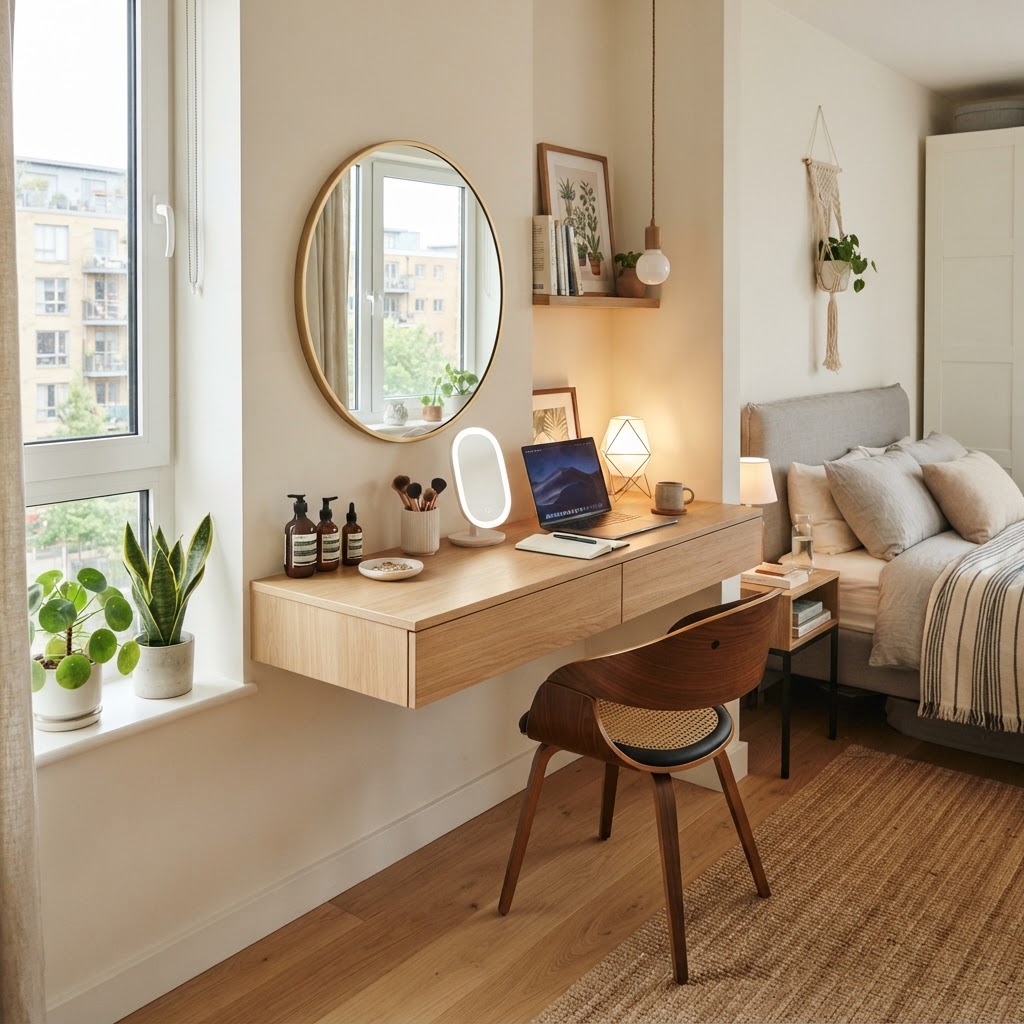
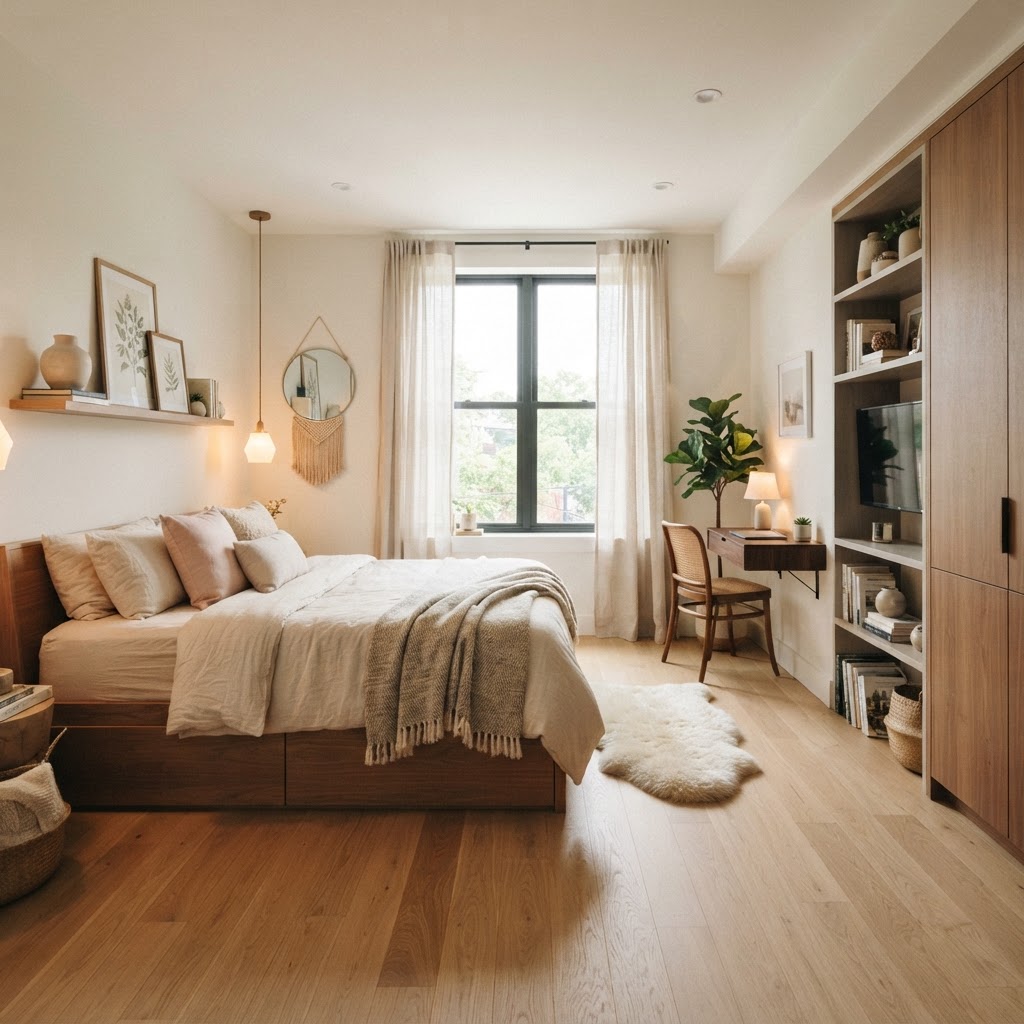
Many tiny apartments require the bedroom to function as a multi-purpose room. If you are incorporating a desk, try to pick a slim-profile piece that doesn’t scream ‘office.’ Using a small wall-mounted desk can serve as both a work station and a vanity. By keeping the lines clean and the surfaces tidy, you prevent the space from feeling like a storage unit for your professional life.
If the room must occasionally serve as a guest room, keep your bedding neutral and invest in high-quality storage bins that slide under the bed to clear out your personal items when guests arrive. This flexibility allows your bedroom to remain a private sanctuary while being ready to accommodate visitors at a moment’s notice.
Conclusion
Designing a functional, beautiful tiny apartment bedroom is entirely achievable when you focus on smart layouts, vertical storage, and intentional decor. By decluttering your floor space and choosing multi-purpose furniture, you can transform even the smallest corner into a peaceful retreat. Remember that the best bedroom design is one that reflects your personality while supporting your need for rest. Take these tips, evaluate your specific floor plan, and start creating the bedroom you deserve. Ready to upgrade your living space? Start by clearing out one corner of your room today and see the immediate difference it makes!
Living in a small apartment often means compromising on square footage, but it shouldn’t mean sacrificing your sense of order. When your bedroom serves as both a sanctuary and a storage hub, the pressure on your limited floor space becomes real. Fortunately, with the right strategy, you can turn a cramped area into a highly functional retreat. By focusing on smart storage ideas, you can reclaim your room and finally breathe a little easier.
The Art of Utilizing Vertical Space
When floor space is at a premium, the only way to go is up. Many people forget that walls are essentially untapped real estate waiting to be utilized. By installing floating shelves, you create display space for books and decor without adding heavy, bulky furniture that dominates the room. These simple additions can drastically improve your storage capacity while keeping your surfaces clear.
Adding a tall bookcase is another excellent way to draw the eye upward, giving the illusion of a larger ceiling height while housing plenty of items. When you use vertical space effectively, you remove the need for extra low-profile cabinets that take up valuable square footage. Think of your walls as a canvas for organization, not just decoration.
Under-Bed Storage: Your Hidden Asset
The area beneath your bed is arguably the most underutilized real estate in any small apartment. Investing in a proper storage bed is one of the most effective ways to tackle limited room. If a new bed frame isn’t in the cards, you can easily opt for wheeled bins designed specifically for under-bed use to keep seasonal clothes, extra linens, and shoes hidden away.
To make this system work, ensure your storage containers are uniform in size to maintain a clean aesthetic. This prevents the under-bed area from becoming a chaotic mess of miscellaneous items. When everything is contained in a drawer or a lidded bin, you eliminate the visual noise of clutter, helping your mind relax when it’s time to sleep.
Rethinking Closet and Door Functionality
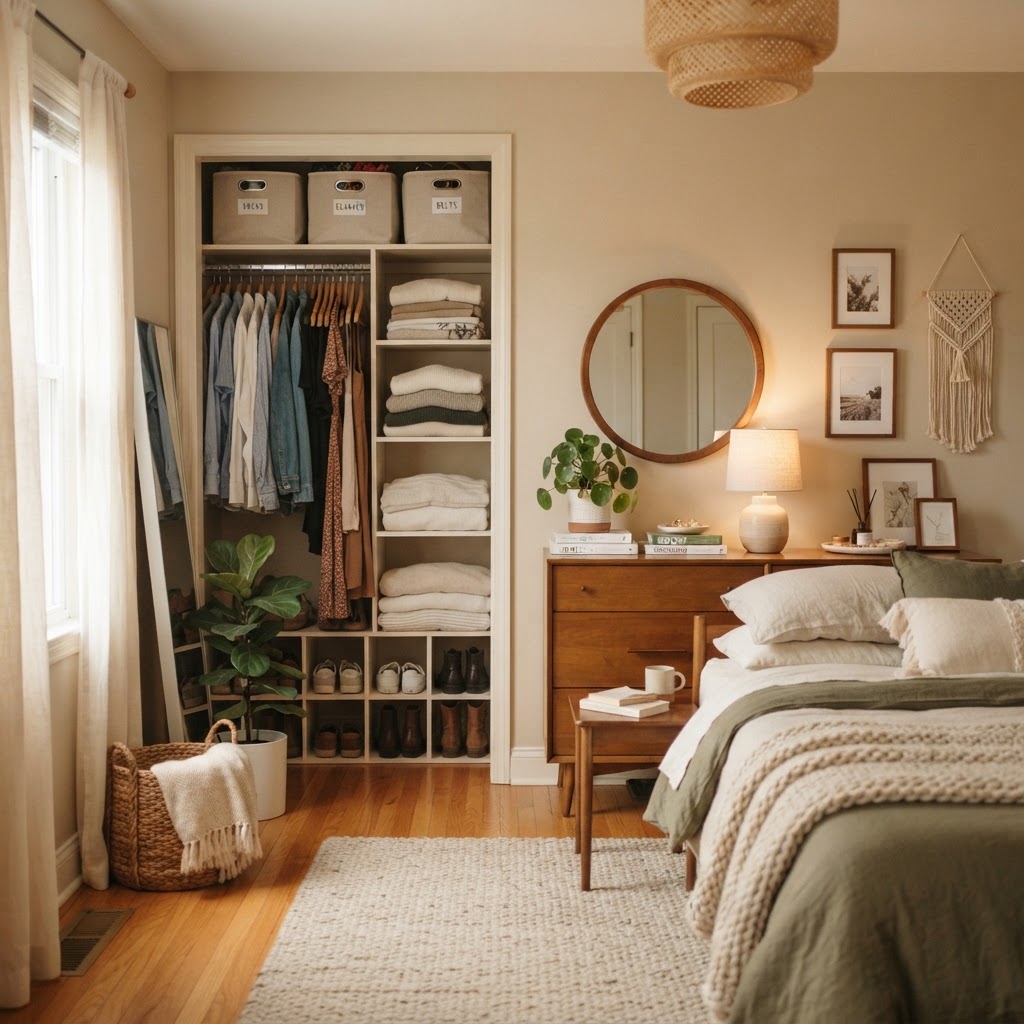
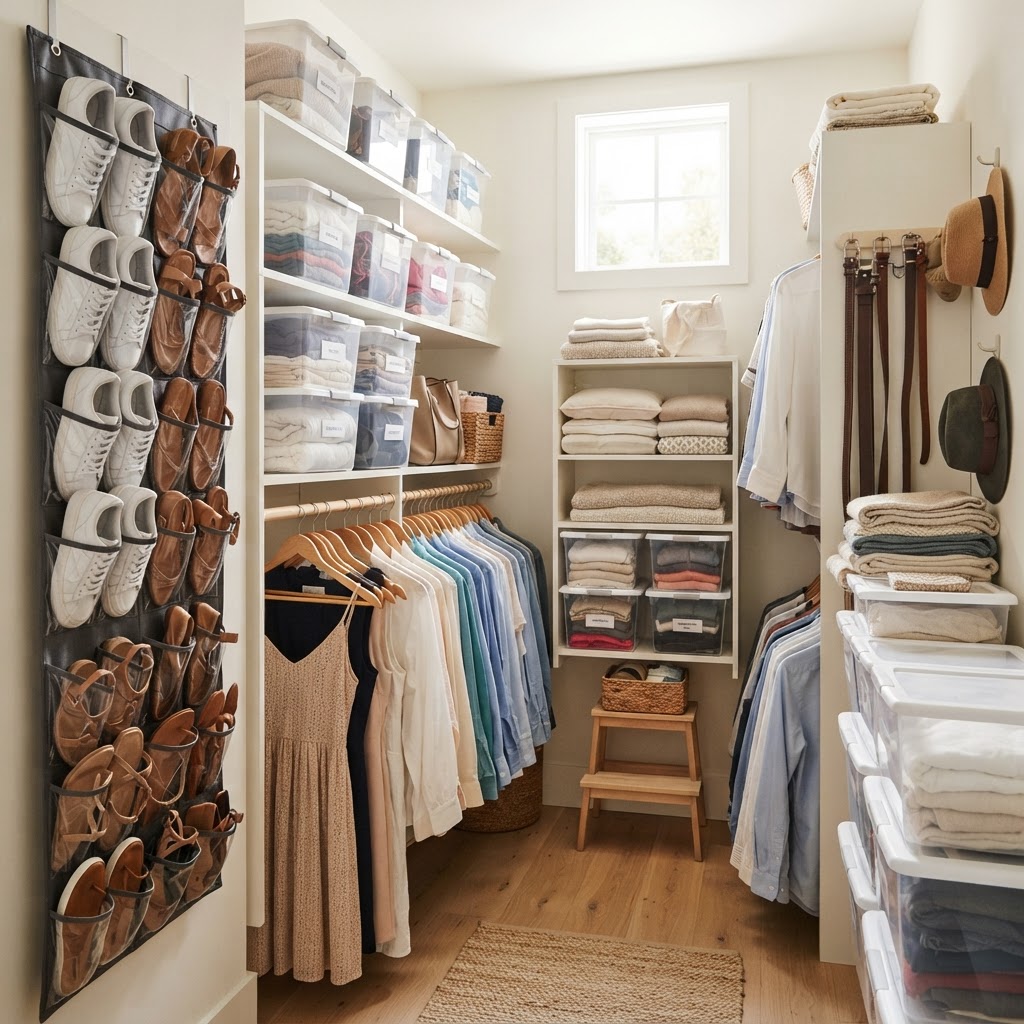
Closets are often the first place to become overwhelmed, but with a few tweaks, you can make them work harder for you. An over-the-door rack is a fantastic way to organize handbags, scarves, or even jewelry without requiring a single inch of wall mounting. If your closet is small, consider installing a tension rod to create a second tier for hanging clothes.
Don’t forget the back of your bedroom door, which is prime territory for an individual hook or a series of hooks. You can use these for robes, towels, or tomorrow’s outfit, keeping items off the floor and easily accessible. By rethinking these often-ignored areas, you can turn a small space into a model of efficiency.
Strategic Furniture Selections
When shopping for new pieces, especially from retailers like IKEA, look for furniture that pulls double duty. A nightstand with a built-in cabinet or multiple drawers provides much more value than a simple side table. These pieces serve as a anchor for your bedroom while doubling as a place to tuck away items that don’t need to be on display.
Consider an ottoman with internal storage or a bench at the foot of your bed. These items provide seating and a place to conceal items that contribute to clutter. By selecting pieces that maximize storage capacity from the start, you avoid the need for external storage solutions later on.
Mastering the Art of Minimalism
Sometimes, the best storage solution is simply owning less. A small bedroom quickly becomes uncomfortable if it is filled with things you rarely use. Spend time evaluating your belongings and consider digitizing documents or donating items that no longer serve a purpose. This process makes it easier to organize what remains.
If you have items that you just cannot part with, try using a stylish bin or decorative basket to keep them grouped together. When objects are neatly corralled, the room looks intentionally curated rather than messy. This philosophy is the key to successfully managing a small apartment where every single object must earn its place.
Dividing and Conquering Your Zones
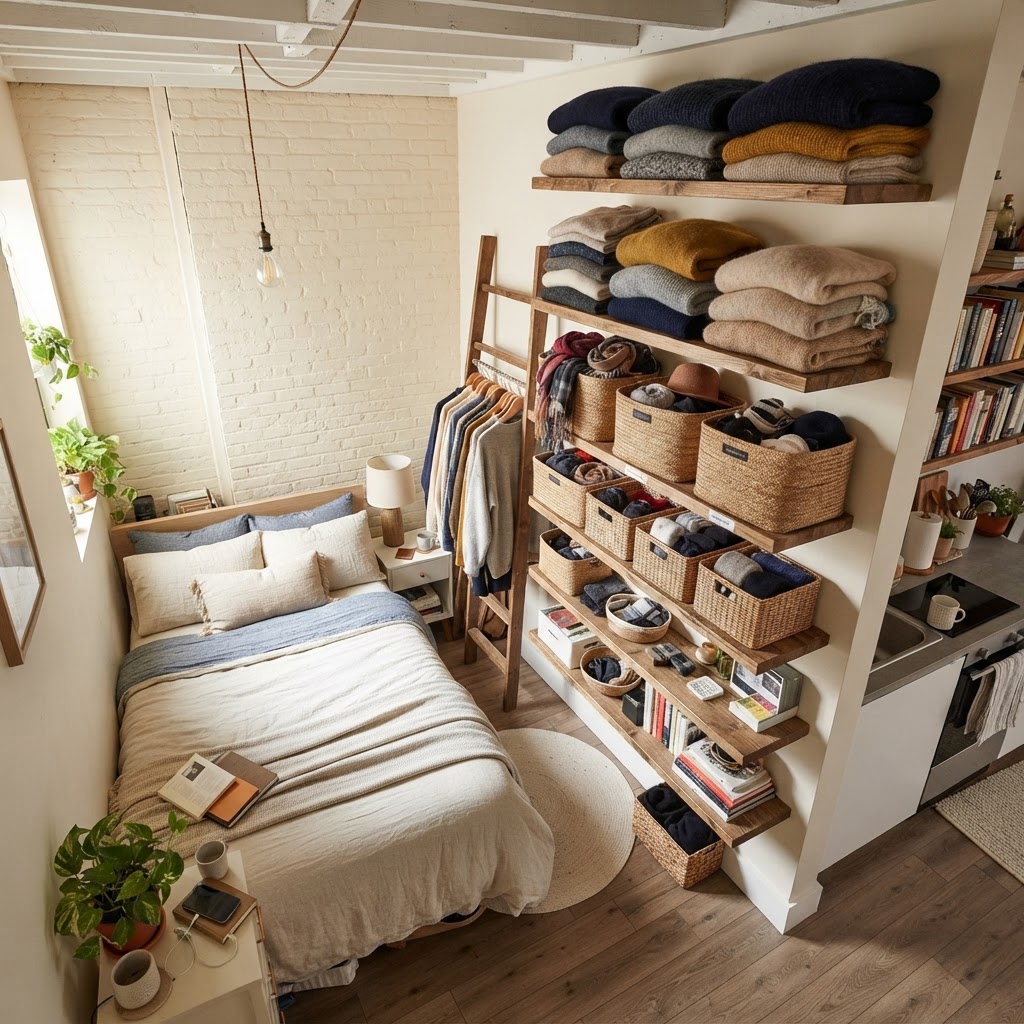
Even in a studio apartment or a room with multiple functions, you can create a sense of order by using a divider. A simple open-backed shelf acts as a partition that provides storage while still allowing light to flow through the room. This effectively separates your sleeping area from your workspace, preventing the feeling of living in one giant, disorganized pile.
Using a clear divider allows you to categorize your life without closing off the space. When you define zones, you define your storage needs as well, making it easier to keep items where they are used most. This level of intentionality will make your small bedroom feel twice as large as it actually is.
Conclusion
Transforming a cramped bedroom into a functional oasis is entirely possible with the right mindset and tools. By focusing on vertical storage, maximizing the space under your bed, and choosing furniture that performs double duty, you can successfully reclaim your living environment. Remember, the goal is to create a peaceful environment that promotes rest and rejuvenation. Start by clearing out the items you don’t need, then slowly implement these storage solutions one by one. You will be surprised by how much more space you can create just by being strategic. Start organizing your sanctuary today and experience the calm that comes with a clutter-free home!
Living in a city apartment often means compromising on square footage, especially when it comes to the sleeping quarters. Many people struggle with a small bedroom, feeling trapped by four walls that seem to close in on them. However, with the right design choices, you can effectively make a small bedroom feel significantly more open. It is entirely possible to transform a tiny, cramped room into a serene oasis that serves as a functional and stylish sanctuary without needing to knock down walls or move to a larger apartment.
The Psychology of Color and Lighting
One of the most effective ways to make a small bedroom look bigger is through the strategic use of color and light. Lighter shades reflect more natural light, which helps to blur the lines of a small space. When you paint your walls a soft pastel or an off-white, you immediately invite a sense of freshness and calm into the room. This simple change allows the room feel much lighter and more expansive.
What color makes a small bedroom look bigger? Generally, cool-toned neutrals and whites are your best friends. These shades create a seamless flow, ensuring the eyes move across the space without hitting hard boundaries. Additionally, consider the importance of layering lighting sources. A single overhead fixture often creates harsh shadows in the corners, which makes a small room feel even smaller. Instead, introduce bedside lamps, wall-mounted sconces, and floor lamps to ensure every corner of the bedroom is bathed in soft, inviting light.
Smart Furniture Selection and Layout
When furniture is too large, it dominates a small space and creates unwanted clutter. The goal is to choose pieces that provide utility without overwhelming the floor area. A low-profile bed frame is an excellent choice for a small bedroom because it keeps the visual weight closer to the ground, which can make the ceilings appear higher. If you need storage, look for a dresser with a slim profile or one that can double as a nightstand to save precious inches.
How to visually enlarge a small room? You can achieve this by choosing furniture that features legs rather than solid blocks. When you can see the floor underneath a piece of furniture, it creates an illusion of openness. A sleek headboard that is wall-mounted is another way to conserve space and add a touch of modern luxury. Always prioritize multi-functional pieces, such as an ottoman that hides away extra blankets or a closet system that maximizes vertical space to keep your bedroom organized.
Master the Art of De-cluttering
Nothing makes a room feel smaller than an excess of stuff. Clutter is the primary enemy of a serene environment. To make it feel truly relaxing, you must practice disciplined editing. Clear off your surfaces and focus on functional storage solutions that hide your belongings behind closed doors. Use your closet strategically; if it is overflowing, consider installing a tension rod or additional shelves to verticalize your storage capabilities.
How to make your small bedroom look expensive? The secret lies in simplicity. A well-curated space looks far more expensive than one packed with trinkets. Invest in one high-quality linen duvet or a textured rug that anchors the room without feeling heavy. By keeping surfaces clean, you allow the architecture of the bedroom to shine, which naturally helps the room feel larger.
Utilizing Vertical Space and Mirrors
When floor space is at a premium, look up. Utilizing vertical space is a game-changer for any small room. Install tall shelves that draw the eye upward, or hang artwork higher on the walls than you normally would to create the illusion of height. Mirrors are another classic design tool used to make a small room appear larger. A large mirror placed strategically across from a window will bounce light throughout the bedroom, creating an instant feeling of depth.
Remember, your goal is to make a small bedroom feel airy and open. Do not be afraid to leave some wall space empty. In interior design, negative space is just as important as the furniture you choose. By combining mirrors with clever storage that utilizes your wall height, you create a sophisticated environment that feels far larger than its actual dimensions.
Understanding Interior Design Rules
People often ask, what is the 3-5-7 rule in interior design? This rule suggests that when decorating or placing decor items, odd numbers—specifically three, five, or seven—create a more visually balanced and interesting arrangement. When you group accessories on your dresser, using this rule prevents the surface from feeling cluttered. It encourages a intentional aesthetic that makes a small bedroom feel like a professionally styled home.
Applying these design principles helps you take control of your environment. You do not need a mansion to have a beautiful bedroom. By focusing on intentional placement, light-reflective surfaces, and vertical storage, you can craft a space that feels personal and spacious. It is all about how you frame your view within the room.
Practical Tips for Daily Maintenance
Maintaining the illusion of a bigger room requires a bit of daily effort. Try to get into the habit of tucking items away as soon as you are done with them. Use bins inside your closet to keep smaller items organized and out of sight. Keep your bed made every morning, as a messy bed is often the biggest contributor to a feeling of disorder in a small space. By keeping the surfaces clean, you ensure your bedroom remains a calm retreat.
Lastly, ensure your flooring remains as visible as possible. A large, light-colored rug can actually help define the sleeping area without making the floor look chopped up. Keep the lines simple and the decor minimal to ensure your small room remains a peaceful refuge from the busy world outside.
Conclusion
Transforming your bedroom is all about making strategic choices that prioritize flow, light, and smart storage. By applying these techniques, you can easily make a small bedroom look bigger while maintaining a cozy, personal vibe. Whether you choose to swap out your heavy dresser, add a floor-to-ceiling mirror, or simply clear the clutter, every step you take makes a difference. Start with one change today and enjoy the difference it makes in your daily life. Ready to refresh your space? Share your favorite bedroom transformation tip in the comments below!
Living in an apartment often means compromising on square footage, especially when it comes to your private sleeping quarters. When your room feels more like a storage closet than a sanctuary, it is time to rethink your strategy. Implementing smart small bedroom organization ideas can turn even the tightest area into a clutter-free retreat. By thinking vertically and utilizing hidden nooks, you can breathe new life into your living environment without feeling overwhelmed by your belongings.
Rethinking Vertical Space in a Small Bedroom
When floor space is at a premium, the only way to go is up. Many people forget that walls offer immense potential for storage ideas. Installing floating shelves above your bed or desk can replace a traditional bulky nightstand, freeing up precious floor area. Using a tall bookshelf can also draw the eye upward, making the ceiling feel higher while providing a designated spot for books, decor, or even a decorative bin for smaller items.
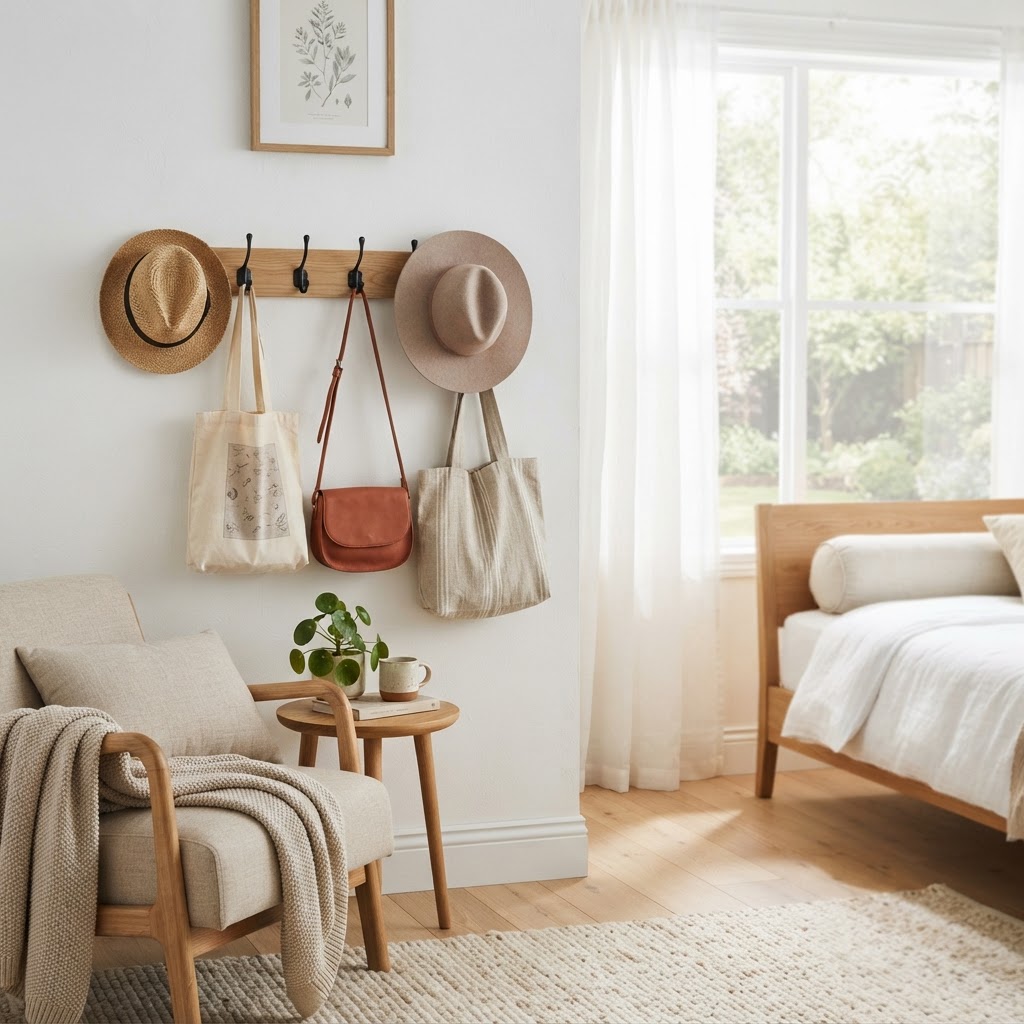
Consider mounting wall hooks for bags, scarves, or accessories. These inexpensive additions effectively keep your floor clear, which is the first rule of maintaining a clean, open atmosphere. By using every inch of wall space, you effectively maximize the functional capacity of your small space without making the room feel crowded.
Mastering Drawer and Closet Efficiency
One of the biggest challenges in a tiny apartment is keeping your clothing manageable. A deep drawer often becomes a graveyard for tangled accessories and unmatched socks, but using a drawer divider can change everything. By segmenting your space, you force yourself to keep items in their place, ensuring that even a crowded dresser feels organized.
If your closet is overflowing, try an over-the-door hanging system to store shoes, belts, or even your daily toiletry essentials. This is one of the most effective ways to clear horizontal surfaces. To further enhance your system, invest in uniform hangers. While it may sound simple, switching to slim, matching hangers prevents bulky tangles and creates a sense of order that makes a room feel larger.
Hidden Solutions for Effective Apartment Storage
What are some good organizational ideas for a small bedroom? Start by looking under your bed. If your bed frame sits low to the ground, consider risers to create enough clearance for storage bins or long, flat containers. This is an ideal spot for out-of-season clothing or extra linens that you do not need on a daily basis.
Another trick is to use a storage ottoman at the foot of your bed. This piece serves a double purpose by providing seating while hiding clutter inside. If you need to corral smaller items, use a wicker basket or a stylish fabric container tucked neatly into an unused corner or under a console table.
Strategic Layouts for Better Flow
How to arrange small bedroom ideas? The secret lies in creating clear pathways. Avoid pushing all your furniture against the walls if it prevents you from opening closet doors or reaching drawers. Sometimes, pulling a piece out just an inch or two makes a room feel more breathable.
Always choose furniture with built-in storage whenever possible. If you are shopping at IKEA, look for bed frames with integrated drawers or side tables that feature shelves. These multi-functional pieces are the best storage solutions for urban dwellers who need to combine comfort with utility.
Maintaining a Clutter-Free Sanctuary
How to organize a 1 bedroom apartment effectively? Consistency is key. Every organizational system requires maintenance, or it will inevitably return to its chaotic state. Adopt the habit of clearing your surfaces every night before bed. This prevents piles of laundry or stray items from accumulating on your dresser.
When you buy something new, remove something old to keep your inventory balanced. Utilize an organizer for your desk or vanity to keep grooming and tech items tidy. These small, repetitive habits are what lead to a truly clutter-free lifestyle over the long term.
Advanced Organizational Systems
What are some effective ways to organize a small apartment? Beyond just buying containers, look at your habits. Use a labeled bin system for items that don’t have a clear home. This simple step helps you sort through seasonal items and keep your daily gear easily accessible.
Consider adding an under-bed organizer for items you only reach for occasionally. This keeps these belongings tucked away from sight while preserving your main closet space for everyday clothing. Don’t be afraid to experiment with different configurations until you find the organizational flow that feels natural to your daily routine.
Conclusion
Achieving an organized sleeping space is not about having a mansion; it is about being intentional with your square footage. By employing vertical storage, utilizing hidden spots, and maintaining a routine, you can transform your environment. Start implementing these small bedroom organization ideas today, and reclaim the peace and quiet your bedroom was meant to provide. Which of these storage ideas will you try first? Share your progress or tell us your favorite tip in the comments below!
Living in a city often means sacrificing square footage, but it never has to mean sacrificing comfort. Your bedroom is the most personal space in your home, acting as a sanctuary from the bustle of daily life. When working with limited space, the goal shifts from fitting as much furniture as possible to curating a space that feels intentional, serene, and functional. By applying clever design ideas, you can turn a cramped area into a retreat you love coming home to every single night. Whether you are dealing with a studio apartment or just a compact room in a larger home, these small bedroom ideas will guide you through the process of creating a balanced and beautiful space.
Making Your Space Feel Cozier
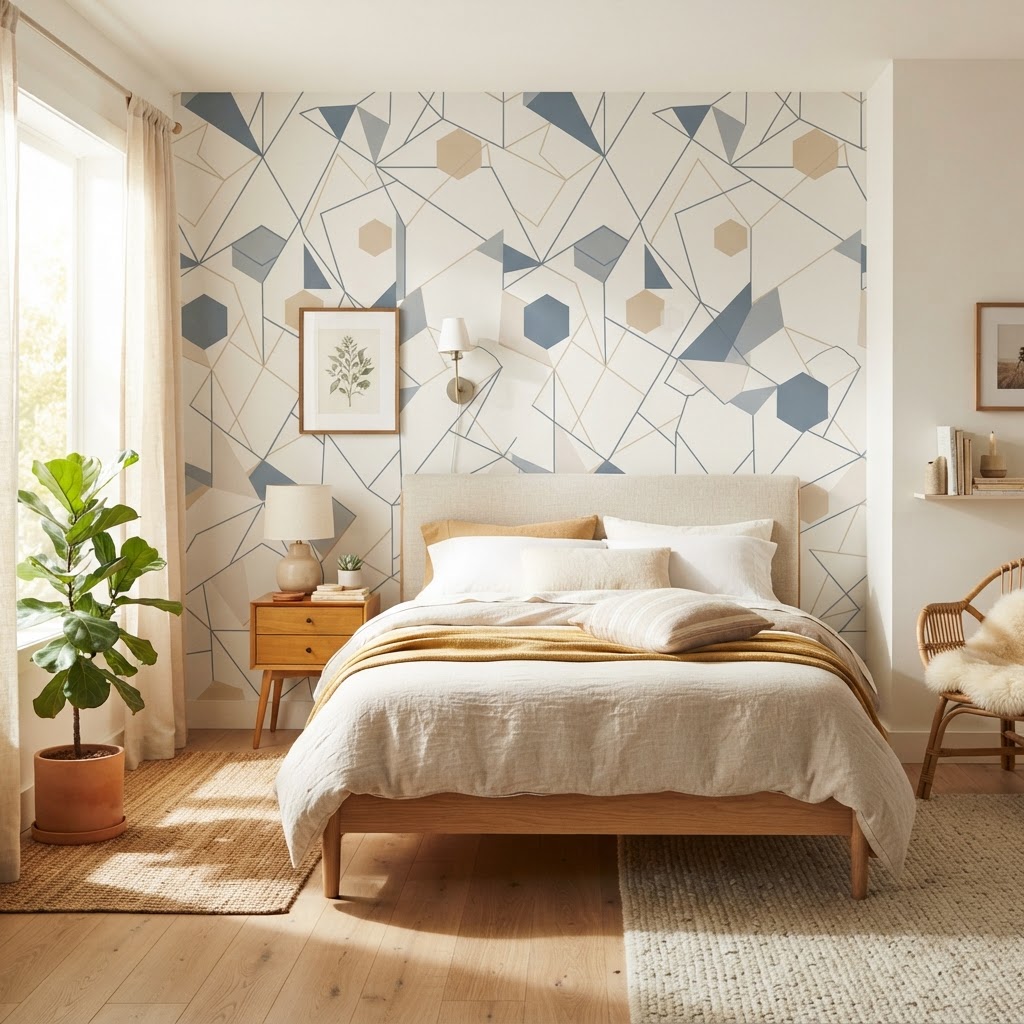
How to make a small apartment feel cozy? It is all about the layers of texture and the warmth of your lighting scheme. When you have a small room, you might think you need to keep everything minimalist to prevent clutter, but warmth often comes from soft touches. Consider adding a chunky knit throw, velvet pillows, or a high-pile rug that feels luxurious underfoot. Texture adds depth to your bedroom without needing extra square footage, helping the space feel finished rather than sparse. Furthermore, look at your walls; even in a rental, temporary wallpaper or a gallery wall can make the space feel like a curated home rather than a temporary living situation.
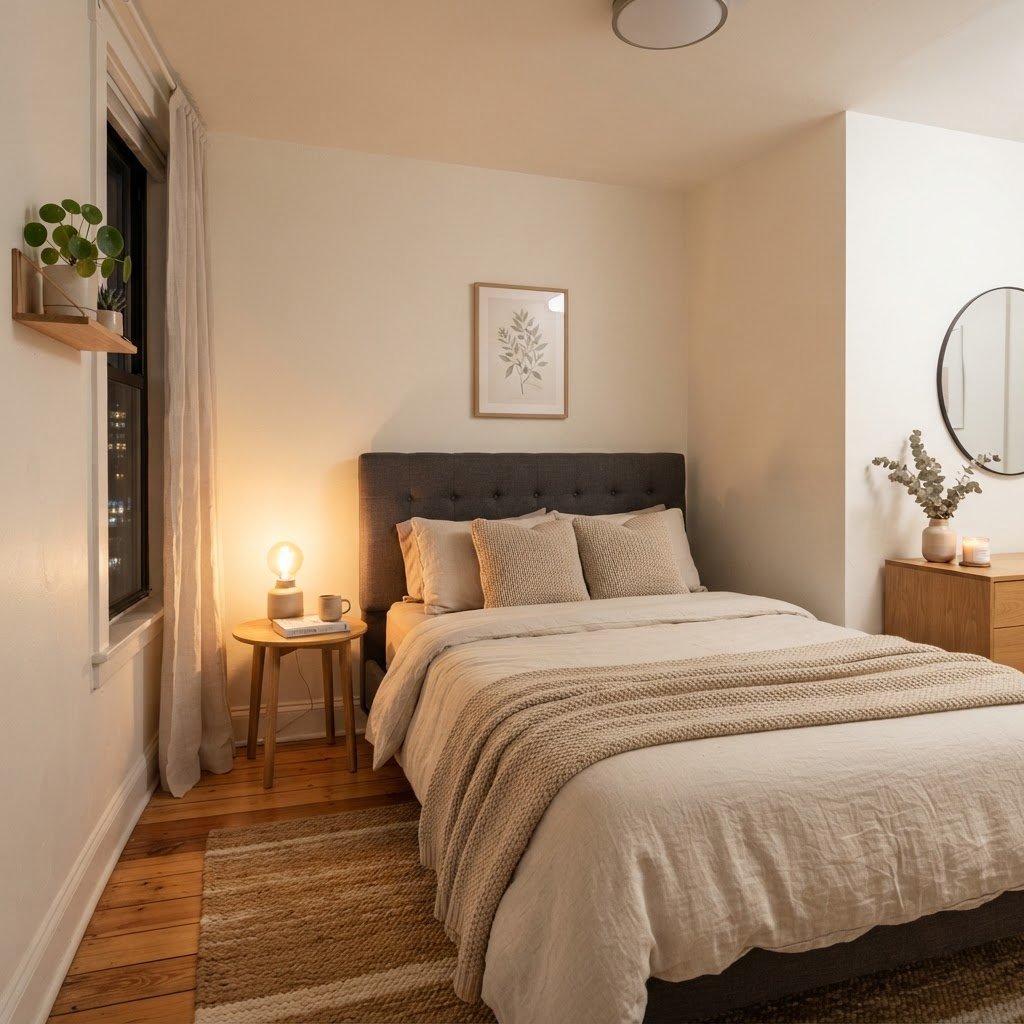
Lighting plays a significant role in how big your bedroom feels. Avoid relying solely on a harsh overhead light, which can make a small room feel clinical. Instead, invest in table lamps, wall-mounted sconces, or even fairy lights draped behind a headboard to create a warm, inviting glow. These layers of light allow you to control the mood, making the room feel like a cozy, intimate nest once the sun goes down.
Optimizing Your Bedroom Layout
How to make a small bedroom feel more cozy? The layout is the backbone of any successful bedroom design. In a small space, every inch must earn its place. Start by identifying the largest piece of furniture—usually the bed—and positioning it to allow for the best flow of movement. If possible, avoid blocking windows or doors, as natural light is your best friend when trying to make a room look larger. If your bedroom is truly tiny, consider pushing the bed into a corner to maximize floor space, though leaving a walkway on both sides creates a more balanced, mature look.
Often, people feel that a small bedroom must only house a bed. However, integrating storage into your layout is essential for keeping clutter at bay. Use under-bed storage bins for seasonal clothing or bulky items that do not fit in your closet. By keeping the floor clear, you naturally draw the eye across the room, which makes the floor area feel more expansive. Additionally, consider a slim console table or a floating shelf that can serve as a nightstand, saving floor space while providing a surface for your essentials.
Trends and Styles for 2026
What are the 2026 bedroom trends? The coming year is focused on nature-inspired aesthetics and hyper-functional minimalism. We are seeing a shift toward organic shapes, warm earthy tones, and sustainable materials. In terms of bedroom design ideas, the trend is moving away from stark white rooms toward “dopamine decor” mixed with calming, monochromatic palettes. You can incorporate these 2026 bedroom trends by introducing a deep sage green or a soft terracotta shade to your walls, which creates a grounding effect that feels sophisticated and modern.
Another major trend involves multifunctional furniture. As we seek more versatility in our homes, pieces that do double duty are increasingly popular. Think about ottomans that provide hidden storage or a headboard with built-in charging ports and shelves. These small bedroom ideas for 2026 prioritize ease of use without sacrificing aesthetic appeal, proving that even a tiny bedroom can be a high-end design project.
Decorating Your Compact Retreat
How to decorate a small apartment bedroom? Start by being ruthless about what you actually need. Clutter is the enemy of a cozy bedroom, so clear off surfaces like your dresser and bedside table. Use wall space to your advantage by installing a bookshelf that reaches toward the ceiling, which draws the eye upward and creates the illusion of a higher ceiling. A floor-to-ceiling bookshelf can also act as a decorative focal point, housing books, plants, and personal mementos that bring character to your bedroom.
When choosing decor, select one or two statement pieces rather than filling the room with small items that create visual noise. A large mirror is a classic design trick for a small room, as it reflects light and tricks the eye into seeing more space. Place it across from a window to maximize the effect. If you have a headboard, make it the hero of the space by choosing something upholstered, tufted, or made of a natural material like rattan. A bold headboard provides a focal point that anchors the bed in your bedroom design, giving the room a polished, professional look.
Maximizing Storage in Tight Spaces
If you are struggling with a tiny bedroom, storage is your greatest challenge and your greatest opportunity. Vertical storage is non-negotiable. If you cannot expand the footprint, expand the height. Wall-mounted shelves, over-the-door organizers, and high-placed hooks can turn underutilized wall space into a storage system. Remember that the area above your bedroom door or even the space beneath your bed can hold a surprising amount of gear if you organize it correctly.
Consider replacing a bulky dresser with a tall, slim chest of drawers to save floor space. Use clear acrylic bins inside your drawers to keep smaller items organized and easily visible, ensuring you do not lose track of your possessions. When your bedroom is free of visual clutter, it feels twice as large. This approach to your bedroom layout allows you to focus on the elements that contribute to a cozy, relaxing environment instead of worrying about where to put your shoes or your extra linens.
Creating a Calming Atmosphere
Ultimately, a cozy bedroom should prioritize rest above all else. This means keeping distractions to a minimum. Invest in quality bedding in neutral colors to keep the visual palette simple and soothing. Use blackout curtains to ensure you get a good night’s sleep, as light pollution can disrupt your circadian rhythm. Adding a small, quiet air purifier or a white noise machine can also help create a sensory environment that prepares your mind for sleep, regardless of the size of the room.
Consider the “scent” of your space, too. A gentle essential oil diffuser can make your bedroom feel like a spa. When you walk into your bedroom, it should feel like you are stepping out of the chaos of the city and into a private, peaceful world. By balancing these functional needs with the design ideas we have discussed, you create a bedroom that is not just a place to sleep, but a true sanctuary tailored to your personality.
Conclusion
Creating a beautiful bedroom in a small apartment is entirely possible with the right mindset and a bit of creativity. Whether you choose to invest in a statement headboard, install a tall bookshelf, or simply layer your textures to maximize coziness, the key is consistency. By sticking to a cohesive color palette and keeping your layout functional, you can master your small bedroom design. Remember that the size of your room does not dictate the quality of your lifestyle. Take these bedroom design ideas and start transforming your space today. We would love to see how you have styled your own cozy retreat; share your progress in the comments below or tag us in your bedroom transformations!
Living in a small apartment often means compromising on square footage, and nowhere is that more apparent than in a bedroom with no closets. While the lack of a built-in closet space might feel restrictive, it actually offers a unique opportunity to curate your storage exactly how you want it. With the right design strategy, you can turn your cramped quarters into a stylish, efficient, and relaxing retreat. Whether you are dealing with a tiny studio or a historic apartment, these tips will help you reclaim your space and banish the clutter for good.
The Reality of a Bedroom Without a Closet
Can you have a bedroom without a closet? Absolutely. While real estate listings often emphasize closet space, many beautiful and functional rooms exist perfectly well without one. The challenge lies in rethinking how we store our personal items. Instead of relying on a hidden wall cavity, you must treat your clothing, shoes, and accessories as part of your interior design aesthetic. When you stop viewing the lack of storage as a deficit, you can start viewing it as a blank canvas for creative organizational displays.
Smart Furniture Alternatives for Clothing Storage
When you don’t have a built-in closet, your choice of furniture becomes the most critical factor in your room’s success. A multifunctional piece of furniture is essential. Look for a bed frame that features built-in storage drawers beneath the mattress to house your off-season clothing or bulky linen. This single change effectively adds the equivalent of a small dresser to your room without consuming any extra floor space.
If you have enough room, a tall armoire or a dedicated wardrobe is the gold standard for replacing a traditional closet. Unlike a small dresser, a wardrobe allows for hanging clothes, keeping your garments wrinkle-free and organized. Choose a design that reaches toward the ceiling to maximize vertical storage, and look for units that offer a mix of shelves and drawers to accommodate different types of apparel.
Utilizing Vertical Space for Maximum Efficiency
In a small room, floor space is a precious commodity. If you cannot expand outward, you must expand upward. Installing a high shelf or a series of brackets along the upper perimeter of your room can act as a home for storage boxes containing items you don’t use daily. You can also utilize a wall-mounted rod for hanging clothes, which creates an industrial-chic boutique look that saves significant space.
Another clever trick is to use an open-concept shelving unit from brands like ikea to create a room divider. This helps to segment your sleeping area while providing open shelves for folded items. Add a decorative basket to these units to tuck away smaller items like scarves or hats, keeping the visual clutter to a minimum. Remember, when everything has a designated home, even the smallest bedroom will feel intentional and calm.
What Can I Use Instead of a Closet?
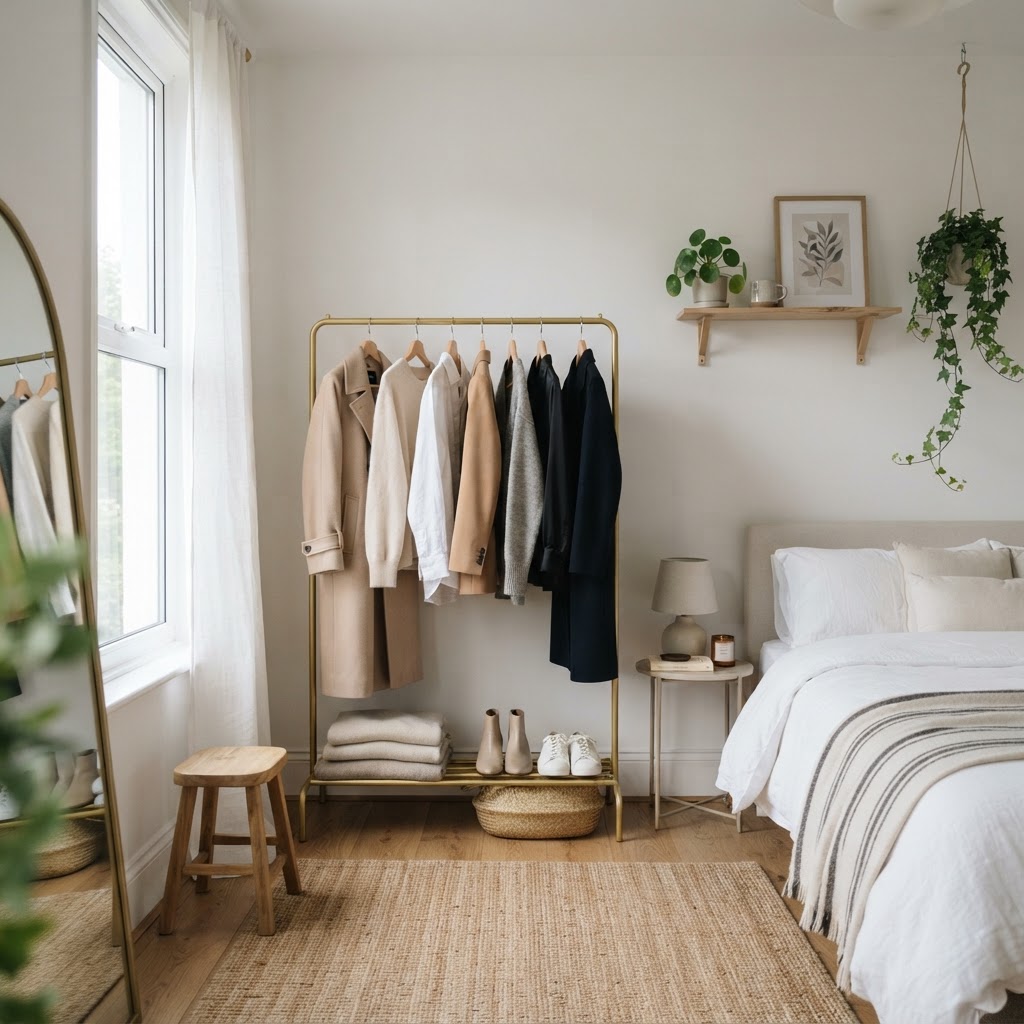
If you are wondering what can I use if my bedroom doesn’t have a closet, the answer is limited only by your imagination. A portable garment rack is a common and affordable solution. These racks are easy to move, allow for easy access to hanging clothes, and can be easily tucked away behind a decorative screen if you want to conceal your wardrobe from the rest of the bedroom.
Alternatively, consider installing a wall-mounted cabinet. A sleek, wall-hung cabinet can serve as a jewelry box or a spot for folded linen. If you have a specific wall behind your bed, a custom headboard with built-in cubbies can serve as a nightstand and a bookshelf combined, freeing up space elsewhere in the room for a dresser or additional storage units.
Creative Ways to Organize a Bedroom
Organizing a room without a closet requires a disciplined approach to decluttering. If your bedroom is small, you simply cannot afford to keep items you do not use. Start by rotating your wardrobe seasonally. Use vacuum-sealed bags for your heavy winter linen during the summer months, and store these under your bed or on a high shelf.
Focus on modular systems that can grow with your needs. A simple bookshelf can easily be transformed into a shoe rack or a display for your accessories. By keeping the floor clear, you create the illusion of a larger small bedroom, which makes the entire environment feel more peaceful and less chaotic.
How to Make a Closet in a Room That Doesn’t Have a Closet
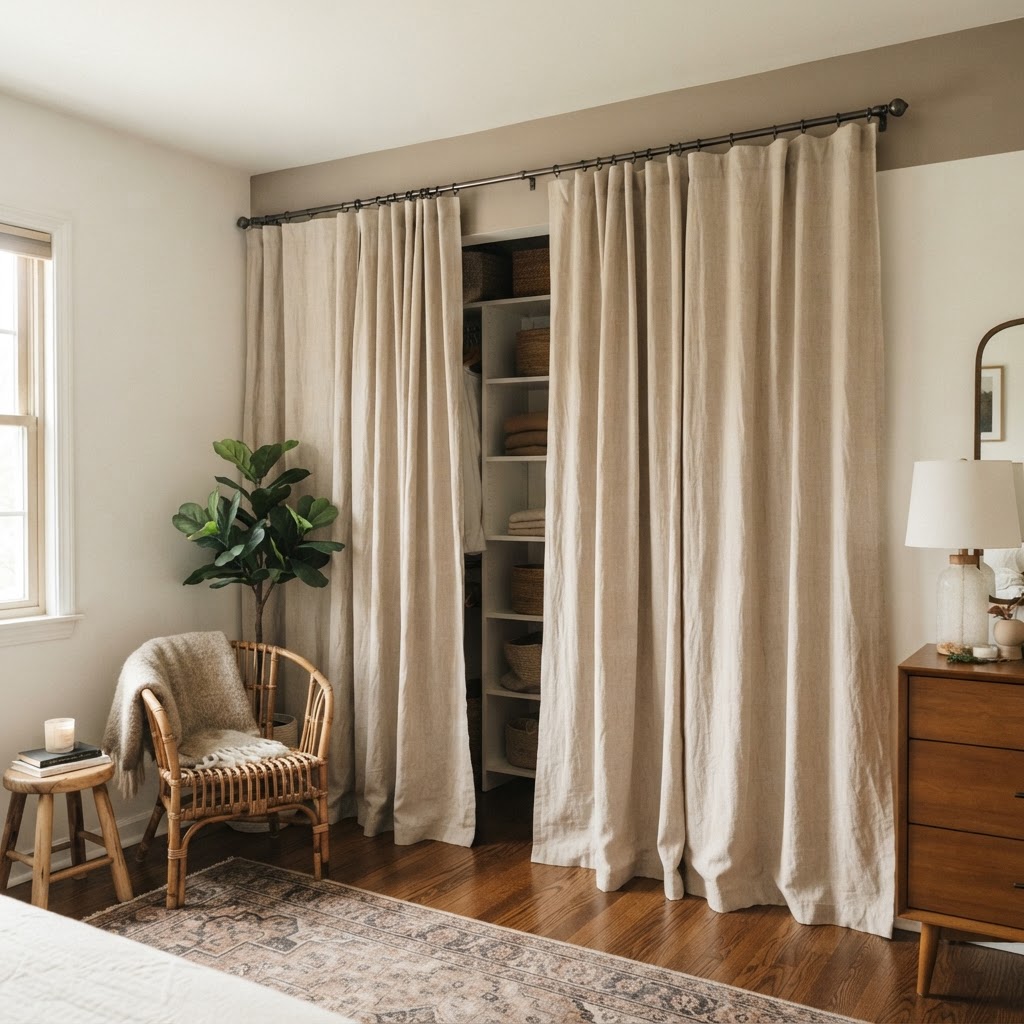
If you are handy and want a more permanent solution, you can build your own closet. By framing out a small section of a wall, you can create a reach-in closet that looks like it was part of the original blueprint. Even if you don’t want to do full construction, you can use tension rods or curtain tracks mounted to the ceiling to hang drapes around a section of your wall. This creates a soft, fabric-covered closet space that hides your hanging clothes entirely from view.
Focus on lighting within your new storage area to make it feel high-end. Battery-operated LED strips can provide excellent visibility in a dark corner or inside your improvised wardrobe. When you put effort into the details, your closet-less bedroom will feel like a deliberate style choice rather than a compromise.
Conclusion
Living in a bedroom with no closets doesn’t mean you have to sacrifice your style or your storage capacity. By integrating smart furniture like a bed frame with drawers, vertical shelving units, and efficient wardrobe alternatives, you can create a space that is both functional and beautiful. Every small bedroom has hidden potential waiting to be unlocked. Start by assessing your current storage needs today, choose one of these organization methods, and transform your room into the organized sanctuary you deserve. Take control of your storage today and see how much more relaxing your home can be!
Living in a rental property often feels like you are stuck in a decorative limbo. You want to make your space feel like a true home, yet the fear of losing your security deposit often keeps your walls tragically bare. Fortunately, the world of peel and stick technology has revolutionized the rental experience, offering a simple way to inject personality into every corner of your apartment. Whether you are aiming for a minimalist look or a bold, colourful statement, these versatile solutions allow you to experiment without permanence.
The Magic of Renter-Friendly Upgrades
When we talk about renter-friendly home decor, we are talking about solutions that provide maximum visual impact with zero long-term commitment. Peel and stick wallpaper is essentially a giant sticker for your walls, designed to be applied easily and stripped away when your lease ends. This innovation allows you to transform a drab studio apartment into a chic, cozy environment in just a single afternoon. By choosing removable products, you ensure that your design choices remain temporary, protecting your financial interests while elevating your living standards.
Is peel and stick actually renter friendly? Yes, provided you choose high-quality vinyl options specifically marketed for temporary use. The adhesive is formulated to bond securely to smooth surfaces without damaging the underlying paint or drywall upon removal. Most professional-grade removable wallpaper products are designed to lift off cleanly if you follow the manufacturer’s instructions, making them the ultimate tool for a stylish rental makeover.
Is Peel and Stick Wallpaper Allowed in Rentals?
Before you dive into your DIY project, it is wise to review your lease agreement. Most landlords are generally open to decor changes that do not damage the structure, but some have strict rules regarding adhesives. Is peel and stick wallpaper allowed in rentals? In the vast majority of cases, yes, because it is considered temporary decor rather than a permanent renovation. Always perform a patch test in an inconspicuous area of your apartment to ensure the surface is compatible and the wallpaper will not peel paint away.
When you select a design, consider the aesthetic of your room. A subtle, neutral wallpaper with a slight texture can add depth to a space without overwhelming it. For those who want something more dramatic, a large-scale mural can act as the focal point of a living room. Remember to check if your wall surface is porous or heavily textured, as some peel products struggle to adhere to rough, uneven surfaces found in older buildings.
Versatile Design Ideas for Your Home
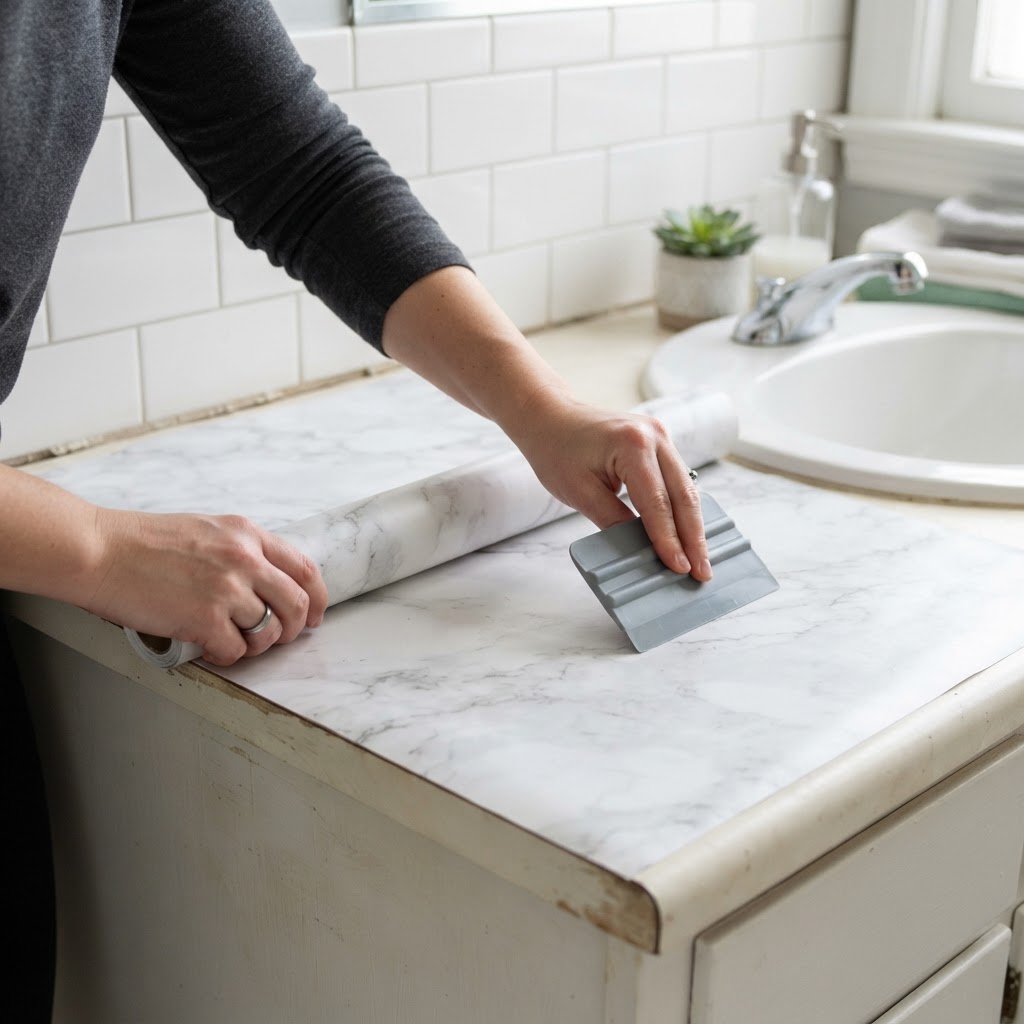
What are some design ideas for using peel and stick wallpaper? The possibilities are nearly endless. You can use wallpaper to create a faux headboard behind your bed, line the back of an open cabinet for a pop of color, or create a faux marble backsplash in your kitchen. If you have an ugly bathroom mirror or dated vanity, you can use these durable sheets to wrap the frame or even the sides of the cabinet for a modern look.
For a sophisticated vibe, try a beige grasscloth pattern to add warmth and tactile interest. If you have a small space, a vertical striped pattern can trick the eye into thinking the ceilings are higher. You might even consider using tile-look decals to upgrade a boring floor in your bathroom. These tile stickers are specifically designed to be waterproof and heat-resistant, making them perfect for high-traffic areas that need a refresh.
Choosing the Right Product for Your Walls
What is the best renter-friendly peel and stick wallpaper? The best products are those that offer “easy release” technology. Look for brands that explicitly state they are repositionable, which gives you a second chance if you make a mistake during the initial application. When you buy, try to order all rolls from the same “batch” or lot number to ensure the colours match perfectly across the entire mural.
Texture is another vital factor. If your apartment walls have a heavy “orange peel” texture, you might find that standard wallpaper struggles to stick. In these cases, look for heavier-duty vinyl that provides a better grip. If you are worried about the finish, a matte texture is generally more forgiving than a high-gloss finish, as it hides imperfections in the wall surface much better.
Professional Tips for a Flawless Application
Achieving a seamless look requires patience and the right set of tools. Start by cleaning your walls thoroughly with a mild detergent and water to remove any grease or dust. Even invisible particles can prevent the adhesive from bonding correctly, leading to peeling edges later on. Once the wall is completely dry, use a level to mark a straight plumb line; this will be your guide for hanging your first strip of wallpaper.
How to decorate an apartment without putting holes in the wall? Focus on tension-based systems and high-quality adhesives. Instead of traditional hardware, look for tension rods that can fit inside window frames for curtains or even between two walls to create a makeshift room divider. These items rely on pressure rather than piercing the drywall, ensuring the integrity of the paint and surface. It is the ultimate renter-friendly strategy for those who love frequently changing their layout.
Transforming Walls with Peel-and-Stick Wallpaper
One of the most dramatic ways to change a rental is by updating the walls, and peel-and-stick wallpaper is the industry standard for temporary upgrades. Unlike traditional paper that requires glue, this modern version is entirely removable and easy to install. You can choose from bold patterns or subtle textures to give your apartment a professional designer look. It is an excellent way to cover up dated paint colors or add character to a sterile white box.
Application Tips for Success
Before you start, clean the surface thoroughly to ensure the adhesive sticks properly. Even a small amount of dust can cause the paper to peel prematurely. Use a smoothing tool to get rid of bubbles, and always buy a little extra material to account for pattern matching. If you are worried about potential damage, test a small piece in an inconspicuous area, such as behind a bookshelf or inside a closet. Most quality brands are designed to come off cleanly, meaning no patch work is required when you move.
Utilizing Furniture for Storage and Style
When wall mounting is off the table, you must rely on your furniture to do the heavy lifting. A sturdy bookshelf or a tall dresser can serve as a canvas for your decor items. Instead of hanging pictures, lean oversized frames against the wall on top of a console table for a casual, layered look. This approach adds depth to your room and avoids any risk of damaging the surface behind it.
What are some renter-friendly decor hacks? One of the best is to use furniture to anchor your space. By grouping items on a surface, you create a cohesive vignette that draws the eye away from blank walls. You can also use decorative baskets or modular storage units that sit on the floor to keep your items organized. Remember to use furniture pads to prevent scratches, as you want to protect the floor just as much as the walls to ensure your lease terms are met.
Adding Personality with Textiles and Lighting
If you cannot change the structural elements of your rental, lean into soft decor. Rugs are a fantastic way to cover up worn-out flooring and inject color or texture into a room. You can also use layering techniques to make a space feel cozy and curated. Lighting is another powerful tool; replace standard landlord-provided light fixtures with your own floor lamps or table lamps to change the mood instantly. Just keep the original fixtures in a safe place so you can swap them back before moving out.
The Power of Soft Decor
Curtains can also hide unattractive blinds or wall finishes. Install them using a long tension rod between the window casing for an easy, no-drill solution. The fabric adds softness to the room, dampening sound and making your apartment feel like a luxury sanctuary. When you choose textiles, aim for high-quality fabrics that reflect your personal style, effectively masking the generic features of your rental home.
Mastering the Layout with Design Rules
What is the 3-5-7 rule in interior design? This guideline helps in grouping decor items to create visual balance. It suggests that arrangements of three, five, or seven items are more pleasing to the human eye. Applying this rule to your shelves or tabletops helps you curate a space that looks professionally decorated rather than cluttered. It is a simple trick that works in any size apartment, helping you achieve a polished look without hanging anything on the wall.
Before you start, ensure your walls are clean and dry. A small test patch in an inconspicuous area is always a smart move to ensure the adhesive won’t pull off the existing finish. If wallpaper feels too daunting, consider using large-scale wall decals or hanging lightweight tapestries that create visual interest without the need for adhesive applications.
Rethink Your Floors with Area Rugs
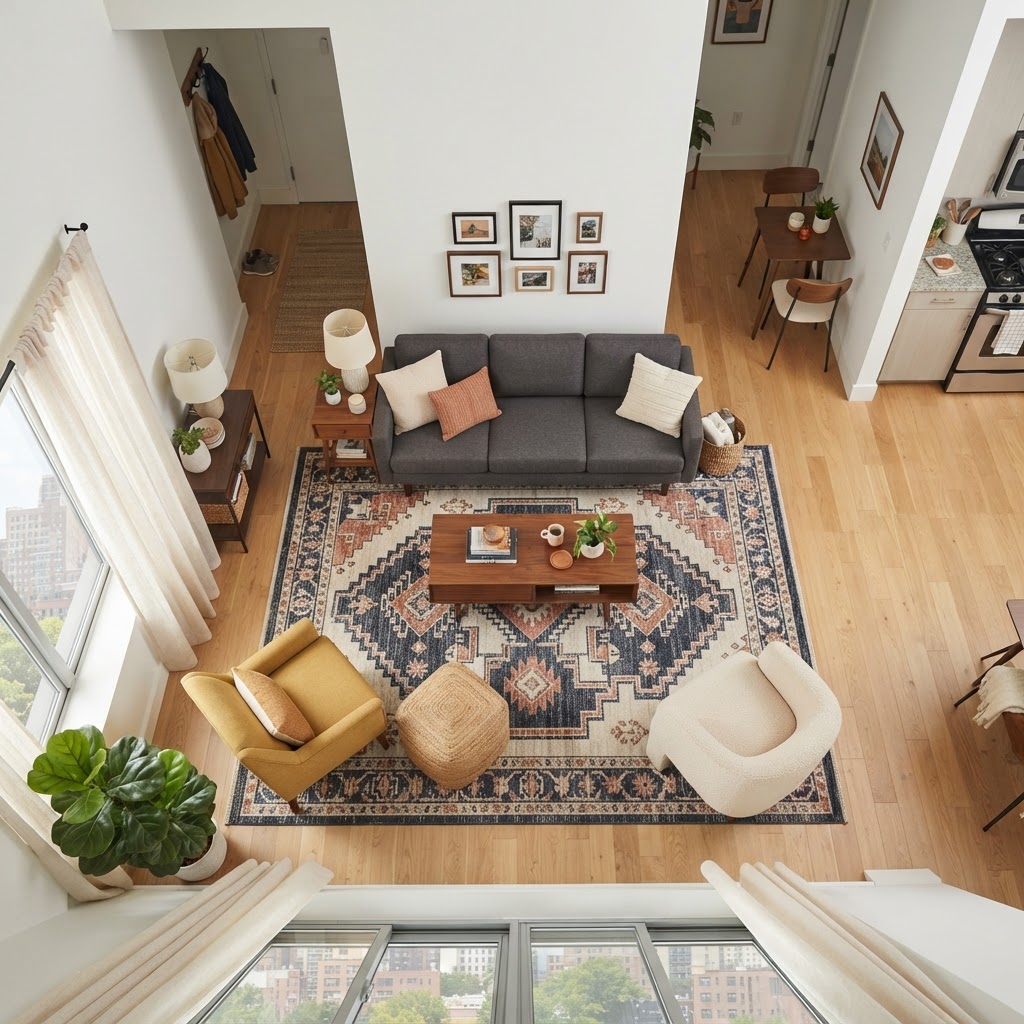
Rental apartments often come with flooring that is either outdated or worn. While you cannot replace the floor, you can certainly cover it. A high-quality area rug acts as the anchor for your entire living room design, allowing you to define seating zones and inject warmth into the space.
Choose a large rug that fits your furniture arrangement to avoid the room feeling segmented. Layering rugs is another professional trick; placing a smaller, patterned rug over a larger, neutral jute or sisal base adds dimension and texture to your floor. This simple addition can completely transform the atmosphere of the room while protecting the original surface.
Lighting and Window Treatments That Impress
Standard rental lighting is often harsh and unattractive. Swap out generic boob lights for stylish floor lamps or table lamps to create a layered lighting scheme. If your lease allows, you can swap out basic fixtures, but make sure to store the original hardware safely to reinstall before moving out.
Curtain panels are another essential tool. Replace standard plastic blinds with elegant curtains hung from a tension rod or a temporary, drill-free mount. Floor-to-ceiling curtains draw the eye upward and make the ceilings appear taller, creating a luxurious, custom-designed feel. If you must use the existing blind, layering a Roman shade over it can soften the look significantly.
Smart Furniture and Shelving Solutions
Large furniture pieces are the backbone of a living room, but they can be expensive to replace. Focus on multifunctional pieces that serve dual purposes, such as an ottoman with storage or a coffee table with built-in shelves. These pieces help maximize your square footage and keep clutter at bay.
When it comes to storage, look for free-standing bookshelves instead of wall-mounted options. If you need a decorative shelf for small items, use heavy-duty adhesive strips designed for heavy objects. Always check with your landlord if you are considering anything that involves drilling holes, but usually, there are plenty of gravity-defying solutions available that keep your walls intact.
Adding Personality Through Decor
Your living room should be a reflection of your lifestyle. Bring in art, mirrors, and greenery to add life to the space. Mirrors are particularly effective in small rentals because they reflect light and create the illusion of extra space. Use command hooks to hang artwork securely without causing damage to the wall surfaces.
Introduce a soft touch with a well-placed pillow or two. Throw pillows are the easiest way to swap out color palettes with the seasons. Don’t be afraid to mix patterns and materials to add depth. These small decorative flourishes are what truly make a rental feel like a home.
Managing Landlord Expectations and Leases
Communication is key when you live in a rental. Always read your lease agreement carefully before starting any projects. If you really want to paint a wall or install something that requires minor drilling, ask your landlord for permission in writing. Many property managers are open to upgrades if they enhance the property, provided you agree to restore it to its original state if requested.
Keep a dedicated bin in your closet for all the original hardware and light fixtures you have removed. Being organized during the move-out process is just as important as the design process itself. By treating your temporary home with respect, you build a positive relationship with your landlord while enjoying a beautifully curated space.
Conclusion
Creating a rental friendly living room is all about finding creative workarounds that satisfy your need for design without risking your security deposit. By layering textures, using removable wallpaper, and choosing the right furniture, you can achieve a space that feels permanent and personal. Remember that a great design isn’t about owning the walls—it’s about how you live within them. Start with one area of your room today and see how these small changes can make a massive impact on your daily life. What project are you going to tackle first?
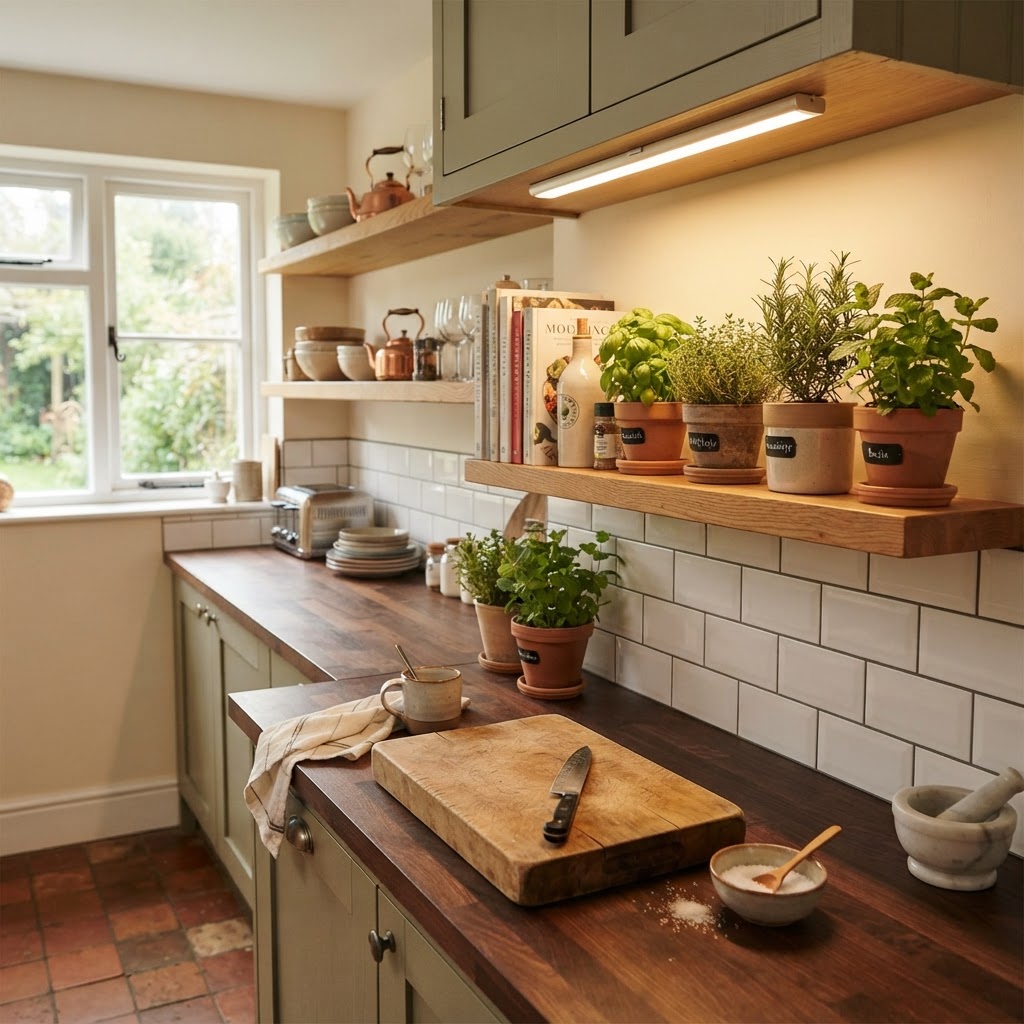
Living in a rental property often feels like a series of compromises, especially when it comes to the heart of the home. Many tenants assume their kitchen is a permanent, unchanging landscape, but a stunning kitchen makeover is entirely possible without upsetting your landlord. By focusing on temporary, renter-friendly changes, you can ensure your kitchen feels like your own sanctuary rather than a generic pass-through space. Whether you are dealing with dated cabinetry or lackluster surfaces, there are endless kitchen ideas to help you achieve the home of your dreams.
Understanding the Basics of a Rental Kitchen Makeover
How to decorate a rental kitchen? The secret lies in focusing on surface-level changes that don’t involve demolition. When you start your rental kitchen project, identify the features you dislike the most—whether it’s the color of the cabinet, the plain white backsplash, or the dull lighting. Most landlords are happy to allow changes as long as you can reverse them before moving out. Think of your kitchen as a blank canvas where temporary modifications can significantly brighten the atmosphere.
How to cover kitchen cabinets renter-friendly? The most effective way is using contact paper or decorative film. If you find your current kitchen cabinet doors are an eyesore, a layer of high-quality contact paper can completely change the aesthetic. Choose a matte finish or a wood-grain texture to add warmth to your kitchen cabinetry. Always test a small, hidden area first to ensure it won’t damage the surface underneath when you remove it later.
Another option is replacing the hardware. Simply unscrewing each old knob and replacing it with a modern metal finish can instantly modernize the room. Keep the original hardware in a labeled bag inside a drawer so you can swap them back when you move. If you have an open shelving unit, consider adding a tension rod with a cafe curtain to hide clutter while adding a soft, decorative touch.
Enhancing Backsplashes and Countertops
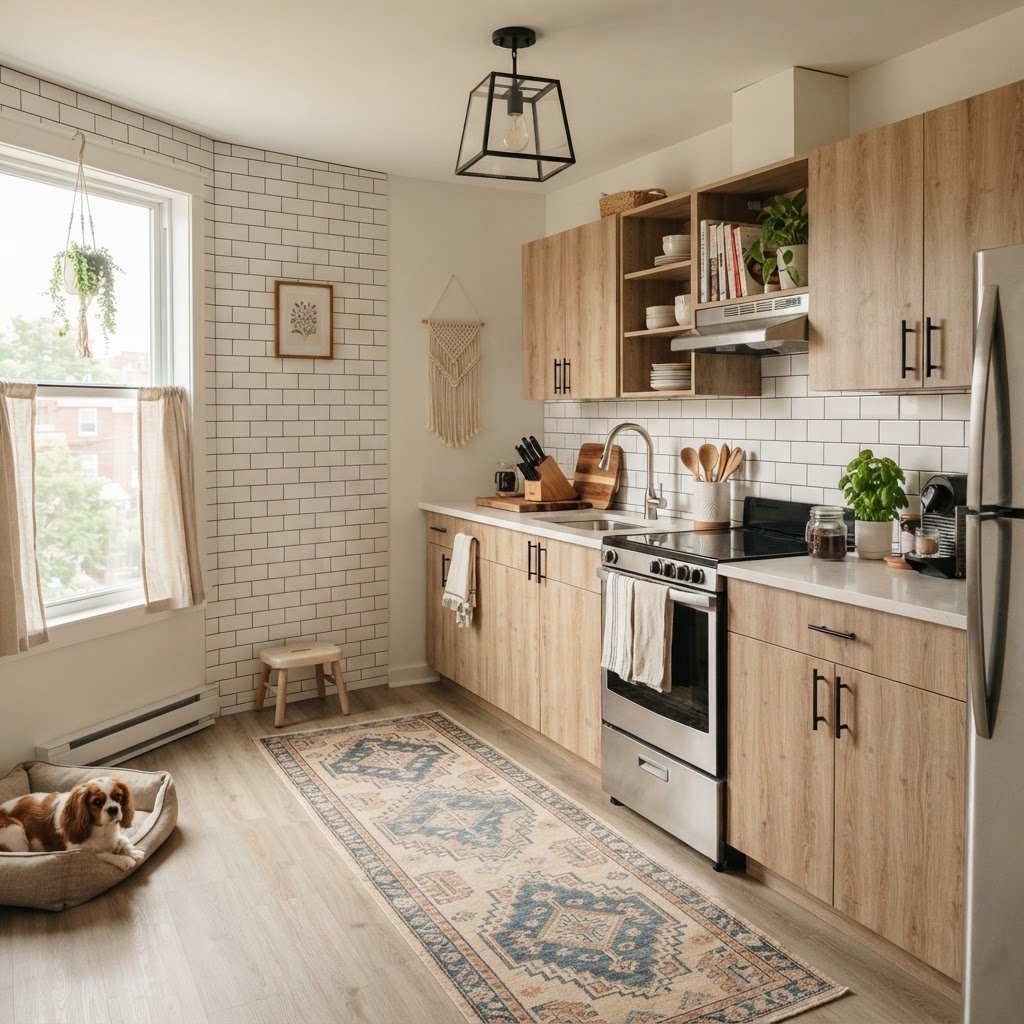
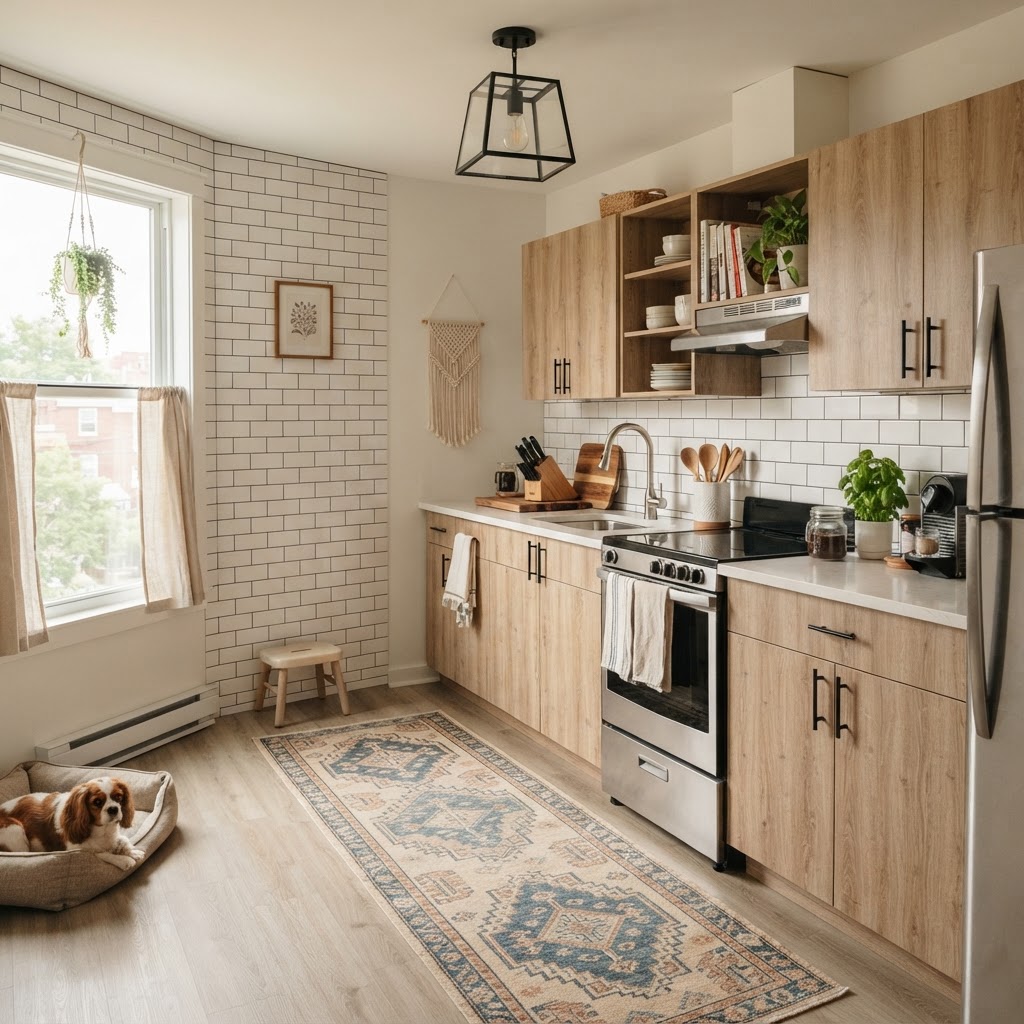
Often, the backsplash is the focal point of a kitchen. If you are stuck with plain white walls, peel-and-stick subway tile is a game changer. These faux tiles are water-resistant and replicate the appearance of real subway tile grout, adding texture and depth to your kitchen. If you don’t want to tile the entire wall, create a small accent area behind the stove to give your kitchen a custom feel.