Small Apartment Lighting Ideas: Ways to Brighten Your Space

Small Apartment Lighting Ideas: Ways to Brighten Your Space

To brighten a small apartment, layer multiple light sources—such as floor lamps, desk lamps, and sconces—with warm-toned LED bulbs (2700K-3000K) while utilizing mirrors to reflect natural light. Combining this lighting strategy with a light, neutral color palette and low-profile furniture creates the illusion of a significantly larger, more inviting space.

The Power of a Light Color Palette
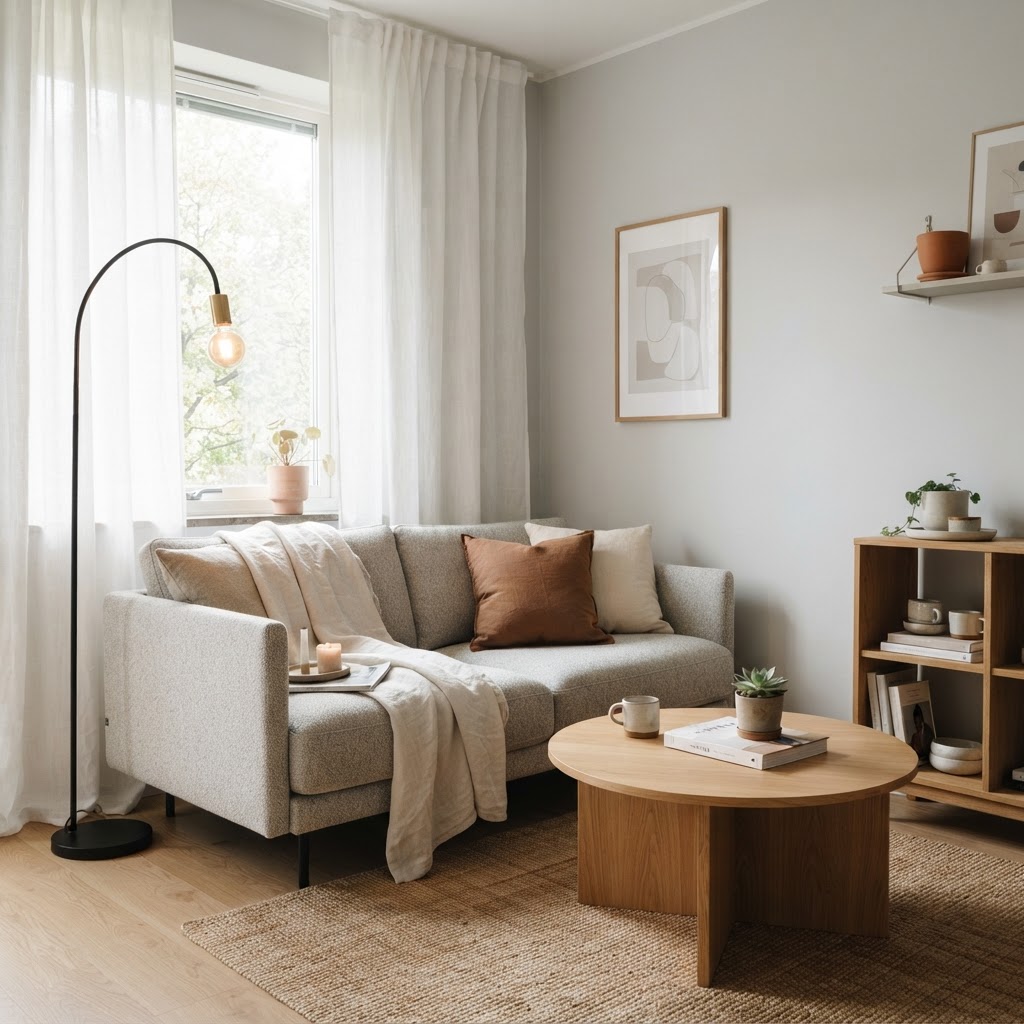
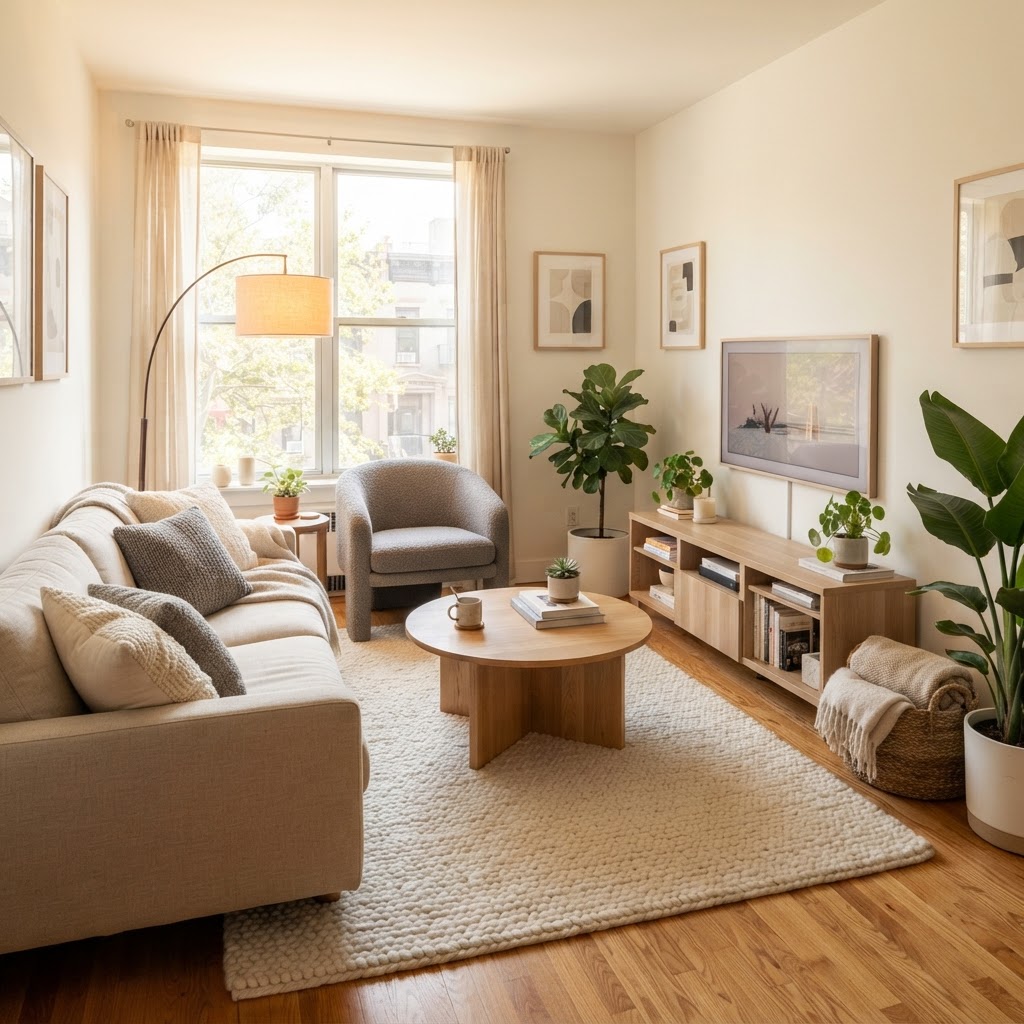
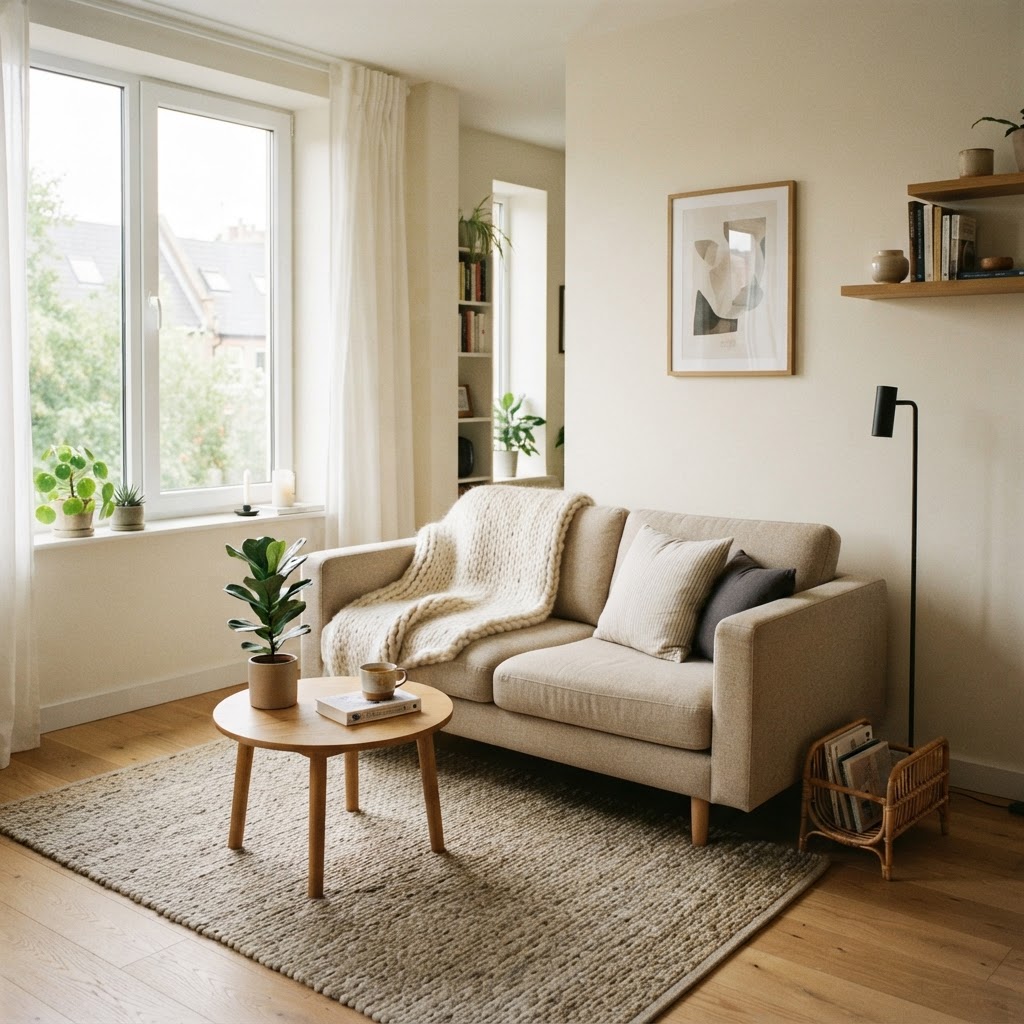
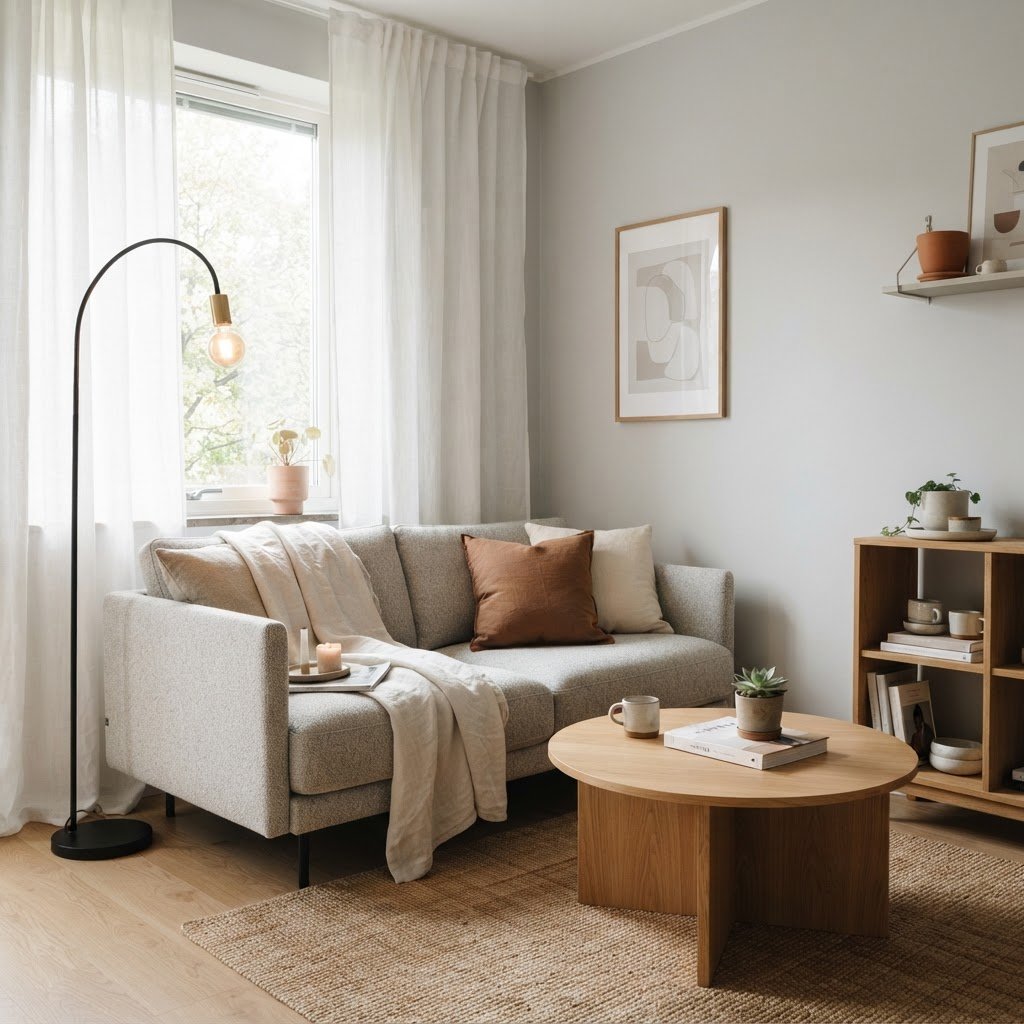
Maximize your living space with light colors and clever floor lamp placement.

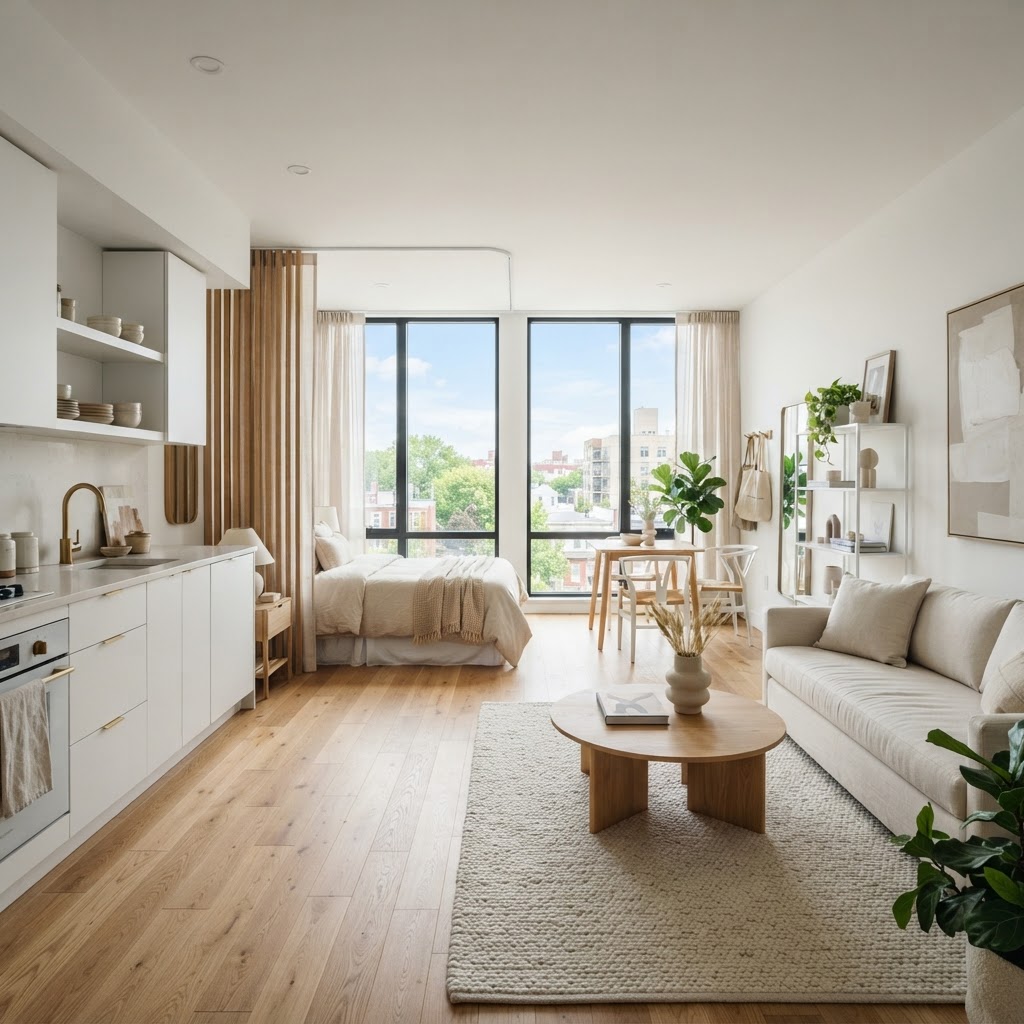
Strategic use of paint and textiles is the most effective way to brighten any room, as lighter shades reflect up to 80% more natural light than dark surfaces. When living in a small apartment, prioritize crisp whites, soft greys, or pale pastels on your walls to remove visual clutter and create a clean, modern canvas. A minimalist approach to color prevents the “cramped” feeling that often plagues smaller square footage, making the room feel open rather than confined.

To keep your space from feeling sterile, focus on introducing varied textures rather than high-contrast patterns. A soft rug or a light-colored throw blanket adds necessary warmth without visually crowding the floor plan. Consistency is vital; by applying a cohesive color scheme across your living, dining, and sleeping areas, you establish a visual flow that makes the entire apartment feel like one expansive, thoughtfully designed unit rather than a collection of separate, tiny rooms.

Paint Finish Light Reflectance Best Used For
High Gloss Very High Trim & Furniture
Satin/Eggshell Moderate Walls (Most Common)
Matte Low Ceilings (Hides Bumps)

Maximizing Natural Light in Your Apartment
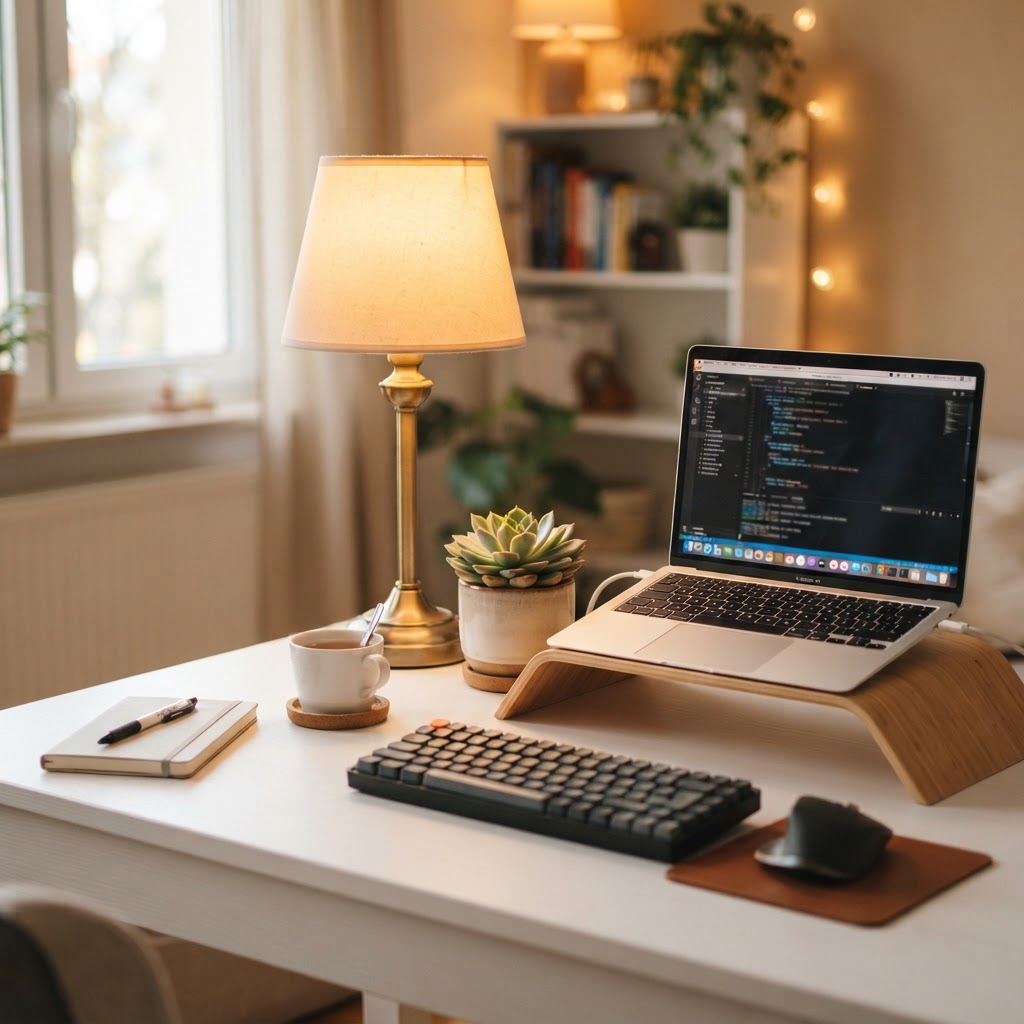
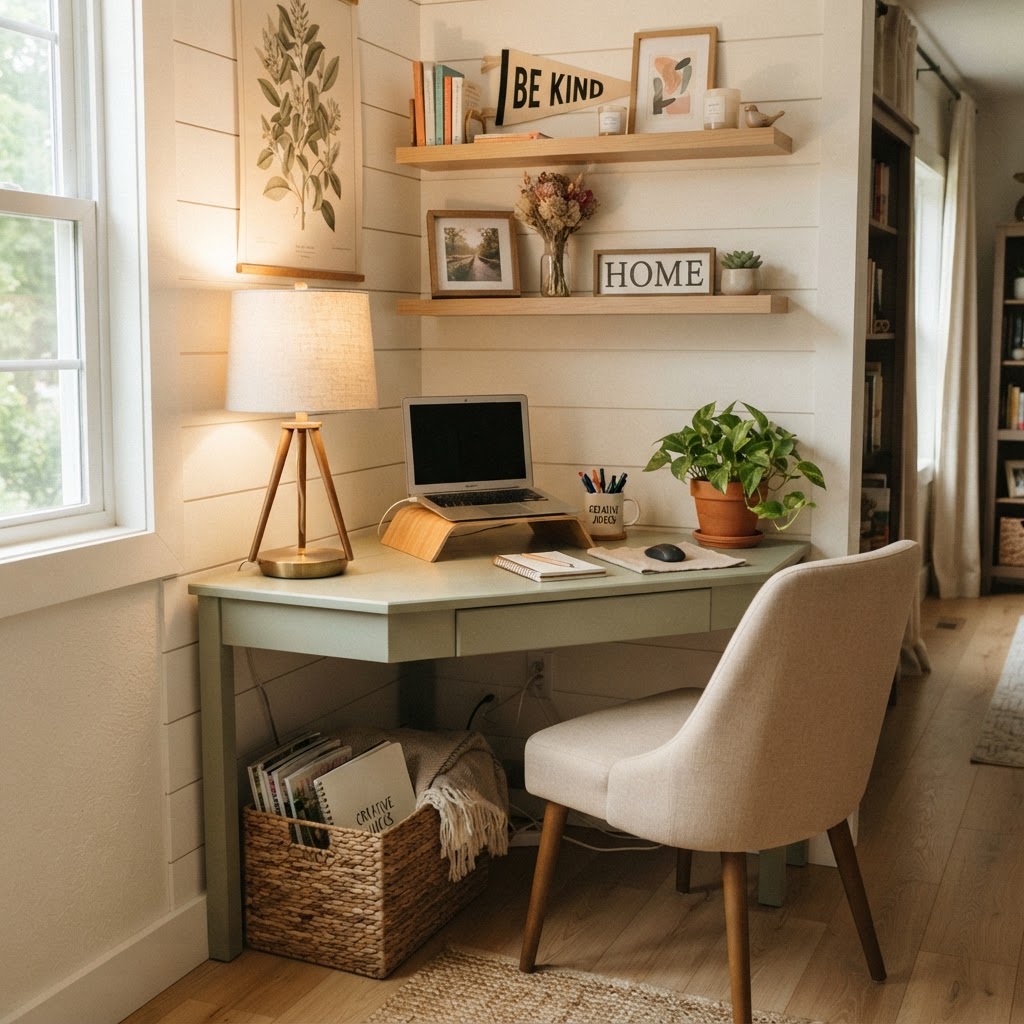
A minimalist desk lamp can brighten your workspace and improve focus.

Natural light is your most valuable asset for expanding a small space, and you should maximize it by removing obstructions that block daylight. Replace heavy, opaque drapes with sheer linen curtains that provide privacy while diffusing soft, natural light throughout the room. If your apartment has poorly placed windows, strategically position a decorative mirror directly opposite the primary light source; this simple physics hack bounces sunlight into deep, dark corners, effectively doubling the apparent light output of the room.

Keep your windowsills completely clear to ensure every inch of daylight reaches the heart of your home. While it is tempting to use sills for decor, excess items act as physical barriers that limit illumination. If you maintain a home office, orient your desk to face or stand perpendicular to the window. This setup maximizes exposure to the outdoors while reducing reliance on artificial electricity during daylight hours, contributing to both a better mood and lower monthly energy consumption.

Selecting the Right Lamp for Every Corner
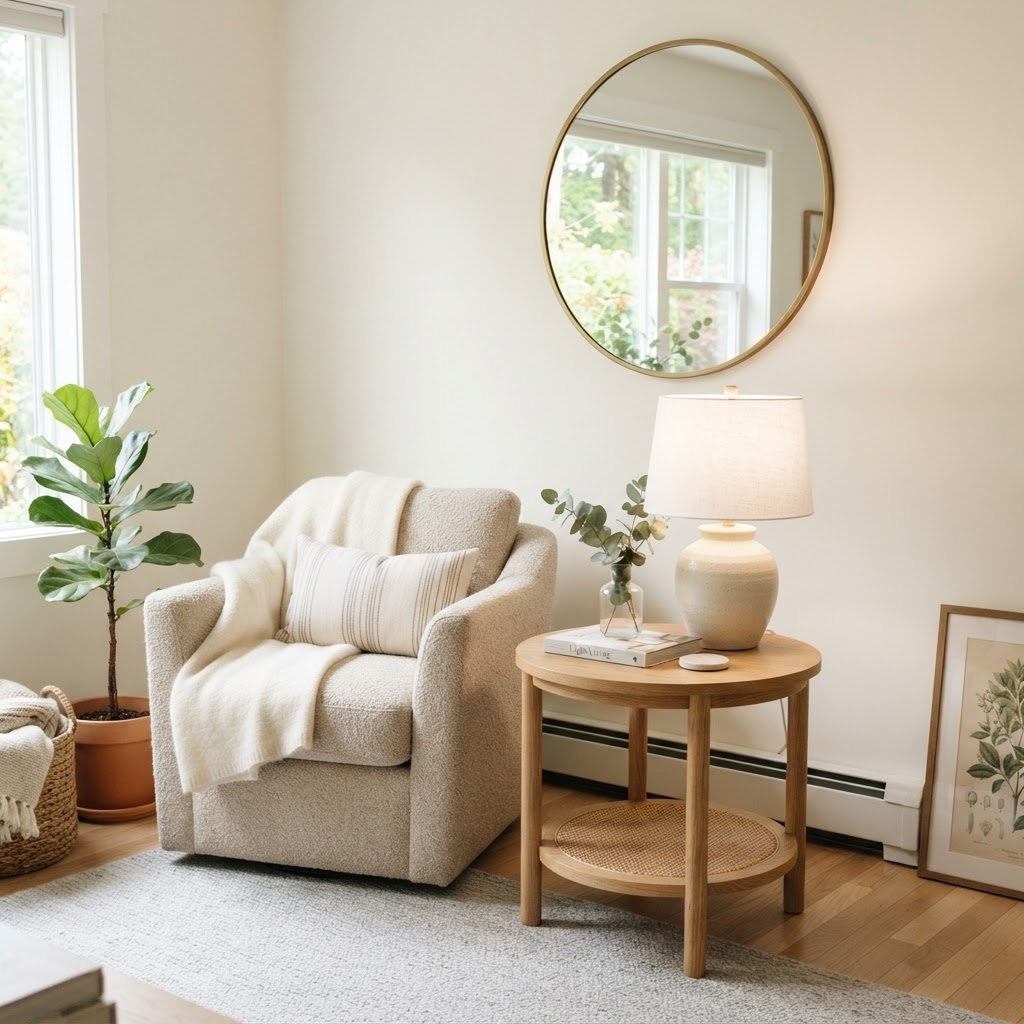
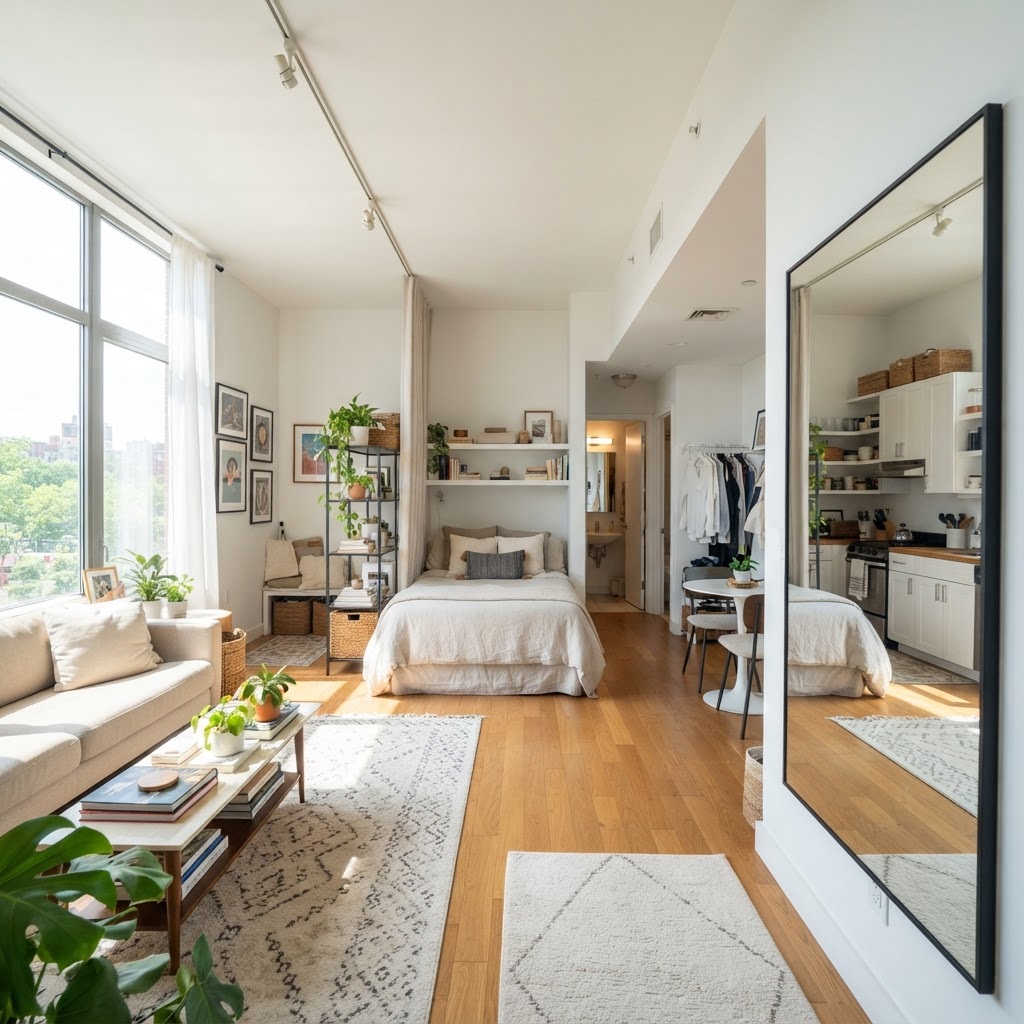
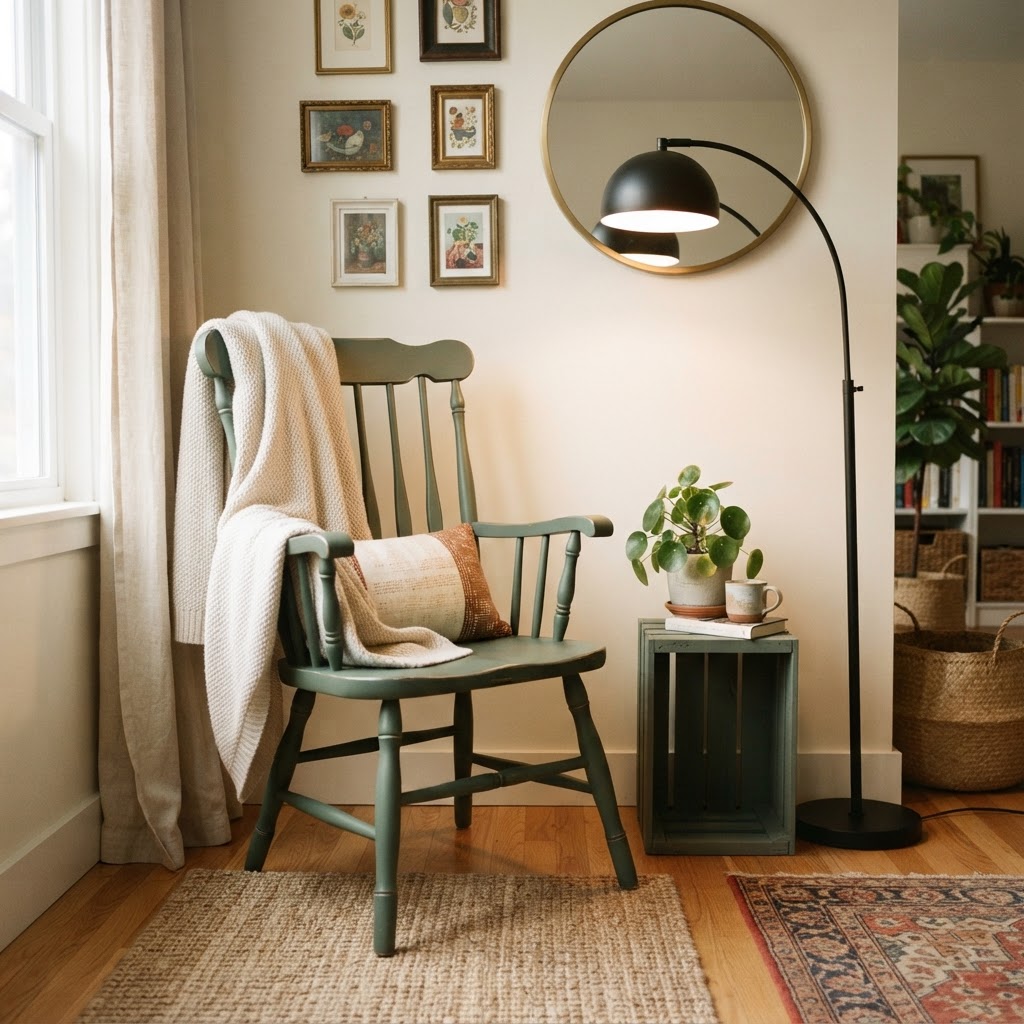
Mirrors are a simple way to reflect light and expand your apartment's visual space.

Lighting should be layered to define specific functions, as relying on a single overhead ceiling light often creates harsh, unappealing shadows that highlight the room’s limited size. A tall, slender floor lamp is ideal for illuminating dark corners because it provides height and necessary task lighting without eating up precious square footage. When shopping on a budget, prioritize adjustable-neck models that offer flexibility, allowing you to direct light exactly where you need it for reading or working.

Incorporate task lighting to make individual zones feel more professional and cozy. A dedicated lamp on your side table or workspace serves as a visual anchor that distinguishes that zone from the rest of the room. By using multiple smaller, low-wattage sources rather than one bright overhead light, you create a soft, ambient environment that feels curated and sophisticated. This “layering” approach is a common professional interior design technique that makes even the smallest studios feel like high-end apartments.

Choosing the Perfect Bulb for Ambiance

Many apartment dwellers underestimate the impact of the humble light bulb, yet the color temperature—measured in Kelvins (K)—fundamentally changes the room’s personality. For living areas and bedrooms, opt for bulbs with a “warm white” rating, typically between 2700K and 3000K, to create a golden glow that makes a small space feel intimate and welcoming.

If you have a dedicated home office area, consider a cooler, slightly brighter light (around 4000K) to keep you alert and energized during work hours. Modern LED bulbs are the standard for efficiency, usually lasting 15,000 to 25,000 hours, significantly reducing long-term costs. Always check the lumen output on the packaging; for a standard small bedroom, 400 to 800 lumens is generally sufficient. Avoid over-brightening, as excessive glare in a confined area can lead to significant eye strain and make the space feel sterile.

Furniture Placement and Spatial Awareness

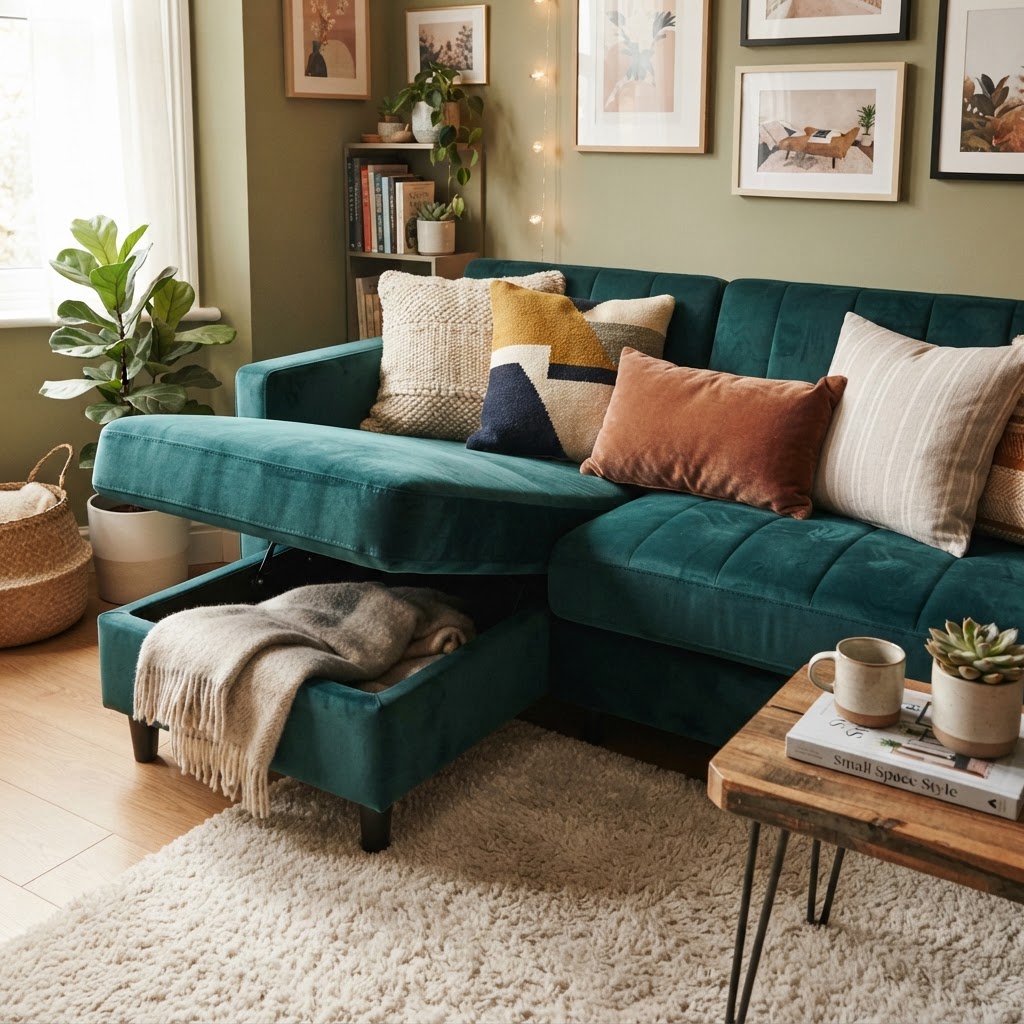
Furniture placement is as critical as your lighting strategy, with the goal being to maintain clear “sightlines” that make the room look longer and wider. Avoid bulky, low-to-the-ground sofas that dominate the floor space; instead, select furniture with legs, which creates the illusion of more floor space by allowing light to circulate underneath. Multifunctional pieces, such as an ottoman with hidden storage or nesting side tables, are essential for keeping high-traffic areas clear of clutter.

Arrange larger furniture pieces toward the perimeter of the room to keep the center of your floor plan open. This layout not only makes the apartment feel larger but also improves the flow of foot traffic. Furthermore, a minimalist floor layout ensures that your lighting pieces, such as your floor lamp or accent sconce, are not competing with excess furniture for attention, allowing the room to feel curated rather than crowded.

Creating Vertical Interest

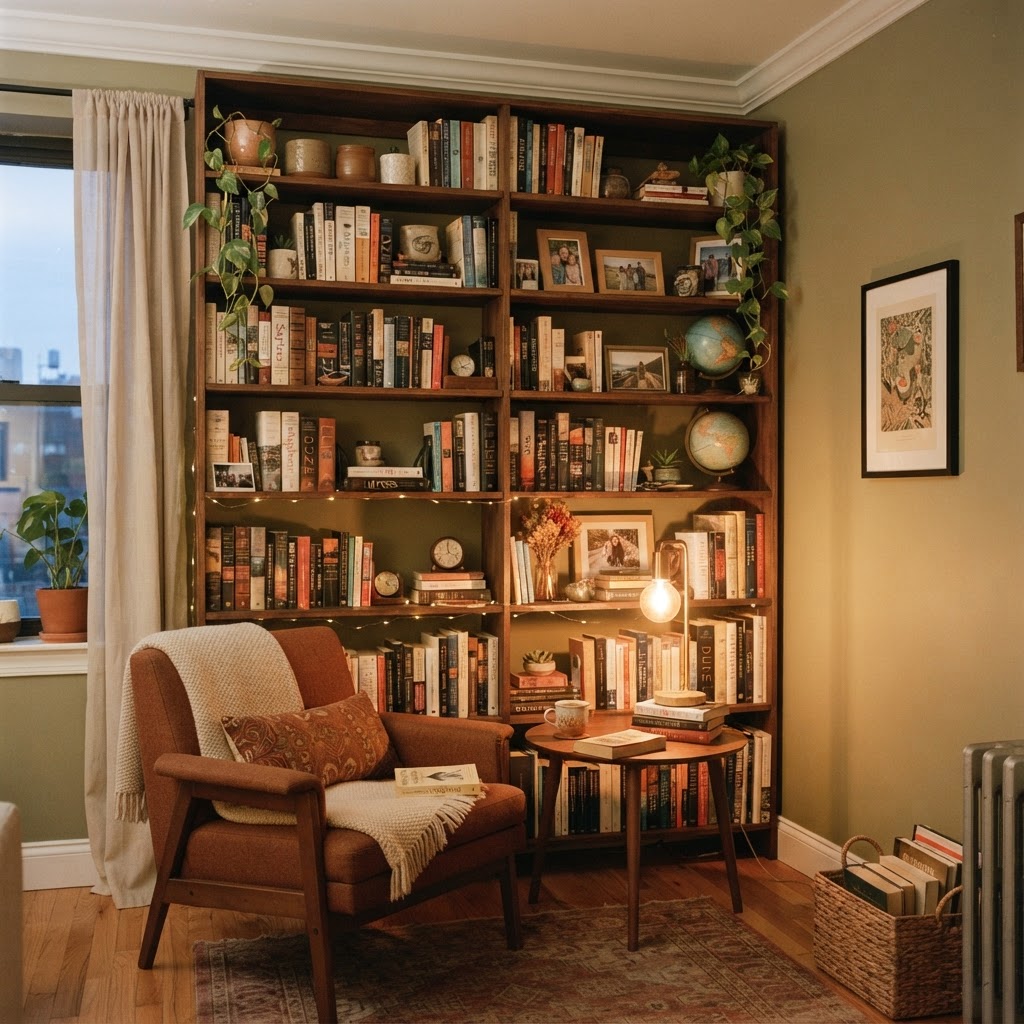
When floor space is at a premium, you must look toward your walls to draw the eye upward and maximize your storage capacity. Using vertical shelving or wall-mounted lighting is a game-changer; for instance, installing a sconce or a wall-mounted reading lamp near your bed completely frees up your nightstand surface area. By shifting items off the floor and onto walls, you increase the perceived ceiling height and create a more spacious, organized environment.

Consider adding a gallery wall with light-colored, matching frames or a single oversized mirror to add depth. Mirrors are the most powerful tool for small-space decorating because they reflect natural light and create a ‘window’ effect on solid walls. Keep your vertical displays organized and purposeful; a chaotic wall with too many small items will make the living quarters feel cramped. A clean, vertical approach provides a sophisticated aesthetic that makes the apartment feel much larger than its actual square footage.

Affordable Decorating Hacks for Renters

Renters often face lease restrictions that prevent structural renovations, but temporary hacks provide professional results without risking a security deposit. Peel-and-stick wallpaper is an excellent solution for creating a focal accent wall behind a sofa or bed, adding depth and personality without permanent damage. For hanging decor, use adhesive strips—such as Command strips—which can easily hold mirrors, art, and even lightweight wall sconces without requiring a single nail hole.

Shopping second-hand for accent pieces is another way to maximize your budget while adding unique character. Look for vintage side tables or lamps made from wood or metal, which offer a higher quality of finish compared to budget-retail composite materials. By curating your space with items that offer both function and style, you create a home that feels intentionally designed. Focus on high-quality, long-lasting items to maintain a clean, minimalist aesthetic that works perfectly in a small, well-lit apartment.

FAQ

Q: What is the best light bulb temperature for a small living room?

For a cozy and welcoming living room, use bulbs with a “warm white” rating of 2700K to 3000K. This range produces a soft, golden light that makes compact spaces feel comfortable and inviting, avoiding the harshness of cooler, blue-toned office lighting.

Q: How can I brighten a room without windows?

To brighten a windowless room, use a combination of floor lamps and wall-mounted sconces placed in all four corners to eliminate dark shadows. Additionally, install a large mirror on the most prominent wall to reflect existing artificial light and create the illusion of added depth.

Q: Are floor lamps better than table lamps in small apartments?

Floor lamps are generally better for small apartments because they provide vertical height and illumination without occupying valuable surface space on tables or desks. If your floor area is extremely limited, opt for a slender floor lamp with a thin profile or a wall-mounted sconce.

Q: Can dark colors work in a small apartment?

Yes, dark colors can work in a small apartment if used strategically as an accent wall rather than painting every surface. Using a dark navy or charcoal on one wall can add depth and create a dramatic focal point, provided the other walls remain light and the room is well-lit.

Q: What is the best way to hide cords in a small space?

Use adhesive cable clips or cord covers that match your wall color to keep wires pinned neatly along the baseboards or behind furniture legs. Hiding cords reduces visual clutter, which is essential for maintaining the clean, minimalist look required to make a small room feel larger.
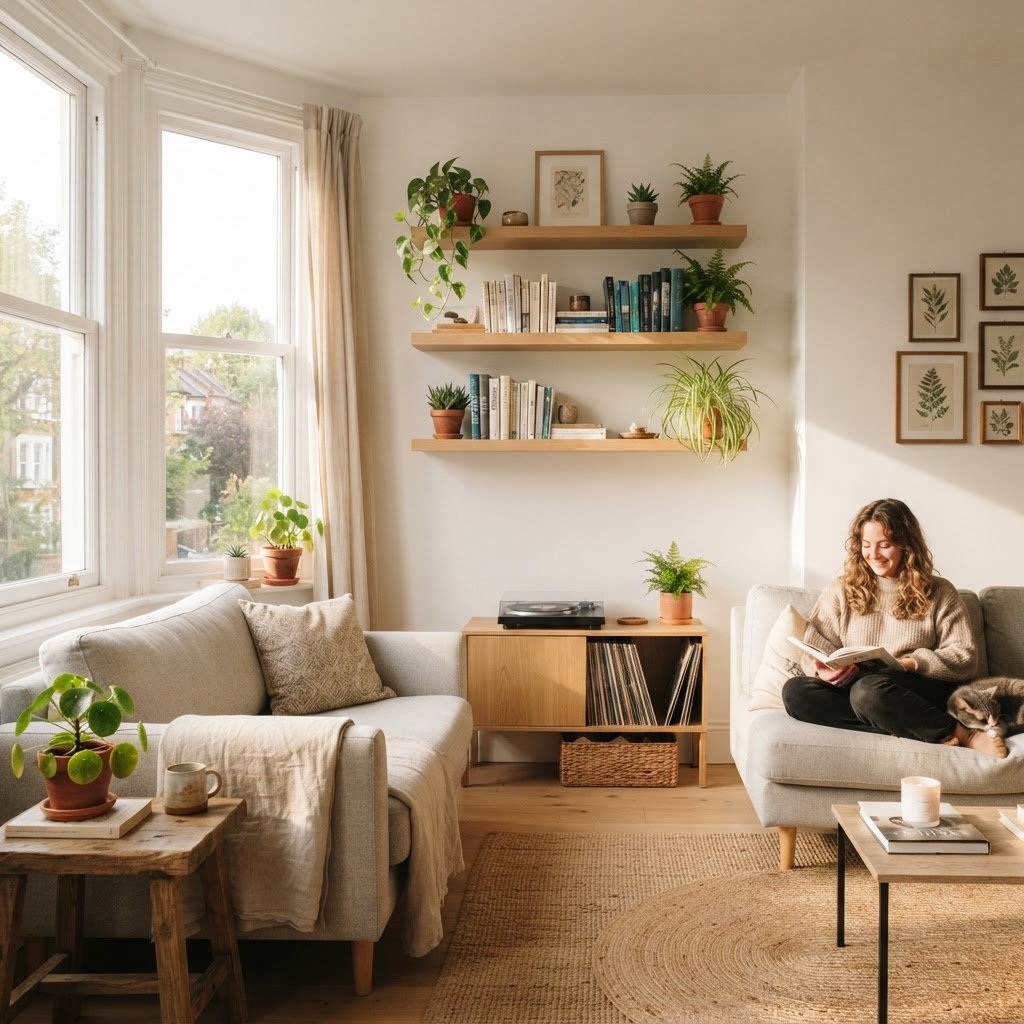
10 Creative Small Apartment Storage Ideas on a Budget

10 Creative Small Apartment Storage Ideas on a Budget

Maximize small apartment storage on a budget by utilizing vertical wall space, incorporating multi-functional furniture, and optimizing hidden areas like door backs and under-bed voids. Prioritize modular organizers and consistent decluttering habits to maintain an efficient, spacious-feeling home without the need for expensive renovations or custom cabinetry.

Rethinking Your Vertical Storage Potential

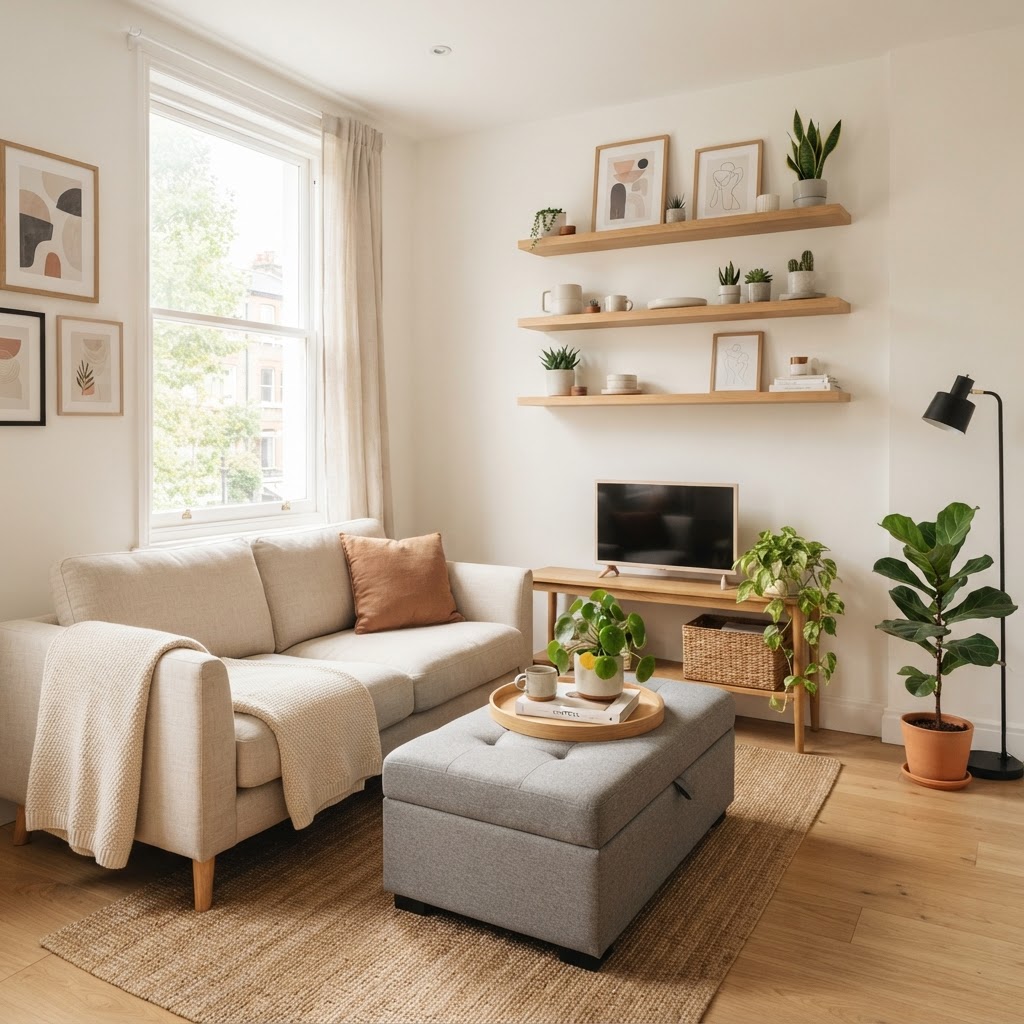
Utilize vertical wall space with floating shelves to keep clutter off your floors.

One of the most common mistakes people make when settling into a small apartment is ignoring the height of their walls, leaving 70% of potential storage area untouched. While you might lack floor area, you likely have plenty of vertical wall space waiting to be utilized. Installing floating shelves is an easy way to elevate your belongings and clear off flat surfaces like nightstands or kitchen counters. These shelves act as a display for books or decor while keeping essential items within arm’s reach. Aim for shelves that can support at least 15-20 lbs to ensure they remain functional for heavy books or small appliances. By drawing the eye upward, these installations also create the illusion of a larger ceiling height.

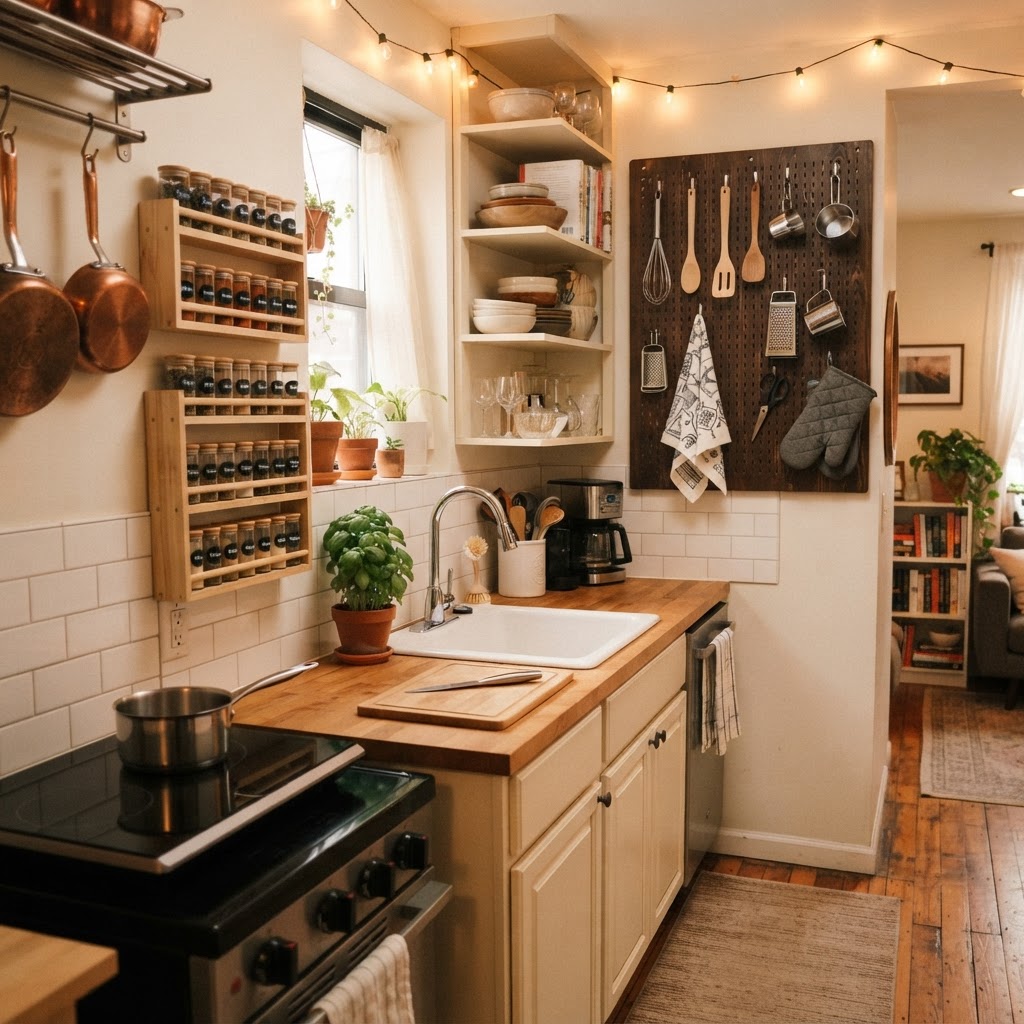
For a truly functional wall, consider installing a pegboard in your kitchen or office area, which offers a 200% increase in usable wall storage capacity compared to static shelves. This customizable organizer allows you to hang everything from pots and pans to scissors and craft supplies. By using a pegboard, you are essentially moving your storage from the counters to the wall, which instantly removes visual clutter. It is a cost-effective method that can be found at any hardware store or even repurposed from older workshop materials. When selecting a pegboard, prioritize metal options over fiberboard for better durability and moisture resistance, especially for kitchen environments where humidity levels fluctuate frequently.

Maximizing the Hidden Closet Capacity

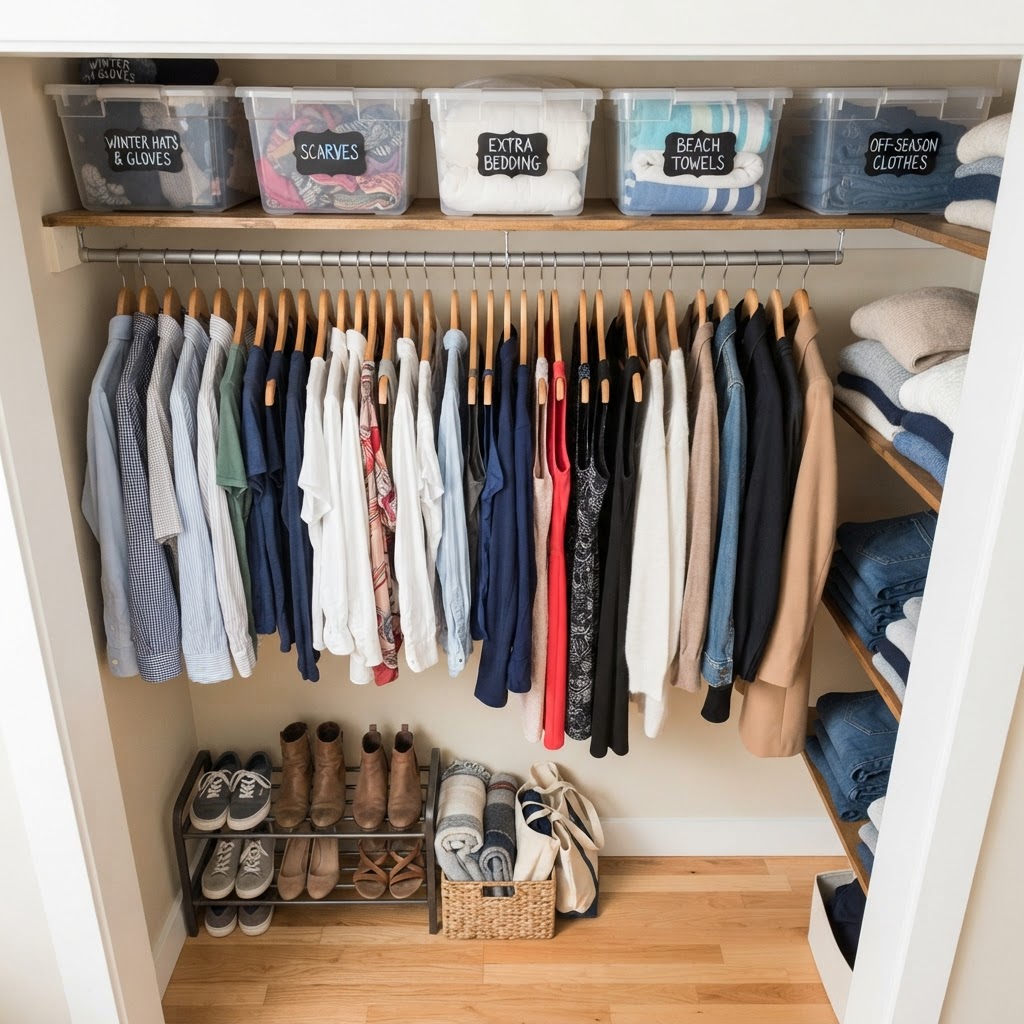
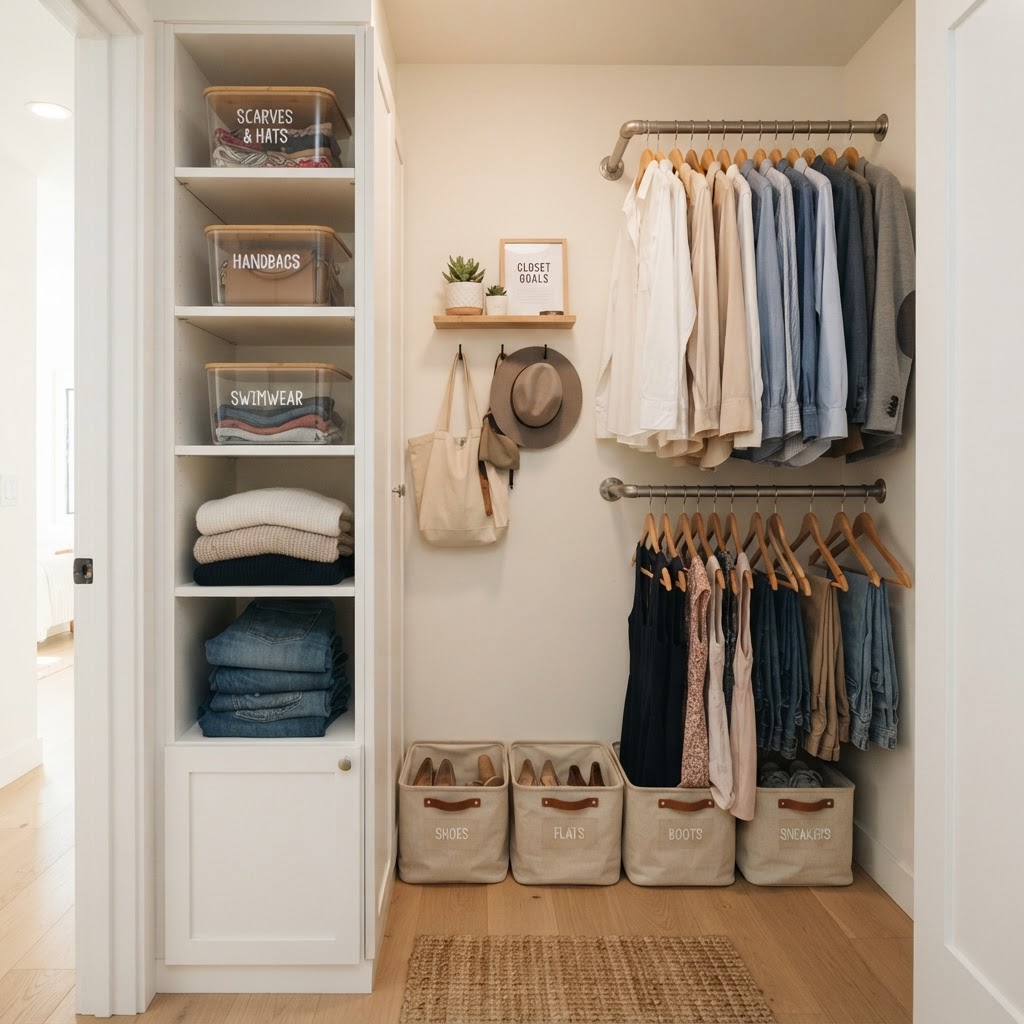
Double your closet efficiency with tension rods and clear storage bins.

Your closet is likely the most underutilized real estate in your home, often operating at only 50% of its physical capacity. Instead of just hanging clothes on a rod, you should look at the doors and the floor space beneath your garments. Over-the-door hangers are perfect for maximizing a tight closet. Use them for scarves, jewelry, or even extra cleaning supplies. You can also add a modular shoe rack on the floor to ensure your footwear does not end up in a chaotic pile at the bottom of the unit. For optimal results, use clear acrylic bins which allow for instant visual identification of items, reducing the time spent searching for specific accessories by approximately 30 seconds per session.

Adding a second tension rod inside your closet is another budget-friendly trick to double your hanging space for shirts or jackets. By categorizing your items, you save time during the morning rush. Remember that an efficient closet is the first line of defense against the mess that tends to spill out into the rest of your bedroom. Consider adding a small bin for accessories that do not hang well, ensuring every square inch serves a purpose.

Feature Tension Rod Benefit Over-the-Door Benefit
Installation 2 minutes (no tools) 30 seconds (hooks)
Weight Capacity Moderate (5-10 lbs) High (10-15 lbs)
Primary Use Doubling vertical space Vertical storage access

Smart Entryway Organization Strategies

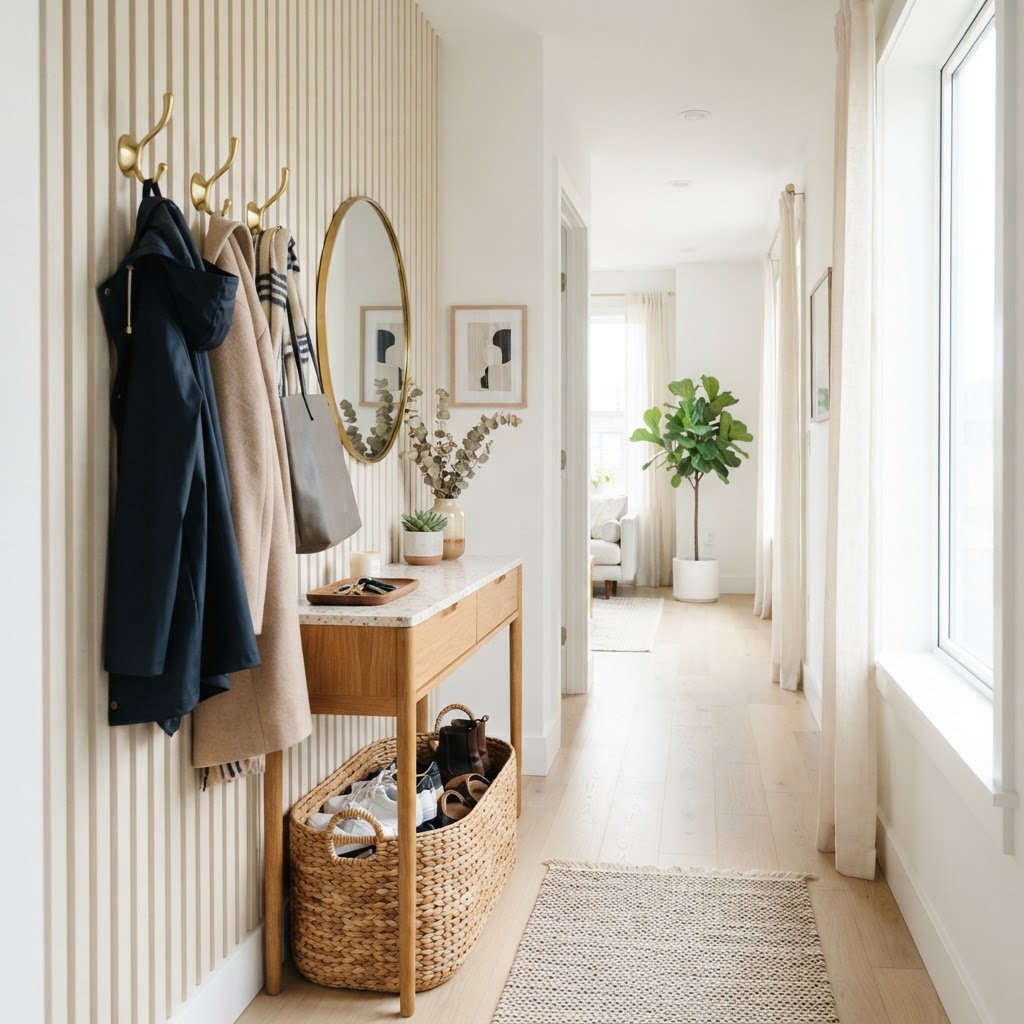
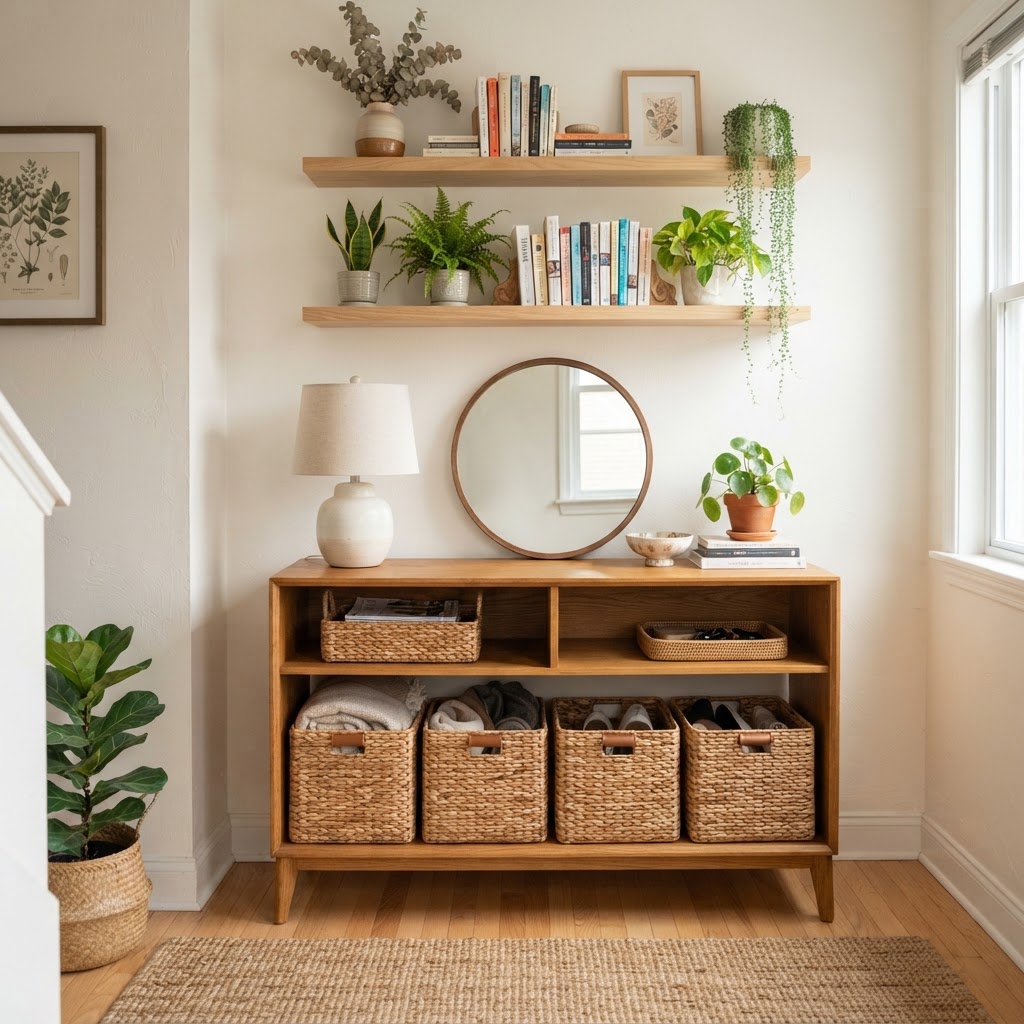
A tidy entryway console and woven basket keep your home's entrance clutter-free.

First impressions matter, even in a micro-apartment, as a chaotic entryway typically leads to a 15% increase in perceived overall home stress. If your front door opens directly into your living room, you need a strategy to keep that transition zone clean. A slim console table can act as a home for your keys and mail, while a woven basket tucked underneath provides a designated spot for bags or umbrellas. This simple setup helps prevent the ‘drop zone’ mess that often plagues entryways. Ensure your console table has a depth of 12 inches or less to maintain clear traffic flow in narrow hallways.

If you lack the floor space for furniture, look toward wall-mounted hooks. By placing hooks at different heights—typically at 60 inches, 48 inches, and 36 inches from the floor—you can store coats, hats, and dog leashes without blocking the hallway. It is about creating a visual divider between your living space and the outside world. Keep a small organizer on the wall to hold daily essentials so you never misplace your phone or wallet again. These systems are highly effective; households using dedicated “landing strips” report a 40% reduction in time spent looking for misplaced keys or bags before leaving the house.

Kitchen Solutions for Limited Countertops

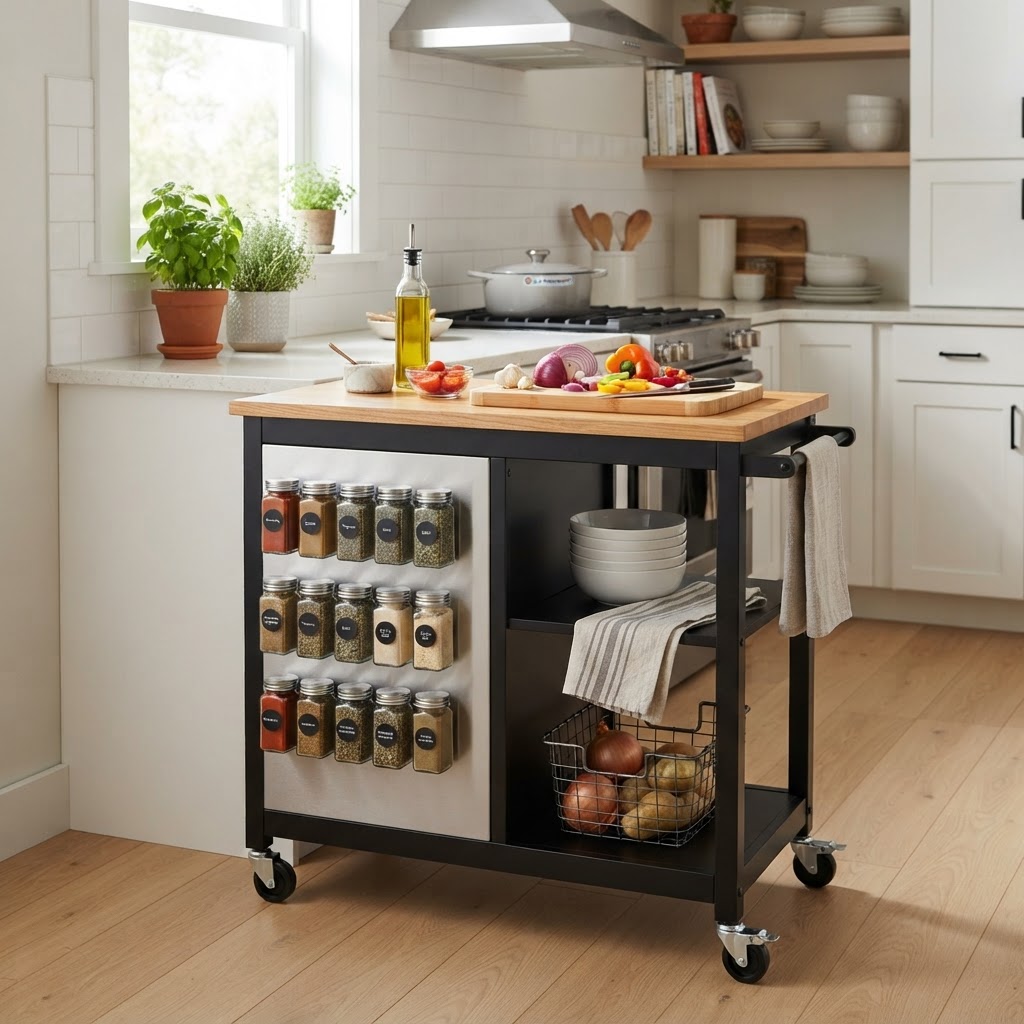
Rolling kitchen carts are the perfect storage solution for small cooking spaces.

Small kitchens are notorious for lacking drawer space and counter area, but incorporating vertical mobile storage can reclaim up to 4 square feet of workspace. To regain control, start by looking for a rolling cart that can serve as an extension of your kitchen island. You can store spices, oils, and rarely used appliances on it, and roll it away when you are not actively cooking. It is a flexible piece of furniture that adapts to your needs. When choosing a cart, prioritize models with locking casters to ensure stability during food preparation and a height that matches standard 36-inch counters for an ergonomic extension of your kitchen surface.

Inside your cabinets, use stackable bins to prevent items from being shoved to the back where they are forgotten. If you have deep cabinets, a pull-out organizer will save your back and keep everything visible. Remember to utilize the insides of cabinet doors by attaching adhesive hooks to hold measuring cups or towels. By staying disciplined with your pantry items, you effectively reduce the amount of visual noise in your cooking area. Consistent organization of pantry items by frequency of use—placing daily essentials at eye level—can improve meal prep efficiency by up to 20%.

Furniture That Works Double Duty

When buying new pieces, never settle for furniture that only serves one purpose, as multi-functional items can reduce your total furniture count by 30%. Look for ottomans that include internal storage, or beds with built-in drawers underneath. A coffee table with a hidden compartment is an excellent place to tuck away blankets, magazines, or remote controls. These pieces might cost a bit more upfront, but they serve as both furniture and storage solutions, effectively paying for themselves in saved space. A quality storage ottoman, for instance, can provide 2-3 cubic feet of hidden storage while functioning as a seat or footrest.

Furniture Type Storage Potential Space Efficiency
Storage Ottoman Low (Internal) High (Multi-use)
Bed with Drawers High (Bulk items) Excellent (Hidden)
Nested Tables Moderate High (Collapsible)

If you are on a strict budget, check out sites like Ikea for minimalist designs that fit well in a small apartment. Their modular systems allow you to choose exactly what you need without paying for extra features that clutter your floor plan. A simple bookshelf can be transformed into a room divider by placing it strategically in the middle of a studio. This creates a psychological boundary between your sleeping and living zones without the need for expensive renovations. Maintaining a clutter-free environment requires a seasonal purge; by removing items unused for over 365 days, you keep your storage density optimal for the space available.

FAQ

Q: What is the most effective way to store clothes in a tiny apartment?

Use double-hanging tension rods to increase vertical closet capacity and utilize over-the-door organizers for accessories. Maximizing these often-neglected areas ensures that your limited closet space works twice as hard without requiring expensive professional installations.

Q: How can I organize a small kitchen with no counter space?

Add a rolling kitchen cart to create a portable workspace that can be tucked away when not in use. Additionally, utilize wall-mounted pegboards and cabinet door organizers to move essential cooking tools off your primary surfaces and onto vertical storage areas.

Q: What furniture is best for small studio apartments?

Prioritize multi-functional furniture like storage ottomans, bed frames with built-in drawers, and bookshelves that double as room dividers. These items provide necessary storage while reducing the total number of individual pieces cluttering your floor plan.

Q: How do I prevent clutter from accumulating in a small space?

Implement a daily five-minute “reset” habit to clear surfaces and perform a seasonal purge of items unused for over a year. Consistent maintenance prevents small messes from turning into overwhelming piles that compromise your living environment.

Cheap and Chic Small Apartment Decorating Ideas

Cheap and Chic Small Apartment Decorating Ideas

To decorate a small apartment on a budget, prioritize multi-functional furniture, vertical storage, and layered lighting to maximize square footage while maintaining style. By choosing light-reflecting decor, choosing furniture with exposed legs to increase floor visibility, and utilizing temporary renter-friendly upgrades, you can transform cramped spaces into organized, chic, and expansive-feeling living areas.

Maximizing Your Layout and Flow

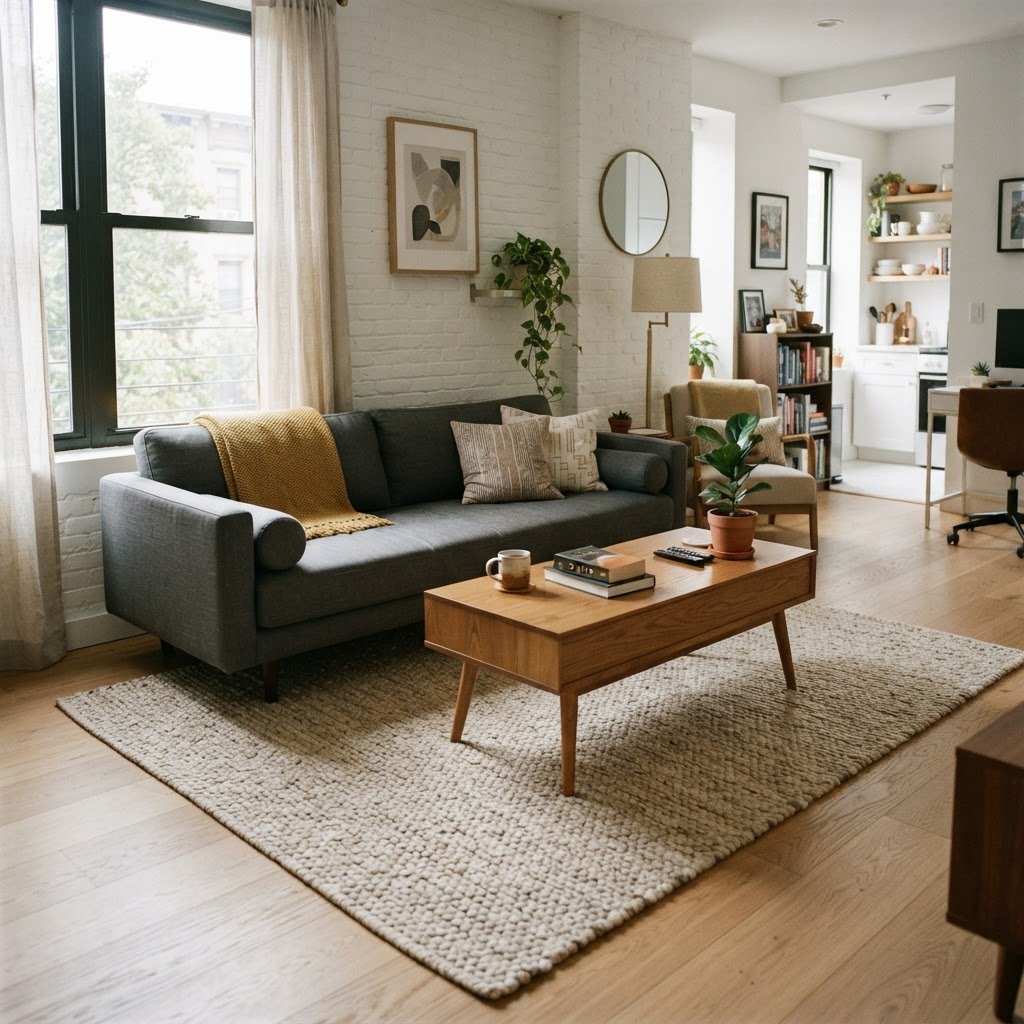
A well-planned layout can make a small living area feel spacious and inviting.

Effective small-apartment layouts rely on precise measurements and a ‘less is more’ furniture strategy to maintain open sightlines. Before purchasing pieces, measure your floor plan to ensure walkways remain at least 30 inches wide. Opt for low-profile, sleek sofas that occupy less visual volume; a bulky sofa can reduce perceived room size by up to 25%.

Prioritize furniture that sits on legs rather than bases. Seeing the floor beneath a coffee table or armchair creates an illusion of openness by allowing light to circulate beneath the piece. This simple design trick prevents rooms from feeling heavy or cramped. When planning, consider this comparison of furniture styles for small spaces:

Feature Low-Profile/Legged Furniture Boxy/Base Furniture
Visual Impact Expansive and airy Heavy and grounded
Cleaning Access High (easy vacuuming) Low (dust trap)
Room Feel Open sightlines Enclosed/Cozy

The Power of Multi-Functional Furniture

Every piece of furnishing in a small home should serve at least two primary purposes to maximize efficiency. A high-quality storage ottoman provides hidden space for blankets while doubling as an extra seat or footrest. Similarly, wall-mounted folding desks or extension dining tables save roughly 10-15 square feet of floor space when not in use. Investing in “dual-duty” pieces reduces the total number of items in a room, naturally creating a more curated and organized environment.

Lighting and the Illusion of Space

Vertical storage is key to keeping your home organized and clutter-free.

Strategic lighting design expands a small room’s perceived dimensions by eliminating the flat, boxy look created by single overhead sources. Instead of relying on a central “big light,” layer your lighting using at least three different sources to create depth and warmth. Place floor lamps in dark corners to push the eye outward, highlighting the room’s height and corners.

Integrating LED strips behind televisions or beneath console tables adds an ethereal, high-end glow that makes a space feel custom-designed. For maximum impact, use bulbs with a color temperature between 2700K and 3000K to provide a warm, inviting atmosphere. By drawing the eye upward with tall lamps or wall-mounted sconces, you effectively increase the perceived volume of the apartment without needing additional physical square footage.

Storage Hacks for a Tidy Home

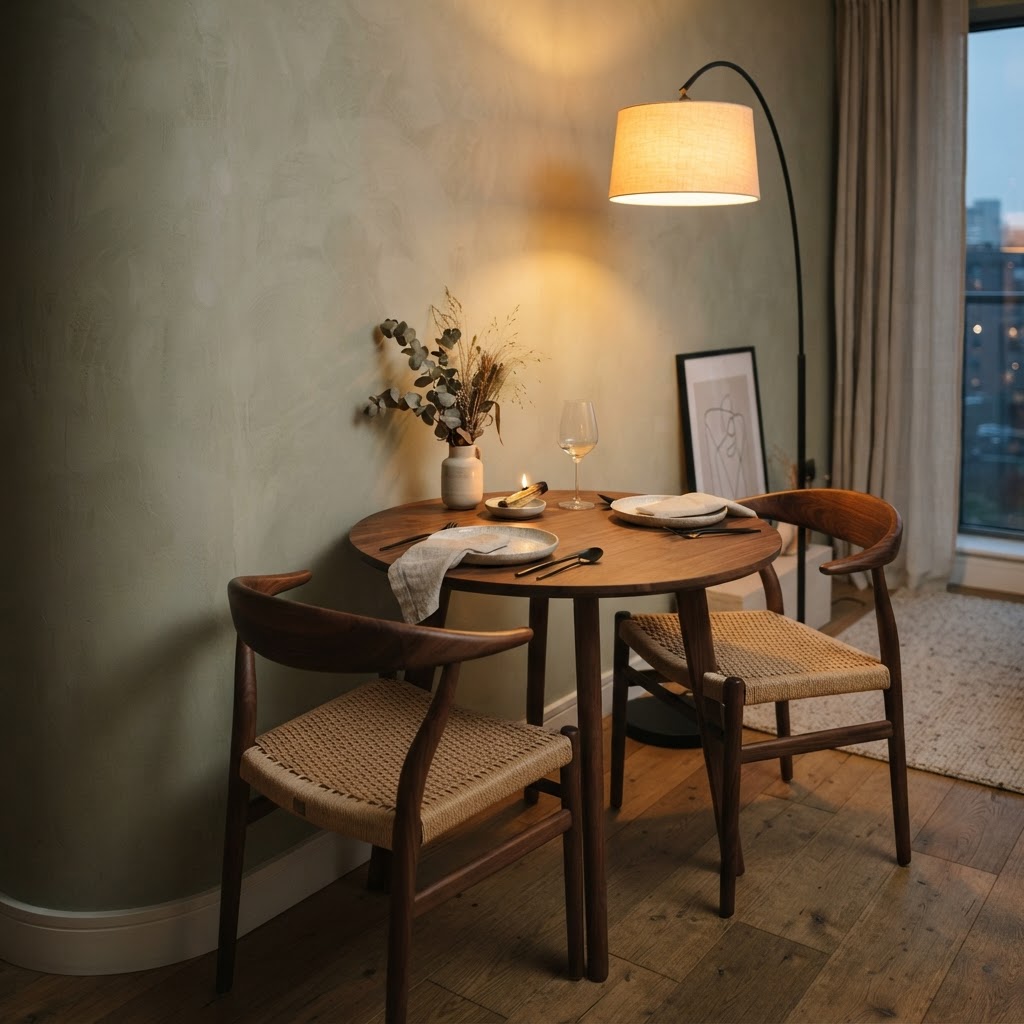
Thoughtful lighting and furniture choices create a functional and stylish dining space.

Effective storage in small apartments requires shifting from horizontal clutter to vertical utilization. Since floor space is limited, you must treat your wall space as a valuable real estate asset for organization. Incorporate woven baskets under furniture to hide daily “miscellaneous” items, keeping surfaces clear to avoid a chaotic, cluttered aesthetic.

Vertical Storage Solutions

When square footage is at a premium, installing open shelving systems or modular wall units allows you to display books and plants without consuming surface area. To maintain a clean look, follow the ‘two-to-one’ rule: for every two decorative items on a shelf, include one functional item, such as a basket or a storage box. This ensures the storage looks intentionally curated rather than just utilitarian.

Soft Furnishings and Texture

Textiles serve as the foundation for creating a cozy, unified home environment. A large, high-quality rug functions as a visual anchor; a common mistake is choosing a rug that is too small, which makes the floor appear fragmented and the room feel smaller. Use a single, large-format rug to define a ‘lounge zone,’ as this connects furniture pieces into a single, cohesive space.

Maintain a consistent color palette while mixing textures to avoid a cramped look. Use light-colored, natural linens or neutral-toned throws to keep the energy of the room bright. Mixing subtle textures—like a wool throw, a cotton rug, and velvet pillows—adds visual interest without cluttering the space with clashing patterns.

Budget-Friendly Renter Hacks

Decorating as a renter requires temporary, non-destructive solutions that pack a high visual punch. Peel-and-stick wallpaper is a budget-friendly way to introduce bold personality, often costing under $50 for a single feature wall that can be removed in minutes. Swapping standard cabinet hardware for modern brass or matte black pulls is another high-impact, low-cost upgrade.

Renter Upgrade Comparison

Upgrade Cost Estimate Removal Difficulty
Peel-and-Stick Wallpaper $30 – $70 Low
Cabinet Hardware Swap $15 – $40 Low
Command Strip Art Hooks $5 – $15 None

Always store the original hardware or materials in a dedicated bag to ensure you can fully restore the unit upon moving out.

Minimalist Aesthetic for Tiny Spaces

Minimalism is the most effective strategy for small living, focusing on high-quality pieces rather than sheer volume. By limiting the total items on display, you ensure that every object serves a purpose or provides genuine joy, which naturally reduces daily cleaning time. A minimalist approach is mathematically superior for small apartments because it leaves more empty wall and floor space, which directly correlates to a more ‘open’ feeling.

Keep surfaces clear of daily detritus. Use the ‘one-in, one-out’ rule for every new purchase: if a new decorative item enters the home, an old one must be donated or discarded. This discipline prevents the slow accumulation of clutter that inevitably makes small apartments feel suffocating.

FAQ

How can I make a tiny apartment look bigger?

Make a tiny apartment look bigger by using large-scale mirrors to reflect light, choosing furniture with exposed legs to show floor space, and keeping a light, neutral color palette. These design elements work together to eliminate visual bottlenecks and create an illusion of increased depth.

What is the best furniture for a studio apartment?

Multi-functional furniture is the best choice for studios, specifically items like storage ottomans, sofa beds, or extendable dining tables. These pieces provide necessary utility while keeping the floor footprint small, which is critical in single-room living environments.

How can I decorate a rental apartment without damaging the walls?

Use damage-free mounting solutions like Command strips, tension rods for curtains, and removable peel-and-stick wallpaper. These products allow you to personalize your home with paint, art, and texture while ensuring full security deposit refunds when it is time to move.

What lighting is best for small rooms?

Layered lighting is best for small rooms, incorporating at least three light sources like floor lamps, under-cabinet lighting, and wall-mounted sconces. Avoiding a single overhead light prevents the room from feeling flat and helps define different activity zones within a smaller floor plan.

How do I store items in a small apartment without clutter?

Use vertical storage solutions like floor-to-ceiling shelving, over-the-door organizers, and hidden storage ottomans to clear clutter from your floor. Organizing items inside baskets or bins within these systems keeps your space looking clean, intentional, and curated rather than packed.

15 Small Apartment Kitchen Ideas: Maximize Space on a Budget

15 Small Apartment Kitchen Ideas: Maximize Space on a Budget

Maximize a small apartment kitchen by prioritizing vertical storage, utilizing multi-functional furniture, and employing light, reflective color palettes to create an illusion of space. By installing wall-mounted organizers, using over-the-sink cutting boards, and choosing peel-and-stick backsplash tiles, you can achieve a highly functional, aesthetic kitchen makeover for under $200.

The Power of Vertical Storage

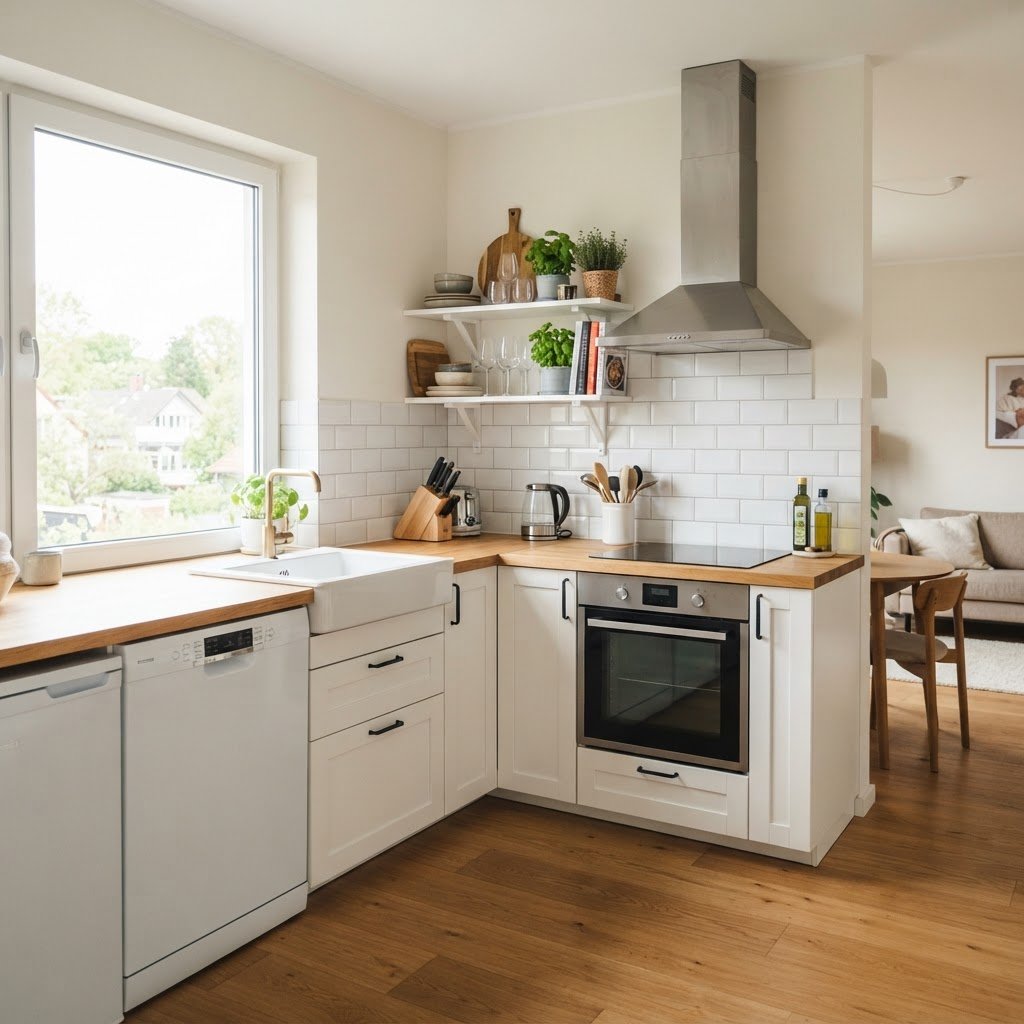
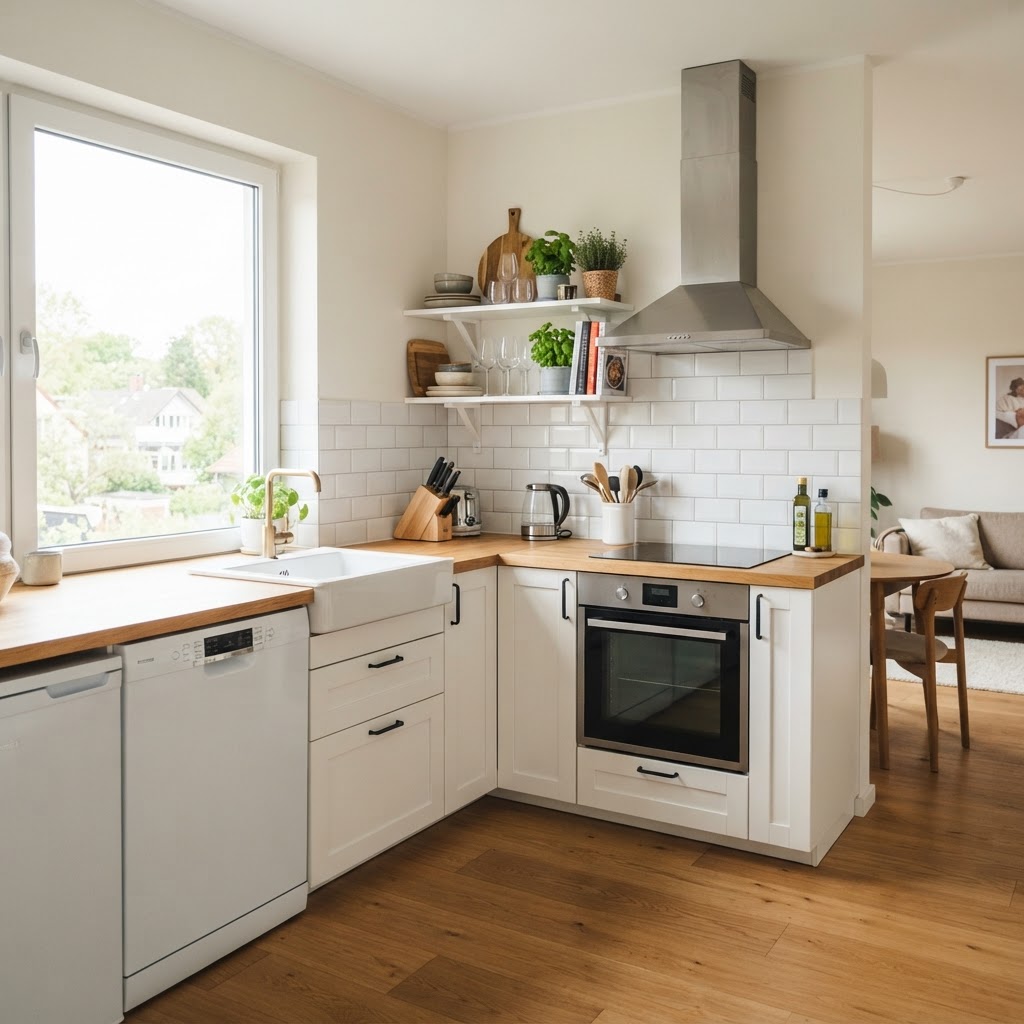
Bright colors and clean lines make this small kitchen feel much larger.

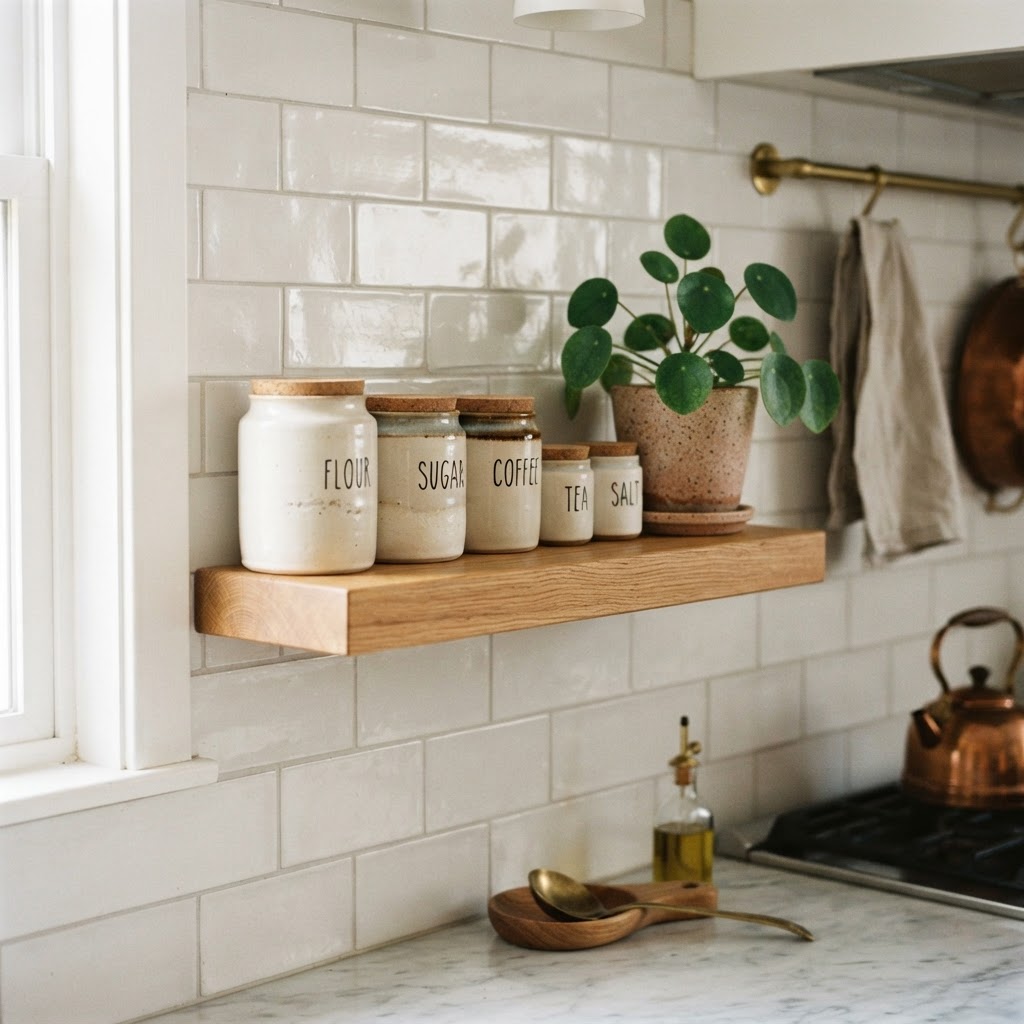
When your floor space is limited, the only way is up. The most effective way to gain extra storage in a small apartment is by utilizing your wall space effectively. Adding an open shelve or two above your workspace can act as a beautiful display for your dishes while keeping your essentials within reach. This simple addition helps keep your countertops clear, which is vital for any small kitchen.

Installing a magnetic strip for your knives or a wall-mounted rail for your pots can also save significant room inside a cabinet. These small kitchen ideas allow you to organize tools that usually clutter your drawers. Remember, when you clear the surfaces, the room automatically feels larger and more inviting, which is one of the most effective ways to make a small area feel open.

Storage Method Space Saved Average Cost
Magnetic Knife Strip 1 Drawer $15 – $25
Wall-Mounted Rail 2-3 Cabinets $20 – $40
Open Shelving 50% Counter Space $30 – $60

Optimizing Your Cabinet and Counter Space

Vertical storage via open shelves is a key way to maximize space.

Your cabinet interiors are often the most underutilized zones in the entire kitchen, but they can be reclaimed with strategic organizational tools. Consider adding shelf risers to double your storage capacity instantly, which allows you to stack plates and bowls without the risk of tipping. If your cabinets look dated, a fresh coat of high-gloss white paint or updated modern hardware can transform the look of your entire small kitchen design for roughly $50. Painting a cabinet in a light, neutral color can also reflect more light, making the room feel airier and significantly less claustrophobic.

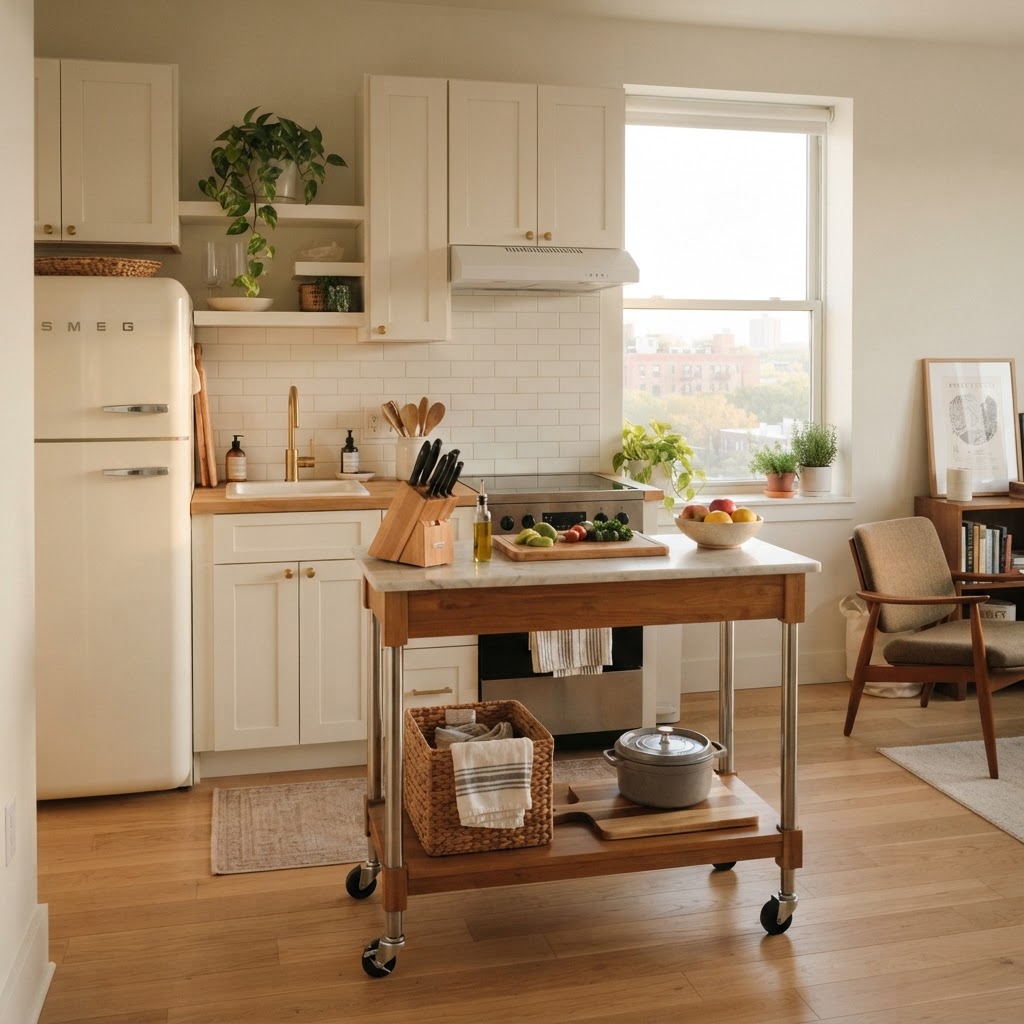
For those struggling with limited counter space, a rolling kitchen island or a cutting board that fits over your sink can be a game-changer. These items provide a temporary surface when you are cooking and can be tucked away when not in use. Always look for multi-purpose kitchen tools, such as a collapsible colander or nesting mixing bowls, which serve more than one function to minimize the amount of clutter on your limited countertops. By keeping the “Golden Triangle” of the stove, sink, and fridge clear, you maintain an efficient workflow even in a tiny kitchen layout.

Refreshing Your Backsplash and Tile

A mobile kitchen island is a perfect addition to any tiny cooking area.

Updating your backsplash is one of the most impactful kitchen ideas that does not require heavy construction or expensive professional labor. You can use peel-and-stick vinyl tile options that are affordable, typically costing between $3 and $7 per square foot, and are easy to install yourself in just one afternoon. These are perfect for renters who want to personalize their apartment kitchen without making permanent changes to the floor or walls, as they can be removed with a heat gun upon moving out.

Choosing a pattern that draws the eye upward, such as vertical subway tile layouts, can also help maximize the perception of height in a tiny kitchen. Whether you prefer a classic white subway tile or a bold geometric print, a new backsplash adds character and style to your small space. It is a cost-effective way to tie your entire kitchen design together while protecting your walls from splatters and food debris. Furthermore, high-gloss finishes on tiles help bounce light around the room, which is a secret weapon for making a small kitchen look larger.

Lighting and Color Strategies

Lighting is critical in a small apartment kitchen, where a dark room will inevitably feel smaller than it actually is. Replace existing builder-grade fixtures with brighter, energy-efficient LED options that offer at least 800-1100 lumens. Under-cabinet lighting is another affordable upgrade—often available as battery-operated stick-on strips for under $30—that illuminates your prep area and adds a sophisticated, custom-built look to the room.

When it comes to color, stick to light, reflective palettes. White, cream, or light grey walls prevent the space from feeling claustrophobic by maximizing the diffusion of natural light. If you want to add personality, consider using removable wallpaper in a subtle, monochromatic pattern on one accent wall. This allows you to add texture and depth to your kitchen without committing to a permanent design choice. Avoiding dark cabinetry is essential, as darker tones tend to absorb light and push walls inward, whereas light colors make the boundaries of the room seem to recede.

Rethinking Your Floor and Layout

Your kitchen floor often takes a beating, but you do not need to replace the entire surface to see a change. Consider using a large, durable flat-weave indoor-outdoor rug to hide worn areas or to add a pop of color to the room, which can be cleaned with a simple damp cloth. When choosing your floor covering, ensure it is easy to clean and slip-resistant, as accidents happen frequently in a busy, small apartment kitchen.

Focus on the flow of your kitchen. Every inch of your small apartment kitchen should serve a purpose. If you have a corner that is currently wasted, consider adding a narrow corner shelf or a lazy susan to store oils and spices. These small changes collectively contribute to a kitchen that feels intentional and well-designed. Always prioritize items that are used daily and move seasonal or rare-use items to higher or lower storage spots to clear the primary “active” zones of your workspace.

Maintenance and Organization Tips

To keep your kitchen functioning well, regular maintenance is key. Clean your appliances frequently to ensure they continue to perform efficiently; a deep clean of your refrigerator coils once a year can lower energy usage by up to 10%. Organizing your pantry with clear, square-shaped containers can help you see exactly what you have, preventing you from buying duplicates and keeping your storage tidy. Unlike round containers, square ones stack flush against each other, saving up to 25% more shelf space.

Remember that small kitchen ideas are about lifestyle adjustments as much as they are about décor. By purging items you no longer use—such as duplicate spatulas or kitchen gadgets you haven’t used in 6 months—you create space for the things that truly matter. A minimalist approach is often the best strategy when you are dealing with a tiny kitchen. Focus on quality over quantity for all your kitchen gadgets to keep your limited counter space clear.

FAQ

Q: How can I make a tiny kitchen look bigger on a budget?

Use light, neutral paint colors and maximize vertical space with wall-mounted rails or open shelving. Clear off all countertops to reduce visual clutter, and replace old lighting with bright LED bulbs to increase the sense of depth in the room.

Q: What is the best way to organize small kitchen cabinets?

Install shelf risers to double your usable vertical shelf space and use clear, stackable containers for dry goods. This strategy allows you to utilize the full height of your cabinets while keeping smaller items visible and accessible.

Q: Are peel-and-stick tiles good for apartment rentals?

Yes, peel-and-stick tiles are an excellent rental-friendly solution because they are inexpensive and can be removed without damaging the underlying walls. They provide a high-end look without the permanent commitment of mortar and grout.

Q: How do I get more counter space in a small kitchen?

Utilize multi-functional tools like over-the-sink cutting boards or foldable kitchen islands that can be moved when not in use. These solutions provide extra prep area precisely when needed and hide away to maintain an open, clean kitchen floor plan.

Q: What is the most effective color for a small kitchen?

White or light-reflecting neutrals like cream or light grey are the most effective colors. These shades maximize natural and artificial light, which helps the walls feel further apart and creates the perception of a much larger, airier space.

Small Apartment Ideas: Decorating on a Budget

Small Apartment Ideas: Decorating on a Budget

To decorate a small apartment on a budget, prioritize multi-functional furniture, vertical storage, and visual zoning to maximize square footage without expensive renovations. Use light color palettes, strategic lighting, and area rugs to create an illusion of space, while opting for renter-friendly DIY upgrades like removable wallpaper and command-strip shelving.

Rethink Your Furniture Layout

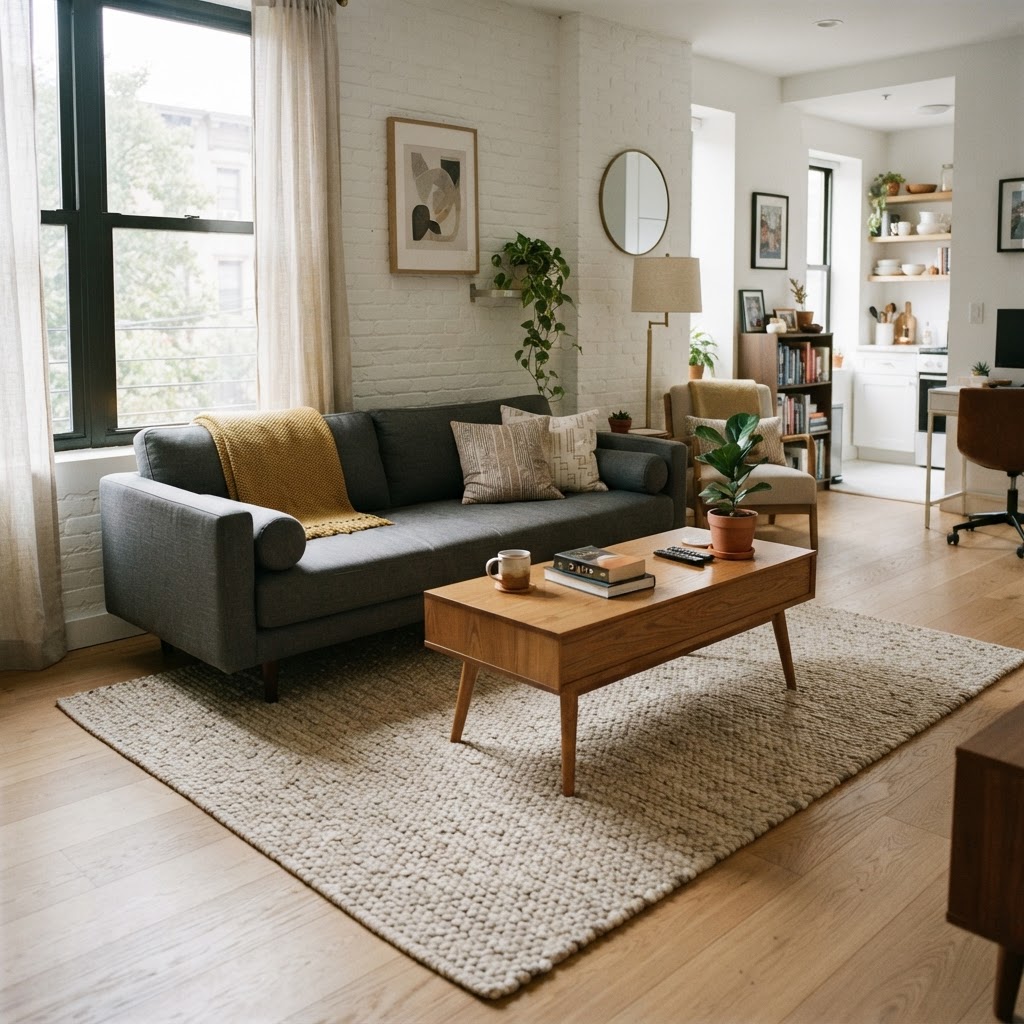
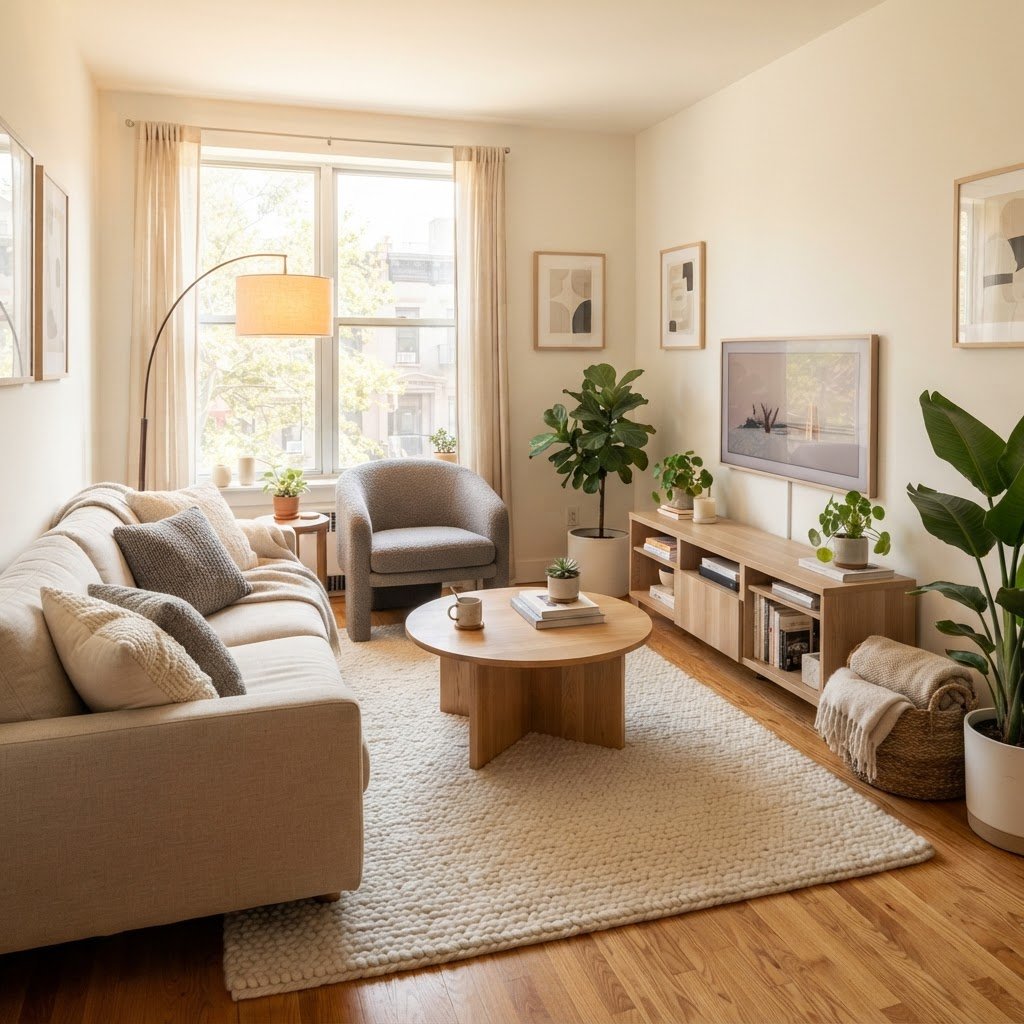
Bright and airy living room layout.

Strategic furniture placement is the most effective way to optimize flow and create the illusion of a larger footprint in small living areas. Instead of pushing furniture against walls—which often highlights the room’s constraints—float your pieces toward the center to create an intimate, breathable conversation circle. This method establishes clear walking paths, reducing the “cramped” feeling common in sub-600 square foot apartments. When selecting new pieces, prioritize items with a small footprint or “visual transparency,” such as glass-top coffee tables or open-base seating. These designs prevent the furniture from becoming a solid visual block, allowing the eye to travel through the room seamlessly. To help you decide on the right pieces, consider the following comparison of budget-friendly space savers:

Feature Multi-Functional Ottoman Standard Coffee Table Benefits
Storage Yes (Hidden) No Reduces clutter
Versatility Can be a seat/table Fixed function Adaptability
Visual Weight Heavy/Solid Often Light Aesthetics

Lighting and Vertical Space

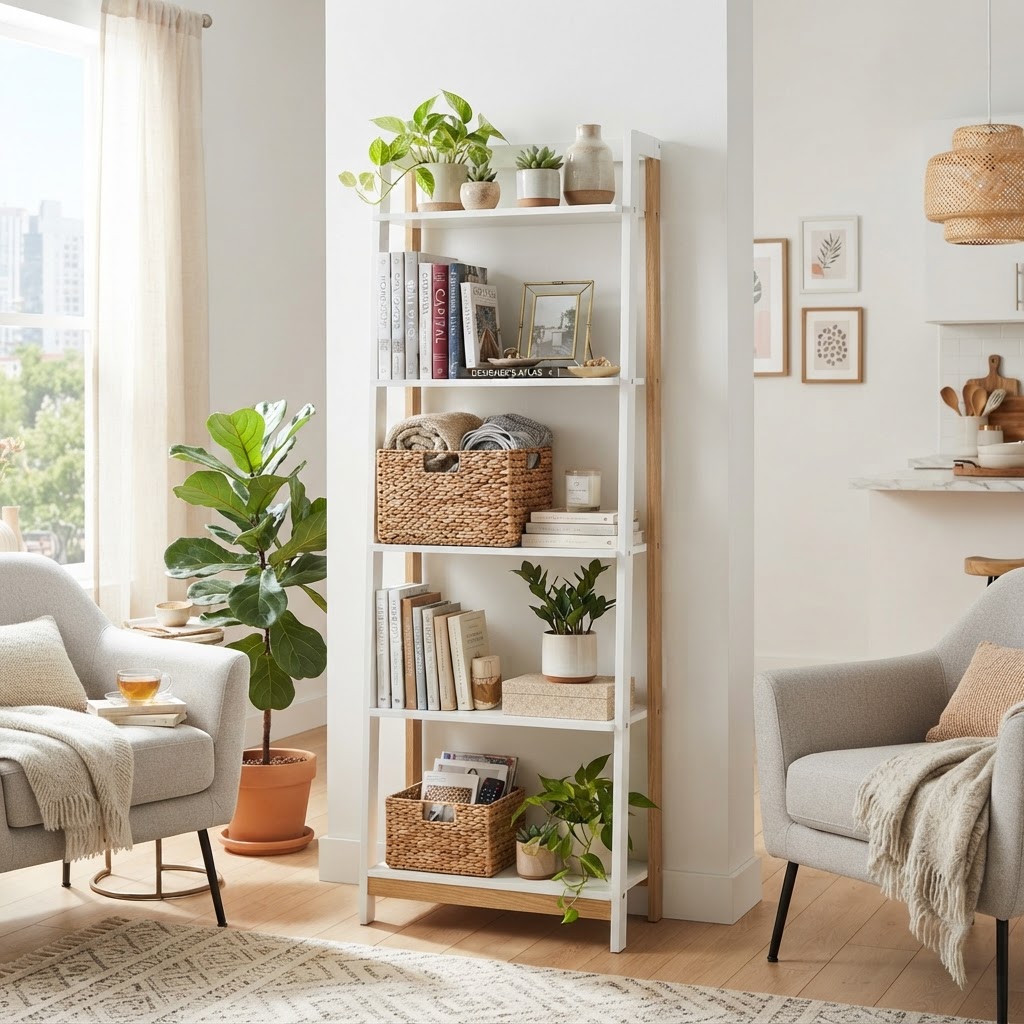
Utilizing vertical space and baskets for storage.

Lighting and vertical storage are the primary tools used by professional designers to manipulate depth and maximize the utility of limited floor space. In rental apartments where you cannot replace overhead fixtures, utilize the “three-source rule” by adding a floor lamp, a table lamp, and an accent light to eliminate dark corners that make rooms feel small. By layering light at different heights, you create a more sophisticated, high-end atmosphere that draws the eye upward. When floor space is at a premium, look to your walls to reclaim square footage. Installing wall-mounted shelving or using tension-rod systems allows you to display books and plants without occupying high-traffic floor areas. For renters, opt for high-strength adhesive mounting hardware or tension-based shelves that leave zero holes in the drywall, ensuring you get your full security deposit back. Remember, utilizing vertical space isn’t just about storage; it’s about shifting the focus from the crowded floor to the airy upper third of the room.

Soften the Room with Textiles

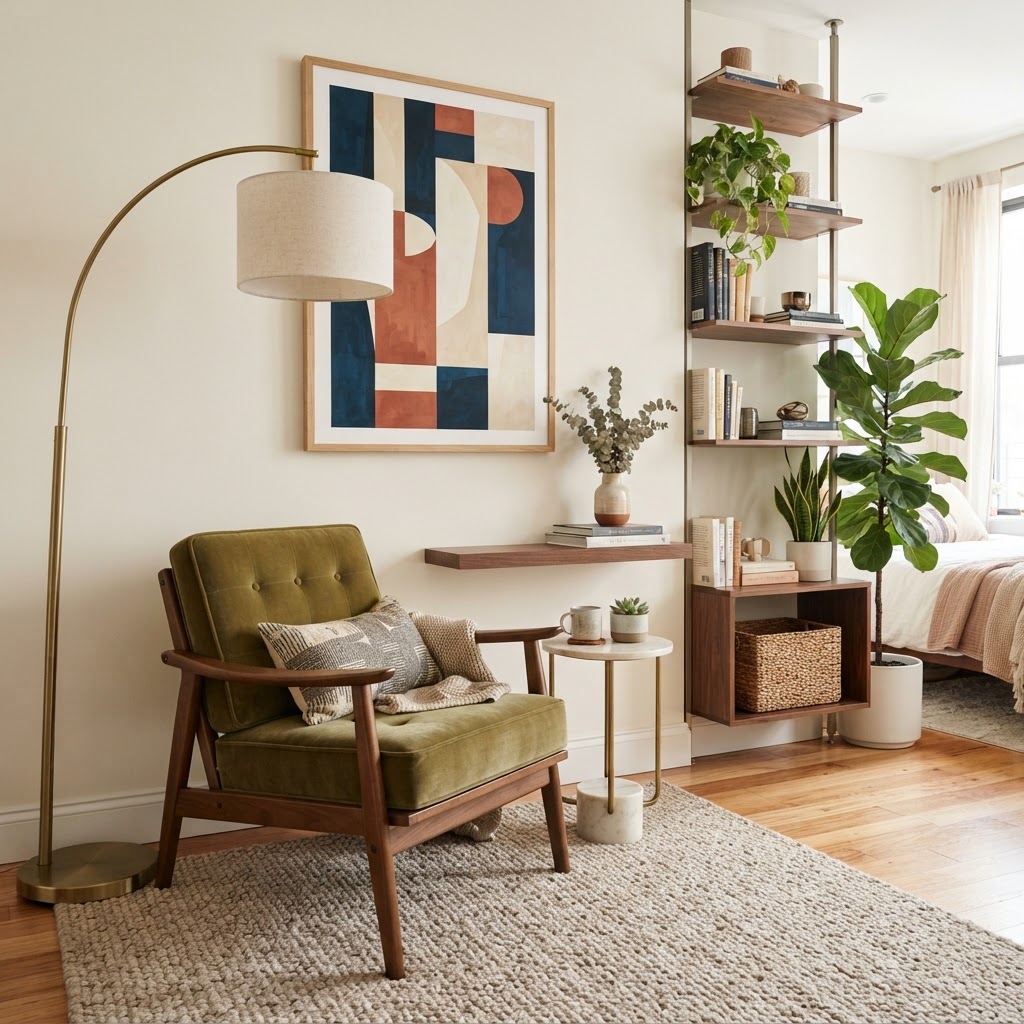
Creating a cozy corner in a studio apartment.

Textiles serve as the primary anchoring element in small spaces, helping to define “rooms” within an open layout and adding necessary texture to prevent a flat, clinical aesthetic. A well-placed area rug acts as a visual divider; placing a 5×8 or 8×10 rug under your main seating group creates a distinct “living room” zone, separating it from dining or sleeping areas. Choose durable materials like jute or low-pile wool, which are easier to clean and manage in tight quarters. Complement your rug with curtains hung as close to the ceiling as possible—not just at the top of the window frame. This high-mounting technique forces the eye to scan from floor to ceiling, creating the vertical illusion of height. Opt for sheer or semi-opaque fabrics in neutral tones to ensure maximum natural light penetration while maintaining privacy. For budget-conscious decorators, layering these textiles is a low-cost high-impact strategy that instantly makes a rental feel like a custom-designed residence.

Smart Storage Solutions

Maintaining a clutter-free environment is essential for small-space living, requiring you to implement storage that blends seamlessly into your existing decor. The “hidden in plain sight” strategy is your best defense against visual chaos; use large, woven baskets under consoles or beside sofas to store blankets, charging cables, and electronics. By choosing furniture that doubles as storage—such as bed frames with integrated drawers or ottomans with internal cavities—you reclaim valuable square footage that would otherwise be wasted on bulky furniture. Keep your tabletops and counters as clear as possible; studies show that open, clean surfaces make a room feel significantly larger and less stressful. If you are on a strict budget, use modular storage crates that can be stacked vertically to save horizontal space. Always aim for closed storage over open shelving to prevent the room from feeling busy or over-crowded, which is the quickest way to make a small space feel claustrophobic.

Thrifting and Personal Touches

Personalizing a rental apartment on a budget is best achieved through secondhand finds and reversible cosmetic upgrades that provide high aesthetic value at a fraction of retail prices. Thrifting allows you to source vintage lamps, unique side tables, or original art that adds layers of character and depth that mass-produced “fast-furniture” cannot match. Beyond thrift stores, invest in high-quality removable wallpaper to create focal points, such as an accent wall in the bedroom or behind the sofa. This DIY upgrade typically costs less than $50 for a standard roll and can be removed in minutes when your lease expires. Combine this with a gallery wall of personal photographs—using damage-free hanging strips—to tell your story without drilling holes. This approach transforms a generic rental into a personalized sanctuary while keeping your budget intact and your security deposit protected.

Creating Zones in Studio Apartments

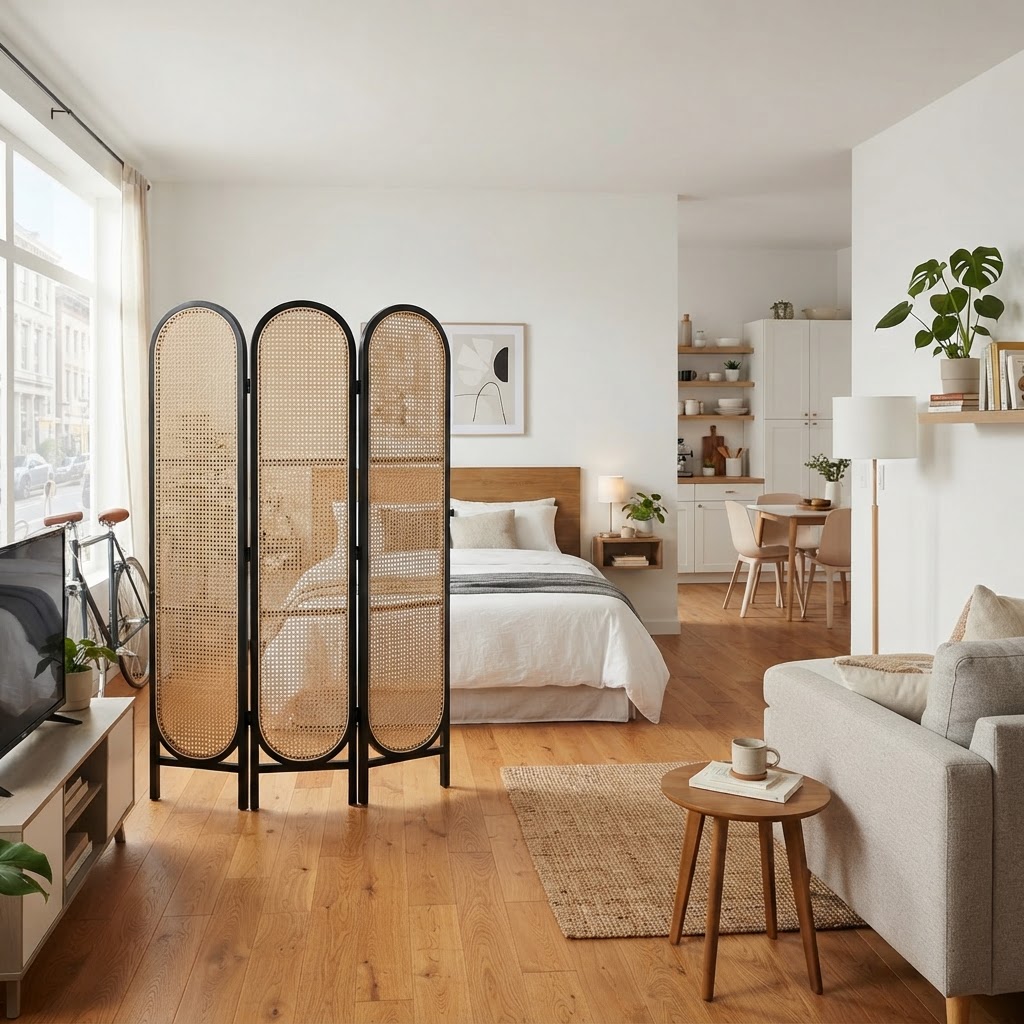
In studio apartments, the most critical design challenge is establishing physical and psychological boundaries between your sleeping, living, and working areas. The most effective way to manage these zones is through visual partitioning: use a folding screen, a tall open-back bookshelf, or a strategically placed area rug to create a clear separation of function. By keeping your bed tucked away from your desk and leisure area, you prevent the feeling of living in a bedroom, which improves both your productivity and your ability to relax. Every “zone” should serve a dedicated purpose, which naturally keeps your items organized and prevents the common issue of clutter migration. For instance, designating a specific corner for a workspace with a compact task lamp helps your brain shift from “work mode” to “home mode,” which is vital in a single-room environment. Consistency in color and texture throughout these zones will ensure the apartment remains cohesive rather than appearing disjointed or messy.

FAQ

How can I make a tiny apartment look bigger without buying new furniture?

Rearrange your current furniture to float away from the walls and declutter all flat surfaces to open up floor space. Using vertical space for decor and hanging curtains higher toward the ceiling are low-cost hacks that draw the eye upward and create an illusion of increased height.

What are the best renter-friendly wall decor options?

Use heavy-duty command strips, tension rods, or removable wallpaper to decorate without causing permanent damage to walls. These methods are budget-friendly and ensure you won’t lose your security deposit when it comes time to move out of your rental apartment.

How do I store items in a small apartment without creating clutter?

Prioritize multi-functional furniture like ottomans with storage or bed frames with drawers to hide your belongings. Incorporate woven baskets under furniture and use vertical wall shelving to keep items off the floor and out of sight, ensuring surfaces stay clear.

Is it better to have one large rug or multiple small rugs in a studio?

It is generally better to use one large area rug to anchor the main living area, as multiple small rugs can make a space feel chopped up and cluttered. A single large rug helps define a zone and creates a cohesive, professional look that unifies the layout.

What lighting works best for small apartments?

Layer your lighting using a mix of floor lamps, table lamps, and accent lights to brighten dark corners and add depth to the room. Avoid relying solely on one harsh overhead light, as layered, warm-toned lighting makes a small space feel significantly more inviting and spacious.

Small Studio Apartment Ideas on a Budget

Small Studio Apartment Ideas on a Budget

To maximize a small studio apartment on a budget, prioritize multifunctional furniture, vertical storage solutions, and intentional zoning that separates sleeping from living areas. By using light color palettes to reflect natural light and incorporating mirrors to create depth, you can make a compact space feel significantly more open and functional.

Maximizing Your Layout for Efficiency

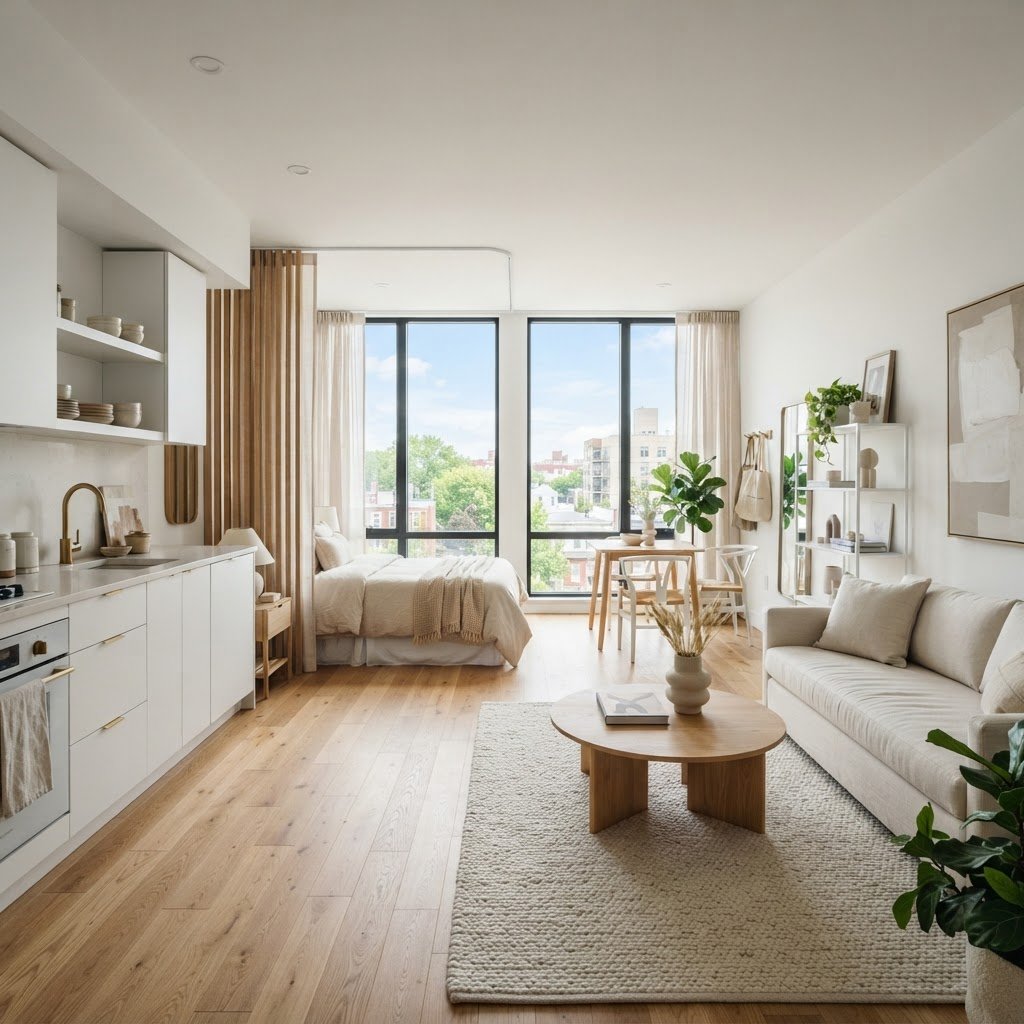
Maximize natural light to make your studio feel larger.
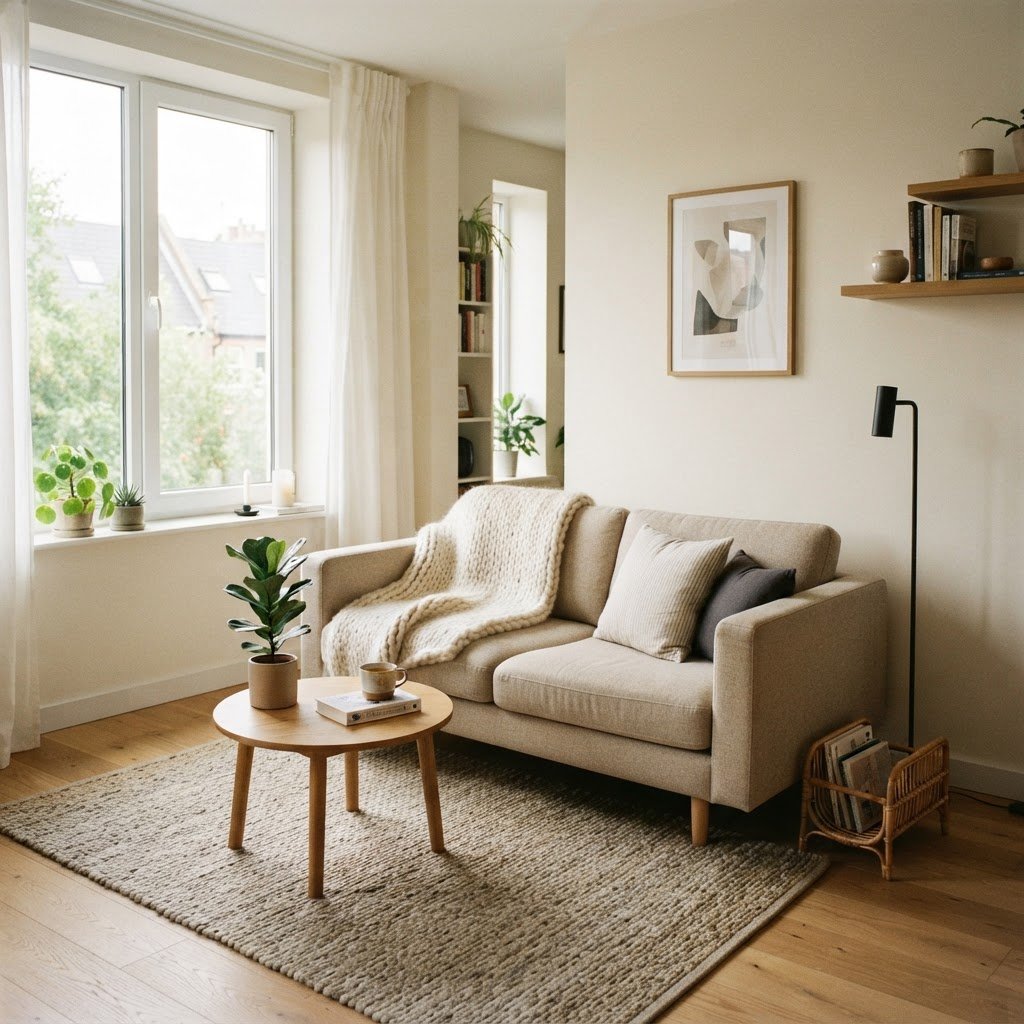
The most important step in making a small apartment feel functional is nailing the floor plan through intentional zoning. Before buying furniture, measure your space accurately—aim for at least 30 inches of clearance for main walkways to ensure comfortable flow. A thoughtful layout is the secret to successful small space living, as it prevents the room from feeling cramped or cluttered.

Start by identifying your non-negotiables: a dedicated workspace, a cozy sofa nook, or a dining area. Place your bed in a corner to save floor space, or use a room divider to delineate zones. Even in a 200-square-foot footprint, creating distinct areas helps the mind perceive the room as larger. Utilizing “dead space” behind doors or under windows for custom shelving can add up to 15% more usable surface area. Proper zoning isn’t just about aesthetics; it is about establishing a functional routine within a single room.
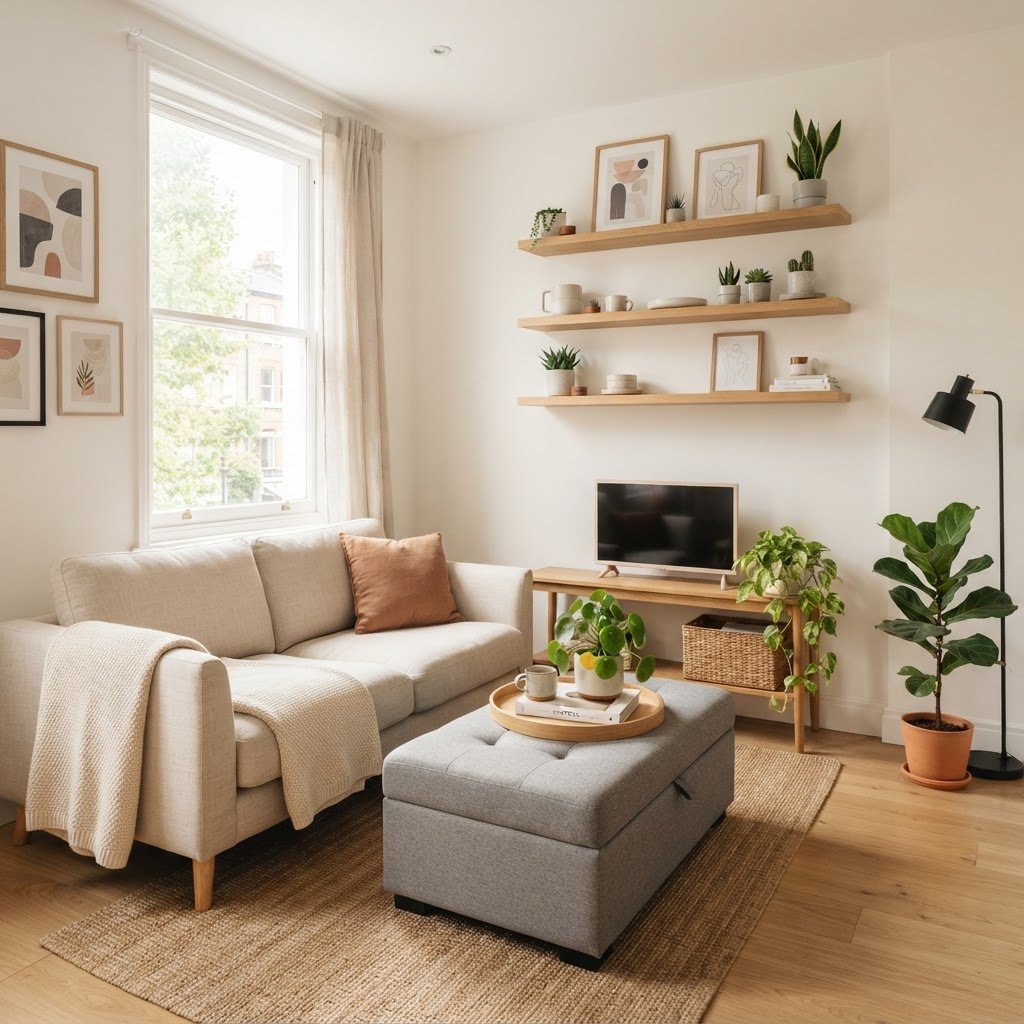
Zoning Method Best For Space Saved
Room Divider Privacy High
Area Rugs Visual Depth None
Floating Desk Workspaces Very High

Smart Furniture Choices for Small Spaces

Multifunctional furniture is essential for small-space living.

When you are looking for studio apartment ideas, furniture that pulls double duty is your best friend. Look for pieces that offer hidden storage or can be folded away when not in use. An ottoman with interior storage, a drop-leaf dining table, or a sleek bookshelf can transform how you use your limited square footage.

If you are on a budget, look toward retailers like ikea for versatile staples that won’t break the bank. A murphy bed is perhaps the ultimate investment for a small studio, allowing you to reclaim your floor space during the day. If a full installation is too expensive—often costing upwards of $1,500—consider a daybed that functions as a stylish sofa during the day. Prioritize furniture with legs; seeing more of the floor creates an airy, open feeling. Choosing pieces with a “light” visual weight, such as glass coffee tables or acrylic chairs, helps maintain sightlines, which is critical for making a room under 400 square feet feel expansive and uncluttered.

Creating the Illusion of Space

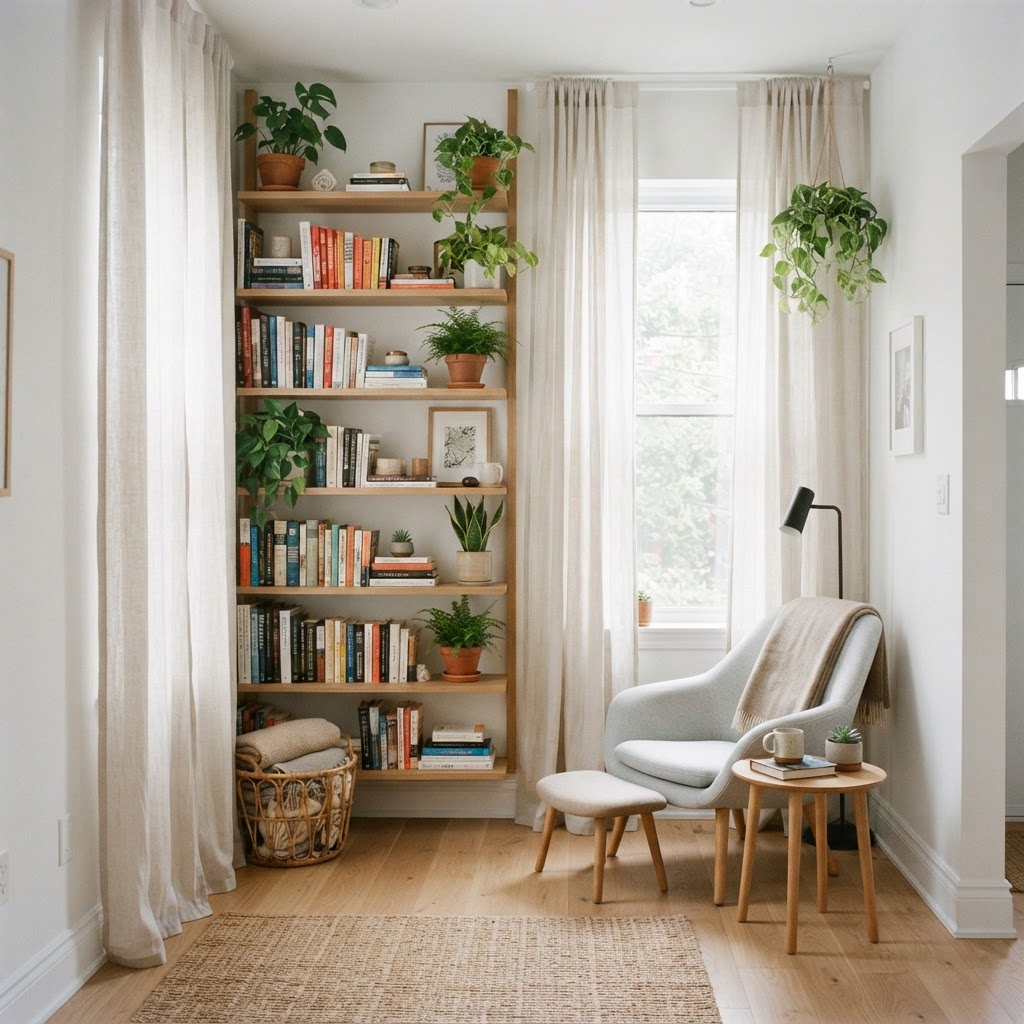
Use vertical storage like bookshelves to keep floor space clear.

Making a small studio apartment feel airy is a common goal for design enthusiasts, and the secret lies in your choice of colors, mirrors, and lighting. Painting your walls a crisp white or light neutral shade reflects natural light, making the walls seem to recede. Adding a large floor mirror—ideally placed opposite a window—can also create the illusion of depth, effectively doubling the visual size of your living area.

Don’t forget the power of vertical storage. When you cannot expand outward, expand upward by mounting shelves 12 to 18 inches below the ceiling line. Using a tall bookshelf allows you to draw the eye toward the ceiling, emphasizing the height of the room rather than the narrowness of the floor. Keep window treatments minimal to allow as much natural light as possible into your small studio, which instantly improves the mood of the environment. Using high-gloss finishes on a few select accent pieces can also bounce light around, making the apartment feel brighter without adding a single light fixture.

Budget-Friendly Decorating Tips

Define separate zones to make your studio feel like a larger home.

To decorate a studio apartment without overspending, you need to be creative and patient, often relying on DIY projects. Start by shopping your own home for items that can be repurposed; a stack of vintage crates can serve as a rustic end table, while a set of fairy lights creates a cozy atmosphere for under $20. Apartment decorating is a journey, so collect items that have personal meaning rather than filling the space with cheap, mass-produced decor.

Focus on textiles to add warmth to your living space. A high-quality rug can define the main seating area and provide comfort, while colorful throw pillows on your sofa can introduce personality without requiring a major renovation. Thrift stores and online marketplaces are goldmines for unique, affordable pieces that can give your studio a custom, high-end feel for a fraction of the cost. Always check measurements twice before purchasing secondhand items, as a piece that fits perfectly in a standard house may completely overwhelm your studio layout.

Handling Common Small Apartment Challenges

One frequent question people have is how to deal with limited closet space. If you don’t have built-in storage, look for decorative garment racks or over-the-door organizers. You can also hide storage containers under your bed; using risers to lift your bed frame by 6 inches can yield up to 15 cubic feet of additional storage. Keeping surfaces clear is essential when living in a small studio, as visual clutter is the quickest way to make a room feel smaller.

Another challenge is maintaining privacy if you host guests. A lightweight room divider or even a floor-to-ceiling curtain can act as an effective barrier between your bed and the rest of the room. This simple addition makes the apartment feel more like a multi-room home, separating your public life from your private sleeping area. Focus on modular systems that adapt to your lifestyle, ensuring that every square inch serves at least two purposes.

Lighting and Texture to Elevate the Room

Lighting is often overlooked, but it is one of the most powerful tools in your kit for professional-grade design. Layering your lighting—using a combination of floor lamps, table lamps, and overhead lights—creates dimension. Avoid harsh, singular light sources. Instead, opt for warm-toned bulbs in the 2700K to 3000K range that make the studio feel welcoming after dark.

Texture also plays a major role in how a room feels. When everything is the same material, the room can look flat. Mix textures like velvet, wood, metal, and linen to add visual depth to your studio apartment. A chunky knit throw or a wood-grain accent piece adds tactile interest, preventing the minimalist furniture from feeling too cold or sterile. By incorporating at least three distinct textures, you create a sophisticated environment that feels curated rather than just “filled.”

FAQ

How can I divide a studio apartment without building walls?

You can effectively divide a studio apartment using room dividers, open shelving units, or floor-to-ceiling curtains. These options create distinct zones for sleeping and living without permanently altering the space or requiring expensive construction, making them ideal for renters.

What is the best color for a small studio apartment?

Light, neutral colors like soft white, cream, or light grey are best for small studio apartments because they reflect light and make walls feel as though they are receding. This creates an airy, expansive feeling that helps the space feel larger than its actual square footage.

How do you hide a bed in a studio apartment?

To hide a bed in a studio, you can invest in a Murphy bed, which folds into a wall unit, or use room dividers and curtains to create a visual barrier. Alternatively, using a daybed allows the sleeping area to function as a stylish living room sofa during the day.

How do I maximize storage in a small studio?

Maximize storage by utilizing vertical wall space with floor-to-ceiling shelves and capitalizing on “dead” space under your bed. Using furniture that serves double duty—like ottomans with internal storage—also provides hidden spots to keep items out of sight and maintain a clutter-free environment.

Does a rug make a small room look smaller?

No, a large rug can actually make a small room look larger by defining the space and creating a cohesive “zone.” A common mistake is using a rug that is too small; choose one large enough so that at least the front legs of your furniture sit on it.

15 Best Small Apartment Hacks on a Budget for More Space

15 Best Small Apartment Hacks on a Budget for More Space

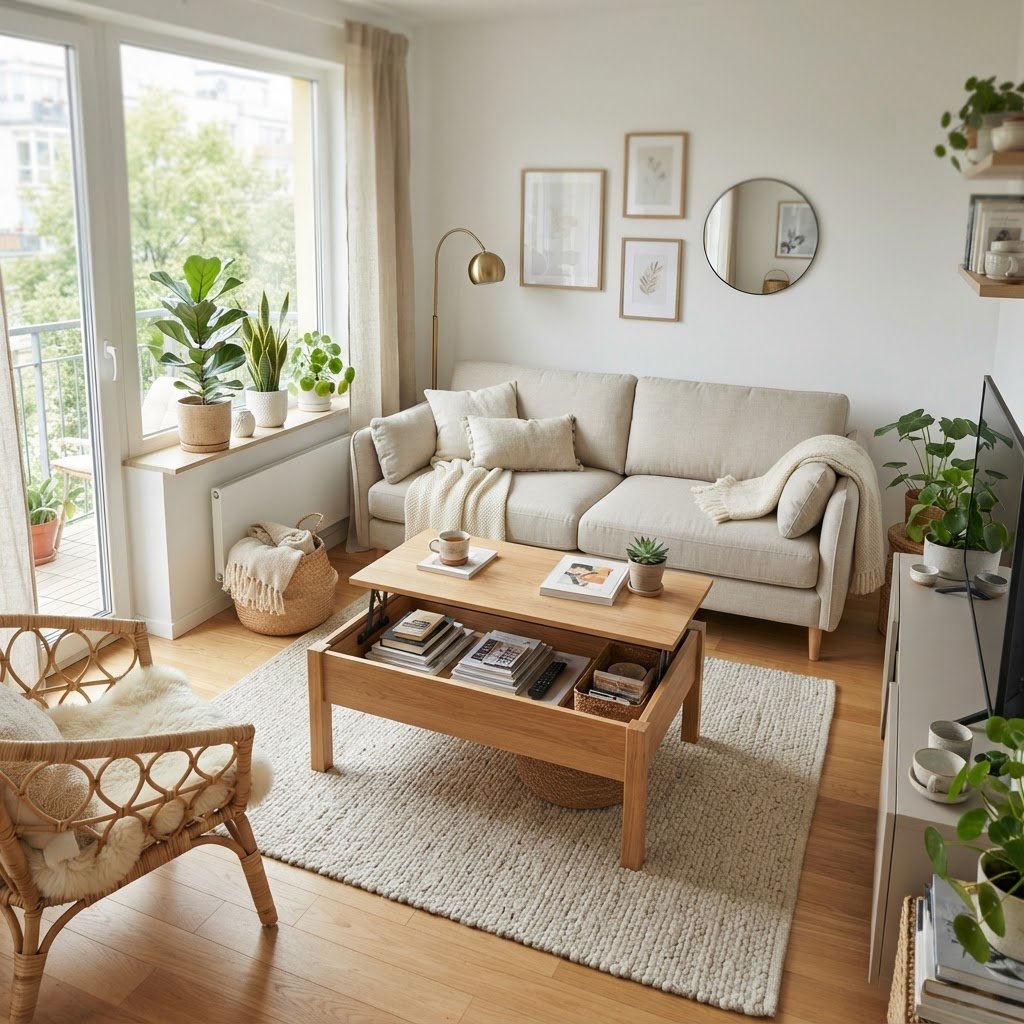
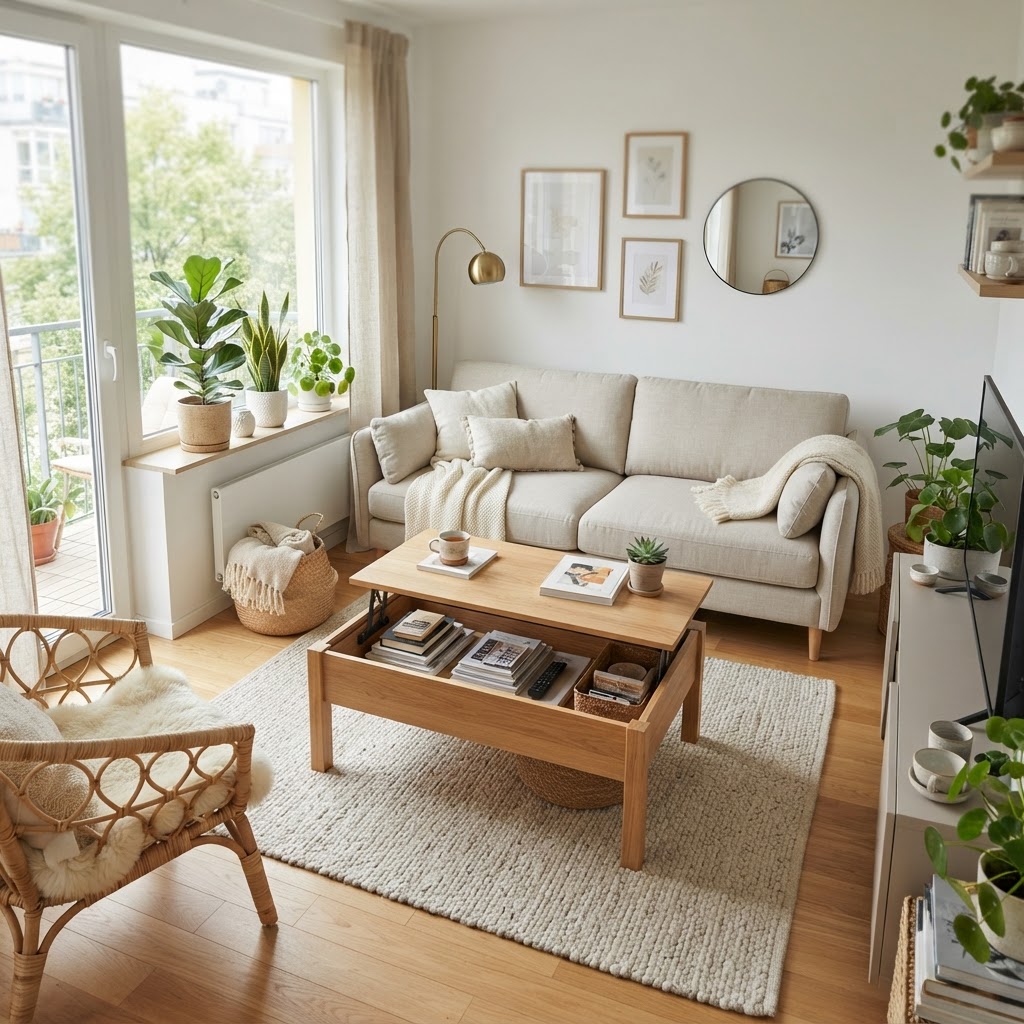
You can maximize a small apartment by utilizing vertical wall space, choosing multifunctional furniture like lift-top tables, and implementing zone-based organization. These 15 budget-friendly hacks transform cramped quarters into functional living areas by reclaiming wasted square footage and reducing visual clutter without requiring expensive renovations or custom cabinetry.

The Psychology of Compact Living

Multifunctional furniture is essential for saving space.

When your environment is cluttered, your mind often feels cluttered too. The first step in transforming your home is recognizing that your lifestyle doesn’t need to shrink just because your walls are closer together. A small space can actually encourage a more intentional way of living, forcing you to prioritize items that truly bring value to your daily routine. By auditing your belongings—ideally keeping only items used within the last 12 months—you can eliminate the visual noise that makes a room feel smaller. It is about creating a flow that allows you to move freely, turning your home into a sanctuary rather than a storage unit. When you optimize, you start seeing the potential in every corner, including vertical walls and the space beneath your furniture. Research indicates that living in a space with less than 20% visual surface clutter can improve focus and reduce cortisol levels. Focus on “light” furniture designs, such as pieces with exposed legs, which keep the floor visible and make a room feel significantly more spacious to the human eye. Ultimately, compact living is about efficiency over excess, ensuring every square foot serves a distinct purpose.

Why Budget Matters

Many interior design trends suggest expensive custom cabinetry or high-end architectural changes to save space. However, the most effective solutions are often simple, accessible, and incredibly affordable. You do not need a renovation budget to make a massive impact; you only need a bit of creativity and a few DIY spirit boosters to get the job done right. Often, a $50 investment in organization tools yields higher functional gains than a $500 piece of furniture.

Master the Art of Vertical Storage

Maximize your closet with smart hanging organizers.

One of the most overlooked areas in any apartment is the wall space, which offers up to 50% more storage potential than floor area alone. Installing floating shelves is a classic hack for displaying decor and keeping necessities off your surfaces. Look for inexpensive options that can be mounted easily, allowing you to create customized configurations that suit your specific needs. Think beyond standard shelves by using pegboards in the kitchen or entryway. A pegboard is a versatile organizer that allows you to hang pots, pans, utensils, or even bags and keys. This keeps your counters clear and ensures everything has a designated home, preventing the dreaded countertop pile-up. When installing vertical storage, ensure you use anchors for drywall if you plan to hold more than 5 lbs. For maximum impact, install shelves up to the ceiling line; this draws the eye upward and emphasizes height, making the room feel taller. Consider using magnetic strips for kitchen knives or entryways for keys, which can save up to two square feet of counter space per unit. By treating your walls as functional real estate, you effectively double your storage capacity without sacrificing precious floor room for bulky cabinets or shelving units.

Feature Traditional Storage Vertical Storage Cost Efficiency
Floor Space Consumed Preserved High
Installation Complex/Expensive Simple/DIY Very High
Accessibility Low (Deep cabinets) High (Visible) Medium

Rethink Your Furniture Choices

Under-bed storage is a secret weapon for tiny bedrooms.

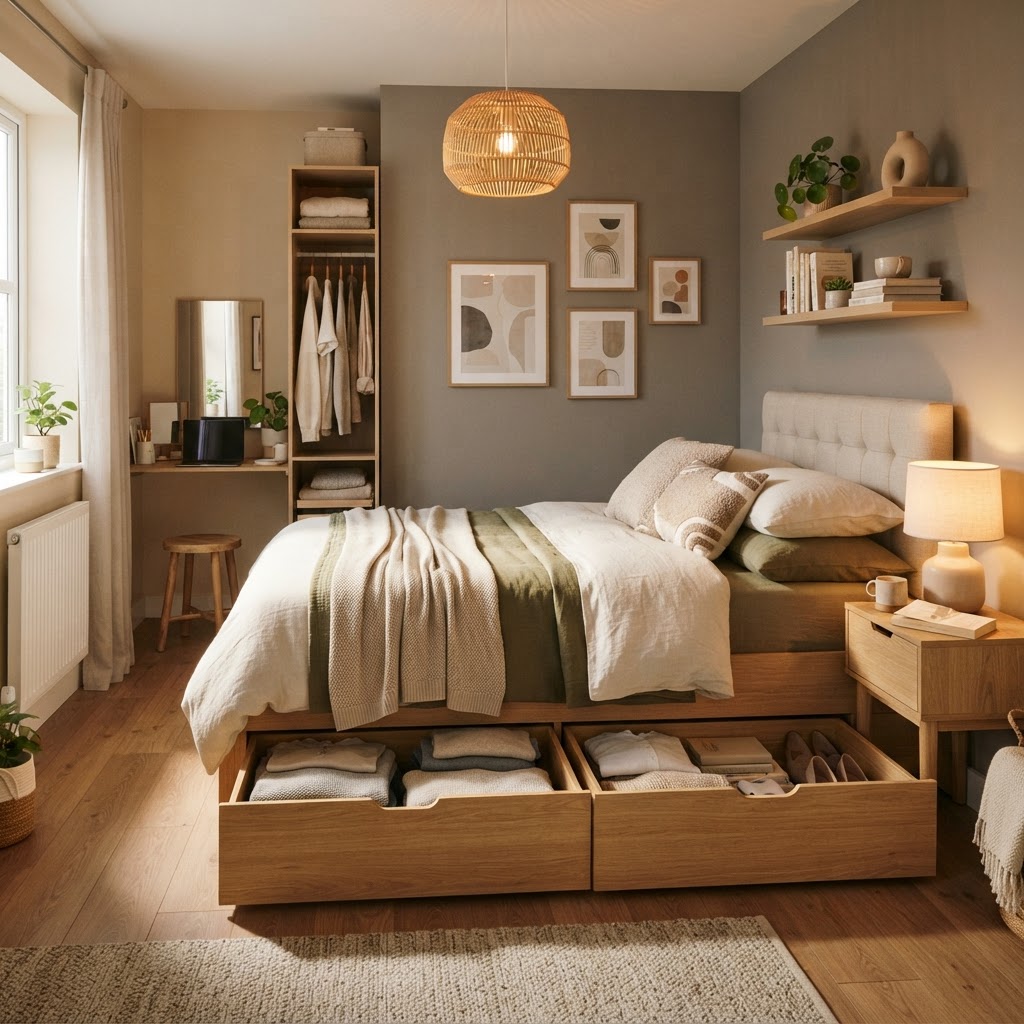
In a tiny apartment, every piece of furniture must work twice as hard, typically performing at least two distinct functions to justify its footprint. A coffee table should offer more than just a place to set your drink; look for one with built-in storage or a lift-top that can double as a desk. This simple switch can save you from needing a separate bulky workstation that eats up precious room. Consider the hidden potential of your bed frame. If your current model sits low to the ground, swap it for a frame with built-in drawers or one tall enough to slide a storage bin underneath. This area is perfect for seasonal clothing, extra bedding, or shoes that you only reach for occasionally. Utilizing the space under your bed is a game-changer for maintaining an uncluttered bedroom. By opting for “double-duty” furniture, you reduce the total number of items needed by approximately 30%. For example, an ottoman with internal storage can serve as a footrest, guest seating, and a hidden hamper all at once. Prioritize modular pieces that can be reconfigured when hosting guests, such as nesting tables that take up the space of one unit while providing three surfaces.

The Power of Multipurpose Pieces

Another strategy is using furniture that can nest. Nesting tables are perfect for hosting; you can tuck them away when it is just you, but pull them out when guests arrive to provide extra surface area. This flexibility is essential for maintaining a clean aesthetic while remaining prepared for social gatherings. Don’t forget about your dresser. Instead of keeping a bulky unit that occupies significant floor space, look for vertical dresser designs that draw the eye upward. A taller, slimmer unit can hold just as much as a wide one while leaving more room for movement around the bed.

Organizing the Hidden Areas

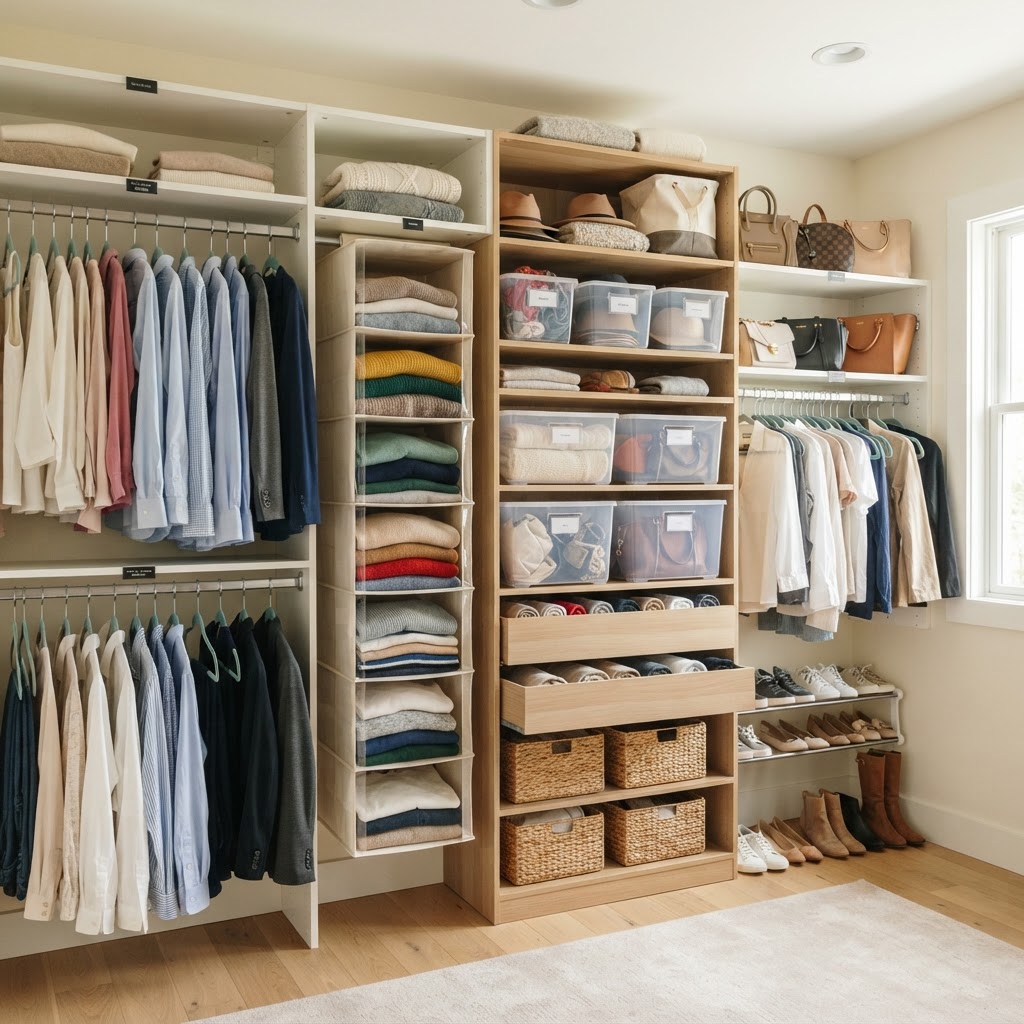
Your cabinets and drawers are likely where most of your clutter is hiding, with average homes losing 25% of drawer efficiency due to poor segmentation. Start by using a drawer divider system to keep items sorted. By preventing small objects from migrating and mingling, you can fit significantly more into a single drawer, making your morning routine much smoother. Consider how you utilize your closet. Most people waste vertical space by only using the rod. Add a hanging organizer to store folded sweaters, jeans, or handbags. By utilizing every inch of your vertical closet space, you free up the floor for hampers or overflow items that simply have no other place to go. Utilize over-the-door hooks for items like robes, belts, or hats, which helps maintain a clutter-free floor. Using clear, modular bins inside cabinets allows for a “see-through” inventory, reducing the likelihood of purchasing duplicate items by nearly 40%. Investing in labels for these bins can further streamline your organization process, ensuring every item has a specific home and preventing the “junk drawer” effect that plagues small apartments.

Creative Use of Room Dividers

If you live in a studio, defining different areas is crucial for your mental well-being, as creating distinct “zones” has been shown to increase perceived square footage by 15%. A room divider can act as a wall without blocking light or making the room feel heavy. You can use an open bookshelf as a divider; it provides storage for books and decorative items while clearly separating your sleeping area from your living space. Alternatively, consider using curtains or even a rolling wardrobe rack as a soft divider. This is a very budget-friendly way to create a sense of privacy in an open floor plan. By breaking the room into functional “zones,” you stop the feeling that your bed is in your kitchen, which is vital for feeling like your apartment is a proper home. Use area rugs to further anchor these zones, as a rug acts as a visual border that keeps furniture grouped logically. By keeping the divider height consistent with your furniture height (e.g., bookshelf height of 4-5 feet), you maintain an open, airy feel while still creating the necessary psychological barrier between your workspace and your relaxation space.

Divider Type Best For Light Permeability Estimated Cost
Bookshelf Storage & Privacy Moderate $80-$150
Curtains Soft Separation High $20-$50
Folding Screen Aesthetics Low $60-$120

Quick Hacks for Every Room

For the bathroom, consider over-the-door storage racks. These are perfect for hair dryers, brushes, and toiletries. If your sink cabinet is a disaster, small clear containers can act as a modular organizer, helping you see exactly what you have so you stop buying duplicates of shampoo or lotion. In the kitchen, mount magnetic strips for knives or spice jars. This simple trick turns your backsplash into a functional tool board. If you have an empty corner, a slim rolling cart can serve as a bar cart, a snack station, or a cleaning supply depot. The key is to keep things mobile and modular so your arrangement can change as your needs evolve over time. Use tension rods inside cabinets to store cutting boards upright, which saves precious shelf space. For small balconies or entryways, install wall-mounted drop-leaf tables that fold away entirely when not in use. These minor tweaks allow you to maintain a clean aesthetic while significantly increasing your functional storage capacity for daily essentials.

FAQ

How can I make a tiny apartment look bigger?

Make a tiny apartment look bigger by using light, neutral colors on walls and adding large mirrors to reflect natural light. Additionally, choosing furniture with exposed legs instead of solid bases creates the illusion of more floor space by allowing the eye to see the entire room footprint.

What is the best way to organize a small closet?

Use vertical hanging organizers and double-rod systems to maximize closet storage. Implementing clear, stackable bins and utilizing the back of the door for hooks or pockets allows you to store 30% more items without creating a disorganized mess on the closet floor.

How can I divide a studio apartment without building walls?

Divide a studio apartment using open-backed bookshelves, floor-to-ceiling curtains, or area rugs to define zones. These solutions act as psychological barriers that separate your sleeping area from your living space without obstructing light or requiring permanent construction.

What furniture is essential for small spaces?

Essential small-space furniture includes items that serve two or more purposes, such as storage ottomans, lift-top coffee tables, and nesting side tables. These pieces provide the necessary utility of larger furniture while maintaining a small, flexible footprint that can be easily rearranged.

Small Apartment Decorating Ideas on a Budget

Small Apartment Decorating Ideas on a Budget

To decorate a small apartment on a budget, prioritize vertical storage, declutter surfaces, and rearrange furniture to maximize natural light and flow. These cost-effective strategies focus on repurposing existing items, utilizing mirrors to create depth, and layering textures to transform compact living spaces into functional, stylish, and expensive-looking retreats.

Rethink Your Current Layout

Create a cozy atmosphere with simple textures and natural light.

Optimizing your floor plan is the most effective way to change the feel of a small apartment without spending a dime. Start by analyzing the “traffic lanes” in your room; if you find yourself walking around furniture to get from the door to the window, your layout is likely inefficient. Floating furniture—moving pieces away from walls—creates a sense of space and allows air to circulate, making a tiny room feel significantly larger. Even a shift of just 6 inches can prevent a couch or desk from blocking crucial natural light sources. Furthermore, swapping furniture between rooms can breathe new life into stale decor; a bedroom accent chair might serve as a perfect reading nook addition in the living area, creating a fresh aesthetic without requiring any new purchases. By treating your furniture as modular components, you can reinvent your home’s functionality seasonally or whenever you feel the need for change. Keeping your main thoroughfares clear is the single most important rule in small-space interior design, as it reduces visual friction and enhances the overall livability of the home.
Strategy Cost Impact Level
Floating Furniture $0 High
Color-Coding Books $0 Medium
Decluttering Surfaces $0 High
Adding Floor Mirrors $30-$100 Very High

How to Make a Small Apartment Look Expensive

Maximize your small space with efficient vertical storage and a desk.

Achieving a luxury look in a small apartment relies on strict minimalism and consistent styling rather than high-end furniture price tags. The secret to an expensive appearance is the removal of “visual noise”; clear every surface of non-essential items and tuck away tech cables using cable management clips, which cost under $10 for a pack of 50. When choosing storage, prioritize uniformity; if you have mismatched plastic bins, use peel-and-stick contact paper or a $6 can of matte spray paint to make them look like a custom collection. Lighting is the final luxury layer; replace harsh overhead “boob lights” with warm-toned (2700K) LED bulbs or add a brass-finish table lamp. High-end spaces are almost always defined by a lack of clutter and a specific, warm color palette. By curating your items so that everything serves a purpose or provides clear aesthetic value, you emulate the boutique hotel experience. Remember, quality is defined by the intentionality of the space, not the cost of the goods; a single, well-placed plant in a clean corner often signals luxury more effectively than a room full of budget decor items that clutter the eye.

How to Decorate a Very Small Apartment

Curated vignettes can make your apartment look professional.

In extreme space constraints, you must shift your focus from floor square footage to vertical potential to prevent the room from feeling suffocated. Install floating shelves at eye level to draw the gaze upward, which makes ceilings appear higher and frees up precious floor space for essential movement. Choose furniture with thin, tapered legs—often called mid-century modern style—because seeing the floor underneath the piece makes the room feel larger by maintaining sightlines. Mirrors are your most valuable tool; placing a large, floor-length mirror opposite a window can essentially double the natural light and perception of depth in your room. If you are on a tight budget, create a “gallery wall” using personal items like postcards, sketches, or even pressed leaves in thrifted frames. By using command strips instead of nails, you avoid damaging walls, making this an ideal solution for renters. Every inch of wall space is an opportunity for storage or art; by keeping the floor clear of bulky items like large ottomans or heavy bookcases, you create a sense of openness that is essential for comfort in a very small dwelling.

How to Make an Apartment Look Less Empty

Use mirrors and smart layout choices to open up a small apartment.

To bridge the gap between a minimalist apartment and a cold, empty box, you must integrate layers of texture through textiles and curated focal points. Start by placing a rug to anchor your primary seating area; if you lack a large rug, layer two or three smaller mats to create a cohesive island of comfort. Create “vignettes” on flat surfaces by grouping three items of varying heights—for example, a candle, a stack of books, and a small vase. These groupings create visual interest and prevent surfaces from feeling barren. Adding soft textures is key to absorbing sound and warming up a room, so introduce a basket of blankets or a simple linen curtain used as a wall hanging. This fabric softens the harsh, straight lines of an apartment, making the space feel finished and lived-in. For those on a zero-budget, use fabric scraps or vintage scarves draped over an armchair to add warmth. A well-layered room feels deliberate rather than empty; aim for a mix of hard surfaces (wood, glass) and soft surfaces (wool, cotton, velvet) to create a balanced, sensory-rich environment that invites you to relax.

How to Give Your Room a Makeover Without Buying Anything

Giving your room a zero-cost makeover requires a “shopping your own home” mindset, where you reimagine the purpose and placement of every object you already own. Start by deep cleaning windows and mirrors; bright, clean glass allows maximum natural light to enter, which is the most impactful way to refresh a space without spending money. Rearranging your bookshelves by color or turning books so the pages face outward creates an immediate design-forward shift in visual impact. Scour your closets for items like vintage scarves, old maps, or photos; these can be framed or pinned to a wall to add personal character. Don’t underestimate the power of a deep clean—wiping down baseboards, cleaning light fixtures, and washing curtains can make a home feel years younger. Finally, audit your current inventory; sometimes, removing an item that creates visual clutter is more effective than adding new decorations. By rotating decor from one room to another, you reset the brain’s association with your furniture, making your living environment feel brand new and exciting. This process of curation ensures that every item in your home has a specific, active role in your daily life.
Finding Inspiration and Staying Organized

Finding design inspiration while keeping a small home organized requires a balance of visual research and ruthless editing of your belongings. Pinterest is an essential tool; create a private board to pin rooms that feature layouts similar to your specific square footage, but always audit the images for “fake” elements like professional lighting or non-existent storage gaps. Once you have a vision, focus on maintaining that look through organizational discipline. Keep a dedicated “landing zone” near the entrance for keys and mail; this prevents items from scattering across the living room and building up visual mess. Regularly audit your belongings using the “one-year rule”: if you haven’t used, worn, or interacted with an item in 365 days, donate or sell it. A smaller inventory of possessions is the greatest luxury you can afford in a tiny space, as it prevents the stress of over-accumulation. By staying organized, you ensure that your apartment remains a peaceful retreat rather than a source of daily anxiety. Remember that your goal is to create a home that supports your lifestyle, not a museum that demands constant maintenance and constant cleaning.

FAQ

Q: How can I make a tiny apartment feel bigger for free?

A: To make a tiny apartment feel larger for free, remove excess clutter, rearrange furniture to keep pathways open, and use mirrors to reflect light. Ensuring that your floors remain visible by choosing furniture with legs and using vertical wall storage are also highly effective, no-cost methods for increasing perceived space.

Q: What is the best way to hide cables in a small room?

A: Use adhesive cable management clips or cable sleeves to route cords along furniture legs or baseboards. You can also hide power strips inside decorative boxes with pre-cut holes or behind furniture, which instantly eliminates visual clutter and creates a cleaner, more expensive look.

Q: How do I choose the right rug for a small space?

A: Choose a rug that is large enough to have at least the front legs of your sofa and chairs on it, which anchors the space and defines the area. Avoid small “bath-mat” sized rugs in the middle of the floor, as these can make the room appear disjointed and smaller.
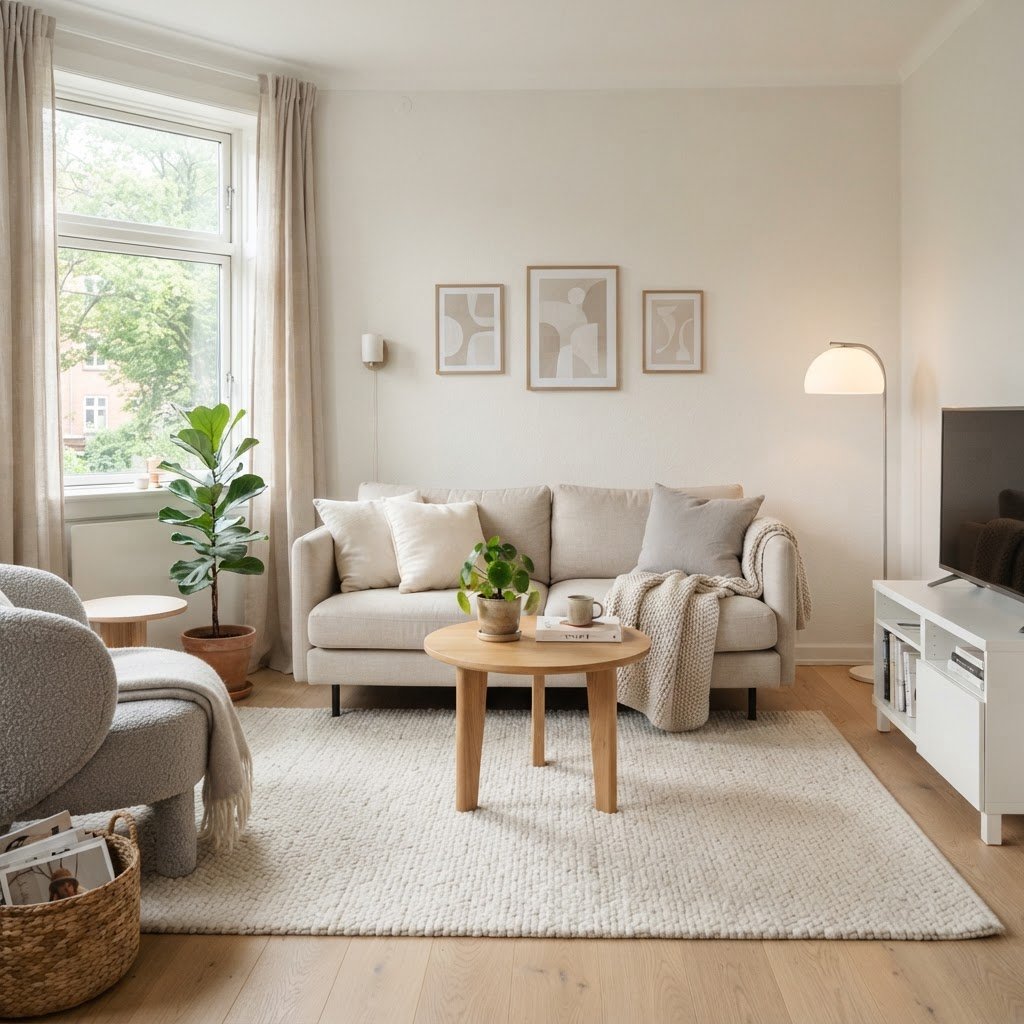
Q: What are the best colors to make a small apartment look larger?

A: Use light, neutral colors like off-white, soft gray, or beige on your walls to reflect light and expand the room. You can add depth by using monochrome color schemes with different textures, which prevents the space from feeling sterile while maintaining an airy, open atmosphere.

Small Apartment Storage Ideas on a Budget

Small Apartment Storage Ideas on a Budget

Maximize your small apartment storage by utilizing vertical wall space, incorporating multi-functional furniture, and implementing a strict “one-in, one-out” decluttering policy. These budget-friendly strategies transform cramped living areas into organized, efficient spaces by reclaiming unused footprints beneath furniture, behind cabinet doors, and above standard eye-level storage.

Rethinking Your Vertical Potential

Maximize your living area with multi-functional furniture and wall shelving.

One of the most effective ways to expand your floor plan is to move storage from the ground to your vertical wall surfaces. Most apartment dwellers overlook the 8-to-9 feet of vertical space between the floor and ceiling, which can effectively double your storage capacity when utilized correctly. Installing simple floating shelves above doorways or windows adds approximately 2 to 4 square feet of display or storage area per wall without infringing on precious floor space.

Think about the areas above your doors, windows, or even your desk. A single sturdy shelve can hold books, decor, or plants, drawing the eye upward and making the room feel taller. If you are handy, a DIY pegboard is a fantastic solution for craft rooms, kitchens, or even the entryway. It provides a flexible way to hang tools, bags, or kitchen utensils, keeping them off the counter while remaining easily accessible. For those renting, use damage-free adhesive strips or tension-mounted rods that support up to 15 pounds, ensuring your security deposit remains safe while your organization improves.
Storage Method Cost Range Installation Difficulty Ideal Use Case
Floating Shelves $20 – $50 Medium Books, plants, decor
Pegboard Wall $30 – $70 High Kitchen tools, craft supplies
Over-Door Hooks $5 – $15 Very Low Coats, bags, umbrellas

Mastering the Art of Hidden Storage

Double your hanging space in a small closet with clever vertical organization.

When you live in a small apartment, your furniture should do double duty by acting as both a functional piece and a storage unit. Selecting multi-functional pieces, such as ottomans with interior hollow compartments, can hide up to 5 cubic feet of household clutter like spare blankets, magazines, or seasonal board games. By prioritizing pieces that incorporate hidden storage, you reduce the need for additional freestanding bins that eat up floor space.

Consider the space under your bed, which is often completely wasted. Utilize a flat rolling bin to slide underneath the frame. This is the perfect location for out-of-season clothing, extra bedding, or shoes. By keeping your primary living areas clear of these seasonal items, you significantly reduce visual clutter and make your home feel significantly more spacious. Experts recommend using rolling bins with labels; this simple step saves an average of 10 minutes of searching time per week. For added efficiency, choose bins with dimensions under 6 inches in height to ensure they fit under standard bed frames without catching on the floorboards.

Streamlining Your Entryway and Closet

Utilize wall space in the kitchen to keep your counters clear and functional.

Your entrance is the first thing you see when you walk through the door, and it often becomes a catch-all for mail, keys, and bags. A dedicated shoe rack in the entryway is a non-negotiable for keeping floors clear. Use hooks on the back of the door to catch coats, umbrellas, and hats, preventing them from piling up on chairs. Implementing an entryway “landing zone” with a basket for keys and mail prevents daily clutter from migrating into the living room.

Next, turn your attention to your closet. Many reach-in closets are underutilized due to inefficient rod placement. Install an additional closet rod to double your hanging capacity. Use a hanging shelf organizer for folded items or accessories like belts and scarves. Adding a simple divider within your shelves can help keep stacks of clothing neat and prevent them from toppling over into a disorganized mess. By utilizing thin, non-slip velvet hangers, you can fit up to 30% more clothing in the same closet space compared to traditional plastic or wooden hangers.

Organizing the Kitchen and Bathroom

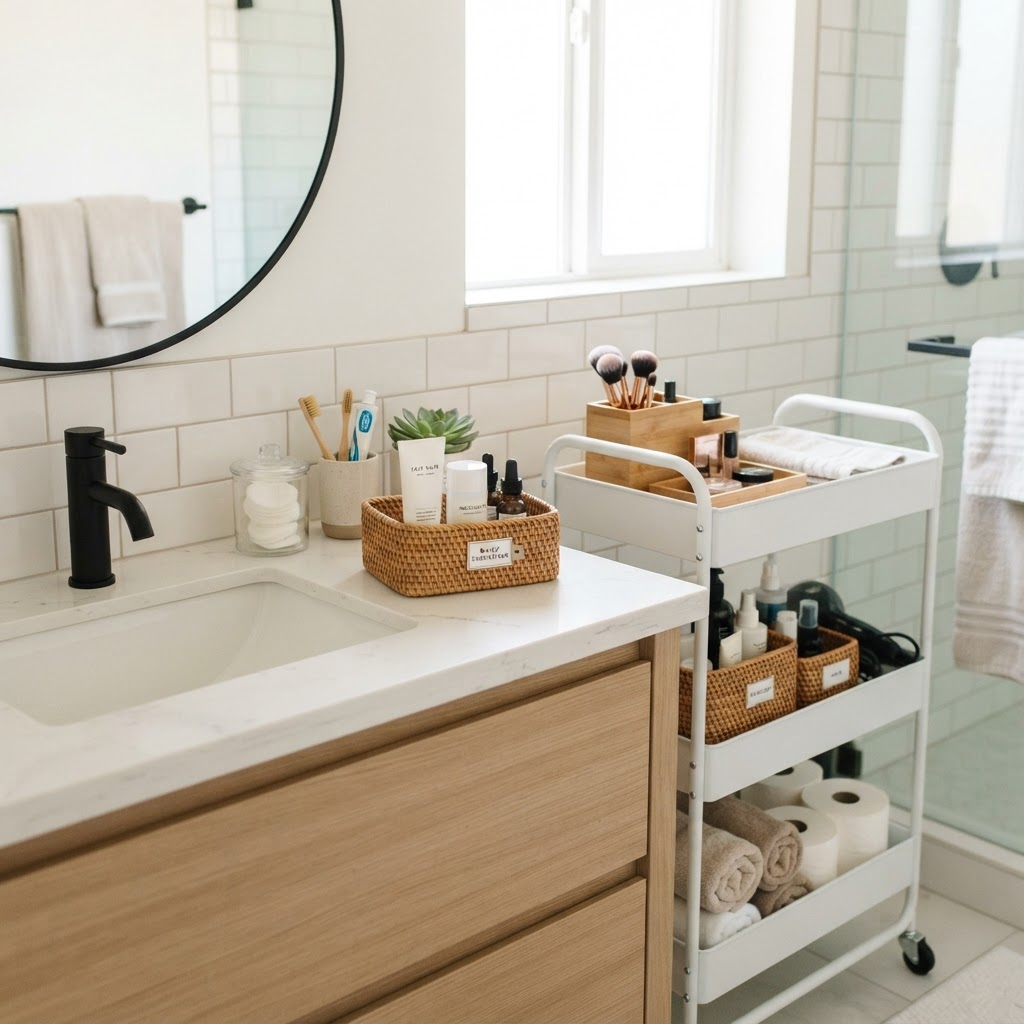
Small storage bins help keep bathroom essentials tidy and accessible.

Kitchens are notoriously difficult to keep tidy, especially when drawer space is limited. Utilize the inside of your cabinet doors by attaching adhesive hooks or slim bins for sponges, brushes, or pot lids. If your counters are cluttered with spices, consider a wall-mounted magnetic rack or a tiered lazy Susan to maximize the footprint of a single cabinet shelf. These organizers typically reclaim about 20% of shelf space that is usually lost to deep, inaccessible corners.

In the bathroom, the same logic applies. If you lack vanity storage, use a slim rolling cart that fits between the toilet and the sink. This is an excellent way to hold extra toilet paper, towels, and toiletries without needing to install permanent cabinetry. Keep smaller items like cotton swabs or makeup in a small, clear basket so you can see exactly what you have at a glance.

Organizing Hack Benefit Estimated Time to Install
Cabinet Door Hooks Reclaims wasted space 5 Minutes
Tiered Lazy Susan Increases visibility 2 Minutes
Rolling Slim Cart Modular, no drilling 10 Minutes

Creative Hacks for Small Apartment Living

Sometimes, the best way to get organized is to use a clever hack that solves a very specific problem. For example, use tension rods inside cabinets to store cutting boards or baking sheets vertically. This keeps them from clumping together in a horizontal stack and makes it incredibly easy to grab what you need without shuffling through heavy pans.

If you have a small space, consider using clear storage bins for everything. While they are not the most stylish, being able to see exactly what is inside a bin prevents you from double-buying items or losing track of your inventory. If you want a cleaner look, opt for uniform fabric bins or a nice woven basket that hides the contents while maintaining a cohesive, tidy aesthetic throughout the apartment. These uniform systems can reduce “visual noise” by nearly 50%, making your apartment appear larger and more curated to the eye.

Cultivating a Habit of Decluttering

The most effective storage solution of all is simple: own less. Regularly editing your belongings is the only way to ensure your systems continue to work over the long term. Even the best organizer in the world will fail if the closet is stuffed past its capacity. Aim to donate or sell items you have not used in the past six months, especially in a small apartment where every inch of storage space is valuable.

Make a habit of “one in, one out.” Every time you buy a new piece of clothing or a new kitchen gadget, commit to donating an existing item. This prevents your apartment from slowly creeping back into a state of chaos. By keeping your belongings curated, you ensure that your apartment feels like a curated home rather than a storage unit for your possessions. Studies show that a 15-minute weekly decluttering session maintains organization levels significantly better than a massive annual purge.

FAQ

Q: What is the best way to store clothes in a small apartment without a large closet?

Use under-bed rolling bins and add an extra tension-mounted hanging rod to your existing closet. These methods allow you to maximize vertical and under-utilized floor space, effectively doubling your storage capacity without requiring permanent installation or major renovations.

Q: How can I organize a tiny kitchen with very few cabinets?

Utilize the inside of your cabinet doors with adhesive hooks for utensils and install a magnetic strip on the wall for knives. These tactics clear your countertops, which are often the most valuable real estate in a small kitchen.

Q: Are clear storage bins better than opaque ones?

Clear bins are superior for inventory management because they prevent double-buying and allow for immediate visual identification of contents. Opaque or fabric bins are better for maintaining a consistent aesthetic in visible living areas where you want to hide clutter.

Q: How do I stop my small apartment from feeling cluttered?

Adopt the “one-in, one-out” rule and clear off all flat surfaces like tables and counters. Visual clutter is the primary cause of a cramped feeling; by keeping surfaces empty, you create a psychological sense of openness and tranquility in your home.

Decorate a Small Apartment on a Budget: Easy DIY Tips

Decorate a Small Apartment on a Budget: Easy DIY Tips

You can decorate a small apartment on a budget by prioritizing multi-functional furniture, utilizing vertical storage to clear floor space, and layering neutral foundations with affordable textiles. These strategies, combined with intentional lighting and the “rule of three” for styling, create a high-end, cohesive aesthetic without requiring significant financial investment.

Rethinking Your Space and Layout

A neutral, bright living space shows how a well-placed rug can define a room.

Maximizing a small apartment layout requires precise planning before purchasing any new items. Start by measuring your floor space and mapping it out; aim for furniture that occupies less than 60% of the walking area to maintain flow. Multi-functionality is your most valuable asset in tight quarters; prioritize “dual-purpose” pieces like storage ottomans that provide seating while hiding clutter, or nesting tables that tuck away when not in use.

It is essential to declutter your surfaces to prevent a claustrophobic environment. Vertical storage solutions, such as wall-mounted floating shelves or tall, slim bookcases, draw the eye upward and keep the floor footprint clear. By mounting shelves 6 to 8 inches below the ceiling, you create a sense of height and expansive space. Always prioritize closed storage—such as bins or baskets—to keep essential items out of sight, ensuring the room remains visually calm and functional for daily activities.

Furniture Type Best Use for Small Spaces Budget Alternative
Coffee Table Central living piece Nesting side tables
Bookshelf Vertical storage Wall-mounted floating shelves
Ottoman Extra seating/hidden storage Storage bench

Budget-Friendly Styling Strategies

Grouping items in odd numbers is a professional trick for perfect shelf decor.

Elevating a small space on a budget relies on specific, high-impact styling tweaks rather than large-scale purchases. Swapping out standard, builder-grade cabinet hardware for matte black or brass knobs can be achieved for under $50 and provides an instant custom look. Incorporating varied textures through layered rugs and high-pile throw blankets adds an expensive aesthetic; a 5×8 area rug placed under the front legs of your sofa will define your living zone effectively.

Focus on a neutral base for your larger, more expensive items like sofas and window treatments. Using beige, cream, or light grey as your foundation allows you to update your apartment’s color scheme seasonally with low-cost accessories like throw pillows or wall art, which typically cost between $15 and $30 each. This approach keeps your primary investment pieces timeless while giving you the flexibility to experiment with bold accents or greenery to brighten your home.

Master the Art of Interior Design Rules

Utilizing vertical storage keeps floor space clear in smaller apartments.

What is the 3-5-7 rule in interior design? This rule suggests that you should group items in odd numbers, specifically three, five, or seven, to create visual balance and professional depth. Designers use this trick to prevent rooms from feeling cluttered or random. Instead of placing a single item on a side table, arrange three objects of varying heights—such as a tall vase, a medium candle, and a short stack of books—to lead the eye across the space.

Creating Visual Balance

When styling your home, consider how different heights interact to create a pleasing contrast. A tall floor lamp placed next to a shorter armchair creates a dynamic visual focal point. On your coffee table, combine a stack of books, a decorative tray, and a small plant to ground the surface. By clustering these objects, you transform flat surfaces into intentional displays that feel curated rather than messy, which is essential for maintaining a sense of luxury in a limited apartment space.

Achieving a High-End Look for Less

Refreshing thrifted furniture is an excellent way to achieve luxury on a budget.

How to make a small apartment look luxurious? Focus on the quality of light and the use of scale to elevate your surroundings. Avoid the singular overhead “boob light” by layering your lighting; combine a floor lamp for ambient light, a task lamp for reading, and string lights or candles for accent depth. This professional lighting scheme creates warmth and masks the limitations of a small, cramped floor plan.

Adding floor-to-ceiling curtains is one of the most effective designer tricks to make ceilings appear higher. Mount your curtain rod at the ceiling line—or at least 6 inches above the window frame—rather than directly above the window. This creates the illusion of grandeur. Investing in linen or velvet curtains can add a high-end texture that masks cheap window frames, making the entire room feel more expensive.

Decorating on a Shoestring Budget

How to decorate a low income apartment? Prioritize DIY refurbishing and secondhand marketplaces, which can save you up to 70% compared to buying new retail furniture. Visit local thrift stores or browse online marketplaces for solid-wood furniture that only requires a light sanding and a fresh coat of paint to look modern and refined. If you are struggling with ideas, Pinterest serves as an excellent resource for DIY tutorials on refurbishing everything from old chairs to kitchen cabinets.

Do not underestimate the power of DIY wall art to fill empty spaces cheaply. You can print high-resolution public domain art or create abstract paintings on canvases costing less than $10. Placing these in matching frames provides a cohesive, gallery-like feel. By repurposing what you already own and focusing on quality items over quantity, you avoid the “clutter trap” that makes small apartments feel smaller, while maintaining a distinct, personal sense of style.

The Power of Textiles and Lighting

Never underestimate how much a rug can anchor a living space. It effectively defines distinct zones in a small apartment, separating the lounge from the dining area without needing walls. Choose a rug that is large enough to touch at least the front legs of your furniture, as this pulls the grouping together into one intentional “room.” If you have mismatched furniture, a cohesive rug color can tie the whole look together seamlessly.

Lighting is equally vital for creating mood. If your apartment has minimal natural light, use large mirrors to bounce available light around the room. A full-length mirror leaning against a wall can effectively make a cramped room feel twice as large by reflecting space and natural windows. Complement this with a warm-toned floor lamp (2700K to 3000K bulb) for evenings, which provides a cozy glow compared to the sterile, cold appearance of standard overhead white lights.

FAQ

How can I make my apartment feel larger without spending much money?

Use mirrors to reflect light and space, and choose furniture with exposed legs to create the illusion of more floor area. Keeping surfaces clear and utilizing vertical space for storage also prevents the room from feeling cramped or cluttered.

What are the best colors for a small apartment?

Stick to a neutral palette of white, cream, or light grey for your large pieces to maintain an airy, open feel. You can introduce personality through small, inexpensive accessories like colorful throw pillows, blankets, or wall art that can be changed out easily.

How do I use the rule of three when decorating?

Group items in sets of three, five, or seven to create visual balance and interest. Ensure your objects vary in height and texture—such as combining a tall vase, a round candle, and a flat book—to create a professional, intentional focal point on surfaces like coffee tables.

Is it worth buying secondhand furniture for small spaces?

Yes, buying secondhand is a highly cost-effective way to get high-quality materials like real wood or metal. You can easily refurbish these pieces with paint or new hardware to match your personal aesthetic, often saving hundreds of dollars compared to buying mass-produced furniture.

How can I improve lighting in a windowless room?

Layering your lighting is the best approach for rooms lacking natural light. Use a combination of a floor lamp for ambient glow, a table lamp for task-oriented lighting, and wall sconces or string lights to add decorative accent lighting that warms up the space.