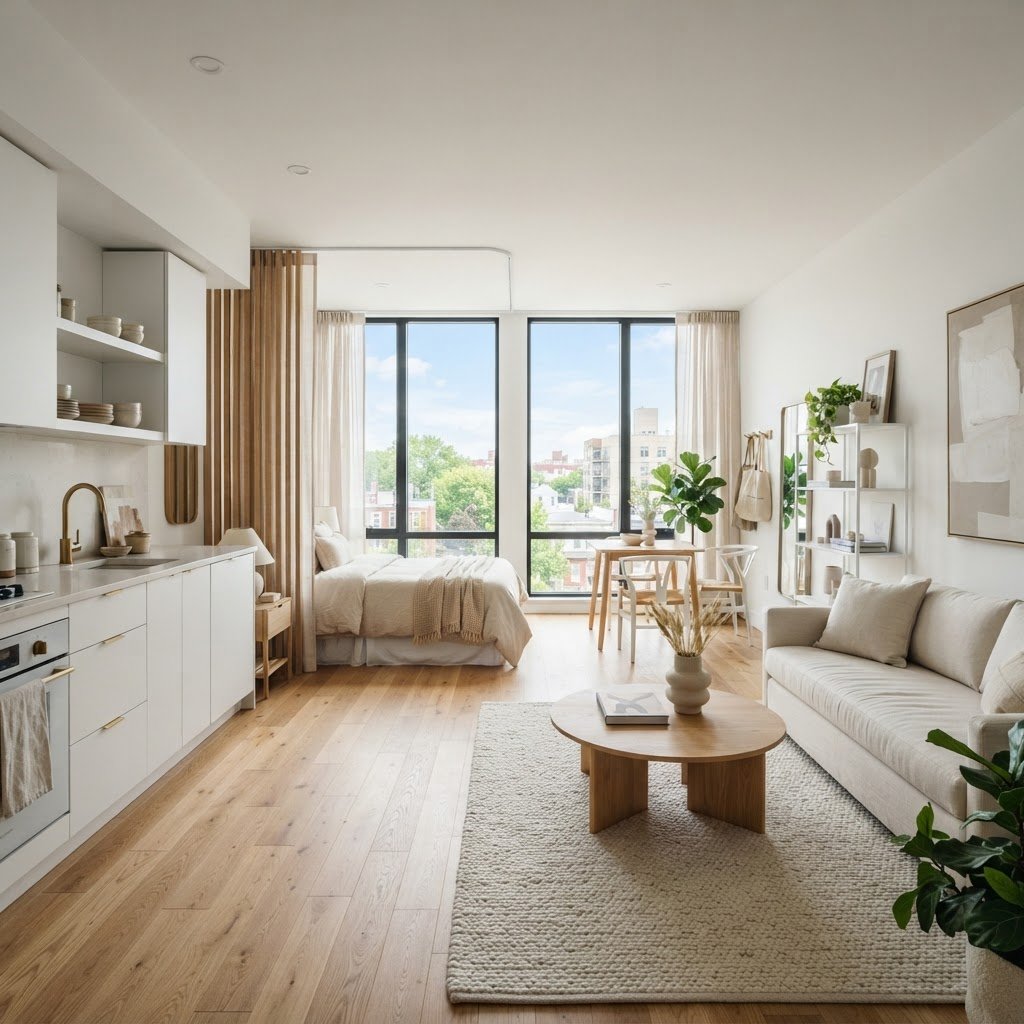
Small Studio Apartment Ideas on a Budget
To maximize a small studio apartment on a budget, prioritize multifunctional furniture, vertical storage solutions, and intentional zoning that separates sleeping from living areas. By using light color palettes to reflect natural light and incorporating mirrors to create depth, you can make a compact space feel significantly more open and functional.
Maximizing Your Layout for Efficiency
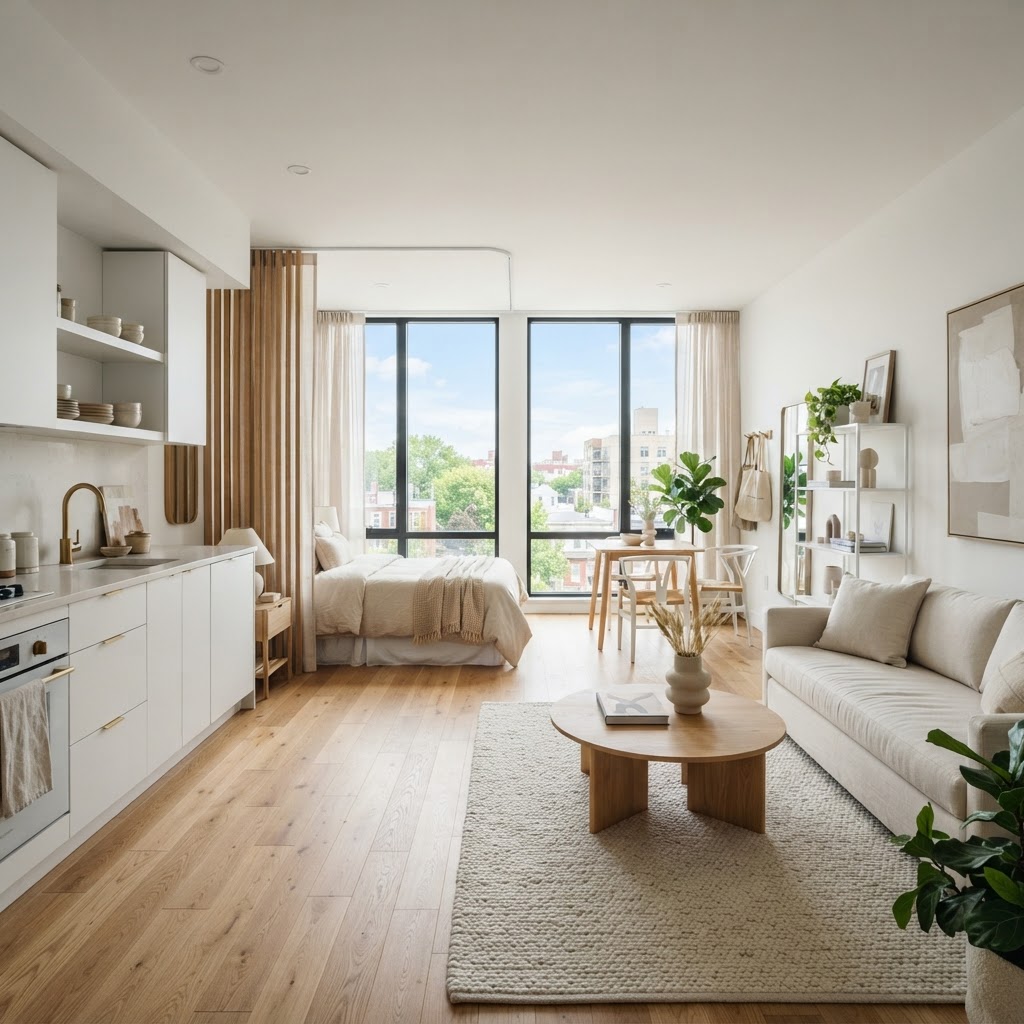
The most important step in making a small apartment feel functional is nailing the floor plan through intentional zoning. Before buying furniture, measure your space accurately—aim for at least 30 inches of clearance for main walkways to ensure comfortable flow. A thoughtful layout is the secret to successful small space living, as it prevents the room from feeling cramped or cluttered.
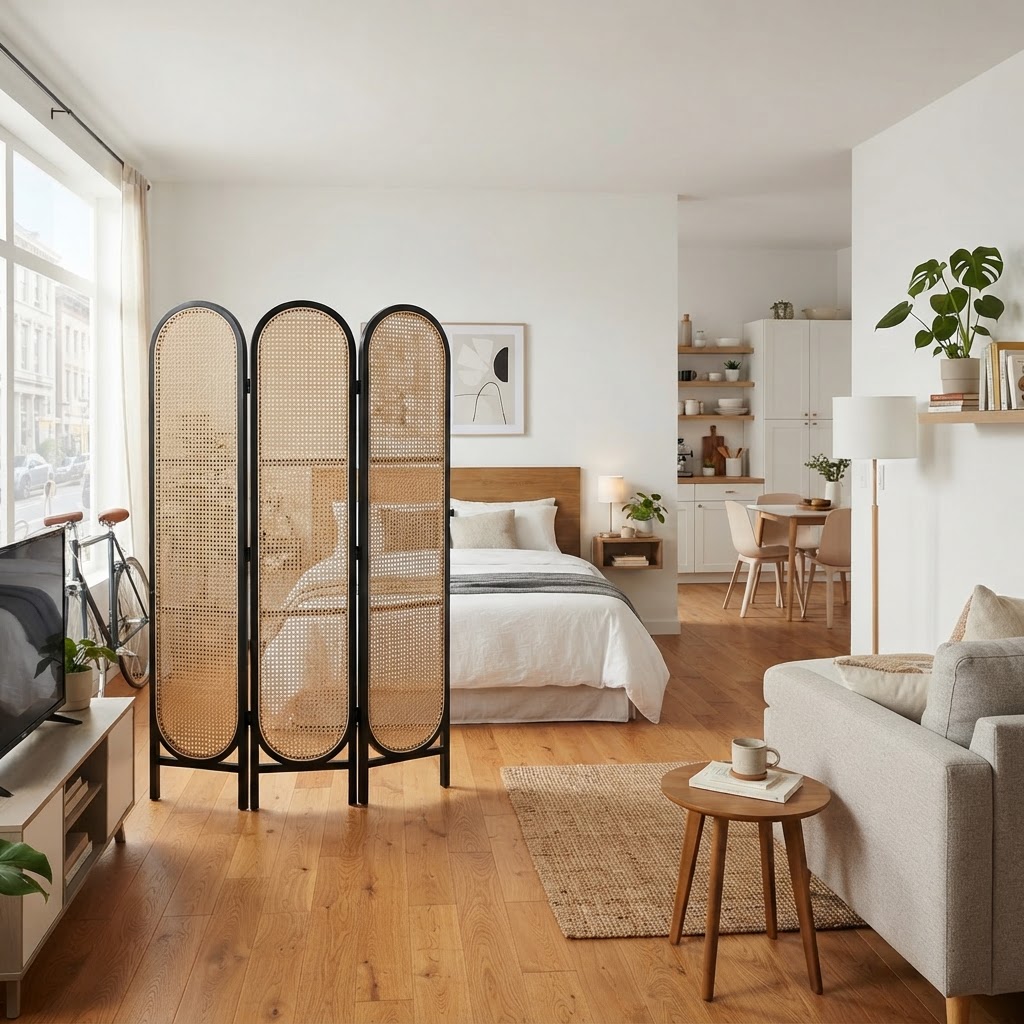
Start by identifying your non-negotiables: a dedicated workspace, a cozy sofa nook, or a dining area. Place your bed in a corner to save floor space, or use a room divider to delineate zones. Even in a 200-square-foot footprint, creating distinct areas helps the mind perceive the room as larger. Utilizing “dead space” behind doors or under windows for custom shelving can add up to 15% more usable surface area. Proper zoning isn’t just about aesthetics; it is about establishing a functional routine within a single room.
Smart Furniture Choices for Small Spaces
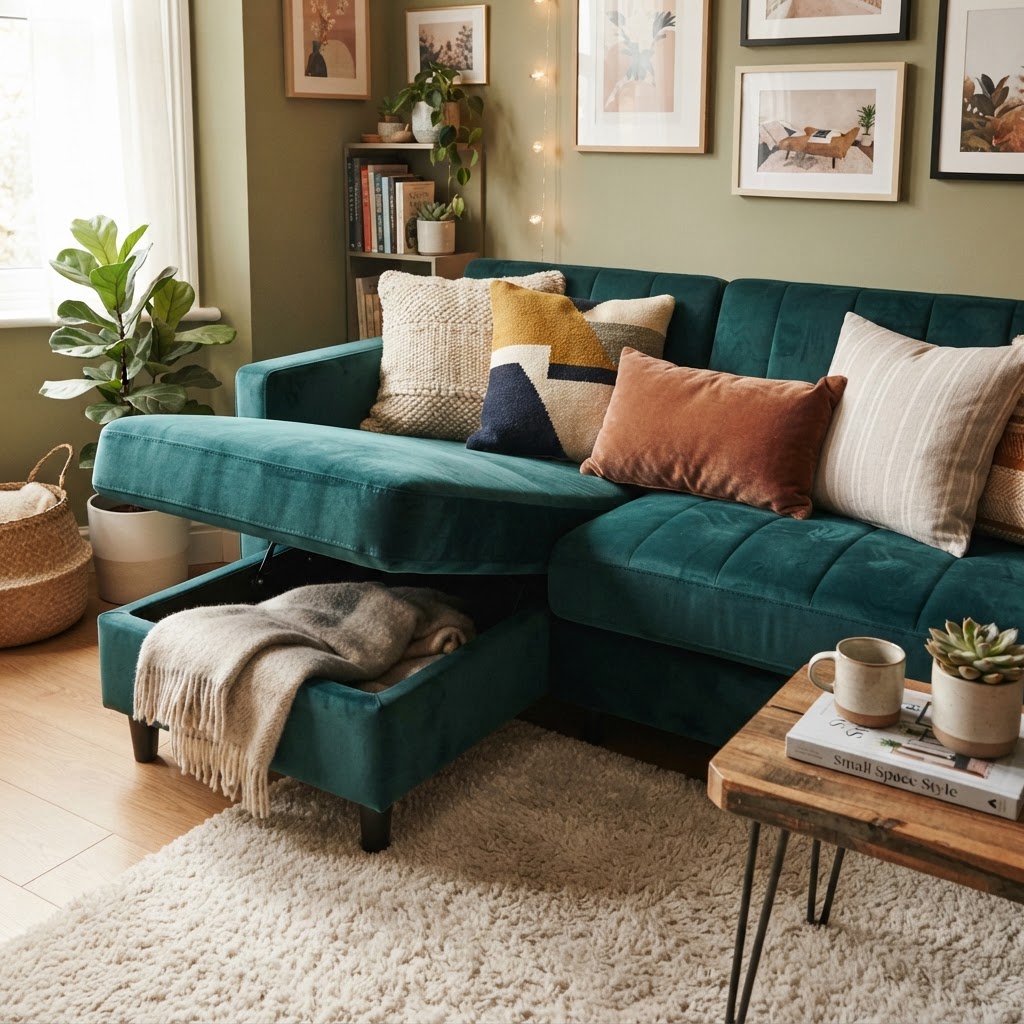
When you are looking for studio apartment ideas, furniture that pulls double duty is your best friend. Look for pieces that offer hidden storage or can be folded away when not in use. An ottoman with interior storage, a drop-leaf dining table, or a sleek bookshelf can transform how you use your limited square footage.
If you are on a budget, look toward retailers like ikea for versatile staples that won’t break the bank. A murphy bed is perhaps the ultimate investment for a small studio, allowing you to reclaim your floor space during the day. If a full installation is too expensive—often costing upwards of $1,500—consider a daybed that functions as a stylish sofa during the day. Prioritize furniture with legs; seeing more of the floor creates an airy, open feeling. Choosing pieces with a “light” visual weight, such as glass coffee tables or acrylic chairs, helps maintain sightlines, which is critical for making a room under 400 square feet feel expansive and uncluttered.
Creating the Illusion of Space
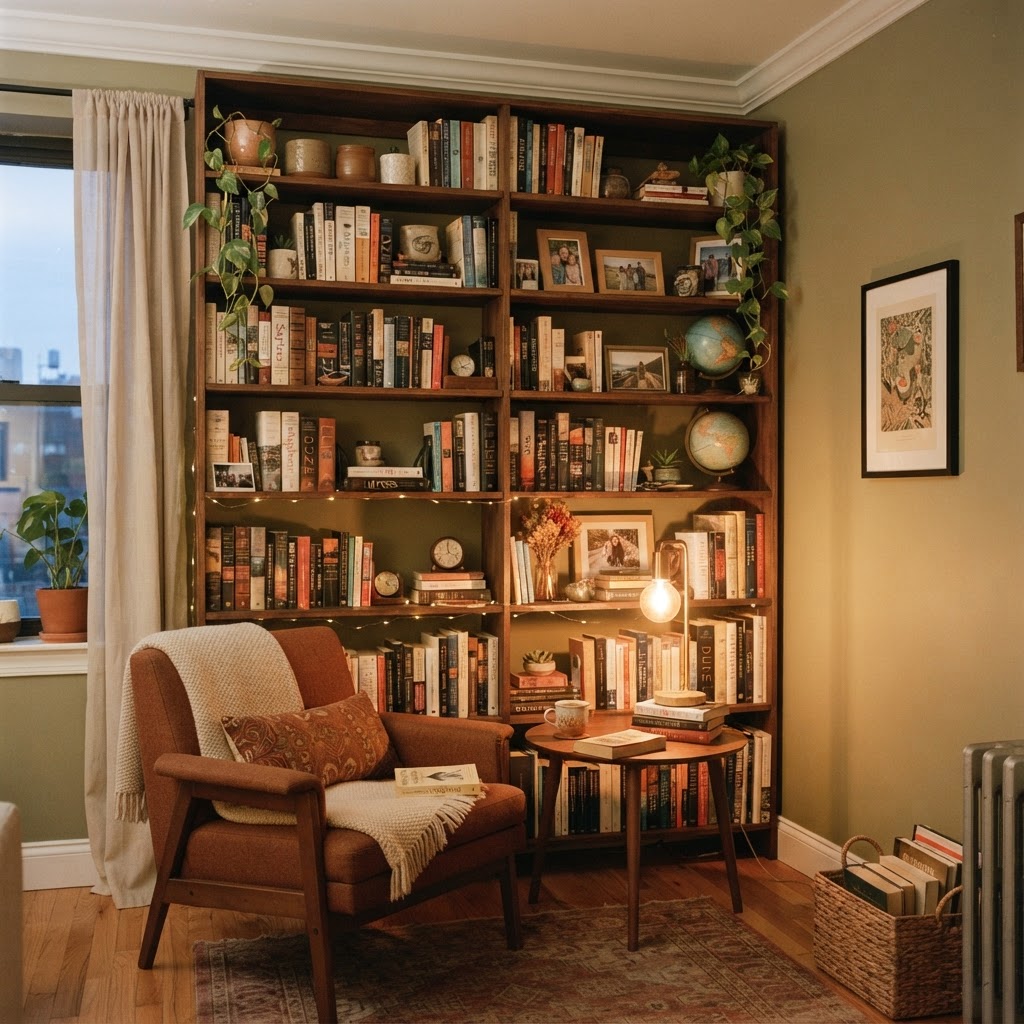
Making a small studio apartment feel airy is a common goal for design enthusiasts, and the secret lies in your choice of colors, mirrors, and lighting. Painting your walls a crisp white or light neutral shade reflects natural light, making the walls seem to recede. Adding a large floor mirror—ideally placed opposite a window—can also create the illusion of depth, effectively doubling the visual size of your living area.
Don’t forget the power of vertical storage. When you cannot expand outward, expand upward by mounting shelves 12 to 18 inches below the ceiling line. Using a tall bookshelf allows you to draw the eye toward the ceiling, emphasizing the height of the room rather than the narrowness of the floor. Keep window treatments minimal to allow as much natural light as possible into your small studio, which instantly improves the mood of the environment. Using high-gloss finishes on a few select accent pieces can also bounce light around, making the apartment feel brighter without adding a single light fixture.
Budget-Friendly Decorating Tips
To decorate a studio apartment without overspending, you need to be creative and patient, often relying on DIY projects. Start by shopping your own home for items that can be repurposed; a stack of vintage crates can serve as a rustic end table, while a set of fairy lights creates a cozy atmosphere for under $20. Apartment decorating is a journey, so collect items that have personal meaning rather than filling the space with cheap, mass-produced decor.
Focus on textiles to add warmth to your living space. A high-quality rug can define the main seating area and provide comfort, while colorful throw pillows on your sofa can introduce personality without requiring a major renovation. Thrift stores and online marketplaces are goldmines for unique, affordable pieces that can give your studio a custom, high-end feel for a fraction of the cost. Always check measurements twice before purchasing secondhand items, as a piece that fits perfectly in a standard house may completely overwhelm your studio layout.
Handling Common Small Apartment Challenges
One frequent question people have is how to deal with limited closet space. If you don’t have built-in storage, look for decorative garment racks or over-the-door organizers. You can also hide storage containers under your bed; using risers to lift your bed frame by 6 inches can yield up to 15 cubic feet of additional storage. Keeping surfaces clear is essential when living in a small studio, as visual clutter is the quickest way to make a room feel smaller.
Another challenge is maintaining privacy if you host guests. A lightweight room divider or even a floor-to-ceiling curtain can act as an effective barrier between your bed and the rest of the room. This simple addition makes the apartment feel more like a multi-room home, separating your public life from your private sleeping area. Focus on modular systems that adapt to your lifestyle, ensuring that every square inch serves at least two purposes.
Lighting and Texture to Elevate the Room
Lighting is often overlooked, but it is one of the most powerful tools in your kit for professional-grade design. Layering your lighting—using a combination of floor lamps, table lamps, and overhead lights—creates dimension. Avoid harsh, singular light sources. Instead, opt for warm-toned bulbs in the 2700K to 3000K range that make the studio feel welcoming after dark.
Texture also plays a major role in how a room feels. When everything is the same material, the room can look flat. Mix textures like velvet, wood, metal, and linen to add visual depth to your studio apartment. A chunky knit throw or a wood-grain accent piece adds tactile interest, preventing the minimalist furniture from feeling too cold or sterile. By incorporating at least three distinct textures, you create a sophisticated environment that feels curated rather than just “filled.”
FAQ
How can I divide a studio apartment without building walls?
You can effectively divide a studio apartment using room dividers, open shelving units, or floor-to-ceiling curtains. These options create distinct zones for sleeping and living without permanently altering the space or requiring expensive construction, making them ideal for renters.
What is the best color for a small studio apartment?
Light, neutral colors like soft white, cream, or light grey are best for small studio apartments because they reflect light and make walls feel as though they are receding. This creates an airy, expansive feeling that helps the space feel larger than its actual square footage.
How do you hide a bed in a studio apartment?
To hide a bed in a studio, you can invest in a Murphy bed, which folds into a wall unit, or use room dividers and curtains to create a visual barrier. Alternatively, using a daybed allows the sleeping area to function as a stylish living room sofa during the day.
How do I maximize storage in a small studio?
Maximize storage by utilizing vertical wall space with floor-to-ceiling shelves and capitalizing on “dead” space under your bed. Using furniture that serves double duty—like ottomans with internal storage—also provides hidden spots to keep items out of sight and maintain a clutter-free environment.
Does a rug make a small room look smaller?
No, a large rug can actually make a small room look larger by defining the space and creating a cohesive “zone.” A common mistake is using a rug that is too small; choose one large enough so that at least the front legs of your furniture sit on it.

Leave a Reply