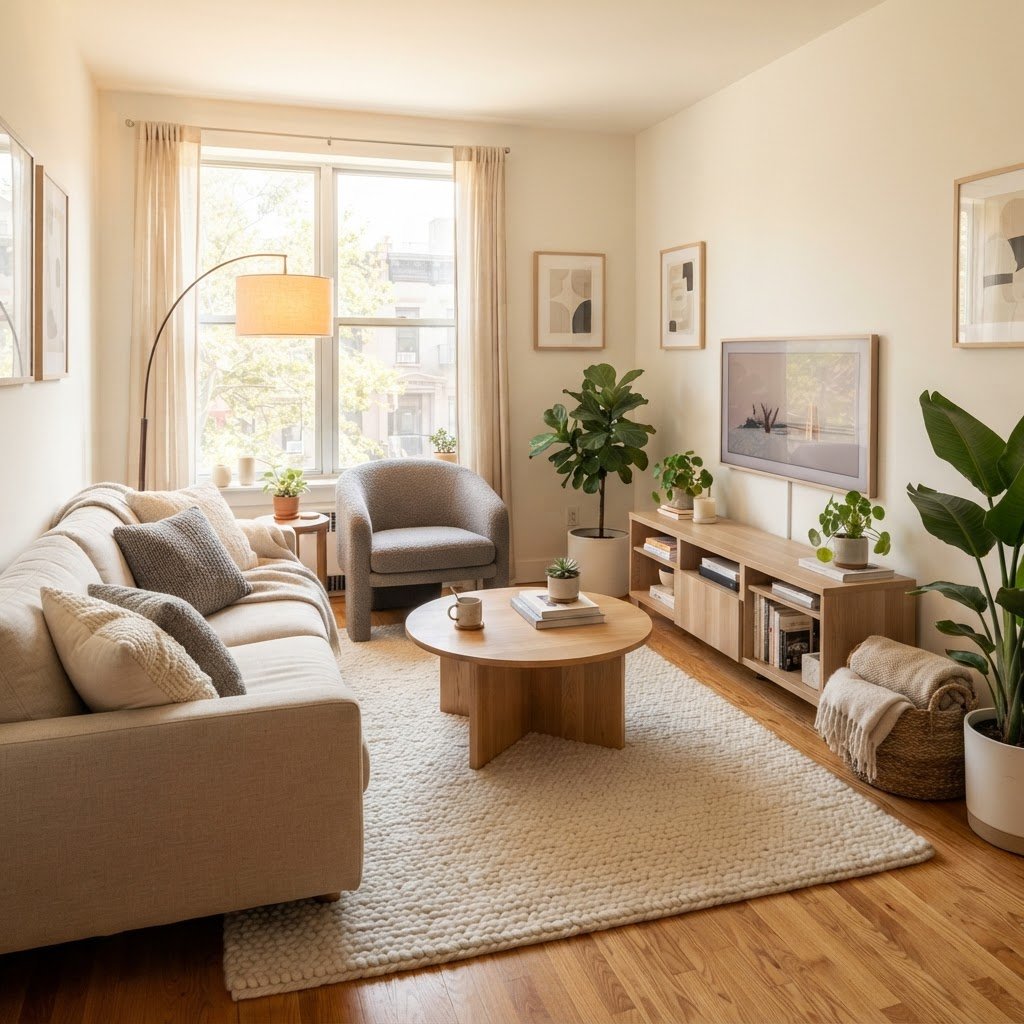
Small Apartment Ideas: Decorating on a Budget
To decorate a small apartment on a budget, prioritize multi-functional furniture, vertical storage, and visual zoning to maximize square footage without expensive renovations. Use light color palettes, strategic lighting, and area rugs to create an illusion of space, while opting for renter-friendly DIY upgrades like removable wallpaper and command-strip shelving.
Rethink Your Furniture Layout
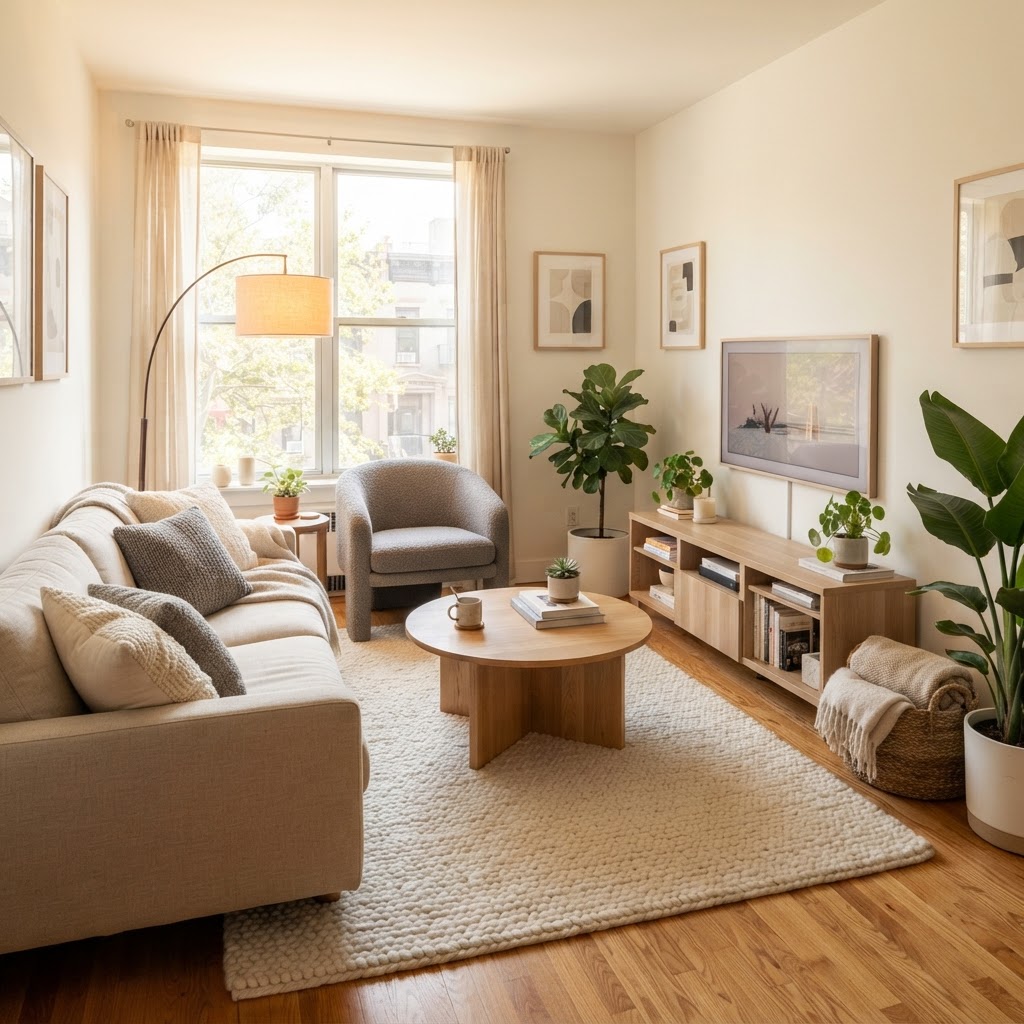
Strategic furniture placement is the most effective way to optimize flow and create the illusion of a larger footprint in small living areas. Instead of pushing furniture against walls—which often highlights the room’s constraints—float your pieces toward the center to create an intimate, breathable conversation circle. This method establishes clear walking paths, reducing the “cramped” feeling common in sub-600 square foot apartments. When selecting new pieces, prioritize items with a small footprint or “visual transparency,” such as glass-top coffee tables or open-base seating. These designs prevent the furniture from becoming a solid visual block, allowing the eye to travel through the room seamlessly. To help you decide on the right pieces, consider the following comparison of budget-friendly space savers:
Lighting and Vertical Space
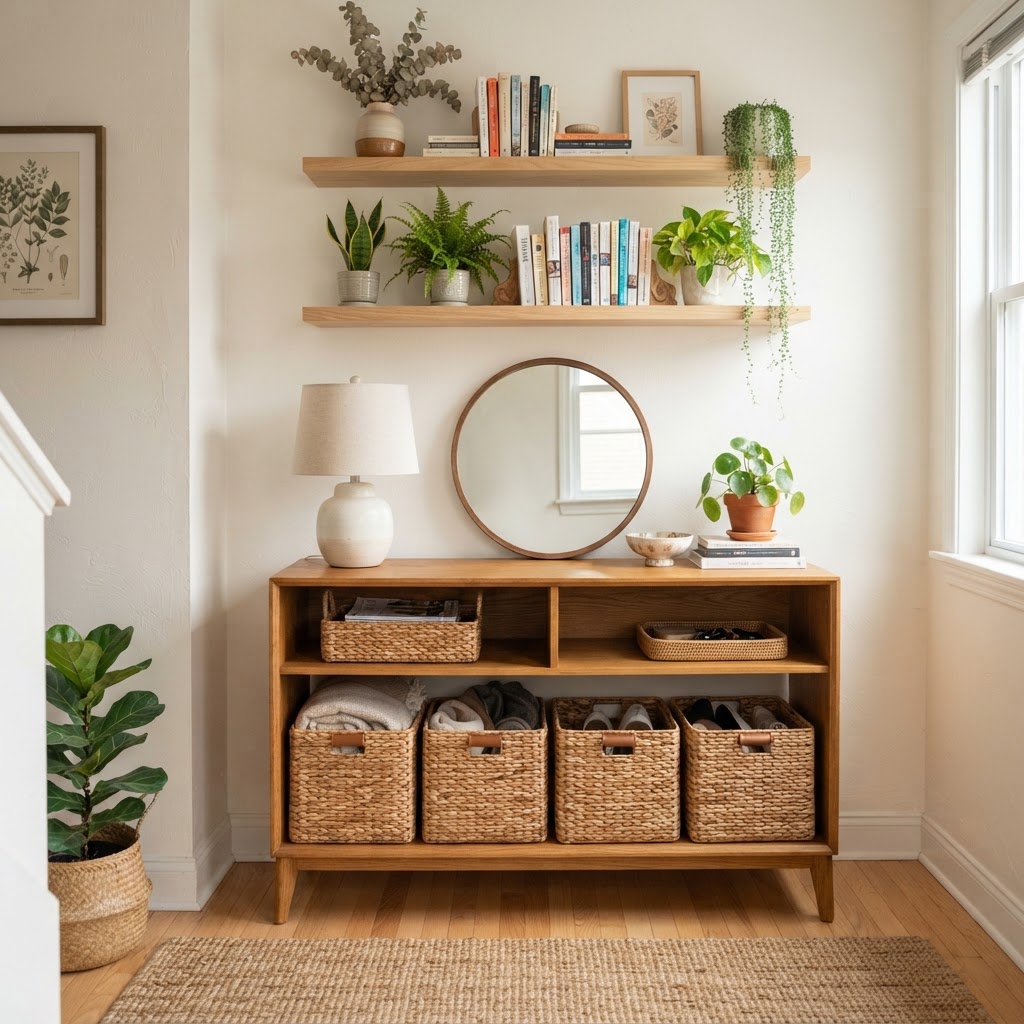
Lighting and vertical storage are the primary tools used by professional designers to manipulate depth and maximize the utility of limited floor space. In rental apartments where you cannot replace overhead fixtures, utilize the “three-source rule” by adding a floor lamp, a table lamp, and an accent light to eliminate dark corners that make rooms feel small. By layering light at different heights, you create a more sophisticated, high-end atmosphere that draws the eye upward. When floor space is at a premium, look to your walls to reclaim square footage. Installing wall-mounted shelving or using tension-rod systems allows you to display books and plants without occupying high-traffic floor areas. For renters, opt for high-strength adhesive mounting hardware or tension-based shelves that leave zero holes in the drywall, ensuring you get your full security deposit back. Remember, utilizing vertical space isn’t just about storage; it’s about shifting the focus from the crowded floor to the airy upper third of the room.
Soften the Room with Textiles
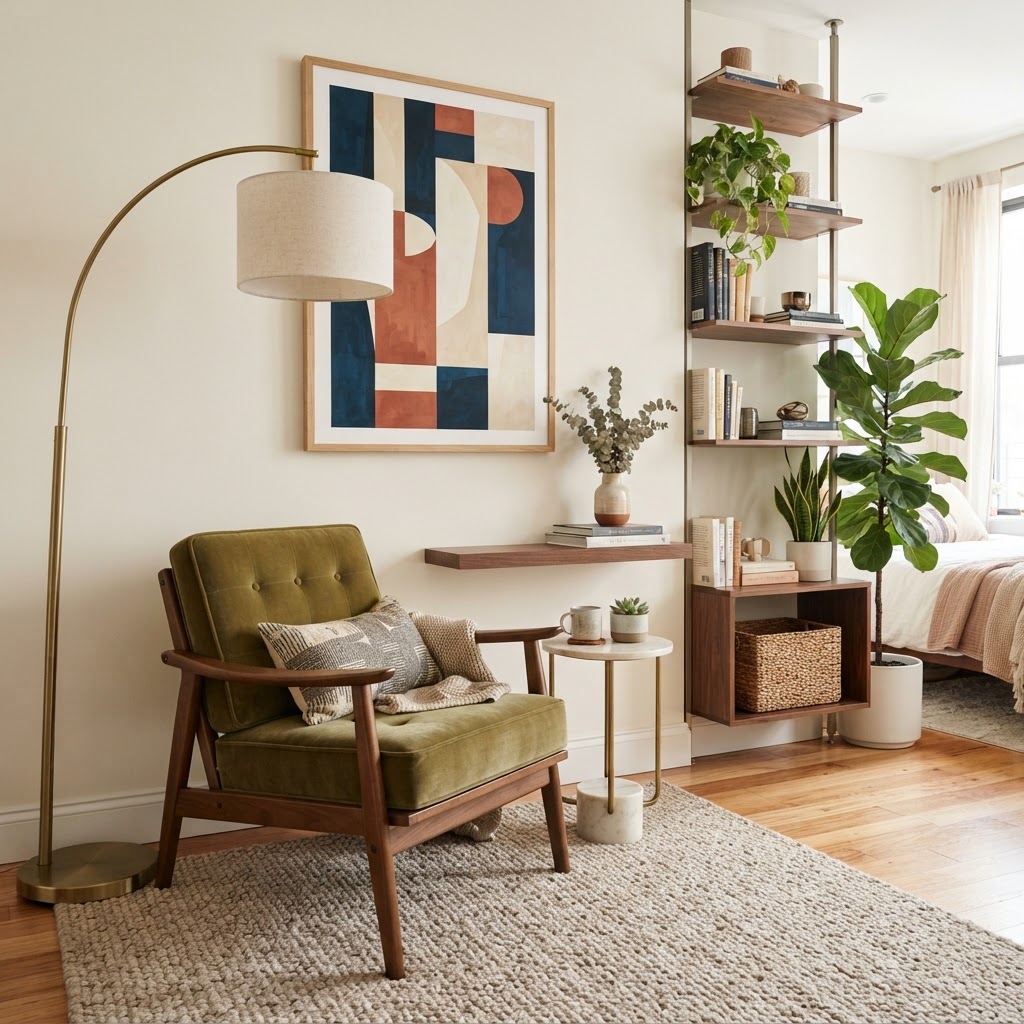
Textiles serve as the primary anchoring element in small spaces, helping to define “rooms” within an open layout and adding necessary texture to prevent a flat, clinical aesthetic. A well-placed area rug acts as a visual divider; placing a 5×8 or 8×10 rug under your main seating group creates a distinct “living room” zone, separating it from dining or sleeping areas. Choose durable materials like jute or low-pile wool, which are easier to clean and manage in tight quarters. Complement your rug with curtains hung as close to the ceiling as possible—not just at the top of the window frame. This high-mounting technique forces the eye to scan from floor to ceiling, creating the vertical illusion of height. Opt for sheer or semi-opaque fabrics in neutral tones to ensure maximum natural light penetration while maintaining privacy. For budget-conscious decorators, layering these textiles is a low-cost high-impact strategy that instantly makes a rental feel like a custom-designed residence.
Smart Storage Solutions
Maintaining a clutter-free environment is essential for small-space living, requiring you to implement storage that blends seamlessly into your existing decor. The “hidden in plain sight” strategy is your best defense against visual chaos; use large, woven baskets under consoles or beside sofas to store blankets, charging cables, and electronics. By choosing furniture that doubles as storage—such as bed frames with integrated drawers or ottomans with internal cavities—you reclaim valuable square footage that would otherwise be wasted on bulky furniture. Keep your tabletops and counters as clear as possible; studies show that open, clean surfaces make a room feel significantly larger and less stressful. If you are on a strict budget, use modular storage crates that can be stacked vertically to save horizontal space. Always aim for closed storage over open shelving to prevent the room from feeling busy or over-crowded, which is the quickest way to make a small space feel claustrophobic.
Thrifting and Personal Touches
Personalizing a rental apartment on a budget is best achieved through secondhand finds and reversible cosmetic upgrades that provide high aesthetic value at a fraction of retail prices. Thrifting allows you to source vintage lamps, unique side tables, or original art that adds layers of character and depth that mass-produced “fast-furniture” cannot match. Beyond thrift stores, invest in high-quality removable wallpaper to create focal points, such as an accent wall in the bedroom or behind the sofa. This DIY upgrade typically costs less than $50 for a standard roll and can be removed in minutes when your lease expires. Combine this with a gallery wall of personal photographs—using damage-free hanging strips—to tell your story without drilling holes. This approach transforms a generic rental into a personalized sanctuary while keeping your budget intact and your security deposit protected.
Creating Zones in Studio Apartments
In studio apartments, the most critical design challenge is establishing physical and psychological boundaries between your sleeping, living, and working areas. The most effective way to manage these zones is through visual partitioning: use a folding screen, a tall open-back bookshelf, or a strategically placed area rug to create a clear separation of function. By keeping your bed tucked away from your desk and leisure area, you prevent the feeling of living in a bedroom, which improves both your productivity and your ability to relax. Every “zone” should serve a dedicated purpose, which naturally keeps your items organized and prevents the common issue of clutter migration. For instance, designating a specific corner for a workspace with a compact task lamp helps your brain shift from “work mode” to “home mode,” which is vital in a single-room environment. Consistency in color and texture throughout these zones will ensure the apartment remains cohesive rather than appearing disjointed or messy.
FAQ
How can I make a tiny apartment look bigger without buying new furniture?
Rearrange your current furniture to float away from the walls and declutter all flat surfaces to open up floor space. Using vertical space for decor and hanging curtains higher toward the ceiling are low-cost hacks that draw the eye upward and create an illusion of increased height.
What are the best renter-friendly wall decor options?
Use heavy-duty command strips, tension rods, or removable wallpaper to decorate without causing permanent damage to walls. These methods are budget-friendly and ensure you won’t lose your security deposit when it comes time to move out of your rental apartment.
How do I store items in a small apartment without creating clutter?
Prioritize multi-functional furniture like ottomans with storage or bed frames with drawers to hide your belongings. Incorporate woven baskets under furniture and use vertical wall shelving to keep items off the floor and out of sight, ensuring surfaces stay clear.
Is it better to have one large rug or multiple small rugs in a studio?
It is generally better to use one large area rug to anchor the main living area, as multiple small rugs can make a space feel chopped up and cluttered. A single large rug helps define a zone and creates a cohesive, professional look that unifies the layout.
What lighting works best for small apartments?
Layer your lighting using a mix of floor lamps, table lamps, and accent lights to brighten dark corners and add depth to the room. Avoid relying solely on one harsh overhead light, as layered, warm-toned lighting makes a small space feel significantly more inviting and spacious.

Leave a Reply