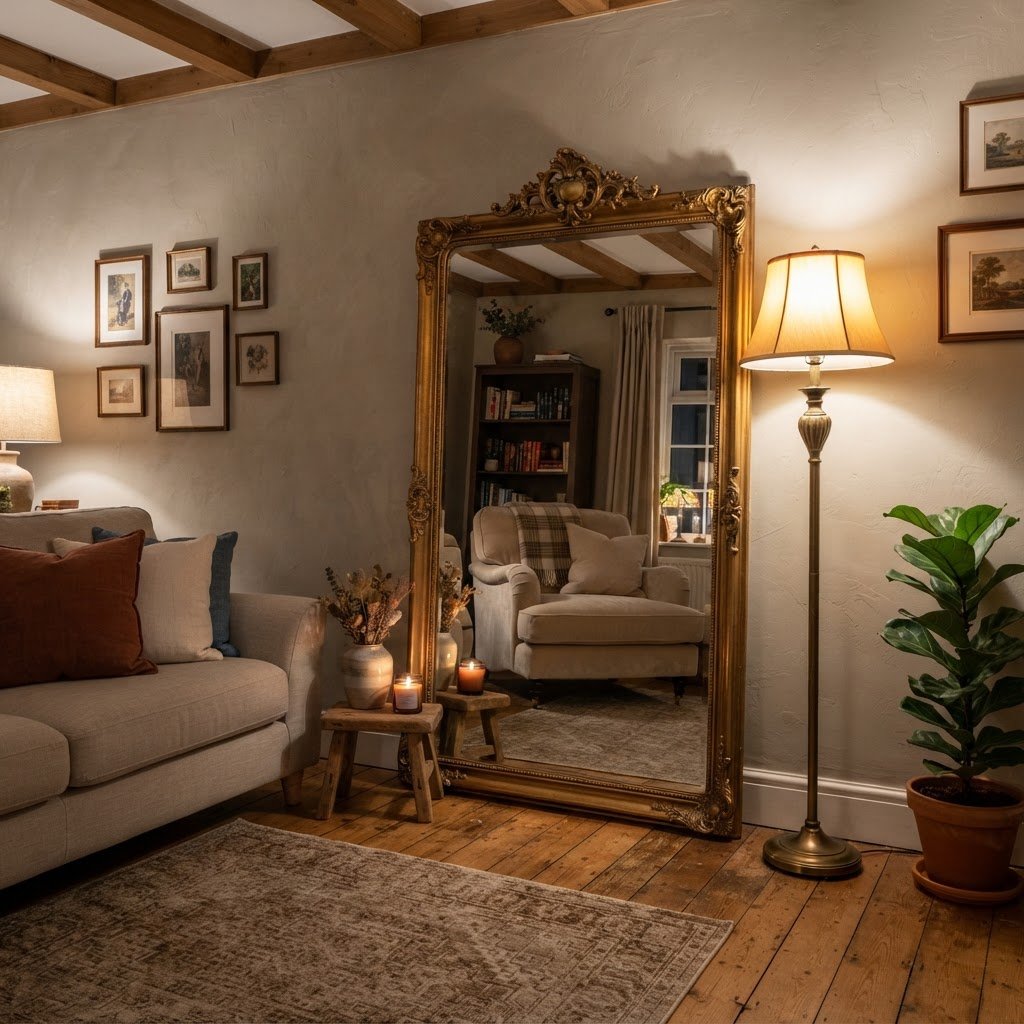
Creating an inviting living room often feels like a daunting task that requires hardware, tools, and potentially damaging your walls. Many homeowners and renters alike assume that high-end design is only possible through permanent installations, but the truth is that the most impactful changes are often the ones that require no tools at all. By mastering the simple no-drill trick that makes any living room feel inviting—the strategic layering of textiles and vertical floor-standing elements—you can completely overhaul your space without leaving a single hole behind. This approach focuses on softening hard edges and creating depth, which are the fundamental pillars of a truly cozy environment. Whether you are in a temporary rental or a forever home, these non-invasive design strategies will help you achieve a high-end look with minimal effort. In this guide, we will explore how to reclaim your space using clever placement, light management, and texture rather than relying on mounting hardware. Let us dive into the art of transforming your living area into a sanctuary of comfort and style.
The Power of Vertical Floor Decor
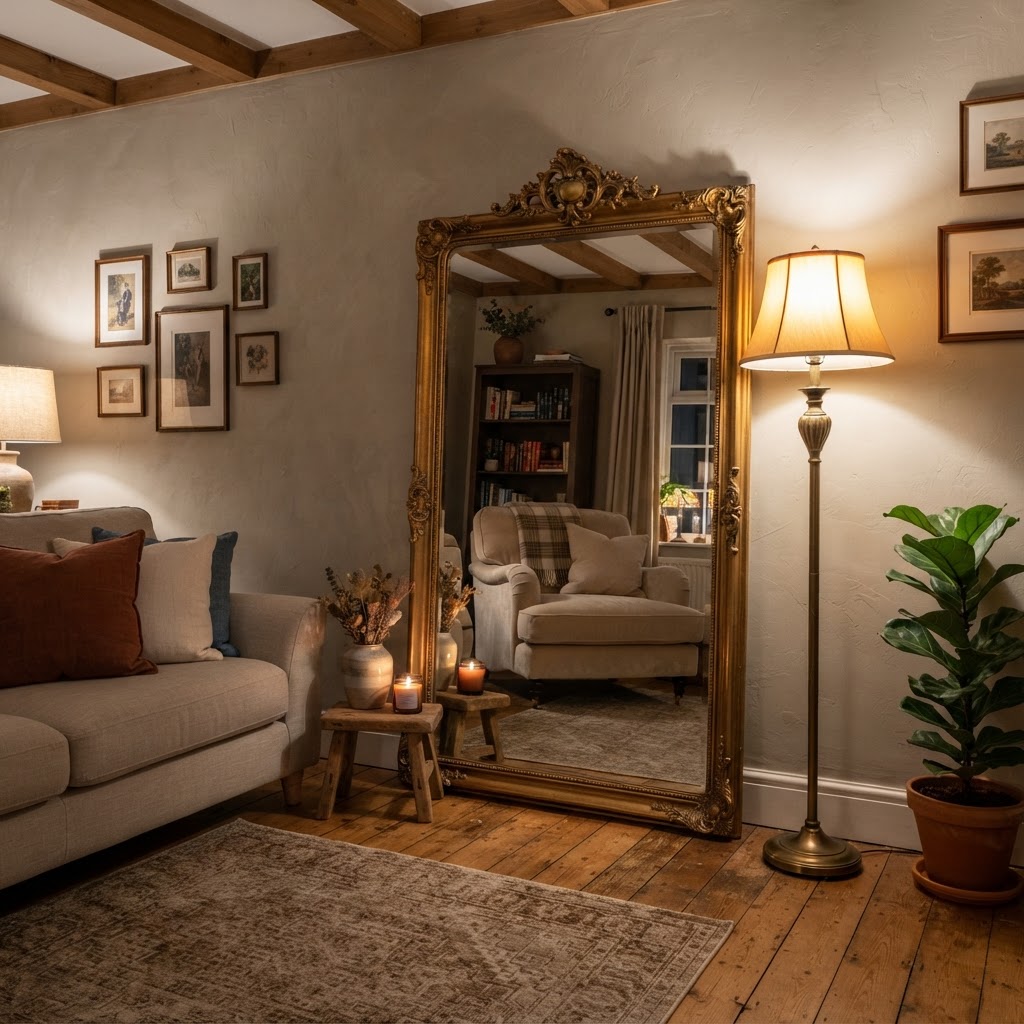
The most common mistake people make when trying to decorate a large wall is thinking that art must be hung. This mindset leads to a “wall-hugging” aesthetic that can feel sterile or unfinished. Instead, consider using floor-standing leaning decor as the primary no-drill trick that makes any living room feel inviting. Large, heavy-duty floor mirrors or oversized leaning art pieces create a sense of architectural interest without requiring a single nail. When you lean a piece against a wall, it creates a subtle shadow line that adds depth, making the room feel larger and more intentional.
Why Leaning Works Better Than Hanging
When you hang art, it sits flush against the wall, which can sometimes make the space feel flat. Leaning an object, such as a large wooden-framed mirror, introduces a slight angle that interacts with your living room lighting in dynamic ways. It also allows you to swap out decor pieces seasonally without the need to fill holes or repaint. This versatility is essential for maintaining a fresh look that evolves with your lifestyle.
Softening the Geometry of Your Space
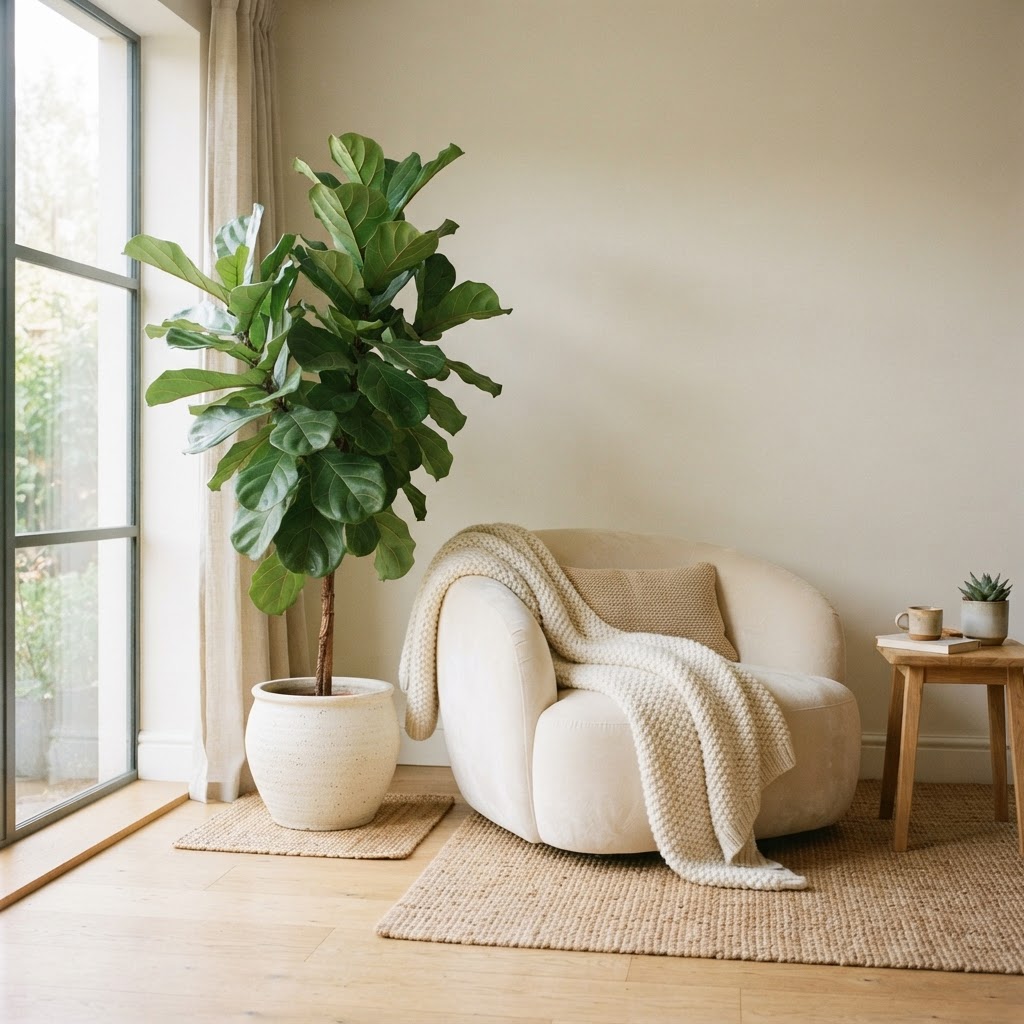
Living rooms are naturally filled with rigid, boxy shapes—your sofa, your coffee table, and your television are all rectangles. To make a space feel truly inviting, you must introduce curves and soft edges to counteract these harsh lines. This is a crucial element of the no-drill trick that makes any living room feel inviting, as it humanizes the architecture of the house. You can achieve this easily by incorporating oversized floor poufs, rounded side tables, or even large, trailing house plants that soften the corners of the room.
The Importance of Organic Shapes
By placing an organic, shapeless object like a large fern or a woven basket in a sharp corner, you break the line of sight. This subtle visual break tells your brain to relax, signaling that the space is a place for rest rather than rigid productivity. Layering these items in clusters creates a focal point that draws the eye away from blank wall space and toward natural elements.
Mastering Light Without Installation
Lighting is often the biggest culprit behind a sterile living room. Harsh, overhead lighting rarely creates an inviting atmosphere, yet many people feel stuck with their room’s existing fixtures because they cannot afford to rewire or install new wall sconces. However, you do not need an electrician to fix your lighting. The strategic use of floor lamps and battery-operated “puck” lights can recreate the look of custom hardwired sconces.
The “Lamp Layering” Method
To maximize the warmth of your room, you should have at least three light sources at varying heights. A floor lamp, a table lamp, and a subtle accent light in a bookcase create a triangle of illumination. When you place a battery-operated sconce above a piece of art or a floating shelf, you get the sophisticated look of a custom design with zero wiring.
Texture as a Design Foundation
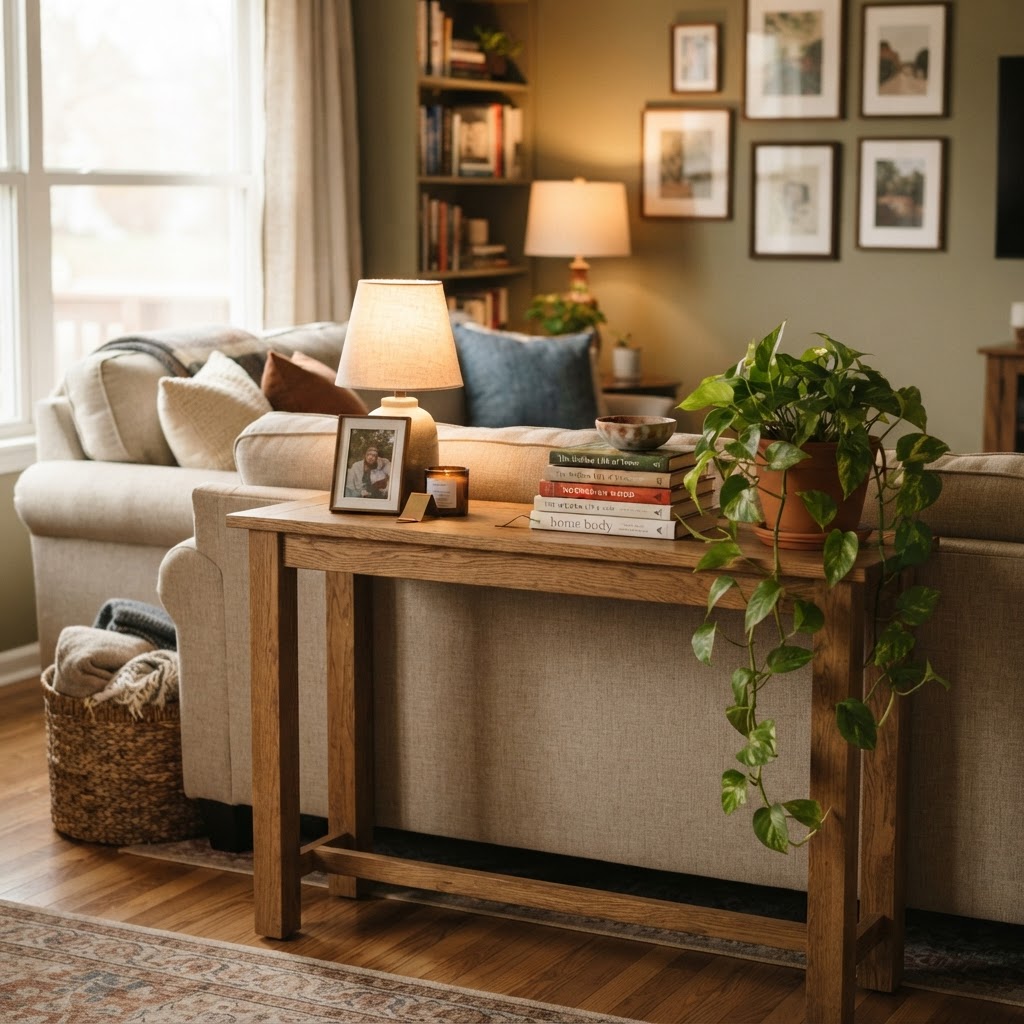
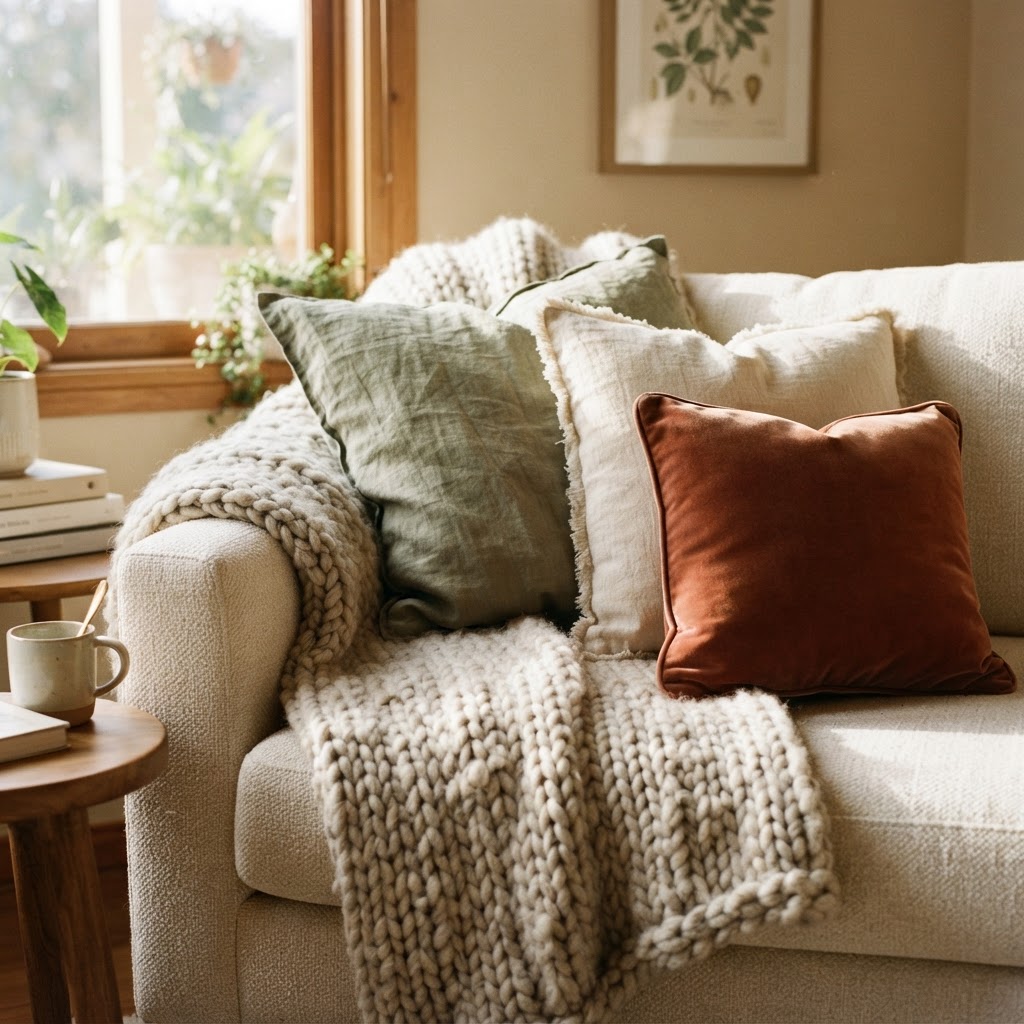
If you want an inviting living room, you must think about how the room feels, not just how it looks. Texture is the secret weapon that makes a space feel lived-in and comfortable. Without texture, a room feels like a hotel lobby; with it, a room feels like a home. Focus on layering materials that contrast with your main furniture items.
Checklist for Texture Layering
- Add a chunky knit throw blanket to the back of your sofa.
- Mix leather, velvet, and linen pillows on your seating areas.
- Introduce a jute or sisal rug underneath a softer, plush area rug for added depth.
- Use wooden decorative bowls to ground your coffee table arrangement.
The Psychology of Negative Space
One of the most overlooked aspects of design is the deliberate use of negative space. An inviting room should not feel cluttered; it should feel curated. When you avoid drilling holes to hang excessive wall art, you naturally open up more negative space. This “breathing room” allows the focal points of your room to stand out more clearly. Instead of filling every wall, choose one or two areas to anchor with your no-drill techniques.
Creating Cozy Nooks with Existing Furniture
Often, the way our furniture is arranged works against the feeling of comfort. If your sofa is pushed entirely against a wall, you might be losing an opportunity to create a cozy nook behind it. By pulling furniture slightly away from the walls, you create a sense of intimacy and flow. This simple shift, combined with a floor-standing lamp placed in the newly created space behind the sofa, adds an immediate layer of warmth and sophistication without any hardware required.
How to Arrange for Flow
If you have a small room, floating your furniture toward the center can actually make the space feel larger by exposing the baseboards and creating a path for traffic. Use a console table behind the sofa to anchor the space and provide a surface for candles or books, further enhancing the cozy factor without needing to touch the walls.
Common Myths About Wall Decor
Many people believe that without wall art, a room looks “cheap.” This is a myth. A room that has been thoughtfully styled with textiles, lighting, and floor decor will always look more expensive than a room filled with poorly hung, mass-produced wall art that has left dozens of holes in the drywall. Choosing quality over quantity—and choosing placement methods that don’t damage your surfaces—is a hallmark of professional interior design.
Maintenance and Seasonal Updates
Because your new no-drill setup is non-permanent, you are in a unique position to change your decor as the seasons shift. In the autumn, swap your linen throws for heavier wool options. In the spring, switch your lamp shades to lighter fabrics or add fresh botanical elements. Because you haven’t relied on nails or screws, your walls remain in pristine condition, allowing you to reconfigure the layout whenever the inspiration strikes.
Conclusion
Achieving an inviting living room doesn’t require a toolbox or professional help. By leaning into the power of vertical floor decor, layering textures, and mastering the art of non-invasive lighting, you can create a space that feels personal and professional. Remember that the goal of a great living room is to foster comfort and connection. By focusing on these simple, no-drill techniques, you aren’t just decorating—you are cultivating an atmosphere that welcomes you home every single day. Start by moving one piece of furniture or adding a lamp to a corner, and watch how quickly your room transforms. Which area of your living room are you going to tackle first?

Leave a Reply