10 Stylish Renter-Friendly Decor Ideas You Can Do This Weekend
To transform a rental apartment without losing your security deposit, focus on reversible modifications like peel-and-stick wallpaper, swap-out hardware, and non-damaging adhesive wall decor. These projects typically cost between $20 and $150 and can be completed in under four hours, allowing you to personalize your space while adhering to standard lease agreements.
The Philosophy of Temporary Design
When you rent, your home is essentially a blank canvas that belongs to someone else. The secret to success lies in choosing solutions that provide visual impact without permanent modifications. Before you start hammering nails or painting cabinets, always check your lease or chat with your landlord. Most landlords are perfectly fine with upgrades as long as they are reversible. The goal is to leave the apartment in the same condition you found it. By focusing on surface-level changes—like lighting, textiles, and wall treatments—you can achieve a high-end look without any structural work. A good rule of thumb is the “Swap-Back Rule”: if you cannot remove the item and restore the original condition within 30 minutes before moving out, skip it. Consider the cost-benefit analysis of your changes:
1. Transform Walls with Peel-and-Stick Wallpaper
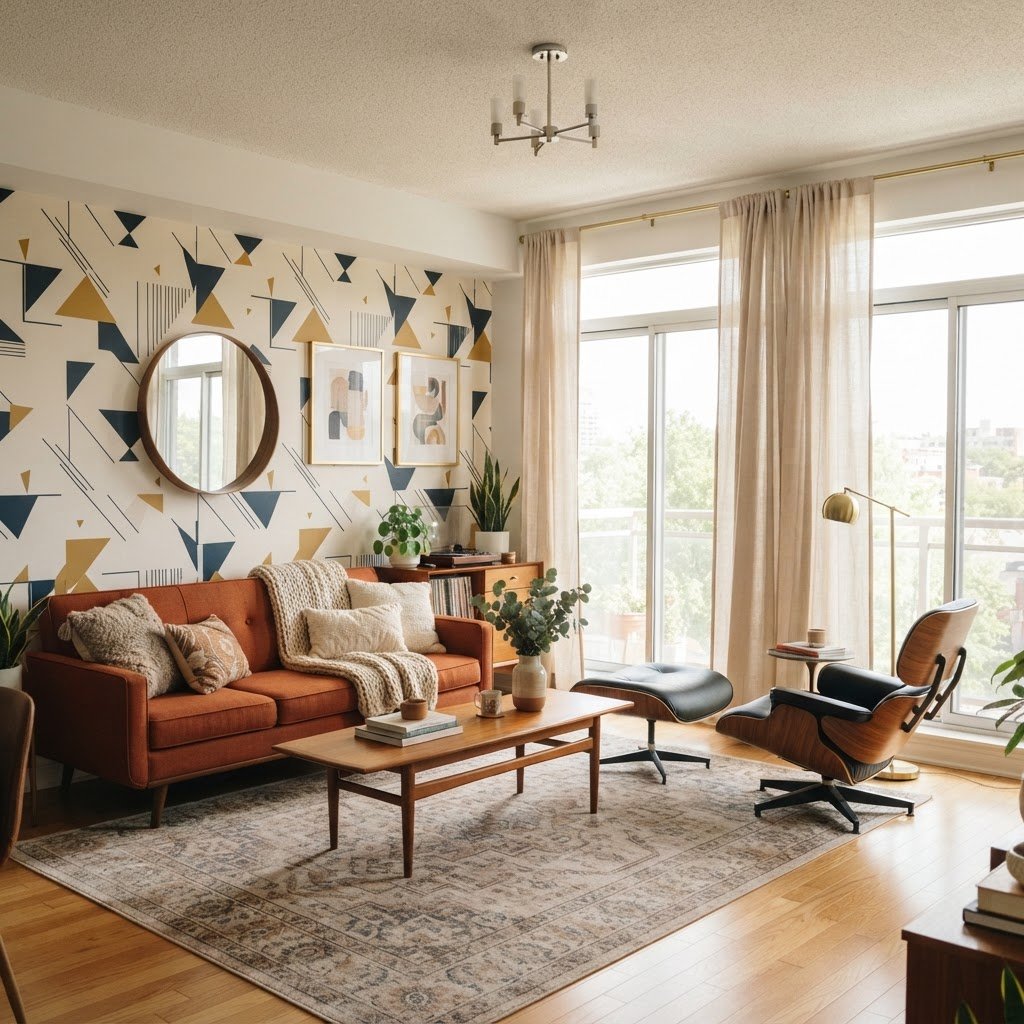
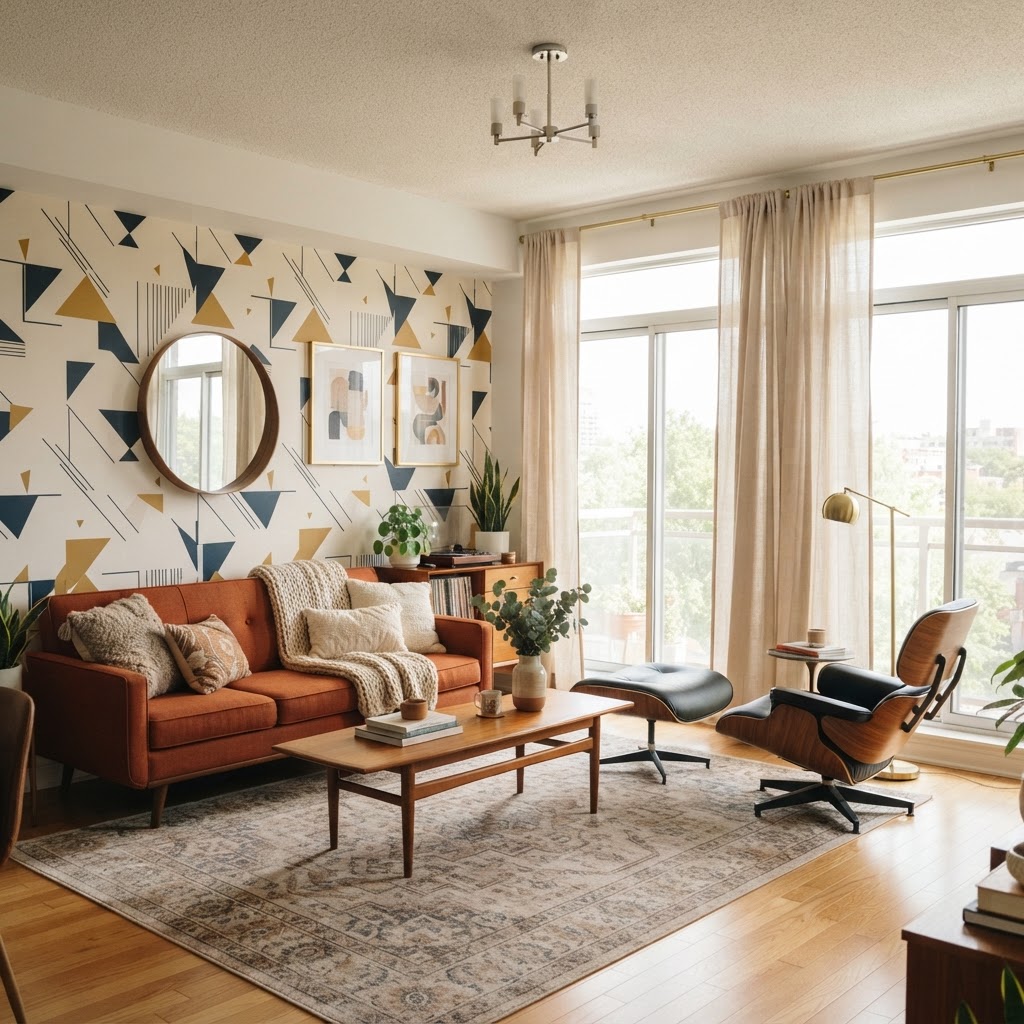
Peel-and-stick wallpaper is the most effective way to change a room’s aesthetic, providing a professional finish that can be removed by simply pulling the edge at a 45-degree angle. Unlike traditional wallpaper that requires messy adhesives, these modern options are essentially giant, removable stickers. You can create a stunning accent wall in a single afternoon, instantly adding depth and character to a plain living room. When selecting a print, consider the scale of your room; bold, oversized patterns can make a large space feel intimate, while smaller, repetitive prints are better for tiny nooks. If you are a beginner, stick to geometric patterns that are easy to align at the seams. To ensure success, always clean the wall with a mild degreaser before application to ensure the adhesive bond holds for the duration of your lease. Avoid applying to textured walls, as the adhesive may not stick correctly and could bubble.
2. Upgrade Your Lighting Fixtures
Most rental apartments are plagued by uninspiring ‘boob lights’ or basic ceiling fans that can be easily replaced by swapping the existing fixture. Replacing these is easier than you think, but you must prioritize safety: always turn off the power at the circuit breaker and use a voltage tester before touching wires. Save the original hardware in a clearly labeled box inside your utility closet to ensure you can reinstall it during your move-out inspection. If you aren’t comfortable with electrical work, look for plug-in sconces that mount with adhesive strips or small picture-hanging nails. These offer a 50% increase in ambient lighting quality compared to harsh overhead bulbs and add a layer of sophistication to any hallway. By using 2700K (warm white) LED bulbs, you can further enhance the cozy atmosphere while saving on electricity costs over the term of your lease.
3. Refresh Your Floors with Area Rugs
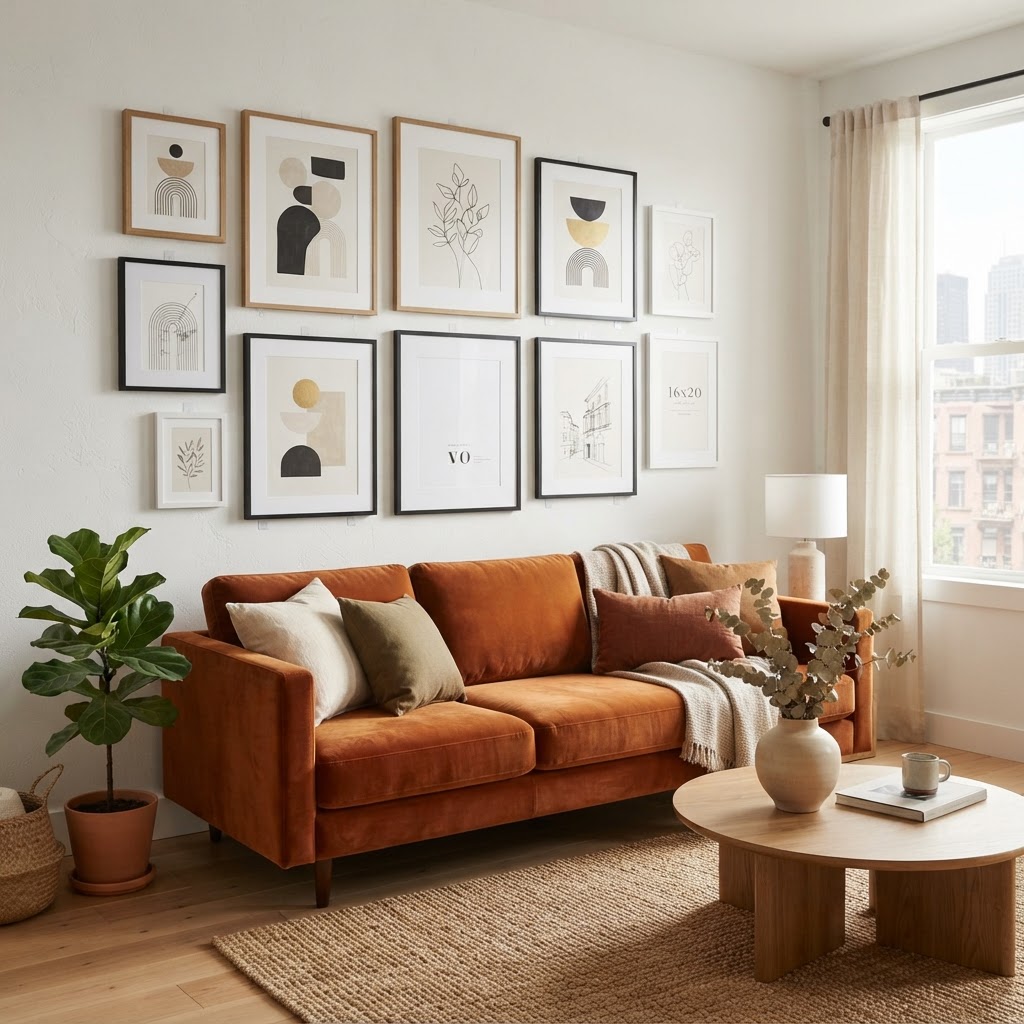
Flooring is often the most neglected surface in a rental, and layering oversized area rugs is the quickest way to hide scratched laminate or dated carpet. A large area rug acts as a visual anchor for your furniture, helping to define zones in an open-concept studio apartment. Don’t be afraid to experiment with texture; for instance, a jute rug layered under a plush, patterned rug creates a trendy, high-design look that feels intentional and cozy. This simple swap significantly reduces the impact of ugly flooring without damaging the subfloor. When shopping, ensure you measure your space accurately—a rug that is too small for the room will make the space look smaller. Aim for a rug size that allows at least the front legs of all major furniture pieces to sit on top of the carpet for a cohesive, designer appearance.
4. Install Command Strip Gallery Walls
Decorating your walls with art is the fastest way to make a house feel like a home, and using damage-free adhesive strips allows you to achieve this without violating lease clauses against wall holes. Since many leases prohibit large holes, rely heavily on these high-strength adhesive systems which are rated to hold up to 16 pounds per pair. You can create a cohesive gallery wall by mixing different frame sizes and art styles, which draws the eye away from bland, rental-grade finishes. Before you commit to the wall, lay your frames out on the floor in front of the wall to finalize your arrangement. Rearrange them until you are happy with the layout, then take a photo for reference. This saves time and minimizes the number of times you have to pull the adhesive strips off the wall, preserving the integrity of the paint surface.
5. Add Greenery and Statement Planters
Plants bring life and organic texture into any space, acting as natural decor that is entirely portable when your lease ends. Because you cannot change the structural elements of your walls or floors, let your greenery do the heavy lifting by using vertical height to your advantage. Tall plants like the Fiddle Leaf Fig or Snake Plant can draw the eye upward and disguise awkward, empty corners. Invest in stylish ceramic pots or woven baskets to house your plants; matching these throughout the home creates a cohesive look that masks the mismatched nature of many rental properties. Plus, plants improve indoor air quality by filtering volatile organic compounds. If you struggle with maintenance, choose ‘low-light’ varieties like ZZ plants or Pothos, which require watering only once every 10–14 days, making them perfect for busy renters.
6. Swap Out Cabinet Hardware
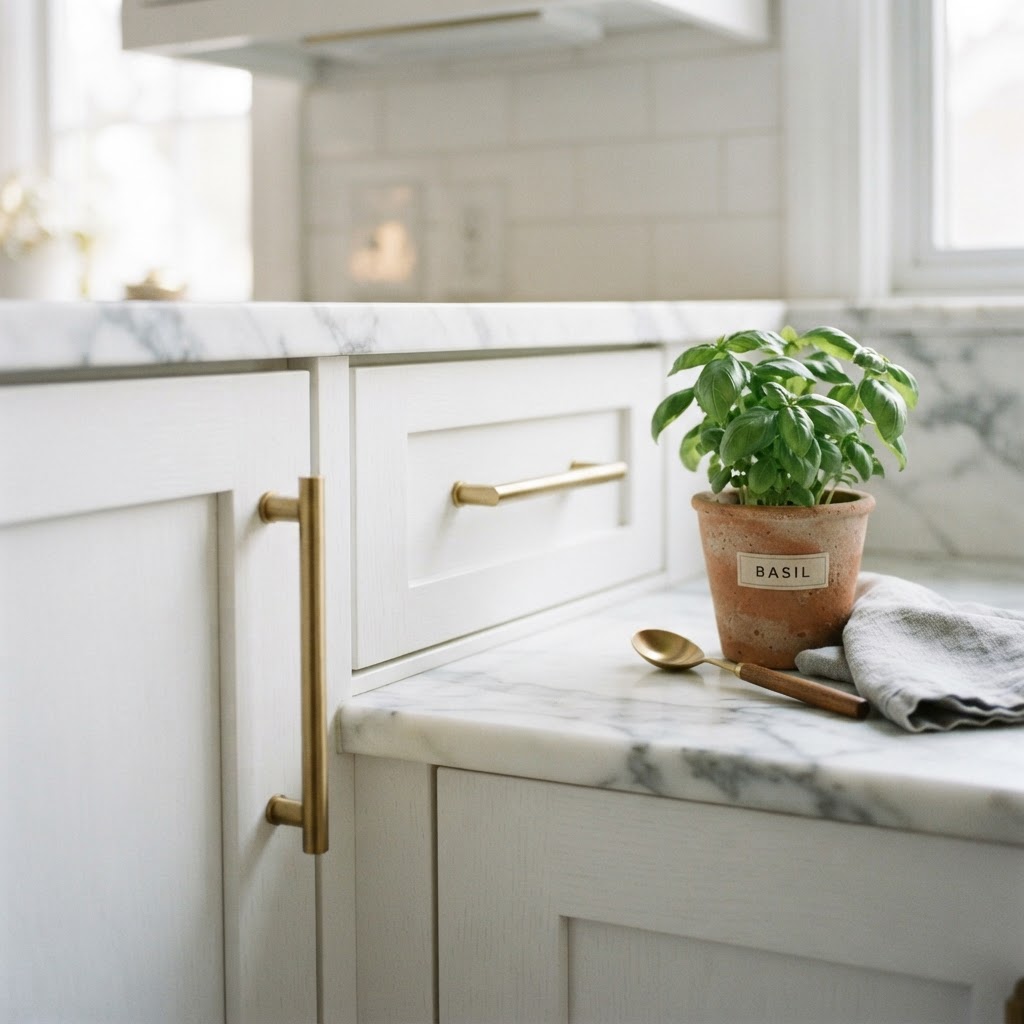
If your kitchen cabinets look dated, you don’t need to paint them to get a fresh look; simply unscrewing the old knobs or pulls and replacing them with modern matte black or brushed brass hardware changes the entire vibe of the kitchen. Keep the original handles in a storage baggie so you can swap them back when it’s time to move. This small change is incredibly cost-effective—typically costing under $5 per handle—and can be done in under an hour. It is amazing how much a simple set of quality pulls can elevate a generic, white builder-grade kitchen into something that feels custom and bespoke. Ensure you measure the ‘center-to-center’ distance (the distance between the screw holes) before purchasing new hardware to ensure a perfect fit for your existing cabinet doors and drawers.
7. Use Floor-to-Ceiling Curtains
Standard rental blinds are often eyesores, but you can hide them easily with floor-to-ceiling curtains that provide instant architectural interest. Use a tension rod or a drill-free curtain rod bracket to install your drapes, ensuring you don’t puncture the window frames. When hung from the ceiling rather than just above the window frame, they create the illusion of higher ceilings and larger windows. Choose light-filtering fabrics to maximize natural light or heavy velvet for a more luxurious, cozy atmosphere. Curtains also provide much-needed sound dampening in apartments with thin walls, which can reduce external noise levels by as much as 10-15 decibels. This simple addition creates a serene, hotel-like environment that makes your rental feel like a sanctuary rather than a temporary living situation.
8. Create a Temporary Breakfast Nook
If you lack a formal dining space, you can create a dedicated ‘zone’ for eating using a small bistro table and two chairs. You can anchor this area with a small, circular rug to define the space, separating it visually from your living room or office area. This functional layout prevents your furniture from floating aimlessly in the room. By adding a small, low-profile pendant light or a table lamp, you can further delineate this as an intentional dining spot. This is especially helpful for studio apartments where floor space is at a premium. The key is to keep the table size under 30 inches in diameter to ensure you maintain easy flow through the apartment. Adding a piece of wall art directly above the table ties the entire nook together as a cohesive design element.
9. Utilize Decorative Mirrors to Expand Space
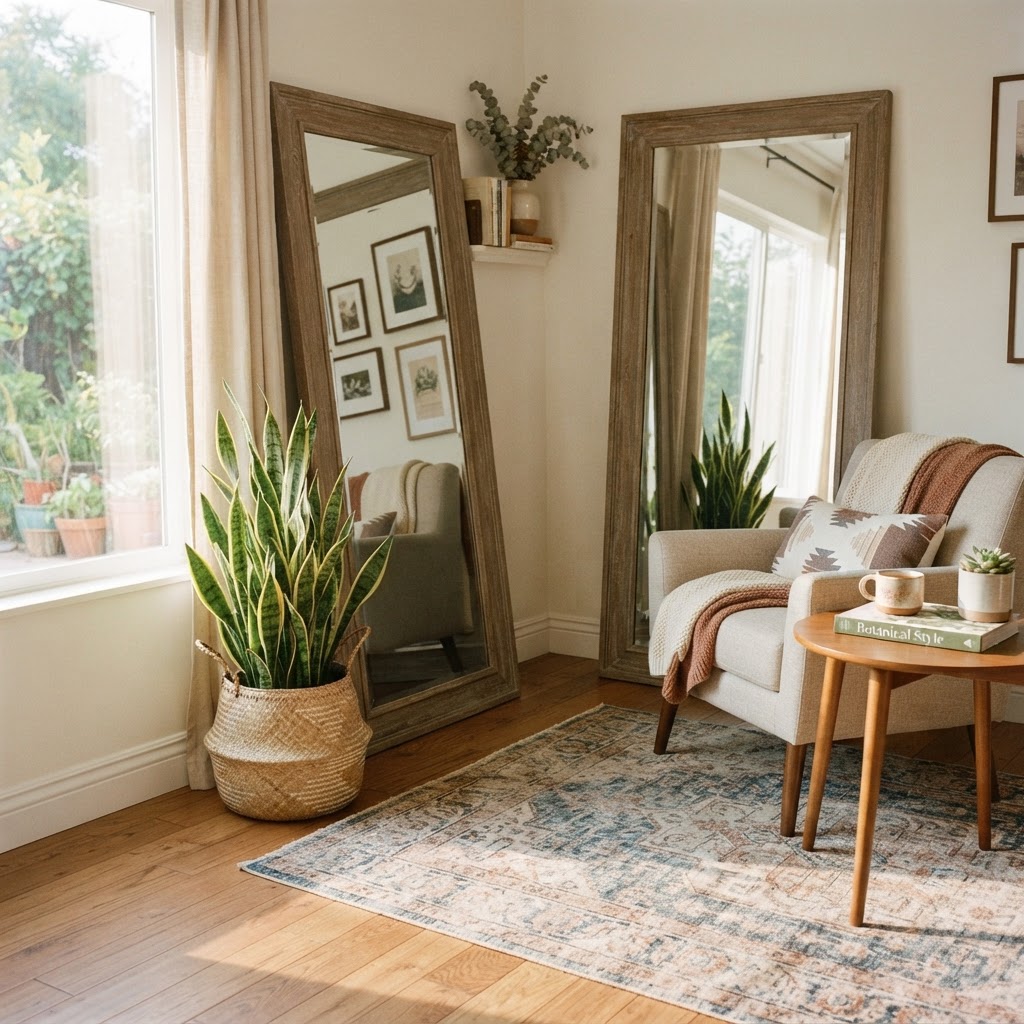
Mirrors are the oldest trick in the design book for making small spaces feel twice as large by bouncing light around the room. A large, leaning floor mirror adds architectural interest and reflects light throughout the room. If you are worried about weight, opt for a lightweight, framed mirror that can be easily moved or secured with heavy-duty adhesive strips. Place your mirror directly across from a window to maximize the amount of natural light circulating in your room. This simple addition creates a bright, airy environment that masks the limitations of a small, windowless rental room. In dark hallways, a mirror can effectively double the perception of space. Choose a mirror with a thin, metallic frame to keep the look modern and minimalist, which complements most interior design styles without clashing with existing features.
10. Update Your Bathroom with Soft Textiles
Rental bathrooms are often sterile, cold, and uninspired, but you can warm them up instantly by focusing on high-quality soft textiles. Replace the basic, thin shower curtain with a premium fabric one that reaches the floor, which creates a more custom, boutique-hotel aesthetic. Add a plush, memory foam bath mat, a set of high-GSM (grams per square meter) hand towels, and a piece of framed, moisture-resistant art to complete the look. Remember to swap out the generic towel bars if they are loose or rusty, but ensure you store the originals carefully in a safe place. Adding a small, bamboo wooden bath tray over the tub also adds a spa-like touch that requires absolutely no installation or tools. These small, low-effort changes make a significant impact on your daily routine without risking your security deposit.
FAQ
Q: Can I paint my rental walls a different color?
Most standard leases prohibit painting walls without written landlord permission. If you get approval, you are usually required to paint the walls back to the original white before moving out; always get this agreement in writing to avoid disputes over your security deposit.
Q: How do I remove peel-and-stick wallpaper without damaging paint?
To safely remove peel-and-stick wallpaper, use a hairdryer on a low-heat setting to warm the adhesive for about 10-15 seconds. Once the adhesive is pliable, slowly pull the wallpaper off at a sharp angle to ensure the underlying paint remains intact and free of residue.
Q: Is it safe to replace light fixtures in a rental?
Yes, it is safe to replace fixtures provided you turn off the electricity at the main breaker before starting. You must save the original fixtures to reinstall them before your lease ends, as landlords typically require the property to be returned in its original electrical configuration.
Q: What is the best way to hang heavy art without nails?
Use heavy-duty adhesive strips specifically designed for decor, such as Command Large Picture Hanging Strips. These are rated for various weights; always clean the wall with isopropyl alcohol first to remove dust and oils, which ensures the adhesive achieves a maximum bond with the surface.
Q: Do area rugs really make a small apartment look bigger?
Yes, using a large area rug in a small room anchors your furniture and creates a clear visual boundary that makes the space feel more intentional and organized. By choosing a light-colored rug, you can further enhance the perception of light and openness in a small, cramped apartment.

Leave a Reply