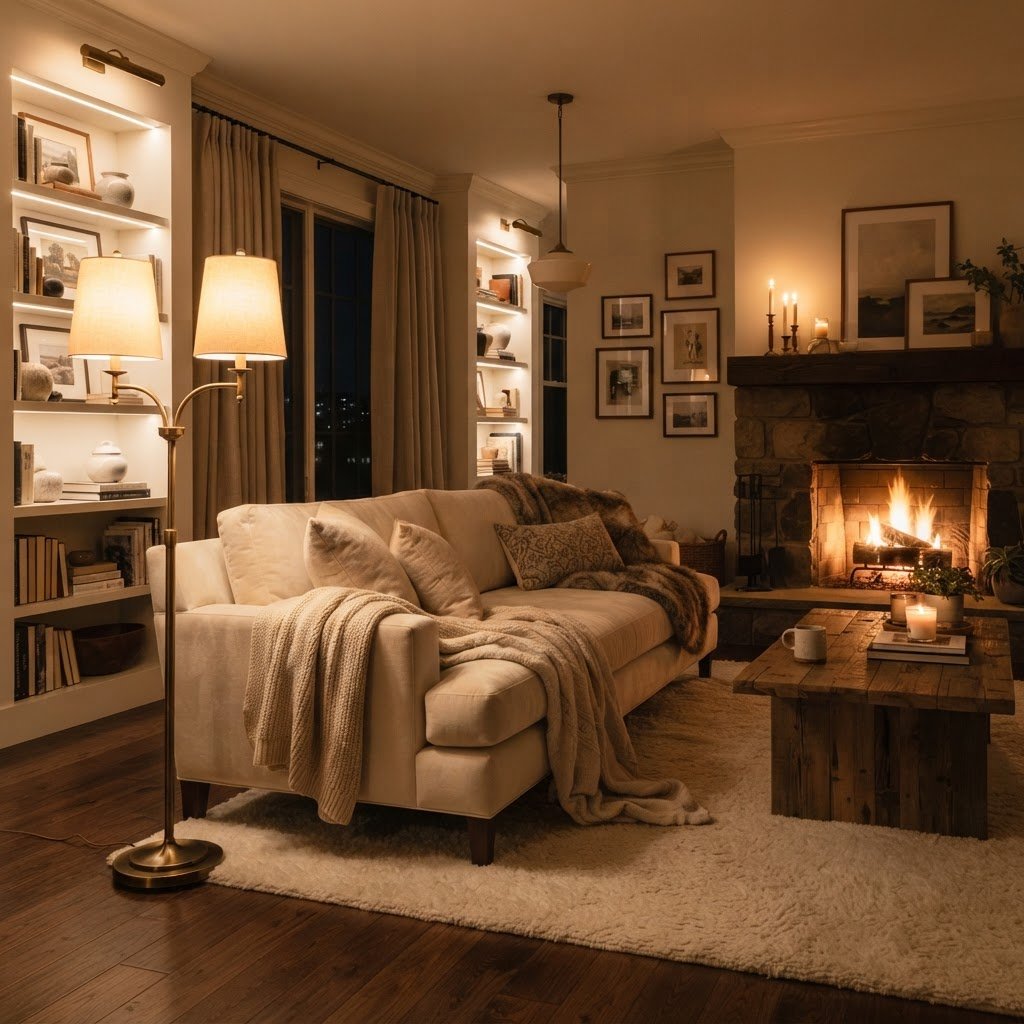
Is your living room starting to feel like a bland, uninspired void? Many homeowners find themselves stuck in a design rut, wondering how to stop living in a beige box without spending thousands on renovations. The good news is that high-end interior design is often more about thoughtful curation and intentional styling than a massive budget. By focusing on texture, lighting, and detail, you can transform your space into a sanctuary that looks like it was designed by a professional, all for less than $20 per project.
The Power of Strategic Lighting
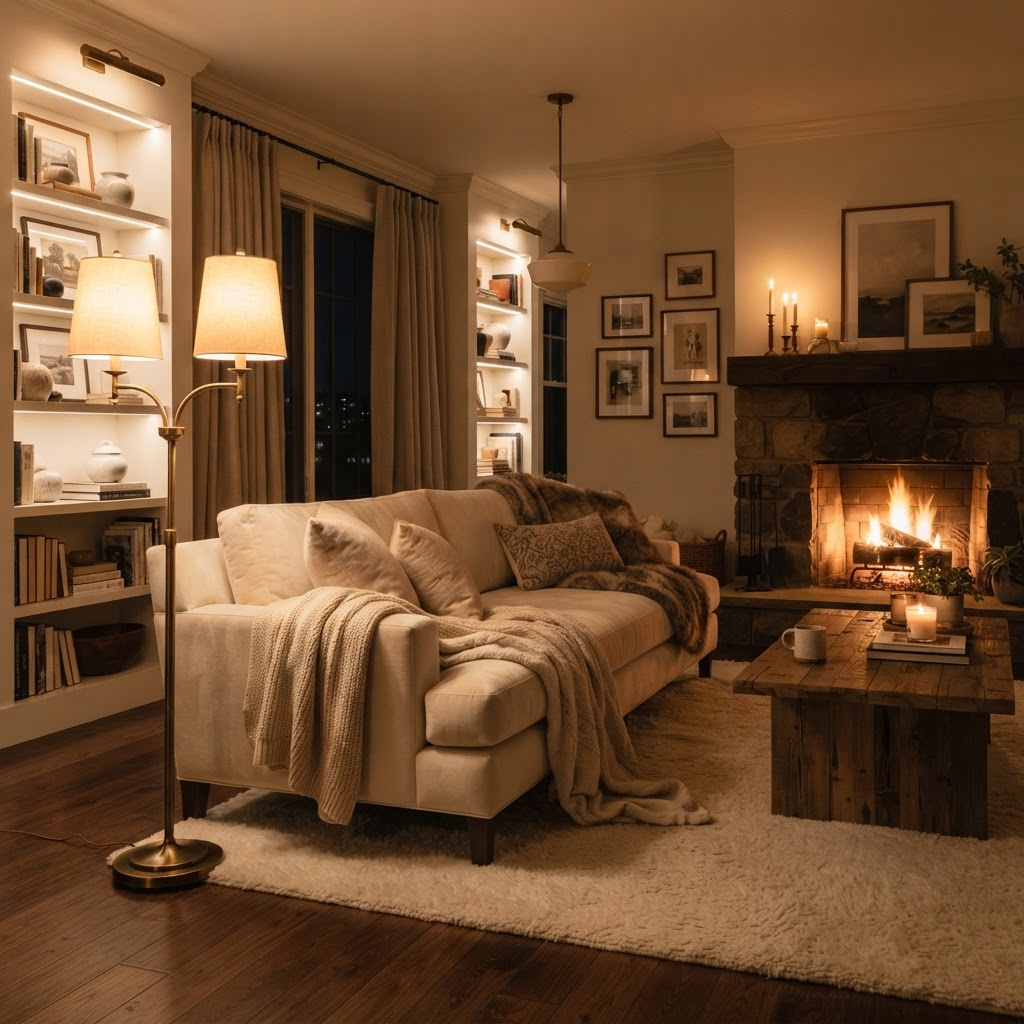
Lighting is perhaps the most underrated element of interior design. A single, harsh overhead light can make even the most luxurious room feel sterile and cheap. To move away from the beige box aesthetic, you need to incorporate layers of warmth.
Swapping Out Basic Light Bulbs
The easiest and most immediate change you can make is swapping your standard cool-toned “daylight” bulbs for warm white LEDs. Look for bulbs in the 2700K to 3000K range. This simple shift creates an inviting, golden glow that softens wall colors and highlights textures in your furniture. It is an instant mood enhancer that costs very little.
Adding Ambient Accent Pieces
Beyond bulbs, consider adding small, portable light sources. Battery-operated puck lights or small cordless table lamps are game-changers for dark corners. Placing a small lamp on a bookshelf or a console table creates depth and dimension that overhead lighting simply cannot achieve. By creating these pockets of light, you break up the monotonous flatness that characterizes a beige box.
Elevating Your Textiles and Fabrics
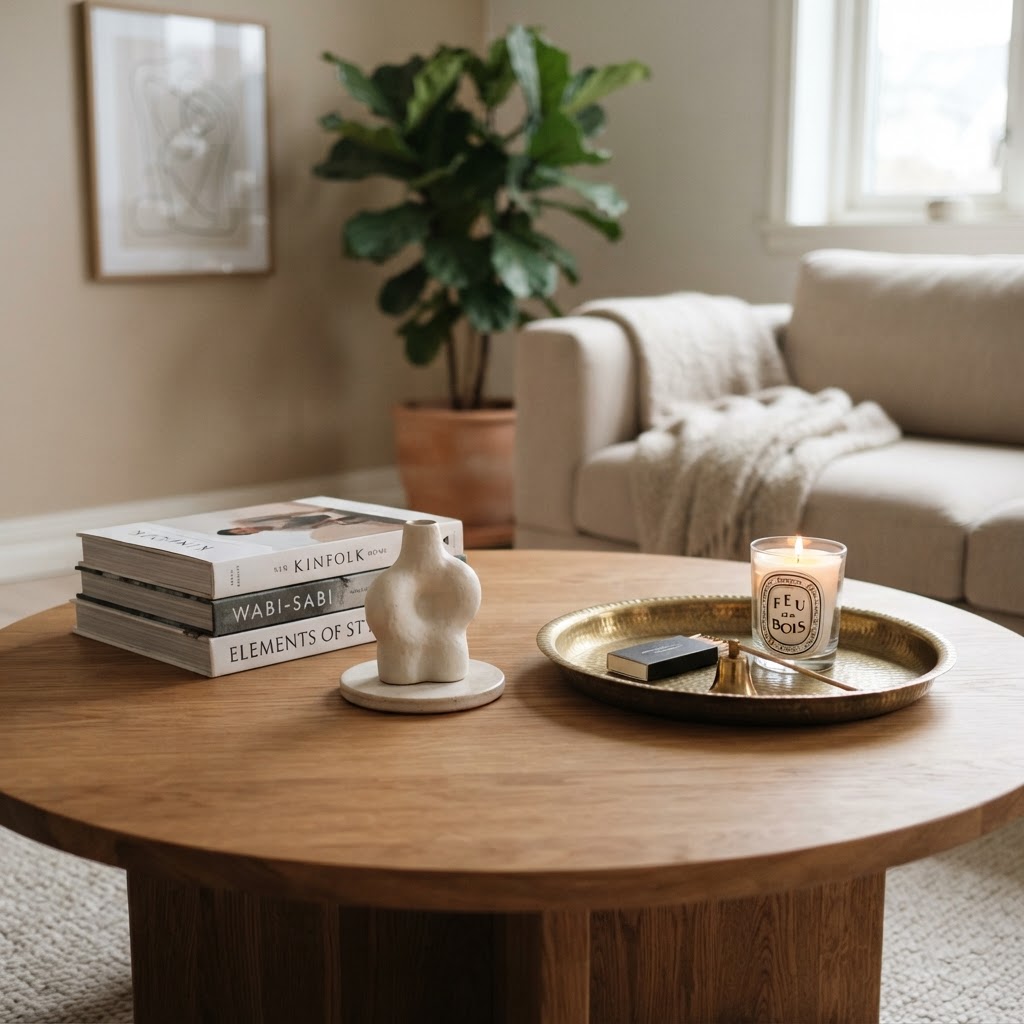
One of the hallmark signs of expensive decor is the presence of varied, tactile materials. When everything in a room is smooth or flat, the space feels stagnant. Adding layers through textiles is an affordable way to add sophistication to any room.
The Art of the Pillow Upgrade
You do not need to buy brand-new pillows to achieve a high-end look. Simply purchase high-quality covers made from linen, velvet, or heavy cotton. The key here is to choose covers that are slightly smaller than your current inserts to ensure a “plump” look. Avoid the flat, deflated pillow look at all costs, as it screams budget-friendly in the wrong way.
Curtains That Frame the Space
Standard curtains often fall short—literally. If your drapes hang just an inch or two below the window frame, they are cutting off the height of your room. Buy affordable, long curtain panels and move your curtain rod as close to the ceiling as possible. This simple trick tricks the eye into perceiving the room as much larger and more opulent, effectively helping you stop living in a beige box.
Styling Surfaces With Intention
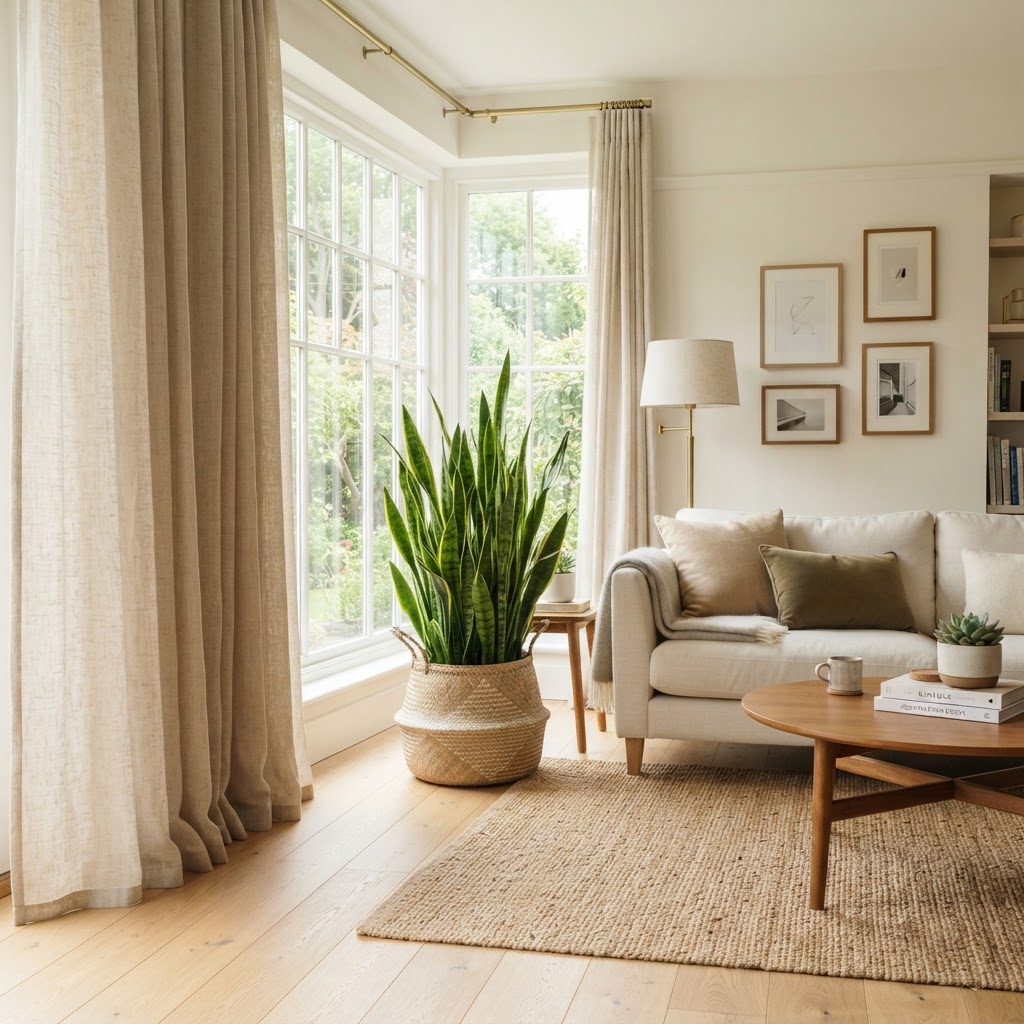
Surface styling is where amateur decor turns professional. A cluttered table looks messy, but a styled surface looks curated and intentional. The secret lies in the “Rule of Three” and grouping items of varying heights and textures.
Curating Your Coffee Table
Clear off the clutter and replace it with three items: a beautiful coffee table book, a small tray, and a sculptural object. A stack of two or three books provides a base, a decorative tray contains smaller items, and a unique object—perhaps a brass knot, a ceramic bowl, or even a found stone—adds personality. You can often find these items at thrift stores or discount home goods retailers for just a few dollars.
The Importance of Trays
Trays act as “frames” for your accessories. By placing a tray on your entryway table or coffee table, you turn a collection of random objects into a cohesive vignette. This technique provides visual structure, preventing your decor from feeling like it is floating aimlessly in a sea of beige.
Bringing Nature Indoors
Nothing breathes life into a stagnant space faster than greenery. Plants add vibrant color, organic shape, and a sense of vitality that artificial objects simply cannot replicate. Even if you do not have a green thumb, there are plenty of options that look high-end and are nearly impossible to kill.
Selecting Low-Maintenance Beauties
Snake plants and pothos are excellent, affordable choices that add significant structural interest to any room. When choosing a plant, focus on the pot as much as the plant itself. A $10 plant looks like a $100 plant when placed in a chic, heavy ceramic or woven basket planter. Avoid the standard plastic nursery pots at all costs.
The Impact of Fresh Florals
If you have a few dollars to spare, a bunch of eucalyptus from the grocery store can last for weeks. Eucalyptus adds a fresh scent and a sculptural, moody green hue to any space. Display it in a simple glass vase to maintain a clean, high-end appearance that feels effortless and elegant.
Wall Art and Architectural Details
Empty, stark white or beige walls are the defining feature of a boxy room. You do not need expensive original art to fix this. Large-scale impact is achievable on a budget through creative framing and DIY installations.
Oversized Frames for Impact
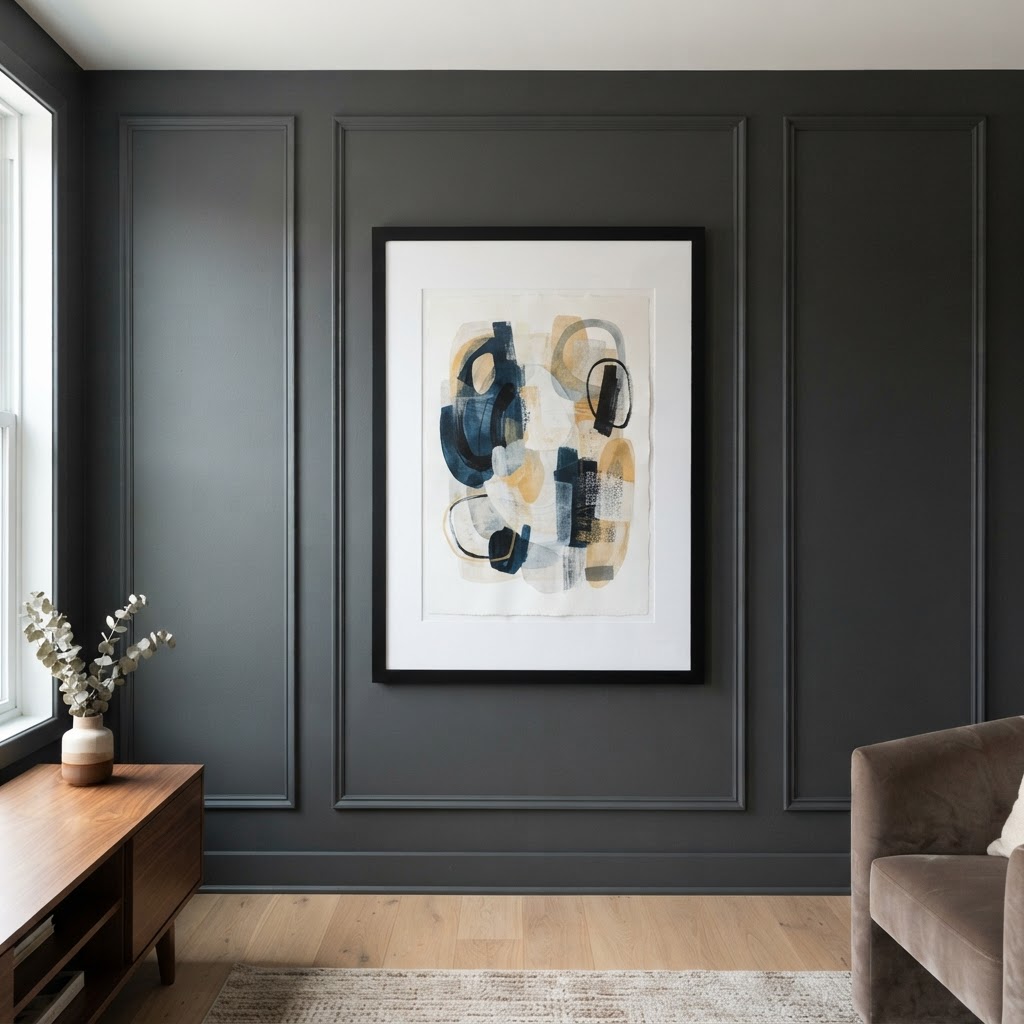
Take a piece of simple printed art or even a high-resolution download and place it in a large, matted frame. The extra white space created by the mat makes the artwork feel significantly more important and expensive. If the frame is expensive, paint a thrifted wooden frame a matte black or metallic gold to give it a fresh, modern look.
Creating Architectural Interest
For a truly transformative project, consider adding simple trim or beadboard to a wall. You can find pre-cut trim at most hardware stores for very little money. A simple chair rail or a geometric wall pattern painted in a moody, deep color adds instant architectural character. This simple DIY project fundamentally changes the “bones” of your space, effectively helping you stop living in a beige box.
Establishing a Cohesive Palette
Often, the problem is not the color beige itself, but the lack of contrast. If every item in your room is a similar shade of beige, the room lacks depth. You can create a high-end feel by introducing contrasting textures and tones within the same neutral family, or by adding a single bold accent color.
Layering Tones and Textures
Think about mixing cream, tan, chocolate, and crisp white. By using these different tones, you create visual movement. Pair a rough woven jute rug with a smooth velvet sofa and a polished metal side table. This mix of materials is the secret language of expensive design, and it works perfectly within a neutral color scheme.
Knowing When to Edit
Sometimes, the best way to make a room look better is to remove items. If you have too many small, “knick-knacky” items, they can make your space feel cluttered and cheap. Take everything off your shelves and surfaces, then add things back one by one. If an item does not serve a purpose or bring you joy, leave it off. A curated, edited shelf looks far more expensive than one that is packed with random trinkets.
Conclusion
Moving away from a “beige box” lifestyle does not require a massive renovation or a designer budget. It is about making small, intentional choices that add texture, light, and personality to your environment. By focusing on lighting, textiles, surface styling, and curated art, you can create a home that feels warm, expensive, and uniquely yours. Start with one of these projects this weekend—perhaps swap out those harsh bulbs or add a simple tray to your coffee table—and watch as your space begins to transform. What is the first thing you are going to change to elevate your home? Let us know in the comments below!

Leave a Reply