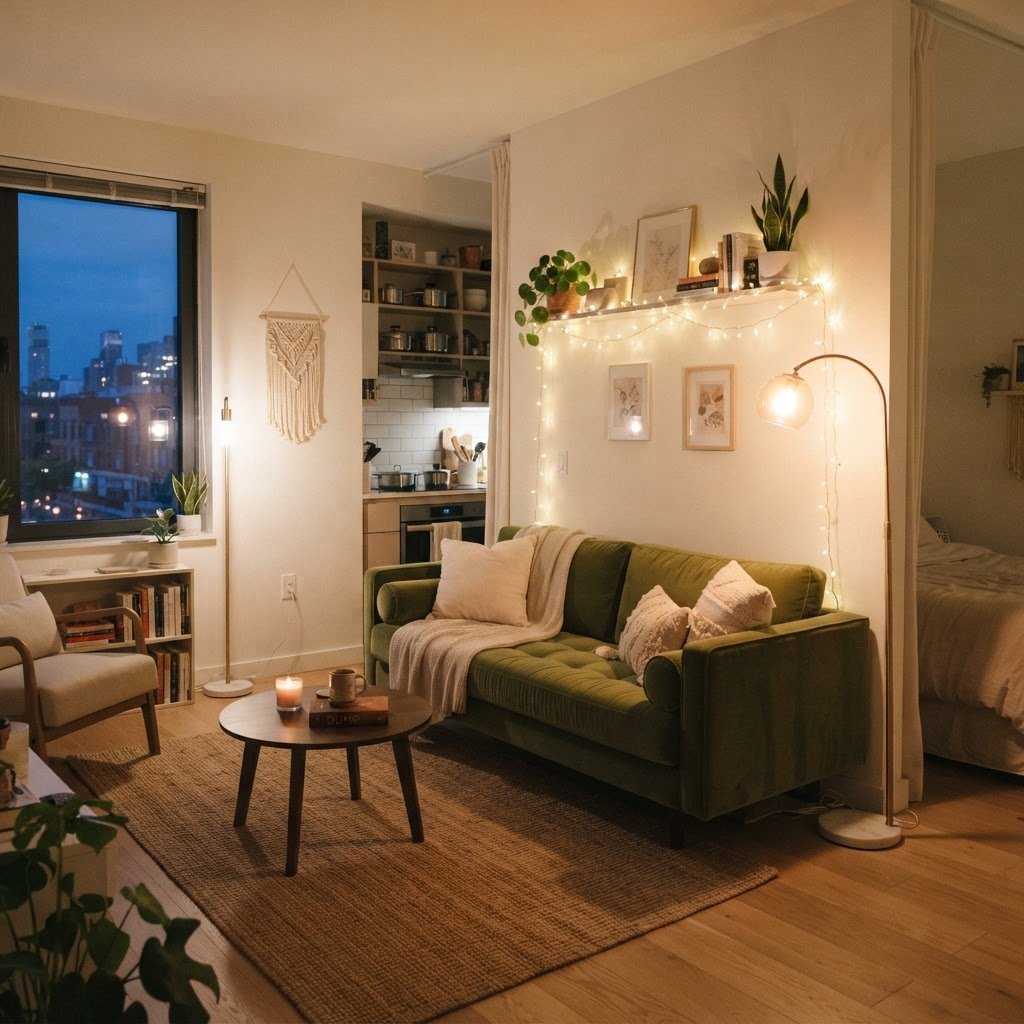
The Ultimate Guide to Warm Mood Lighting for Small Spaces
To create warm mood lighting for small spaces, use bulbs within the 2200K to 3000K color temperature range, layer ambient, task, and accent lighting, and install vertical fixtures like sconces to maximize floor space. These techniques blur room boundaries and soften harsh shadows, making compact areas feel significantly more expansive and inviting.
The Power of Color Temperature
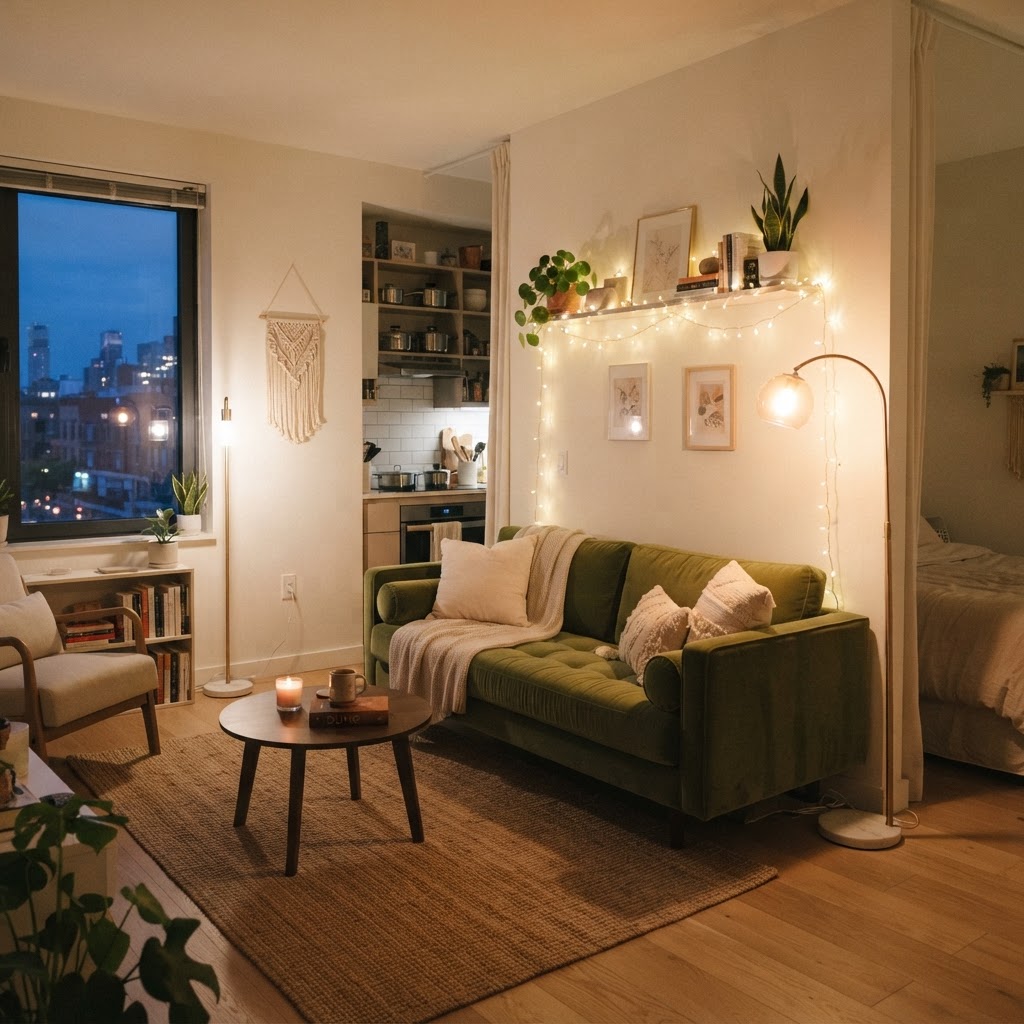
The foundation of effective lighting design lies in understanding color temperature, measured in Kelvin (K). For a cozy, intimate environment, you should always aim for bulbs that fall within the 2200K to 3000K range. These “warm white” temperatures mimic the natural glow of sunset or candlelight, which triggers serotonin release and helps the brain relax after a long day.
Understanding Kelvin Ratings
Why Warm Light Wins
Unlike cool blue light (4000K+), which creates jarring contrasts, warm light softens the edges of furniture and walls. When you use warm mood lighting for small spaces, you essentially blur the lines between shadows and surfaces, creating depth. Scientific interior design principles suggest that this softening effect prevents the “boxed-in” feeling associated with sterile white LEDs. When shopping, always check the box for the Kelvin rating and consider “dim-to-warm” LED bulbs, which lower their Kelvin rating as they dim, providing maximum atmospheric control.
Layering Light for Depth
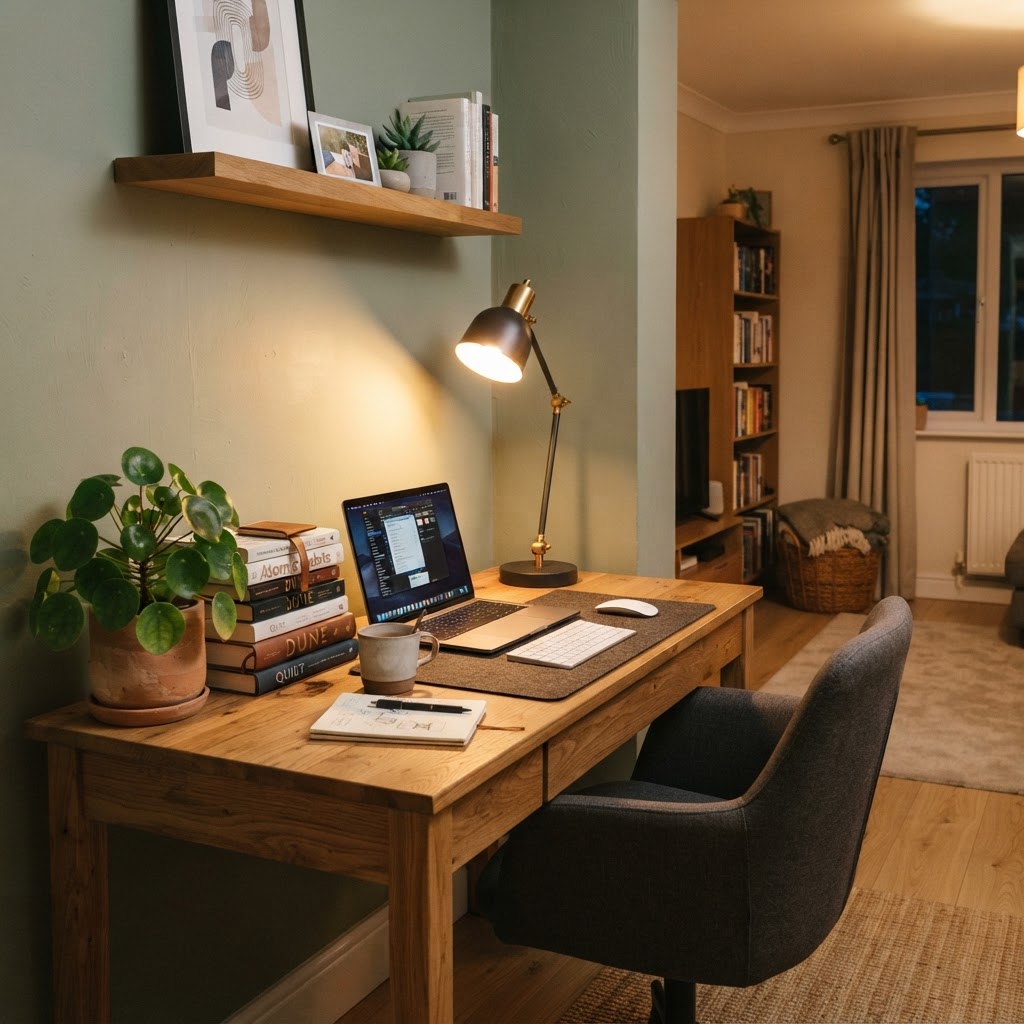
Layering is the professional practice of combining three distinct light tiers—ambient, task, and accent—to create visual dimension. Even in a studio under 500 square feet, relying on a single overhead light source is a design failure that makes a room feel flat and clinical. By distributing light at various heights and intensities, you force the eye to travel around the room, which perceptually increases the available square footage.
Combining Your Layers
Ambient light provides general illumination, while task lighting helps you focus on specific activities like reading or cooking. Accent lighting is where the magic happens; it highlights architectural features, artwork, or interesting textures. Expert designers recommend a 30-40-30 rule: 30% ambient, 40% task, and 30% accent light. This balance prevents “dead zones” that shrink a room’s perceived size. By using all three in tandem, you eliminate the flat, uniform brightness that makes a small room feel like a storage closet.
Strategic Placement of Lamps
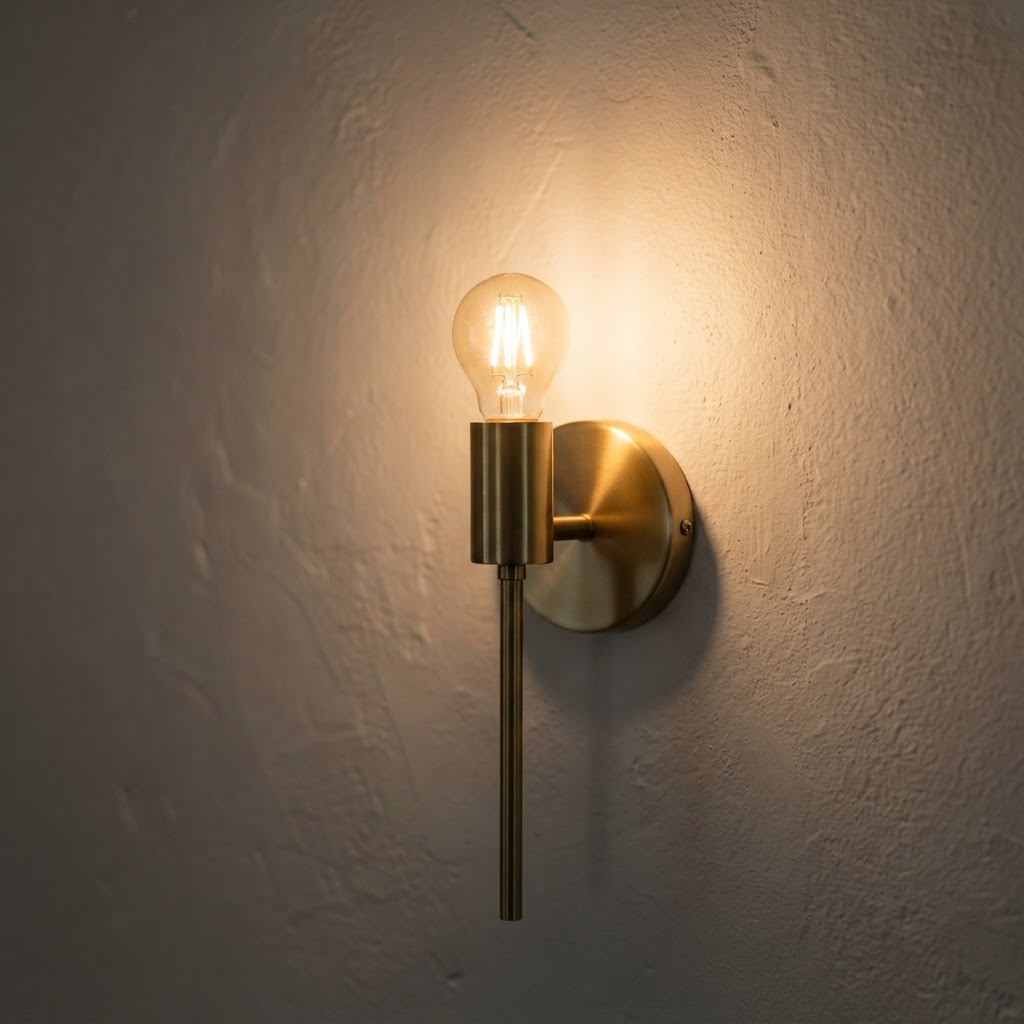
In limited square footage, verticality is your most powerful tool for saving valuable real estate. Floor lamps often consume 1-2 square feet of precious floor space, which is better used for storage or seating. Instead, look for wall-mounted sconces, plug-in pendants that hang from ceiling hooks, and LED strips tucked under high shelves to draw the eye upward, effectively “stretching” the ceiling height.
Vertical Lighting Solutions
Wall sconces are ideal for small spaces because they don’t occupy any surface area. Placing them flanking a bed or above a sofa creates a high-end look without cluttering your nightstands. Similarly, installing LED strips behind your TV or under open shelving can create a “floating” effect. Research shows that illuminating the perimeter of a small room can make walls appear further apart, providing an optical illusion of extra space. Prioritize fixtures that have adjustable arms so you can direct light exactly where needed without adding bulky furniture pieces.
Incorporating Reflection and Shadow
Lighting is not just about the source; it is about how the light interacts with the surfaces in your home. Mirrors are essential tools for small-space dwellers because they bounce light back into dark corners, doubling the perceived depth of the room. By placing a mirror opposite a warm light source, you create a “light echo” that makes the space feel infinitely more open and vibrant.
Using Mirrors to Boost Glow
When you use warm mood lighting for small spaces alongside reflective surfaces, you add a layer of complexity to the interior. The light catches the glass or polished metal, creating a soft shimmer that makes the walls seem to recede. For maximum effect, place a floor-to-ceiling mirror perpendicular to a window or near a wall-mounted lamp. This setup turns a static, dim corner into a dynamic, light-filled focal point that feels expensive and intentional.
Creating Zones with Light
Even in a studio apartment, you have different “zones” for living, sleeping, and working, and light is the best way to define them without physical clutter. Instead of using bulky room dividers or large area rugs that make a floor look fragmented, use lighting intensity to demarcate spaces. This subtle approach preserves the open-concept feel while providing the functional privacy required for a modern lifestyle.
Lighting for Different Needs
For a reading nook, use a directional spotlight or a dedicated floor lamp with a warm bulb. For your dining area, a single low-hanging pendant over the table creates an intimate atmosphere. By keeping the light levels lower in the sleeping zone and slightly higher in the working zone, you provide visual separation. Maintaining a consistent color temperature across these zones (all within 2700K-3000K) ensures the home feels cohesive despite the defined functional areas.
Mistakes to Avoid
Avoiding common lighting pitfalls ensures that your setup remains professional, comfortable, and visually expanded. Many dwellers accidentally shrink their space by relying on poor-quality bulbs or creating uneven, disjointed lighting environments. By following these rules, you can maintain a high-end, gallery-like atmosphere.
Common Lighting Fails
- Exposed, harsh bulbs: Always use shades or diffusers to prevent glare that fatigues the eyes.
- Under-lit corners: Dark corners visually “cut” the room size; always place a light in forgotten spots.
- Mixing temperatures: Using 5000K cool daylight with 2700K warm bulbs creates a chaotic, disjointed look.
- Ignoring dimmers: Dimmers are non-negotiable for small spaces; install them to transition from daytime brightness to evening warmth.
FAQ
What is the best Kelvin rating for a small apartment?
Use a Kelvin rating between 2200K and 3000K. This range provides a “warm white” glow that mimics natural sunset light, which is scientifically proven to soften harsh room edges and create a more expansive, comfortable atmosphere in limited square footage.
How do I light a room without floor space?
Prioritize vertical lighting solutions such as wall-mounted sconces, plug-in ceiling pendants, and adhesive LED strips. These fixtures provide ample light while keeping your floor clear, allowing the room to feel less cluttered and more spacious.
Should I mix different light temperatures in one room?
No, you should avoid mixing color temperatures. Using cool bulbs (4000K+) alongside warm bulbs (2700K) creates visual confusion, making the room feel disjointed. Stick to a consistent Kelvin rating across all lamps for a professional, cohesive interior design.
Why do my small rooms feel dark even with lamps?
This is usually caused by relying on a single light source or choosing bulbs that are too dim. Ensure you are layering light—using ambient, task, and accent sources—and use mirrors to reflect that light into dark corners, which effectively doubles the room’s brightness.
Are dimmers necessary for small lighting setups?
Dimmers are essential for small spaces because they allow you to adapt the room for different functions, such as bright light for working and low, soft light for relaxation. They help create a dynamic environment that feels larger and more versatile than a static, one-brightness setup.

Leave a Reply