Archives August 2026

Tiny Apartment Living Room Layout Ideas to Maximize Space

Designing a small living room requires a delicate balance between function and aesthetics. When you are working with limited square footage, every square inch counts, and the way you arrange your furniture can completely transform your home. The goal is to create a living space that feels open and welcoming rather than cramped or cluttered. By understanding the flow of your floor plan and selecting the right pieces, you can turn even the tightest area into a cozy sanctuary.

The Fundamentals of Small Space Planning
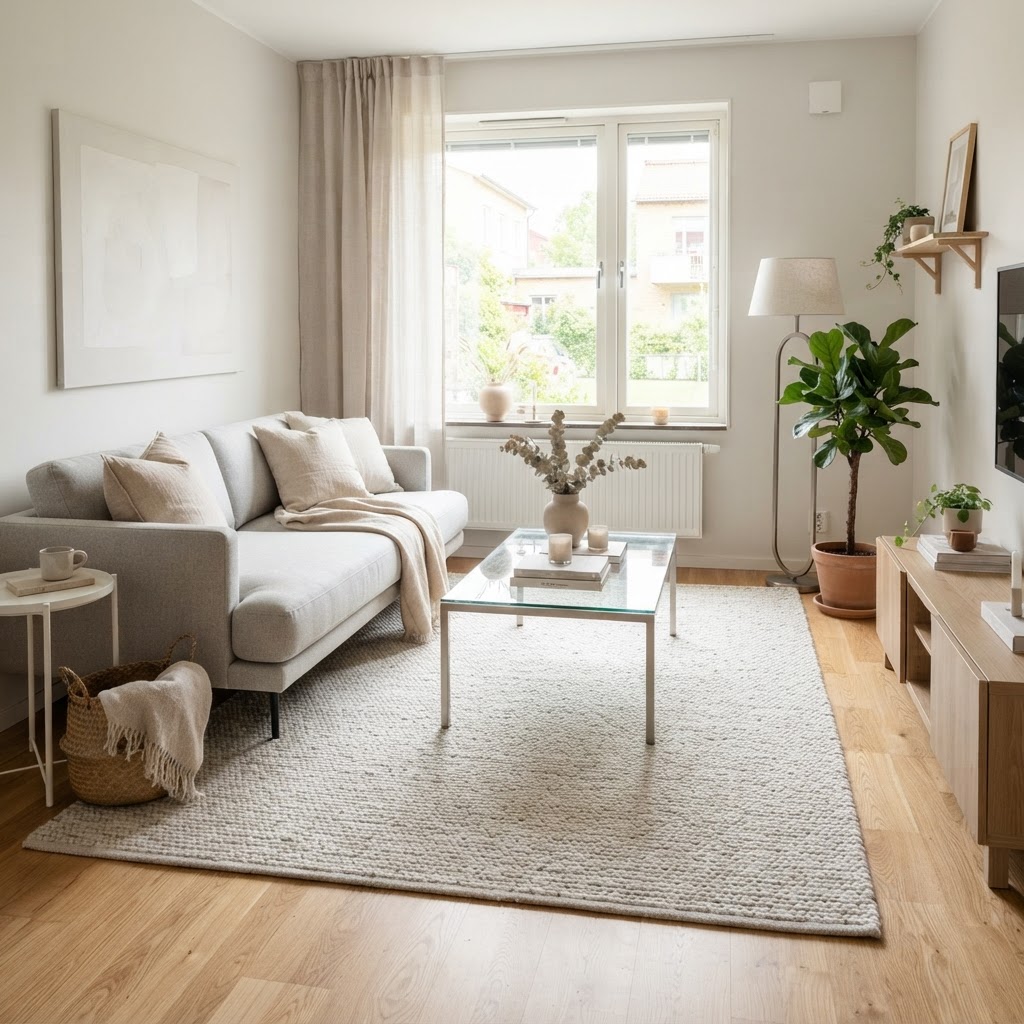
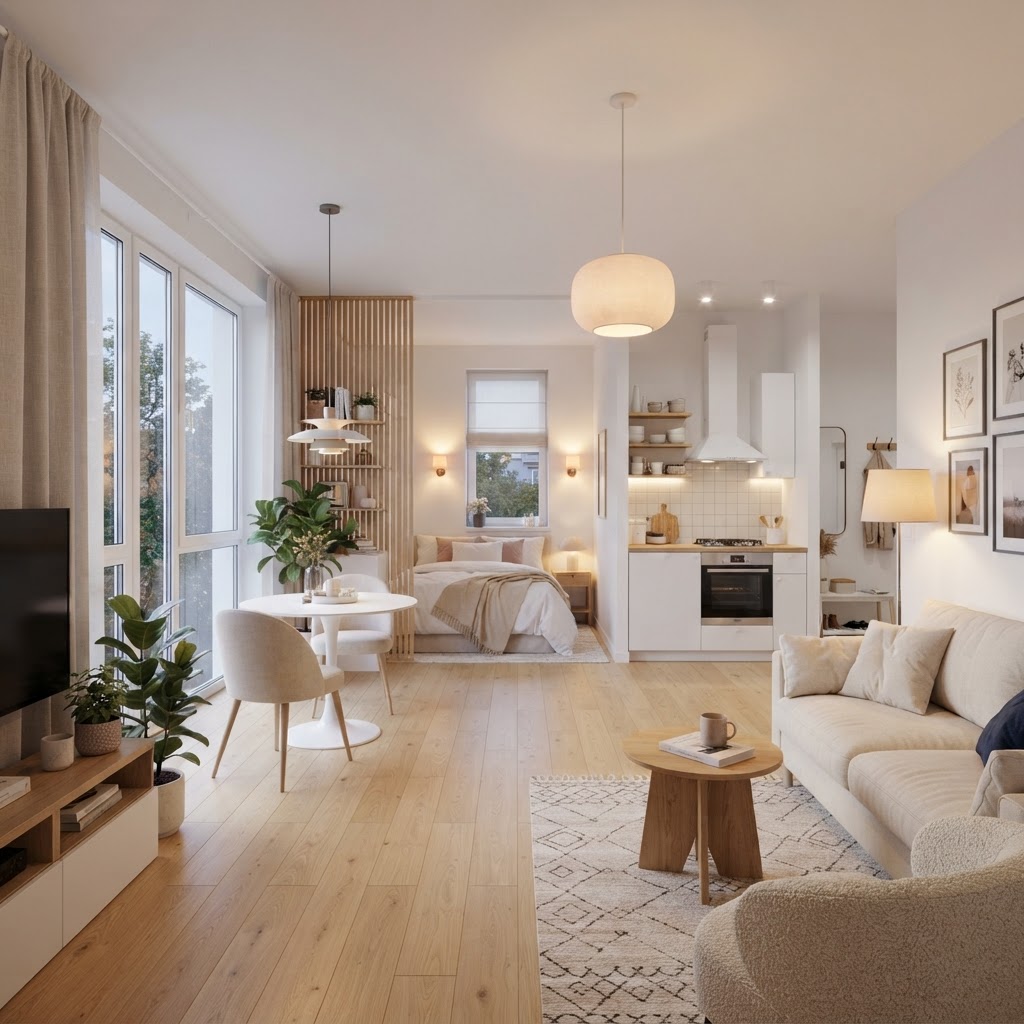
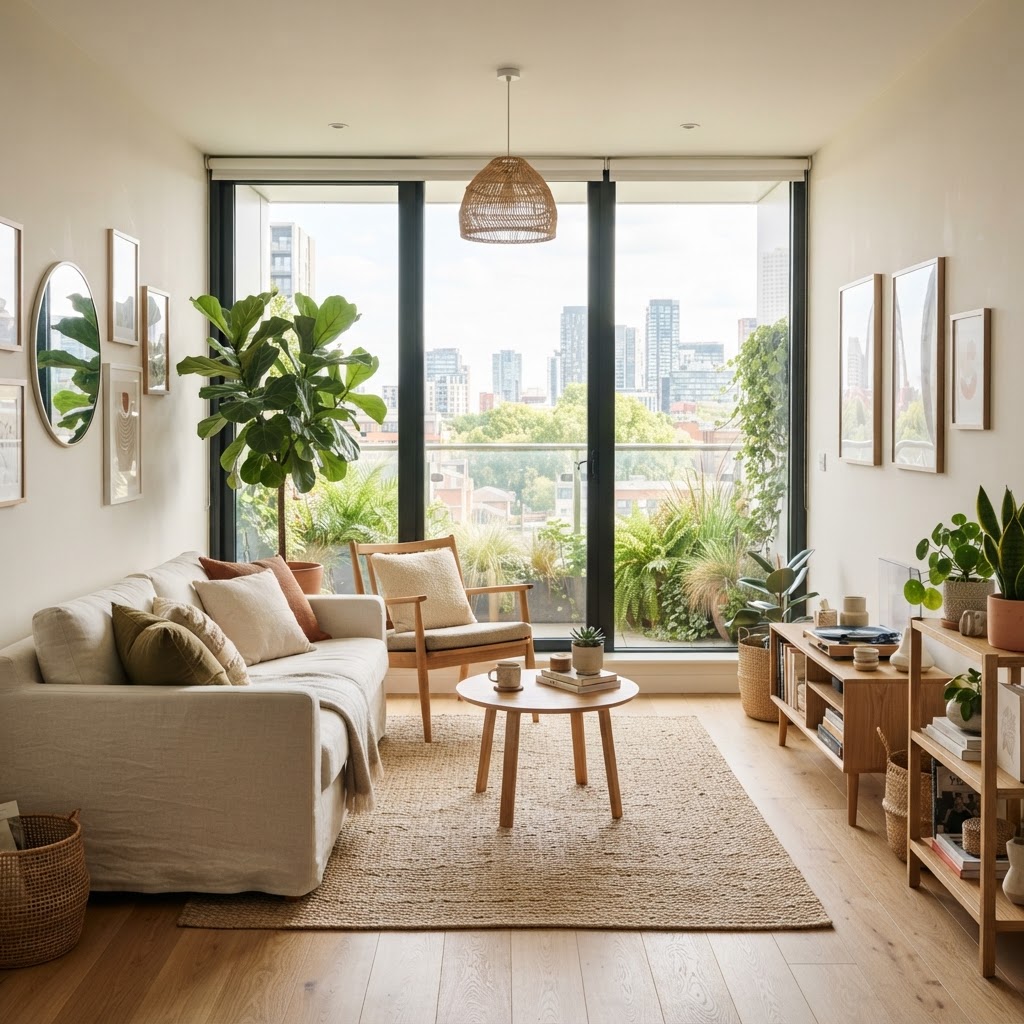
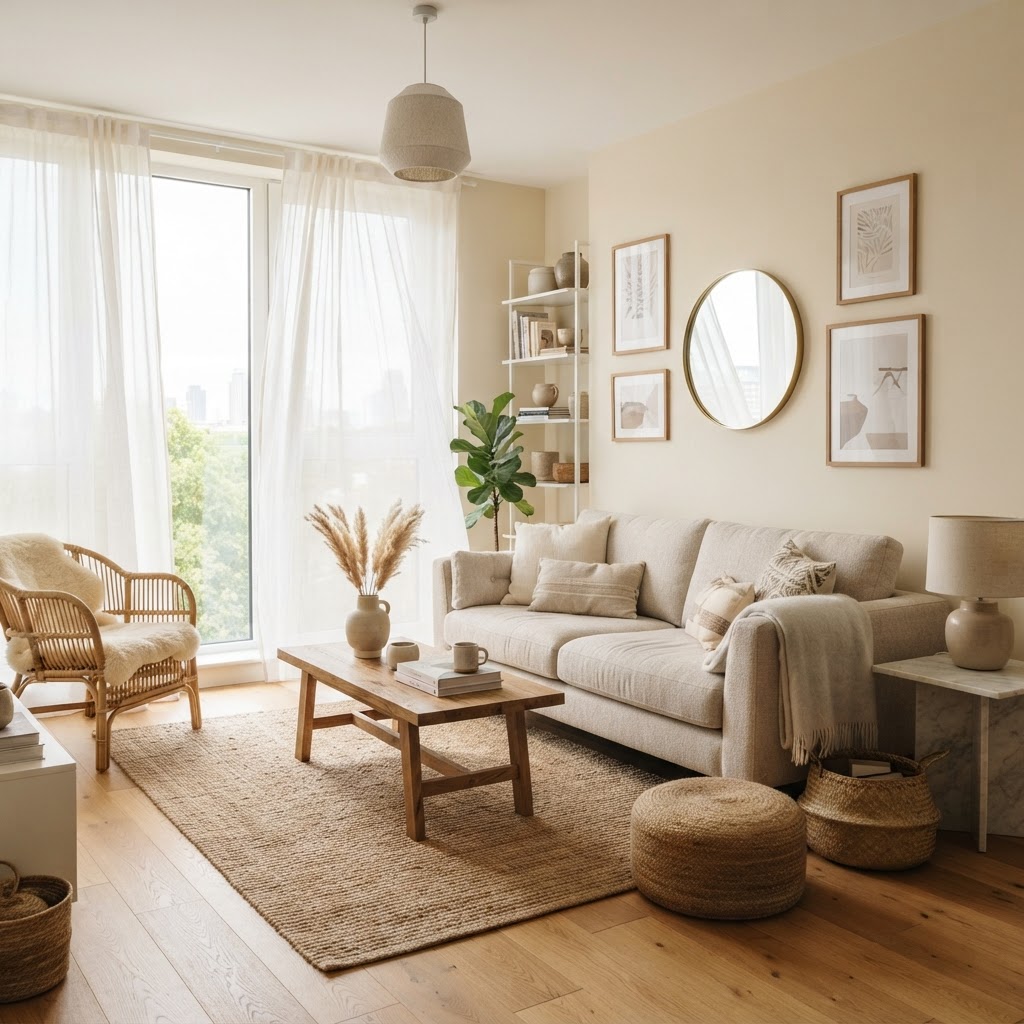
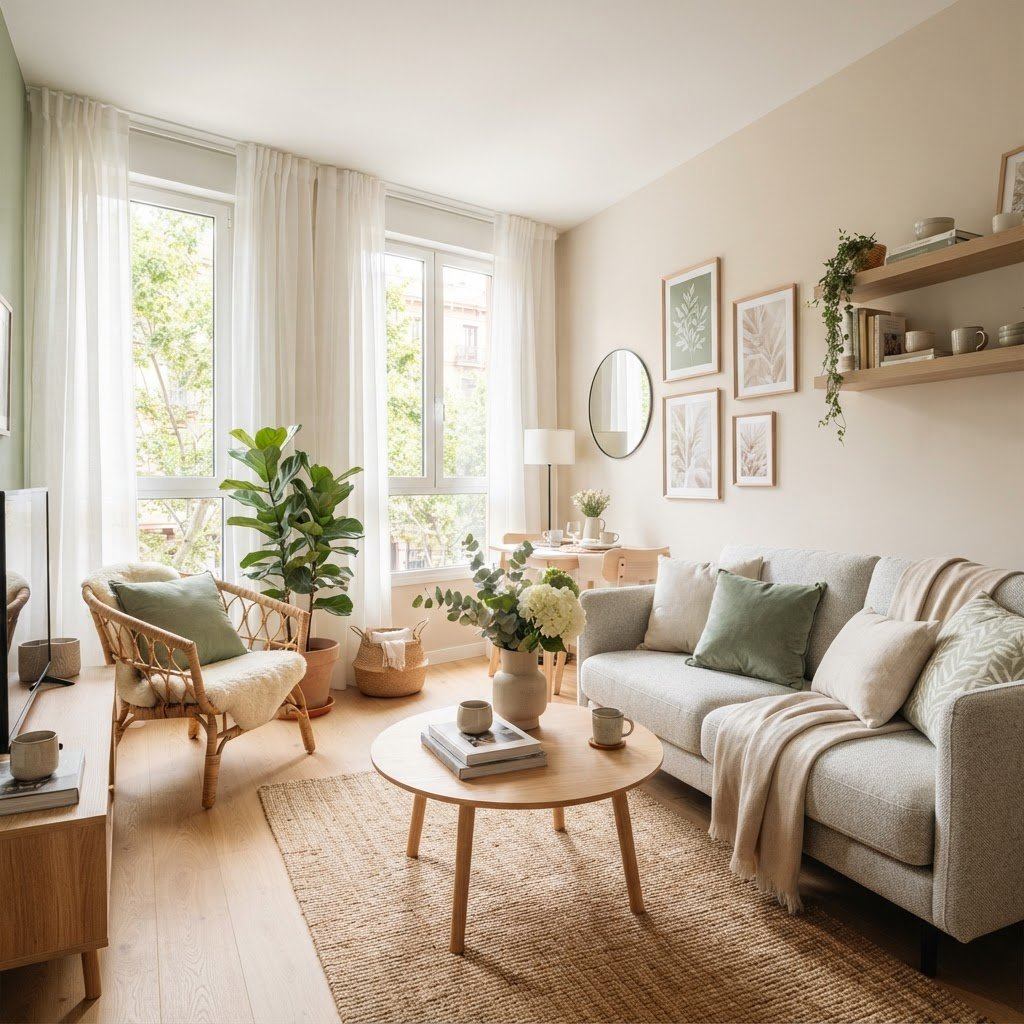
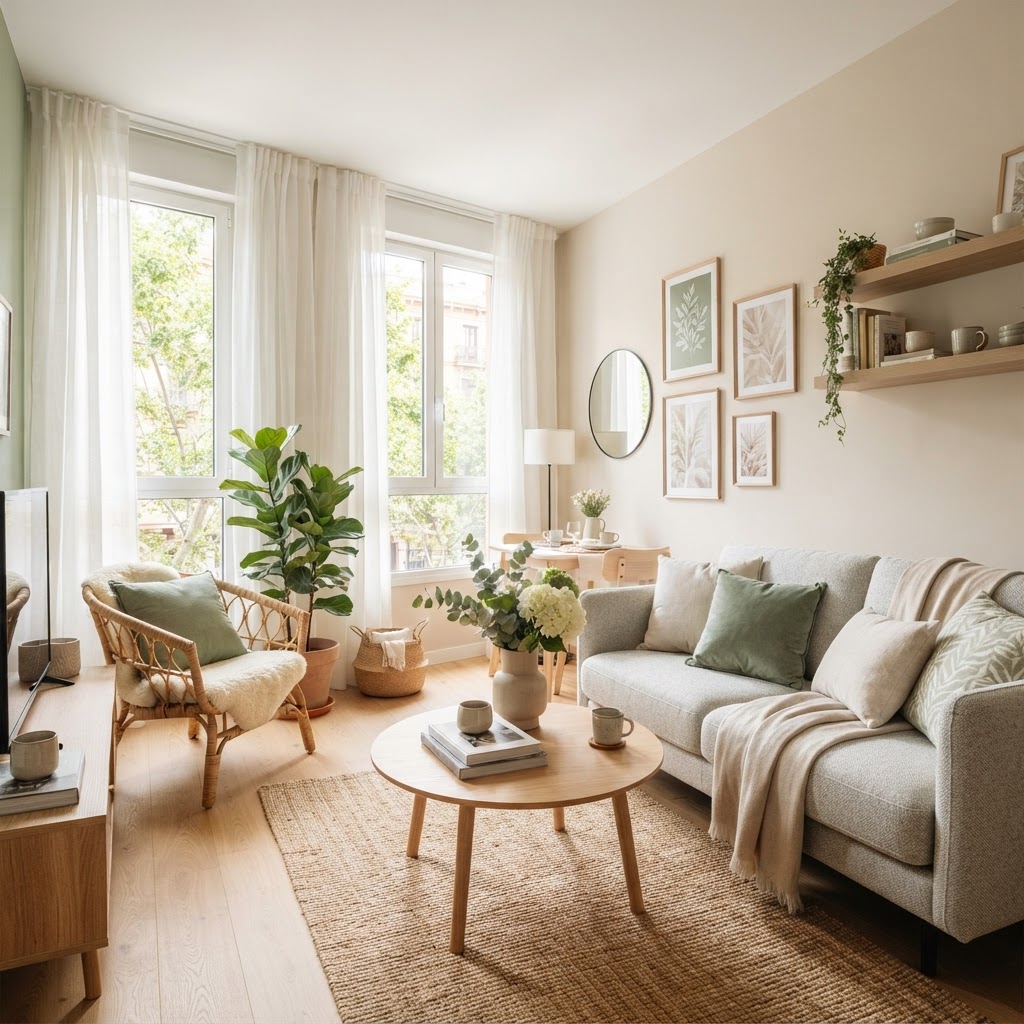
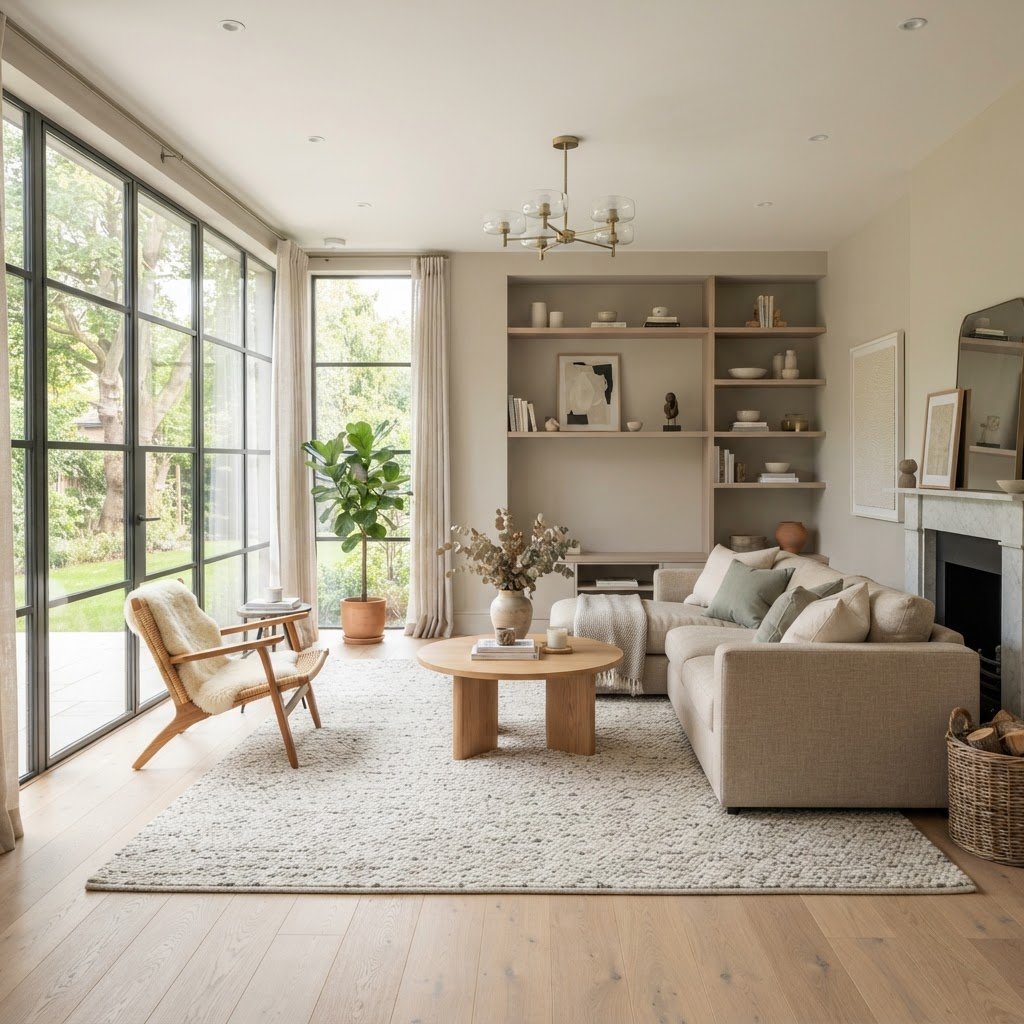
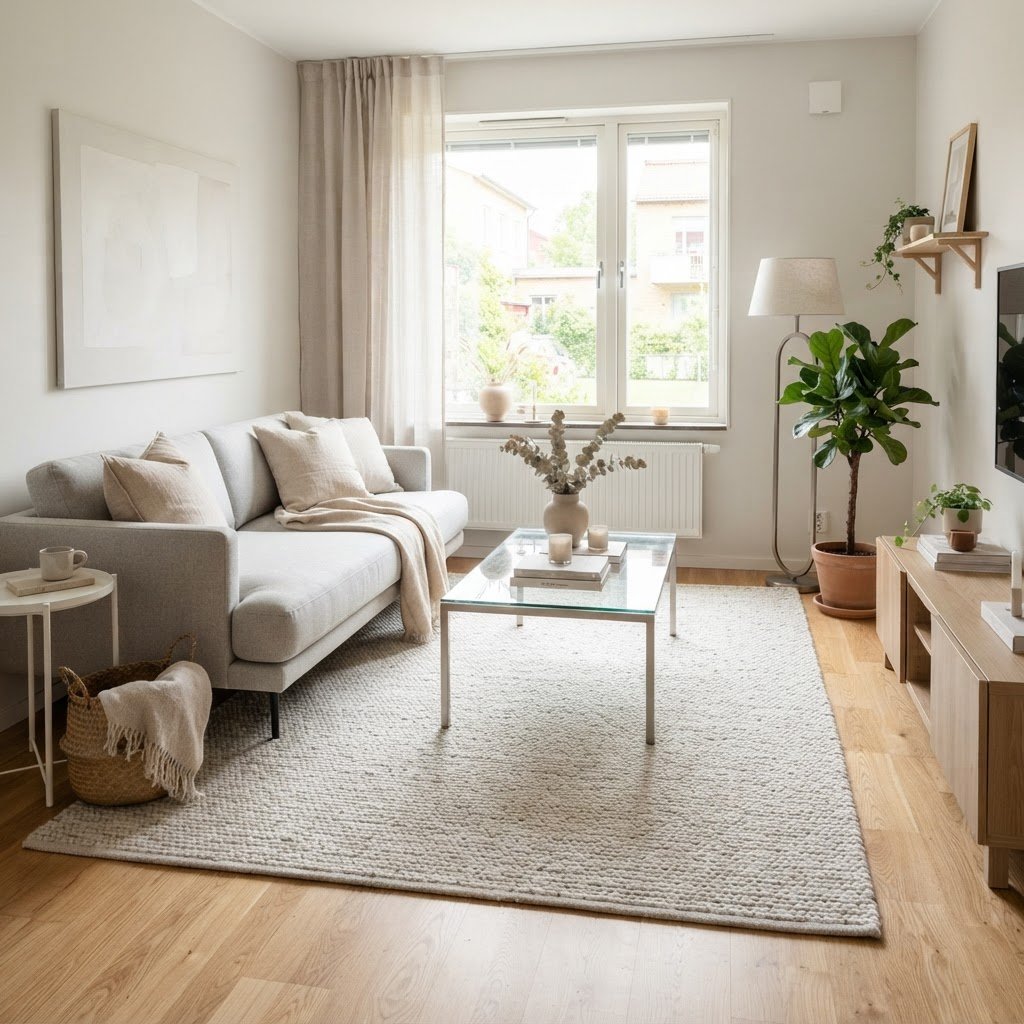
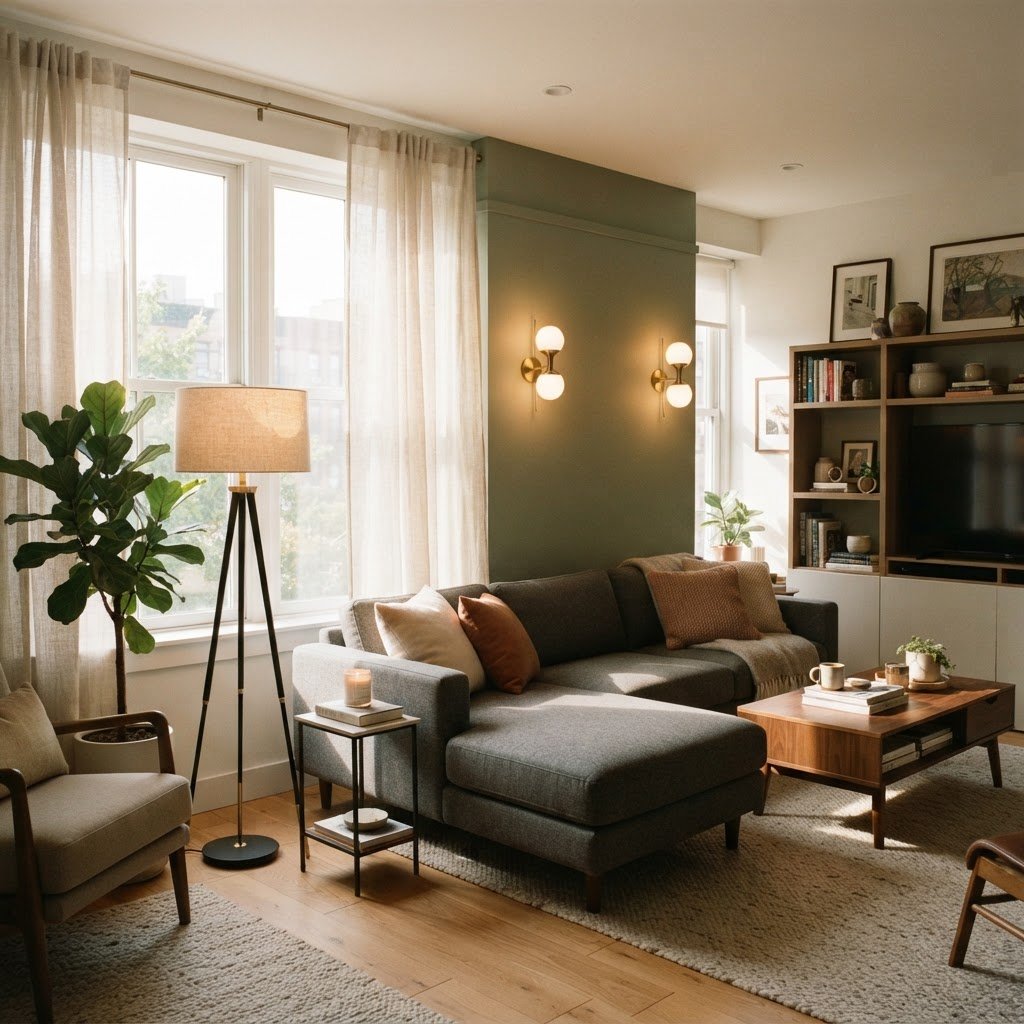
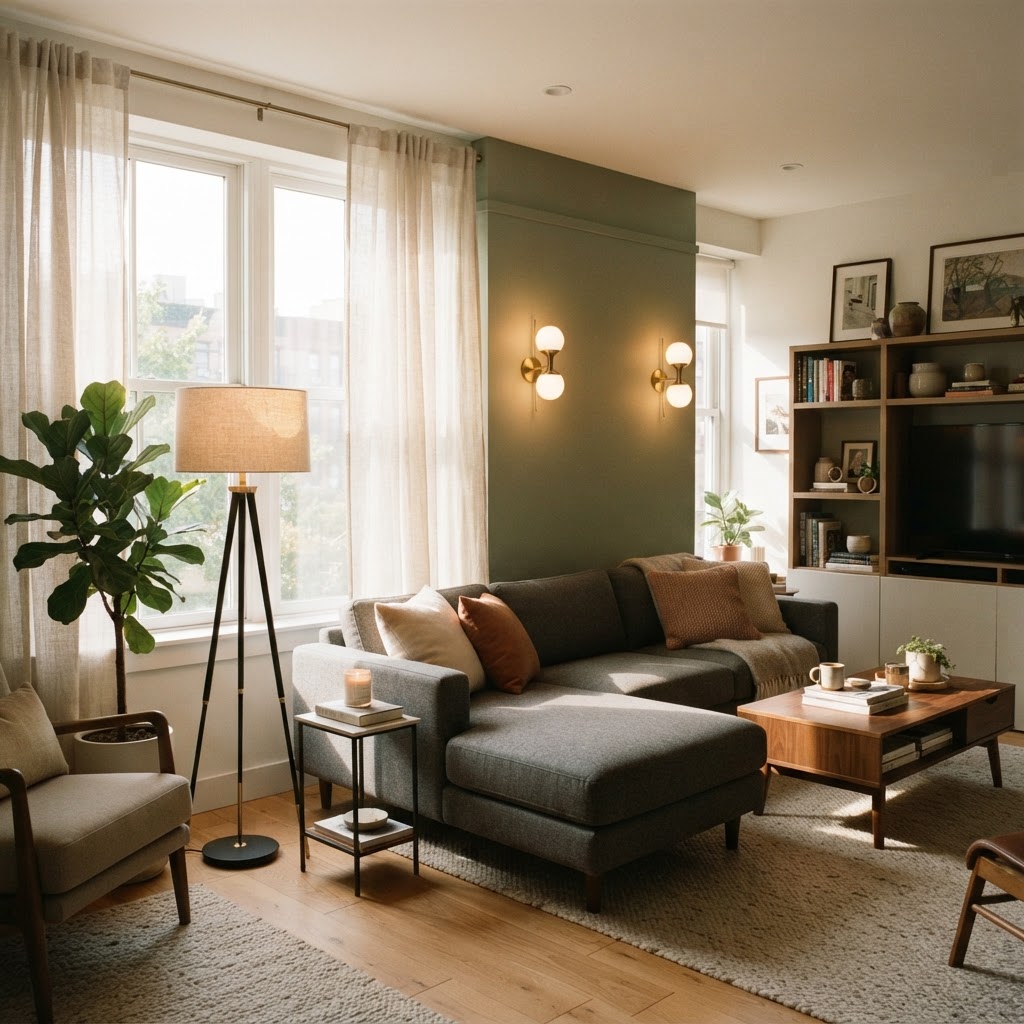
A well-organized layout makes this small living room feel spacious and bright.

The secret to mastering a small living room layout is to prioritize multi-purpose furniture. Before you start moving pieces around, take a moment to evaluate the primary purpose of your room. Are you mostly using it for relaxing, or do you need a workspace included in your living area? Once you define these zones, the layout begins to fall into place naturally. Always leave clear pathways between items to ensure the room feel remains airy.

Choosing the Right Furniture Scale

One common mistake people make in a small apartment living room is buying furniture that is far too bulky. While a plush sofa might look comfortable in a store, it can easily overwhelm a small space. Instead, look for low-profile seating that doesn’t block sightlines. When your eyes can see the floor under a piece of furniture, the room instantly feels larger and more breathable. A slim sofa paired with a lightweight coffee table can create a refined look that doesn’t sacrifice comfort.

Defining Your Focal Point
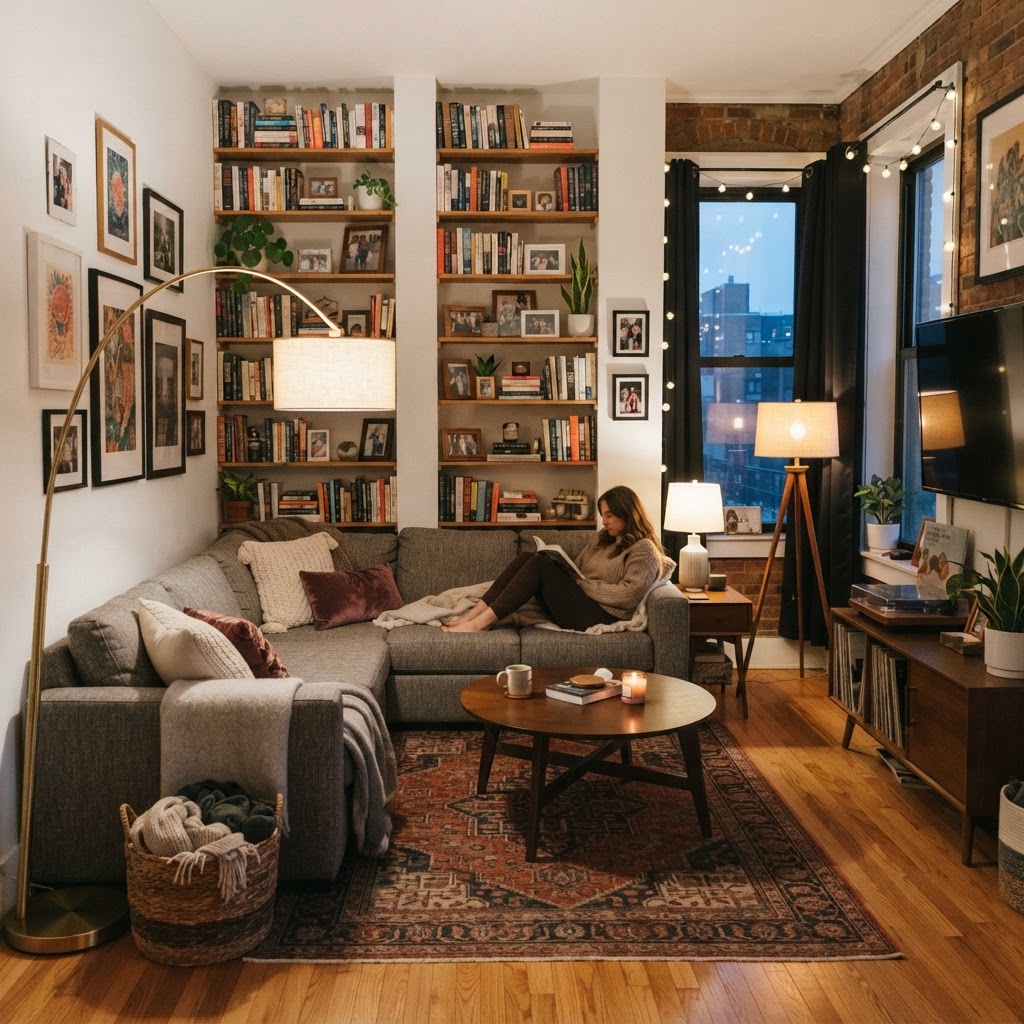
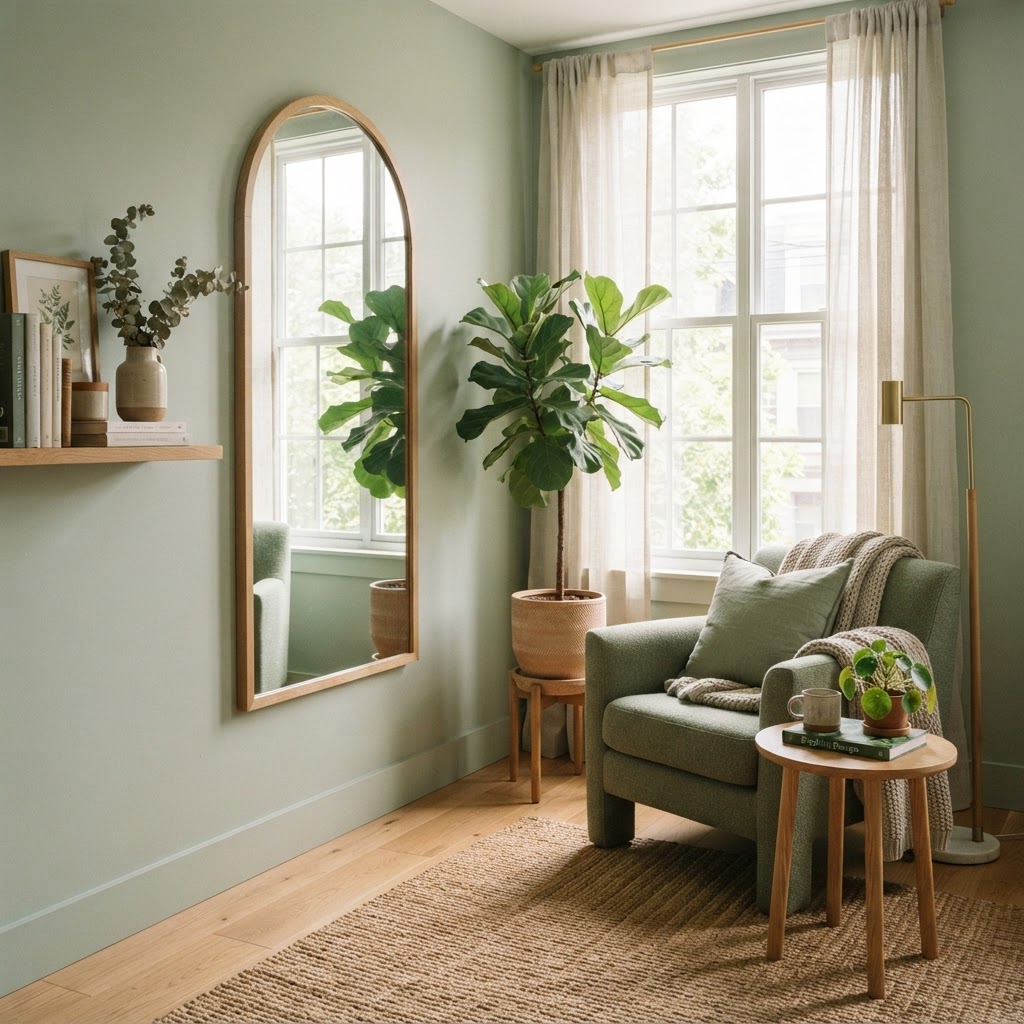
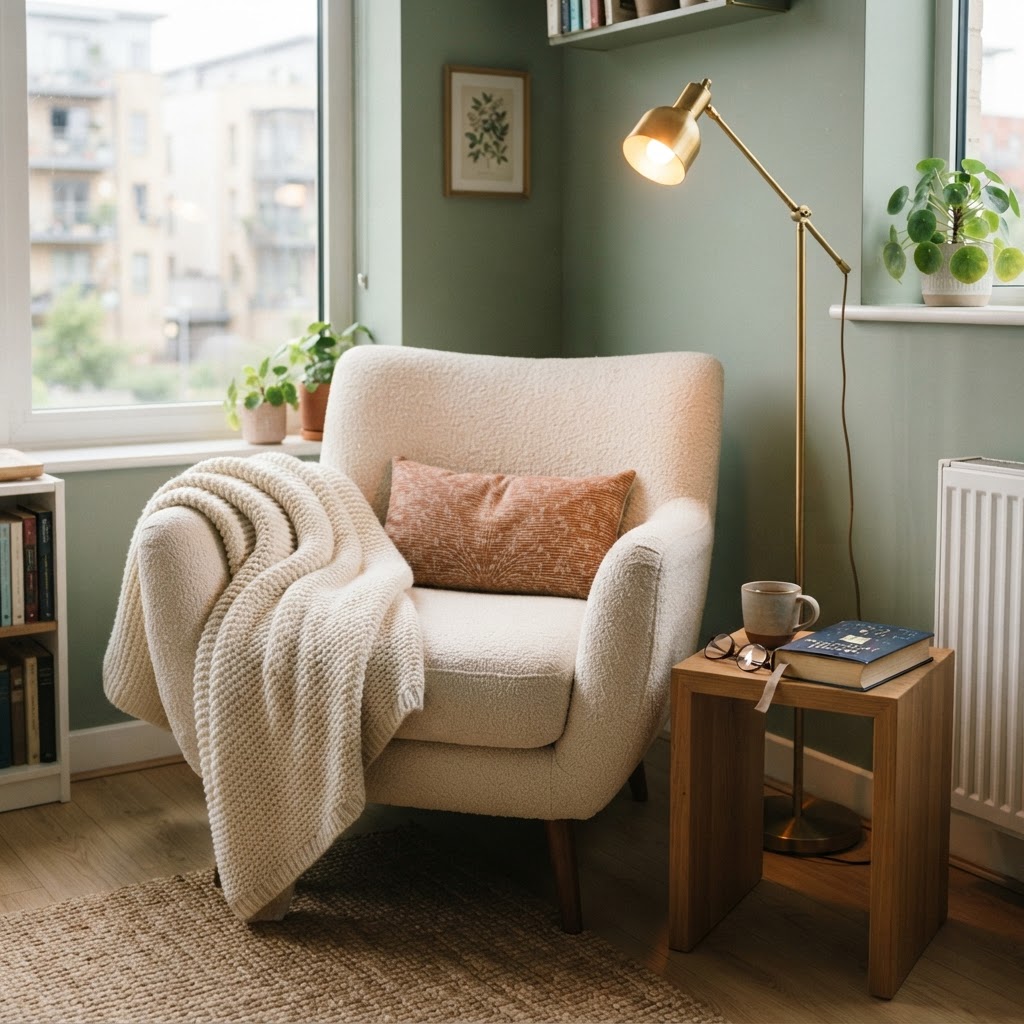
Utilizing corners and vertical space transforms this compact apartment living room.

Every room needs a focal point to anchor the design. In a standard apartment, this might be a window, a fireplace, or a wall where you mount your television. When you identify this point, arrange your sofa and chairs to face it directly. This creates a natural gravity in the room that draws the eye toward the most important architectural feature. If your room lacks a natural focal point, consider creating one using an accent wall with bold wallpaper or a large piece of art.

Arranging Seating for Better Flow

How you place your seat options can make or break the flow of traffic. If you have a square living area, try floating your furniture away from the walls. This may seem counterintuitive, but pushing everything to the perimeter often leaves a dead zone in the middle. By pulling a small sectional or chair into the center, you create an intimate conversation area that makes the room feel sophisticated and well-planned.

Using Rugs to Delineate Zones
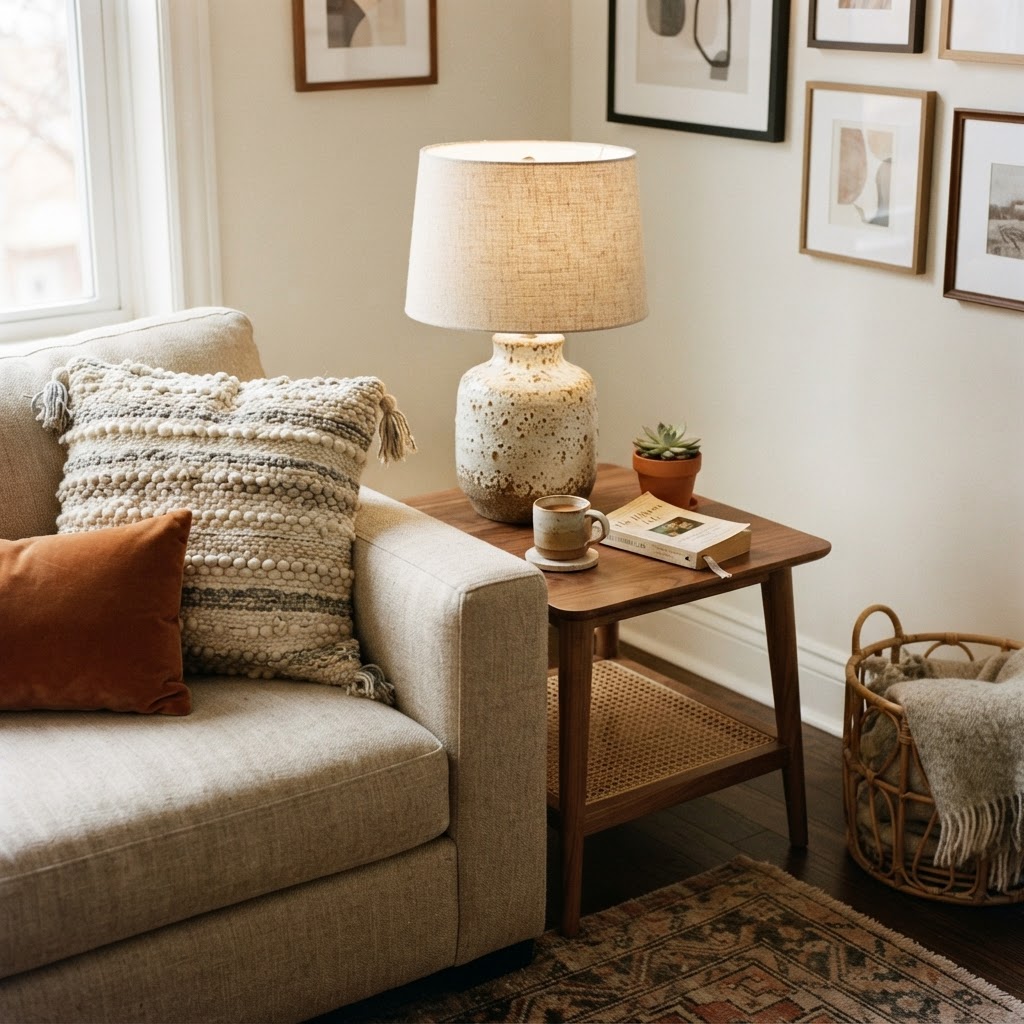
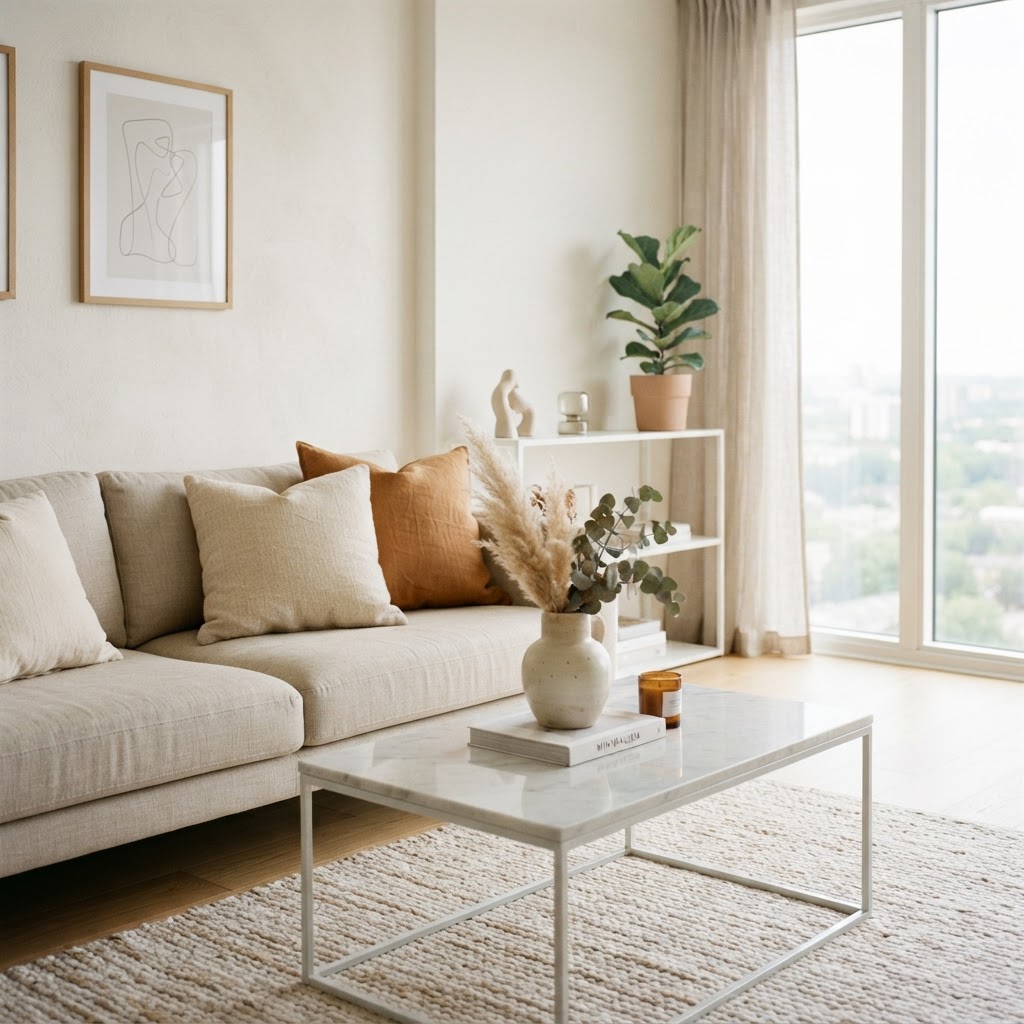
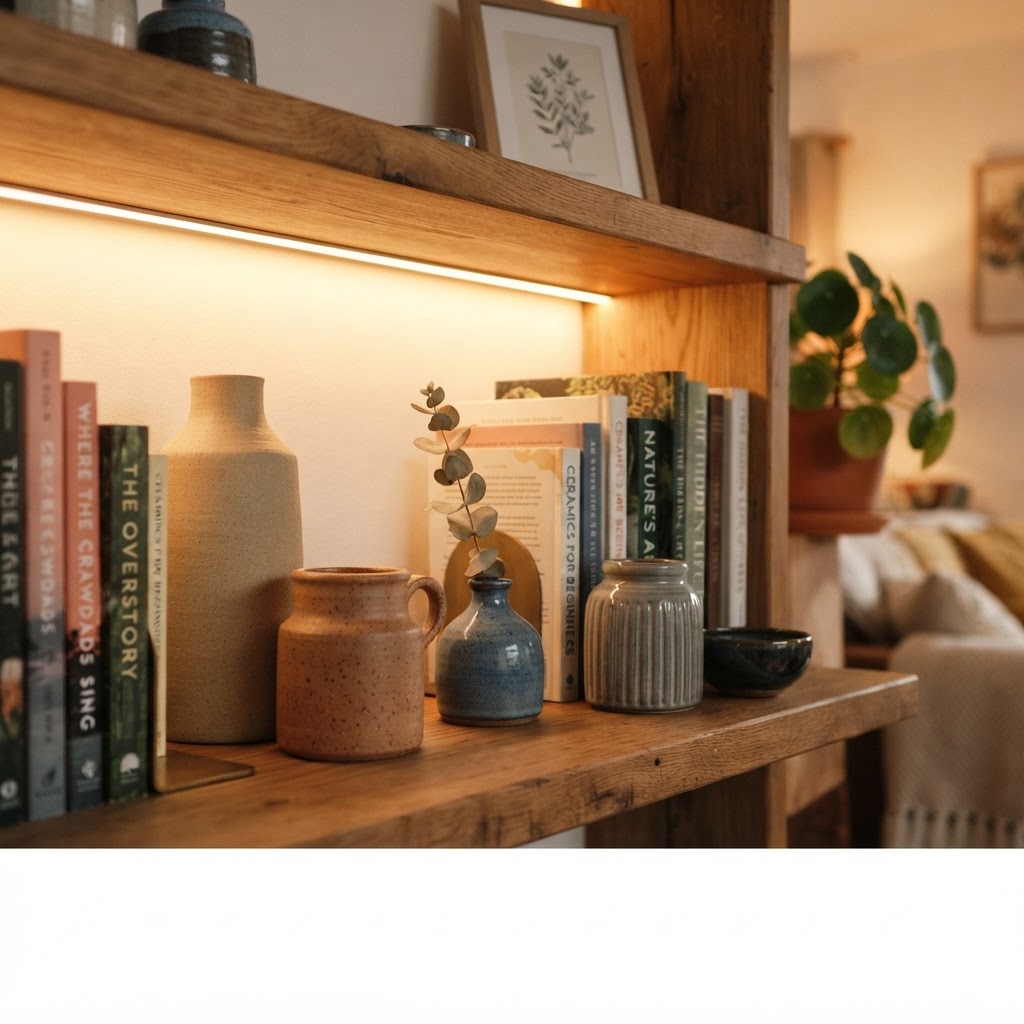
Small details like lighting and textures add warmth to a tiny living space.

Integrating a rug is one of the easiest ways to make the room feel cohesive. A rug acts as a visual frame that ties your sofa, side table, and chairs together into one unified zone. In an open-plan apartment, the rug is essential for clearly defining where the living space ends and the dining or kitchen area begins. Ensure the rug is large enough that the front legs of your furniture rest on it, which helps ground the entire arrangement.

Choosing the Right Texture and Color

For a small living room, light-colored or neutral rugs can help brighten the floor space. You don’t have to avoid patterns, but aim for something subtle rather than overwhelming. A simple textured rug adds depth without visual clutter, which helps keep the small apartment feeling clean and organized. Remember that the goal is to make the room feel expansive, not busy.

Creative Storage Solutions

Storage is the biggest challenge in small apartment living room design. To keep things tidy, look for furniture that pulls double duty, such as ottomans with hidden compartments or sofa designs that include shelving in the arms. Every cushion should serve a purpose, and vertical space is your best friend. Install wall-mounted shelves to hold books or decor so you can free up floor space for a coffee table or a desk.

Keeping Surfaces Clear

Clutter is the enemy of a small living room. If you have a small space, try to keep your surfaces like the side table and coffee table clear of excess items. Use a small tray to group small decorative pieces together, which makes the display look intentional rather than messy. When everything has a designated home, your living room will feel significantly more peaceful and spacious.

Maximizing Vertical Potential

If you run out of floor room, look toward your walls. Tall bookshelves or floor-to-ceiling curtains can draw the eye upward, creating the illusion of higher ceilings. In a small apartment living room, floor-to-ceiling storage units can house everything from electronics to extra blankets. By keeping items off the floor, you maintain a sense of openness that is crucial in a small home.

Lighting for Atmosphere

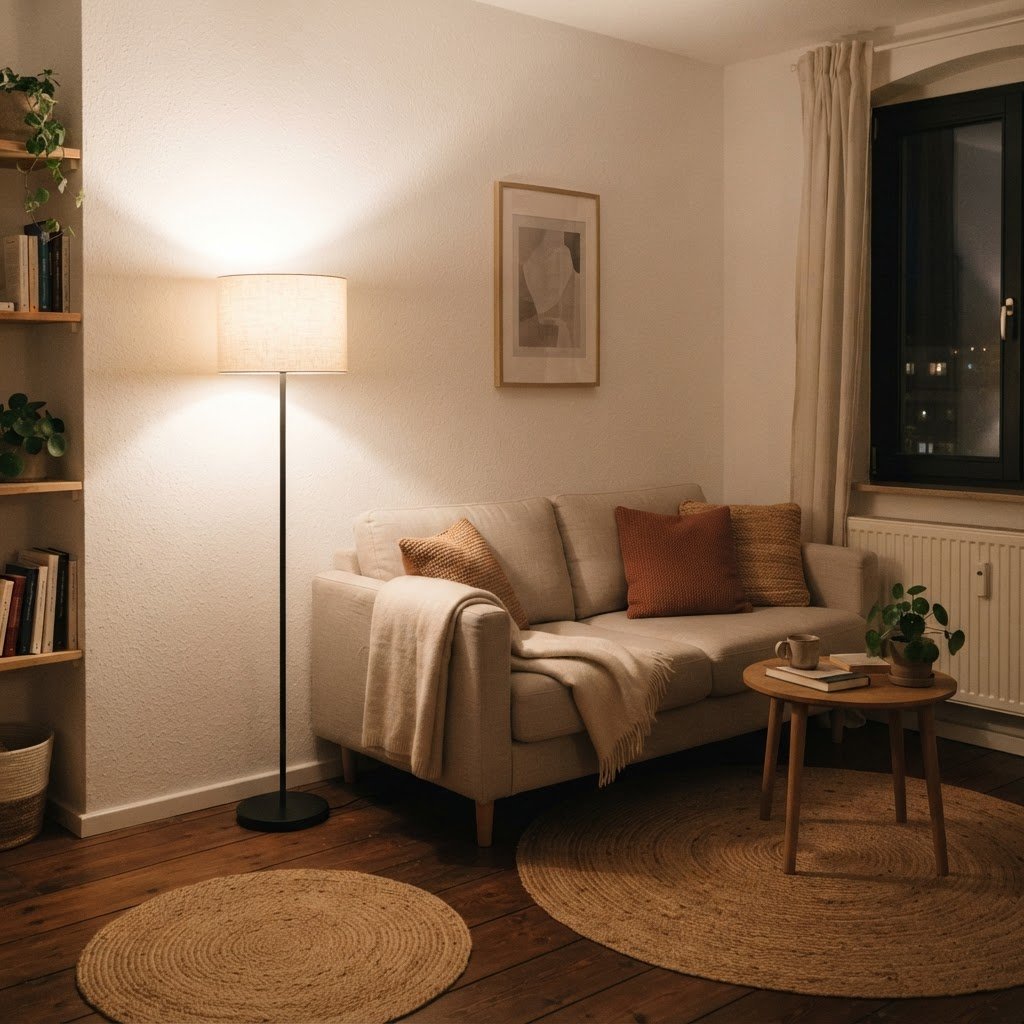
Never rely solely on one overhead light. Layered lighting is key to making a small living room feel warm and inviting. Use floor lamps behind your sofa to provide soft ambient light, and consider small lamps on your side table for task lighting. The right mix of light sources makes the space feel larger by eliminating dark corners that can make a room feel smaller than it actually is.

Selecting the Perfect Sofa

Your sofa is the most significant investment in your living room layout. For small apartments, consider a sofa with legs rather than a solid base to keep the sightlines open. If you want a sectional, look for modular options that can be reconfigured based on your specific layout needs. A compact sectional can be surprisingly efficient if tucked into a corner, freeing up the rest of the room for movement.

Enhancing Comfort with Textiles

Comfort is non-negotiable, even in a tiny footprint. Use a high-quality cushion on your seating to add personality and softness to the room. Don’t be afraid to experiment with different fabrics; velvet adds luxury, while linen offers a casual, airy vibe. These small decorative choices help make the room feel like a personal reflection of your style rather than just a functional space.

Conclusion

Designing a small living room doesn’t mean you have to compromise on style or comfort. By focusing on smart layout choices, multi-functional furniture, and vertical storage, you can turn your apartment into a space that feels surprisingly large. Whether you are working with a tiny studio or a modest one-bedroom, these strategies will help you create a home you love. Start small by decluttering your current layout, and let us know in the comments which change made the biggest difference in your space!
Lighting Tricks to Make a Small Space Look Bigger

Living in a compact apartment presents a unique set of design challenges, but the secret to expanding your horizons often lies not in knocking down walls, but in shifting how you illuminate your surroundings. When you master the art of lighting, you can effectively make a small space look bigger without spending a fortune on renovations. Strategic illumination changes the depth and perception of a room, allowing you to manipulate shadows and highlights to your advantage. By understanding how light interacts with surfaces, you can ensure your home feels airy rather than restricted.

The Power of Layering Your Lighting

Layered lighting creates depth in a small living area.

Many people make the mistake of relying solely on a single overhead light source, which often casts harsh shadows and shrinks the visual boundaries of a room. To make a small space look bigger, you must embrace the concept of layered lighting. By combining ambient, task, and accent lighting, you create depth that draws the eye across the room rather than trapping it in a single corner.

Start with a base of ambient light provided by ceiling fixtures or track lighting, then introduce floor lamps and table lamps to fill in the dark spots. When every corner of the room is illuminated, the walls seem to recede, giving you more breathing room. This method is essential to ensure that your space looks polished and intentional, avoiding the dreaded cave-like effect that happens in poorly lit apartments.

Utilize Reflective Surfaces and Mirrors

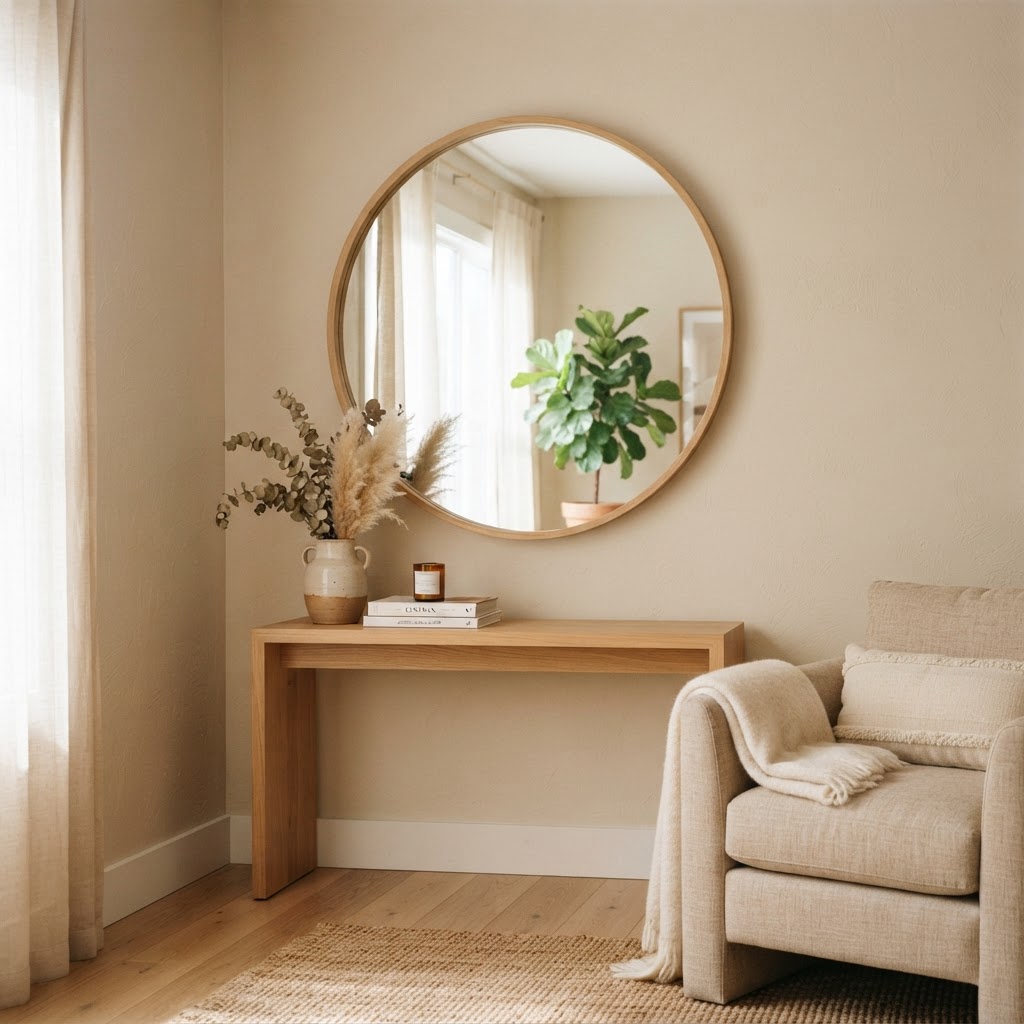
Mirrors are essential for reflecting light to make a space look larger.

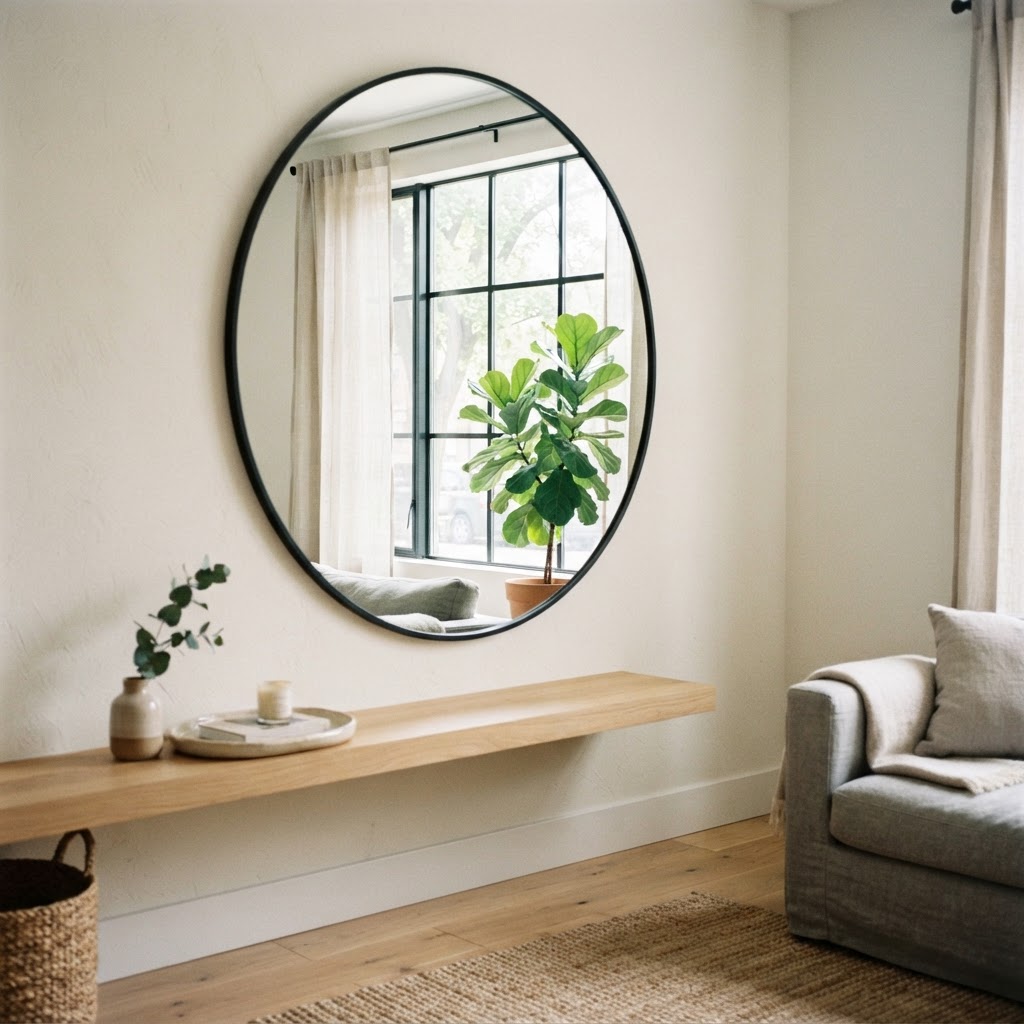
One of the most effective ways to make a room feel expansive is to pair light sources with reflective surfaces. Mirrors are a classic designer tool, but they work best when placed strategically opposite a window or a light fixture. When light bounces off a mirror, it effectively doubles the amount of illumination in the space, which in turn makes the room feels more open and bright.

Consider incorporating furniture with metallic or glass finishes, such as a coffee table with a mirrored top or chrome-based lighting fixtures. These elements act as secondary light sources, reflecting the natural light from windows during the day and artificial glow at night. This technique is a proven way to make a space look bigger while adding a touch of modern sophistication to your home.

Maximizing Natural Light Sources

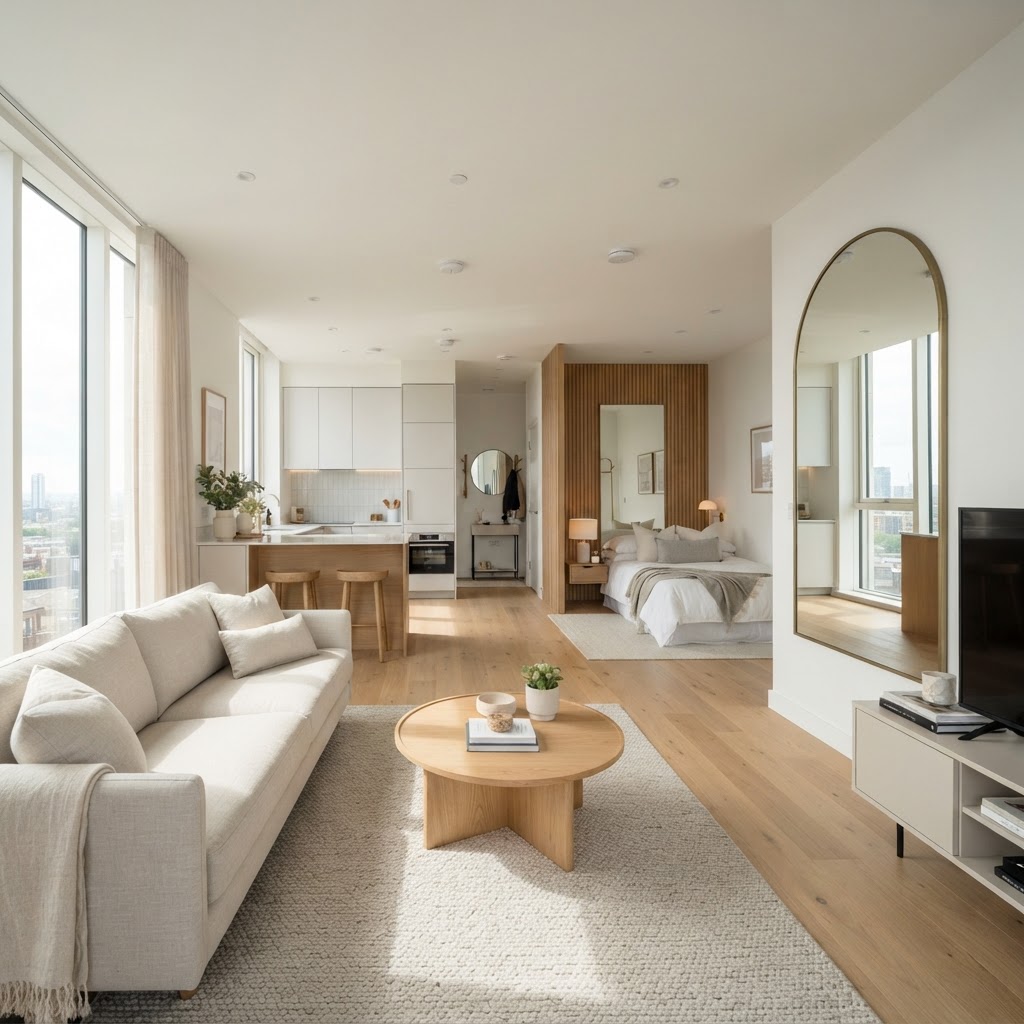
Defined lighting zones help organize and expand a studio apartment.

Before you invest in bulbs, look at how you manage the light that already enters your apartment. Natural sunlight is the ultimate tool to help make a small space feel airy. If your windows are covered by heavy, dark curtains, you are effectively cutting off your room’s main source of life. Switch to sheer, light-filtering fabrics that allow daylight to permeate the interior while maintaining privacy.

Keep your windows clean and free from obstruction. If you have tall furniture near the windows, shift it away to ensure the light can travel as far as possible into the room. When the space looks naturally bright, you avoid that common feeling of being trapped in a cramp, enclosed environment. The more you can brighten the corners, the more expansive the entire area will appear.

Selecting the Right Bulbs for Every Corner

Not all light is created equal, and the temperature of your bulbs plays a massive role in how the space feels. For a small room, opt for light bulbs that mimic natural daylight, typically in the 3000K to 4000K range. Warmer, yellow-toned lights can sometimes feel cozy, but they can also make a tight space feel dingy or overly intimate. Cooler, brighter light helps create the illusion of a more open, crisp atmosphere.

Be mindful of the wattage as well. Using bulbs that are too dim will only highlight clutter and make the room feels cluttered. A well-lit room hides the signs of everyday disorganization better than a dimly lit one, as shadows often emphasize mess. By ensuring even, bright distribution, you help the space look cleaner and more spacious.

Using Accent Lighting to Define Zones

In a small apartment, you might have one area that serves as a living room, dining room, and home office. This lack of clear boundaries can make the space feel chaotic. Use lighting to carve out these specific zones, which actually helps the brain perceive the room as having more “rooms” within it. Wall sconces or dedicated task lamps over specific areas draw the focus to functional zones.

By highlighting artwork or bookshelves with subtle LED strips or directed accent lights, you push the eye toward the perimeter of the room. This makes the space look bigger by emphasizing the full footprint rather than just the center. When you direct light toward walls rather than just the floor, you expand the visual boundaries of your home significantly.

Avoiding Common Lighting Mistakes

Even with the best equipment, common habits can prevent your apartment from feeling its best. One of the biggest offenders is clutter; when lamps are crowded by stacks of paper or bulky decor, the light cannot diffuse properly. Keep your surfaces clear so that light can hit them and bounce back into the room. Another mistake is using fixtures that are too bulky for the size of the room.

If your apartment is petite, choose slim floor lamps and wall-mounted sconces that don’t take up precious floor space. When you minimize the physical footprint of your lighting fixtures, you make a room feel less weighed down. Every inch matters, and by choosing sleek, minimalist designs, you ensure that the fixtures enhance the room rather than dominating it.

Conclusion

Transforming your living environment is well within your reach when you apply these lighting principles. By layering your light, embracing reflective surfaces, and choosing the right color temperatures, you can easily make a small space look bigger. Remember, the goal is to eliminate shadows that make a room feel tight and replace them with a balanced, airy glow. Start small by updating your bulbs or clearing your windows, and notice how quickly the energy of your home shifts. Do you have a favorite lighting hack? Try these tips today and see the transformation for yourself!

Best Color Palettes for a Small Apartment: Expert Guide

Living in a compact residence does not mean you have to sacrifice personal style or settle for boring white walls. Choosing the right paint color can completely transform the atmosphere of your home, turning a cramped area into a cozy sanctuary. When you select the perfect color palette, you are not just choosing hues for your furniture or walls; you are curating an environment that reflects your personality while maximizing the perceived square footage of your residence. Whether you are living in a cozy studio apartment or a modest city flat, understanding how light and tone interact with your interior design is the secret to successful home styling.

The Impact of Color on Small Spaces

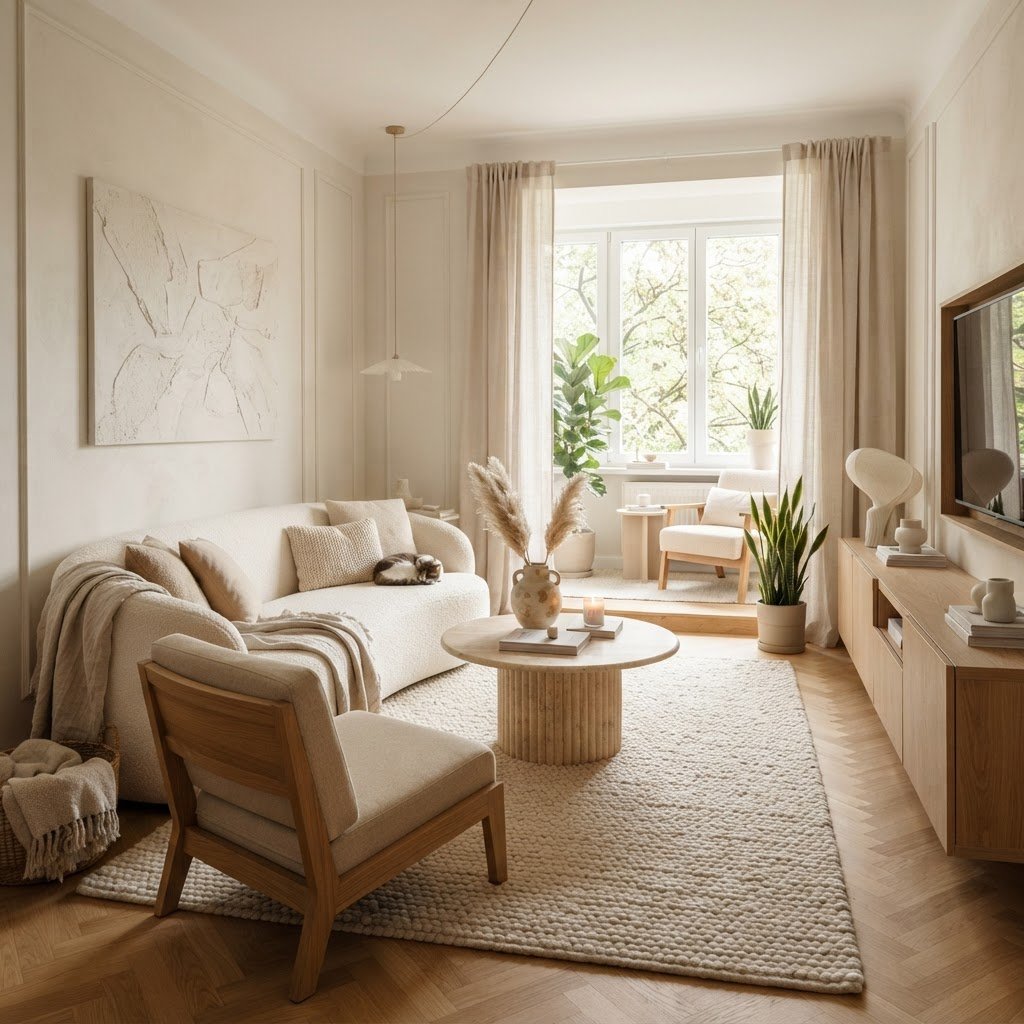
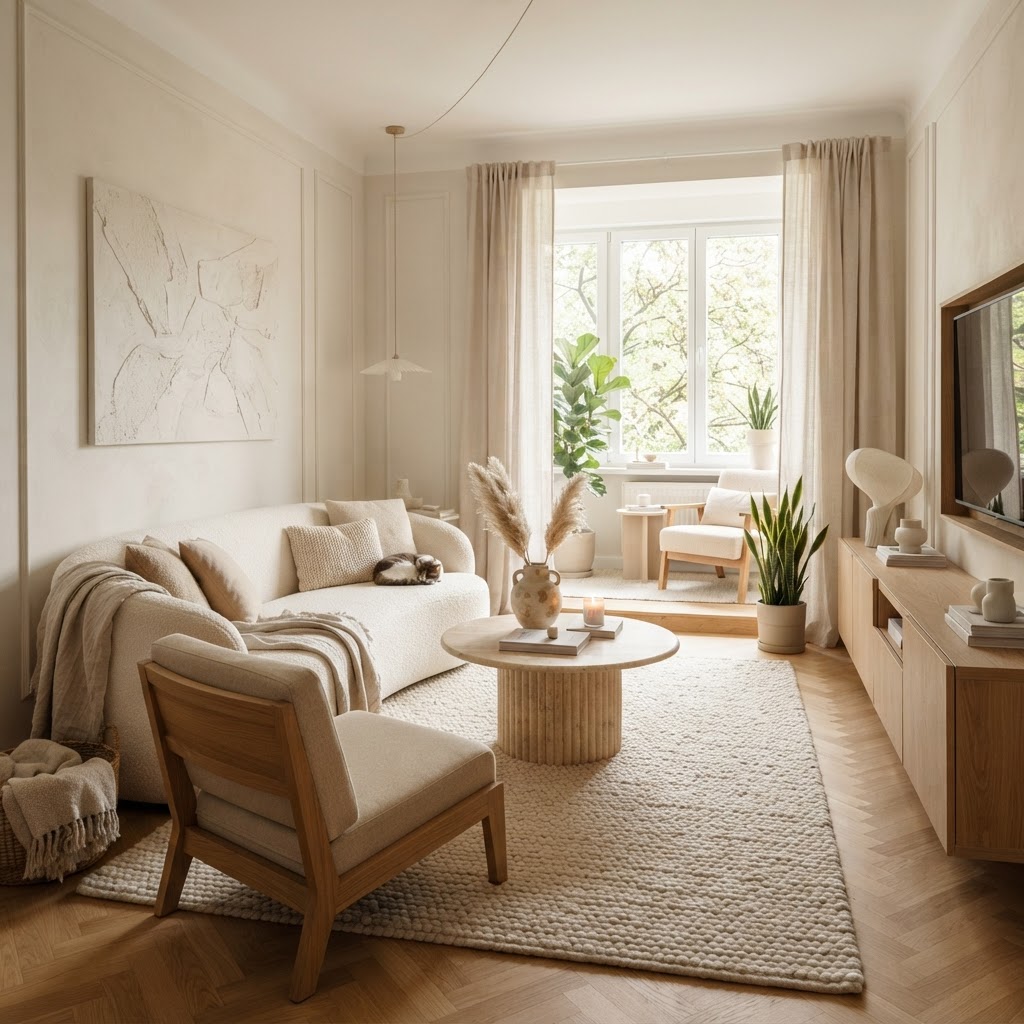
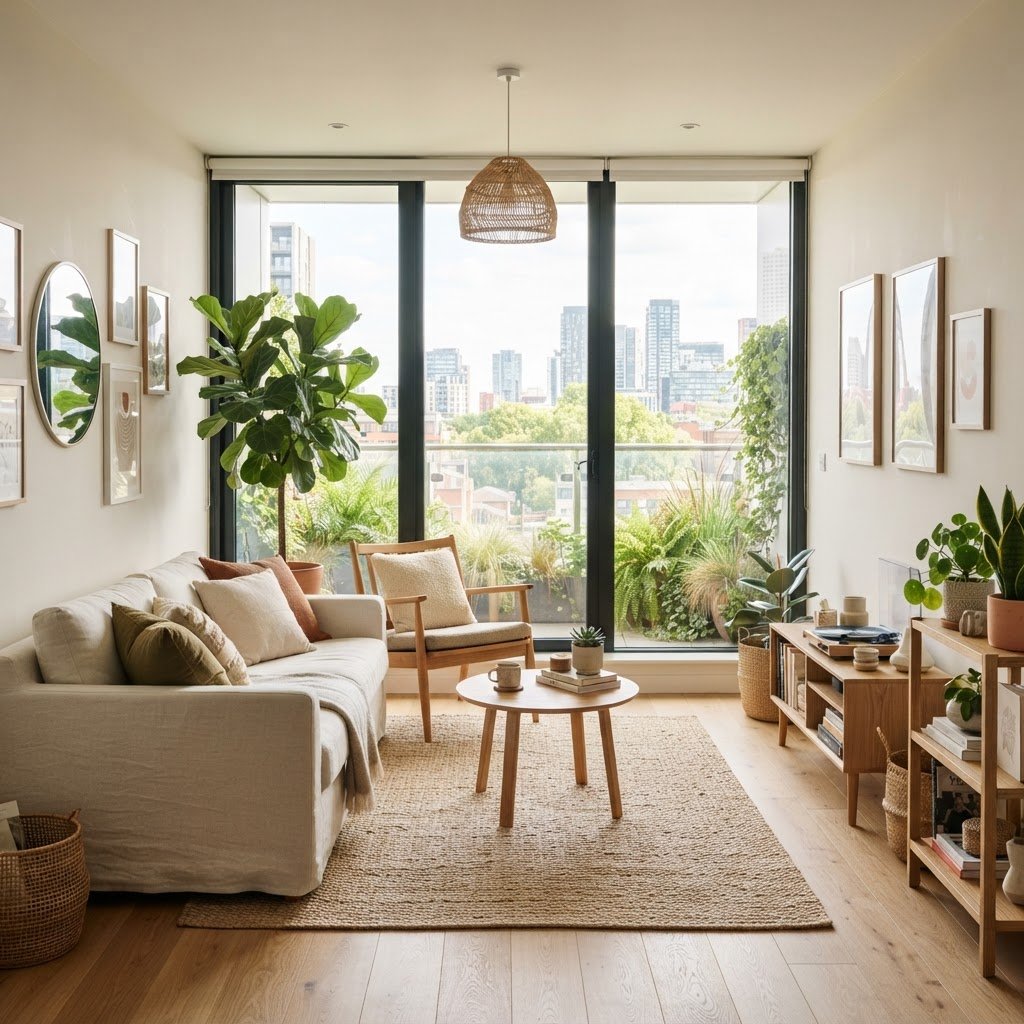
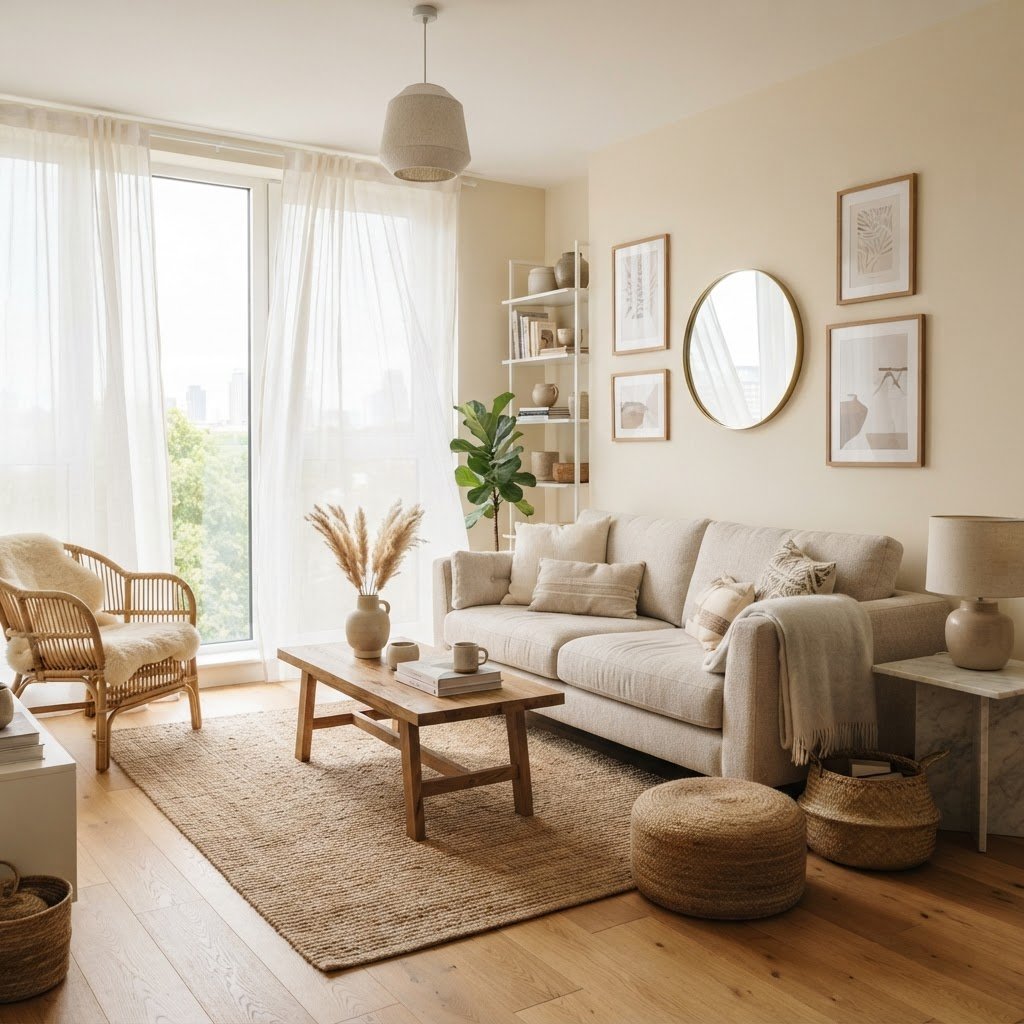
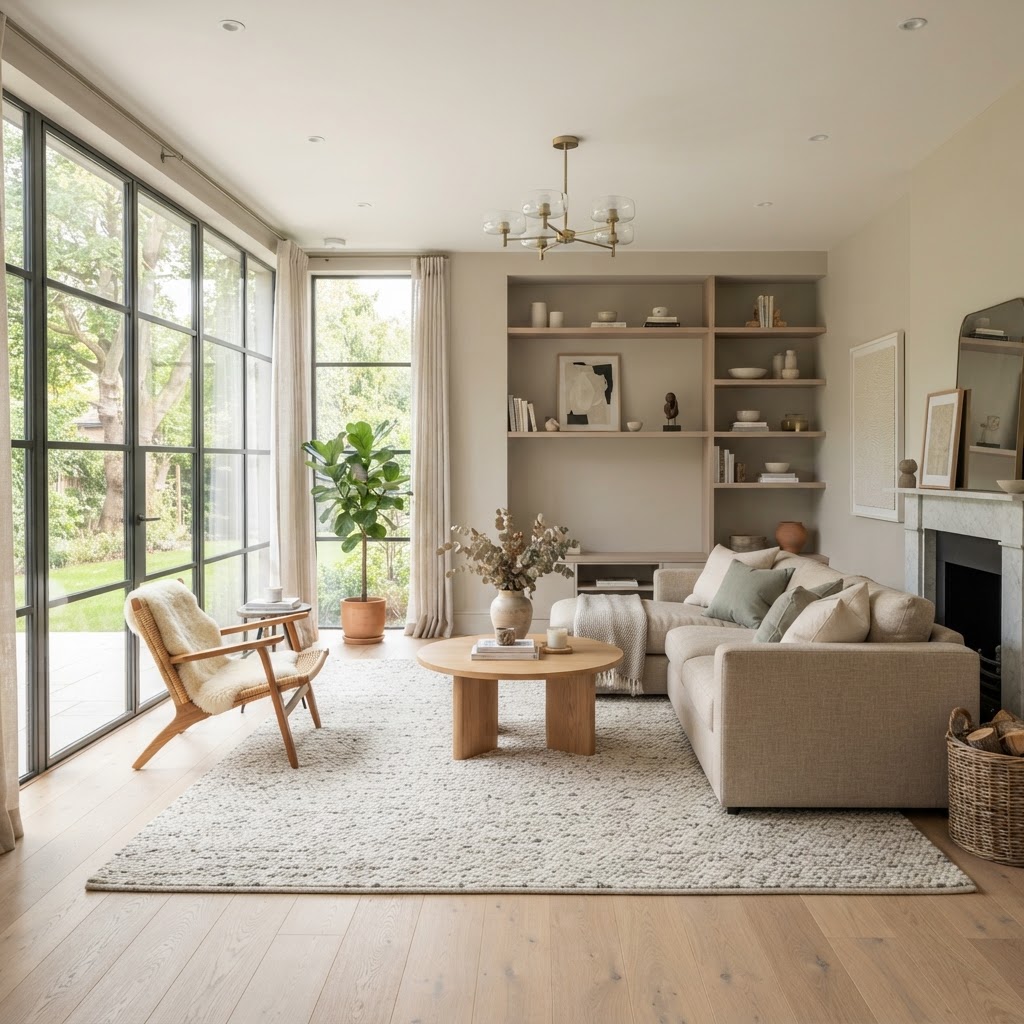
A neutral, beige-toned living room that feels open and airy.

Many people mistakenly believe that small rooms must be painted stark white to appear larger. While white is a classic choice, it is certainly not the only option for a small space. The goal is to use color to manipulate depth, bounce light, and create a seamless transition between zones in your home. By selecting a thoughtful color scheme, you can blur the boundaries of your walls, which helps the room feel larger and more open to the eye.

When planning your renovation, consider the “flow” of your home. A cohesive transition between the living area and the sleeping nook in a studio apartment is vital. Using a consistent palette across different zones prevents the eye from stopping abruptly, which often happens when you use too many jarring colors in a limited area. Think of your home as a single canvas where every hue works in harmony to support your daily life.

What Are the Best Colors for a Small Apartment?

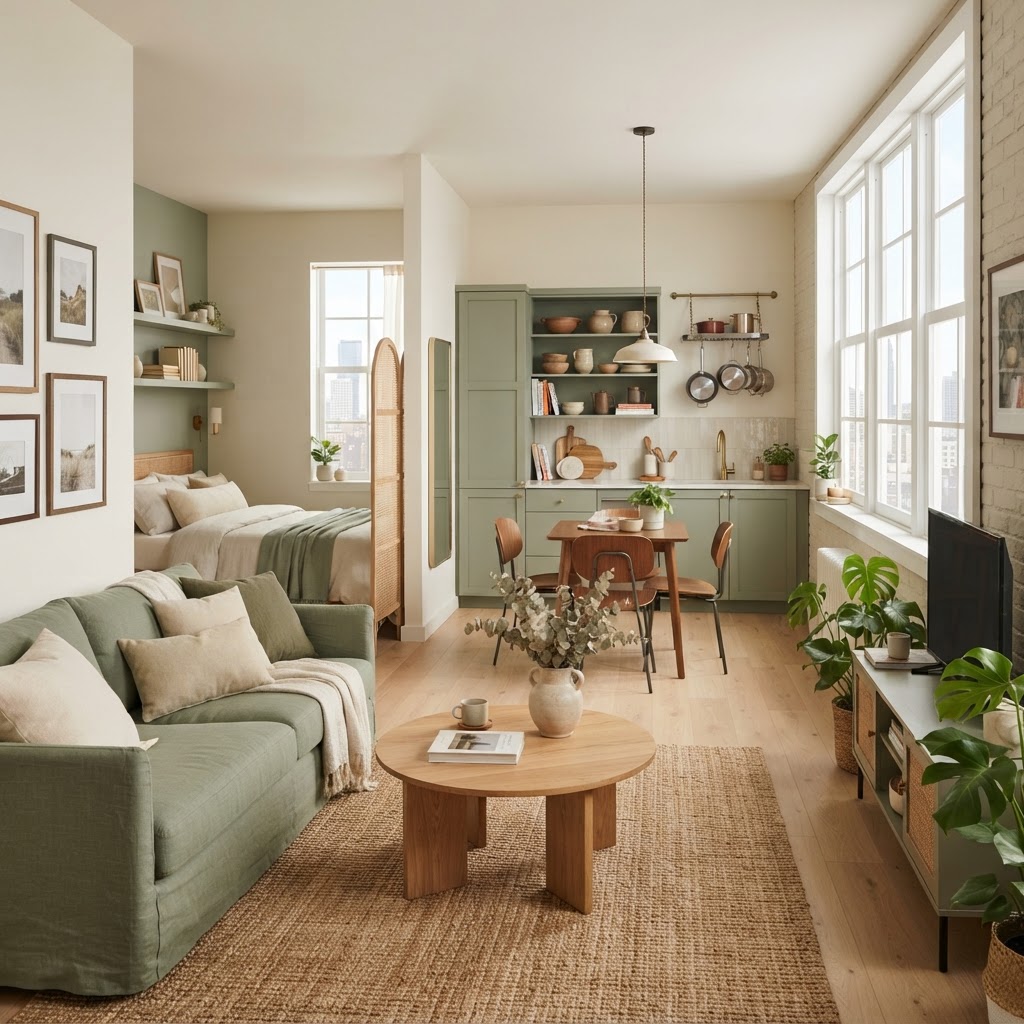
A cohesive sage green palette helps define areas in a studio apartment.

If you are wondering what are the best colors for a small apartment, the answer lies in the balance of brightness and saturation. Soft, neutral tones are a staple for a reason. Shades of warm beige or light gray can provide a sophisticated backdrop that makes a room feel airy and sophisticated. These colors act as a neutral foundation that allows your furniture and art to become the focal points of the room.

Beyond simple neutrals, muted jewel tones like sage green, dusty blue, or even a soft blush can work wonders. The key is to keep the saturation low. A high-saturation color can feel overwhelming, but a muted version of the same color provides depth without closing in the walls. Remember that the right colors depend heavily on the natural light your space receives throughout the day.

Exploring Apartment Color Palettes for Every Style

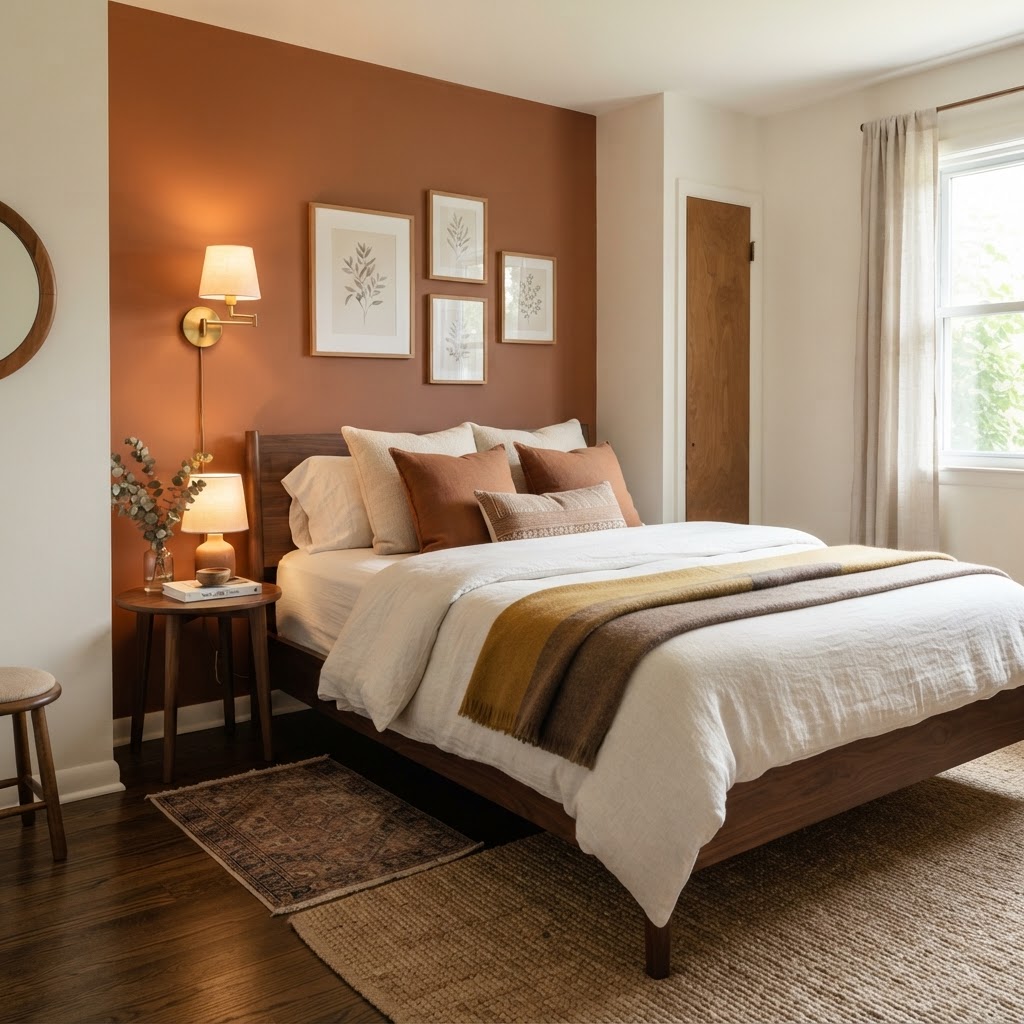
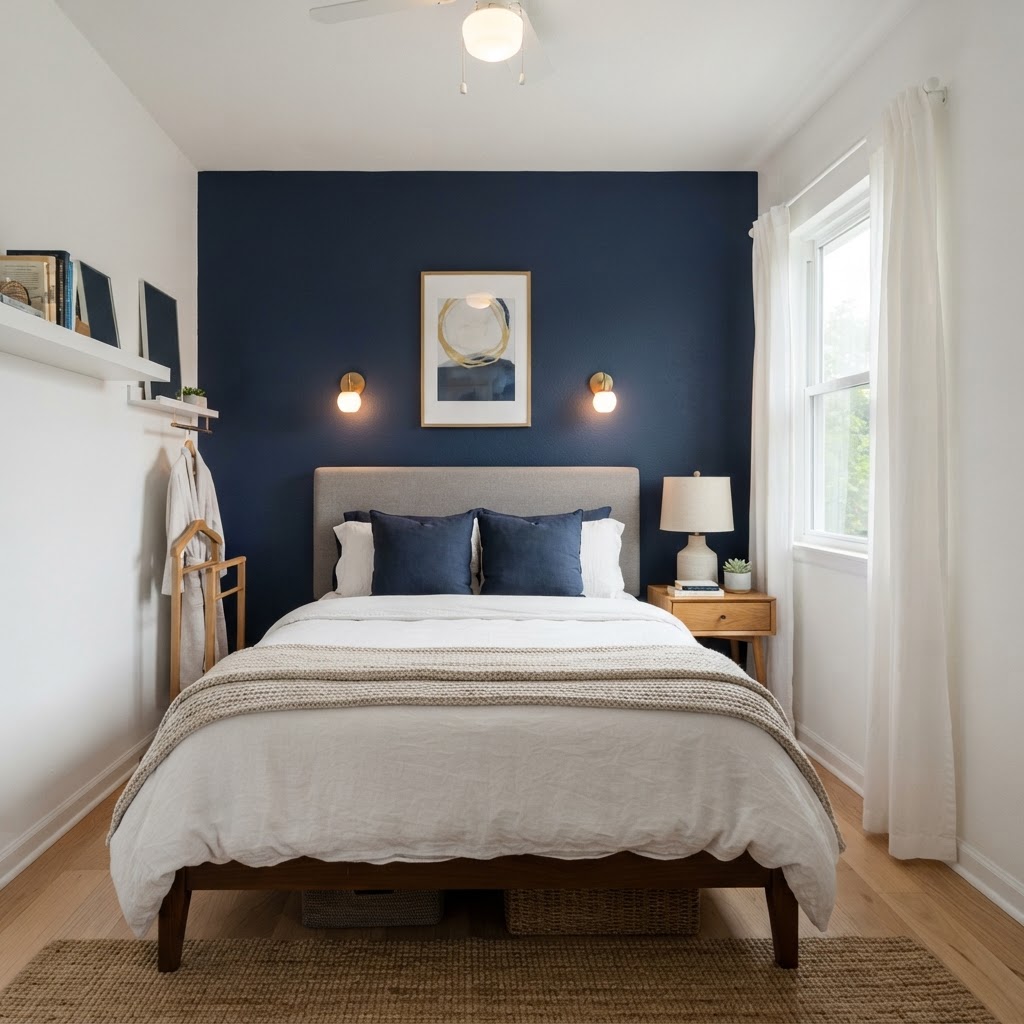
A bold feature wall adds depth to a compact bedroom.

What colors are good for an apartment color palette? The best palettes often involve a monochromatic approach or a subtle triadic scheme. A monochromatic palette uses various shades of a single color. For example, you might use a light cream on the ceiling, a slightly darker tan on the walls, and a deep brown for your accent pieces. This layering technique adds immense depth and a professional interior design feel.

Another approach is the “analogous” scheme, where you pick colors that sit next to each other on the color wheel, such as blue, blue-green, and green. This creates a tranquil and cohesive room feel that is perfect for relaxation. Because these colors are related, they do not compete for attention, helping your small area maintain a clean, organized look.

Trends and Shifts in Interior Design

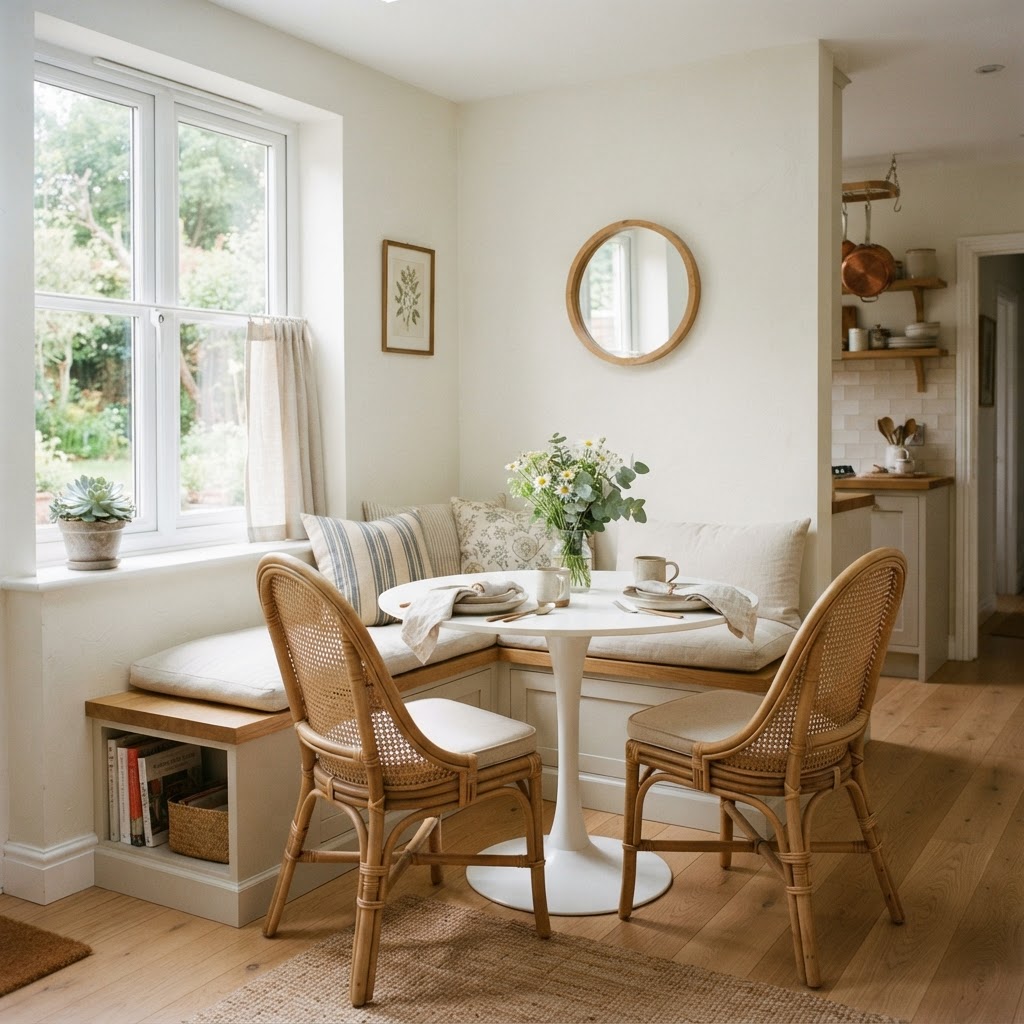
Using light, reflective colors helps brighten up a small dining nook.

Many design enthusiasts often ask, what color is replacing gray in 2026? As we move toward warmer aesthetics, “greige” and complex, earthy browns are taking center stage. Benjamin Moore has been at the forefront of this, highlighting colors that feel organic and grounded. These warmer tones help bridge the gap between industrial minimalism and comfortable, lived-in luxury.

By moving away from cold, clinical grays and toward these softer, warmer alternatives, you create an apartment feel that is much more inviting. These colors have a chameleon-like quality, shifting slightly with the time of day, which keeps your home feeling fresh and dynamic. If you want to experiment, try testing paint samples on one wall first to see how they look at different times of the day.

Expert Strategies for Painting Small Rooms

When applying your chosen paint color, placement is everything. If you have a small room, you might consider painting your trim and doors the same color as your walls. This eliminates visual breaks, allowing the eye to travel continuously, which effectively makes the space feel bigger. For those who want to be bold, painting a single feature wall in a deeper hue can add a focal point without darkening the entire room.

Another pro tip is to pay attention to your finishes. In a small space, using a satin or eggshell finish on the walls can provide a subtle glow that reflects light, while matte finishes can hide imperfections. Always remember to consider the quality of the paint; Benjamin Moore offers excellent coverage options that ensure your color payoff is rich and even, even in tricky corners or tight hallways.

Answering Common Questions About Color

What are some good color palettes for small rooms? Start with a base of warm neutrals, then add layers of texture through textiles. Use a palette of light sage, cream, and soft terracotta to bring in natural elements without overwhelming the senses. This combination is particularly effective for those who want their home to feel like a curated boutique.

If you prefer a darker aesthetic, do not be afraid of deep colors, but use them strategically. A dark navy or charcoal can actually push the walls outward if you paint the ceiling and baseboards to match, creating a “jewel box” effect. This is a bold choice, but it can make a room feel cozy, intimate, and intentional rather than cramped.

Achieving a Cohesive Look Across Your Home

To ensure your apartment feels intentional, try to keep the flooring consistent throughout. When your floors match, the space automatically feels more unified. From there, your wall color choices can become the thread that stitches the entire apartment together. You do not need to use the exact same color in every room, but you should select colors that share similar undertones to maintain that sense of unity.

If you live in a studio apartment, use area rugs to define different “rooms.” A rug can act as a visual anchor that separates the sleeping area from the dining area. Choose a rug that coordinates with your wall color to keep the entire space feeling light and airy. This level of coordination is what separates a cluttered apartment from a well-designed home.

Conclusion

Finding the right color palette for your small apartment is an exciting journey of discovery. By prioritizing light, continuity, and warm undertones, you can transform even the smallest corner into a stylish, functional, and expansive sanctuary. Don’t be afraid to experiment with paint samples and observe how different hues interact with your natural lighting throughout the day. Your home should be a reflection of your unique style, and with these expert strategies, you are well on your way to creating a space you love. Start small, stay consistent, and watch your apartment reach its full potential. Ready to start your transformation? Grab a paint brush and begin by sampling your favorite shades today!

Best Paint Colors for Small Rooms to Maximize Space

Living in a smaller apartment doesn’t mean you have to sacrifice style or comfort. In fact, many designers agree that limited square footage is an opportunity to get creative with your home decor. One of the most impactful ways to influence the atmosphere of your home is through your selection of wall tones. The right paint color can act as a catalyst, shifting how you perceive your boundaries and helping you make the room feel much larger than it actually is. By understanding how light interacts with different pigments, you can curate a home that feels both expansive and deeply personal.

The Science of Light and Small Space Design

Soft, light-toned walls help to reflect natural light and open up a small living room.

When you are looking to make the space feel more open, the primary goal is to manipulate light. Light colors are often the go-to choice because they reflect illumination rather than absorbing it. By choosing a high-quality paint color with a high light reflectance value (LRV), you can create an illusion of depth that pushes walls back visually. When you utilize natural light to its fullest potential, you invite the outdoors in, creating an airy atmosphere that feels clean and modern.

Why Reflectance Matters

Think of your walls as a canvas for the sunshine entering your windows. If your walls are dark, they soak up that light, which can create a tunnel effect. Conversely, lighter shades bounce that energy around the room. This simple physics trick is exactly how professionals make the room feel more significant. If you have limited windows, prioritize crisp whites or very pale grays to maximize every ounce of available brightness.

Neutral Tones: The Foundation of Spaciousness

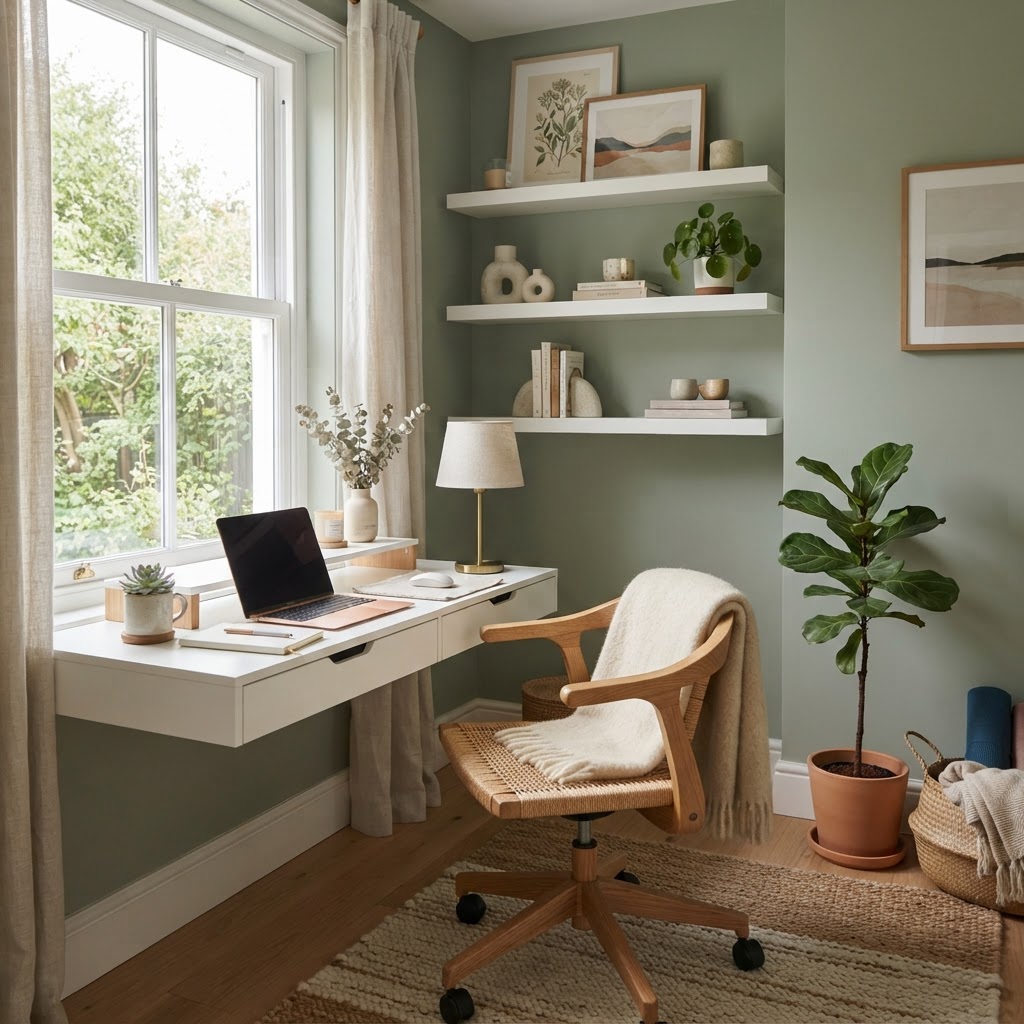
Sage green is an excellent color choice for small offices to encourage calm and focus.

Neutrals are the backbone of small apartment design for a reason. They provide a calm backdrop that allows your furniture and art to take center stage without visual clutter. Soft whites, creams, and pale grays create a seamless flow between different zones. This consistency is key when you want to make a room look bigger, as it eliminates the jarring transitions that can make a space feel chopped up or restricted.

Choosing the Right Neutral

Choosing the right shade depends heavily on the direction your windows face. North-facing rooms often receive cooler, bluer light, so opting for a cream-based white can add warmth. South-facing rooms enjoy golden light all day, which pairs beautifully with cooler gray tones. By balancing the light, you ensure your room feel is balanced and welcoming rather than sterile.

Adding Personality Without Shrinking the Walls

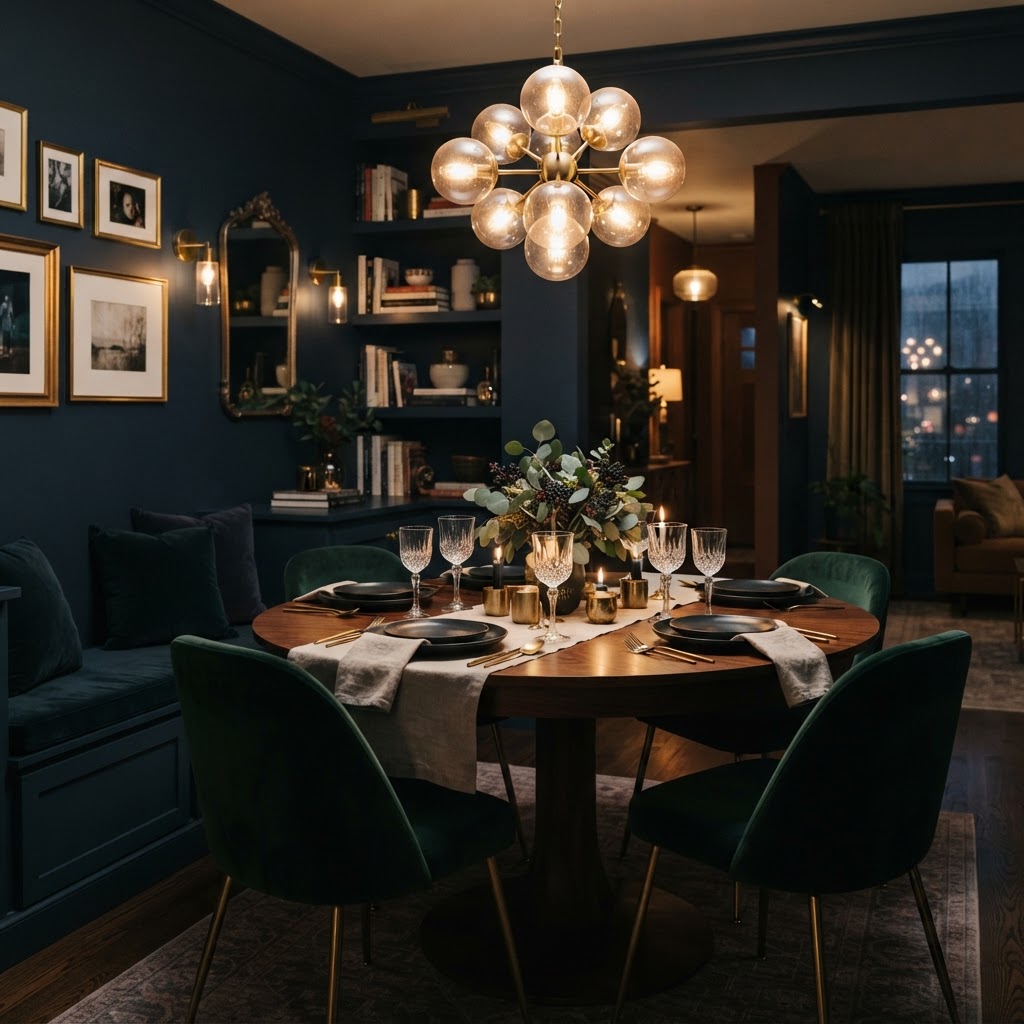
Moody colors can add depth and a cozy, intentional feel to limited spaces.

Many apartment dwellers worry that using colors beyond white will shrink their environment. However, this isn’t necessarily true. It is all about the intensity and undertones of the color. A deep navy or a forest green can actually add immense depth, making the edges of the room seem to recede. The trick is to treat these colors as a cocoon, embracing the cozy factor. When done correctly, moody tones can make a room feel sophisticated and intentional.

Utilizing Accent Walls

If you are nervous about painting an entire room, try a feature wall. This allows you to introduce color without overwhelming the square footage. Choose the wall that acts as the focal point, such as behind your bed or sofa. This adds depth, giving the eye a place to rest, which helps to ground the small room.

Addressing Common Apartment Paint Questions

If you have ever wondered what color paint do most apartment complexes use, you have likely encountered the classic ‘builder beige’ or ‘off-white.’ These are standard because they are versatile and easy to touch up. However, you don’t have to live with them. Regarding open floor plans, what is the best color to use in an open floor plan? Usually, a single, cohesive neutral is the best choice to ensure the area feels unified rather than disjointed.

Office and Living Spaces

What are some good colors for a small office space? Consider soft blues or sage greens, as these colors are known to promote focus and calm. When it comes to living rooms, stick to shades that reflect light but offer enough personality to keep the area from feeling like a waiting room. Finally, what color walls look good in small rooms? Light, airy tones remain the most effective for creating a sense of openness.

Techniques to Elevate Your Small Space

Beyond just the color on the wall, the finish you choose changes everything. A semi-gloss or satin finish reflects more light than a flat matte finish. By applying a slight sheen, you boost the airy quality of the room. Furthermore, painting your trim and moldings the same color as the walls can blur the boundaries between surfaces, causing the eye to travel further without stopping at corners.

Vertical Space Manipulation

If your apartment has low ceilings, try painting the ceiling a slightly lighter shade than the walls. This draws the eye upward, effectively ‘lifting’ the ceiling height. Combining this with vertical art installations or floor-to-ceiling curtains creates a streamlined look that feels significantly larger.

The Role of Coziness in Small Design

There is a fine line between a small apartment feeling cramped and feeling cozy. The difference is intention. When you fill your small room with textures, plants, and soft lighting, you transform a tiny box into a curated gallery of your life. Using warm, earthy tones can make the space feel secure and intimate. Do not fear being ‘cozy’—embrace it as a design style that celebrates the unique nature of your home.

Creating a Calm Sanctuary

In a busy city, your apartment should be a place where you can disconnect. Soft, muted colors like lavender-gray or dusty rose create a calm environment that helps lower stress. When your home is visually quiet, it feels more spacious because there is less ‘noise’ for your eyes to process.

Conclusion

Ultimately, selecting a paint color for your home is about how you want to live. Whether you prefer the airy, light-filled aesthetic of Scandinavian design or the moody, cozy atmosphere of a velvet-filled library, your walls are the most powerful tool you have. Don’t be afraid to experiment with samples and watch how the light moves through your rooms during the day. Small apartment living is a unique challenge, but with the right palette, you can create a home that feels expansive, beautiful, and entirely your own. Start your painting project this weekend and see how these simple color shifts change the way you interact with your space!
Warm Lighting Ideas for Small Apartments: Create a Cozy Space

Living in a compact residence does not mean you have to sacrifice the inviting atmosphere that makes a house feel like a home. In fact, your choice of lighting plays a monumental role in how your environment feels, particularly when working with limited square footage. The secret to elevating your home lies in mastering the art of warm light, which can instantly turn even the starkest corner into a sanctuary of relaxation. By carefully selecting your lighting fixtures, you can redefine your living room, bedroom, or entryway, making your small apartment feel significantly more spacious and significantly more inviting. This comprehensive guide will walk you through creative and practical strategies to enhance your living environment through thoughtful illumination, ensuring your home glows with personality and warmth.

The Power of Warm Lighting in Small Spaces

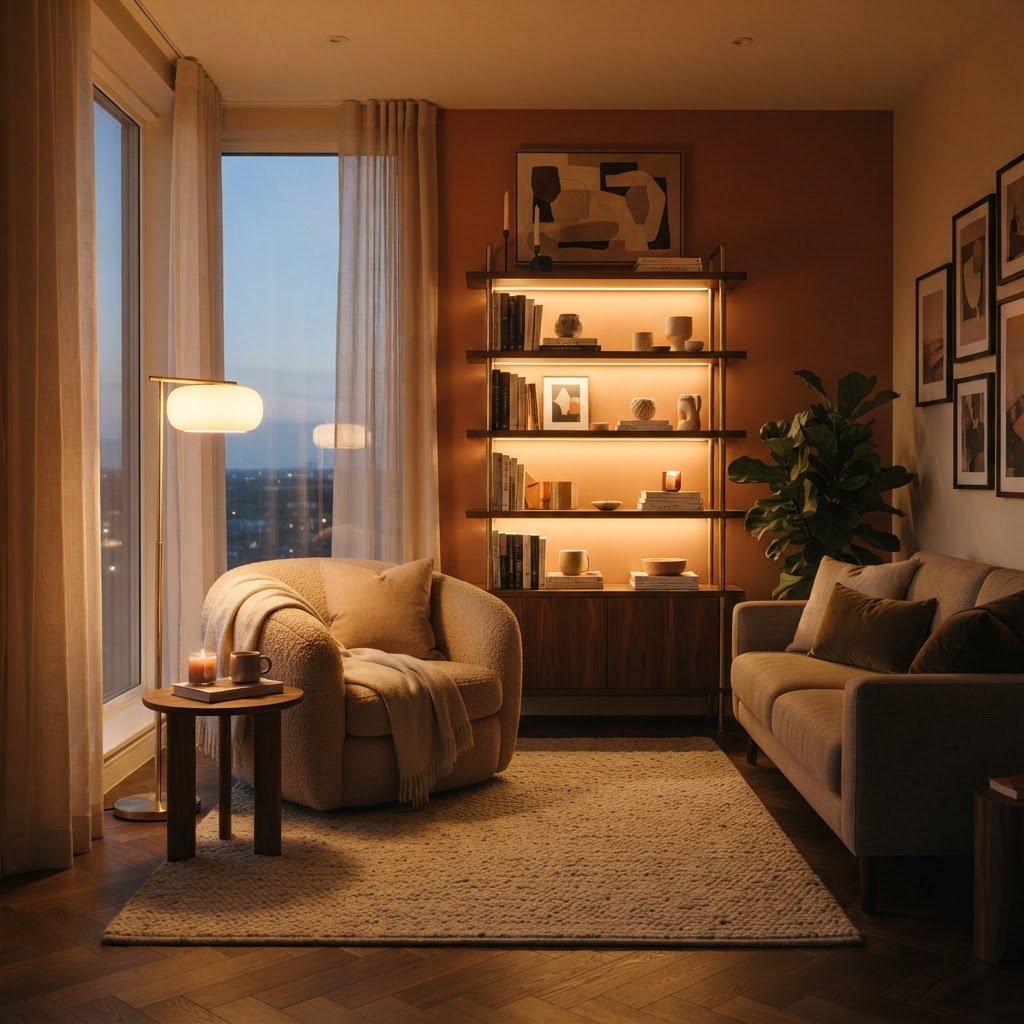
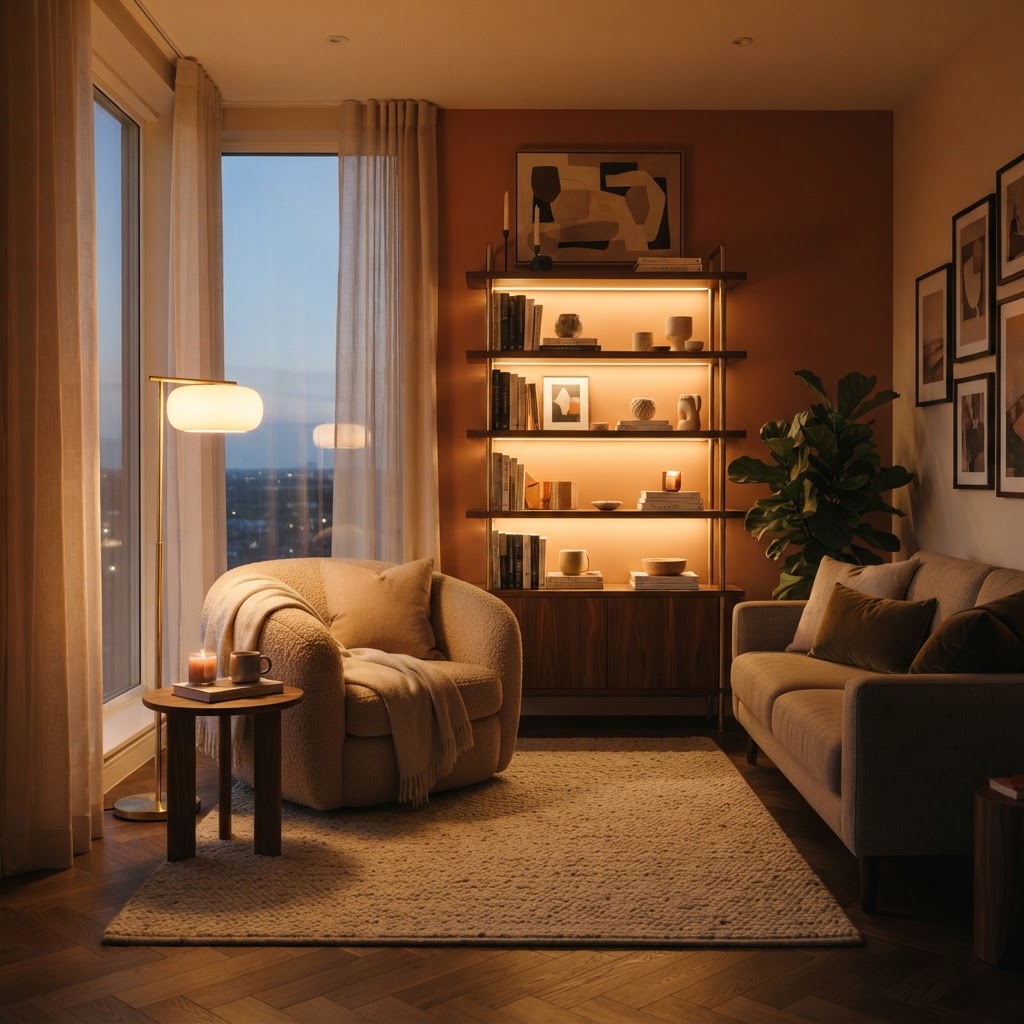
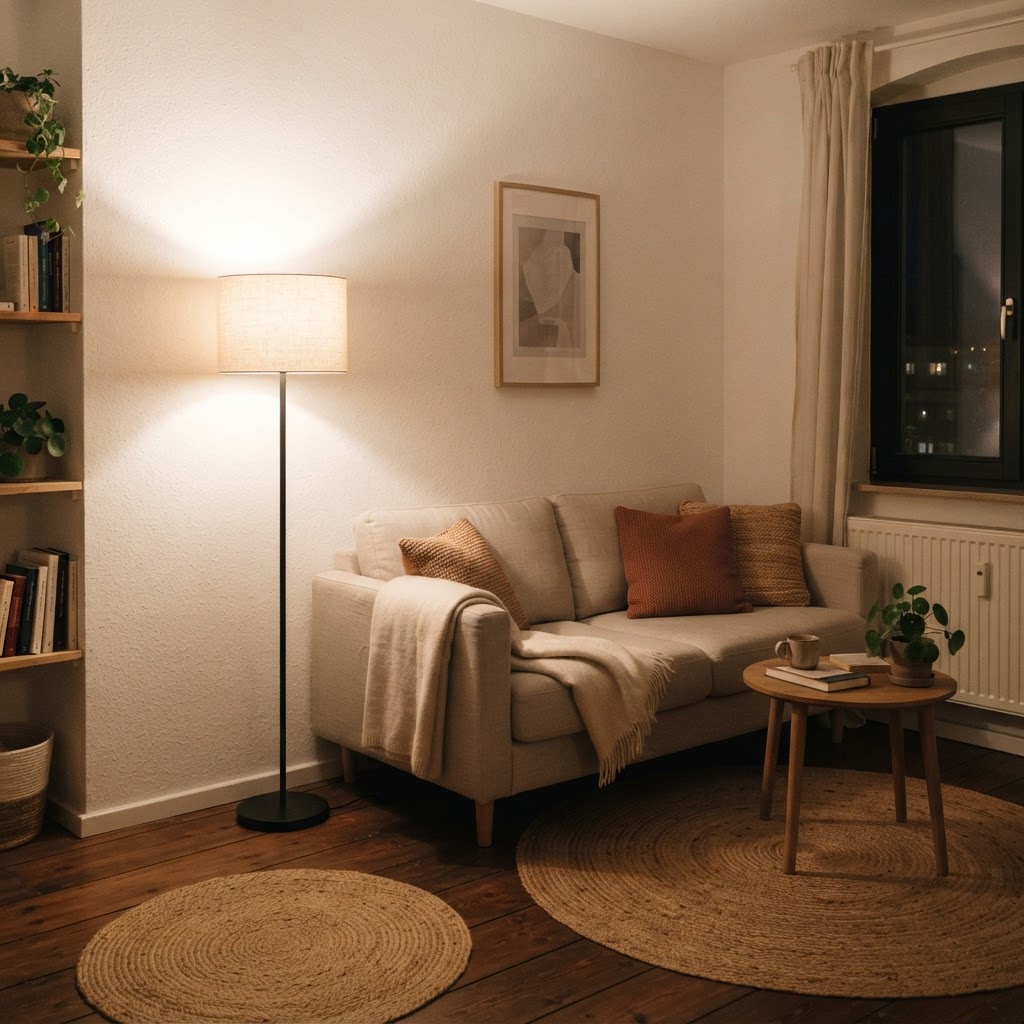
Layered lighting creates a cozy, multi-dimensional living room.

When we talk about warm light, we are referring to color temperatures typically between 2700K and 3000K, which mimic the gentle glow of a sunset. In a small space, harsh, bright white light can make surfaces feel flat and cold, often highlighting the limited nature of the floor plan. Warm lighting, conversely, softens sharp edges and creates a sense of depth that makes rooms feel more expansive. This type of lighting is essential for achieving a truly cozy atmosphere, as it invites relaxation and comfort the moment you walk through the door. Whether you are reading on the sofa or preparing a meal, the right temperature of your bulbs changes your mood and perception of the area.

Choosing the correct bulb is the first step in your lighting journey. Look for LED bulbs specifically labeled as warm white or soft white to ensure you get that honeyed, inviting glow rather than a sterile clinical feel. When you illuminate your home correctly, you hide minor imperfections in walls or furniture and highlight the textures of your decor, such as soft blankets or wooden surfaces, creating a layered, sophisticated look that feels intentionally designed rather than just a collection of items.

Layering Your Lighting for Depth

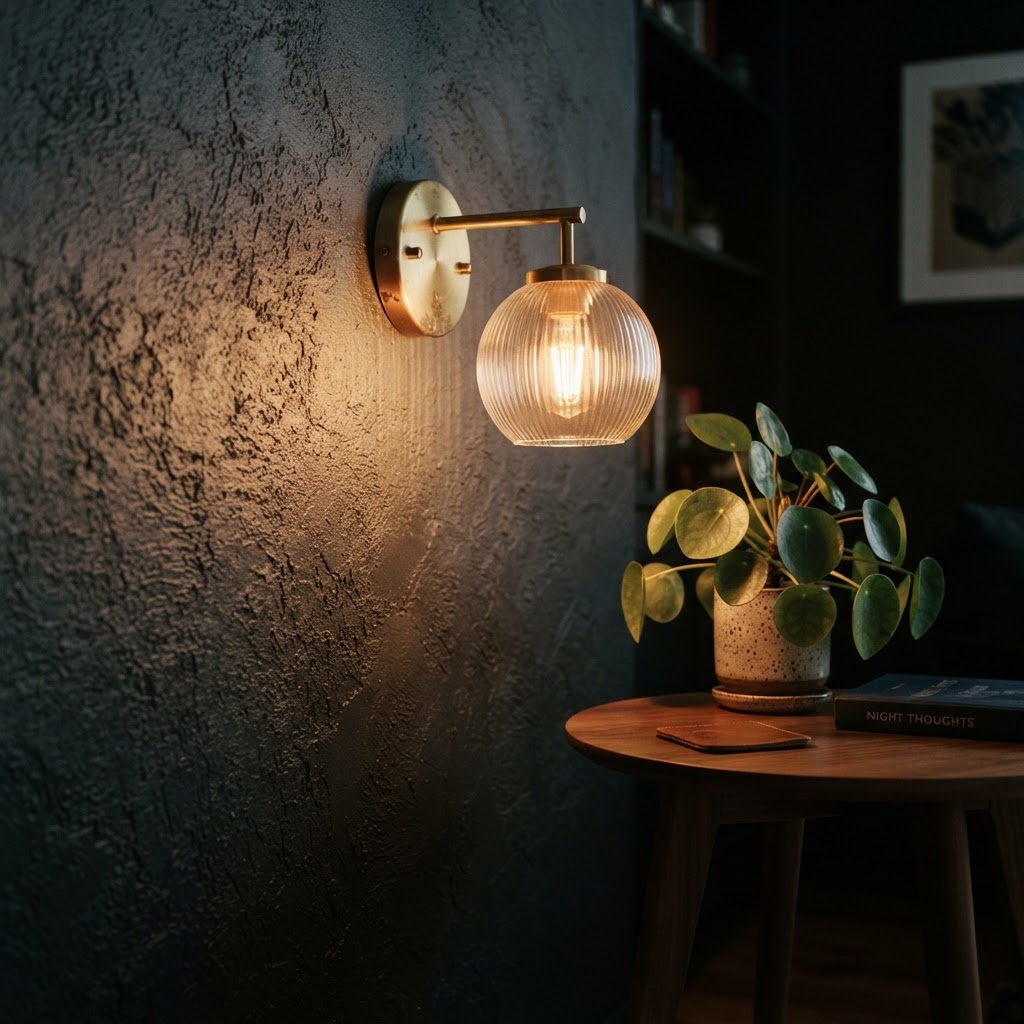
Wall-mounted sconces save space while adding sophisticated warmth.

To maximize the potential of your small apartment, you must embrace the concept of layered lighting. A single overhead ceiling fixture is rarely enough to create a balanced environment; it often casts harsh shadows and flattens the room. Instead, you should aim to incorporate at least three levels of lighting in every primary zone. This strategy allows you to control the mood throughout the day, whether you need bright, focused illumination for cleaning or a gentle, dim glow for unwinding in the evening. By combining different types of lights, you create an ambient environment that feels curated and cozy.

Start with your base level, which is usually provided by your existing ceiling fixture, and then add layers. Task lighting, such as a desk lamp or a reading light next to your sofa, provides functional brightness. Finally, add accent lighting to draw attention to specific pieces of decor, such as plants, art, or architectural features. This approach makes your small space feel larger by drawing the eye to various points of interest instead of focusing on the room’s total size, successfully tricking the mind into perceiving more depth and complexity within your living room.

Strategic Use of Floor and Table Lamps

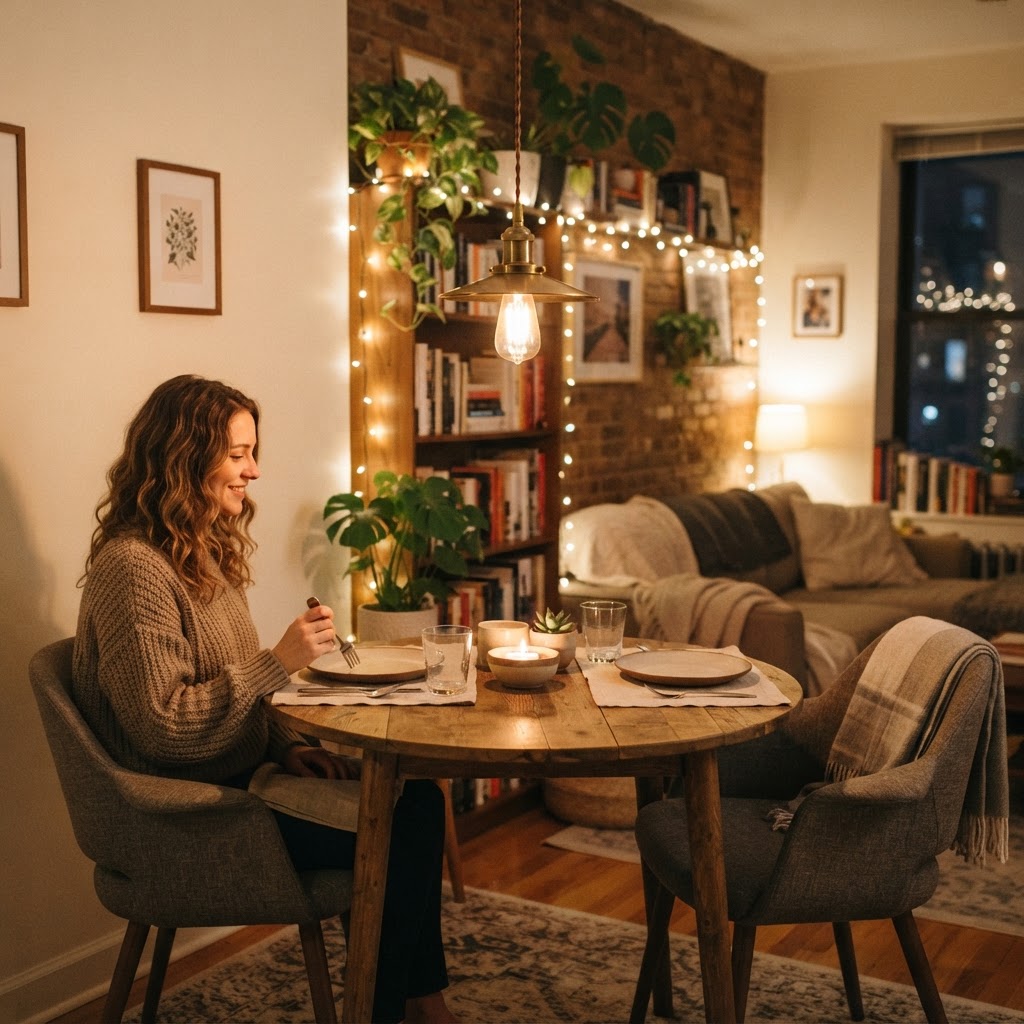
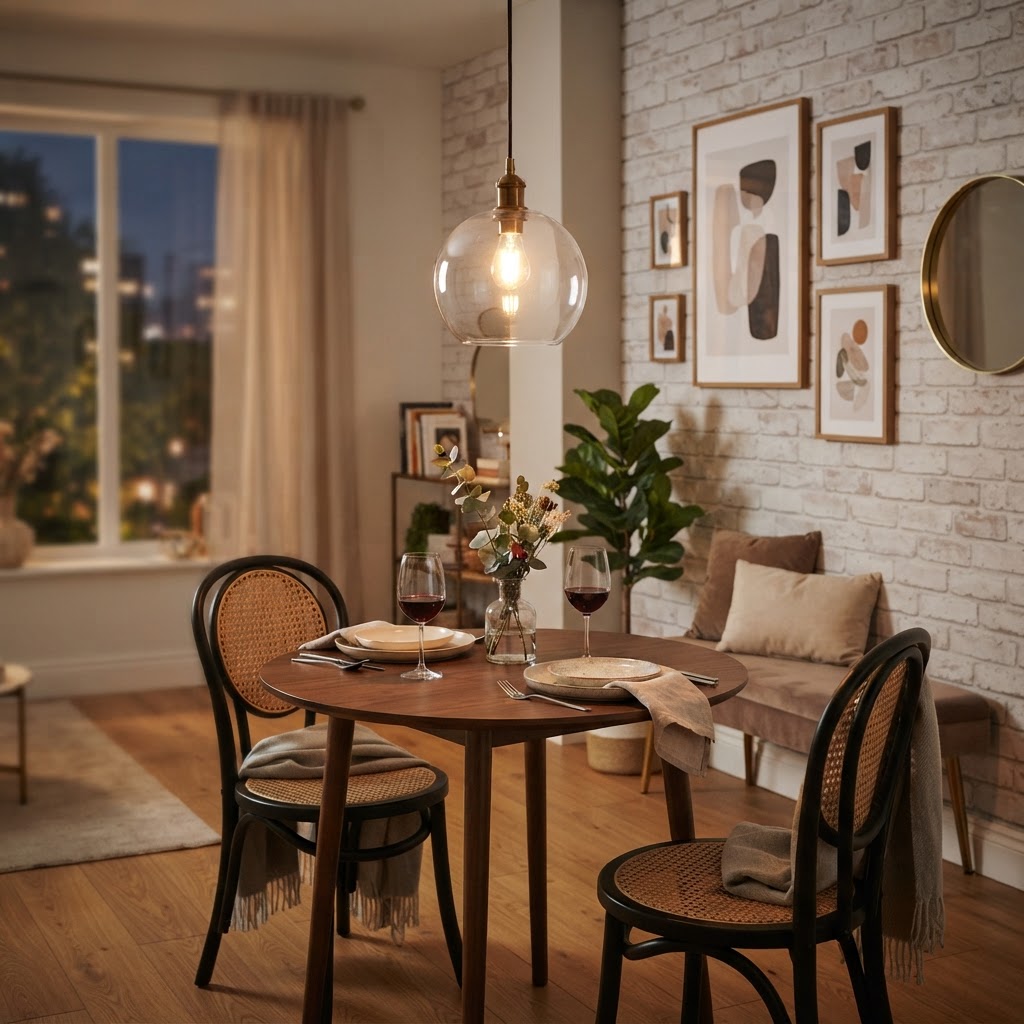
A warm pendant light transforms a small dining nook into a cozy retreat.

In a small apartment, floor space is a precious commodity, but that does not mean you should avoid floor lamps entirely. The key is to select sleek, space-saving designs that contribute to your decor without feeling bulky. A slender, arched floor lamp can serve as a stunning focal point in a corner, providing essential ambient lighting without occupying a massive footprint. Similarly, a well-placed table lamp can transform a plain side table into a warm, inviting oasis, adding a layer of decoration that feels both functional and stylish. These pieces are essential for managing how you illuminate specific zones.

Don’t be afraid to experiment with placement. A lamp on a console table near the entryway immediately sets a cozy tone, while a lamp positioned on low shelves can highlight your collections and create beautiful, diffused light that gently reflects off surfaces. By keeping your lighting at varying heights, you guide the eye vertically, making the ceiling seem higher than it actually is. This is a classic trick used by designers to make a small apartment feel more open and airy while maintaining that desired sense of intimacy and warmth.

Utilizing Strip Lighting and Hidden Glows

One of the most effective and modern lighting ideas involves the use of flexible LED light strips. These thin, versatile strips of light can be hidden under cabinets, behind televisions, or along the edges of open shelves, providing a subtle, indirect illumination that adds instant sophistication. Because they are hidden from direct view, they create a soft, ambient glow that feels incredibly professional and polished. Using these strips to highlight the perimeter of your furniture or the underside of your kitchen cabinets can create a sense of floating, which reduces visual clutter and contributes to a lighter, more open feel in a small apartment.

Installing strip lights is relatively simple and can completely transform the aesthetic of a room. For example, placing them behind your headboard can add a dramatic yet cozy effect to your bedroom, while installing them along the top of bookshelves can make your book collection look like an intentional display. This type of ambient lighting is perfect for evening relaxation, allowing you to dim the main lights and rely on these soft, hidden sources to maintain a calm and peaceful mood throughout your living space without overwhelming the senses.

Embracing Sconces and Wall Lighting

When your floor space is severely limited, look to your walls. Wall-mounted sconces are a brilliant solution for small apartments, offering both aesthetic appeal and practical lighting without encroaching on your living room furniture arrangement. Whether you choose plug-in models that require no electrical work or hardwired versions, sconces are perfect for bedside lighting, reading nooks, or illuminating artwork. By mounting them directly to the wall, you free up valuable surface space on nightstands or side tables, which helps the entire room feel much less crowded.

Sconces act as a piece of decor in themselves, contributing to the overall style of your home. A sleek metal fixture can add a modern edge, while a fabric-shaded sconce provides a classic, traditional feel. They are particularly effective when installed in pairs to frame a piece of furniture, such as a mirror or a sofa, creating a balanced and harmonious look. This technique draws the eye and emphasizes the symmetry of your arrangement, adding a level of architectural sophistication that can make even the most basic small apartment feel high-end and thoughtfully designed.

Lighting for Specific Zones

Your living room is often the heart of your home, and lighting it correctly is key to making it comfortable. For seating areas, prioritize cozy lighting that can be adjusted; consider using dimmers on your main fixtures. In the kitchen or dining nook, make sure your task lighting—such as pendants or under-cabinet lights—is bright enough for functionality, but always opt for warm-toned bulbs to keep the transition to other areas of the apartment seamless. Even a bathroom can be transformed; replacing a harsh vanity light with a warmer, more flattering option makes your morning routine feel significantly more luxurious.

Think about how you use each zone. A corner that is meant for reading needs a dedicated lamp, while an entryway might only need a decorative lantern that casts a welcoming, soft glow. Remember that every area of your apartment should feel connected. Consistency in your choice of color temperature is the secret to a cohesive look; if you have cool, bright blueish lighting in one area and deep, golden-orange lighting in the next, the flow of your small space will feel disjointed. By maintaining a consistent warm glow throughout, you create a harmonious environment that feels unified, spacious, and deeply comforting to live in.

Conclusion

Mastering warm lighting is perhaps the most transformative, cost-effective upgrade you can make in your small apartment. By moving beyond a single, harsh ceiling light and embracing a layered approach using floor lamps, wall sconces, and hidden LED strips, you can redefine your space entirely. These lighting ideas are designed to help you craft a home that is as beautiful as it is cozy, maximizing your limited area through clever decoration and strategic illumination. Start small by replacing your bulbs with warmer alternatives, and watch as your apartment instantly feels more inviting and tranquil. Ready to get started? Assess your current lighting today and identify which dark corners need a glow-up!

Colors That Make Small Rooms Look Bigger and Brighter

Living in a compact apartment often presents a unique challenge: how to balance comfort with the desire for an open, airy environment. Many people believe they are stuck with the footprint they have, but the secret to transforming your living space often lies on the walls. Choosing the right palette can fundamentally change how you perceive your home, turning tight quarters into a sanctuary that breathes. By understanding how light interacts with different hues, you can master the art of visual expansion.

The Science of Color and Depth

Light walls and sheer curtains create an airy feel.

When you want to make a small room feel larger, it is essential to understand the psychological effect of color. Light colors tend to reflect more illumination, which helps the eye perceive boundaries as further away than they actually are. Darker colors, while cozy, absorb light and can make walls feel like they are closing in on you. The goal is to trick the eye into seeing more depth, effectively pushing the perimeter of the room outward. If you choose your wall color wisely, you can eliminate that feeling where you might otherwise feel cramped.

Why Light Reflectance Matters

Light reflectance value (LRV) is a measurement that designers use to determine how much light a specific shade bounces back into the room. High LRV colors are your best friends in small spaces. They interact seamlessly with natural light, creating a bright and welcoming atmosphere. When natural light hits a pale, reflective wall, it disperses across the room, reducing shadows that typically define corners and make a space feel smaller. This is particularly effective in living rooms where you want the area to feel communal and open.

What Colors Are Good for Small Apartments?

Mirrors and light colors expand the visual depth.

White is the gold standard for a reason, but it is not the only option. Creamy off-whites, soft grays, and pale blues are excellent for making small rooms look bigger. These shades provide a neutral backdrop that allows your furniture to stand out without competing for visual attention. A monochromatic scheme, where you paint the walls, trim, and baseboards the same color, is a pro strategy to make the room look seamless. By removing the harsh lines between surfaces, the eye travels around the room uninterrupted, which makes a small space seem much larger.

The Power of Neutrals

If you prefer something warmer than white, consider greige, sand, or soft blush. These colors bridge the gap between sterile and cozy. They bring enough pigment to offer warmth but remain light enough to maintain that airy sensation. When you paint your ceiling in the same light tone as the walls, you effectively erase the “lid” of the room, creating an illusion of higher ceilings. This simple change is one of the most effective ways to make a small room feel grander.

Choosing the Right Couch and Decor

Neutral palettes help keep small spaces cohesive.

Many residents struggle with the question: what couch color makes a small living room feel larger? The secret is to match your furniture to the wall color. A massive dark navy couch in a white room will act as a visual anchor that stops the eye, effectively shrinking the room. If your walls are light, a light-toned sofa will blend into the background, allowing the floor area to feel continuous. Use colorful throw pillows or an accent wall with a textured wallpaper to add interest without sacrificing the sense of openness.

Color Trends and Future Looks

What color is replacing gray in 2026? As we move away from the cooler tones of the last decade, designers are pivoting toward warm, earthy neutrals. Think toasted almond, soft sage, and muted terracotta. These shades offer a grounded feel while still maintaining high light reflection. If you want your space feel more organic, these warmer neutrals are the perfect way to make the room feel modern yet expansive.

Strategies for Vertical Expansion

When trying to make a room look taller, your ceiling becomes a critical surface. Often, homeowners ignore the ceiling or paint it a standard flat white, but you can leverage it to your advantage. If your walls are a soft, pale color, painting the ceiling a shade or two lighter can draw the eye upward. This creates a vertical stretch that prevents the room from feeling like a box. Additionally, floor-to-ceiling curtains in a matching color can extend the wall, making the window and the wall look bigger simultaneously.

Using Gloss and Sheen

Don’t underestimate the finish of your paint. A satin or semi-gloss finish has a higher sheen than flat paint and therefore reflects more light. While flat paint hides imperfections, satin finishes are superior for small rooms because they behave like mirrors. Even a slight increase in sheen can help a room look more luminous. Use this on your trim or door frames to add subtle depth that helps the space feel more professional and intentional.

The Role of Natural Light

No matter what color you choose, natural light remains the ultimate tool. If your apartment lacks large windows, you must maximize what you do have. Avoid heavy drapes; instead, opt for sheer, light-filtering fabrics that let sunbeams permeate the interior. Position mirrors opposite windows to bounce that natural light back into the deeper parts of your apartment. This double-dip on light effectively makes the space feel twice as bright and much more expansive.

Managing Shadows

Dark corners can make a room feel smaller than it is. By painting corners and ceiling coves in light colors, you eliminate the shadows that trap the eye. Consider adding wall sconces or floor lamps to ensure that every part of the room is well-lit. When you combine high-reflectance paint with layered lighting, you ensure that no corner is left in the dark, which is vital to make a small room feel truly open.

Common Mistakes to Avoid

One common error is using too many different colors. When you introduce a high-contrast color scheme, you break the space into distinct blocks, which makes it feel segmented. Stick to a 60-30-10 rule: 60% dominant light color, 30% secondary neutral, and 10% accent. Another mistake is forgetting the floor. A light-colored rug or light wood flooring contributes to the overall light reflectance of the room, helping the space look more cohesive.

Keeping it Cohesive

Consistency is the secret to a professional-looking small apartment. If you have an open-concept living and dining area, try to carry the same color palette throughout both spaces. Even if you use a different shade in the bedroom, keeping the color temperature consistent (e.g., all warm or all cool) will make the transition between rooms feel fluid. This lack of interruption is the ultimate way to make the room feel larger than its physical dimensions.

Conclusion

Transforming your living environment is about more than just aesthetics; it is about creating a space that supports your mental well-being and lifestyle. By utilizing light-reflecting colors, choosing furniture that complements your wall color, and embracing the power of natural light, you can easily make a small room feel like a spacious retreat. Start by testing a few paint swatches on different walls to see how they change throughout the day. Remember, the best color for your home is one that reflects your personality while keeping the space feeling airy and open. Are you ready to pick your new palette? Head to your local hardware store today and grab a few samples to begin your transformation journey!

Small Apartment Color and Lighting Ideas to Brighten Spaces

Living in a compact area often feels like a puzzle where every square inch matters. When you are looking to maximize your home, the interplay between paint color and lighting becomes the most powerful tool in your design arsenal. Rather than feeling confined by your floor plan, you can use strategic design choices to manipulate perception and create an atmosphere that feels airy, open, and intentional. Mastering this balance is the secret to elevating any small apartment from a functional unit to a stylish personal retreat.

Understanding the Impact of Light and Tone

Light walls and sheer curtains create an airy feel.

The fundamental goal in any limited footprint is to manipulate depth and height. Color and light are not merely decorative elements; they are architectural tools. Dark colors tend to absorb light, which can make walls feel like they are closing in on you, while lighter tones reflect light, effectively pushing boundaries outward. By carefully selecting your palette and layering your sources of illumination, you can control the mood and scale of your environment.

The Science of Reflectivity

When light hits a surface, the color of that surface dictates how much of that light bounces back into your living rooms. High-reflectance colors like soft whites, pale creams, and light pastels act as mirrors for natural light. If you rely on artificial sources, pairing high-gloss or satin finishes with these colors will further amplify the glow, helping to soften corners that might otherwise feel shadowy.

What is the Best Color Scheme for a Small Apartment?

Strategic floor lamps add warm, layered lighting.

Choosing the right palette is the first step toward visual expansion. Many designers gravitate toward monochromatic schemes because they remove the “visual noise” of multiple contrasting colors. When your walls, trim, and large furniture pieces share a similar tonal range, the eye travels across the space without interruption, creating a seamless flow that tricks the brain into perceiving more square footage.

The Power of Neutrals

Soft greige, warm taupe, and crisp white remain the gold standards for a reason. These shades provide a neutral backdrop that makes art and textures pop without overwhelming the senses. If you fear a white room will look sterile, introduce warmth through natural wood tones, woven baskets, and linen textiles to add depth and personality.

How to Brighten Up a Small Apartment?

Mirrors and consistent palettes open up the room.

To effectively brighten a small apartment, you must address both your paint selection and your hardware choices. Start by removing heavy window treatments that block natural rays. Instead, opt for sheer curtains or roman shades that allow light to filter through. Combine this with mirrors strategically placed opposite windows to bounce light into the darker reaches of the floor plan.

Layering Your Lighting

Never rely solely on a single overhead “boob light.” Lighting design requires three layers: ambient, task, and accent. Use floor lamps in corners to push light upward, wall sconces to save floor space, and under-cabinet lighting in kitchens to eliminate dark shadows. This multi-layered approach ensures that every inch of your home feels intentional and visible.

Understanding the 3 Color Rule in Interior Design

Layered lighting highlights decor without clutter.

If you love color but worry about clutter, you should adopt the 60-30-10 rule. This strategy suggests that 60% of your room should be a dominant neutral, 30% should be a secondary color, and 10% should be a bold accent. This prevents the room from feeling chaotic and ensures that your chosen shades work in harmony rather than competing for dominance.

Executing the Ratio

In a small space, the 60% neutral should ideally be on your walls. The 30% secondary color can be integrated through an area rug or a set of curtains. Finally, the 10% accent is reserved for throw pillows, ceramics, or artwork. By keeping these elements balanced, you maintain a sense of calm while still injecting personality into your home.

What Color is Replacing Gray in 2026?

As interior trends shift, designers are moving away from the stark, cool grays that dominated the last decade. In 2026, the trend is shifting toward “warm earth tones” and “nature-inspired hues.” Specifically, soft sage greens, buttery yellows, and terracotta-infused neutrals are becoming the new favorites. These colors provide the same versatility as gray but add a layer of organic warmth that makes an apartment feel like a sanctuary.

Testing Your Palette

Before you commit to a full paint job, always buy samples. Paint a two-foot-by-two-foot square on different walls and observe how the color changes from morning to night. Light behaves differently in a small space depending on your orientation—north-facing rooms often have cooler light, while south-facing rooms get warmer tones.

Creating Visual Continuity in a Small Space

Consistency is the hallmark of a well-designed interior. If your apartment has an open floor plan, try to use the same color palette across the entire area. Transitioning between colors creates “choppiness,” which makes the footprint appear smaller. By carrying the same wall color through your living and dining areas, you create a cohesive “envelope” that feels expansive.

Mirrors as Architectural Elements

Mirrors are more than just reflective surfaces; they are essential tools for adding depth. A floor-to-ceiling mirror in a hallway can double the perceived width of the corridor, while a mirror hung behind a lamp reflects the light, effectively doubling your light source. When used correctly, these elements turn your home into a sophisticated play of light and reflection.

Conclusion

Design for a small space is all about intentionality. By utilizing light-reflective paint colors, layering your lighting with precision, and sticking to a disciplined color palette, you can create a home that feels significantly larger than it is. Remember, the goal is to create a flow that allows your eyes to rest rather than search for clutter. Are you ready to transform your living space? Start by painting one wall in a warm, light neutral or adding a floor lamp to a dark corner today, and watch your apartment breathe new life.

Best Lighting Ideas for Small Apartment Spaces

Living in a compact home presents unique design challenges, especially when it comes to illumination. Proper lighting is the secret ingredient that transforms a cramped area into a cozy sanctuary. By implementing smart lighting ideas, you can manipulate shadows, highlight architectural details, and create the illusion of more space. Whether you are dealing with low ceilings or a lack of natural windows, the right approach to lighting will define the mood of your living area.

The Power of Layered Lighting in Small Spaces

Use slim floor lamps to add light without sacrificing floor space.

When designing your home, thinking about lighting as a singular source is a common mistake. Instead, embrace the concept of layering. In a small apartment, you need to combine ambient, task, and accent lighting to create depth. Ambient light provides the base illumination, while task lights, such as a focused table lamp, assist with specific activities. Accent lighting then adds the finishing touch, drawing the eye to your favorite art pieces or shelves.

Layering allows you to control the atmosphere. By using multiple sources, you avoid the dreaded flat look that a single overhead fixture often produces. Consider installing dimmers on every light fixture to further refine your control over the mood throughout the day. A flexible strategy ensures your apartment feels functional during work hours and relaxing in the evenings.

Strategic Use of Floor Lamps and Table Lamps

Pendant lights help define specific zones in your small apartment.

Floor lamps are incredibly versatile, especially in a small apartment where floor real estate is limited. A sleek, minimalist floor lamp can tuck into a corner without cluttering the room. Look for designs that feature slim profiles or integrated shelving to maximize your utility. When choosing a lamp, consider its scale; an oversized item can overwhelm the space, while a well-proportioned piece enhances the room’s flow.

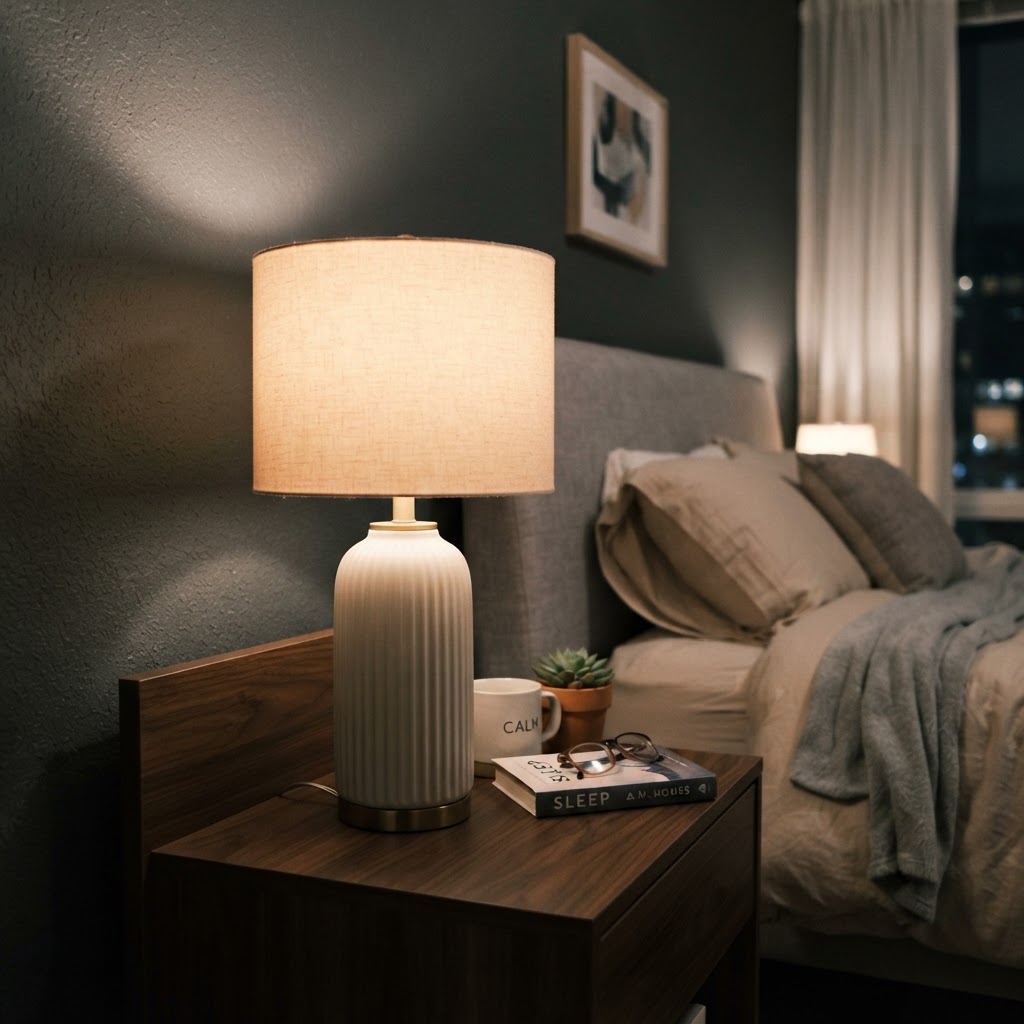
Table lamps are equally vital for creating cozy nooks. Placing a small table lamp on a nightstand or an end table adds a soft glow that creates intimacy. If you struggle with desk space, try a clamp-on lamp that attaches directly to your surface. These options keep your workspace organized and ensure you have sufficient light for reading or working late at night.

Making a Statement with Pendant Lights

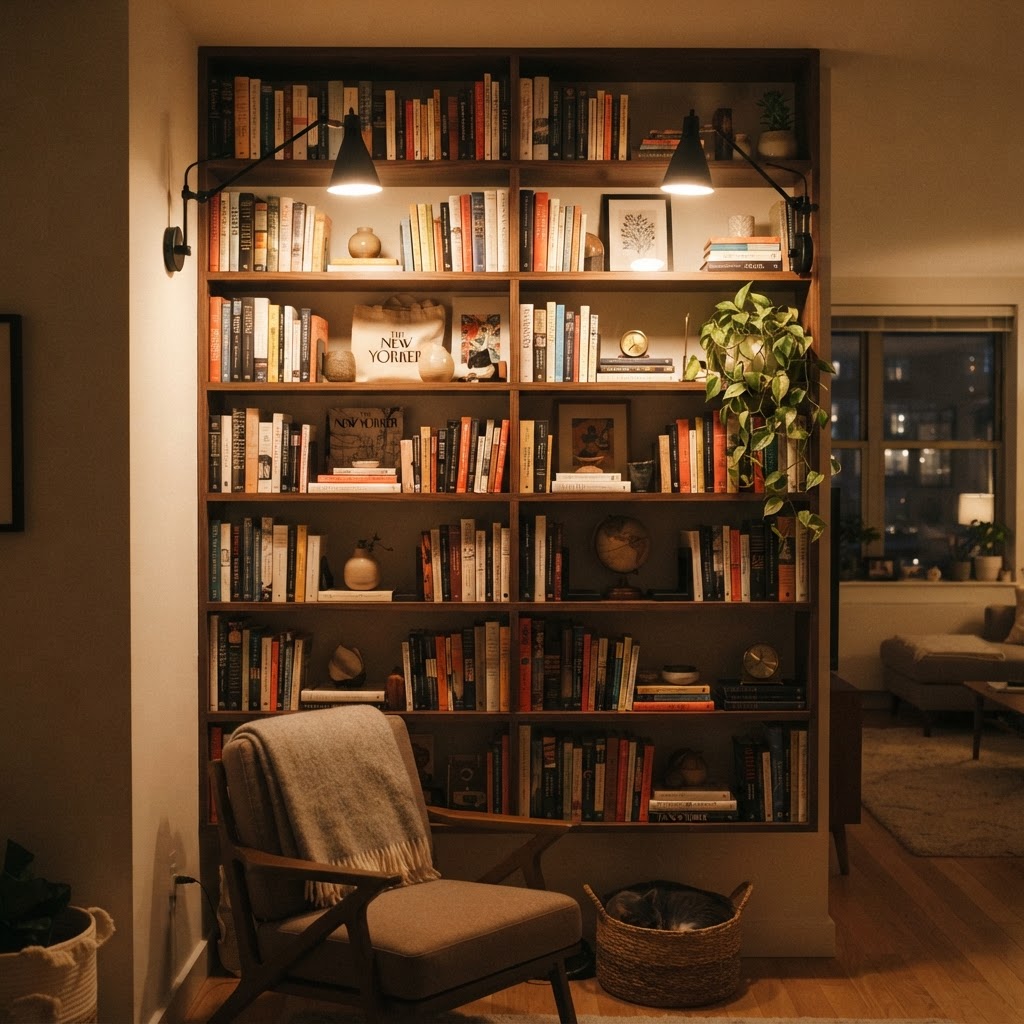
Wall sconces turn your bookshelf into a functional and stylish focal point.

Many renters worry that they cannot install a custom pendant light, but options exist for everyone. Pendant lights are excellent for defining specific zones, like a dining area or a kitchen island, without taking up precious counter or floor space. In a small apartment, choose a light fixture that is visually light and airy to prevent the room from feeling heavy.

If you cannot hardwire a new fixture, explore plug-in pendant options. These can be draped over a ceiling hook and plugged into a standard outlet, providing the same stylish look as a permanent installation. Focus on clear glass or perforated metal designs that allow light to permeate the room fully, maintaining the openness of your home.

Wall Sconces for Space-Saving Illumination

Table lamps add essential warmth and ambiance to your bedroom.

Wall sconces are the ultimate solution for tight quarters. By mounting your lights, you free up valuable surface area on bedside tables or desks. Modern sconces come in various styles, from industrial to minimalist, allowing you to tailor your decor perfectly. Many wall sconces now feature plug-in cords, making them a perfect solution for apartment living.

Installing these near your bookshelf can also add a sophisticated touch. A well-lit bookshelf makes your collection a focal point, drawing the eye upward and making the walls feel taller. Sconces provide a directed beam, which is perfect for reading or highlighting your favorite decor items without the need for bulky floor lamps.

Creative Accent Lighting and String Lights

For a touch of whimsy, string lights can do wonders. Often associated with casual decor, when used strategically, string lights add a warm, inviting glow that mimics the feeling of outdoor cafes. They are incredibly affordable and easy to install, making them a favorite for renters. Avoid the temptation to use too many; a subtle drape along a window frame or a bookshelf creates just enough interest.

Beyond string lights, consider LED strips tucked behind your TV or under your cabinets. This hidden light creates a soft, ambient effect that makes the space feel larger by pushing the boundaries of the walls. It is a subtle, high-impact choice that keeps your home feeling modern and clean. Remember that even the smallest glow contributes to the overall warmth of your environment.

Choosing the Right Bulbs for Your Apartment

Lighting is not just about the fixture; the bulb you choose dictates the quality of the light. Warm white bulbs (2700K-3000K) are generally preferred for living spaces, as they create a welcoming environment. Conversely, daylight bulbs can be too harsh and clinical. In a small apartment, you want a consistent color temperature across all your lights to keep the space feeling cohesive.

Additionally, consider the brightness or lumens of your bulbs. You do not need a blindingly bright light in every corner. Instead, focus on using higher lumens for task areas like the kitchen and lower lumens for relaxation areas. Dimmable smart bulbs are a fantastic investment, allowing you to adjust the intensity of your lighting based on the time of day or the activity you are performing.

Conclusion

Designing the perfect lighting scheme in a small apartment is a journey of balancing utility and aesthetic. By choosing the right mix of floor lamps, sconces, and overhead fixtures, you can redefine your space entirely. Start by identifying the areas that feel dark or cramped, and introduce targeted lighting solutions to brighten them up. Experimenting with different fixtures will make your home feel larger, more stylish, and truly your own. What lighting project will you start first? Share your photos with us and let us know your favorite tips in the comments below!

Small Rooms Look Bigger: Best Paint Color Ideas

Living in a compact environment does not mean you have to sacrifice style or comfort. Many homeowners struggle with the feeling of being closed in, but with the right interior design choices, you can completely transform your living space. The secret often lies in your choice of paint color, which serves as the foundation for your home’s entire aesthetic. By selecting the right tones, you can visually expand your boundaries, allowing your small rooms feel like airy, open sanctuaries rather than confined boxes.

The Power of Light and Color Psychology

Soft greige walls help this living room feel airy and expansive.

When you aim to make a small room feel larger, understanding how light interacts with your walls is crucial. Light colors are generally the best choice because they possess a higher light reflectance value, which helps them reflect light back into the space. This prevents the corners from appearing shadowy or cave-like. When your room looks brighter, it naturally feels more expansive and welcoming to anyone who enters.

Choosing the right wall color is about more than just personal preference; it is about manipulating perception. A soft, pale hue can blur the edges of your walls, making it difficult for the eye to track where the wall ends and the next begins. This creates the illusion of infinite space. If you are worried about your space feeling too sterile with white, consider soft pastels or very light cool tones that still provide depth while maintaining that airy quality.

Neutral Palettes for Cohesive Design

An accent wall can add character without sacrificing the feeling of space.

Neutral shades are the gold standard for small spaces for a good reason. They act as a blank canvas that allows your furniture and decor to shine without overwhelming the senses. Using a consistent, cohesive color palette throughout your home is an excellent trick to make the room look larger, as it eliminates visual clutter and creates a sense of flow from one area to the next.

Consider incorporating a shade like greige, which bridges the gap between warm gray and beige. Greige is incredibly versatile because it offers the warmth of brown with the modern, clean aesthetic of gray. By using this as your base, you ensure that even when you have multiple living rooms or distinct zones, they all feel connected and harmonious, which helps the entire space feels much larger than it actually is.

The Impact of Ceiling Color

Strategic use of mirrors and light paint makes any room look bigger.

One of the most overlooked elements in home design is the ceiling. Many people default to a flat white, but if you want to make a small room look bigger, you might need to think vertically. Painting your ceiling a shade that is lighter than your walls can draw the eye upward, effectively increasing the perceived height of the room.

If you want to create a more intimate and cozy atmosphere in certain small rooms, you could try painting the ceiling the same color as the walls. This removes the “boundary” line where the wall meets the ceiling, which can trick the eye into thinking the room is taller or at least less defined. This is a bold move, but it is one of the most effective ways to make the room feel seamless.

Maximizing Natural Light in Tight Areas

If your home suffers from a lack of windows, you need to be strategic. Reflecting light is your primary goal. Use high-gloss or semi-gloss finishes on trims or accent pieces to bounce any available natural light around the room. A space feels larger when it is well-lit, so be sure not to block your windows with heavy curtains that swallow up sunlight.

Mirrors are another great addition alongside your chosen paint color. When you place a large mirror opposite a window, it effectively doubles the amount of natural light entering the room. This combination of bright, reflective wall colors and clever mirror placement is a classic trick interior designers use to make a small room look bigger in seconds.

Incorporating an Accent Wall Properly

There is a common myth that accent walls are a big “no” for smaller homes. While you should avoid overly dark or busy wallpaper that can close off a room, an accent wall can actually add depth when done correctly. If you want to use a bold paint color, pick the wall that acts as the focal point—usually the one behind the bed or the sofa.

Keeping the other three walls a lighter, neutral tone ensures that the room maintains its breezy feel while gaining a punch of personality. This technique prevents the space from looking monotonous. When done with intent, it creates a focal point that keeps the viewer’s eyes from scanning the limited floor space too quickly, making the room appear more interesting and layered.

Final Tips for Spatial Perception

Beyond just paint, remember that furniture scale matters immensely. Low-profile furniture often works best in small rooms because it leaves more wall space visible. When more of the wall is exposed, the room looks more spacious. Always try to keep your floor clear; when the floor is visible, your brain perceives the room as larger.

Lighting is your final tool in the arsenal. Layered lighting—incorporating floor lamps, table lamps, and overhead fixtures—ensures there are no dark corners. Dark corners are the enemies of a small space, as they define the boundaries of the room. By lighting every corner, you push those boundaries back and make the room feel truly open.

Conclusion

Redesigning a compact apartment or home doesn’t require knocking down walls. By choosing the right paint color, maximizing your natural light, and keeping your design cohesive, you can significantly alter how your home feels. Focus on light-reflecting neutrals, consider the height of your ceilings, and always keep the space feeling uncluttered. You have the power to make your home feel like a sanctuary. Start by painting one room today and see how these simple shifts can transform your living experience!
Small Bedroom Ideas: How to Organize a Room With No Closet

Living in a small apartment often means compromising on square footage, and nowhere is that more apparent than in a bedroom with no closets. While the lack of a built-in closet space might feel restrictive, it actually offers a unique opportunity to curate your storage exactly how you want it. With the right design strategy, you can turn your cramped quarters into a stylish, efficient, and relaxing retreat. Whether you are dealing with a tiny studio or a historic apartment, these tips will help you reclaim your space and banish the clutter for good.

The Reality of a Bedroom Without a Closet

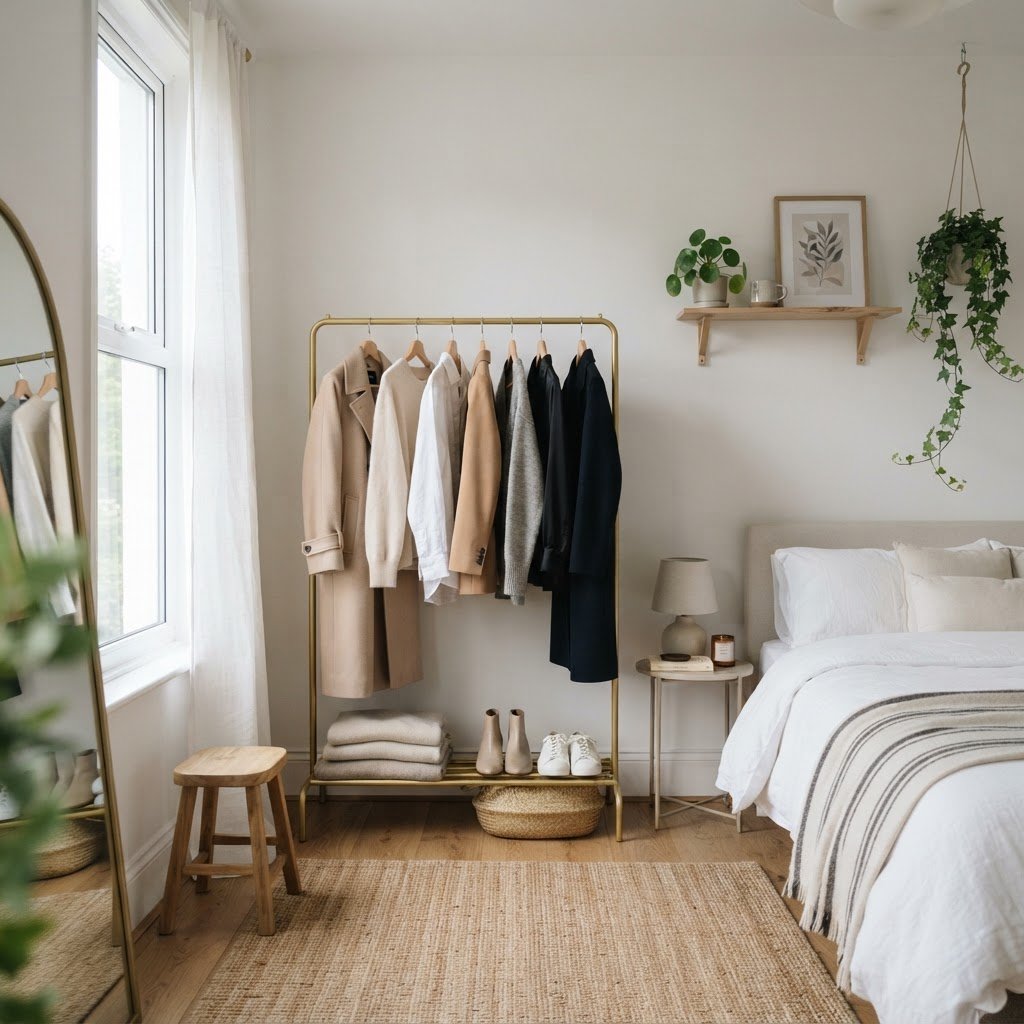
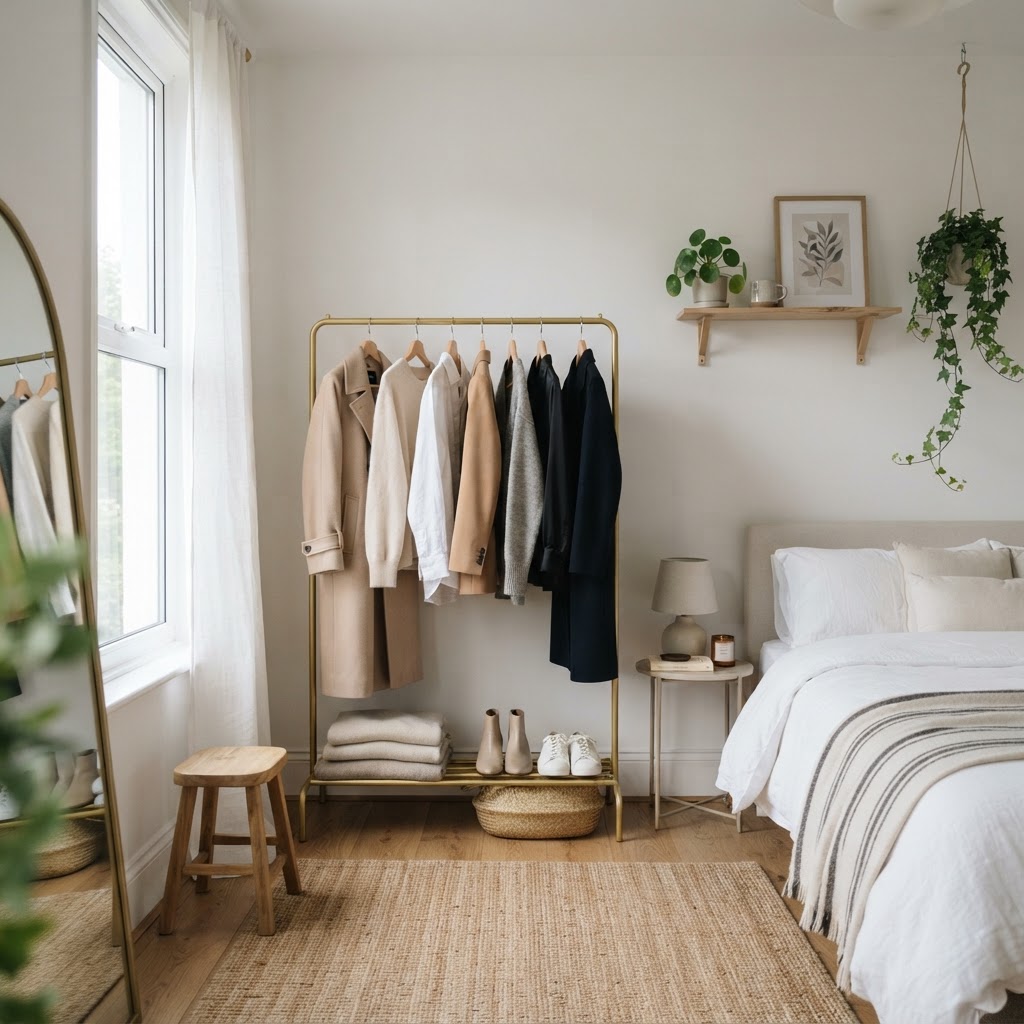
A stylish clothing rack serves as a chic closet alternative.

Can you have a bedroom without a closet? Absolutely. While real estate listings often emphasize closet space, many beautiful and functional rooms exist perfectly well without one. The challenge lies in rethinking how we store our personal items. Instead of relying on a hidden wall cavity, you must treat your clothing, shoes, and accessories as part of your interior design aesthetic. When you stop viewing the lack of storage as a deficit, you can start viewing it as a blank canvas for creative organizational displays.

Smart Furniture Alternatives for Clothing Storage

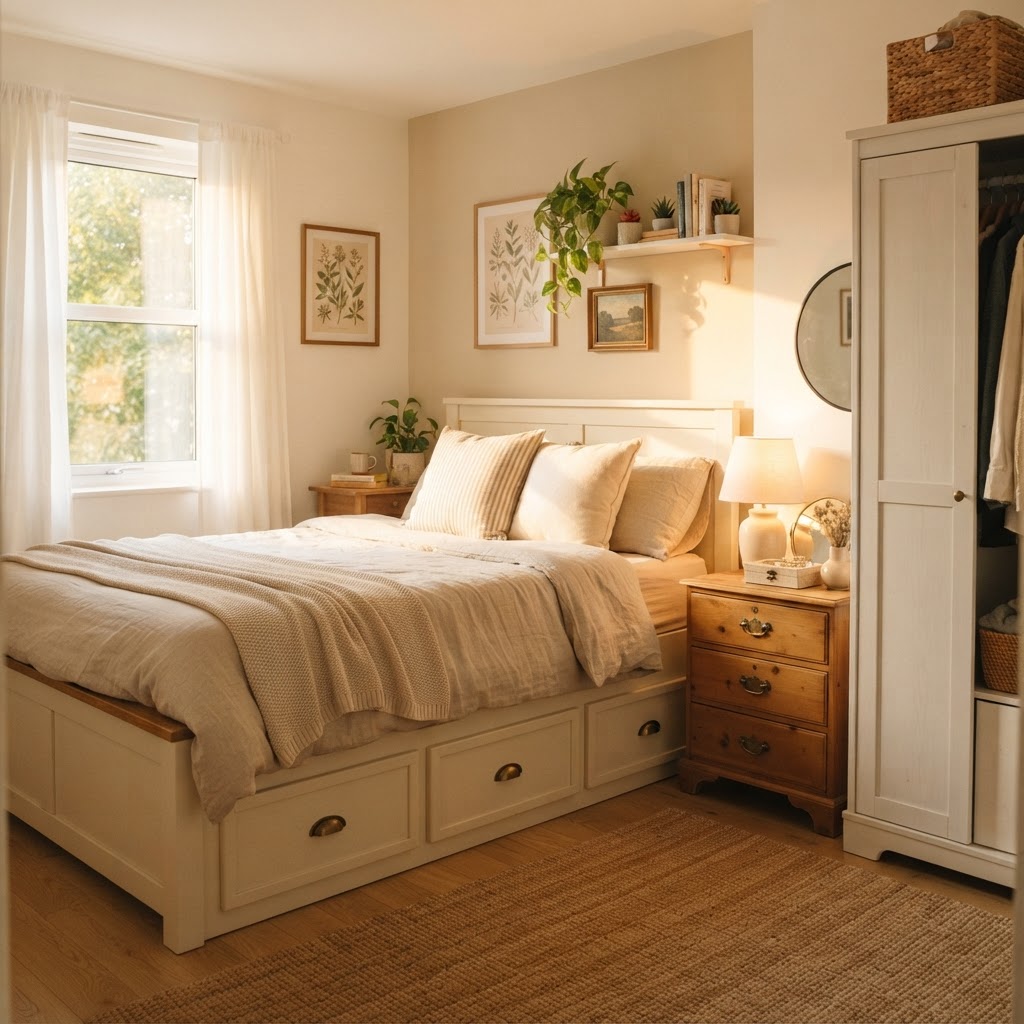
Multifunctional furniture is key to mastering small bedroom storage.

When you don’t have a built-in closet, your choice of furniture becomes the most critical factor in your room’s success. A multifunctional piece of furniture is essential. Look for a bed frame that features built-in storage drawers beneath the mattress to house your off-season clothing or bulky linen. This single change effectively adds the equivalent of a small dresser to your room without consuming any extra floor space.

If you have enough room, a tall armoire or a dedicated wardrobe is the gold standard for replacing a traditional closet. Unlike a small dresser, a wardrobe allows for hanging clothes, keeping your garments wrinkle-free and organized. Choose a design that reaches toward the ceiling to maximize vertical storage, and look for units that offer a mix of shelves and drawers to accommodate different types of apparel.

Utilizing Vertical Space for Maximum Efficiency

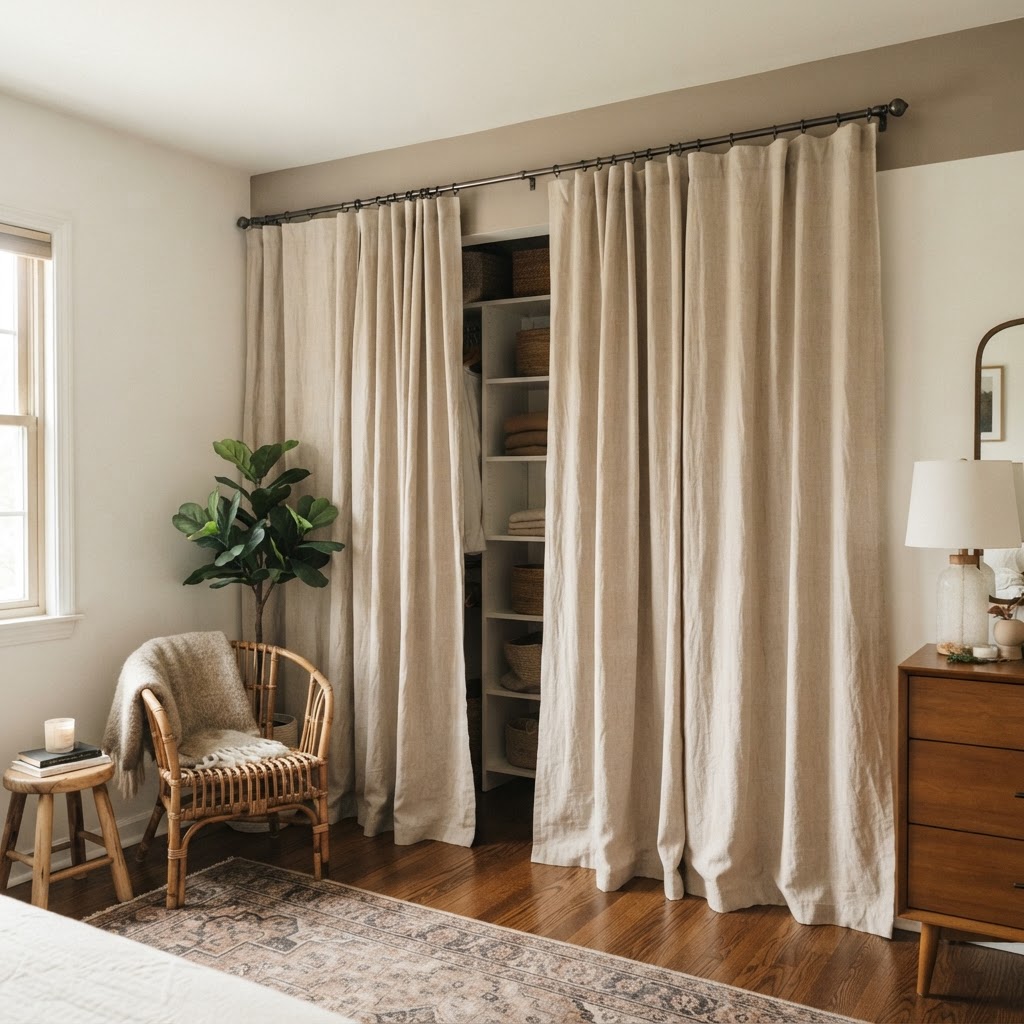
Use curtains to elegantly conceal your storage area.

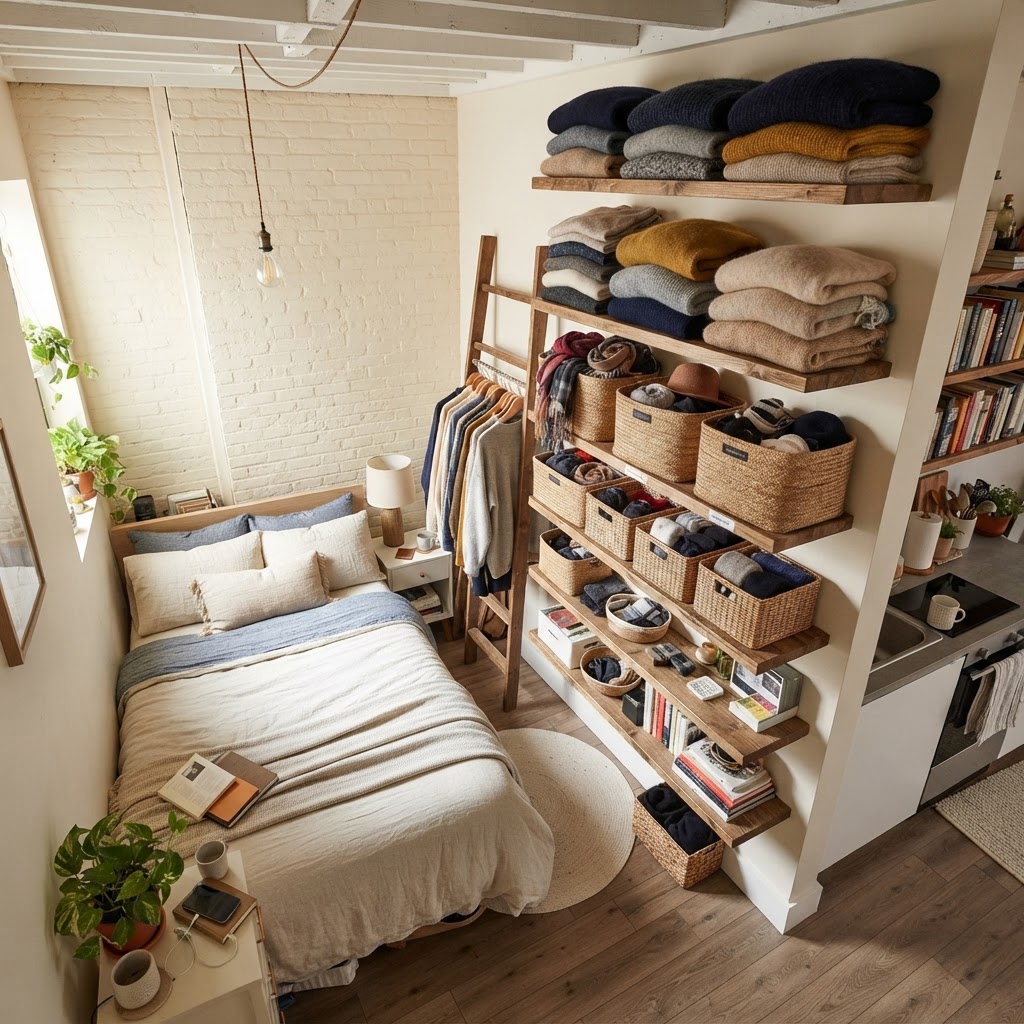
In a small room, floor space is a precious commodity. If you cannot expand outward, you must expand upward. Installing a high shelf or a series of brackets along the upper perimeter of your room can act as a home for storage boxes containing items you don’t use daily. You can also utilize a wall-mounted rod for hanging clothes, which creates an industrial-chic boutique look that saves significant space.

Another clever trick is to use an open-concept shelving unit from brands like ikea to create a room divider. This helps to segment your sleeping area while providing open shelves for folded items. Add a decorative basket to these units to tuck away smaller items like scarves or hats, keeping the visual clutter to a minimum. Remember, when everything has a designated home, even the smallest bedroom will feel intentional and calm.

What Can I Use Instead of a Closet?

Vertical shelving maximizes storage in tight bedrooms.

If you are wondering what can I use if my bedroom doesn’t have a closet, the answer is limited only by your imagination. A portable garment rack is a common and affordable solution. These racks are easy to move, allow for easy access to hanging clothes, and can be easily tucked away behind a decorative screen if you want to conceal your wardrobe from the rest of the bedroom.

Alternatively, consider installing a wall-mounted cabinet. A sleek, wall-hung cabinet can serve as a jewelry box or a spot for folded linen. If you have a specific wall behind your bed, a custom headboard with built-in cubbies can serve as a nightstand and a bookshelf combined, freeing up space elsewhere in the room for a dresser or additional storage units.

Creative Ways to Organize a Bedroom

Organizing a room without a closet requires a disciplined approach to decluttering. If your bedroom is small, you simply cannot afford to keep items you do not use. Start by rotating your wardrobe seasonally. Use vacuum-sealed bags for your heavy winter linen during the summer months, and store these under your bed or on a high shelf.

Focus on modular systems that can grow with your needs. A simple bookshelf can easily be transformed into a shoe rack or a display for your accessories. By keeping the floor clear, you create the illusion of a larger small bedroom, which makes the entire environment feel more peaceful and less chaotic.

How to Make a Closet in a Room That Doesn’t Have a Closet

If you are handy and want a more permanent solution, you can build your own closet. By framing out a small section of a wall, you can create a reach-in closet that looks like it was part of the original blueprint. Even if you don’t want to do full construction, you can use tension rods or curtain tracks mounted to the ceiling to hang drapes around a section of your wall. This creates a soft, fabric-covered closet space that hides your hanging clothes entirely from view.

Focus on lighting within your new storage area to make it feel high-end. Battery-operated LED strips can provide excellent visibility in a dark corner or inside your improvised wardrobe. When you put effort into the details, your closet-less bedroom will feel like a deliberate style choice rather than a compromise.

Conclusion

Living in a bedroom with no closets doesn’t mean you have to sacrifice your style or your storage capacity. By integrating smart furniture like a bed frame with drawers, vertical shelving units, and efficient wardrobe alternatives, you can create a space that is both functional and beautiful. Every small bedroom has hidden potential waiting to be unlocked. Start by assessing your current storage needs today, choose one of these organization methods, and transform your room into the organized sanctuary you deserve. Take control of your storage today and see how much more relaxing your home can be!