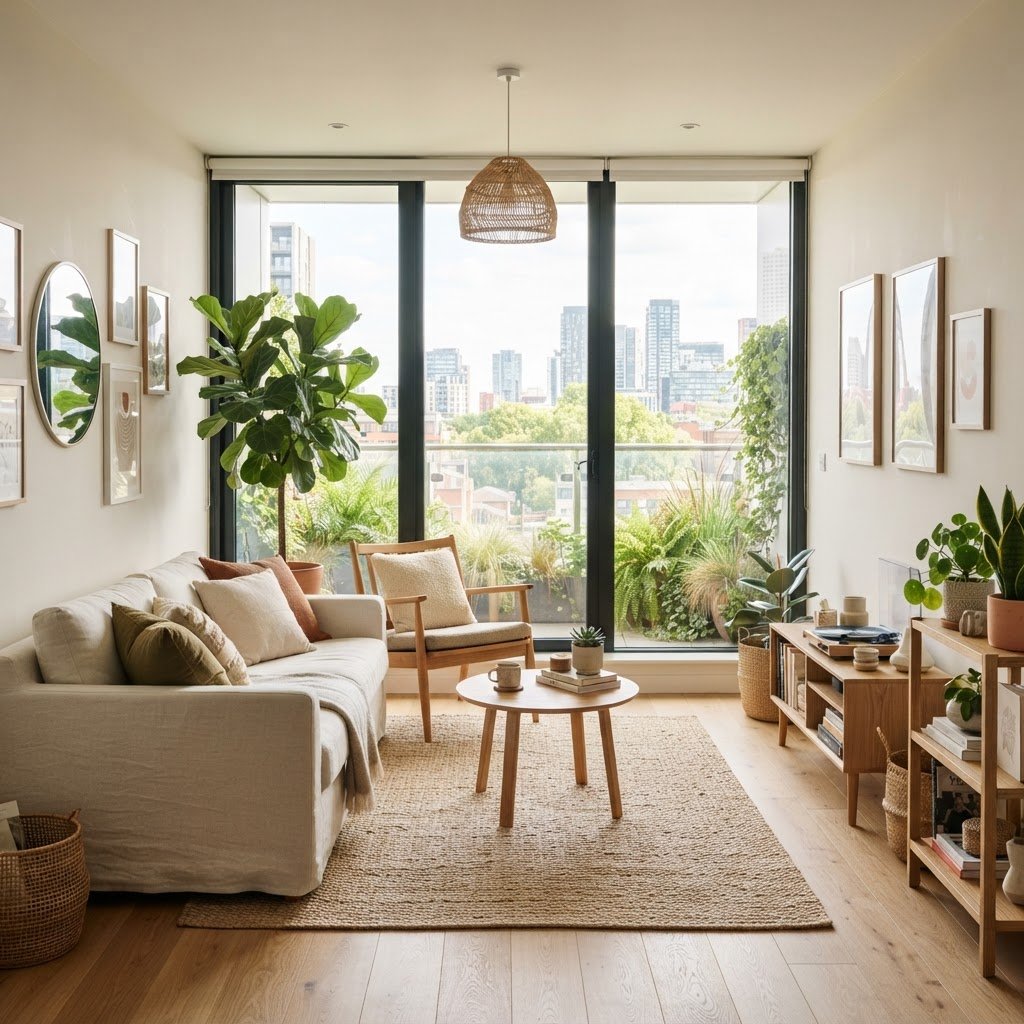
Living in a smaller apartment doesn’t mean you have to sacrifice style or comfort. In fact, many designers agree that limited square footage is an opportunity to get creative with your home decor. One of the most impactful ways to influence the atmosphere of your home is through your selection of wall tones. The right paint color can act as a catalyst, shifting how you perceive your boundaries and helping you make the room feel much larger than it actually is. By understanding how light interacts with different pigments, you can curate a home that feels both expansive and deeply personal.
The Science of Light and Small Space Design
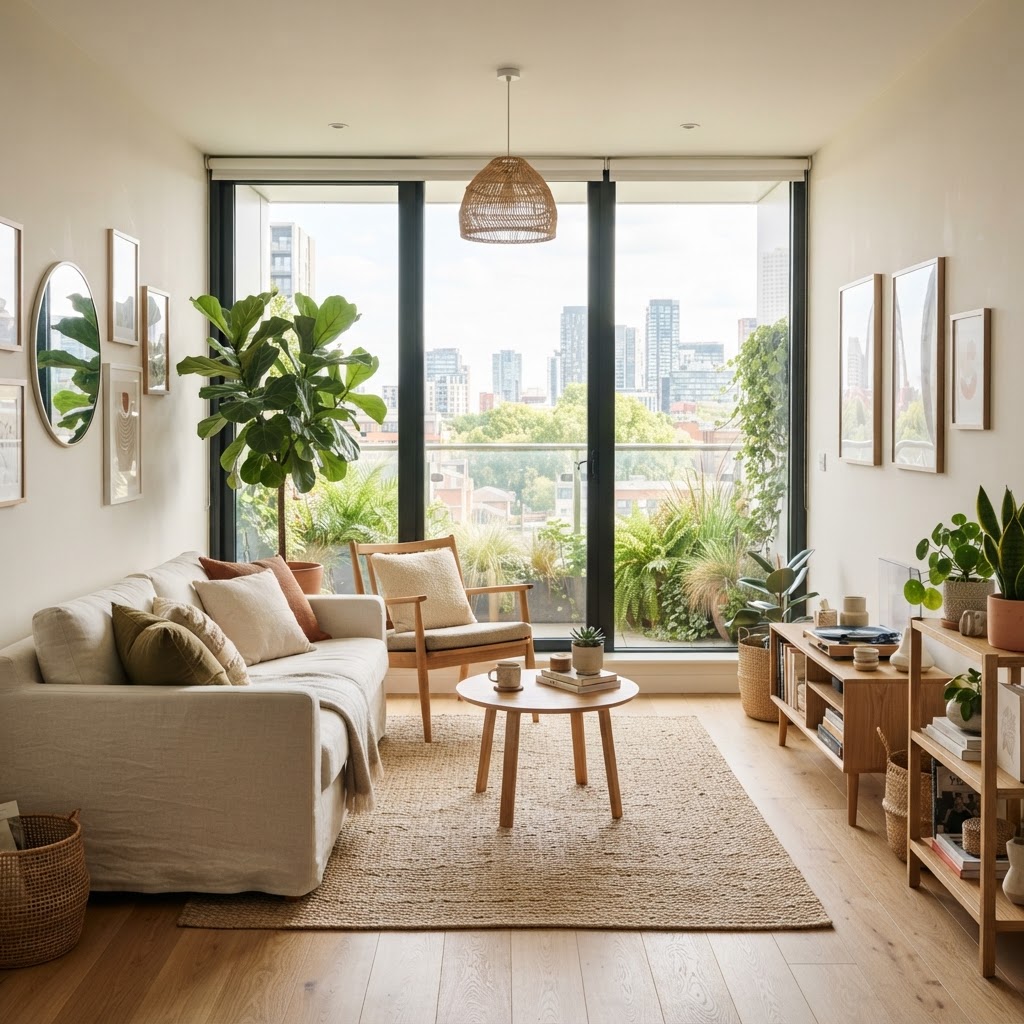
When you are looking to make the space feel more open, the primary goal is to manipulate light. Light colors are often the go-to choice because they reflect illumination rather than absorbing it. By choosing a high-quality paint color with a high light reflectance value (LRV), you can create an illusion of depth that pushes walls back visually. When you utilize natural light to its fullest potential, you invite the outdoors in, creating an airy atmosphere that feels clean and modern.
Why Reflectance Matters
Think of your walls as a canvas for the sunshine entering your windows. If your walls are dark, they soak up that light, which can create a tunnel effect. Conversely, lighter shades bounce that energy around the room. This simple physics trick is exactly how professionals make the room feel more significant. If you have limited windows, prioritize crisp whites or very pale grays to maximize every ounce of available brightness.
Neutral Tones: The Foundation of Spaciousness
Neutrals are the backbone of small apartment design for a reason. They provide a calm backdrop that allows your furniture and art to take center stage without visual clutter. Soft whites, creams, and pale grays create a seamless flow between different zones. This consistency is key when you want to make a room look bigger, as it eliminates the jarring transitions that can make a space feel chopped up or restricted.
Choosing the Right Neutral
Choosing the right shade depends heavily on the direction your windows face. North-facing rooms often receive cooler, bluer light, so opting for a cream-based white can add warmth. South-facing rooms enjoy golden light all day, which pairs beautifully with cooler gray tones. By balancing the light, you ensure your room feel is balanced and welcoming rather than sterile.
Adding Personality Without Shrinking the Walls
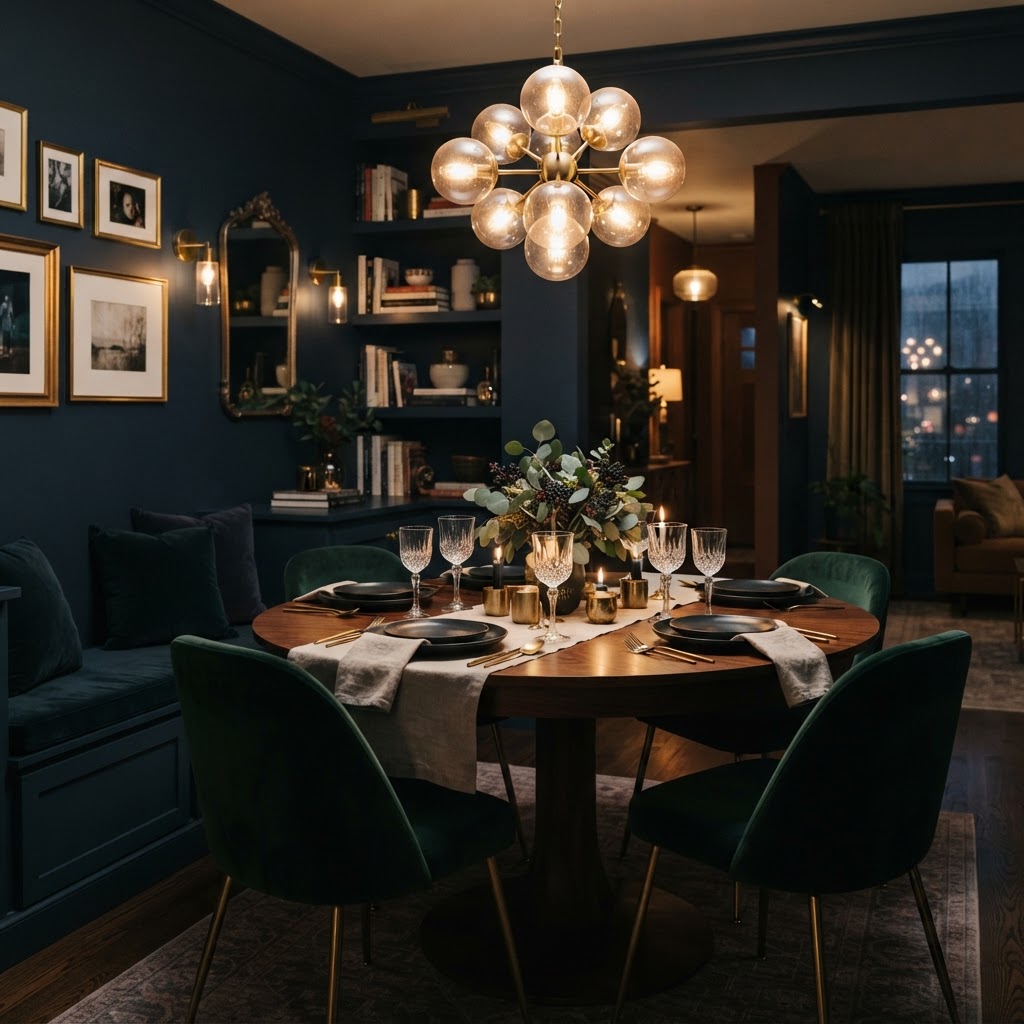
Many apartment dwellers worry that using colors beyond white will shrink their environment. However, this isn’t necessarily true. It is all about the intensity and undertones of the color. A deep navy or a forest green can actually add immense depth, making the edges of the room seem to recede. The trick is to treat these colors as a cocoon, embracing the cozy factor. When done correctly, moody tones can make a room feel sophisticated and intentional.
Utilizing Accent Walls
If you are nervous about painting an entire room, try a feature wall. This allows you to introduce color without overwhelming the square footage. Choose the wall that acts as the focal point, such as behind your bed or sofa. This adds depth, giving the eye a place to rest, which helps to ground the small room.
Addressing Common Apartment Paint Questions
If you have ever wondered what color paint do most apartment complexes use, you have likely encountered the classic ‘builder beige’ or ‘off-white.’ These are standard because they are versatile and easy to touch up. However, you don’t have to live with them. Regarding open floor plans, what is the best color to use in an open floor plan? Usually, a single, cohesive neutral is the best choice to ensure the area feels unified rather than disjointed.
Office and Living Spaces
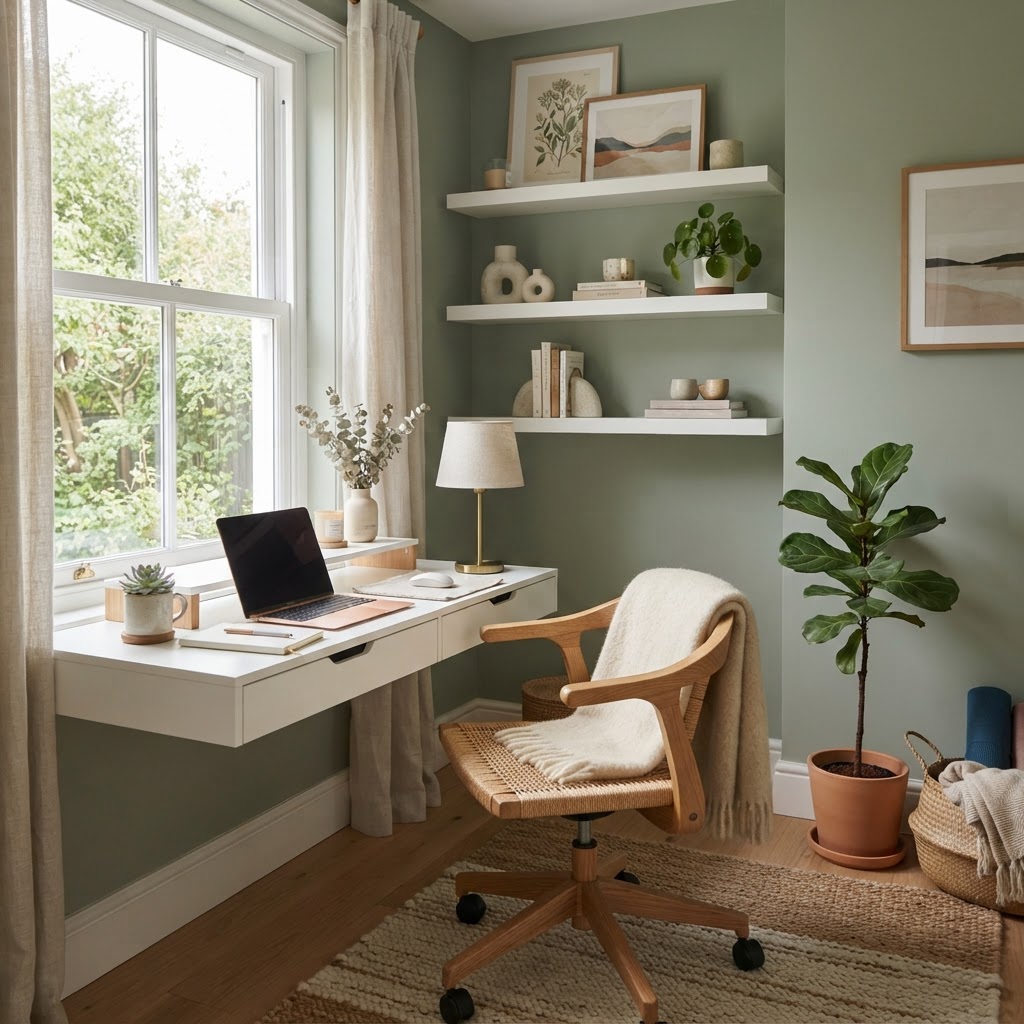
What are some good colors for a small office space? Consider soft blues or sage greens, as these colors are known to promote focus and calm. When it comes to living rooms, stick to shades that reflect light but offer enough personality to keep the area from feeling like a waiting room. Finally, what color walls look good in small rooms? Light, airy tones remain the most effective for creating a sense of openness.
Techniques to Elevate Your Small Space
Beyond just the color on the wall, the finish you choose changes everything. A semi-gloss or satin finish reflects more light than a flat matte finish. By applying a slight sheen, you boost the airy quality of the room. Furthermore, painting your trim and moldings the same color as the walls can blur the boundaries between surfaces, causing the eye to travel further without stopping at corners.
Vertical Space Manipulation
If your apartment has low ceilings, try painting the ceiling a slightly lighter shade than the walls. This draws the eye upward, effectively ‘lifting’ the ceiling height. Combining this with vertical art installations or floor-to-ceiling curtains creates a streamlined look that feels significantly larger.
The Role of Coziness in Small Design
There is a fine line between a small apartment feeling cramped and feeling cozy. The difference is intention. When you fill your small room with textures, plants, and soft lighting, you transform a tiny box into a curated gallery of your life. Using warm, earthy tones can make the space feel secure and intimate. Do not fear being ‘cozy’—embrace it as a design style that celebrates the unique nature of your home.
Creating a Calm Sanctuary
In a busy city, your apartment should be a place where you can disconnect. Soft, muted colors like lavender-gray or dusty rose create a calm environment that helps lower stress. When your home is visually quiet, it feels more spacious because there is less ‘noise’ for your eyes to process.
Conclusion
Ultimately, selecting a paint color for your home is about how you want to live. Whether you prefer the airy, light-filled aesthetic of Scandinavian design or the moody, cozy atmosphere of a velvet-filled library, your walls are the most powerful tool you have. Don’t be afraid to experiment with samples and watch how the light moves through your rooms during the day. Small apartment living is a unique challenge, but with the right palette, you can create a home that feels expansive, beautiful, and entirely your own. Start your painting project this weekend and see how these simple color shifts change the way you interact with your space!

Leave a Reply