Archives 2026

Galley Kitchen Organization Tips for Narrow Apartments

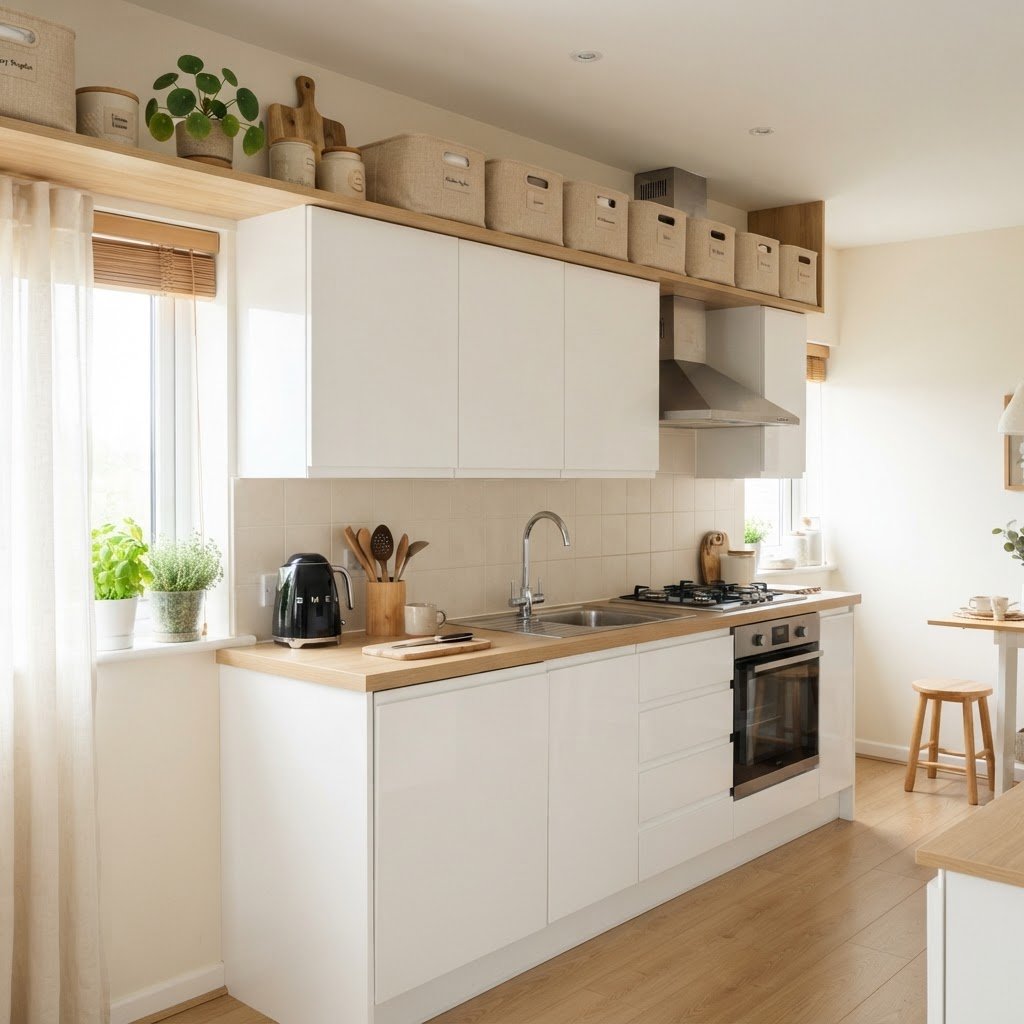
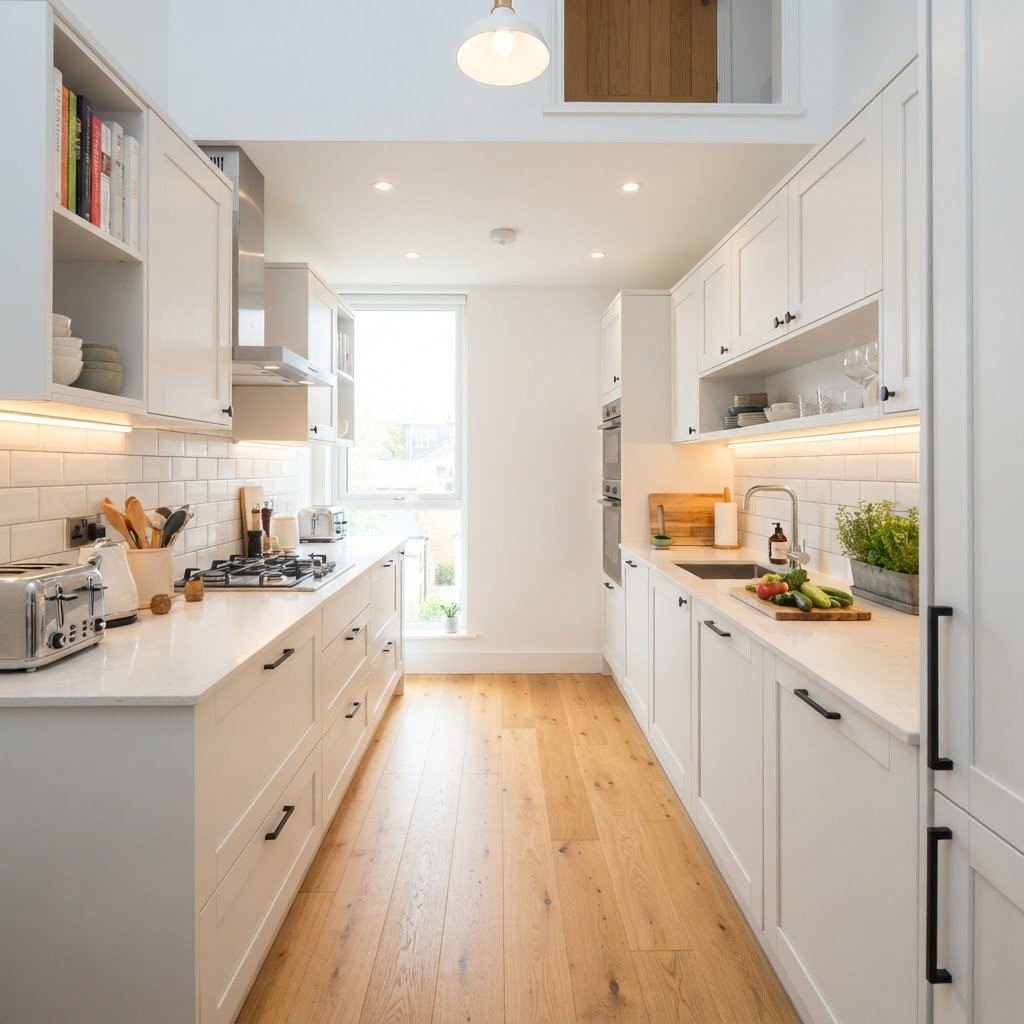
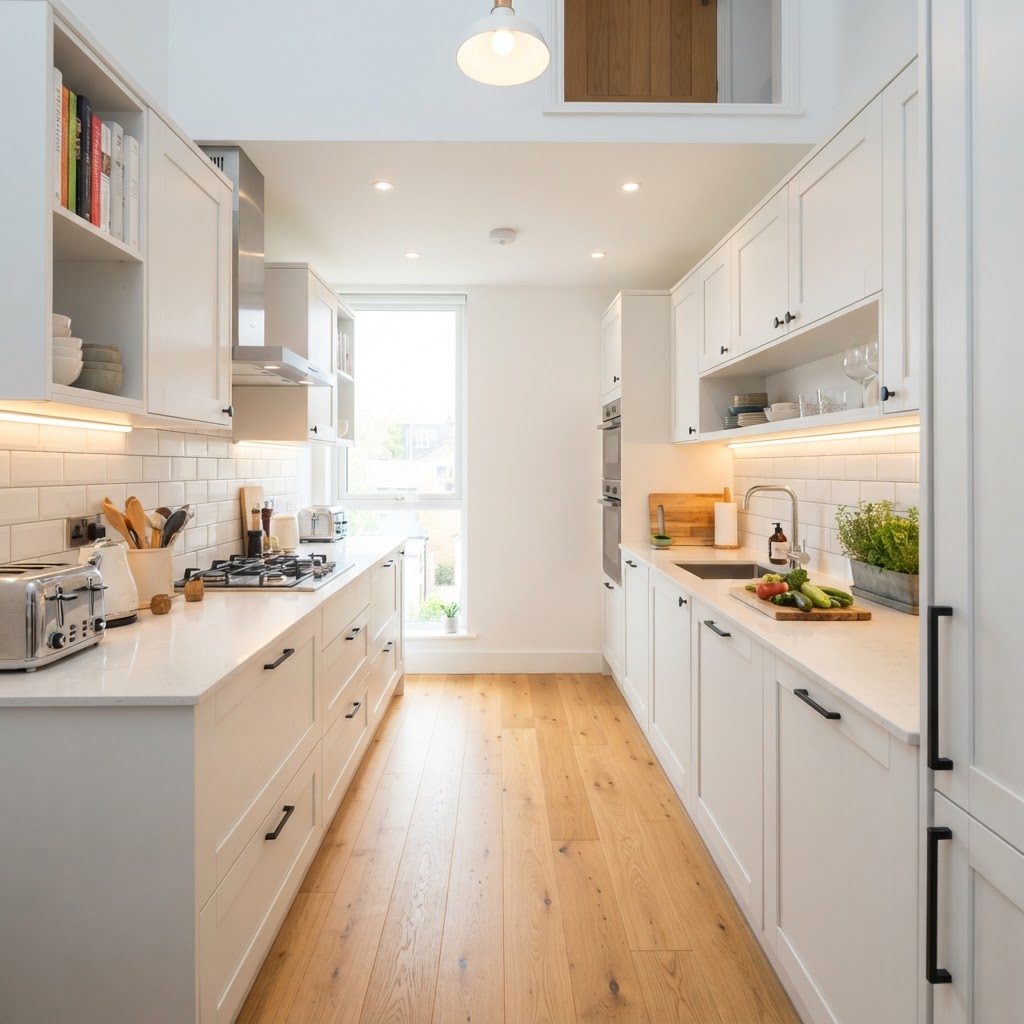
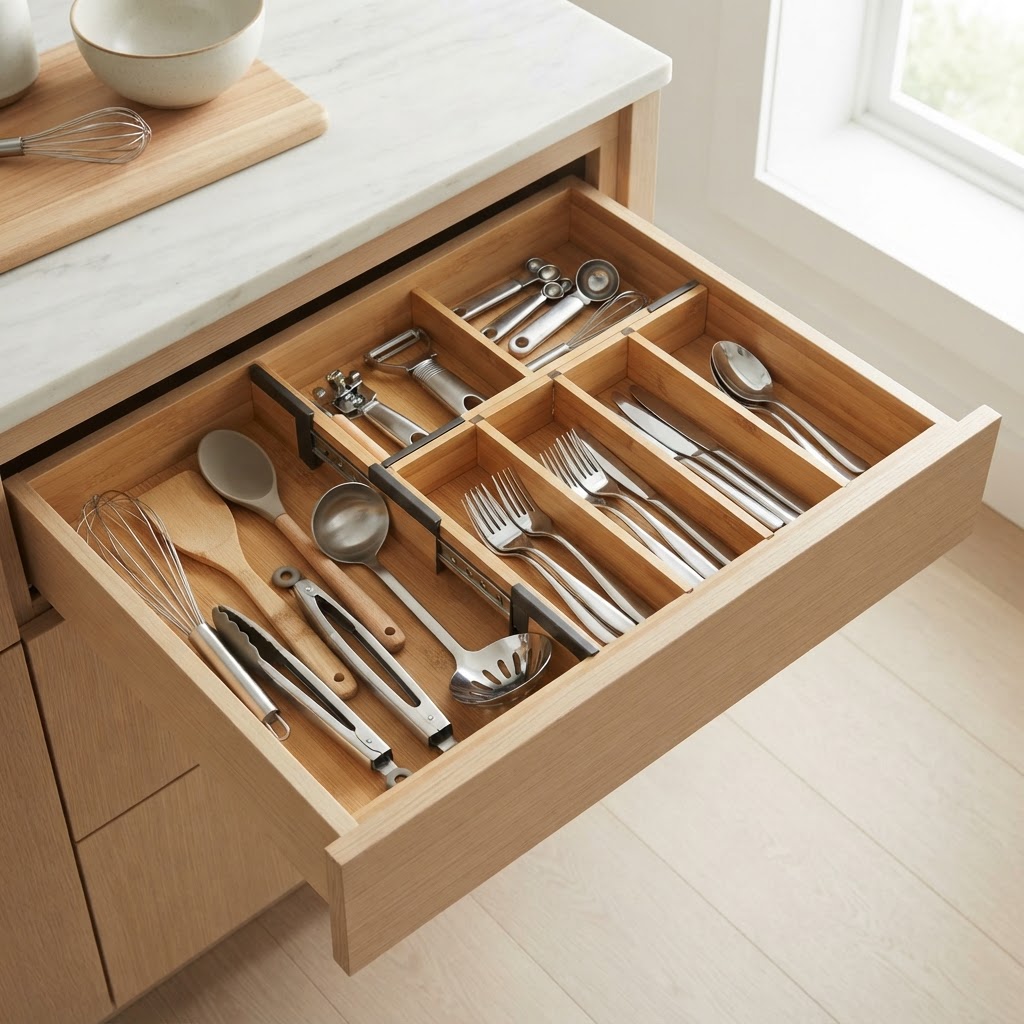
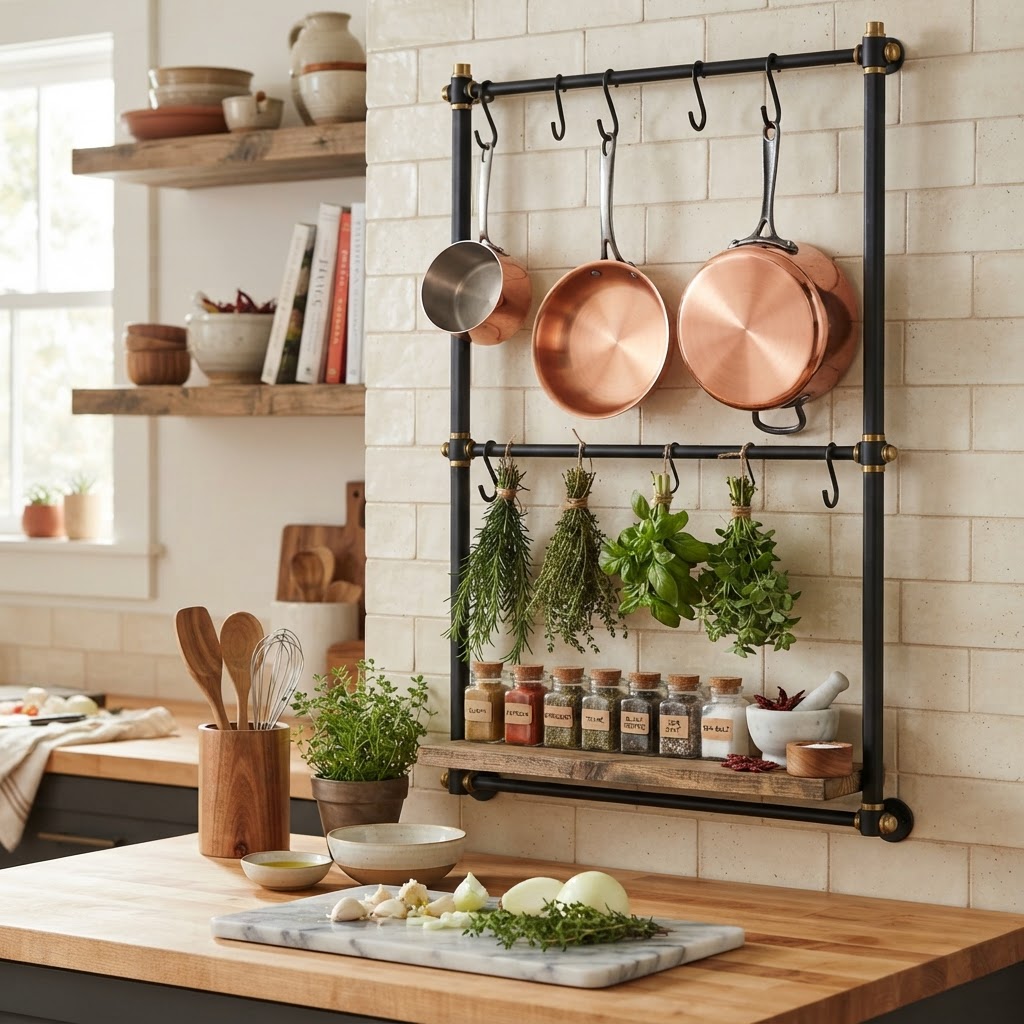
Living in an apartment often means contending with limited square footage, and nowhere is this more apparent than in the cooking zone. Mastering galley kitchen organization is essential for anyone dealing with a narrow corridor layout, as even a few inches of wasted space can make the area feel cramped and chaotic. When you are confined to two parallel walls, your efficiency relies entirely on how well you utilize vertical surfaces, hidden nooks, and smart storage configurations. By prioritizing accessibility and decluttering, you can turn a challenging narrow footprint into a high-functioning hub of activity. ## Rethink Your Vertical Storage Potential Maximize your galley kitchen with smart vertical storage and lighting. When floor space is non-existent, the only way to go is up. Many people under-utilize their walls, leaving valuable real estate sitting empty while their countertops become cluttered with appliances. Installing open shelving or magnetic strips allows you to keep essential items within arm’s reach without sacrificing precious prep surface. Think of your backsplash as a secondary storage layer; it is the perfect spot for rail systems that hold utensils, spice jars, or even small potted herbs. If you are looking for more ways to optimize your layout, check out these expert tips to maximize storage in a small apartment kitchen to ensure no corner is left unused. ### Maximizing Wall Height Take your upper cabinets all the way to the ceiling to ensure you have a place for items you use less frequently. For the bottom tiers of these cabinets, use pull-down organizers that bring the contents down to your eye level, making it easier to grab heavy mixing bowls or large stockpots. If you cannot renovate or add new cabinets, install tension rods or adhesive-backed hooks inside existing cabinets to hang measuring spoons, towels, or lids. ## Streamline Your Countertop Workflow Custom drawer dividers keep small tools from cluttering your space. In a narrow layout, every inch of counter space is prime real estate. The goal of effective galley kitchen organization is to keep the prep area as clear as possible. Start by evaluating the appliances currently sitting on your counters; if you use a toaster or blender only once a week, it needs to find a home inside a cabinet or on a pantry shelf. Using wall-mounted versions of common appliances, like a microwave or a coffee maker, can instantly liberate your workstation. #### The Rule of Minimalist Surfaces Adopt a “one-in, one-out” policy for your kitchen gadgets. If you purchase a new appliance, ensure that an older one is donated or moved to long-term storage. Using tiered organizers on your counter can double your usable surface area for small items like spices, oils, and vinegar, keeping them grouped together rather than spread out across the entire length of the kitchen. ## Master the Art of Drawer Dividers Use wall rails to clear your counters while keeping essentials ready. Deep drawers are often “black holes” where items disappear and become impossible to find. Without proper organization, the small items like cutlery, peelers, and zesters inevitably become a jumbled mess at the back of the drawer. Invest in modular, adjustable drawer dividers that allow you to customize the space to fit your specific tools. This simple change creates a designated home for everything, ensuring you can grab exactly what you need without rummaging. ### Organizing for Efficiency Place the items you use most frequently in the top drawer closest to your primary prep zone. Use felt-lined trays to keep silverware in place and prevent sliding when the drawer is opened and closed. For deeper drawers meant for cookware, consider tension-fit dividers that stand lids upright or store cutting boards vertically. This “filing cabinet” approach to cooking gear is a game changer for narrow spaces. ## Utilize Hidden Nooks and Dead Space A rolling cart is the perfect solution for narrow, overlooked gaps. The gap between your refrigerator and the wall, or the space beneath the sink, is frequently overlooked. These narrow, vertical zones are perfect for rolling pantry carts that slide out when needed and stay tucked away during dinner service. In the cabinet under your sink, use stackable bins or pull-out drawers to organize cleaning supplies, keeping them contained and preventing leaks or spills from damaging your lower cabinets. #### Creative Corner Solutions Corners in galley layouts are notoriously difficult to access. Install rotating “lazy susans” or swing-out hardware to ensure you can reach every item tucked in the deep corner of a lower cabinet. If you are handy, adding a small floating shelf in a dead corner can create a perfect “coffee station” or a place to store cookbooks, effectively reclaiming space that would otherwise be wasted. ## Lighting and Color Strategies While this may seem purely aesthetic, the right visual environment makes a galley kitchen feel larger and easier to manage. Proper lighting is a functional necessity; if your kitchen is dim, it is harder to clean, prep, and find things. Add under-cabinet LED light strips to illuminate your workspace and make the corridor feel brighter and more open. ### Lightening the Palette If you have the ability to paint or use peel-and-stick wallpaper, choose light, neutral tones. A monochromatic color scheme with reflective surfaces, such as glass-front cabinets or glossy tiles, can create the illusion of depth. When a space feels visually lighter, you are naturally more motivated to keep it organized and tidy, creating a positive feedback loop for your habits.
Maximizing Closet and Door Space
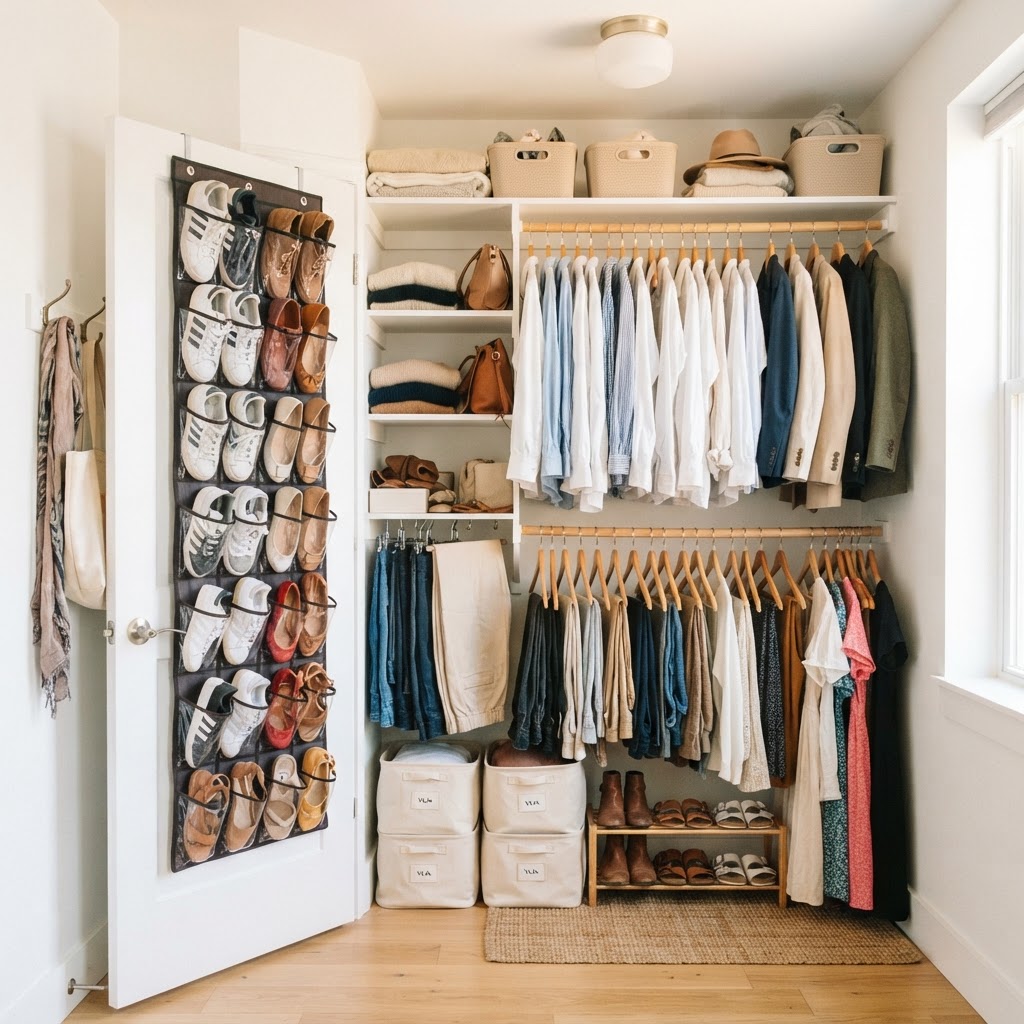
Use over-the-door organizers to maximize tiny closet space.

Closets in rentals are notoriously small or poorly configured. To get the most out of these tight spots, you need to go beyond the standard hanging rod. Consider using double-hanging rods to instantly double your clothing capacity. These rods clip directly onto existing bars, allowing you to hang shirts on top and pants on bottom.

Utilize the Door

The back of your closet, bathroom, or bedroom door is a goldmine for storage. Use over-the-door shoe organizers for more than just footwear. They are perfect for cleaning supplies, rolled t-shirts, pantry items, or beauty products. Because these organizers use simple hooks that rest over the top of the door, they require absolutely no drilling, making them the gold standard for apartment living.

Kitchen Organization for Small Spaces
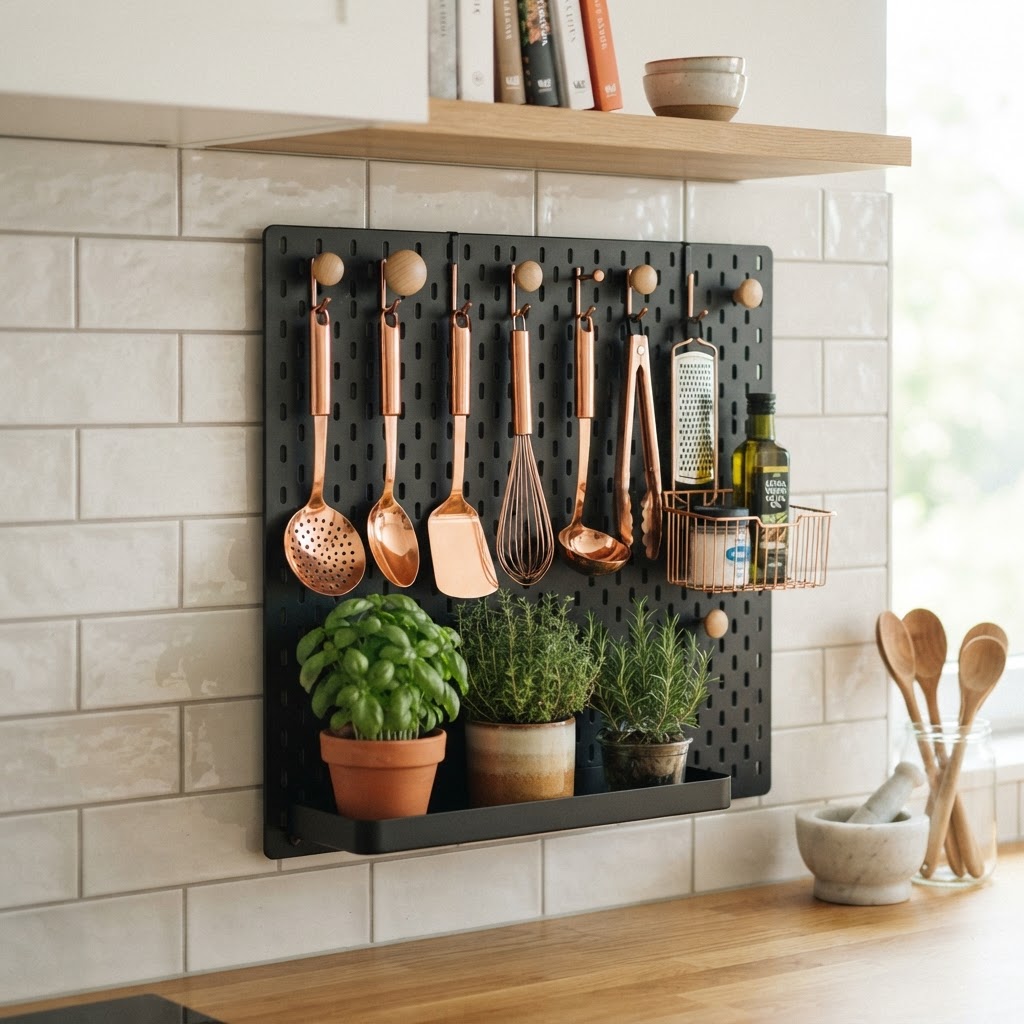
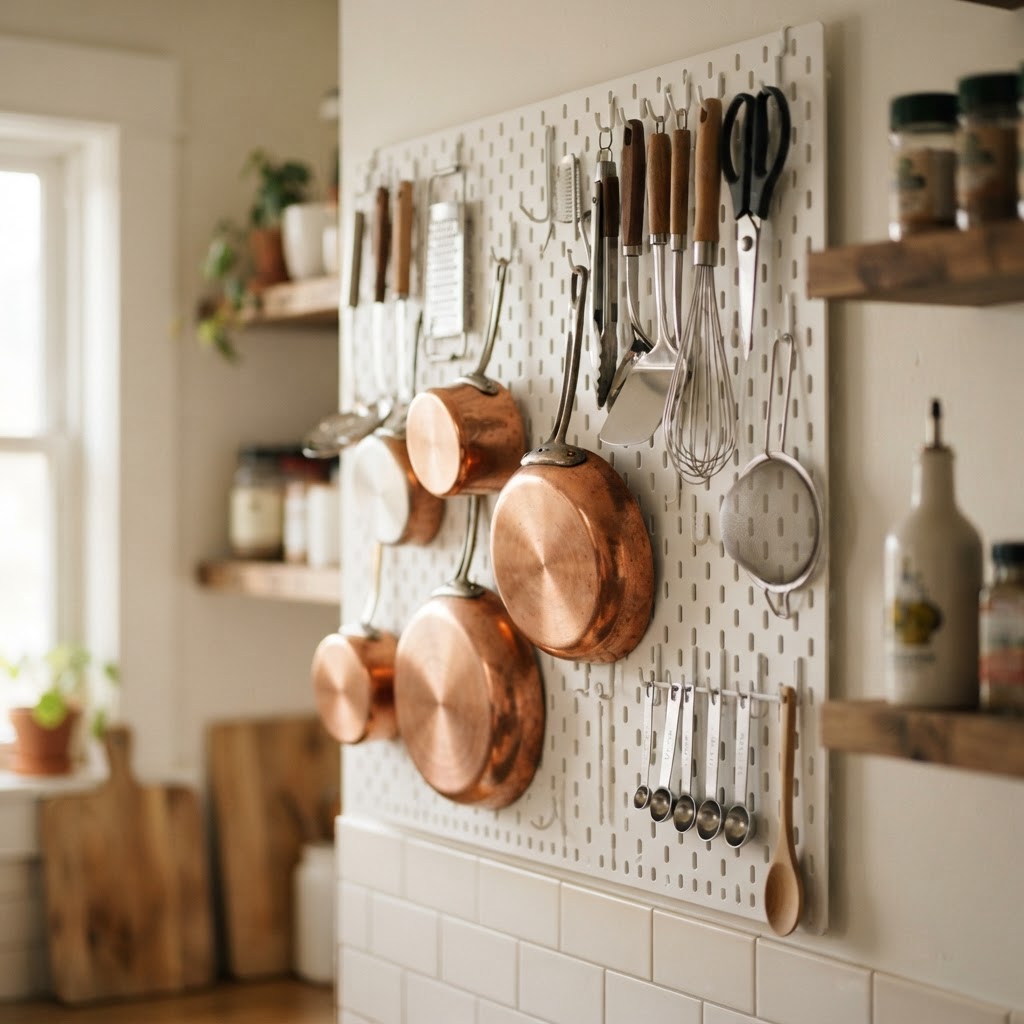
A wall-mounted pegboard keeps kitchen tools within reach.

Kitchens are often the most frustrating areas for apartment dwellers. Counter space is limited, and drawer storage is often non-existent. The key is to clear your counters of all clutter to create a “clean slate” effect, which makes a small kitchen feel significantly larger.

Creative Kitchen Hacks

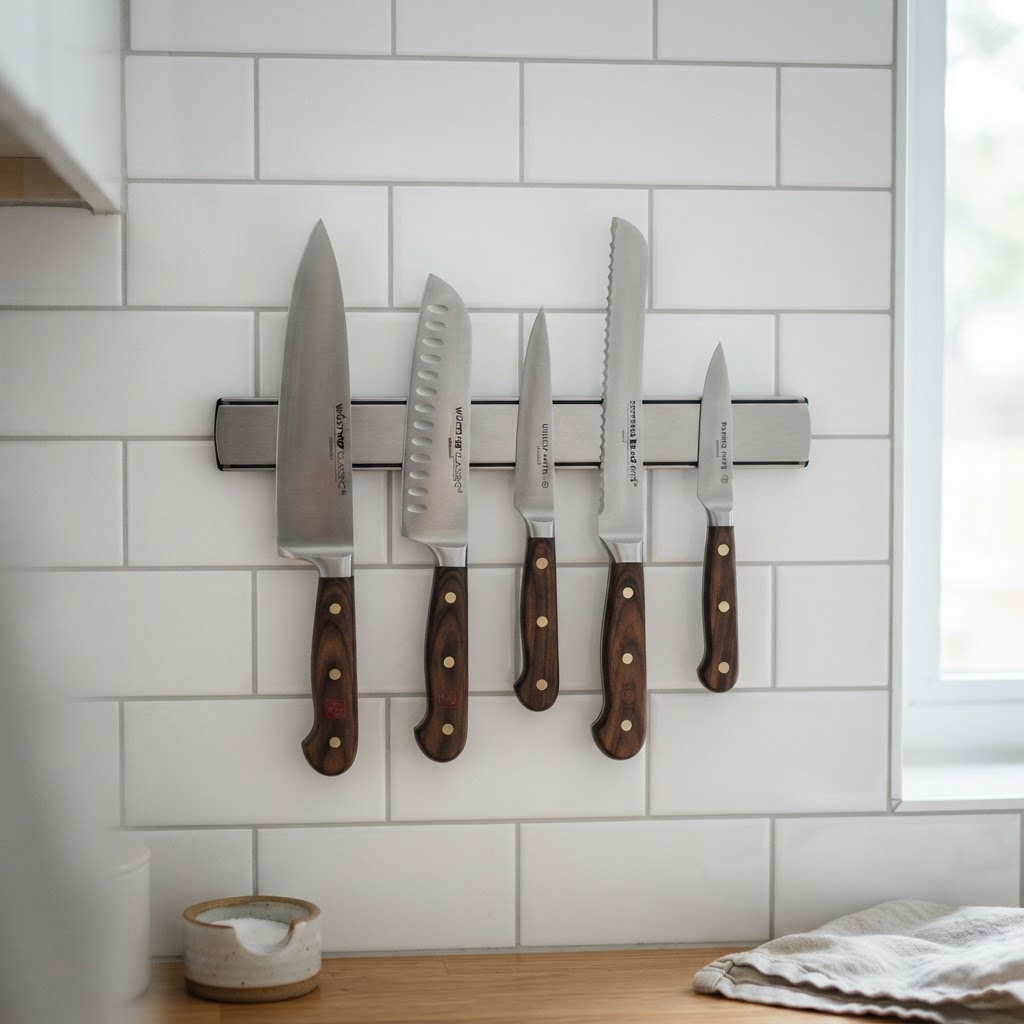
  • Use magnetic knife strips that utilize adhesive mounting tape to clear up drawer space.
  • Install under-shelf baskets that slide onto existing pantry shelves to create extra levels for snacks.
  • Hang a pegboard on the wall using command strips to store pots, pans, and utensils.
  • Keep appliances inside cabinets on sliding trays so you can pull them out easily when needed.

Living Room Storage Solutions
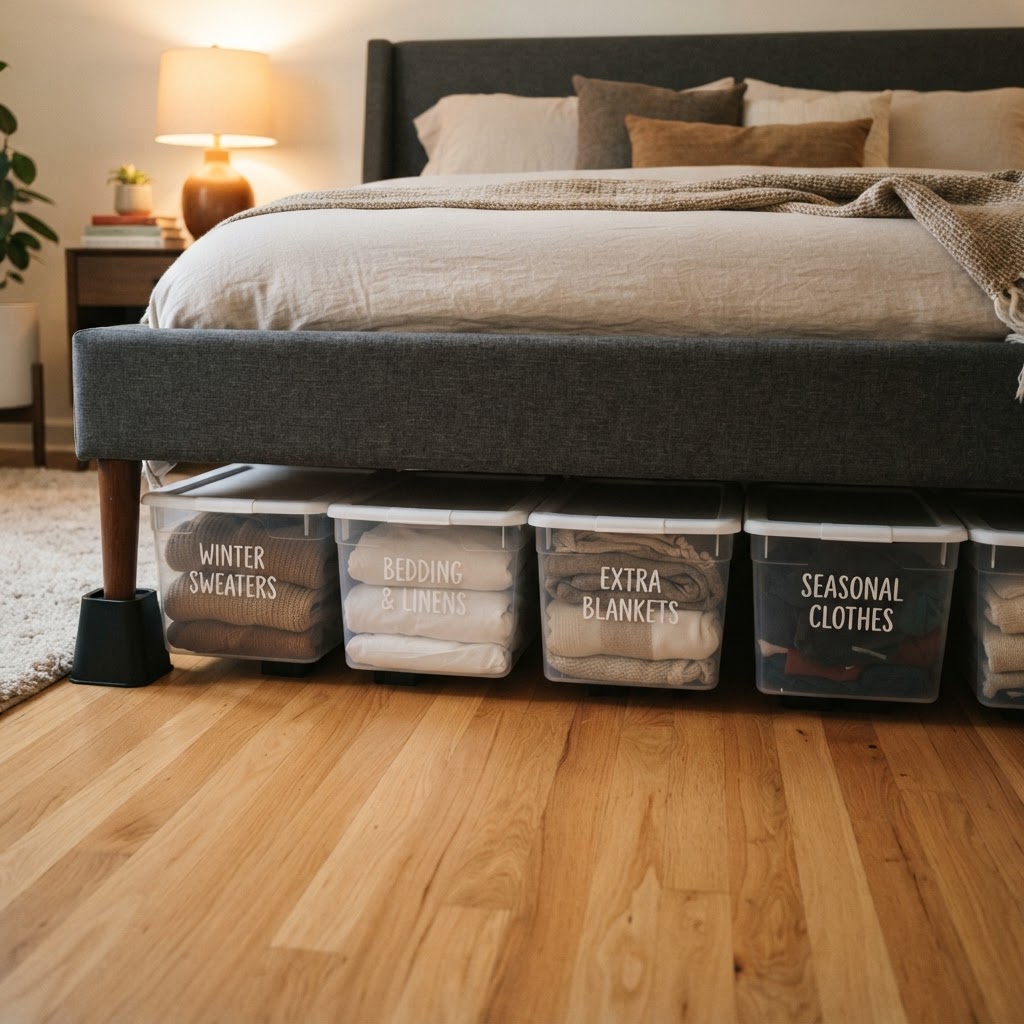
Under-bed bins turn wasted space into a hidden pantry or wardrobe.

The living room is where most renters spend their time, but it is also where clutter tends to accumulate. To maintain a peaceful environment, choose furniture that pulls double duty. An ottoman with storage space inside is perfect for blankets and pillows, while a coffee table with drawers keeps remotes and coasters tucked away.

The Power of Room Dividers

If you live in a studio apartment, room dividers can serve a dual purpose. Use a bookshelf as a room divider to create a bedroom “nook” while simultaneously providing ample storage for books and decor. This adds a layer of privacy to your sleep space while maximizing the efficiency of your floor plan. Just be sure to anchor these pieces securely with tension-based anchors if possible to ensure safety.

Bathroom Organization Tips

Bathrooms are usually the smallest rooms in an apartment, often lacking adequate storage for toiletries and towels. Since you cannot add cabinets, you must look for ways to expand your surface area. Use a tiered rolling cart to store your shampoo, soap, and hair tools. It is portable, stylish, and can be moved out of the way when you have guests over.

Maximizing Vanity Space

Acrylic drawer organizers are perfect for keeping small items like makeup and brushes separated. If your sink does not have a vanity, consider a “pedestal sink shelf” that attaches to the neck of the sink base. This simple addition creates a small shelf where you can place soap or a toothbrush holder, reclaiming the space around the base of the basin.

Under-Bed Storage Hacks

Your bed is one of the largest pieces of furniture in your apartment, and it sits over a massive amount of wasted space. Use bed risers to elevate your frame by a few inches, creating room for slim storage bins. These are ideal for out-of-season clothing, extra linens, or shoes you do not wear daily. Always label your bins clearly so you do not have to pull everything out to find one specific item.

Entryway and Hallway Efficiency

The entryway is the first thing you see when you walk home. Keeping this area organized is vital for mental clarity. If you do not have a formal closet, create a “drop zone” using a slim console table with drawers. Above it, use adhesive hooks for keys, scarves, and bags. This ensures that you always know where your essentials are when you are rushing out the door.

Tips for Small Hallways

  • Use narrow shoe cabinets that tilt open to keep footwear out of sight.
  • Install a mirror to make the narrow space feel wider and brighter.
  • Utilize wall-mounted floating shelves to hold mail or decorative plants.

The Art of Decluttering

Even with the best renter-friendly organization ideas, you cannot organize clutter. Before you purchase any new storage containers, take an afternoon to audit your belongings. Ask yourself if you have used an item in the last year. If not, donate or sell it. The less you have to store, the more spacious your apartment will feel, regardless of the square footage.

Digital Minimalism

Part of managing a small space involves reducing the physical footprint of your media. Move your movies, music, and documents to a cloud service or a hard drive. By digitizing your collection, you save literal feet of shelving space that would otherwise be occupied by bulky physical media. This is an essential step for those who want a truly minimalist apartment.

Conclusion

Creating a functional, organized home in a rental does not require expensive renovations or permanent changes. By implementing these renter-friendly organization ideas, you can optimize your small apartment storage and create a space that feels personal and efficient. Remember to focus on vertical space, furniture that serves multiple purposes, and keeping only what you truly need. Start with one area of your home, like your bathroom or closet, and build from there. With a few smart hacks and a bit of creativity, you can turn your temporary rental into an organized oasis. Are you ready to transform your apartment? Choose one of these tips and get started today!
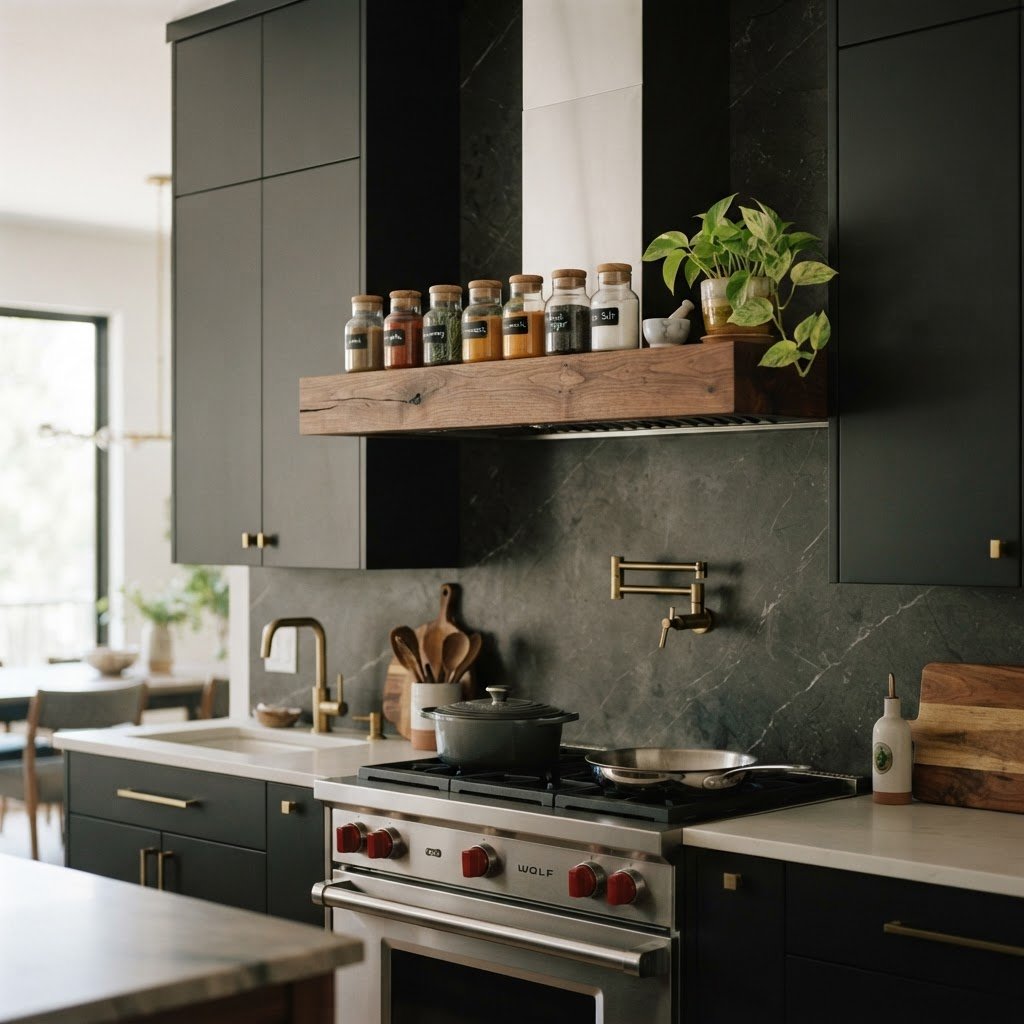
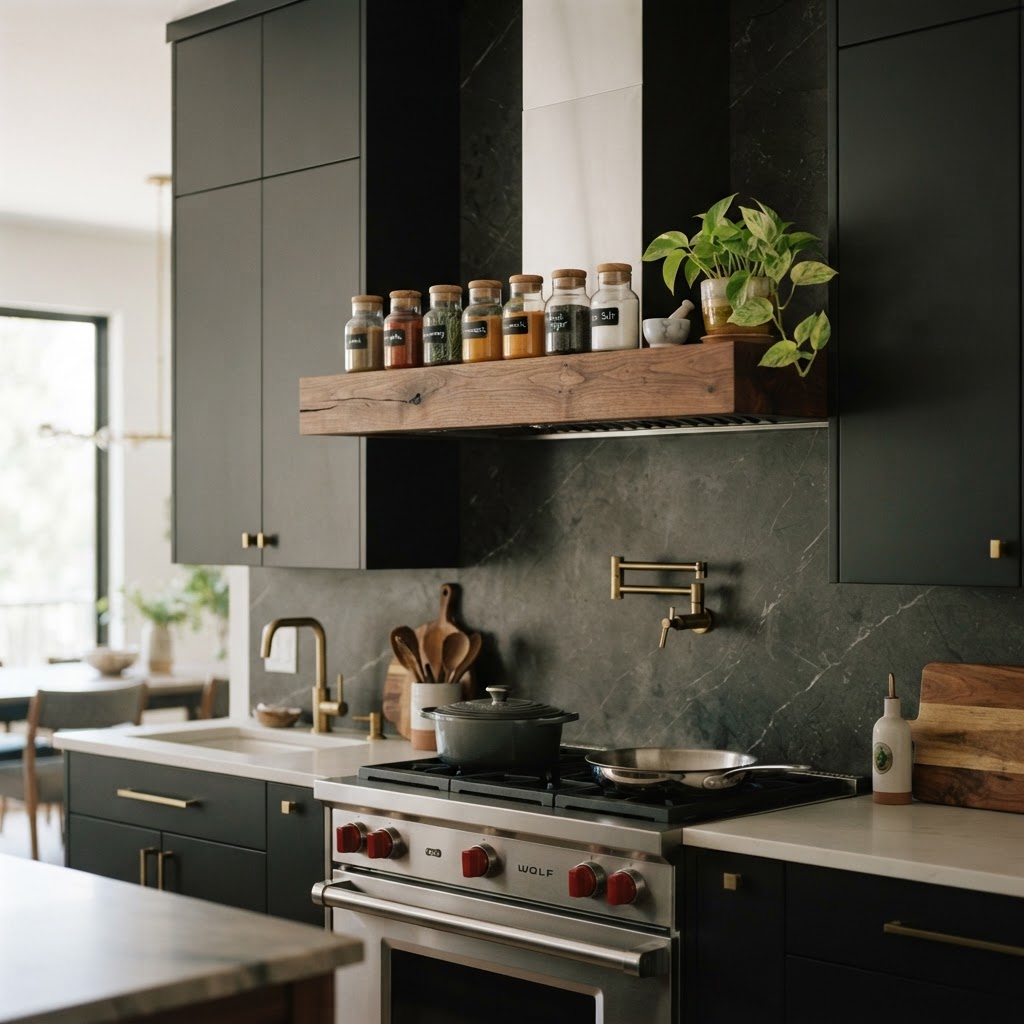
Above-Stove & Vertical Wall Storage: Maximize Kitchen Height

Is your kitchen suffering from a severe lack of counter space? You are not alone. Many homeowners find that the most underutilized real estate in their kitchen is the area directly above the stove and the expansive vertical wall space sitting idle. By implementing clever above-stove and vertical wall storage ideas, you can transform a cramped culinary corner into a streamlined, professional-grade workstation. Elevating your storage doesn’t just clear the clutter; it adds visual interest and a sophisticated aesthetic to your home.

Rethink Your Above-Stove Real Estate

Maximize your above-stove area with a stylish floating shelf.

The space directly above your range is often neglected, reserved only for a microwave or a generic hood. However, this prime location is perfect for items you reach for daily, like spices, oils, or frequently used utensils. When you prioritize vertical storage, you begin to see the walls as an extension of your cabinetry. Installing a sleek, custom-fitted shelf above your vent hood can turn “dead air” into a functional display for artisanal glass jars or modern canisters.

Customizing the Over-Range Area

If you want a seamless look, consider matching the shelf material to your existing backsplash. Whether it is marble, subway tile, or reclaimed wood, a shelf that blends into the wall creates a high-end, built-in feel. For those with a standard cabinet above the stove, you might consider attaching hooks underneath the base of that cabinet to hang copper pans or silicone spatulas. This simple hack keeps your stovetop tools within arm’s reach without overcrowding the burners.

The Power of Pegboards and Rails

Pegboards offer endless customization for your kitchen tools.

When we talk about maximizing vertical wall storage, pegboards are the undisputed champions of efficiency. Originally designed for garages and workshops, they have been reimagined for the modern home chef. A matte black or white pegboard mounted on a bare kitchen wall acts as a blank canvas for your culinary tools. You can customize the arrangement of shelves, hooks, and baskets to fit your exact inventory of kitchen gadgets. For more inspiration on how to arrange your walls, check out these 9 vertical kitchen storage ideas for limited counter space to further optimize your layout.

Why Rails are a Better Alternative

If a pegboard feels too industrial for your style, magnetic or stainless steel wall rails are an elegant alternative. These rails can be installed along the backsplash area, allowing you to hang everything from scissors and measuring cups to specialized knife blocks. By moving these items from your drawers to the wall, you effectively double your drawer capacity, giving you more room for bulky items like mixing bowls and baking sheets.

Implementing Magnetic Knife Strips

Magnetic strips keep your knives organized and within reach.

A common mistake in kitchen organization is using a large, wooden knife block that takes up valuable square footage on your counter. Instead, mount a powerful magnetic knife strip directly onto the wall or the side of a cabinet near your prep area. This not only saves space but also keeps your blades sharper and more hygienic than they would be inside a cramped slot where moisture can linger.

This method also doubles as a decorative element. A collection of high-quality Japanese steel or chef-grade knives arranged neatly on a wall strip provides an immediate ‘pro-kitchen’ vibe. If you are worried about safety with children in the house, mount the strip higher up on the wall, well out of reach, yet still accessible for the primary cook.

Vertical Shelving and Floating Ledges

Use vertical shelving to draw the eye upward and add storage.

When your cabinets are full, it is time to look upward. Installing floating ledges that run the full height of your wall can provide a dramatic and highly functional storage solution. In kitchens with high ceilings, floating shelves allow you to store lesser-used appliances or fancy platters that you only bring out for special occasions. By using the full verticality of the wall, you draw the eye upward, making the room feel larger and more expansive.

Organizing Your New Vertical Space

When utilizing tall wall shelving, it is vital to keep a step-stool nearby to ensure safety. Organize your shelves by frequency of use: place heavy, daily items on the lower, reachable levels and move decorative or seasonal items to the higher rungs. Using clear, matching containers also helps maintain a sense of order, preventing the “visual noise” that can occur when stacking miscellaneous items on open shelves.

Cabinet Door Insides and Hidden Hooks

Sometimes, the best wall storage isn’t on the wall at all, but on the back of your doors. The interior faces of your kitchen cabinet doors are excellent candidates for adhesive hooks or small racks. You can store oven mitts, towel bars, or even spice racks hidden away from view. This keeps the room looking pristine while maximizing every inch of available space.

For the area above the stove specifically, if you have a custom hood, consider if the sides of that hood structure can support a small rail or magnetic surface. Many professional kitchens use this exact trick to store metal ladles and whisks. It is all about looking at your kitchen’s infrastructure and identifying surfaces that are currently doing nothing to help your workflow.

Choosing the Right Materials and Aesthetic

When you start adding shelves and rails, you need to consider the cohesion of your kitchen design. If you have a modern kitchen, look for matte metal finishes or glass shelving. If your home has a farmhouse or cottage aesthetic, reclaimed wood ledges with wrought iron brackets can bring warmth and character. The key is to ensure that your new storage solutions complement the existing architectural features of the room.

Budget-Friendly DIY Solutions

Not every storage upgrade requires a professional contractor. Many of these ideas can be achieved on a weekend using simple DIY methods. Prefabricated wall rails, adhesive-backed hooks, and even tension-based shelving units are widely available at home goods retailers. By selecting modular pieces, you can experiment with the layout until you find the configuration that feels most ergonomic for your personal cooking style.

Conclusion

Transforming your kitchen by using vertical space is one of the most rewarding home improvement projects you can undertake. Whether you are installing a simple magnetic strip for your knives, mounting a pegboard for your utensils, or adding clever shelves above your stove, these small changes result in a massive improvement in functionality. Don’t let your vertical wall space go to waste any longer—take control of your environment, clear those counters, and create the efficient, beautiful kitchen you deserve.

Ready to get started? Take a photo of your current kitchen wall and mark the spots where you could easily install a new shelf or rail today. You will be amazed at how quickly your kitchen transforms from a cluttered workspace into a culinary sanctuary.

Multifunctional Furniture Ideas for Tiny Living Rooms

Living in a compact apartment or a cozy house often feels like a puzzle. When square footage is at a premium, every piece of furniture must earn its keep. Integrating multifunctional furniture into your design strategy is the single most effective way to maximize tiny living rooms while maintaining a sense of openness and style. By choosing items that serve double or even triple duty, you can reclaim your floor space without sacrificing the comforts of home.

The Philosophy of Compact Living

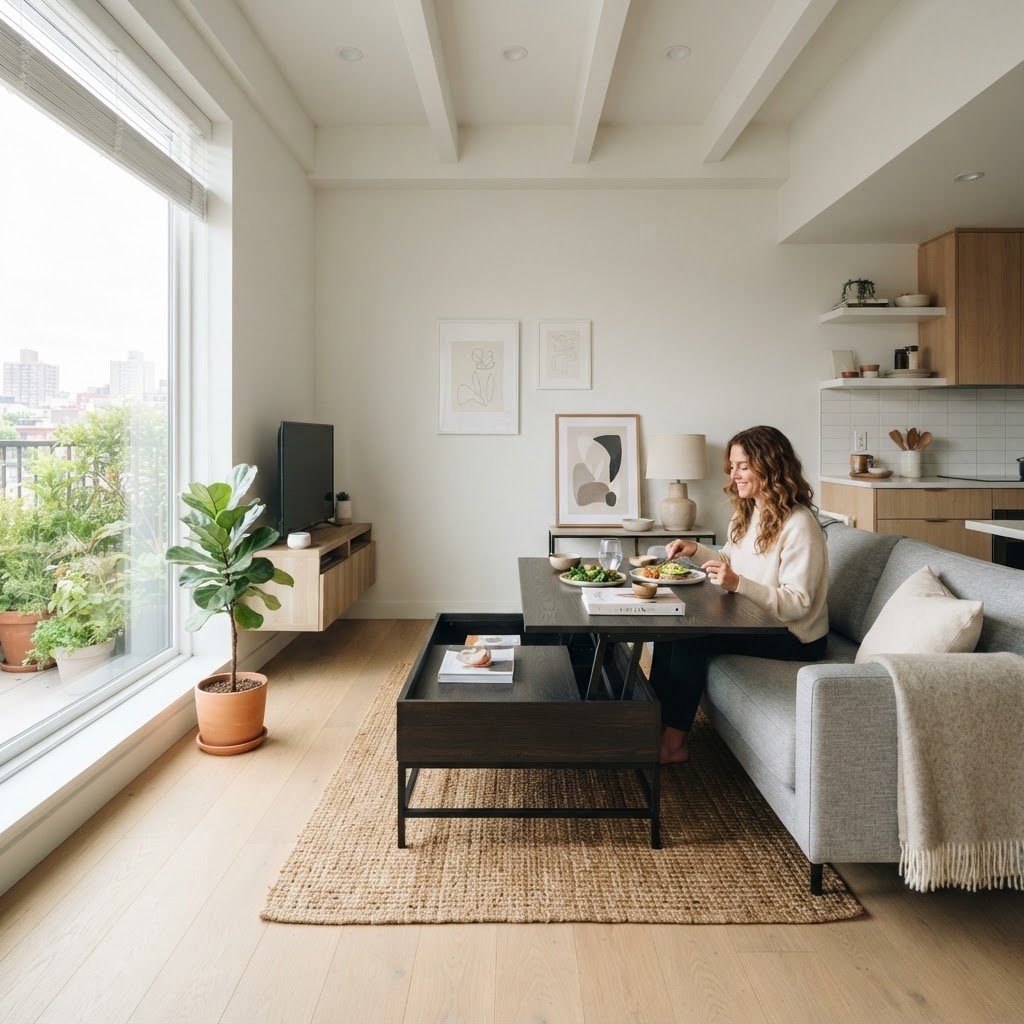
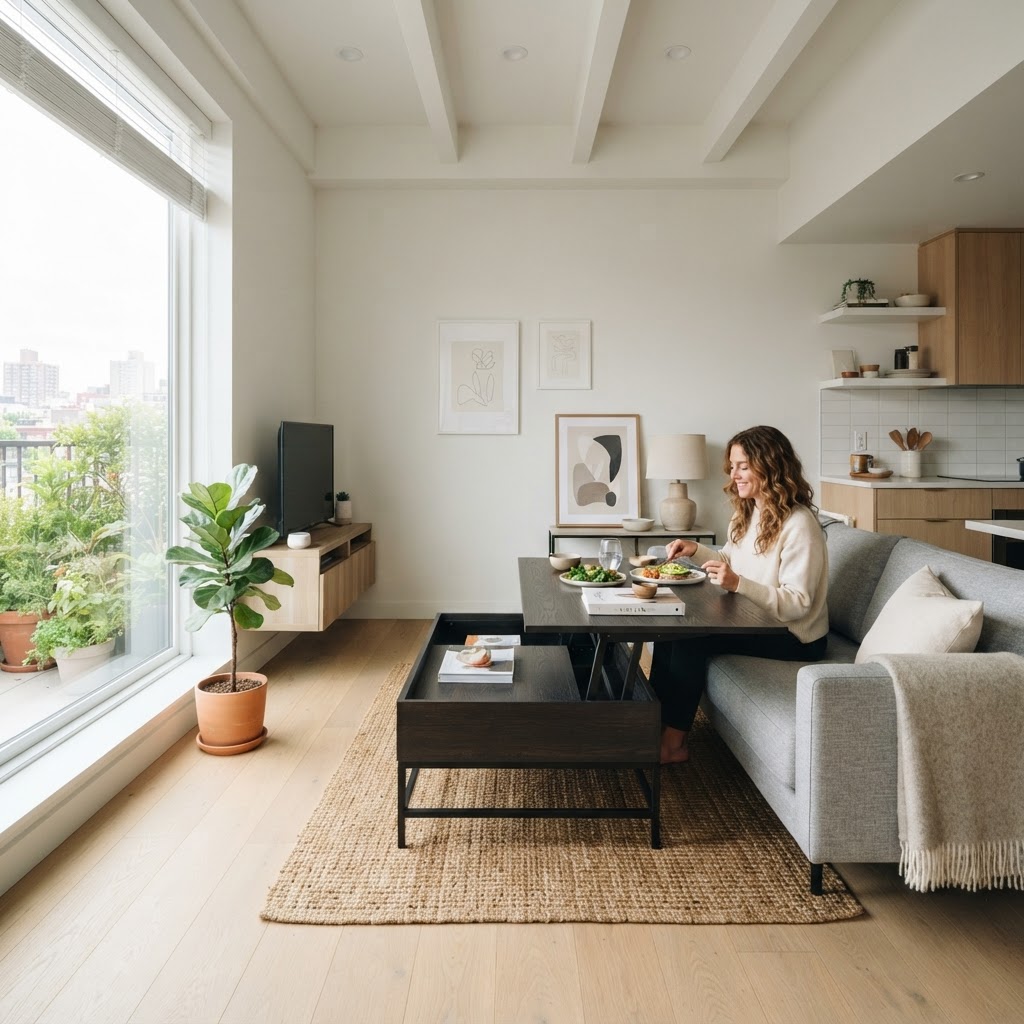
A multifunctional coffee table maximizes utility in small rooms.

At the heart of successful small-space interior design lies the concept of intentionality. Every object in your living room should contribute to either function, beauty, or both. When you prioritize pieces that offer hidden storage or transformable features, you prevent the cluttered, overwhelmed aesthetic that often plagues smaller homes.

Embracing this mindset requires looking beyond the traditional sofa-and-coffee-table layout. Instead, consider how your furniture can pivot based on your daily needs. A coffee table that rises to become a desk, or a footstool that hides a secret storage compartment, can fundamentally change how you interact with your living environment.

Why Every Inch Matters

In a tiny living room, spatial awareness is your best friend. Furniture that creates visual “dead space” underneath—like bulky sofas with solid wood bases—can make a room feel closed off. Opting for pieces with slim legs or transparent materials allows the eye to travel across the floor, creating an illusion of depth.

Versatile Seating Options for Small Spaces

Beyond furniture choice, implementing clever living room storage ideas can further help in maintaining a clutter-free environment.

Hidden storage ottomans are perfect for decluttering tiny spaces.

Seating is often the most significant footprint consumer in any living room. To optimize your floor plan, prioritize furniture that can be tucked away, stacked, or converted for guests. Modular sectionals or armchairs with hidden compartments are game-changers for those who entertain frequently but live in limited square footage.

Consider the “nesting” trend. Nesting chairs or ottomans can be stacked to occupy the space of one chair when not in use. When guests arrive, you can simply pull them apart to provide individual seating solutions. This approach keeps your circulation paths clear throughout the day while ensuring you are always ready for social gatherings.

Coffee Tables That Work Overtime

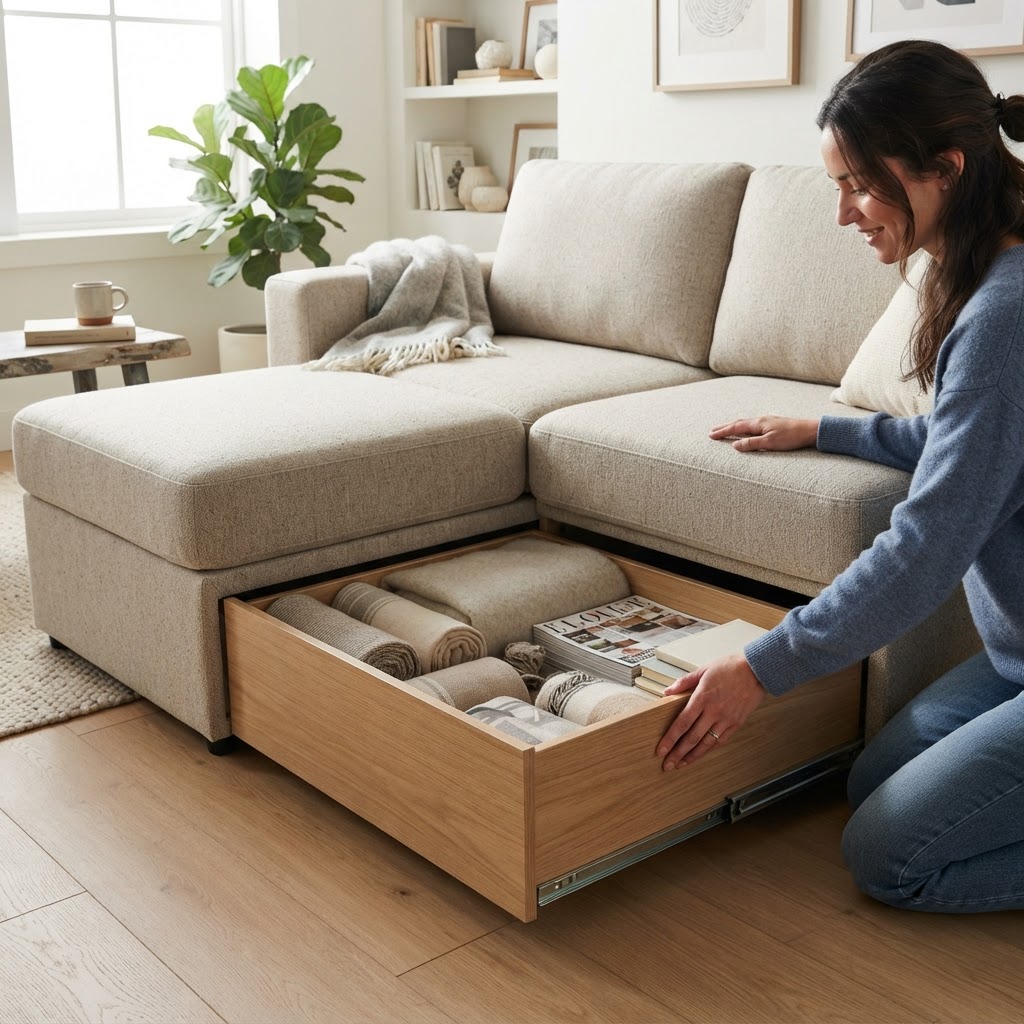
Sofa drawers provide clever, invisible storage for living essentials.

The center of your living room is prime real estate. A traditional coffee table is often just a surface for remotes and coffee mugs, but with a bit of innovation, it can become a storage powerhouse or a temporary workstation. Look for lift-top coffee tables that bridge the gap between sofa and desk.

Benefits of Lift-Top Designs

Lift-top coffee tables solve the issue of limited surface space instantly. By pulling the top toward you, you can comfortably work on a laptop, eat a meal, or craft without hunching over. Most of these models also feature a deep storage cavity underneath, perfect for stashing extra blankets, board games, or magazines.

Maximizing Vertical Space with Wall Units

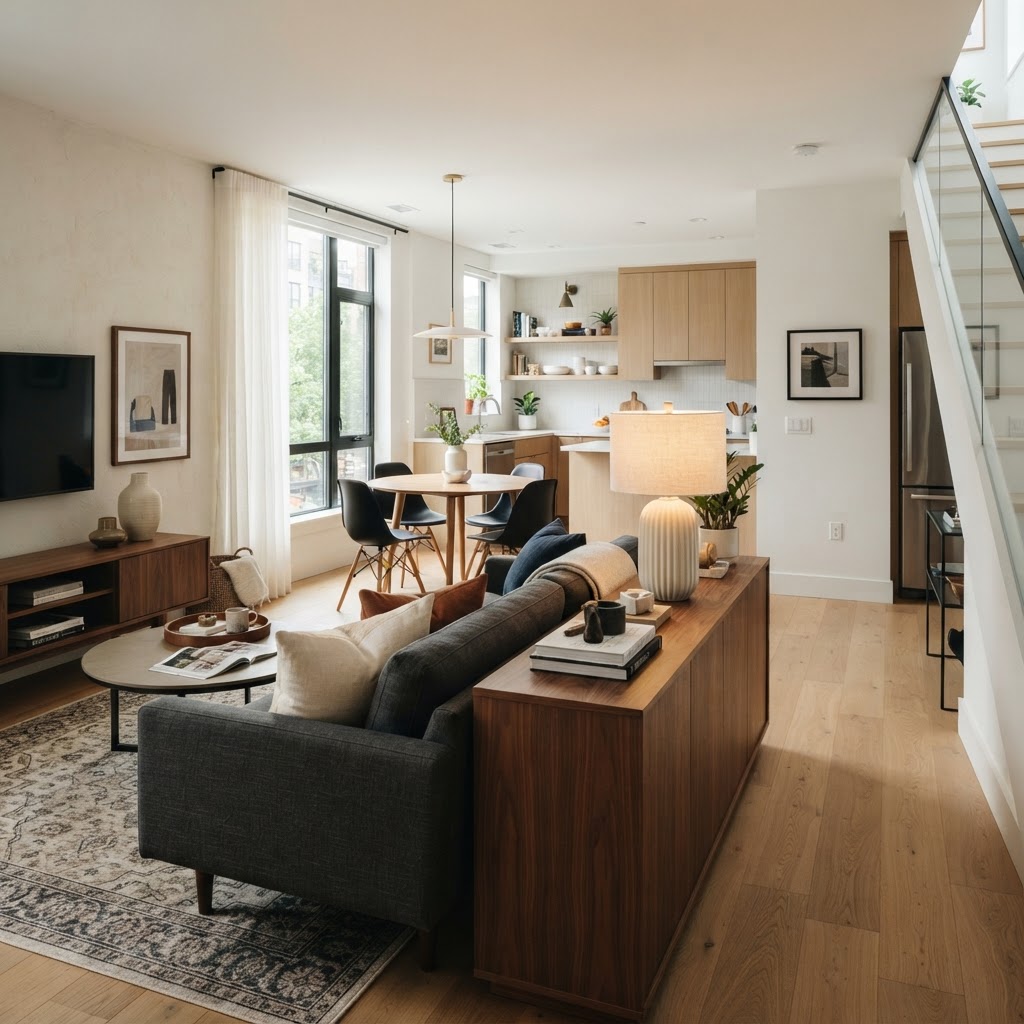
A console table serves as a functional room divider in small layouts.

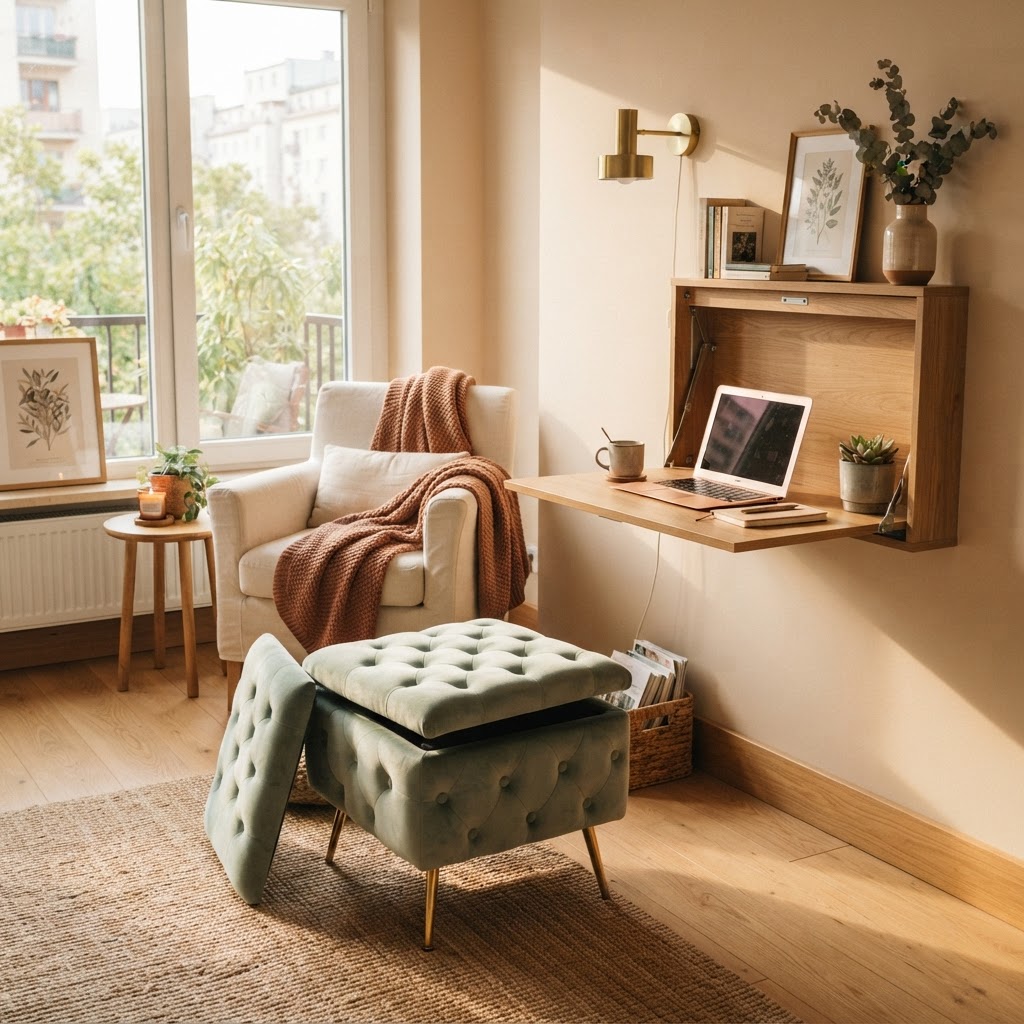
When the floor is full, look to the walls. Multifunctional furniture isn’t just about floor-based items; it includes wall-mounted solutions that can expand or contract based on your activity. A wall-mounted drop-leaf table can serve as a minimalist bookshelf when folded up and a dining table or desk when dropped down.

Using the verticality of your room draws the eye upward, which inherently makes the ceiling feel higher. Consider installing floor-to-ceiling shelving that incorporates a built-in media console. By centralizing your storage in one vertical column, you minimize the number of separate, clutter-inducing furniture pieces spread across the room.

Hidden Storage Solutions in Plain Sight

Every piece of furniture is an opportunity for storage. If you are shopping for a new sofa, look for models with built-in drawers under the seat cushions. Ottomans and benches should always be selected based on their internal capacity. A bench placed against a wall can act as a window seat, a library, and a storage trunk all at once.

Checklist for Selecting Multifunctional Pieces

  • Does this item offer at least two distinct functions?
  • Is the storage accessible without moving heavy equipment?
  • Does the scale of the piece fit comfortably within the room’s proportions?
  • Can it be easily moved or collapsed if the floor space is needed for exercise or yoga?

By following this checklist, you ensure that every purchase is a strategic investment rather than just more “stuff” in your home.

Creating Zones in an Open-Concept Layout

Even in a tiny home, creating distinct “zones” helps organize the space. Use back-to-back furniture arrangements to separate your living area from a tiny dining nook. A console table placed behind your sofa can serve as a room divider while providing a surface for lighting or plants.

Using rugs is another effective way to anchor these zones. By placing a small, patterned rug under your coffee table and seating area, you psychologically define that space as the “living zone,” even if it sits only a few feet away from your bed or kitchen area. This definition prevents the room from feeling like a disorganized jumble of furniture.

The Role of Lighting and Color

While furniture is the structural element of your tiny living room, lighting and color are the atmospheric elements. Light-colored furniture, especially in neutral shades like cream, light gray, or soft beige, reflects light and makes a small room feel airier. Avoiding heavy, dark fabrics is key to preventing the furniture from weighing down the room visually.

Additionally, incorporate floor lamps that serve as focal points rather than bulky end tables. Many modern floor lamps come with small, built-in circular shelves that act as a “floating” nightstand or coaster surface, saving you the need for a traditional side table.

Conclusion

Designing for a small home doesn’t mean you have to trade style for practicality. By embracing multifunctional furniture, you can create a living room that is as dynamic as your lifestyle. Remember to evaluate your space, choose pieces that serve multiple purposes, and keep your visual lines clear to maintain that expansive feel.

Whether you opt for a lift-top coffee table, a nesting chair set, or wall-mounted desks, the goal is always the same: comfort, utility, and joy. Take a look at your current living room layout today and identify one piece of furniture that could be working harder for you. Start small, stay organized, and watch how much room you can reclaim in your home. If you found these tips helpful, subscribe to our newsletter for more small-space design hacks delivered directly to your inbox!

Best Slim Rolling Carts for Tiny Bathrooms & Kitchens

Living in a small apartment often feels like a constant battle against clutter. When you lack square footage, every inch counts, and finding efficient ways to store your essentials is a top priority. One of the most versatile tools for reclaiming your space is the use of slim rolling carts for tiny bathrooms and kitchens. These narrow storage units slide into overlooked gaps, turning dead space into functional organization zones.

Whether you are struggling to find a home for your spices or dealing with an overflowing skincare collection, a mobile, narrow cart can be a game-changer. In this guide, we will explore why these carts are essential, how to choose the right one, and the best ways to incorporate them into your home.

Why Every Small Home Needs a Slim Rolling Cart

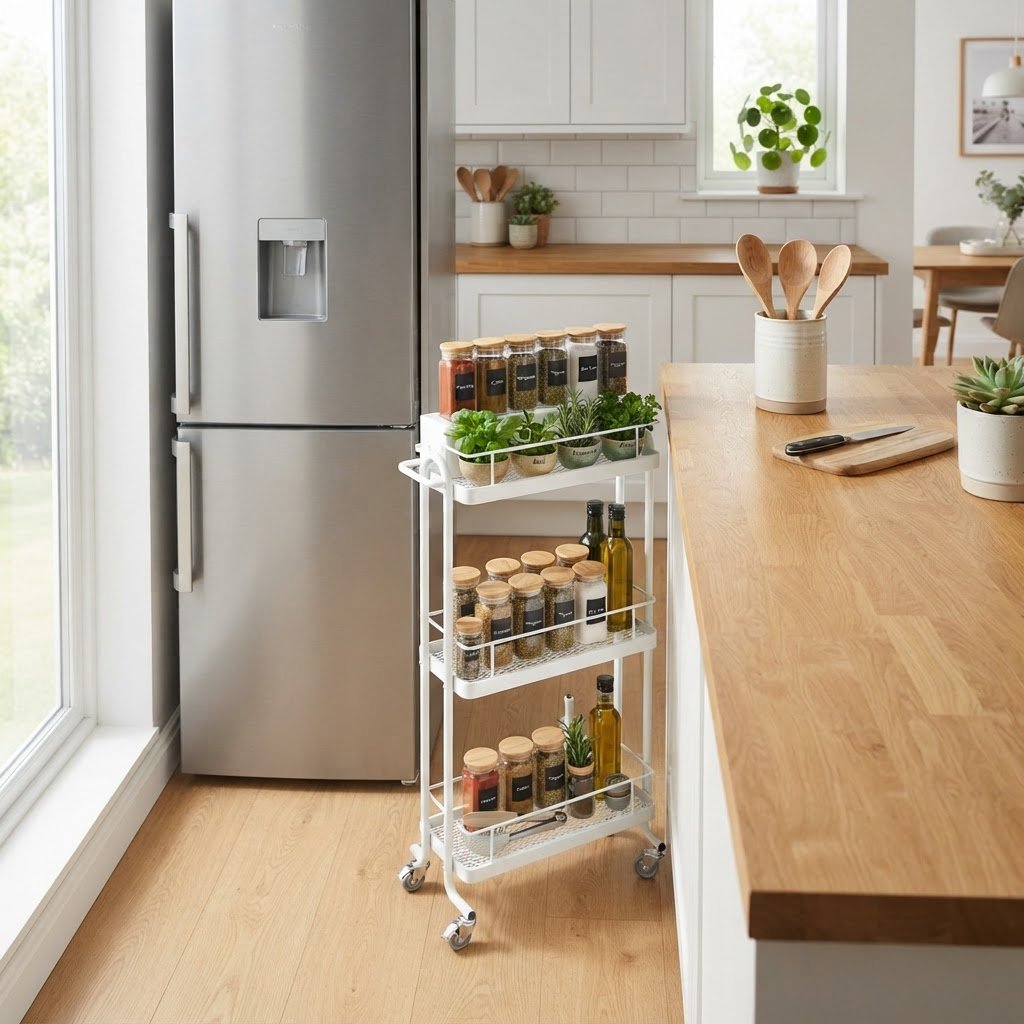
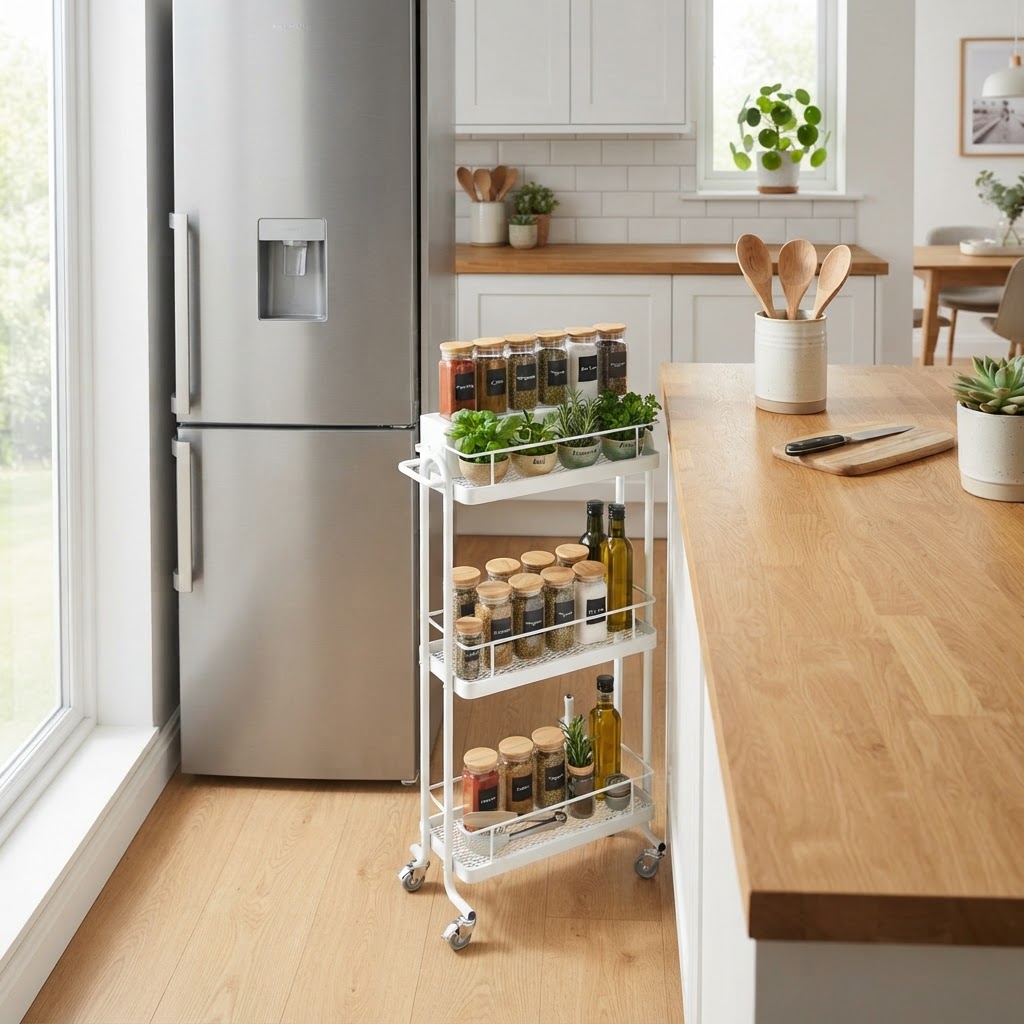
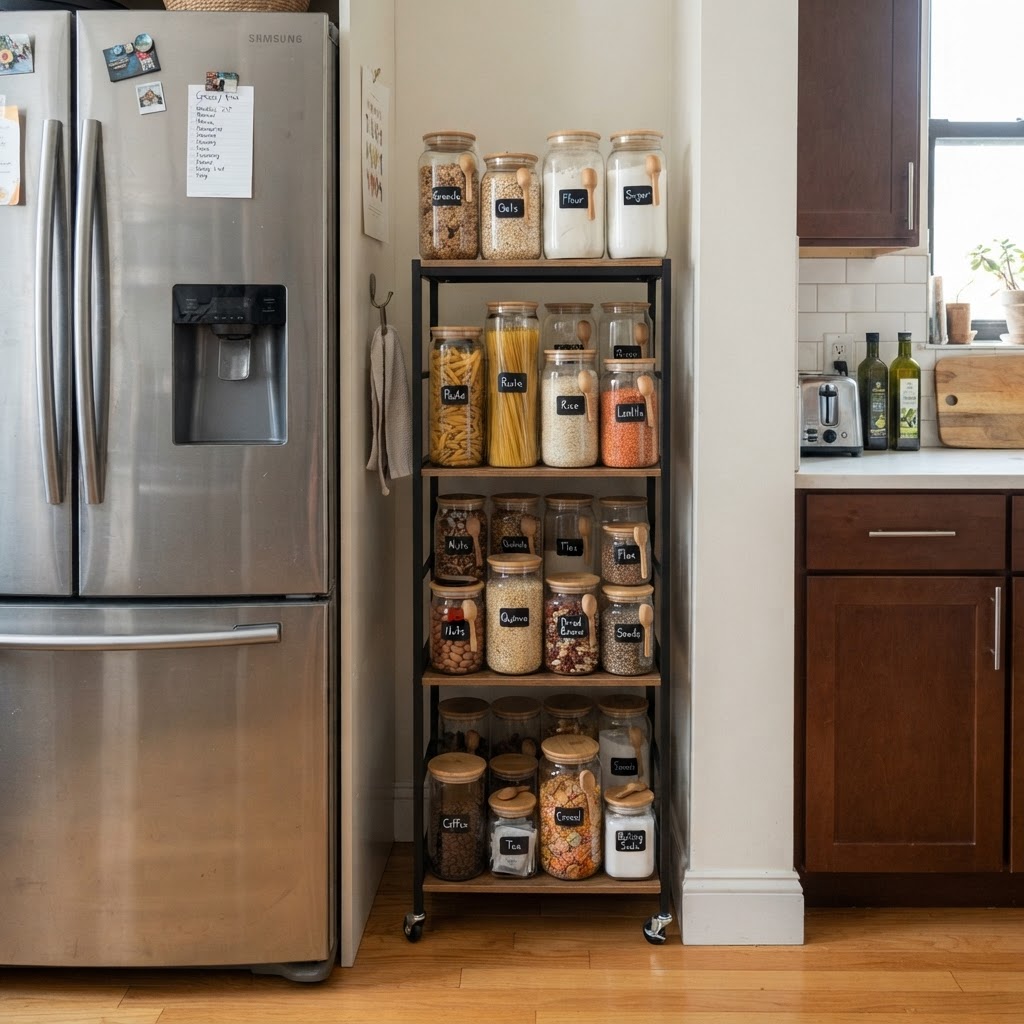
A slim rolling cart effectively utilizing the gap between kitchen appliances.

Space-saving furniture is the cornerstone of successful apartment living. Slim rolling carts offer a unique advantage because they are designed specifically for those awkward, narrow gaps that usually go to waste. A typical slim cart measures anywhere from four to ten inches wide, making it perfect for sliding between the refrigerator and the wall, or tucking beside a pedestal sink.

The mobility factor is equally important. Unlike built-in shelves or permanent cabinetry, a rolling cart can be moved whenever you need to clean, reorganize, or reconfigure your floor plan. If you are hosting guests and need extra surface space in the kitchen, you can simply pull your utility cart into the center of the room. When the party is over, it slides right back into its designated crevice.

The Versatility of Vertical Storage

One of the main reasons these carts are so effective is that they leverage vertical space. Instead of spreading your items across a limited countertop or floor area, a three or four-tier cart stacks your belongings upward. By utilizing the height of your room, you free up horizontal surfaces for food preparation or daily grooming routines.

Choosing the Right Cart for Your Space

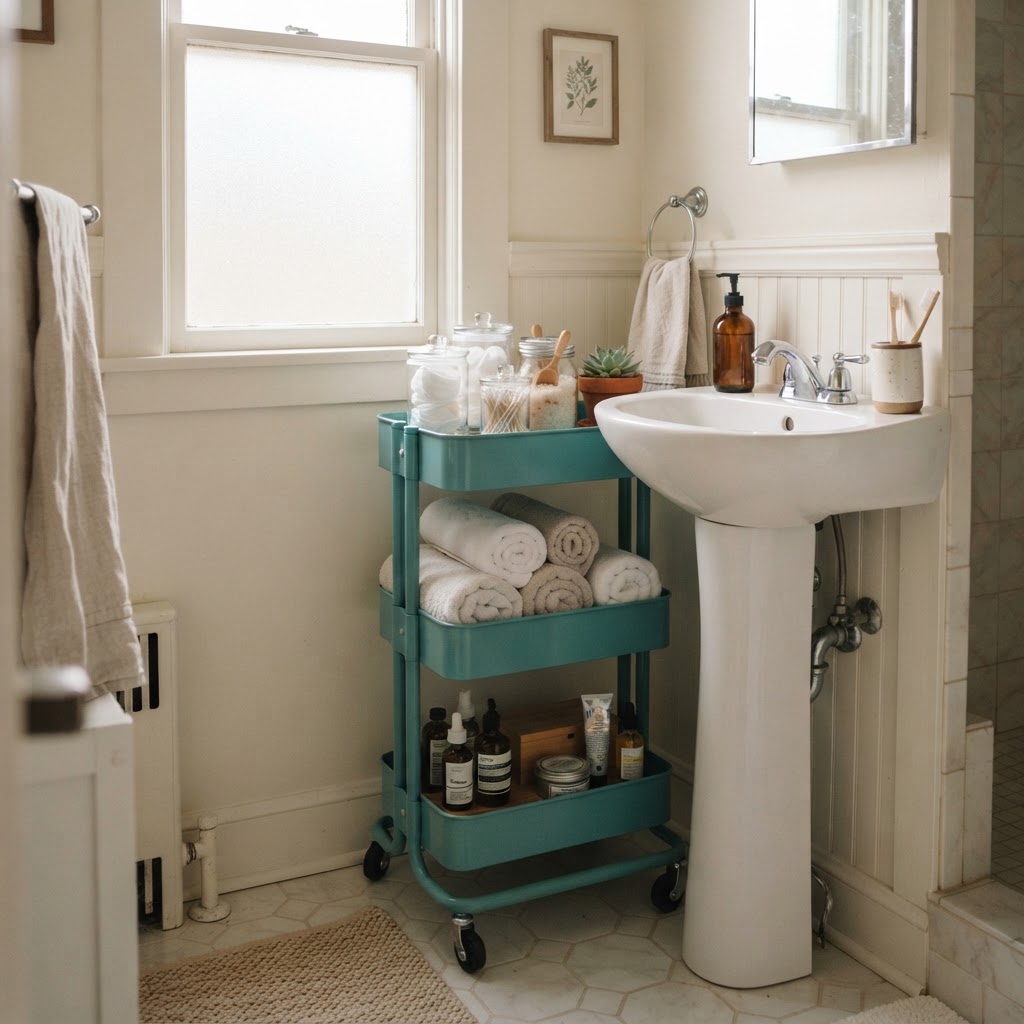
Organizing bathroom essentials in a tight space with a rolling unit.

Before you run out and buy the first thin cart you see, you need to measure your gaps precisely. Take a measuring tape and determine the exact width, height, and depth of the space you want to fill. It is vital to consider not just the width of the gap, but the clearance required for the wheels. Even a cart that is technically narrow enough might get stuck if the wheel mechanism adds extra width at the base.

Material is another critical factor. In a bathroom, you need a cart that can withstand humidity and potential water splashes. Stainless steel, powder-coated metal, or high-quality plastic are generally the best choices. Avoid wood or bamboo in moisture-heavy environments unless they are specifically treated, as these materials can warp or grow mold in damp conditions.

Material Considerations for Your Needs

  • Metal: Durable, sleek, and perfect for heavy kitchen items like cans or jars.
  • Plastic: Lightweight, affordable, and easy to clean, ideal for bathroom products.
  • Wire mesh: Promotes airflow, which is helpful for storing produce in the kitchen or damp towels in the bathroom.

Optimizing Your Kitchen Layout

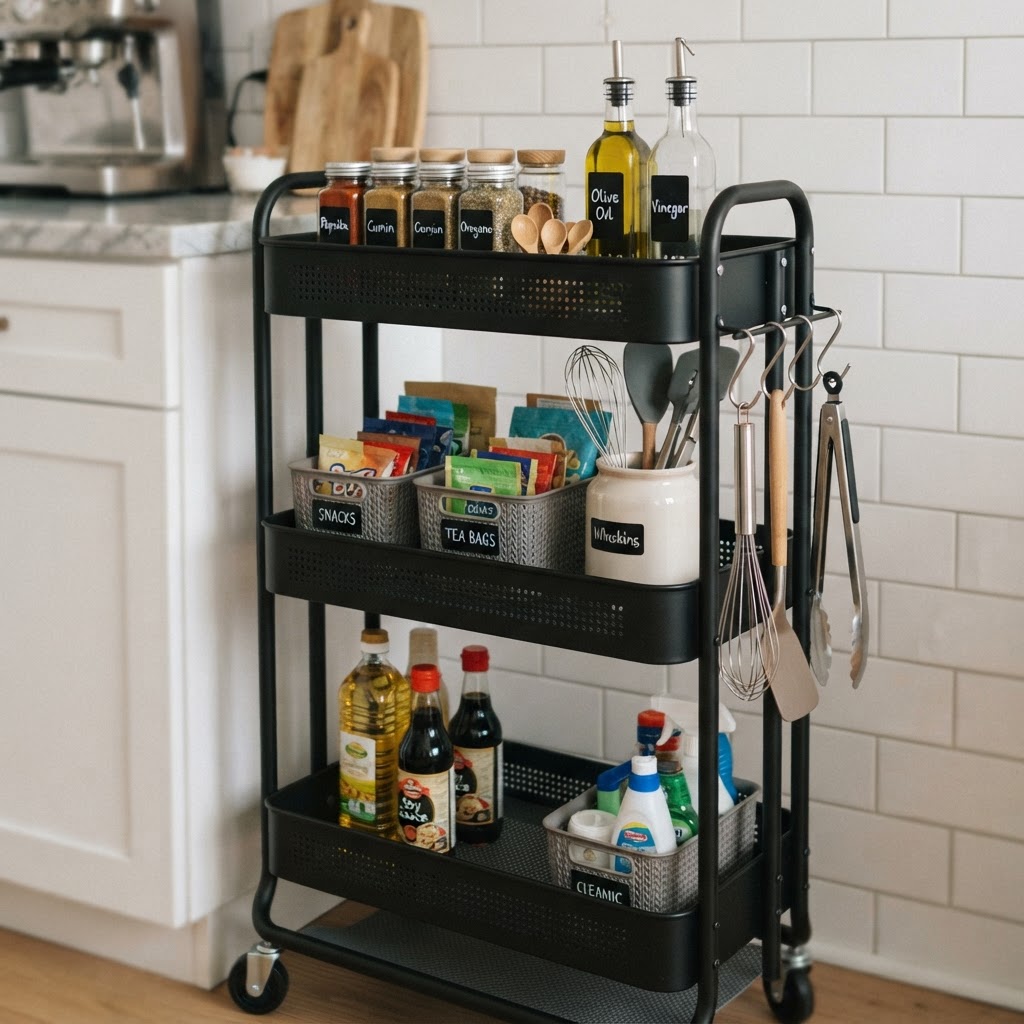
Detailed storage solutions on a compact utility cart.

In a tiny kitchen, counter space is often non-existent. A slim rolling cart acts as a secondary mobile island. You can use it to hold a coffee station, a collection of oils and vinegars, or your most-used cleaning supplies. By grouping items by category, you create a more efficient workflow, ensuring you are not searching through deep, dark cabinets for that one spice you need. To learn more about how to maximize storage in a small apartment kitchen, check out our comprehensive guide for even more space-saving ideas.

Another clever trick is to use a slim rolling cart to store overflow pantry items. If you have a small stash of boxed goods that don’t fit in your cupboard, place them on the middle shelf of a rolling cart. The accessibility allows you to see exactly what you have at a glance, preventing you from over-buying groceries during your next trip to the store.

Transforming Your Bathroom Storage

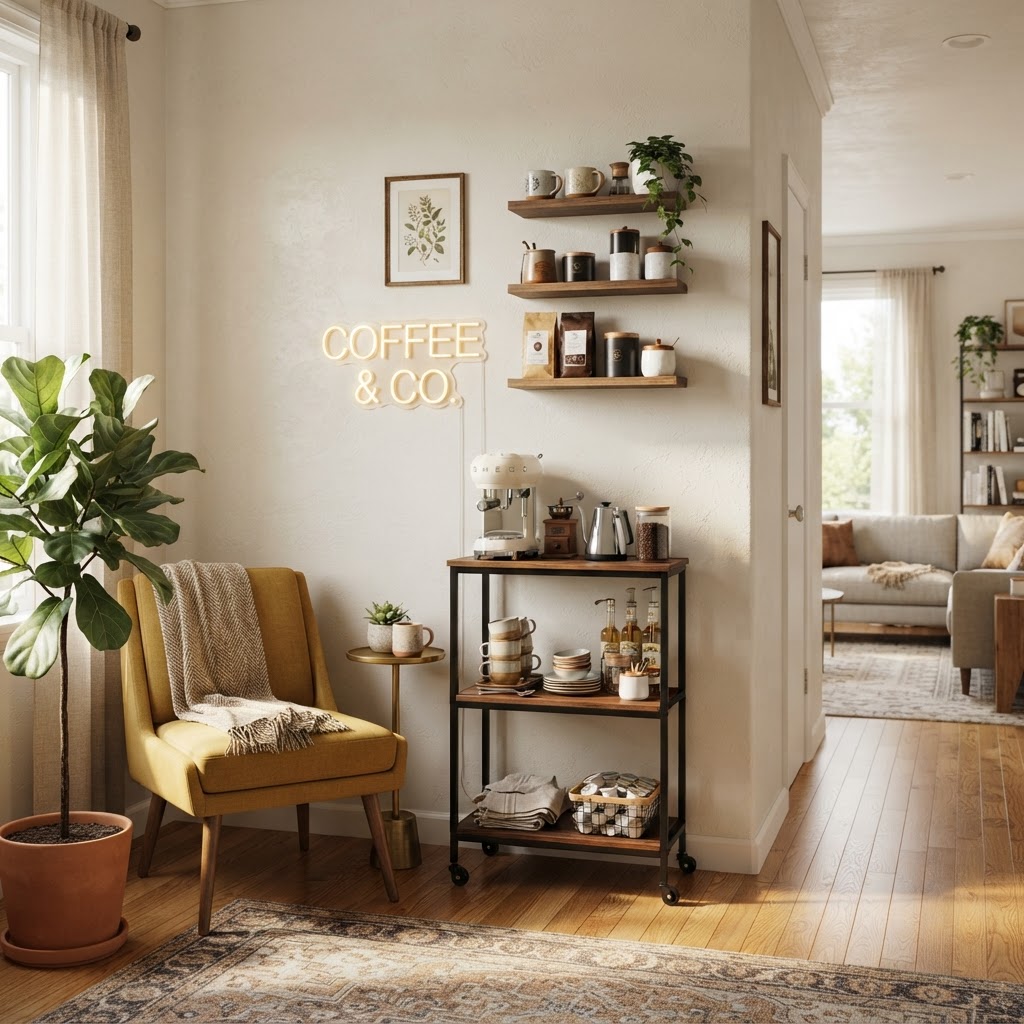
Transforming dead space into a functional coffee corner.

Bathroom storage is notoriously difficult, especially in older buildings with pedestal sinks or lack of medicine cabinets. The area next to the toilet or beneath a wall-mounted sink is prime real estate. A slim rolling cart can store extra toilet paper, spare towels, skincare bottles, and hair styling tools, all within arm’s reach of where you actually get ready in the morning.

Consider adding small bins or dividers inside the trays of the cart. This helps keep smaller items like cotton swabs, makeup brushes, and travel-sized toiletries from toppling over every time you move the cart. By creating a modular system, you turn a simple metal rack into a high-end organizational unit that rivals custom bathroom vanity drawers.

Maintenance and Cleaning Tips

Because these carts are often stored in tight corners, they can collect dust and grime more quickly than open shelves. To keep them looking sharp, incorporate a quick wipe-down into your weekly cleaning routine. Use a damp cloth to clear off the trays and ensure the wheels are free of hair or debris, which can cause the cart to squeak or jam over time.

If you are using your cart in the kitchen, grease can occasionally build up on the surfaces. A gentle degreasing soap will keep the metal finish looking brand new. Always check the wheel locks to ensure they are functioning properly, as this prevents the cart from rolling away when you are trying to grab a heavy jar of spices or a glass bottle.

Creative Hacks for Added Functionality

Think beyond basic storage. Many slim rolling carts are compatible with magnetic hooks that can be attached to the side panels. Use these to hang oven mitts, scrub brushes, or even a small hand towel. You can also mount a narrow pegboard strip to the side of the cart to create extra hanging storage for scissors, measuring spoons, or other small kitchen gadgets.

If you find the shelves are too “slippery” for your items, consider adding non-slip drawer liners. These can be cut to size and placed on each tier to prevent bottles from sliding around when you move the unit. This is especially helpful for glass bottles in the bathroom or jars in the kitchen.

Assessing the Long-Term Benefits

Investing in a slim rolling cart is not just about clearing clutter; it is about reclaiming the joy of living in your own home. When your living space is organized, you reduce the mental load caused by visual noise. Everything has a place, and you know exactly where to find it. The portability of these units means that as your life changes, your storage solutions can adapt alongside you.

You might use the cart for diapers and baby supplies today, and transition it into a bedside library or a craft supply station next year. This flexibility makes slim rolling carts an excellent investment for anyone living in a small apartment. They bridge the gap between permanent, expensive renovations and flimsy, temporary solutions.

Conclusion

Finding the right organization tools is key to enjoying life in a small space. By utilizing slim rolling carts for tiny bathrooms and kitchens, you can transform chaotic, cramped corners into highly organized, functional areas that make your daily routine smoother. Take the time to measure your space, choose a material that fits your environment, and start reclaiming your square footage today.

Do you have a favorite way to use a rolling cart in your small home? Let us know your best organizational hacks in the comments below, and don’t forget to measure twice and buy once to ensure your new cart fits perfectly into your space!

Smart Drawer & Pull-Out Systems for Small Kitchens

Living in a home with limited square footage often means the kitchen becomes the most challenging room to keep organized. When counter space is at a premium and cabinets seem to swallow your cookware, installing smart drawer & pull-out systems for very small kitchens becomes a game-changer. These innovative storage solutions allow you to utilize every cubic inch of your cabinetry, ensuring that even the deepest, darkest corners of your kitchen are accessible and functional.

The Philosophy of Efficient Kitchen Storage

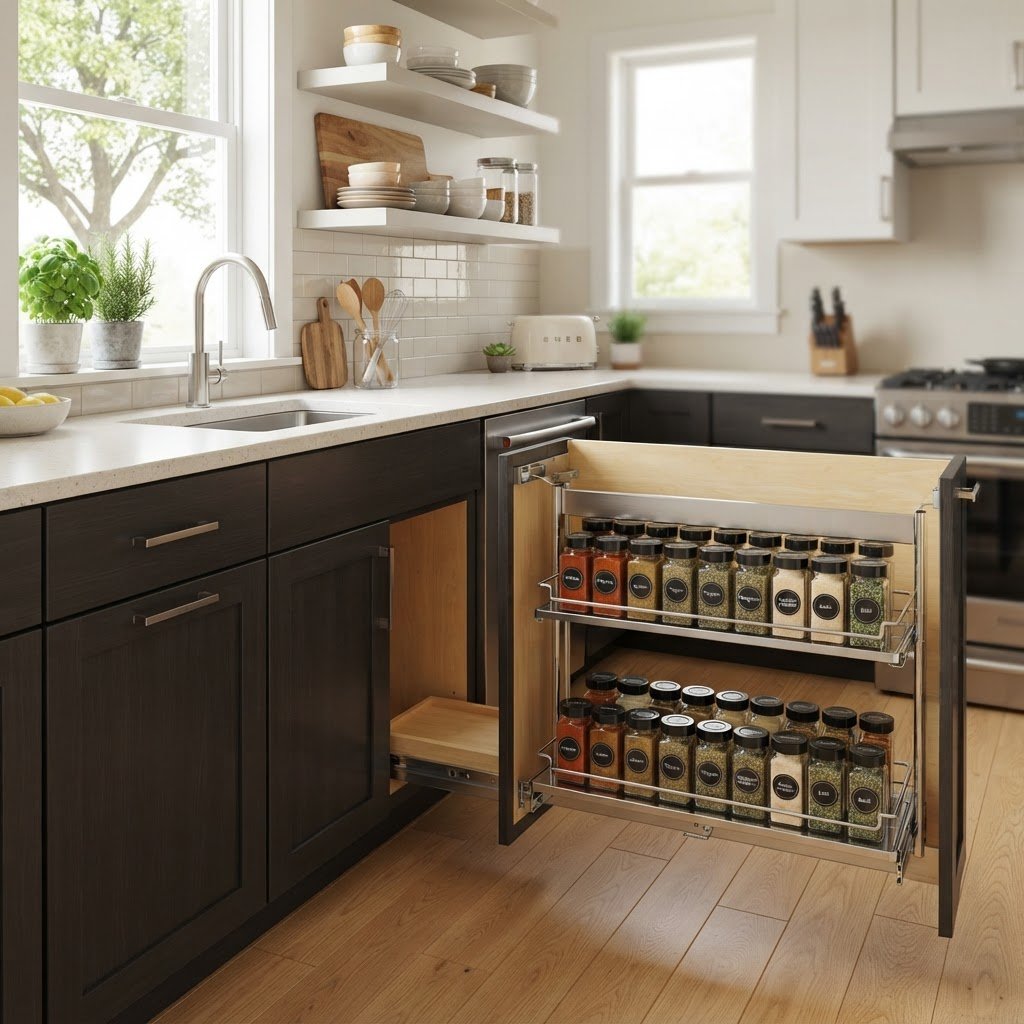
Smart pull-out spice racks make the most of narrow, awkward spaces.

If you are looking for additional ways to maximize cabinet space in your kitchen, be sure to explore our expert guide on professional-grade organization. The primary struggle in a compact kitchen is not necessarily a lack of storage, but rather a lack of accessible storage. Traditional deep cabinets often lead to the ‘black hole’ effect, where items are pushed to the back and forgotten until you move house. By converting these static spaces into dynamic, slide-out zones, you effectively double your usable storage capacity.

Focusing on ergonomic design means bringing your tools to you rather than reaching into uncomfortable positions. When you implement high-quality drawer systems, you eliminate the need to crouch down or climb on stools to reach items buried in the back of lower cabinets. This transition from a traditional pantry-style setup to a modular pull-out system fundamentally changes how you interact with your cooking environment.

Essential Pull-Out Organizers for Every Cabinet

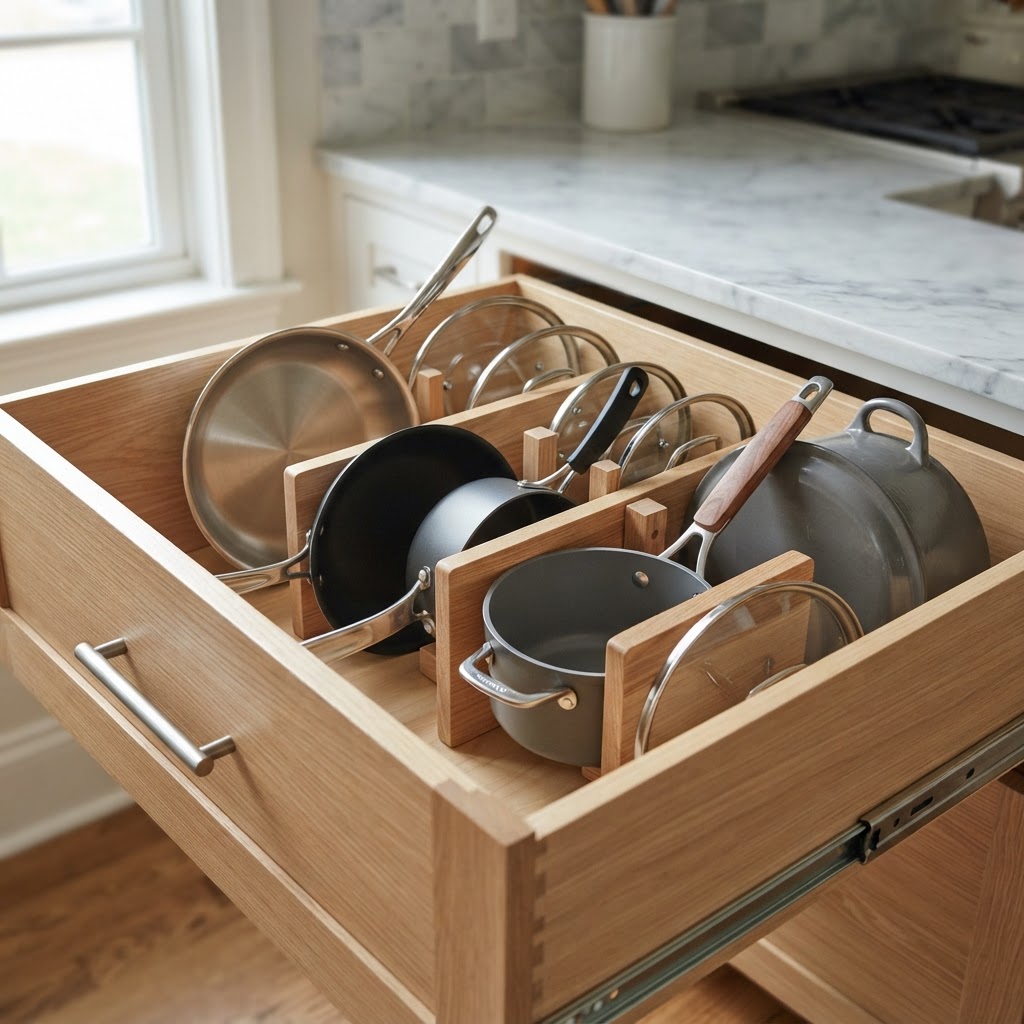
Vertical organization in drawers prevents clutter and protects cookware.

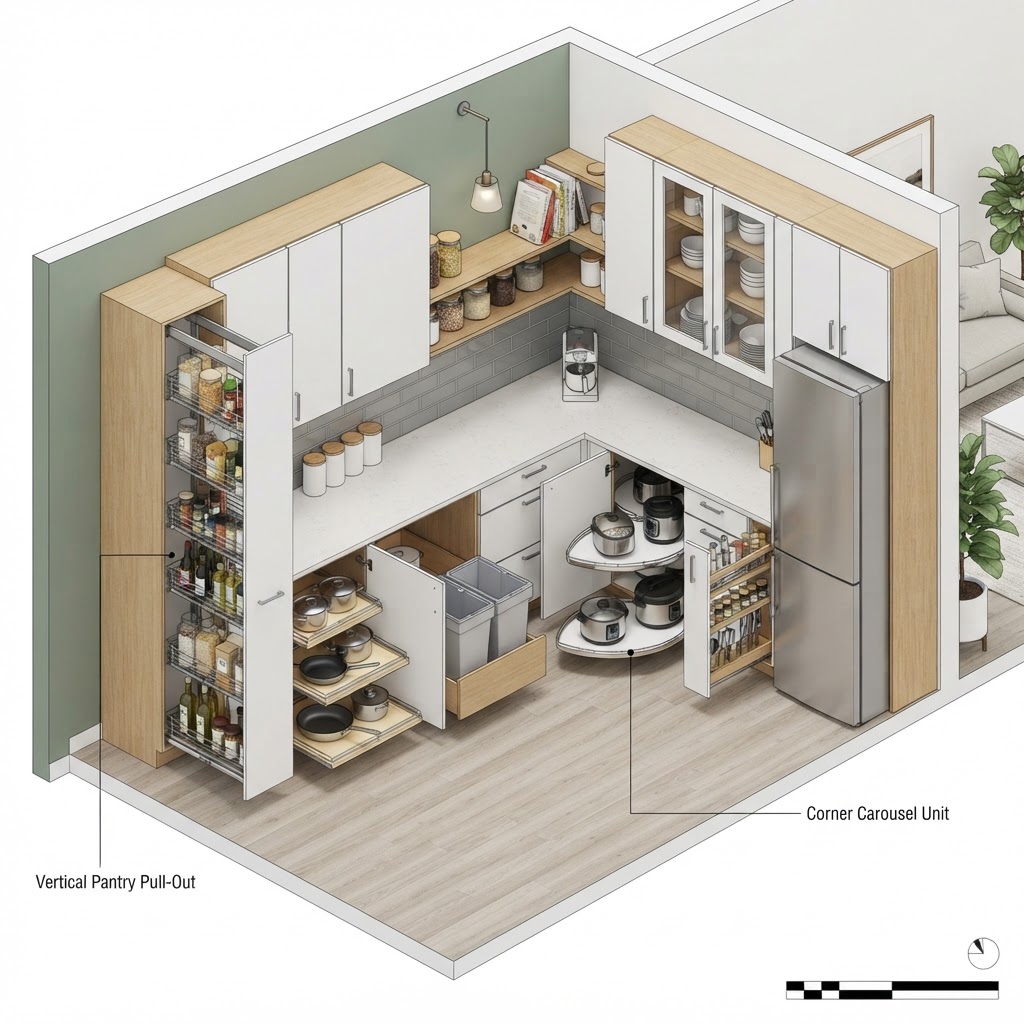
Not all pull-out units are created equal, and choosing the right one depends heavily on your specific cabinet dimensions and storage needs. For instance, blind corner pull-outs are essential for L-shaped kitchen layouts. These systems utilize specialized hardware that swings or slides the contents of the corner cabinet out into the room, making previously unreachable space usable.

Vertical Storage Solutions

Vertical dividers are another cornerstone of small kitchen optimization. Instead of stacking heavy pots and pans, which makes it nearly impossible to retrieve the one on the bottom, use vertical pull-out racks. These racks store your baking sheets, cutting boards, and heavy skillets on their sides, allowing you to slide them out like files in a cabinet.

Why Vertical Beats Horizontal

Storing items vertically provides several advantages beyond simple space management. It prevents scratches on non-stick surfaces, keeps your most-used items in clear sight, and drastically reduces the ‘clutter factor’ that makes small kitchens feel even tighter. It is a simple change that yields significant results for any homeowner.

Optimizing Under-Sink and Tight Niche Spaces

Efficient layout planning transforms tiny kitchens into functional workspaces.

The area beneath the sink is notoriously difficult to organize due to plumbing obstructions, but it offers massive potential for storage. Specialty u-shaped pull-out drawers are designed to navigate around pipes, allowing you to store cleaning supplies, sponges, and dish soap in a neatly organized drawer rather than a chaotic heap.

Additionally, consider narrow base pull-outs, often referred to as spice or utility pull-outs. These units typically occupy a footprint of just 6 to 9 inches wide but provide multiple tiers of storage. They are perfect for spices, oils, or even tall, thin appliances like blenders or food processor attachments that otherwise take up valuable counter space.

Hardware Matters: Choosing Durable Systems

When investing in smart drawer systems, quality hardware is non-negotiable. You want drawer slides that offer soft-close functionality and high weight capacities. Because these systems are frequently pulled in and out, cheap hardware will sag or bind after only a few months of heavy use.

Look for full-extension slides. These allow the drawer to pull out completely, ensuring you can access items at the very back of the drawer without needing to bend at awkward angles. Investing in ball-bearing slides is also recommended for a smooth, silent operation that adds a touch of luxury to your kitchen routine.

DIY vs. Professional Installation

Many homeowners ask if they should attempt to install these organizers themselves. If you are comfortable with basic power tools and measuring accurately, many retrofit kits are designed for the DIY enthusiast. However, professional installation is worth considering if you are working with custom-built cabinets or if you are installing complex, multi-tier pull-out pantries.

The Precision Factor

In a very small kitchen, there is zero margin for error. A drawer that is off by even a quarter-inch might not slide smoothly or could scratch the finish of your cabinet doors. Always double-check your interior cabinet measurements before purchasing any hardware. Remember to account for door hinges and the thickness of the cabinet frame.

Strategic Layout Planning for Maximum Workflow

Even with the best smart drawer & pull-out systems, your kitchen will fail to function if the items aren’t located in the right ‘zones.’ Group your items based on activity. Your food preparation area should have pull-outs for knives and mixing bowls, while the cooking area should house pots, pans, and spices.

Think about the ‘landing space’ concept. You want your storage to be located within arm’s reach of your primary prep area. If you find yourself walking across the kitchen to grab a measuring cup, your layout needs adjustment. Keep your most frequently used items in the top, easily accessible pull-out drawers, and save the bottom units for seasonal or rarely used appliances.

Maintenance and Long-Term Care

To ensure your new drawer systems last for years, periodic maintenance is essential. Every few months, clear out your drawers and wipe down the slides with a clean cloth. If you notice any sticking, a light application of dry silicone lubricant can restore the smooth glide of the runners.

Avoid overloading your drawers beyond their weight rating. Even the strongest steel systems have limits, and consistently exceeding them can lead to structural issues over time. If a drawer feels heavy, prioritize reorganizing the contents to better distribute the weight across the entire unit.

Conclusion

Implementing smart drawer & pull-out systems is the single most effective way to upgrade a small kitchen without undergoing a massive, expensive renovation. By prioritizing accessibility and making every inch of your cabinetry count, you create a cooking environment that feels larger, cleaner, and far more efficient. Start by evaluating your most frustrating cabinet and tackle it with a pull-out solution this weekend. Once you experience the ease of a fully organized kitchen, you will never want to go back to static, deep cabinets. Ready to reclaim your space? Start by measuring your cabinets today and look for the hardware that fits your unique cooking needs.

Smart Small Living Room Ideas for Under 400 Sq Ft

<p>Living in an apartment under 400 square feet presents a unique set of challenges, but it also offers an incredible opportunity for creative expression. When every square inch counts, your choice of furniture, lighting, and layout becomes paramount in defining how your home feels. Mastering smart small living room ideas for apartments under 400 sq ft is not just about making a space look larger; it is about ensuring that your home works hard for you every single day.</p><h2>The Psychology of Compact Living</h2><p><img decoding=”async” alt=”Use light colors and floating furniture to make a small living room feel spacious.” src=”https://media.base44.com/images/public/6a748232e4d18e0a622ab665/00ee497f1_generated_image.png” style=”display:block; margin:2.5em auto; max-width:100%; height:auto;” /></p><p>Many people view a tiny apartment as a temporary transition, but with the right mindset, it can be a cozy, efficient sanctuary. The secret lies in decluttering and prioritizing pieces that serve multiple purposes. When you stop trying to squeeze full-sized furniture into a small footprint, you gain the freedom to design a layout that truly supports your daily lifestyle.</p><p><span style=”display:block; text-align:center; margin:3em auto; max-width:800px;”><iframe loading=”lazy” style=”display:block; max-width:100%;” width=”800″ height=”450″ src=”https://www.youtube.com/embed/zxWJudC3FYI” title=”Cute Small Apartments, Tiny Interiors under 400 sq ft 37 sq m, #19″ frameborder=”0″ allow=”accelerometer; autoplay; clipboard-write; encrypted-media; gyroscope; picture-in-picture” allowfullscreen></iframe></span></p><h3>Embracing Vertical Space</h3><p>When your floor area is limited, you must start thinking in 3D. Walls are the most underutilized assets in any apartment. By installing floor-to-ceiling bookshelves or floating wall-mounted storage, you draw the eye upward and create an illusion of height. This also clears your floor area, which is the quickest way to make a room feel bigger.</p><h4>Why Floating Furniture Works</h4><p>Mounting your TV, bookshelves, and even side tables to the wall does two things. First, it clears the floor space, allowing for easier movement and cleaning. Second, it exposes more of your flooring, which tricks the brain into perceiving a larger expanse of space beneath the furniture.</p><h2>Choosing Multifunctional Furniture</h2><p><img decoding=”async” alt=”Multifunctional furniture is essential for maximizing storage in tiny apartments.” src=”https://media.base44.com/images/public/6a748232e4d18e0a622ab665/b5d02fca5_generated_image.png” style=”display:block; margin:2.5em auto; max-width:100%; height:auto;” /></p><p>In a living room under 400 square feet, every piece of furniture must earn its keep. A standard coffee table is a wasted opportunity if it doesn&#8217;t offer hidden storage. Look for ottomans that double as extra seating, or nesting tables that can be tucked away when you are hosting guests.</p><h3>The Power of the Sofa Bed</h3><p>For studio dwellers, a high-quality sofa bed is an essential investment. Modern designs are far more comfortable than the bulky versions of the past. Ensure you choose one with a slim profile to maintain a streamlined look that doesn&#8217;t overpower your limited floor area.</p><h2>Lighting and Color Palette Secrets</h2><p><img decoding=”async” alt=”Gallery walls add personality to your home without consuming precious floor space.” src=”https://media.base44.com/images/public/6a748232e4d18e0a622ab665/fb39cf8b6_generated_image.png” style=”display:block; margin:2.5em auto; max-width:100%; height:auto;” /></p><p>Color is the most effective tool in your interior design arsenal. Lighter colors like soft creams, light grays, and whites reflect natural light, making the room feel bright and airy. However, don&#8217;t be afraid of high-contrast accents, as they can add necessary depth and prevent a space from feeling washed out.</p><h3>Mastering Ambient Lighting</h3><p>Avoid relying solely on a single overhead &#8220;boob light.&#8221; Instead, layer your lighting with floor lamps, sconces, and LED strips. Soft, warm lighting creates cozy pockets of shadow that make a room feel more intimate rather than cramped. Consider placing mirrors strategically to bounce this light around the room, effectively doubling the apparent size of your apartment.</p><p><span style=”display:block; text-align:center; margin:3em auto; max-width:800px;”><iframe loading=”lazy” style=”display:block; max-width:100%;” width=”800″ height=”450″ src=”https://www.youtube.com/embed/3mcBm1W_qNE” title=”A 400-Square Feet NYC Apartment | Storage Tips for Small Spaces” frameborder=”0″ allow=”accelerometer; autoplay; clipboard-write; encrypted-media; gyroscope; picture-in-picture” allowfullscreen></iframe></span></p><h2>Zoning for Purposeful Flow</h2><p><img decoding=”async” alt=”Strategic zoning with area rugs can make a small apartment feel organized.” src=”https://media.base44.com/images/public/6a748232e4d18e0a622ab665/671dd45c8_generated_image.png” style=”display:block; margin:2.5em auto; max-width:100%; height:auto;” /></p><p>Just because you live in a tiny home doesn&#8217;t mean you can&#8217;t have distinct areas. Use area rugs to define the living room zone without building walls. This visual separation helps organize your thoughts and your space, making a 350-square-foot apartment feel structured and intentional.</p><h3>The Rug Rule</h3><p>Choose a large rug that anchors all your primary seating pieces. A common mistake is using a rug that is too small, which makes the room feel choppy and fragmented. A large, cohesive rug acts as an island of comfort in your home.</p><h2>Storage Hacks for Tiny Homes</h2><p>For even more inspiration on keeping your area organized, check out these <a href=”https://smallapartmentdecorating.com/14-clever-living-room-storage-ideas-small-apartments/” style=”color: #2563eb; text-decoration: underline;”>clever living room storage ideas</a> for small apartments. Storage is the final frontier in small living room ideas. If you have open shelves, use decorative baskets to hide the visual clutter. Visual noise is the enemy of a peaceful small space. When everything has a &#8220;home&#8221; behind a closed door or inside a bin, your apartment will naturally feel more tranquil.</p><h3>Under-Sofa Storage</h3><p>If you have a sofa with legs, use the clearance underneath. Low-profile storage bins are perfect for stashing seasonal items like winter blankets or extra pillows that don&#8217;t need to be out during the summer months.</p><h2>Integrating Technology and Decor</h2><p>Technology can easily clutter a small space. Use cable management systems to hide unsightly cords, and look for smart home tech that is compact. Your decor should be curated rather than collected; pick a few high-impact pieces that tell a story instead of filling every available shelf with knick-knacks. If you are hesitant about making permanent changes to your unit, exploring various <a href=”https://smallapartmentdecorating.com/renter-friendly-no-damage-apartment-decor/”>renter-friendly decor solutions</a> can help you personalize your space without risking your security deposit.</p><p><span style=”display:block; text-align:center; margin:3em auto; max-width:800px;”><iframe loading=”lazy” style=”display:block; max-width:100%;” width=”800″ height=”450″ src=”https://www.youtube.com/embed/bJHJYjMXKfU” title=”Smart Small Living Room Ideas That Maximise Space” frameborder=”0″ allow=”accelerometer; autoplay; clipboard-write; encrypted-media; gyroscope; picture-in-picture” allowfullscreen></iframe></span></p><h3>Creating a Gallery Wall</h3><p>If you want to add personality without taking up floor space, a gallery wall is your best bet. Keep the frames consistent in color but vary the art to keep things interesting. This provides a focal point that draws guests&#8217; eyes toward the walls rather than the limited square footage.</p><h2>Frequently Asked Questions</h2><table><thead><tr><th>Question</th><th>Answer</th></tr></thead><tbody><tr><td>What is the best furniture shape?</td><td>Rounded edges help with flow and safety in tight spots.</td></tr><tr><td>Should I avoid large plants?</td><td>No, one large &#8220;statement&#8221; plant is better than 10 tiny ones.</td></tr><tr><td>Can I use dark colors?</td><td>Yes, dark walls can create a moody, sophisticated vibe in small rooms.</td></tr></tbody></table><h2>Conclusion</h2><p>Implementing these smart small living room ideas for apartments under 400 sq ft is all about balance. By choosing multifunctional pieces, utilizing your vertical space, and keeping your surfaces clear of excess, you can create a beautiful home that feels much larger than its dimensions suggest. Start with one area today—perhaps clearing your coffee table or hanging a mirror—and watch your space transform. If you found these tips helpful, subscribe to our newsletter for more tiny home living inspiration and share this guide with your apartment-dwelling friends!</p><p><script type=”application/ld+json”>{“@context”:”https://schema.org”,”@type”:”Article”,”headline”:”Smart Small Living Room Ideas for Under 400 Sq Ft”,”description”:”Maximize your space with these smart small living room ideas for apartments under 400 sq ft. Discover layout hacks, storage solutions, and decor tips for tiny homes.”,”datePublished”:”2026-08-09T06:17:42.968Z”,”dateModified”:”2026-08-09T06:17:42.968Z”,”author”:{“@type”:”Organization”,”name”:”Editorial Team”},”publisher”:{“@type”:”Organization”,”name”:”Editorial Team”}}</script></p>

10 Boho Small Kitchen Ideas for a Stylish, Clutter-Free Space

Designing a space that feels both personal and functional is a challenge for many apartment dwellers, but implementing boho small kitchen ideas can provide the perfect balance. The bohemian aesthetic thrives on a collected-over-time vibe, using vibrant textiles, natural textures, and personal trinkets to make a house feel like a home. In a small kitchen, the danger lies in crossing the line from curated to cluttered. By focusing on intentional decor choices and smart storage solutions, you can achieve that dreamy, sun-drenched look without overwhelming your limited square footage.

The Philosophy of Minimalist Bohemian Design

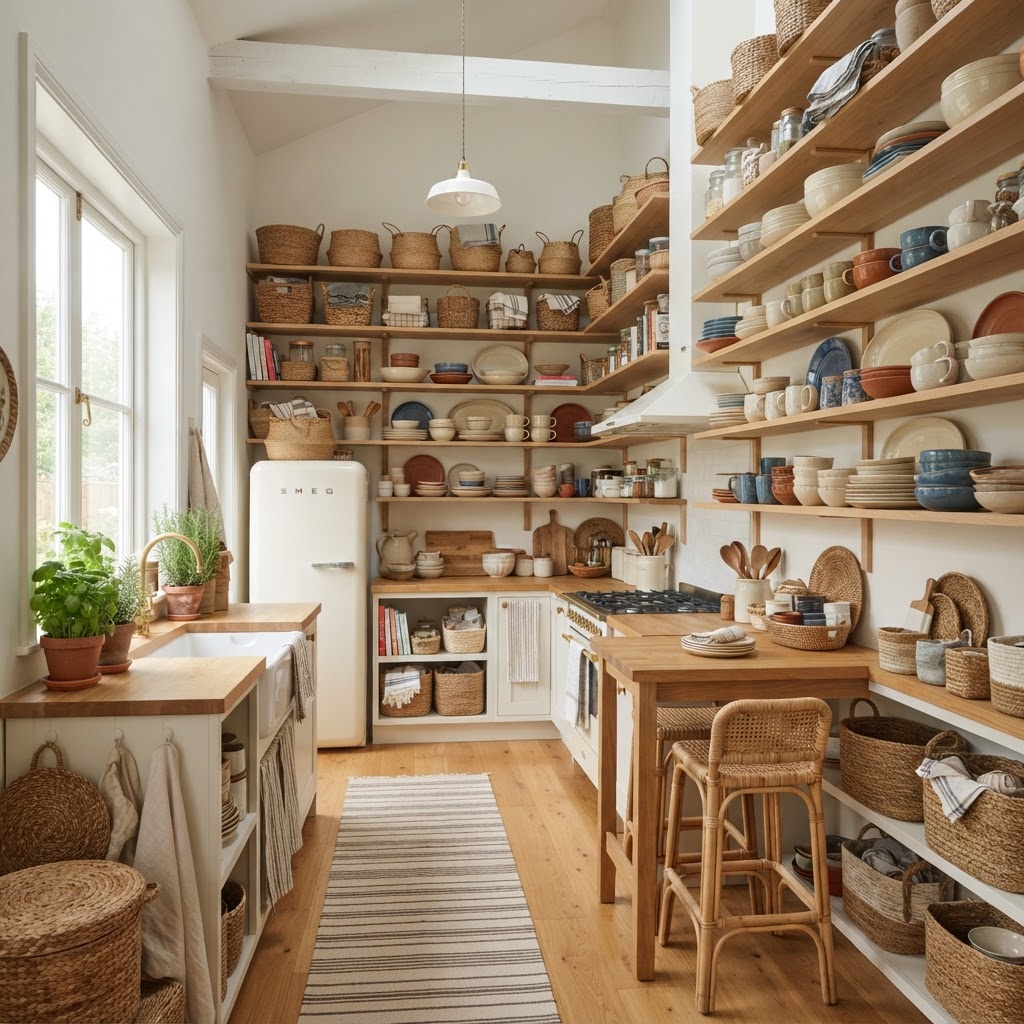
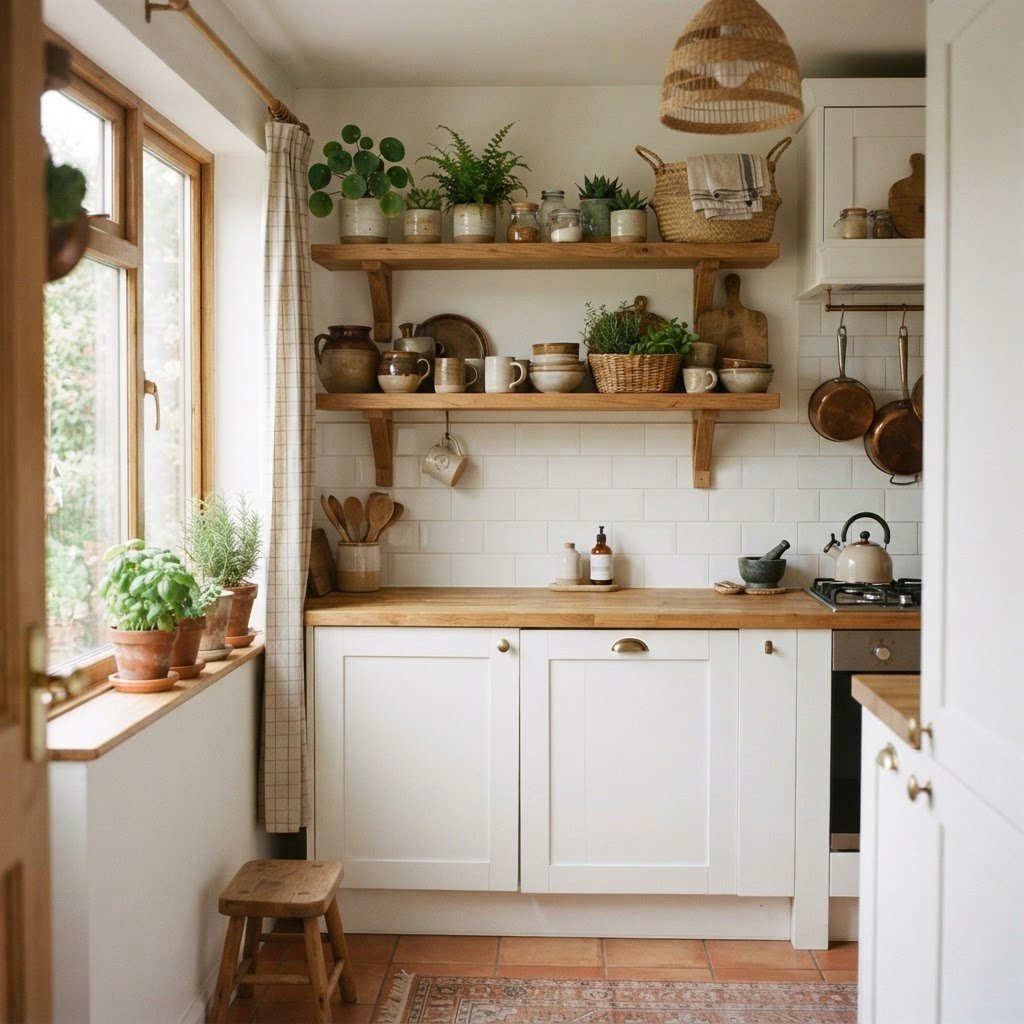
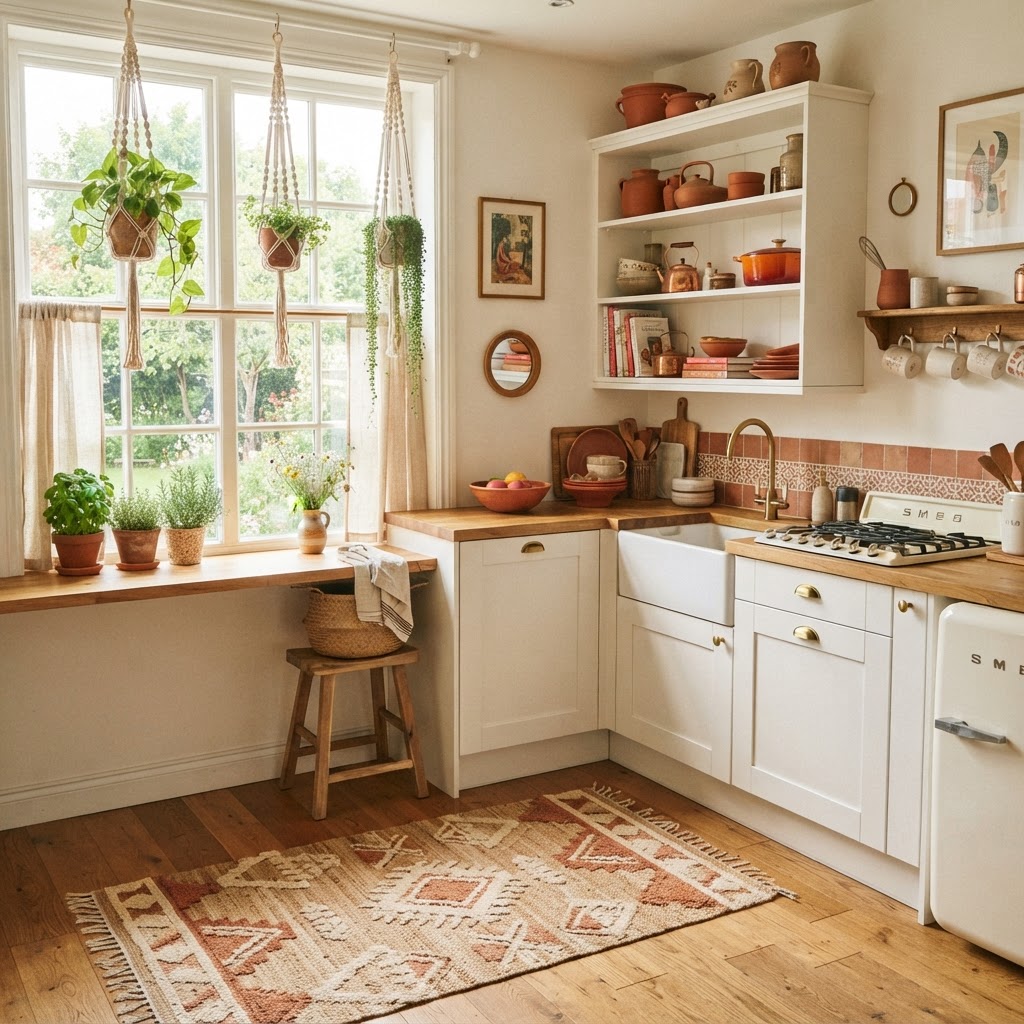
Open wooden shelving helps maximize space while displaying personal treasures.

When you think of bohemian style, you might immediately picture layers of rugs, overflowing bookshelves, and stacks of plants. While this is part of the charm, a successful boho small kitchen requires a more disciplined approach to the ‘more is more’ philosophy. Minimalist bohemian design is about selecting pieces that serve a purpose or truly spark joy. It prioritizes open surfaces and clean lines as the foundation, allowing your unique decorative accents to stand out as intentional statements rather than visual noise.

Start by assessing your current layout. Is every item in your kitchen necessary? The first step toward a beautiful space is decluttering. Bohemian decor thrives when there is breathing room between objects, preventing the room from feeling cramped. Focus on a neutral base for your larger elements, such as white or light wood cabinetry, which serves as a canvas for the colorful accents typical of the style. By keeping the foundation bright and airy, you can layer in personality through smaller, easily managed elements.

Utilizing Vertical Storage for Visual Interest

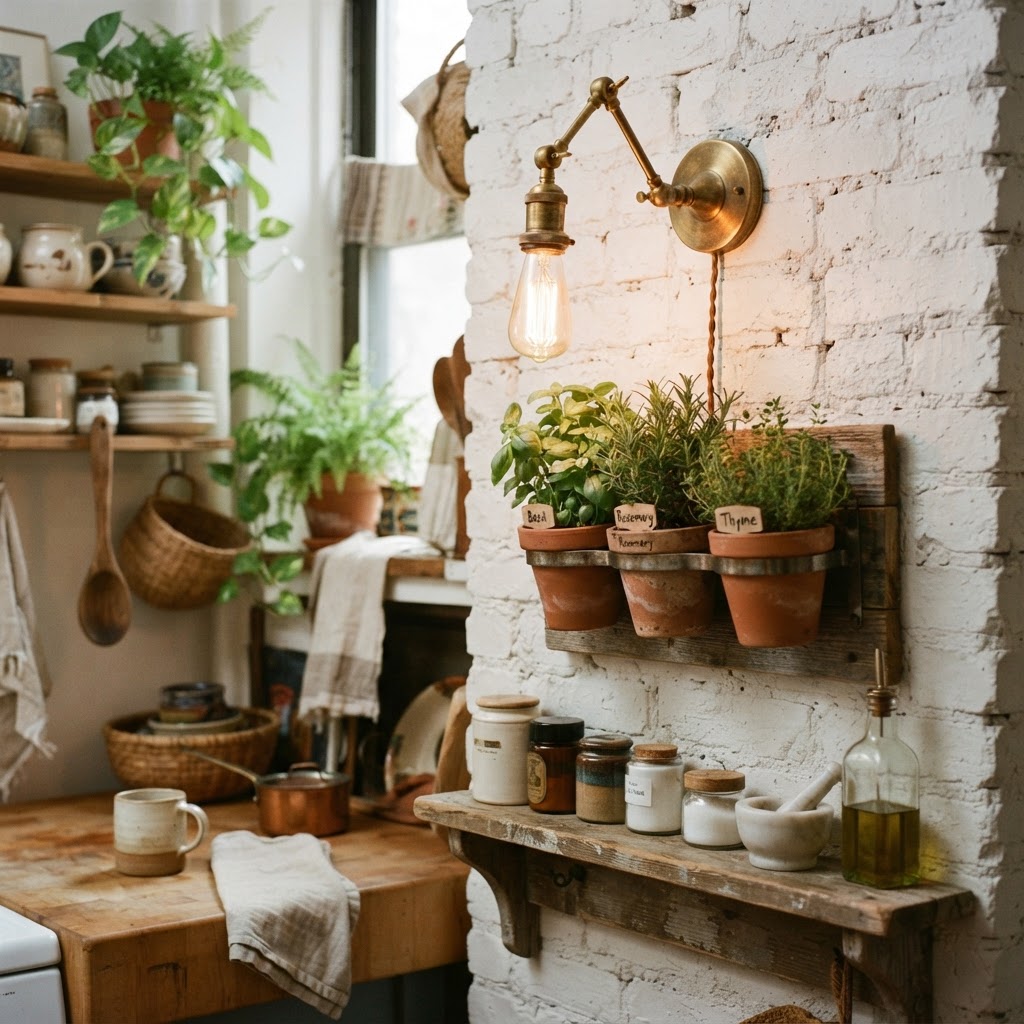
Wall-mounted herbs bring life and color to a compact cooking area.

One of the most effective ways to incorporate boho small kitchen ideas is to utilize your vertical space. When your floor is limited, your walls become your best friends. Open shelving is a staple in boho kitchens because it creates a sense of openness and allows you to display your favorite artisanal kitchenware. Use wooden floating shelves to keep your essentials within reach while maintaining a natural, organic look. Beyond decorative elements, it is crucial to learn how to maximize storage in your kitchen to ensure your bohemian aesthetic doesn’t become overwhelming.

Think beyond standard shelves by incorporating wall-mounted rails or pegboards. These are excellent for hanging copper pots, dried herb bundles, or macrame plant hangers. Not only do these items keep your counters clear, but they also serve as functional decor that adds to the layered aesthetic of the room. By keeping your tools off the counter, you ensure that your kitchen remains a workspace first and a design statement second.

Bringing in Natural Elements and Textures

Textured textiles and plants create a warm, inviting bohemian atmosphere.

Bohemian design is deeply rooted in nature. To bring this energy into a small kitchen, look for ways to incorporate raw materials. Think woven rattan baskets for storage, bamboo utensils, or a jute runner rug to add warmth to the floor. These items introduce texture without needing extra color, keeping the room visually interesting while maintaining a sense of harmony and calm.

Incorporating Indoor Greenery

Plants are a non-negotiable element of the boho style. However, in a small kitchen, space is at a premium. Instead of taking up counter space with heavy pots, consider hanging planters. A trailing Pothos or a cascading Philodendron near a sunny window can draw the eye upward, making the ceiling feel higher and the room feel more expansive. If you are worried about the mess, focus on low-maintenance succulents or dried floral arrangements that provide the same aesthetic appeal with zero upkeep.

Another clever way to add greenery is through a vertical herb garden. A simple wall-mounted planter near the stove allows you to keep fresh ingredients like basil, mint, and cilantro close at hand. This is the definition of functional beauty—it adds a lush pop of color and a fresh scent to your kitchen while providing ingredients for your culinary adventures.

Selecting the Right Bohemian Color Palette

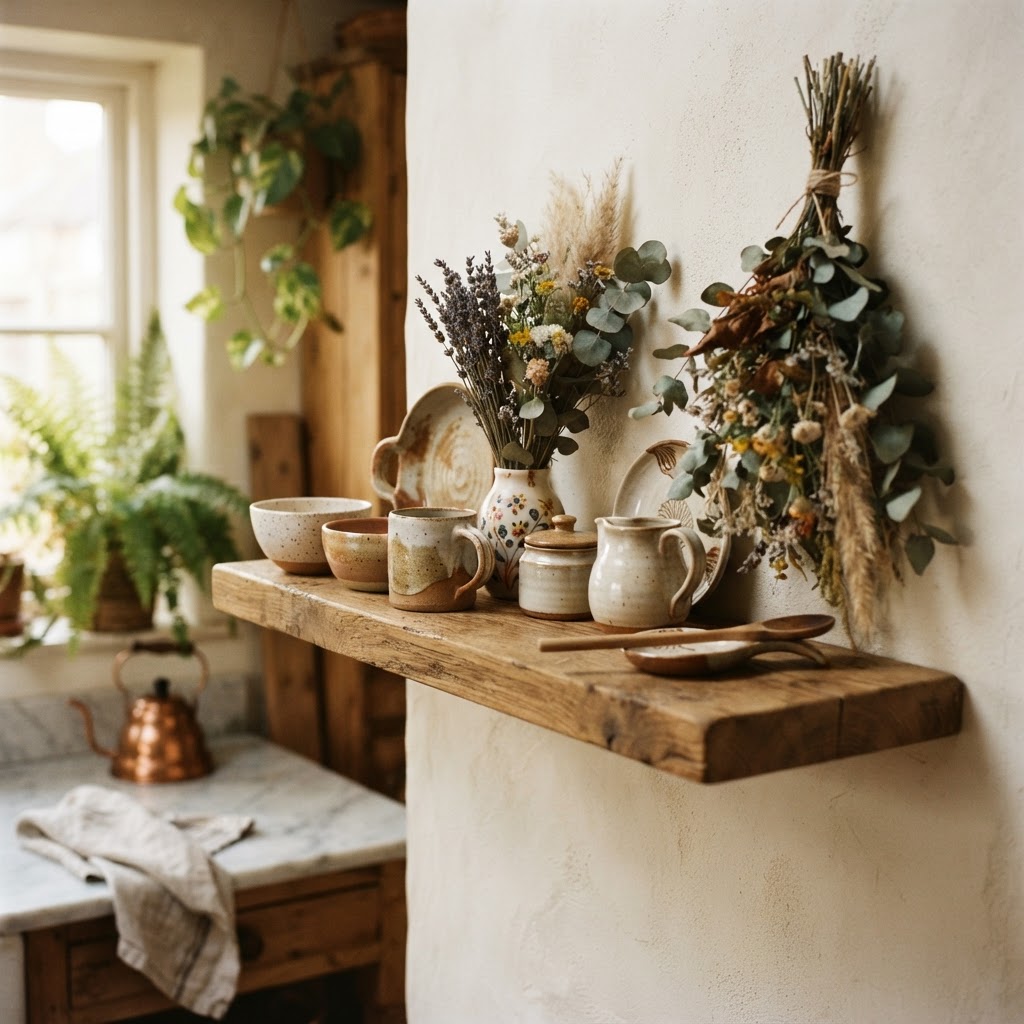
Curated, functional items turn everyday kitchenware into intentional decor.

In a small space, color can either make the room feel cozy or make it feel like a claustrophobic box. For a boho kitchen, aim for a balanced color palette. You don’t have to stick strictly to white; earthy tones like terracotta, sage green, sandy beige, and mustard yellow work beautifully. Use these colors as accents rather than covering every surface. For example, a backsplash with a subtle, earthy geometric tile can become the room’s focal point without closing the space in.

If you want to introduce bolder colors, do so through accessories. A set of vintage-inspired canisters, a patterned tea towel, or a colorful rug can add the ‘boho’ punch you are looking for. Because these items are small, you can easily swap them out when you feel the need for a change. This approach keeps your kitchen feeling fresh and prevents it from becoming visually overwhelming.

The Power of Statement Lighting

Lighting is often an afterthought in kitchen design, but in a small boho kitchen, it is an opportunity to make a big impact. Replace standard builder-grade fixtures with something that speaks to the aesthetic. A woven rattan or bamboo pendant light adds instant texture and warmth, casting beautiful shadows that contribute to a cozy, inviting atmosphere during evening meals.

If your kitchen is too small for a large statement pendant, consider wall sconces. Brass or antique copper finishes pair perfectly with the bohemian look and can be installed above a prep area or near open shelving to highlight your decor. Great lighting not only improves your ability to work but also elevates the perceived value and style of your kitchen significantly.

Curating Your Decor Without Adding Clutter

How do you keep the ‘eclectic’ spirit of boho design without accumulating stacks of random items? The secret is in the ‘one-in, one-out’ rule and intentional grouping. Instead of spreading items across every counter, group similar objects together on a single shelf or tray. For instance, a small wooden tray holding a mortar and pestle, a bottle of olive oil, and a ceramic salt cellar creates a purposeful display that feels like a design feature.

Focus on quality over quantity. Instead of having five different mismatched mugs, invest in a set of handmade, artisanal ceramic mugs that you love to look at. When your everyday items are beautiful, you don’t need additional knick-knacks to decorate the space. By blending utility and beauty, you ensure that your kitchen remains easy to clean while perfectly capturing that desired free-spirited vibe.

Conclusion

Achieving the perfect boho small kitchen is all about striking a balance between your personal aesthetic and the practical needs of a culinary space. By embracing vertical storage, incorporating natural textures, and selecting decor with intention, you can create a kitchen that is both functional and deeply reflective of your personality. Remember that bohemian style is meant to be lived in, so don’t be afraid to let your space evolve over time. Start small, focus on what you truly love, and watch your kitchen transform into a warm, inviting heart of the home. Are you ready to refresh your space? Pick one of these ideas to start with today and share your progress with us!

12 Hidden Storage Spots in Your Small Apartment

<p>Living in a compact urban dwelling often feels like a constant battle against clutter. When square footage is at a premium, mastering the art of small apartment storage becomes less of a luxury and more of a survival skill for your mental well-being. Many residents overlook the vertical potential or the awkward nooks that can serve as prime real estate for organizing belongings. By shifting your perspective, you can uncover dozens of square feet you never knew you had.</p><h2>Rethink the Vertical Space Behind Doors</h2><p><img decoding=”async” src=”https://media.base44.com/images/public/6a748232e4d18e0a622ab665/d64fe4f04_generated_image.png” style=”display:block; margin:2.5em auto; max-width:100%; height:auto;”decoding=”async” alt=”Utilizing the gap above kitchen cabinets for extra storage.” /></p><p>The backs of doors are arguably the most underutilized real estate in any home. While most people stick a simple coat hook on their bedroom or bathroom door, you can actually transform these surfaces into high-capacity storage hubs. Think beyond standard hooks and opt for over-the-door organizers that feature deep pockets.</p><h3>Maximize Door Functionality</h3><p>For the pantry, use clear pocket organizers to hold snacks, spices, or small tools. In the bathroom, a tiered hanging unit can accommodate hair dryers, brushes, and toiletries that would otherwise crowd your tiny vanity. By utilizing the depth behind the door, you free up valuable counter space and keep your items easily accessible.</p><p><span style=”display:block; text-align:center; margin:3em auto; max-width:800px;”><iframe loading=”lazy” style=”display:block; max-width:100%;” width=”800″ height=”450″ src=”https://www.youtube.com/embed/CLRT2gJhqZA” title=”Storage Secrets for a Small Home | How I store stuff in my …” frameborder=”0″ allow=”accelerometer; autoplay; clipboard-write; encrypted-media; gyroscope; picture-in-picture” allowfullscreen></iframe></span></p><h4>Why This Matters for Small Spaces</h4><p>When you clear off surfaces, the room immediately feels larger and more inviting. This is a foundational principle of effective apartment organization. If you are not utilizing the back of every single door in your apartment, you are effectively leaving storage capacity on the table.</p><h2>Leverage the Underside of Your Furniture</h2><p><img decoding=”async” src=”https://media.base44.com/images/public/6a748232e4d18e0a622ab665/f0d560292_generated_image.png” style=”display:block; margin:2.5em auto; max-width:100%; height:auto;”decoding=”async” alt=”Back-of-door organizers are perfect for maximizing vertical space.” /></p><p>Most modern furniture sits on legs, creating a &#8220;dead zone&#8221; between the frame and the floor. This area is perfect for sliding low-profile storage bins or flat boxes. Whether it is your sofa, your bed, or even your desk, the floor space beneath them is prime territory for seasonal items or hobby gear.</p><p>Using wheeled containers makes accessing these hidden items effortless. You can keep guest linens under the bed or seasonal boots beneath your entryway console table without sacrificing your aesthetic. This is one of the most effective hidden storage ideas for people who want to keep their living area looking clean and minimal.</p><h2>Transform Your Windowsills Into Shelves</h2><p><img decoding=”async” src=”https://media.base44.com/images/public/6a748232e4d18e0a622ab665/c39888481_generated_image.png” style=”display:block; margin:2.5em auto; max-width:100%; height:auto;”decoding=”async” alt=”Under-bed storage is a must for small apartments.” /></p><p>Windowsills are often neglected, serving only as a resting place for a stray succulent or a collection of dust. If your windowsills are wide enough, they are essentially built-in floating shelves. You can easily extend them with a piece of matching wood to create a more functional ledge for books, kitchen canisters, or decorative storage baskets.</p><p><span style=”display:block; text-align:center; margin:3em auto; max-width:800px;”><iframe loading=”lazy” style=”display:block; max-width:100%;” width=”800″ height=”450″ src=”https://www.youtube.com/embed/Bp4MrOqRhqM” title=”10 Small Space STORAGE HACKS You’ll Wish You Knew Sooner ✨” frameborder=”0″ allow=”accelerometer; autoplay; clipboard-write; encrypted-media; gyroscope; picture-in-picture” allowfullscreen></iframe></span></p><p>By taking advantage of these naturally lit areas, you create a cozy nook that serves a purpose. Just ensure your items do not block the natural light, as small apartments rely heavily on brightness to feel larger. When you maximize your small apartment through these intentional placements, you maintain a sense of airiness while adding storage.</p><h2>Take Advantage of Toe-Kick Zones</h2><p><img decoding=”async” src=”https://media.base44.com/images/public/6a748232e4d18e0a622ab665/45f81977f_generated_image.png” style=”display:block; margin:2.5em auto; max-width:100%; height:auto;”decoding=”async” alt=”Magnetic organizers turn your fridge side into a tool hub.” /></p><p>If you have a customized kitchen or built-in cabinetry, look at the very bottom where the cabinet meets the floor. In many cases, these &#8220;toe-kick&#8221; areas are empty space encased by a thin piece of wood. If you are handy, you can convert these into pull-out drawers for flat items like baking sheets, cutting boards, or even flat-pack kitchen tools.</p><p>If permanent renovation is off the table, you can still place low-profile magnets or adhesive hooks inside the bottom edge of cabinets to hang dish towels or rubber gloves, a technique often highlighted in our guide to renter-friendly no-damage apartment decor. It might seem like a small detail, but in a micro-apartment, every inch saved is a win against the clutter. This approach is highly effective for those focusing on long-term apartment organization strategies.</p><h2>The Space Above Your Kitchen Cabinets</h2><p>Most kitchen cabinets do not reach the ceiling, leaving an awkward gap that collects dust. Instead of letting this space go to waste, use it to store items you rarely need. Think of seasonal kitchen tools, oversized serving platters, or even extra pantry staples stored in uniform bins.</p><p>To make this look intentional rather than messy, use matching baskets or lidded bins that coordinate with your decor. This prevents the area from looking like a &#8220;junk shelf&#8221; and instead serves as a cohesive storage solution. If the items look attractive, you might not even need lids, but consistent containers are the secret to maintaining a clean look in small apartment storage.</p><h2>Utilizing the Sides of Refrigerators and Cabinets</h2><p>The sides of your refrigerator or the ends of your cabinets are essentially blank walls waiting to be put to work. Magnetic racks are perfect for the fridge, allowing you to store spices, paper towels, or even heavy-duty knives safely away from curious hands.</p><p>For non-metal cabinet ends, consider using Command hooks or adhesive-backed pegboard panels. These allow you to hang lightweight items like cleaning supplies, aprons, or kitchen shears right where you need them. This level of optimization is what separates a cramped apartment from a highly efficient living space. </p><p><span style=”display:block; text-align:center; margin:3em auto; max-width:800px;”><iframe loading=”lazy” style=”display:block; max-width:100%;” width=”800″ height=”450″ src=”https://www.youtube.com/embed/oBZh7x3cO10″ title=”5 Storage Hacks That Actually Work in Small Apartments” frameborder=”0″ allow=”accelerometer; autoplay; clipboard-write; encrypted-media; gyroscope; picture-in-picture” allowfullscreen></iframe></span></p><h2>Ceiling-Height Storage Solutions</h2><p>If you have high ceilings, you are sitting on a goldmine of storage potential. Installing a shelf that runs the entire perimeter of a room near the ceiling can store books, display collections, or hold decorative boxes. This keeps your floor space entirely clear while drawing the eye upward, which actually makes the ceiling feel taller.</p><h4>Checklist for High Storage:</h4><ul><li>Use lightweight decorative boxes for items you use monthly.</li><li>Install sturdy brackets to ensure safety.</li><li>Keep a small, foldable stool nearby for easy access.</li><li>Ensure the weight is evenly distributed along the walls.</li></ul><h2>Conclusion</h2><p>Small apartment storage is rarely about finding more space; it is about recognizing the space that already exists. By looking at your home with a fresh eye, you can implement these 12 hidden storage spots to transform your living situation. Start with one area this weekend—perhaps the back of your closet door or the space under your bed—and feel the immediate relief of a more organized home.</p><p>Do not let a small floor plan limit your lifestyle. Embrace these organizational hacks and reclaim your space today. What hidden spot will you tackle first? Share your progress or your own unique storage solutions in the comments below, and start living more comfortably in your apartment!</p>