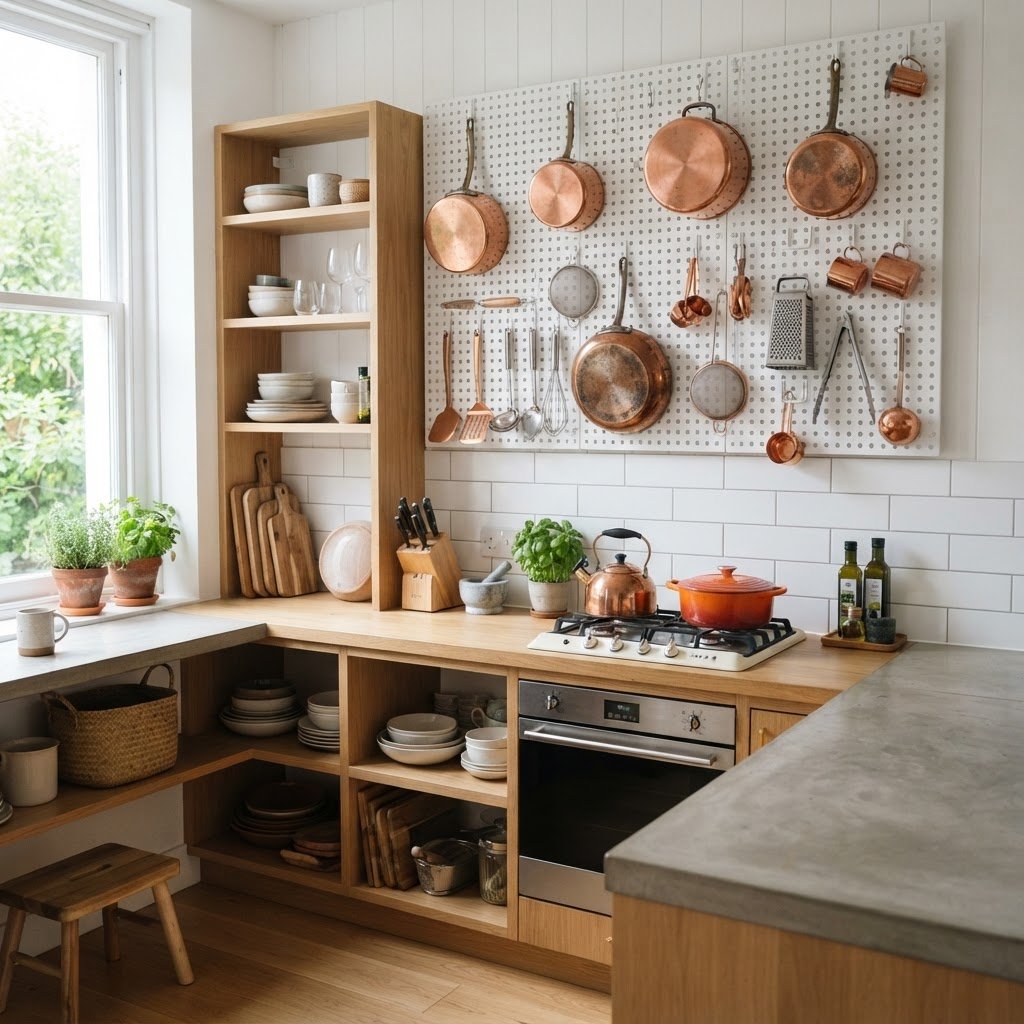
How to Maximize Storage in a Small Apartment Kitchen
Maximize storage in a small apartment kitchen by prioritizing vertical wall space, utilizing cabinet door interiors, and implementing modular, stackable organizers. You can effectively double your usable storage capacity without renovations by auditing your inventory and replacing non-essential clutter with multi-functional, space-saving tools designed for compact footprints.
Assess Your Inventory and Declutter First
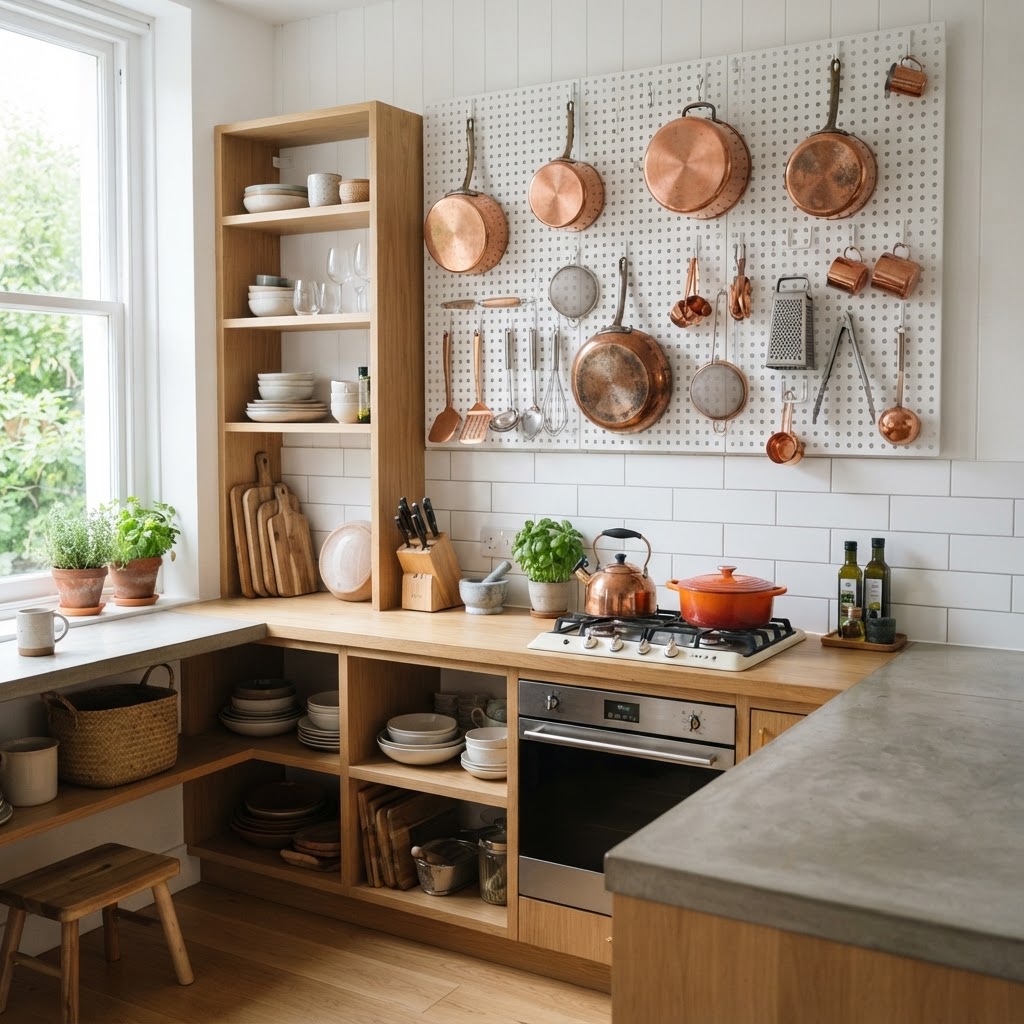
Conducting a systematic audit of your kitchen inventory is the most critical step in regaining control over a cramped workspace. Begin by emptying every drawer and cabinet to evaluate the actual utility of your tools; if a gadget has not been used in the past 365 days, it is statistically unlikely to be used in the future and should be removed. In kitchens smaller than 100 square feet, every square inch of storage commands a “rent” that only essential items can afford to pay.
The Rule of Daily Utility
Categorize your belongings into daily essentials and occasional items to maximize prime real estate. Items you touch every single day—such as coffee makers, mugs, and primary mixing bowls—should occupy countertops or lower shelves reachable within 12 inches of your prep zone. Everything else, such as holiday platters or specialized baking pans, should be relegated to high-reach shelves or off-site storage. By limiting your “active” inventory, you reduce the visual noise that makes small spaces feel inherently smaller.
Master the Art of Vertical Real Estate
Vertical storage is the most effective method for reclaiming floor space by moving kitchen tools from crowded drawers onto underutilized wall surfaces. By installing floating shelves, pegboards, or magnetic strips, you transform blank walls into functional storage hubs that keep essential utensils within arm’s reach while maintaining a clean, professional aesthetic. For renters, non-damaging adhesive solutions allow for these vertical setups without violating lease agreements.
Creative Wall Mounting
Pegboards act as the gold standard for small apartment kitchen organization because they offer near-infinite configuration options for heavy pots, pans, and whisks. Magnetic knife strips save an average of 15% of drawer space by consolidating bulky knife blocks into a single wall mount. Additionally, using adhesive Command hooks inside cabinet doors can create “hidden” storage for measuring cups and oven mitts, keeping these frequently used items out of sight but accessible. When installing, ensure the wall mounting hardware is rated for at least 15 pounds to safely accommodate cast iron or professional-grade cookware.
Utilize Cabinet Door and Under-Shelf Potential
Most apartments suffer from “wasted air” inside cabinets, specifically the gap between the top of your plates and the bottom of the shelf above. Using under-shelf wire baskets can reclaim 20-30% of previously dead vertical volume, providing a home for light items like snack boxes or plastic wrap. To further optimize these areas, consider installing pull-out organizers to double space within your cabinets, allowing you to reach items at the very back with ease without needing to pull everything out first.
Maximize Door Real Estate
Cabinet doors are the most overlooked storage surface in the modern kitchen, capable of holding up to 5-10 pounds of weight with proper over-the-door organizers. By mounting adhesive bins or slim racks to the interior, you can clear shelves of clutter such as aluminum foil boxes, spice jars, and small cutting boards. Always measure the interior clearance—ensure items are less than 2 inches deep—so the cabinet door closes flush against the frame to maintain a streamlined appearance.
Invest in Modular and Stackable Storage
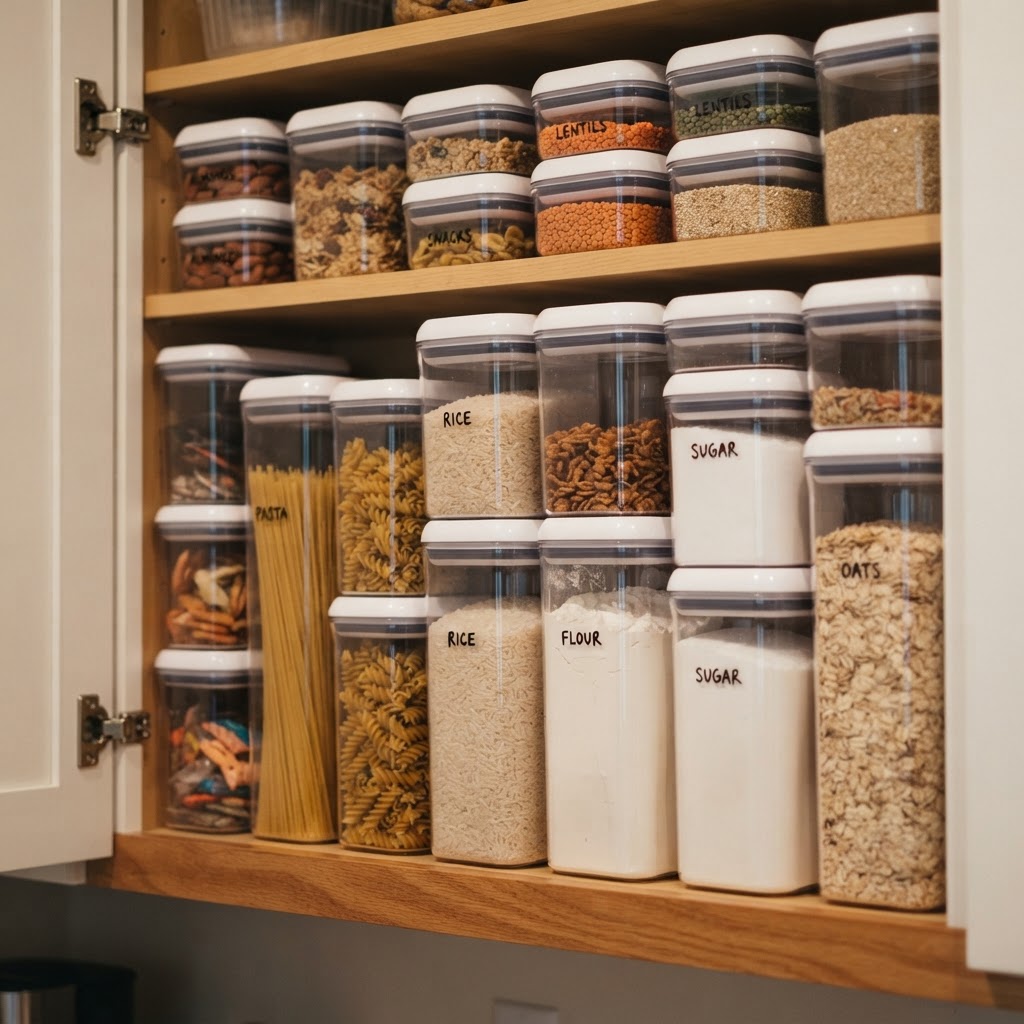
Uniformity is the key to maximizing density in food storage, which is why modular, stackable containers are superior to original, inconsistent packaging. By decanting dry goods like flour, sugar, and grains into square, transparent containers, you can stack items right to the top of the cabinet, utilizing 100% of the shelf height rather than leaving wasted air pockets. Square containers typically provide 25% more storage volume than round containers because they sit flush against each other, eliminating awkward corner gaps.
The Power of Lazy Susans
Deep cabinet corners often become “graveyards” for expired condiments and spices, leading to redundant purchasing. A lazy Susan, or turntable, is the most efficient solution for these depths, as it allows you to rotate items into view with a single motion. For small kitchens, a 10-12 inch diameter turntable is ideal for keeping oils, vinegars, and spice bottles organized and accessible, effectively turning a dark, unusable corner into a high-visibility pantry zone.
Create a Portable Kitchen Island
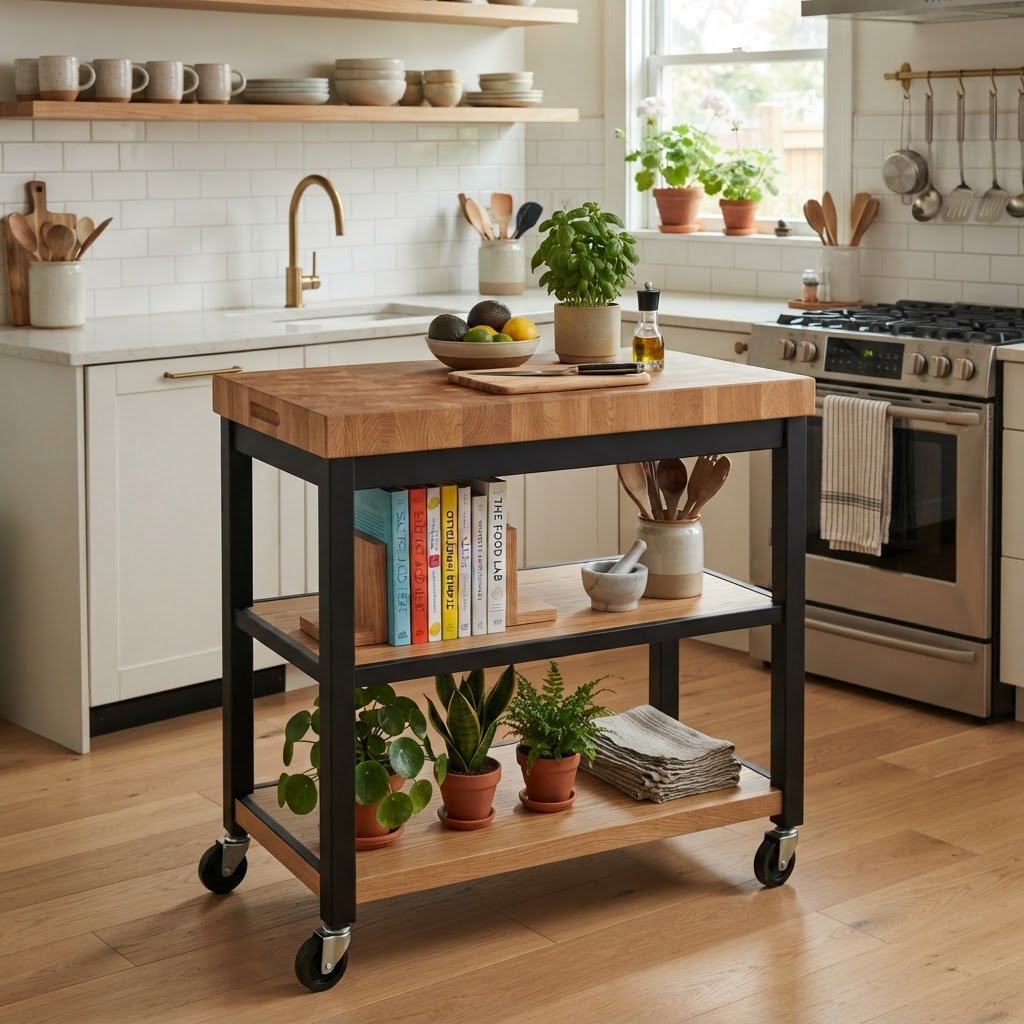
When permanent floor space is limited, a mobile kitchen island on heavy-duty locking casters provides an essential multi-functional surface. A slim, 20-inch wide rolling cart can serve as a meal prep station, a coffee bar, or a mobile pantry, allowing you to move it into a living room corner when you need extra floor space. Look for models with a butcher-block top; it acts as a secondary cutting board, saving you from needing to store a large, bulky board on your counters. For renters looking for more ways to enhance their living area, you can also learn how to decorate a small apartment on a budget to create a cohesive and stylish home without spending a fortune.
Choosing the Right Cart
When selecting a portable cart, prioritize one that features integrated shelves or internal drawers to hide away bulky items like small appliances or cookbooks. A cart with a towel rack or integrated hooks also adds secondary hanging storage. Because these units can be relocated, they provide the flexibility necessary for renters, as they can be taken with you to your next home, unlike custom-built kitchen islands that are often impossible to move or resell.
Optimize Under-Sink Storage
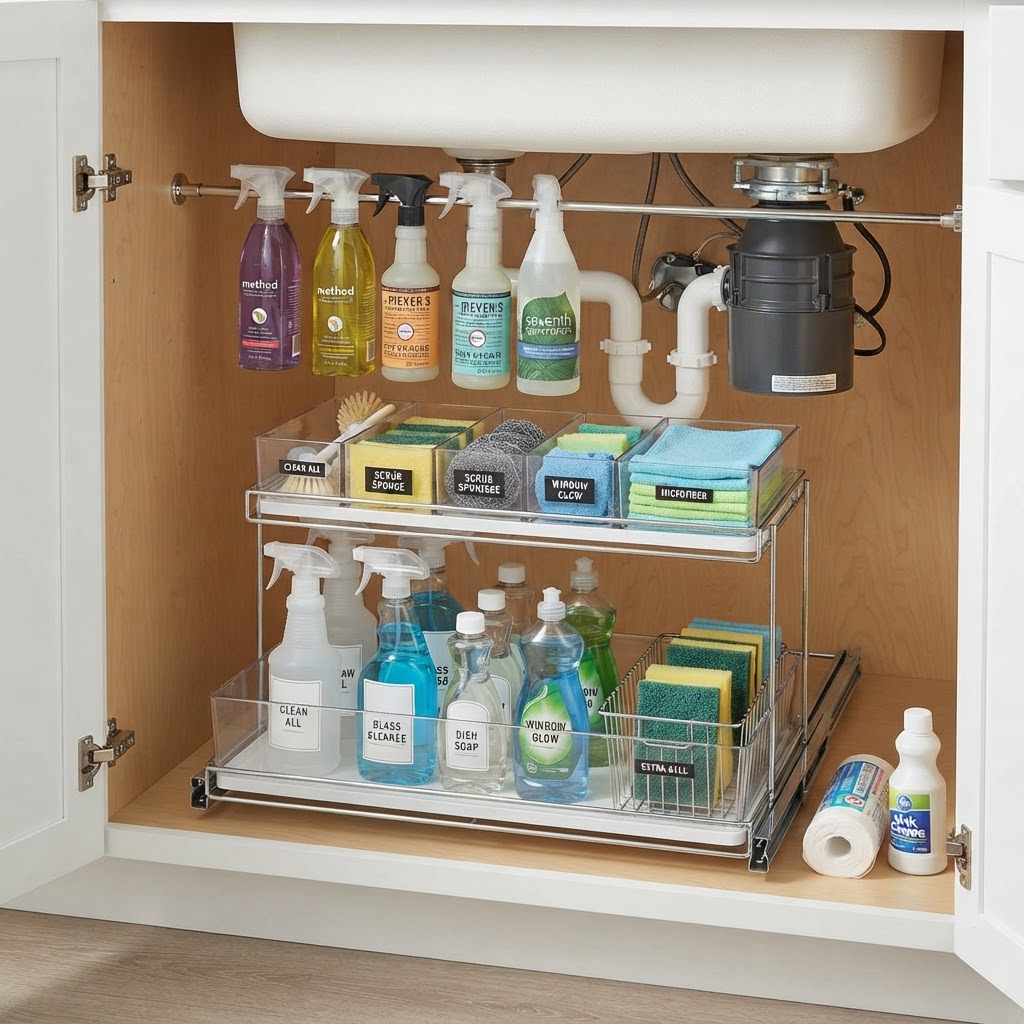
Under-sink cabinets are notorious for becoming disorganized due to bulky plumbing traps, but they can be reclaimed with simple, vertical hardware. By installing a tension rod across the upper third of the cabinet, you can hang spray bottles, creating a “curtain” of cleaning supplies that leaves the floor of the cabinet free for large items like trash bins or bulk refill containers. This simple change allows for 40% more floor storage under the sink than stacking bottles on the base.
Tiered Drawers for Cleaning Supplies
Investing in a custom-fit, tiered pull-out drawer unit is the best way to bypass plumbing obstructions. These units typically measure around 10-14 inches wide and allow you to store sponges, scrub brushes, and cleaners in an organized fashion that slides out. This prevents the common issue of losing small items in the back of the deep, dark under-sink cavity and ensures you know exactly what cleaning supplies you have on hand.
Establish a Maintenance Habit
Storage systems are only as effective as the daily habits that support them; you must treat your organization as a recurring maintenance task rather than a one-time project. Implement a “one-in, one-out” rule where any new kitchen gadget requires the removal of an existing, under-utilized tool. Dedicate five minutes each evening to a “kitchen reset” to clear countertops and return items to their designated zones, ensuring that your storage capacity remains fully optimized and ready for the next day’s cooking tasks.
FAQ
How can I organize a small kitchen without buying expensive organizers?
Use repurposed items like empty food-grade jars for dry goods, tension rods for hanging spray bottles under the sink, and adhesive hooks for hanging kitchen towels or utensils. You can also utilize existing cardboard boxes covered in contact paper to create drawer dividers for free.
What is the best way to store pots and pans in a tiny apartment?
Install a wall-mounted pot rack or use a pegboard to hang your most frequently used pans vertically. This saves significant cabinet space while acting as a design feature; for pans that must be stored in cabinets, use a vertical rack to keep them standing on their sides.
How do I stop my kitchen counters from getting cluttered?
Follow the “Daily Utility” rule by only leaving items on the counter that you use every single day, such as a coffee maker. Everything else—including toasters, mixers, and cutting boards—should be tucked away in cabinets or on wall-mounted shelves once the task is complete.
Is it better to use round or square containers for food storage?
Square containers are significantly better for small kitchens because they eliminate the wasted gap between containers, allowing you to fit 20-25% more items on a shelf. Transparent, stackable, square modular units provide the highest level of storage density and visual organization.
How often should I audit my kitchen inventory?
Perform a deep audit at least every six months to identify expired items, gadgets you haven’t used, and duplicates you no longer need. This keeps your storage systems lean and prevents the accumulation of clutter that naturally occurs in small, high-traffic living spaces.

Leave a Reply