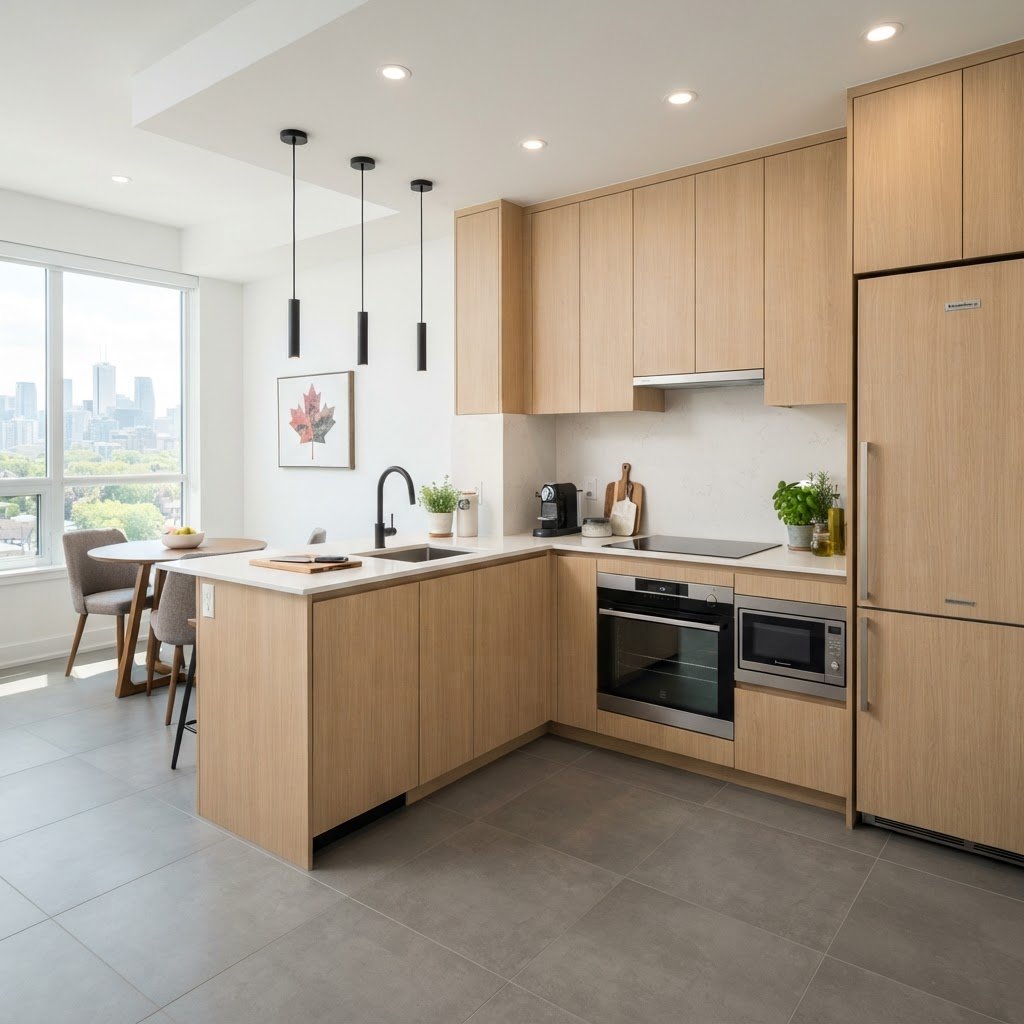
Designing a functional space in a small apartment requires more than just clever storage; it demands a focus on longevity. In the Canadian climate, where drastic seasonal changes affect indoor humidity levels, selecting the right moisture-friendly materials and durable finishes is essential. Whether you are living in a cozy Toronto condo or a compact Vancouver walk-up, your kitchen needs to withstand daily condensation, steam, and the accidental spill without showing signs of decay. Creating a resilient environment not only protects your investment but also ensures your space remains beautiful and hygienic for years to come. By prioritizing materials that resist warping and moisture absorption, you can build a small kitchen that balances style with high performance.
## The Challenge of Small Kitchens in Canada
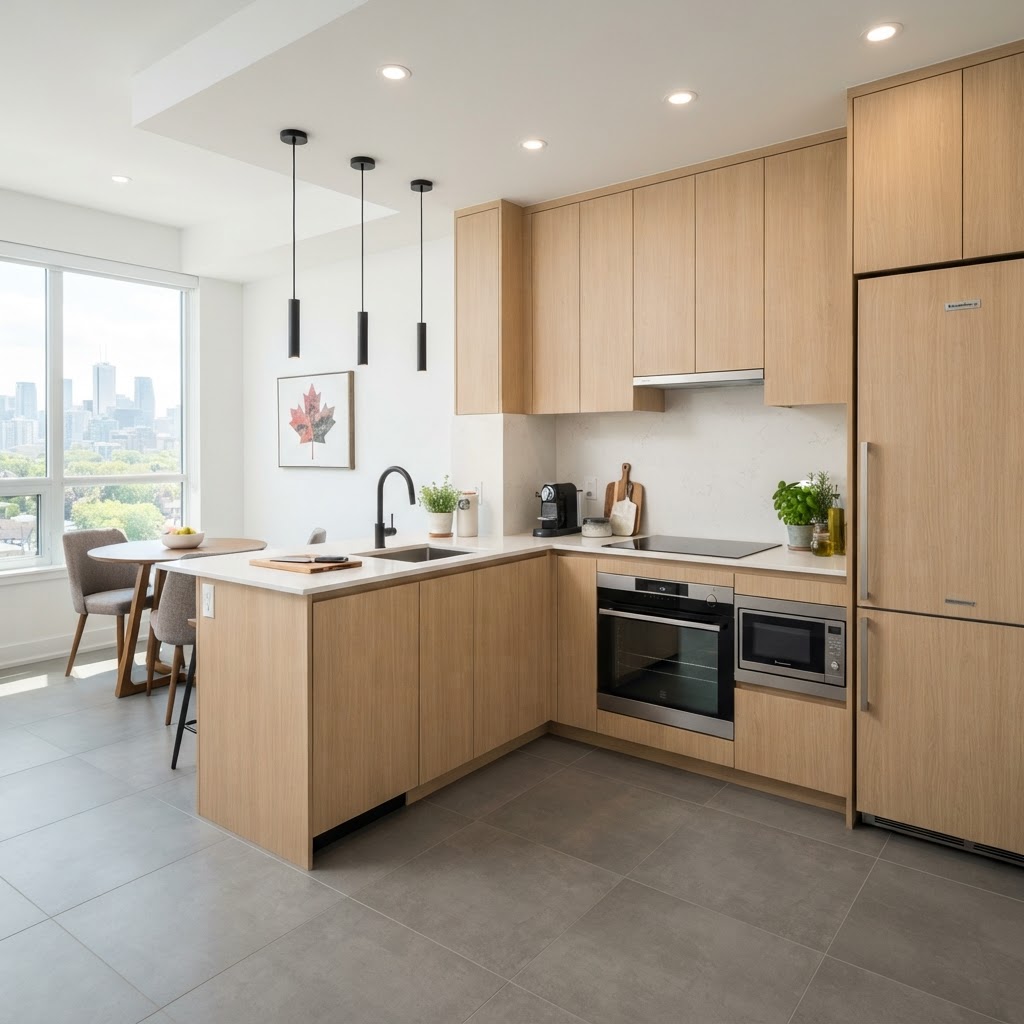
Small kitchens, particularly those found in older apartment buildings or modern urban infills, are often prone to trapped humidity. Beyond just selecting moisture-resistant materials, you should also look for ways to maximize storage in your small kitchen to ensure your space remains functional and organized. Because these spaces lack the square footage of suburban homes, steam from cooking or a running dishwasher can quickly saturate surfaces if they are not properly sealed. Over time, poor material choices lead to peeling veneers, swollen particle board, and mold growth in hidden crevices.
When planning a renovation or simple update, you must consider the specific environmental conditions of your region. Canadian winters often involve dry indoor air while summers can be humid, and these fluctuations stress natural materials like wood. Choosing moisture-friendly materials that expand and contract minimally is the secret to avoiding structural failures in tight quarters.

## High-Performance Cabinetry Options
Cabinets are the most vulnerable element in any kitchen. Since they cover the most surface area, selecting durable kitchen finishes for your cabinetry is your first line of defense. Standard melamine is common in apartments, but for long-term durability, you should look toward high-pressure laminates (HPL) or specialized thermoplastic films that wrap around the edges to prevent moisture from entering the core.
### Why Solid Surfaces Win
Many designers now advocate for solid surface materials instead of traditional wood veneers for kitchen base units. These materials are non-porous, meaning they do not absorb moisture or cooking oils. By using high-quality acrylic resins, you ensure that your cabinetry remains stable even if a pipe leaks or a pot boils over on the stovetop.
### The Importance of Edge Banding
Even the best cabinetry can fail if the edge banding is weak. In a humid kitchen, the edges are where water ingress begins. Always opt for laser-applied edge banding or high-performance adhesives that create an almost invisible, moisture-proof seal. This small technical detail makes a massive difference in the lifespan of your small kitchen cabinets.
## Flooring Choices That Withstand Spills
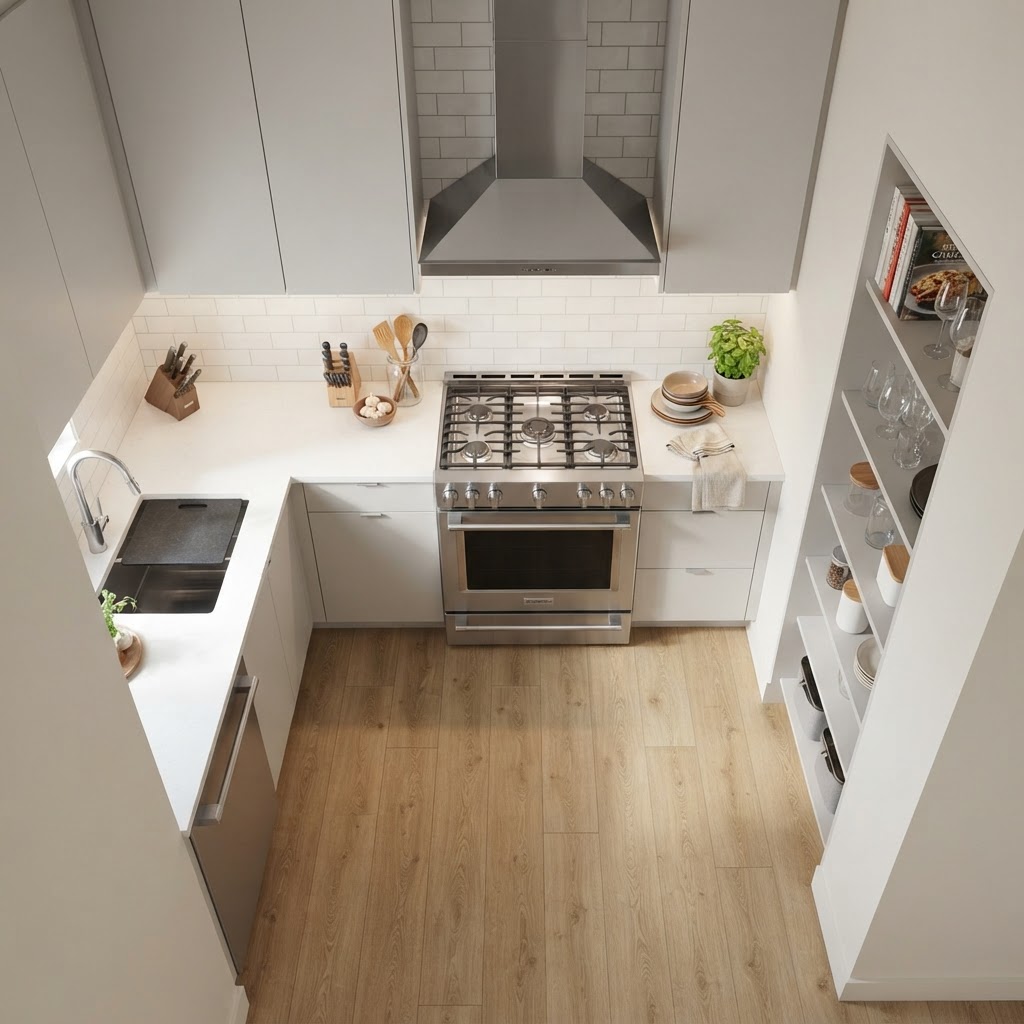
Kitchen flooring takes the most abuse, especially in apartment living where the kitchen often bleeds directly into the living area. Hardwood is a beautiful choice, but it rarely survives the test of time in a high-moisture apartment environment. Instead, turn your attention to modern luxury vinyl plank (LVP) or large-format porcelain tiles.
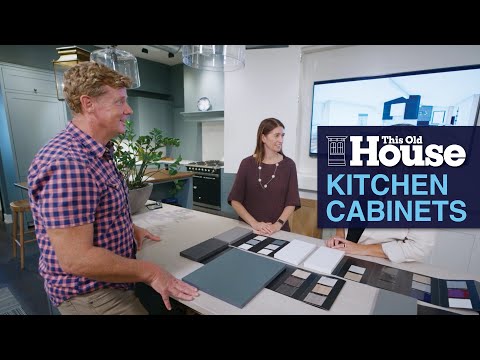
These materials are engineered specifically to be waterproof. Luxury vinyl plank, for example, is excellent at mimicking the look of natural white oak while offering a 100% waterproof core. Porcelain tile, on the other hand, is arguably the most durable finish you can select. It is virtually immune to water damage and is incredibly easy to clean, making it a perfect match for the Canadian lifestyle.
## Countertops and Backsplash Resilience
In a small space, your countertops are your primary workspace. You need a surface that handles heavy duty work while remaining moisture-resistant. Quartz remains the gold standard in the industry for a reason. Unlike natural marble or granite, engineered quartz is non-porous and does not require sealing, which prevents bacteria from growing in the microscopic pores of the stone.
When considering your backsplash, avoid porous materials like subway tile with high-maintenance grout unless you are prepared to apply a heavy-duty sealant regularly. Glass, metal, or large-format slab backsplashes reduce the amount of grout lines. Fewer grout lines mean fewer places for water to sit and potentially cause degradation over time.
## Hardware and Fixture Durability
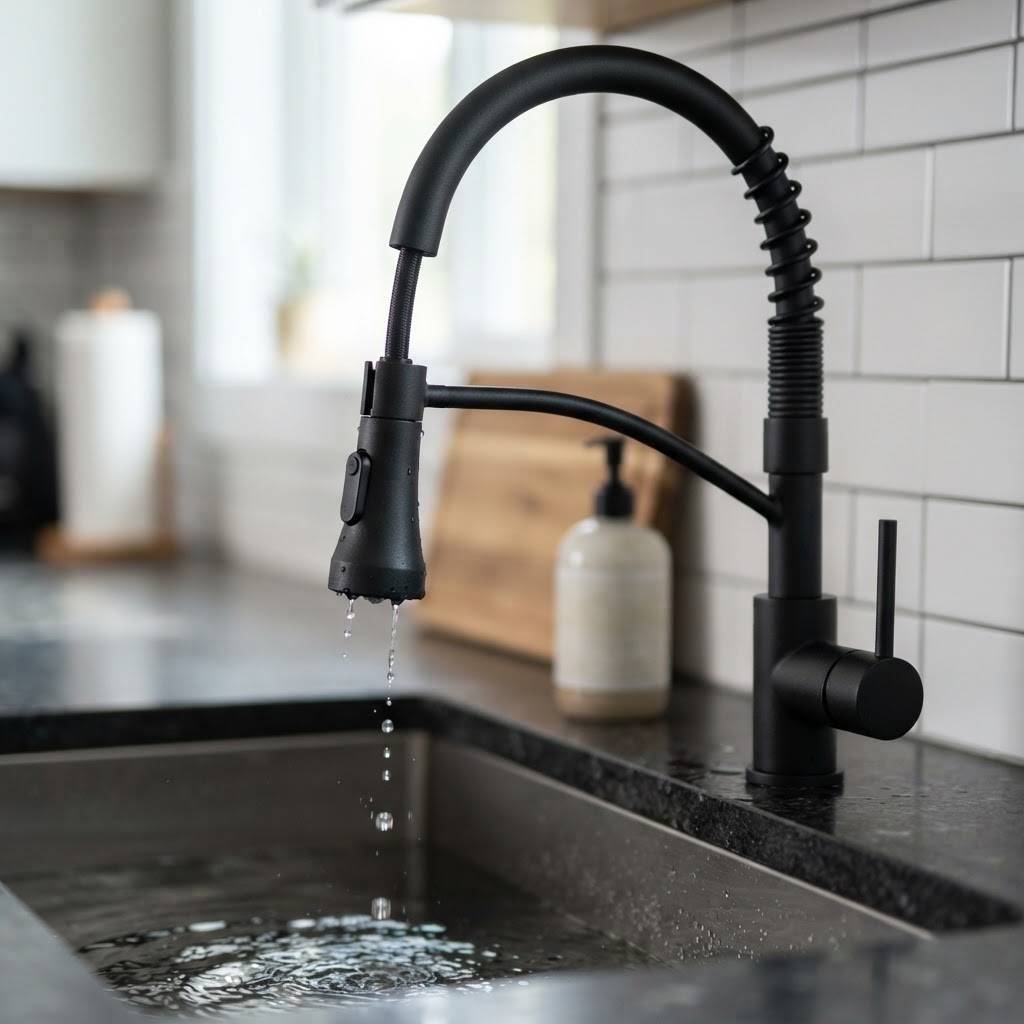
Do not overlook the hardware. In a humid kitchen, low-quality metal finishes will pit, tarnish, or rust. When selecting your cabinet pulls, faucets, and lighting, look for solid brass or stainless steel. These materials handle moisture exceptionally well.
#### Choosing the Right Finish
For fixtures, avoid “painted” or “plated” finishes that can chip or flake. PVD (Physical Vapor Deposition) finishes are incredibly popular in modern Canadian kitchens because they are bonded to the metal at an atomic level. This makes them highly resistant to scratching, corrosion, and the everyday humidity of a small apartment, ensuring your kitchen looks brand new for years.

## Ventilation and Climate Control
Even with the best materials, your kitchen needs a way to manage air quality. Proper ventilation is the most overlooked aspect of maintaining a moisture-friendly environment. In many apartments, the built-in range hood vents back into the room, which is a major contributor to moisture buildup.
If possible, install a high-CFM (cubic feet per minute) external venting range hood. If external venting is impossible due to apartment restrictions, use a recirculating hood with high-quality charcoal filters and ensure you are running it every time you cook. Additionally, keep your humidity levels between 30% and 50% year-round. This not only protects your kitchen materials but also improves your home’s air quality significantly.
## Maintenance Tips for Long-Lasting Beauty
Investing in quality is the first step, but maintenance preserves the value. Create a habit of wiping down surfaces after cooking. Even the most durable kitchen finishes can be compromised if they are left sitting in standing water for extended periods.
Check under your sink at least once every three months for hidden leaks. In small apartments, leaks often go unnoticed until they have already damaged the cabinet carcasses and flooring. By catching a slow drip early, you save yourself a massive repair bill and maintain the structural integrity of your moisture-friendly design.
## Conclusion
Designing a small Canadian kitchen doesn’t mean you have to sacrifice durability for aesthetics. By selecting moisture-friendly materials and ensuring your finishes are rated for the realities of modern apartment living, you create a space that is as resilient as it is beautiful. Focus on non-porous surfaces like quartz, waterproof LVP flooring, and high-quality PVD hardware to ensure your kitchen stands the test of time.
Are you ready to transform your apartment kitchen into a resilient masterpiece? Start by swapping out your most worn surfaces for these high-performance alternatives. For more tips on kitchen design, subscribe to our newsletter or leave a comment below with your biggest kitchen challenge!

Leave a Reply