Aesthetic Small Bedroom Ideas: Pastels & Space-Saving Tips
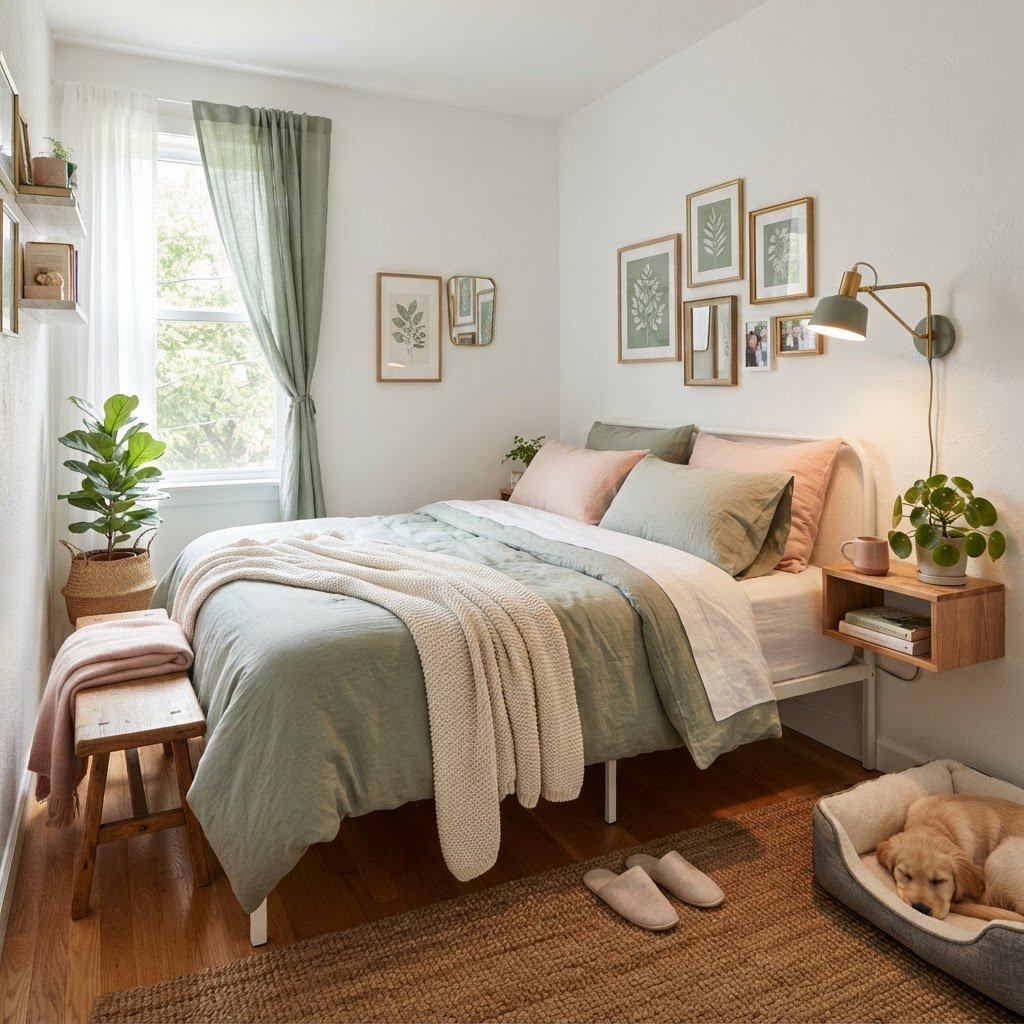
To create an aesthetic small bedroom, use a light pastel color palette like blush or mint to reflect natural light and combine it with multi-functional furniture, such as storage beds and wall-mounted shelving. This dual approach maximizes square footage while creating a serene, visually expansive retreat that prioritizes both beauty and utility.
The Power of a Pastel Palette
Soft pastels are the most effective interior design tool for visually expanding a cramped bedroom because they reflect light rather than absorbing it. By choosing a cohesive pastel base like powder blue, lavender, or soft sage, you create an airy foundation that eliminates visual clutter. Experts recommend a 60-30-10 color rule: 60% as your primary wall color, 30% for furniture or bedding, and 10% for accent decor, which ensures the room feels intentional rather than chaotic.
Choosing Your Base Tone
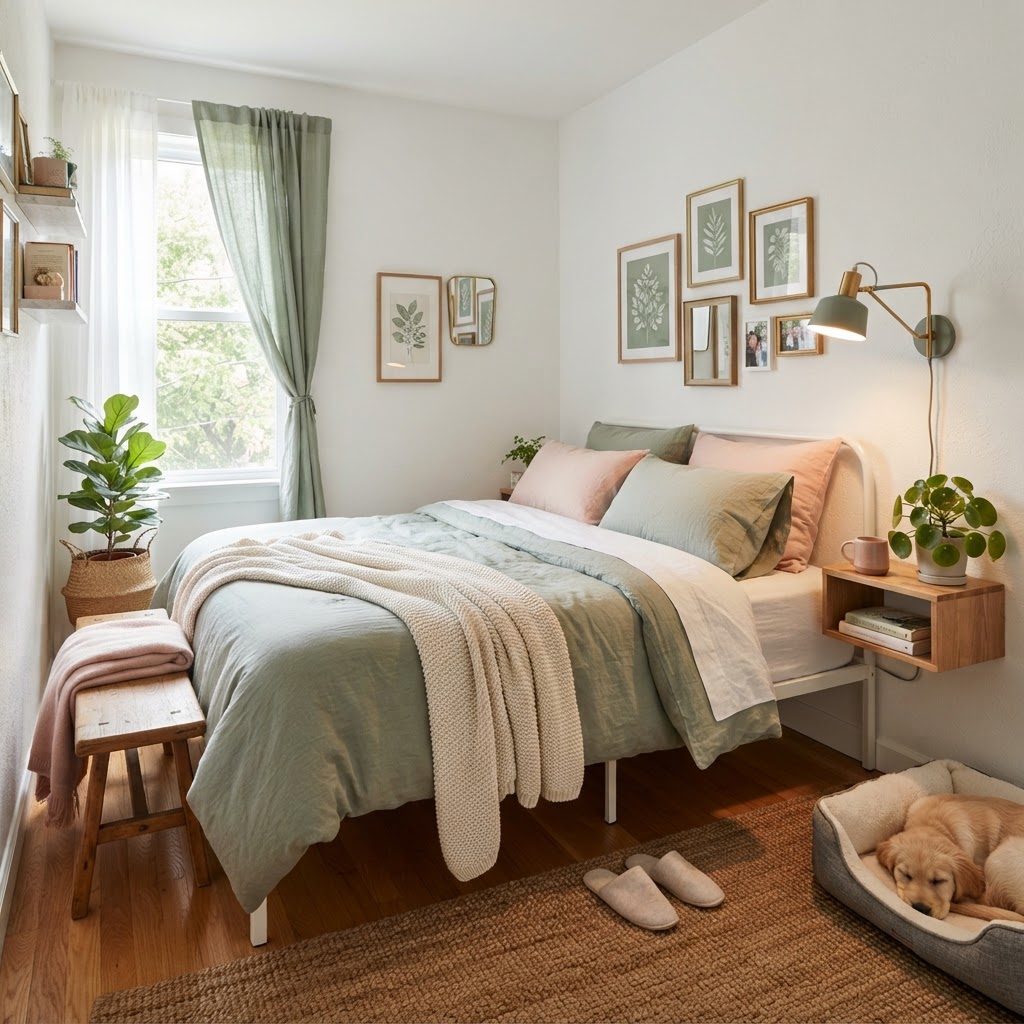
When selecting your primary shade, consider the existing lighting in your room. If your bedroom faces north and receives little direct sun, opt for warmer pastels like buttery yellow or peach to counteract the natural chill. Conversely, if your room gets ample sunlight, cooler tones like sage or periwinkle will maintain a crisp, serene vibe that keeps the heat at bay.
Layering Textures and Tones
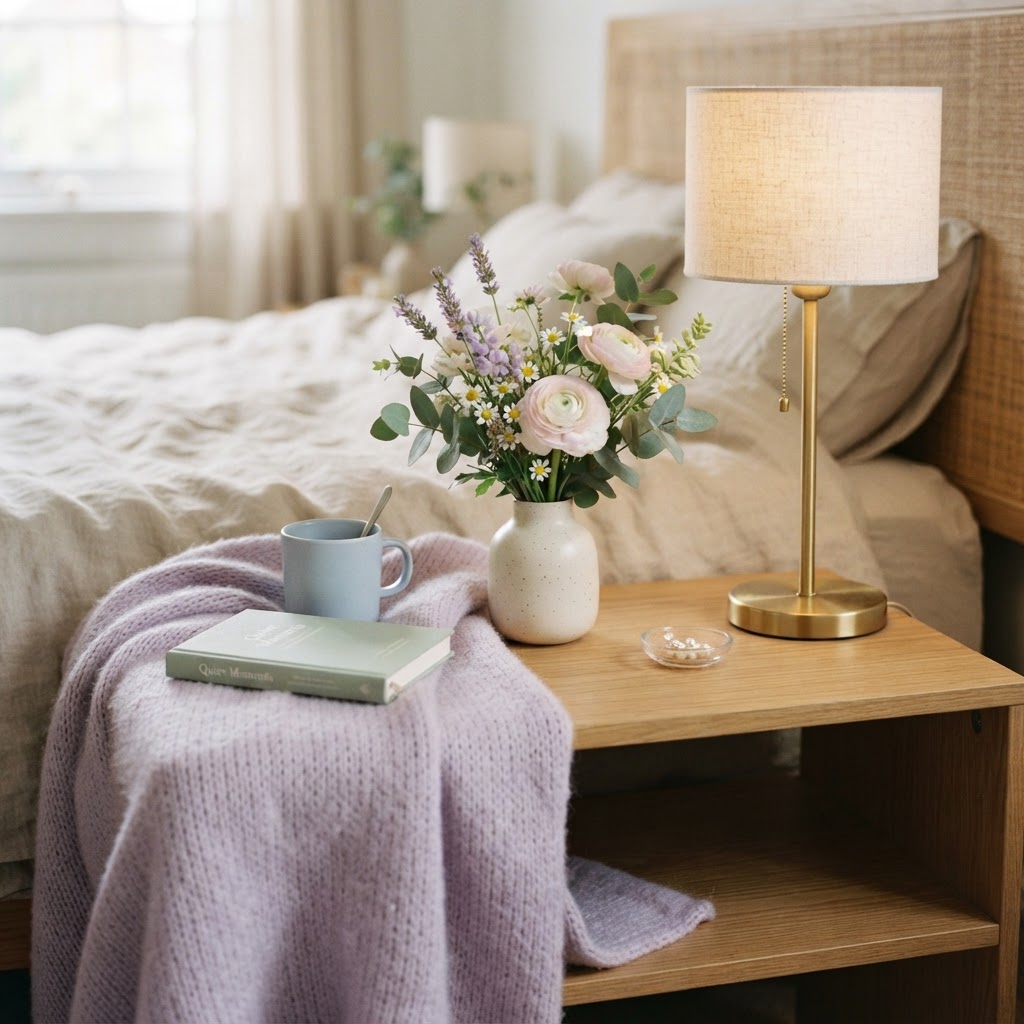
Monochromatic pastel schemes can sometimes feel flat, so the key is to incorporate a variety of textures. Mix linen bedding with chunky knit throws or velvet accent pillows to add depth to your aesthetic small bedroom ideas. By maintaining a cohesive color family but varying the materials, you create visual interest without overwhelming the eyes or shrinking the perceived space.
Maximizing Utility with Space-Saving Furniture
Furniture selection in a small bedroom must prioritize multi-functionality to reclaim valuable floor area and reduce the mental stress associated with cramped living conditions. By choosing pieces that serve at least two purposes, such as an ottoman that acts as a storage chest or a desk that folds into the wall, you can regain up to 40% of usable floor space. Reducing the footprint of furniture creates better traffic flow, allowing the eye to travel across the floor, which makes the room feel significantly larger than its actual dimensions.
The Versatility of Storage Beds
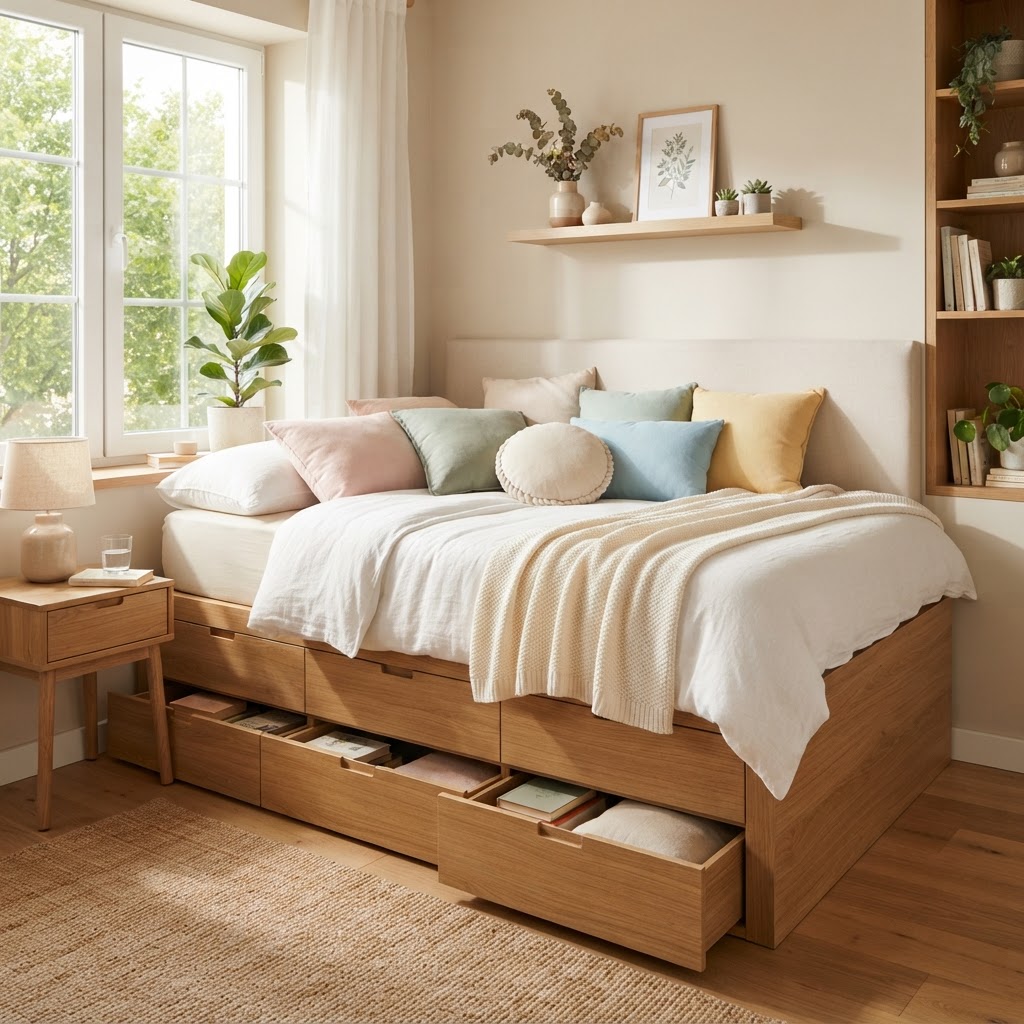
If there is one piece of furniture that defines the modern small room, it is the storage bed. Hydraulic lift-up bases or drawers integrated into the frame allow you to stow off-season clothing, extra linens, and shoes completely out of sight. This keeps your visual lines clean and prevents the “closed-in” feeling that often plagues smaller bedrooms.
Wall-Mounted Solutions
Flooring space is the most valuable commodity in your home, so try to lift as much as possible off the ground. Floating nightstands, wall-mounted desks, and shelving units create the illusion of more space by keeping the floor visible. This approach to interior design keeps the room feeling light and airy while still providing the surface area you need for daily essentials.
Lighting Strategies for Small Spaces
Lighting strategy is critical because bright, ambient light pushes walls outward, whereas shadows in dim corners make rooms feel claustrophobic. For maximum effect, layer three types of lighting: overhead ambient light for general visibility, wall-mounted task lighting for reading, and decorative accent lighting to highlight the pastel textures. Avoiding large floor lamps is essential, as they consume up to 2 square feet of floor space that could otherwise be used for storage or movement.
Utilizing Vertical Space with Wall Sconces
Table lamps take up precious nightstand real estate, making wall sconces a superior choice for small bedrooms. Look for adjustable arms or sleek, minimalist designs that can be hardwired into your electrical system. This keeps your side tables clear for decorative items, books, or a small glass of water, enhancing the overall functionality.
The Role of Mirrors
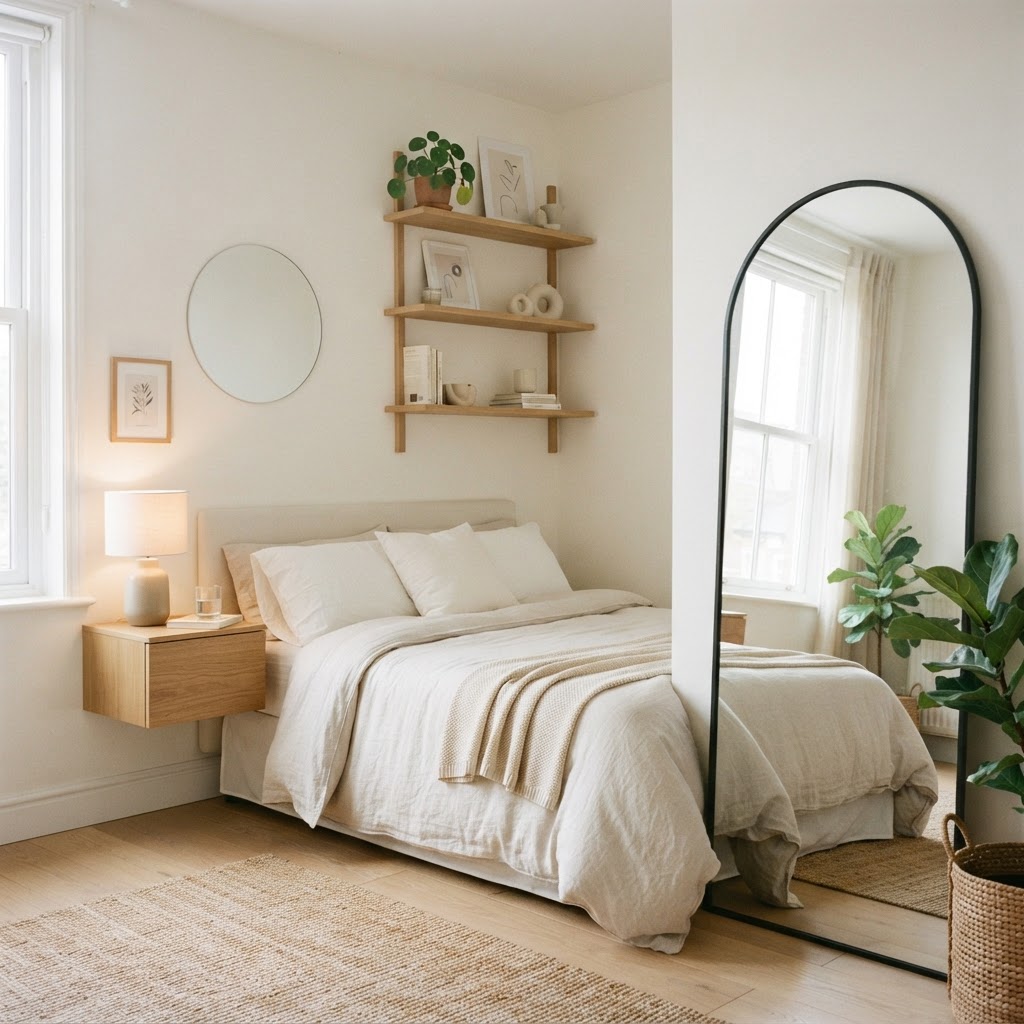
Mirrors are perhaps the most famous trick in the interior design playbook for small spaces. Place a large, floor-length mirror opposite a window to bounce natural light deep into the room. If possible, consider mirrored closet doors, which can effectively double the visual depth of your bedroom in an instant.
Creating Flow and Organization
Maintaining a sense of flow is the difference between a cozy sanctuary and a cluttered closet, necessitating strict organization habits. By keeping all items behind closed doors or in designated containers, you maintain a clean “visual baseline” that makes the room appear finished. Experts suggest auditing your belongings every 6 months, as removing just 15% of non-essential items can lead to a measurable improvement in the perceived spaciousness of the room.
Vertical Storage and Shelving
Take advantage of the height of your room by installing shelves above your door frames or near the ceiling. This draws the eye upward, highlighting the vertical dimension of the space. Use these shelves for items you don’t need daily, such as decorative baskets holding seasonal items or personal collections that add personality to your aesthetic small bedroom ideas.
Decluttering Habits
In a small space, you must be ruthless with your belongings. Regularly audit your closet and nightstand surfaces to ensure that every object serves a purpose or brings genuine joy. Adopting a “one in, one out” rule for accessories and clothing is a great way to prevent the space from becoming overwhelmed over time.
Strategic Layout Ideas
How you orient your bed can drastically change the feeling of your bedroom. Many people automatically push their bed against the wall, but sometimes floating the bed slightly, or centering it on a wall, can create a more balanced aesthetic. Experiment with your furniture layout to find the configuration that allows for the most natural movement through the space.
Zoning Your Room
If your bedroom is also your workspace, use area rugs or lighting to create distinct zones. A soft pastel rug beneath your bed separates the “rest” area from the “work” area, helping your brain transition between different modes. This psychological zoning is vital when your physical space is restricted.
The Illusion of Depth
Consider painting your baseboards and window frames the same color as the walls. This eliminates contrast, creating seamless surfaces that appear to extend further than they actually do. This subtle technique helps blur the edges of the room, contributing to that desired expansive, airy aesthetic.
Selecting Aesthetic Textiles and Decor
While the furniture and layout form the skeleton of your room, textiles provide the soul. Since you are working with a pastel palette, you have the freedom to play with soft, inviting patterns without them feeling chaotic. Choose light, breezy curtains that let in diffused light, and layer rugs to add warmth to your flooring.
Choosing the Right Textiles
Avoid heavy, dark fabrics that can weigh down the look of the room. Opt for sheer, gauzy curtains or soft cotton window treatments that allow sunlight to filter through. For your bedding, go for high-quality, breathable fabrics in solid pastels or subtle, tonal patterns that maintain a sophisticated, clean look.
Curating Small Accents
Because you are working in a tight space, focus on quality over quantity. Instead of cluttering your shelves with small knick-knacks, choose a few statement art pieces or sculptures that reflect your personal style. A single piece of artwork featuring complementary pastel hues can tie the entire room together, serving as a focal point that anchors your design scheme.
FAQ
Q: What is the best color for a small bedroom to make it look bigger?
Light pastels like blush pink, soft sage, or powder blue are the best choices for small bedrooms. These colors reflect natural light, which effectively pushes the walls outward and makes the room feel significantly more spacious and airy compared to dark or high-contrast tones.
Q: How can I fit a desk in a very small bedroom?
Install a wall-mounted floating desk to save floor space while providing a dedicated workspace. This solution allows you to tuck away a chair underneath when not in use, keeping your traffic path clear and maintaining the aesthetic of the room.
Q: Does putting a bed against the wall save space?
Yes, placing a bed against the wall or in a corner is a classic space-saving technique that opens up the center of the room. This layout is ideal for square footage under 80 square feet as it maximizes usable floor space for other furniture like storage or desks.
Q: How often should I declutter a small bedroom?
Perform a deep declutter every 6 months to maintain a balanced living environment. In small spaces, adopting a “one in, one out” rule—where you remove an old item whenever you bring a new one home—is the most effective way to prevent permanent clutter buildup.

Leave a Reply