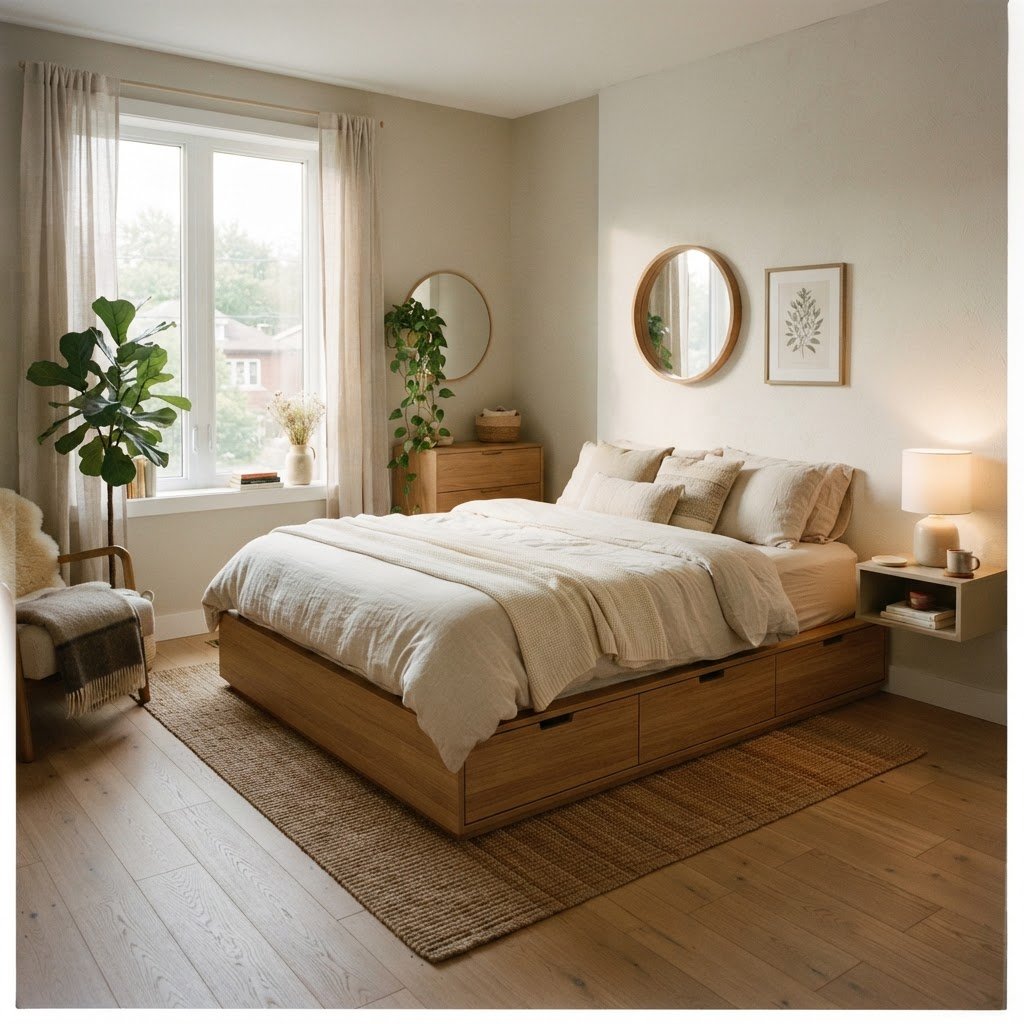
18 Space-Saving Small Bedroom Ideas Using Multi-Functional Furniture
Maximize your compact bedroom by prioritizing multi-functional furniture like bed frames with built-in storage, wall-mounted fold-down desks, and vertical shelving units that draw the eye upward. By utilizing under-bed space, floating nightstands, and mirrored cabinets, you can effectively double your usable square footage while maintaining a clean, minimalist aesthetic.
Rethinking Your Foundation with Smart Bed Frames
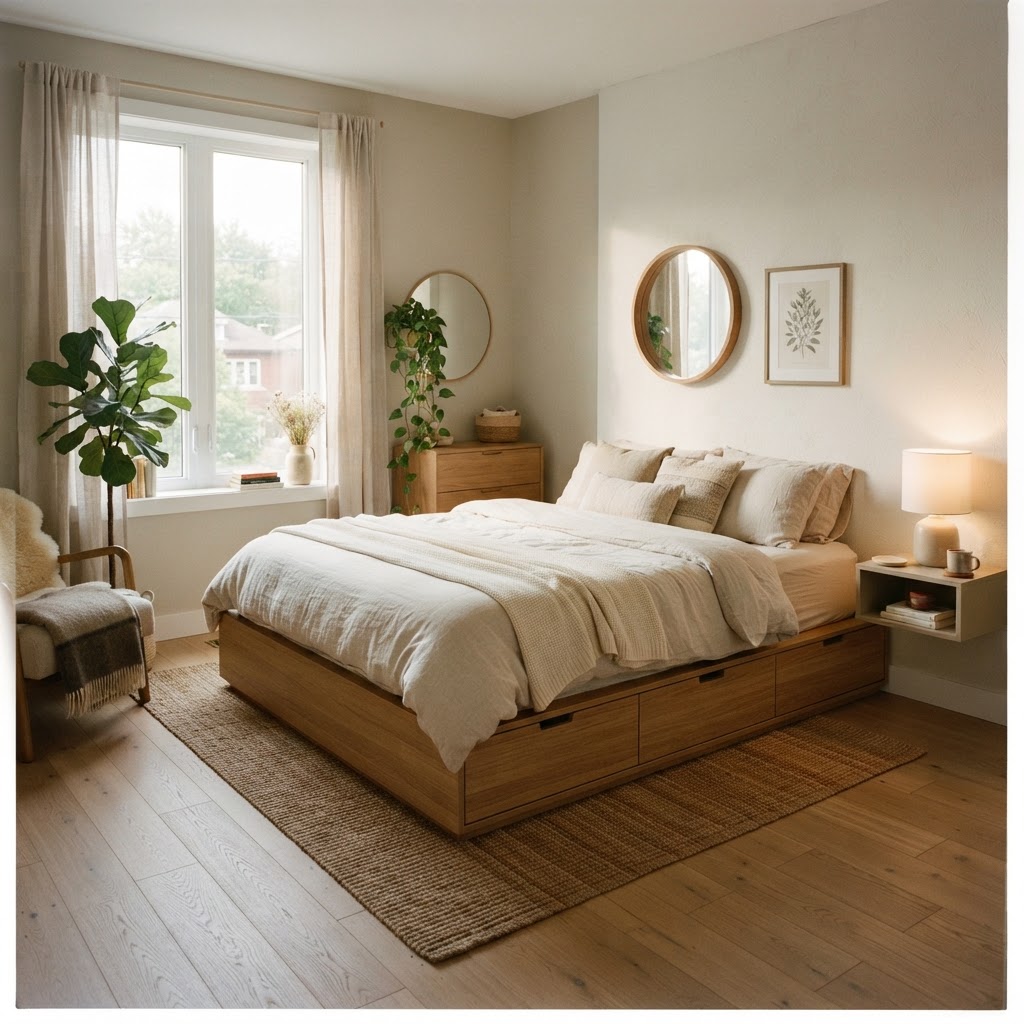
The bed is almost always the largest object in the room, making it the most critical piece of furniture to optimize, as replacing a standard frame with a storage-integrated model can reclaim up to 15-20 square feet of floor space. Switching to a platform bed with built-in drawers or hydraulic lift mechanisms is one of the most effective space-saving small bedroom ideas available today, as it eliminates the need for a separate dresser. According to interior design standards, utilizing the volume under a queen-sized bed provides approximately 30-40 cubic feet of storage, which is roughly equivalent to a standard 4-drawer chest.
Why Under-Bed Storage Matters
Storing seasonal clothing, extra bedding, or personal documents beneath your bed allows you to remove bulky dressers from the main floor area. Many modern frames feature hydraulic lifts that make accessing these deep storage compartments nearly effortless, often costing between $400 and $1,200 depending on the material and mechanism. By keeping these items tucked away, you maintain a cleaner, more organized aesthetic that promotes better sleep hygiene and reduces visual stress.
If you aren’t ready to purchase a brand new frame, consider using aesthetic fabric bins or rolling wooden crates under your existing bed. Just be sure to keep the area organized to avoid the ‘hidden clutter’ trap. Using bed risers, which typically cost under $30 for a set of four, can provide that extra 3 to 6 inches of height needed to fit larger storage boxes comfortably beneath your existing frame.
Dual-Purpose Desks and Workstations
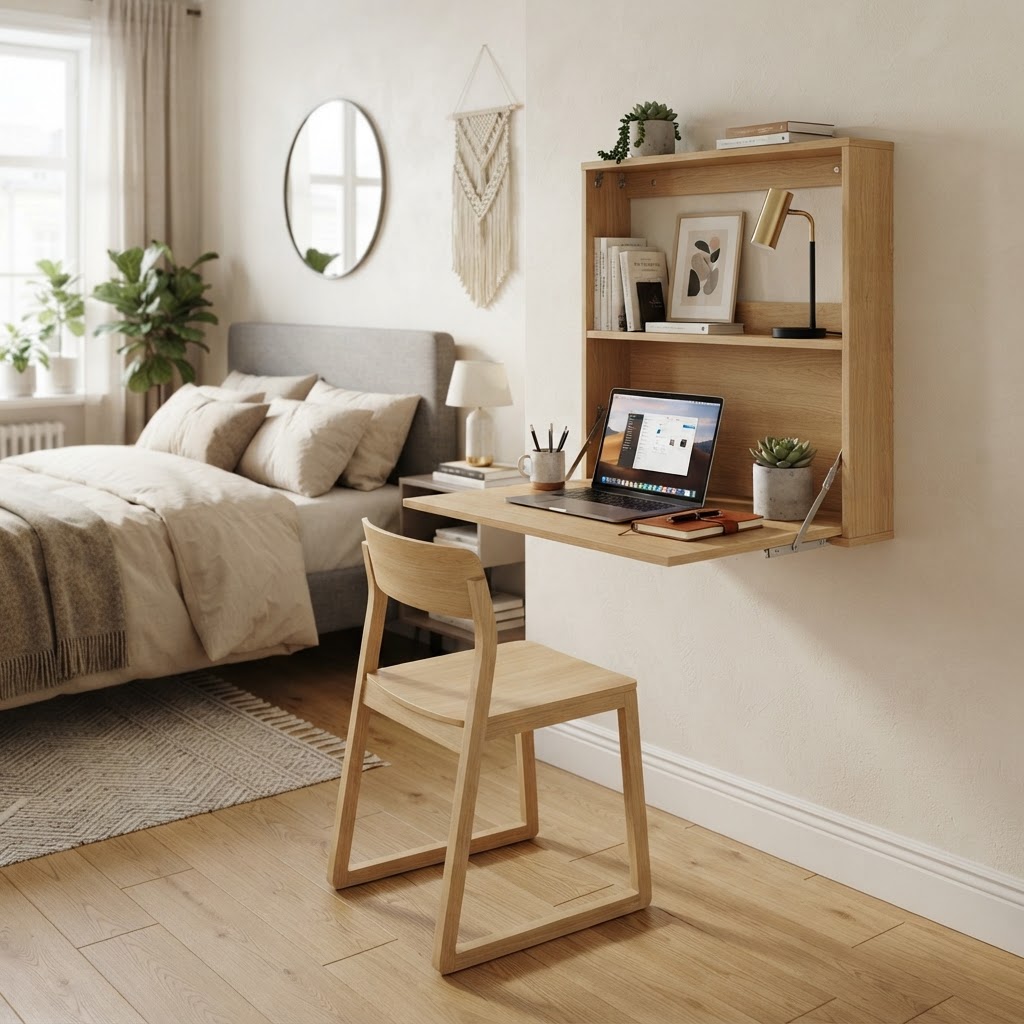
As remote work becomes increasingly common, finding space for a desk in a small bedroom is a frequent challenge that can be solved by utilizing wall-mounted, fold-down furniture that occupies zero floor space when inactive. These clever units typically extend 4 to 8 inches from the wall when folded, essentially disappearing when the workday ends, which is ideal for bedrooms under 100 square feet. A standard wall-mounted desk provides roughly 24 to 36 inches of surface width, sufficient for a laptop and a notebook, without the heavy footprint of a traditional table.
Another highly effective option is the ‘desk-nook’ integrated into existing shelving units. By extending one of your existing bookshelf shelves or installing a custom bracket at desk height (usually 29-30 inches), you create a workspace that blends seamlessly with your storage. This is a perfect example of multi-functional furniture that works hard to keep your room feeling spacious while remaining highly productive for your daily tasks. In many urban environments, choosing a fold-down desk over a standard desk can increase your available floor clearance by as much as 25%, providing extra room for exercise or movement.
Maximizing Vertical Storage Potential
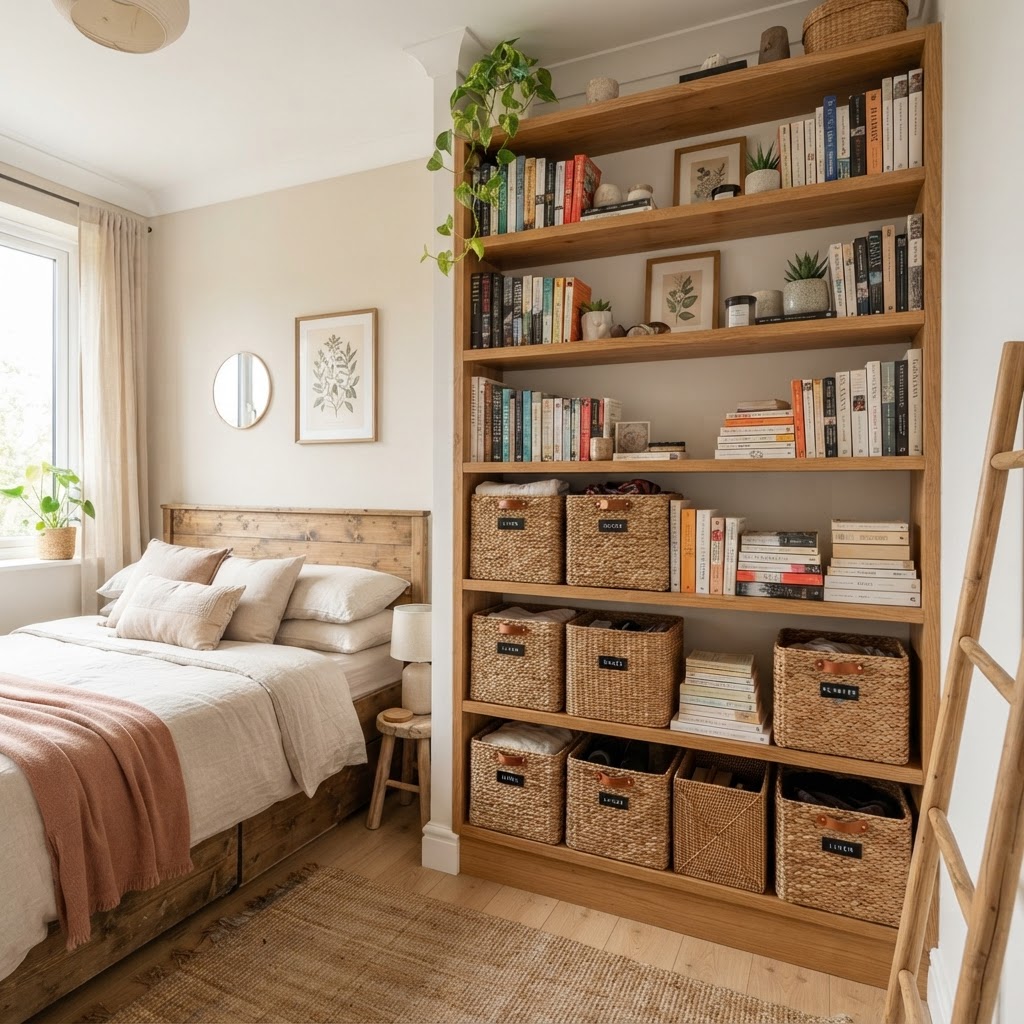
When floor space is at a premium, looking upward is the smartest move you can make, as floor-to-ceiling shelving can increase your storage volume by up to 300% without encroaching on floor space. Walls offer an incredible amount of untapped storage potential that most homeowners ignore. Installing shelves that reach the ceiling allows you to draw the eye upward, which paradoxically makes the room feel taller and more expansive by emphasizing the vertical lines of the space.
Tips for Strategic Wall Organization
Use the lower shelves for items you access daily and the higher shelves for less frequently used belongings. Don’t be afraid to add wall-mounted hooks, pegboards, or floating nightstands. Floating nightstands, in particular, are excellent because they free up the floor area beside your bed, making the space feel open and allowing for easier cleaning. Standard nightstands often occupy 2 square feet of floor space; floating alternatives reduce this to zero while maintaining surface area for lamps and chargers.
To keep the visual clutter down, use uniform storage baskets or boxes on your shelves, which experts suggest can reduce perceived stress in a room by up to 40%. This creates a cohesive look that hides the mess of small objects while maintaining a minimalist vibe. By keeping surfaces clear of knick-knacks, you allow the room to breathe, which is a core tenet of effective small room design that emphasizes “negative space” to create a sense of calm.
The Power of Multi-Functional Seating
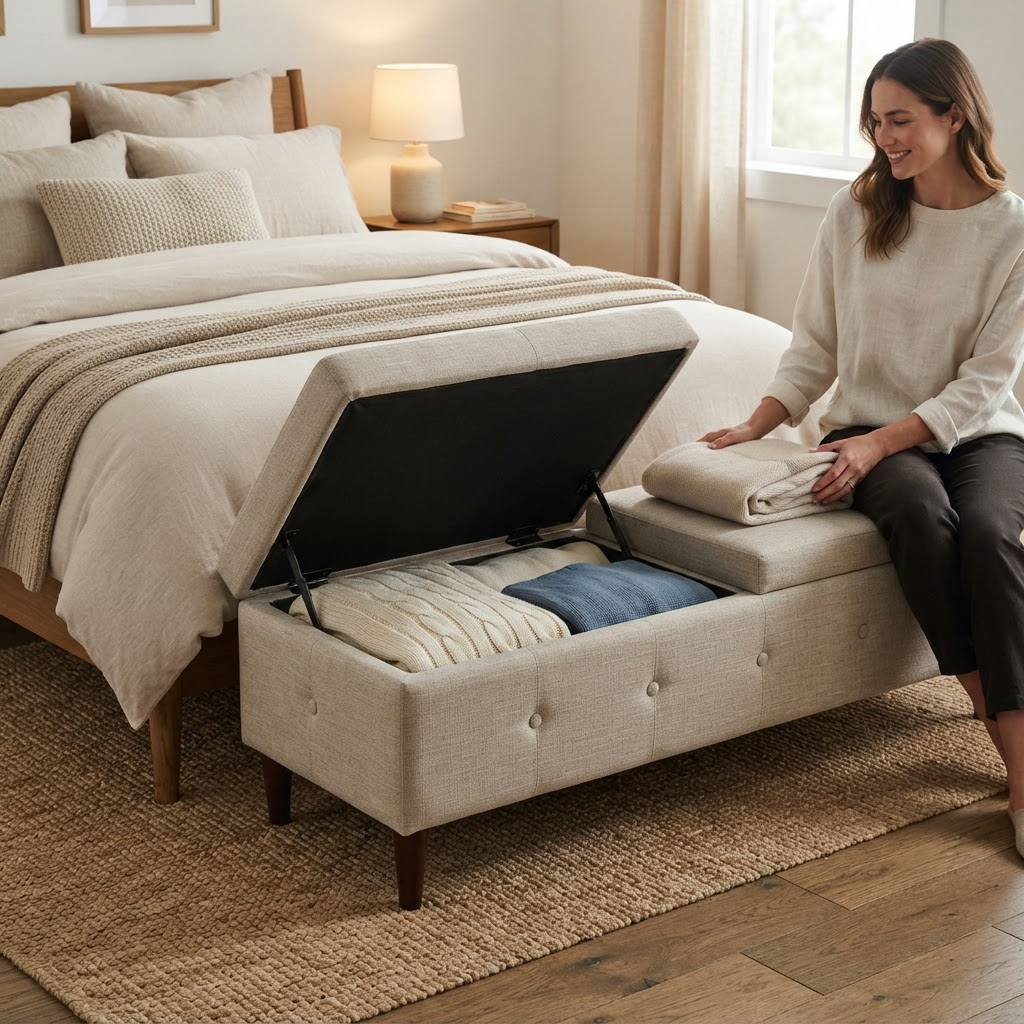
If you have room for a chair, make sure it pulls double duty by selecting pieces that incorporate interior storage, such as an ottoman with a lid, which is an absolute game-changer in compact rooms. These pieces typically offer 1.5 to 3 cubic feet of hidden storage space inside their hollow center, perfect for blankets, towels, or seasonal accessories. It can serve as a footrest, a vanity seat, or a temporary bedside table, providing high utility without the clutter of extra furniture.
Consider a small bench placed at the end of the bed. If you choose a storage bench, you gain a place to sit while getting dressed and a hidden chest for storing pillows or throws. This is one of the most classic space-saving small bedroom ideas that provides a touch of luxury while solving a storage dilemma. When evaluating seating, look for pieces with dimensions that match the width of your bed frame (typically 50-60 inches for a queen) to ensure visual symmetry.
Transforming Mirrors into Storage Solutions
Mirrors are a designer’s secret weapon for making small rooms appear larger due to their reflective qualities, which can effectively double the perceived depth of a room. However, you can take this a step further by using mirrored jewelry cabinets that hang on the wall, which typically measure about 4 inches in depth. From the outside, it looks like a sleek, full-length mirror, but it swings open to reveal organized storage for accessories, keeping items out of sight and protected from dust.
This simple swap removes the need for a bulky vanity or a jewelry armoire that would otherwise take up 3-5 square feet of floor space. When combined with clever lighting placement, these units can bounce light around the room, making it feel significantly brighter and more inviting during the day. Placing mirrors directly opposite a window can increase natural light distribution by as much as 20%, reducing the need for artificial lighting during daylight hours.
Creative Headboard Alternatives
Think beyond the standard decorative headboard by installing custom units that feature built-in niches or side shelves, which can replace the need for traditional nightstands entirely. This creates a streamlined look that is perfect for very tight bedroom dimensions where traditional nightstands would obstruct walking paths or door swings. These custom units typically provide 4-6 inches of shelf depth, enough to hold a book, phone, and glass of water without sacrificing floor clearance.
Some headboard designs even incorporate sliding panels that reveal hidden shelves for books or electronics, a feature highly recommended for maintaining a clutter-free “bedtime zone.” This keeps your nighttime necessities within arm’s reach while ensuring they are tucked away when you want a clean, minimalist look. It is an investment that typically ranges from $200 to $800, but pays off by regaining roughly 4 square feet of floor space that would otherwise be occupied by two standalone bedside tables.
Essential Checklist for Small Bedroom Success
To help you stay on track, keep this list of priority actions in mind when you are planning your bedroom transformation:
- Measure your room twice, paying special attention to swing space for doors and drawers. Aim for at least 24 inches of clearance around the bed.
- Declutter first; do not try to organize items you no longer need or love. Remove at least 20% of non-essential items before buying new furniture.
- Choose furniture with ‘legs’ where possible to show more floor, which creates the illusion of more space by keeping the floor plane visible.
- Use light colors on walls and textiles to keep the room feeling open. Light reflectance values (LRV) above 60% are recommended for small rooms.
- Integrate multi-functional furniture only where it serves a specific daily need to avoid over-complicating the room.
- Invest in high-quality lighting to prevent dark corners from shrinking the room; aim for three points of light (ambient, task, and accent).
FAQ
Q: What is the most effective way to add storage to a small bedroom without new furniture?
Installing floating shelves above the bed or using bed risers to elevate your existing frame are the most cost-effective methods. These upgrades allow you to utilize vertical wall space and unused floor space under the bed without purchasing expensive new pieces.
Q: How can I make a tiny bedroom look bigger?
Utilizing reflective surfaces like mirrors and opting for furniture with exposed legs are the fastest ways to increase perceived square footage. These design choices create an open, airy feeling by maximizing light distribution and maintaining visual access to the floor.
Q: Is under-bed storage hygienic for small bedrooms?
Yes, provided you use breathable storage bins and maintain a regular cleaning schedule to prevent dust accumulation. Using bins with lids ensures your stored items remain clean while protecting your sleeping environment from the clutter that often collects under a bed.
Q: What is the ideal clearance around a bed for better flow?
Aim for a minimum of 24 to 30 inches of walking space around the sides and foot of your bed. If your room is too small for this, consider pushing the bed against one wall to consolidate all free space into one usable area.

Leave a Reply