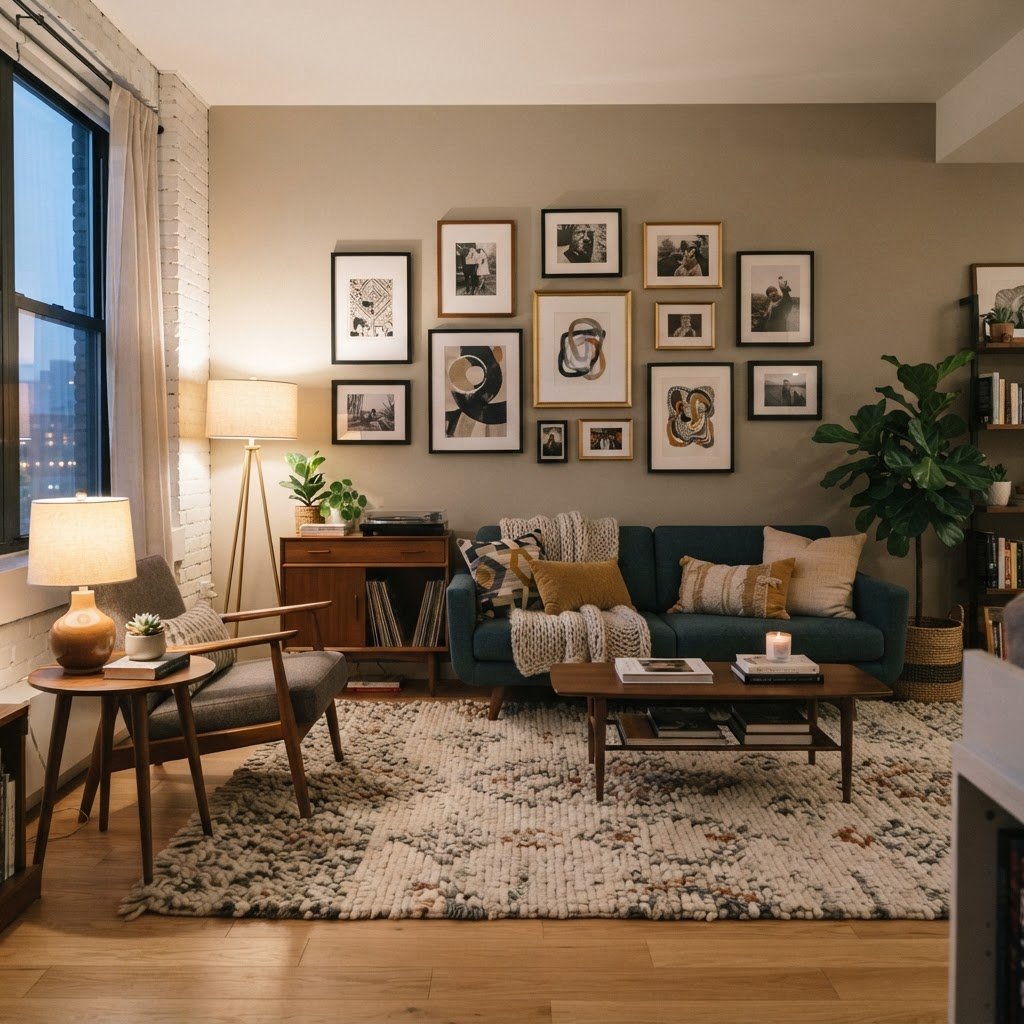
You can personalize a basic apartment on a budget by using renter-friendly upgrades like peel-and-stick wallpaper, swapping cabinet hardware, installing floor-to-ceiling curtains, and incorporating layered lighting. These high-impact, non-permanent changes allow you to transform a sterile space into a unique sanctuary without violating lease agreements or losing your security deposit.
Lighting Upgrades for Instant Ambience
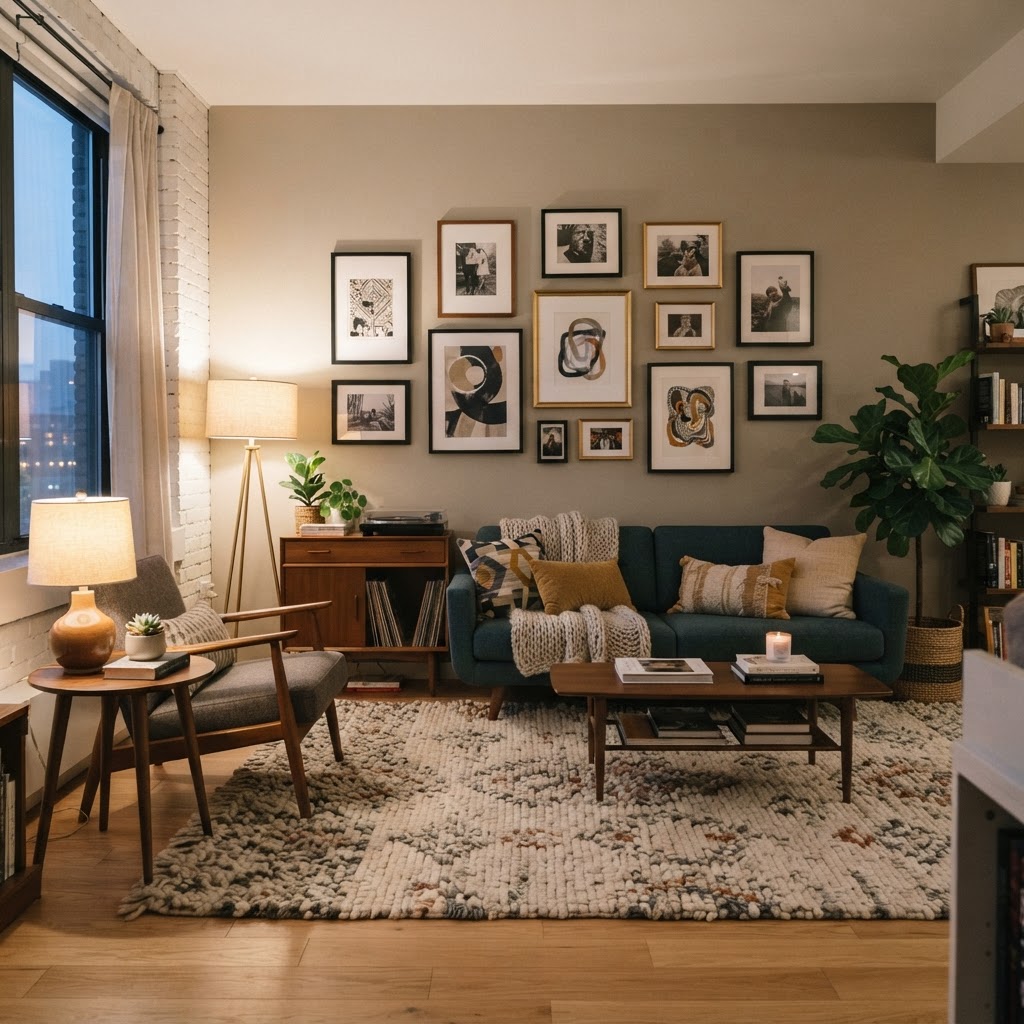
Lighting is the most effective way to eliminate the clinical feel of standard “boob lights” and fluorescent overhead fixtures. By creating a layered lighting scheme using floor lamps, table lamps, and plug-in sconces, you can replace harsh, singular light sources with a warm, ambient glow that defines specific zones within your living area.
To maximize impact, place lamps at varying heights—ideally between 30 and 60 inches from the floor—to draw the eye upward and soften the room’s edges. Look for fixtures with fabric shades to diffuse light, or select sculptural metal bases to serve as functional decor. Investing in smart bulbs, which typically cost between $10 and $25 each, allows you to adjust color temperatures to match the time of day, effectively mimicking natural circadian rhythm lighting. This transition from cool, generic overhead light to warm, task-oriented lighting is a proven interior design hack that makes small square footage feel significantly larger and more intentional.
Why Lighting Matters
Proper lighting creates layers. By placing lamps at different heights throughout a room, you eliminate dark corners and create a warm, inviting glow that makes any square footage feel more intentional. Look for lamps with fabric shades to diffuse the light, or choose bold sculptural bases to serve as functional art pieces in your living room.
Introduce Removable Wallpaper and Decals
Peel-and-stick wallpaper is the industry-standard solution for renters seeking to cover generic beige walls without the permanence of traditional paste-based adhesives. These high-quality vinyl or fabric-based papers offer immediate transformation for an average cost of $30 to $60 per roll, allowing you to create a high-impact accent wall in under two hours.
Before purchasing, calculate your wall square footage (Length x Height) and add a 10-15% buffer for pattern matching. Decals are an even more budget-friendly alternative, often retailing for under $20, and are ideal for temporary accents behind headboards or mirrors. Because these materials are designed for easy removal with minimal residue, they remain the safest way to customize a rental unit while ensuring full return of your security deposit.
Curate Textiles for Texture and Depth
Textiles are the most versatile tools for mitigating the echoey, cold atmosphere often found in newer “modern” apartments with laminate flooring and sterile walls. Integrating high-pile area rugs, which range from $50 to $200 for standard 5×7 sizes, helps dampen sound and provides immediate visual warmth, effectively masking unappealing base-level flooring.
To achieve a professional designer aesthetic, focus on “textural layering.” Combine coarse materials like jute or seagrass with softer fabrics such as velvet, linen, or chunky wool. For instance, pairing a heavy, velvet-backed curtain with a lightweight linen sheer allows for light control while adding architectural depth to your windows. By adhering to a strict 60-30-10 color rule—60% primary color, 30% secondary, and 10% accent—you can ensure that throw pillows, blankets, and rugs look curated rather than cluttered, creating a cohesive, well-designed environment.
Gallery Walls and Vertical Storage
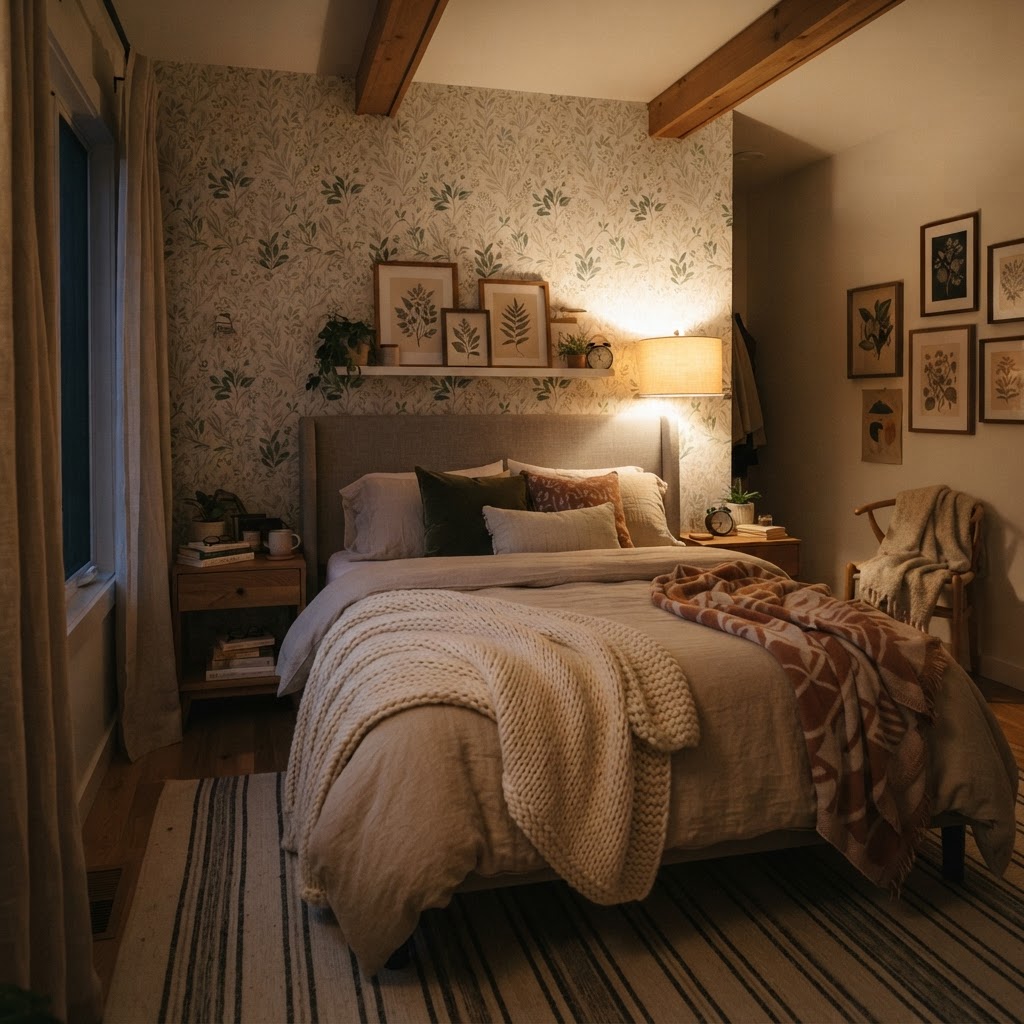
Gallery walls provide a high-personality focal point that utilizes under-leveraged vertical wall space, making your room feel intentionally designed. To save money, skip custom professional framing and instead source second-hand frames from thrift stores, which can be found for $1 to $5 each, then unify the look by painting them a singular matte black or crisp white.
Utilizing non-damaging adhesive strips instead of nails or heavy-duty anchors allows you to display art safely without requiring wall repairs before you move. For added interest, incorporate non-photo items like lightweight woven baskets, flat metal wall art, or even mirrors. A well-balanced gallery wall should start at eye level, roughly 57 inches from the floor, and extend to about two-thirds of the wall height to maintain proper scale.
Tips for a Seamless Gallery Wall
- Use painter’s tape to layout your design on the floor first.
- Stick to a consistent theme or color story for your frames.
- Mix in non-photo elements like baskets, hats, or metal wall art.
Upgrade Functional Hardware
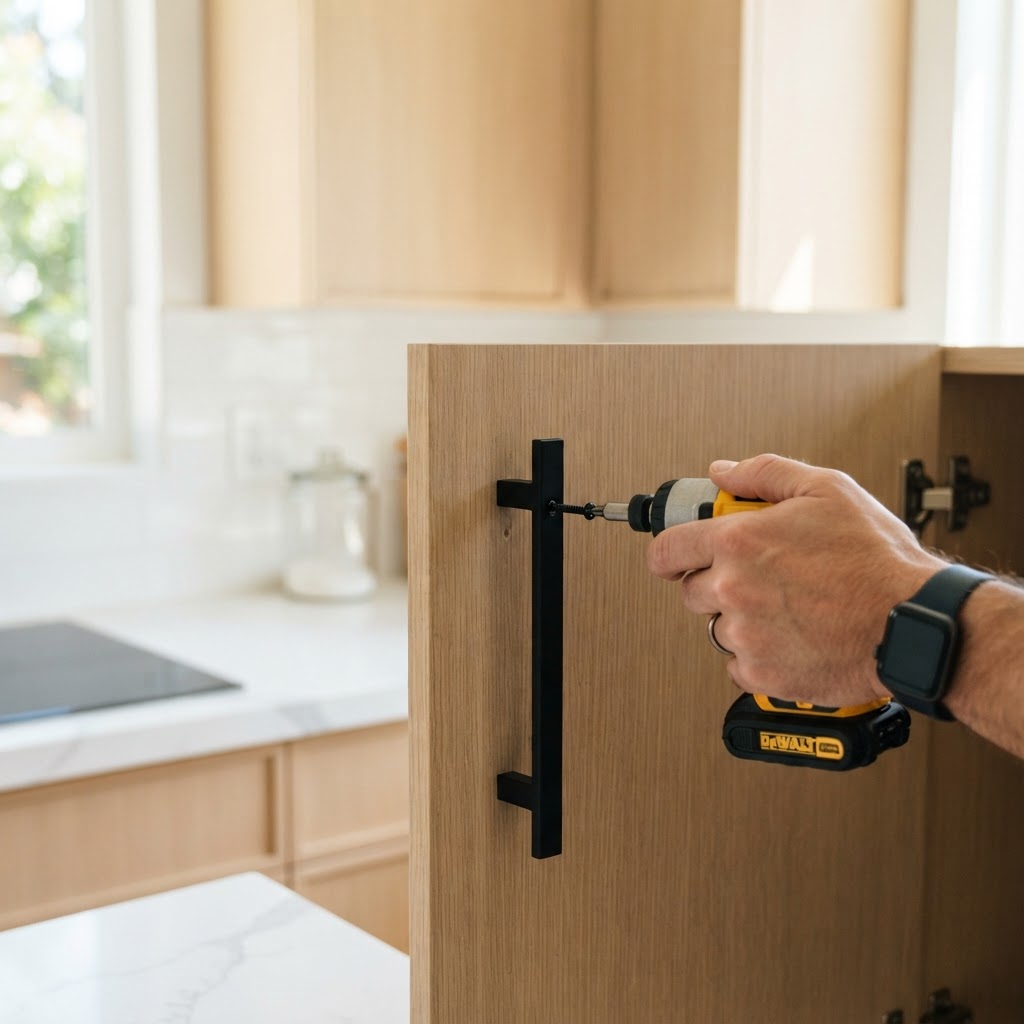
Swapping out standard, builder-grade cabinet hardware is the single fastest way to increase the perceived value of your rental kitchen or bathroom. Standard hardware often looks cheap due to thin plastic or basic metal finishes; replacing these with solid brass, matte black, or brushed nickel pulls creates a tactile, premium experience that elevates the entire room’s aesthetic.
Most cabinet pulls are standard sizes (typically 3-inch or 4-inch hole spacing), making it easy to swap them without drilling new holes. Always keep the original hardware in a clearly labeled Ziploc bag tucked away in a kitchen drawer or cabinet; this ensures you can perform the swap back to the original state in less than 15 minutes upon move-out. A set of 10 modern handles can typically be sourced for under $40, providing a dramatic “before and after” contrast that rivals much more expensive renovations.
Bring Nature Indoors
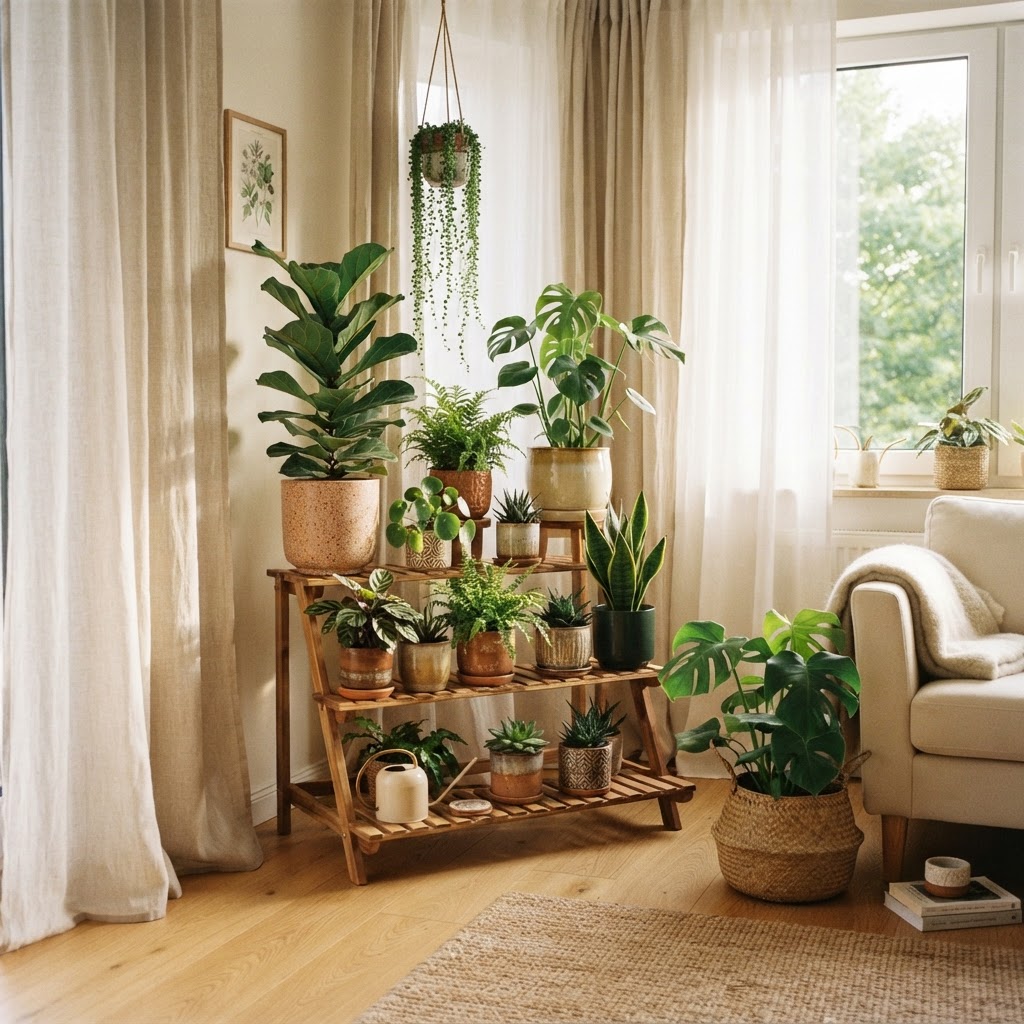
Plants are an investment in both home health and aesthetic appeal, as they act as natural air purifiers while adding organic color and texture. For low-light apartment corners, resilient species like Sansevieria (snake plants) or Zamioculcas zamiifolia (ZZ plants) thrive in minimal light, making them perfect for beginners who may lack a green thumb.
To make plants look more intentional, avoid scattering them randomly across surfaces. Instead, group them in clusters of three, using pots of varying heights and textures. Utilizing plant stands to elevate one plant and hanging baskets to draw the eye toward the ceiling creates a dynamic vertical display that makes your room feel more spacious and alive. Integrating natural elements is the most effective way to neutralize the harsh, sterile lines of contemporary apartment construction.
Customizing Your Furniture Layout
Rearranging your furniture is a zero-cost way to dramatically shift the function and flow of your apartment. Many renters follow the “default” layout dictated by wall outlets or radiator placement, but floating furniture—pulling sofas or beds away from the wall—can create more sophisticated, boutique-hotel style room dividers that define specific living and working zones.
Investing in multi-functional furniture, such as storage ottomans or nesting tables, helps keep your space free of visual clutter. In a small apartment, the goal is to optimize every square foot so that the room serves multiple purposes, such as a corner desk area that doubles as a vanity or a storage ottoman that serves as a coffee table.