Category Rental-Friendly Apartment Decor

6 Quick Kitchen Upgrades Renters Can Do in Under an Hour

6 Quick Kitchen Upgrades Renters Can Do in Under an Hour

Renters can upgrade their kitchens in under an hour by installing peel-and-stick backsplashes, swapping cabinet hardware, adding battery-operated LED lighting, or applying removable contact paper. These high-impact, non-permanent modifications require minimal tools like a screwdriver or utility knife, allowing tenants to personalize their space without risking their security deposit.

1. Swap Out Cabinet Hardware
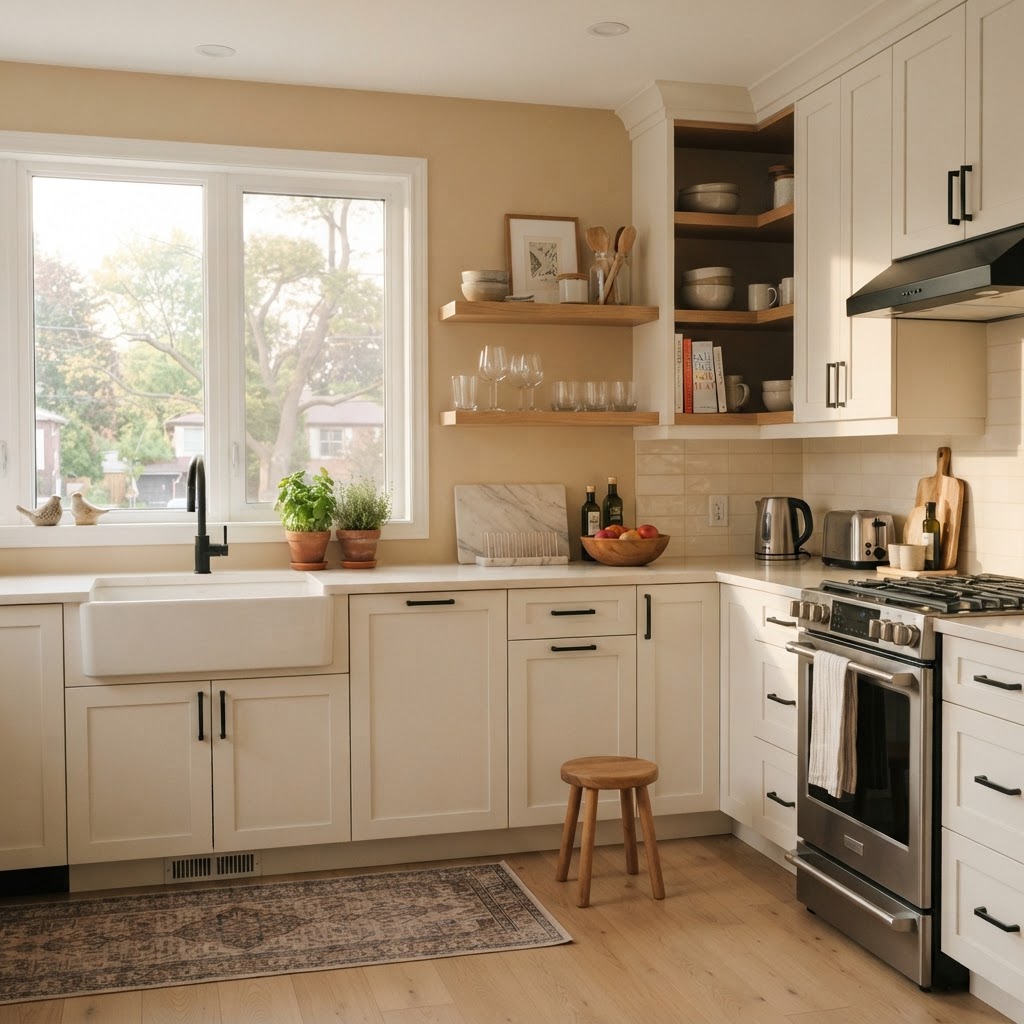
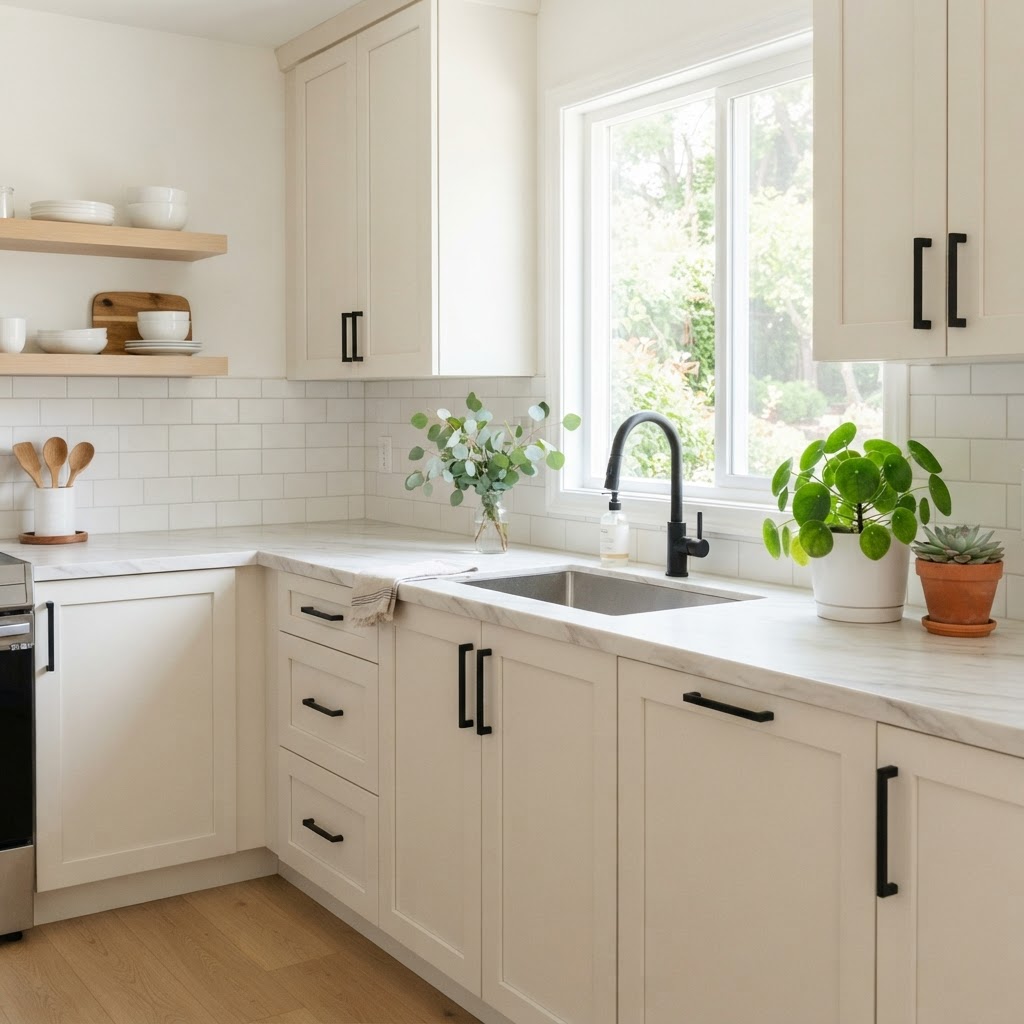
Replacing old cabinet knobs with modern matte black hardware instantly refreshes a rental kitchen.

Replacing existing cabinet hardware is the single most effective way to modernize a rental kitchen in under 60 minutes. Standard builder-grade knobs often look dated, but switching them for matte black pulls, polished brass, or brushed nickel handles instantly elevates the room’s aesthetic. Because this project usually involves only two screws per cabinet, it is arguably the lowest-risk modification a renter can perform.

Comparison: Hardware Material Impacts

Material Aesthetic Style Maintenance Level Estimated Cost (10 pack)
Matte Black Modern / Industrial Low $20 – $35
Brushed Brass Vintage / Luxe Medium $25 – $40
Chrome Minimalist / Clean Low $15 – $30

The Installation Process

Begin by unscrewing the current hardware and placing the original pieces into a clearly labeled Ziploc bag, which you should store in a kitchen drawer or utility closet. When buying replacements, measure the ‘center-to-center’ distance between existing screw holes precisely (typically 3 inches or 96mm) to ensure your new hardware fits without needing to drill new holes. This ensures the upgrade remains entirely reversible. Simply tighten your new handles with a manual screwdriver—avoid power drills to prevent stripping the wood—and enjoy a custom look that feels permanent but can be returned to its original state in minutes.

2. Utilize Peel-and-Stick Backsplash Tiles
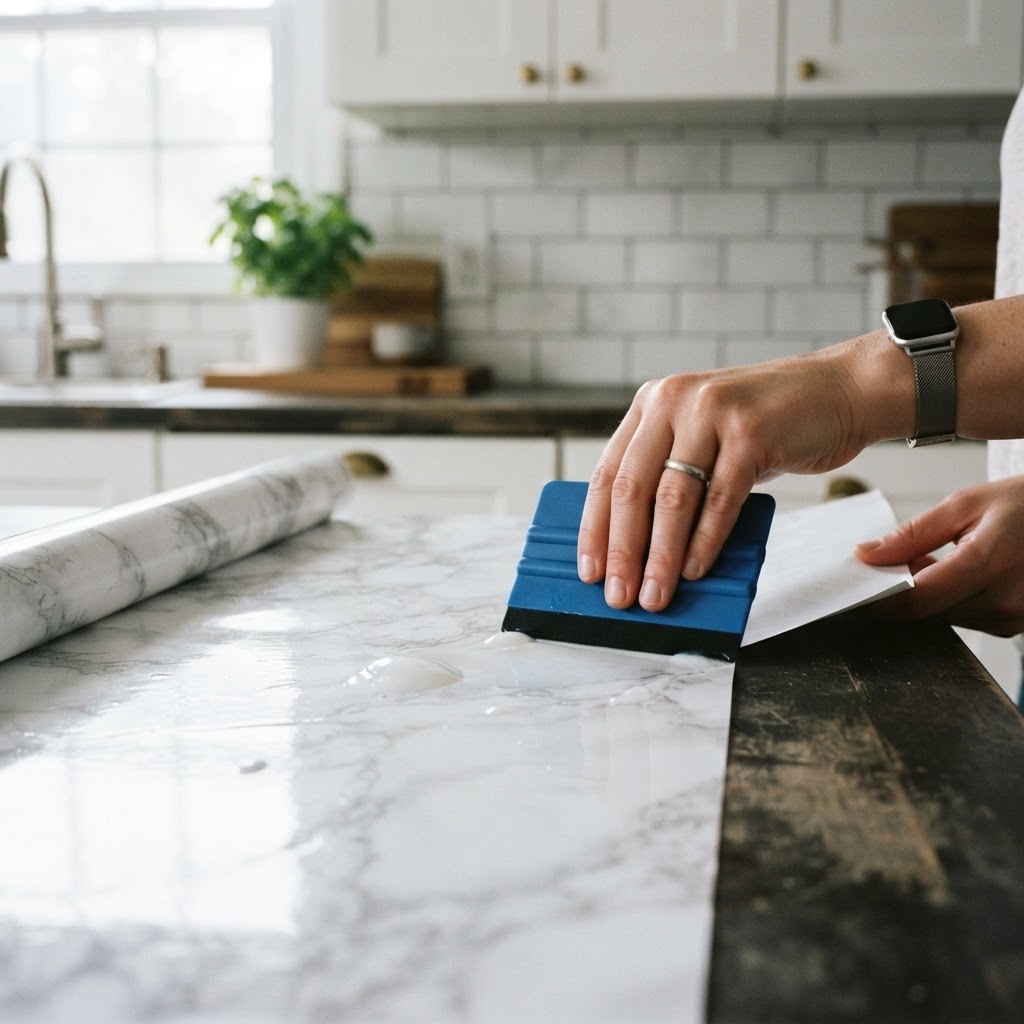
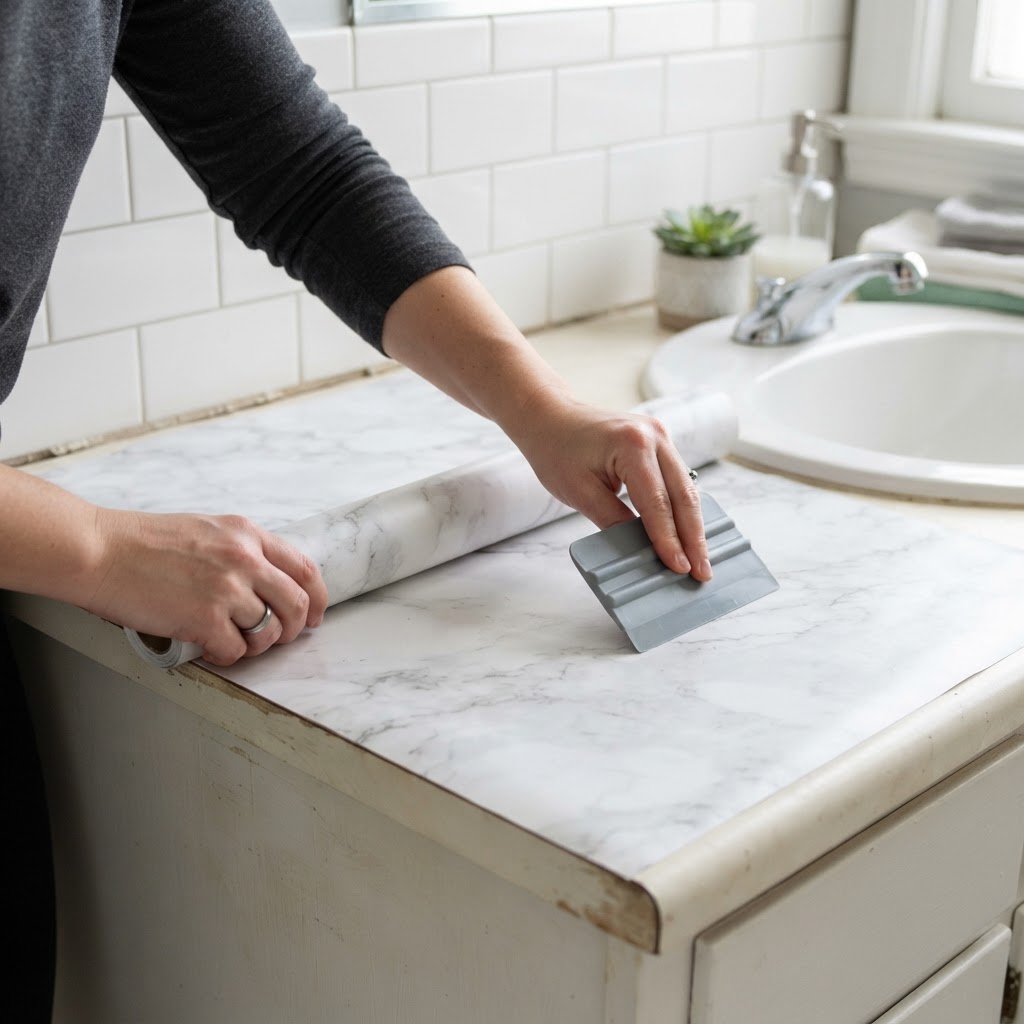
Peel-and-stick contact paper is a renter-friendly way to cover scratched countertops.

Peel-and-stick backsplash tiles offer a professional, high-end appearance for stained or outdated kitchen walls without the need for thin-set mortar or grout. These vinyl-based tiles are designed specifically for rental environments, utilizing adhesives that are strong enough to hold through humidity but gentle enough to peel away cleanly when your lease term ends. Modern variations now include 3D textures that mimic authentic stone, ceramic, or glass finishes.

Before you begin the installation, you must degrease the wall surface thoroughly using a dish soap solution or specialized degreaser, as residual kitchen oils will cause the adhesive to fail prematurely. Measure the height of the space beneath your upper cabinets and the stove backsplash, then use a sharp utility knife or heavy-duty scissors to trim your sheets for a perfect seam. For corners, overlap the tiles slightly to maintain a waterproof barrier against sink splashes. This project typically takes 45 to 60 minutes for a standard galley kitchen, transforming a dull wall into a textured, high-impact focal point.

3. Install Under-Cabinet LED Lighting
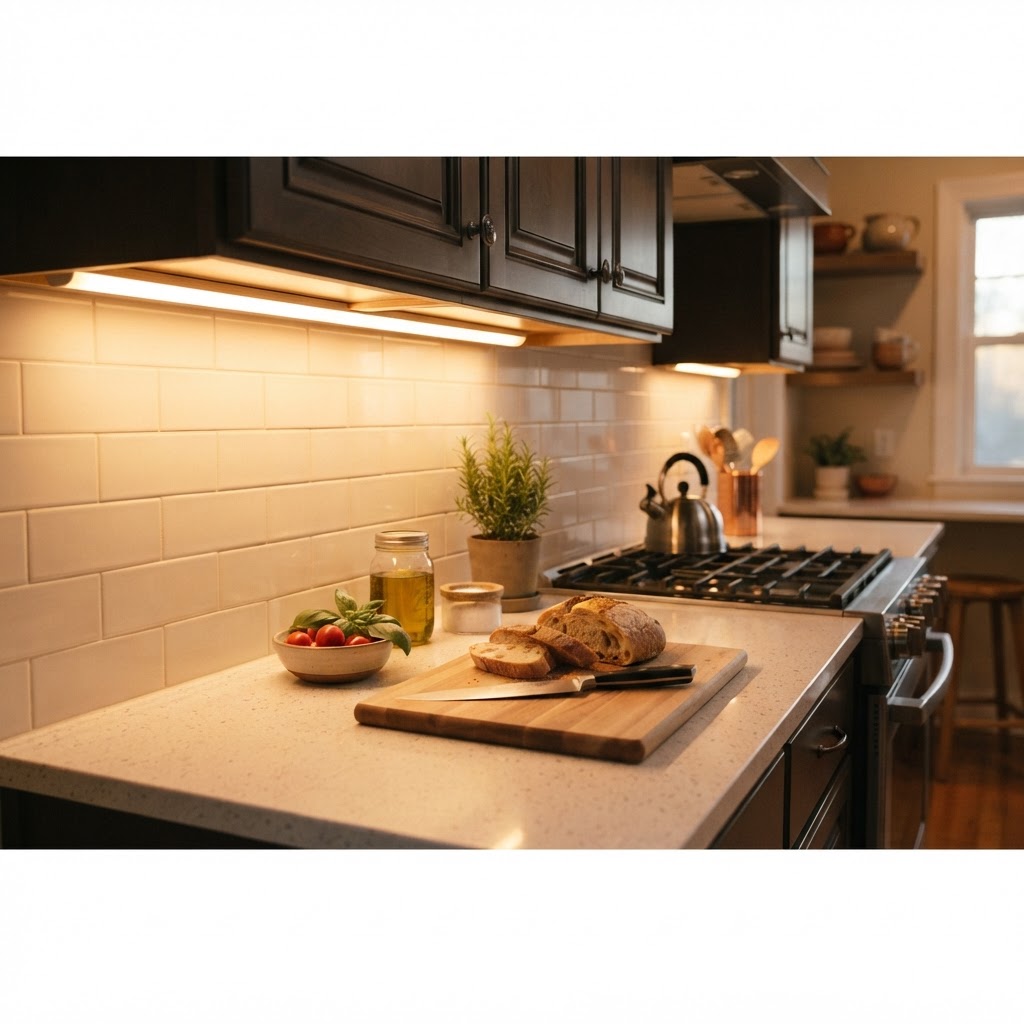
Under-cabinet lighting adds both functionality and a sophisticated ambiance to any kitchen.

Under-cabinet LED lighting dramatically improves both the utility and mood of a kitchen by eliminating shadows on dark countertops. Because rental properties often rely on single, centrally located overhead fixtures that cast unflattering light, battery-operated or rechargeable USB-powered LED strips serve as the perfect solution for illuminating your workspace without any electrical hardwiring or permanent drilling.

Choosing Your Lighting

When shopping for lights, prioritize units with motion sensors or remote-controlled dimming capabilities to maximize battery life. Many modern kits include magnetic mounting plates or 3M adhesive strips, allowing for a ‘peel-and-stick’ installation that takes less than 15 minutes. Select a ‘warm white’ color temperature (around 3000K) to create a cozy, residential feel, or ‘cool white’ (5000K) if you prioritize high visibility for precise food preparation tasks. By placing these lights toward the front edge of the underside of your cabinets, you achieve maximum light spread across your entire prep area. This small addition not only improves function but also adds a high-end designer glow that makes a rental kitchen feel significantly more expensive than it is.

4. Upgrade Your Faucet with a Modern Sprayer
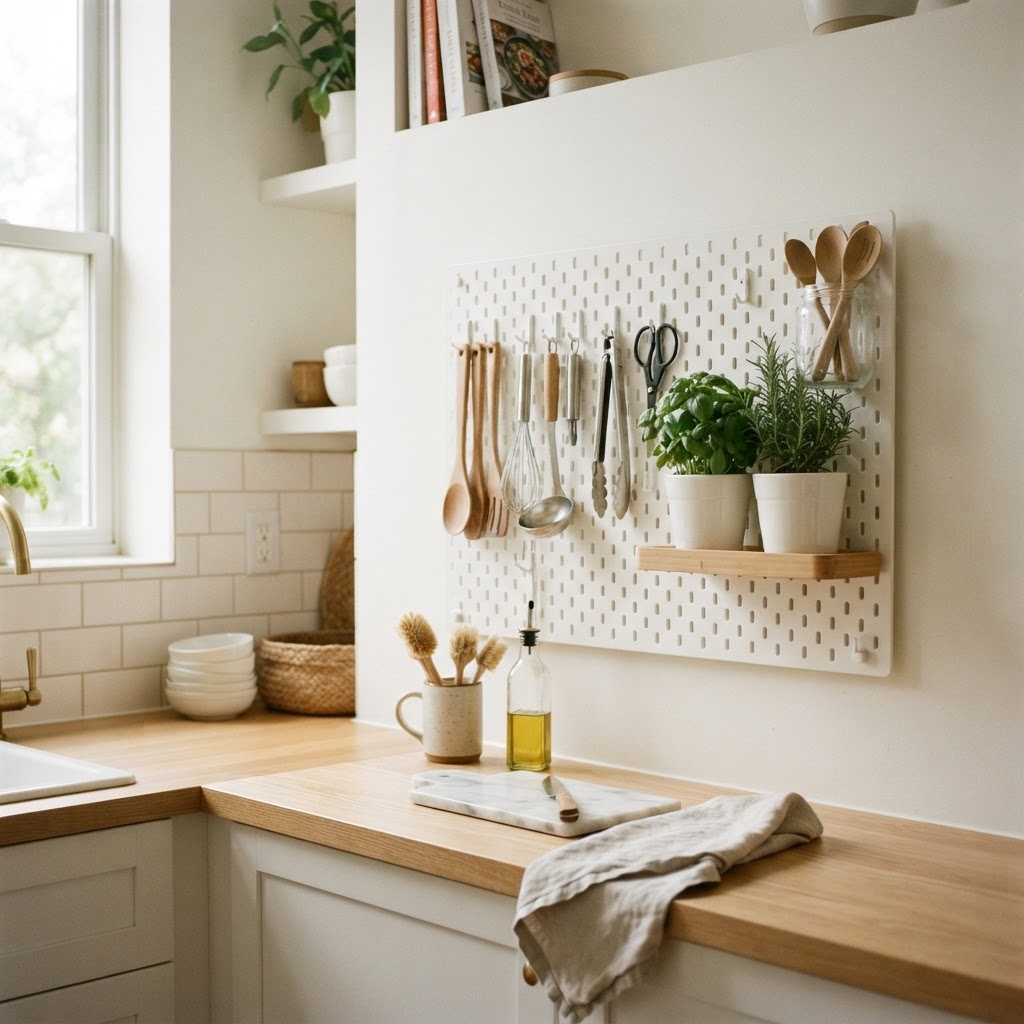
A temporary pegboard provides essential vertical storage for tight rental spaces.

Replacing a clunky, basic faucet with a sleek, modern pull-down sprayer provides a significant boost in both performance and style for your kitchen sink area. Although it may seem daunting, replacing a kitchen faucet is a standard “swap” project that requires only an adjustable wrench and about 45 minutes of work. Modern universal faucets are designed to fit most standard sink configurations (1-hole or 3-hole setups), making this a highly accessible DIY task for most tenants.

To perform the upgrade, first turn off the water supply valves located under the sink. Use your wrench to disconnect the existing supply lines, then unscrew the nuts securing the old faucet to the countertop. Once removed, drop your new faucet into the pre-existing holes and secure it according to the manufacturer’s instructions. Be sure to keep the original faucet and all its mounting hardware in a sealed container under the sink; you will need these parts to revert the kitchen to its original state when you eventually move out. This simple swap significantly reduces dishwashing time and provides a high-arc professional look that serves as the centerpiece of your rental kitchen.

5. Add Removable Contact Paper to Countertops

Countertops often suffer from the most severe wear and tear in older rental apartments, but they can be completely camouflaged using high-quality, heat-resistant contact paper. These adhesive vinyl sheets come in a wide variety of finishes, including faux marble, butcher block, and concrete, providing a brand-new look for a fraction of the cost of real stone or laminate replacement.

Application Tips for Success

Success with contact paper relies entirely on surface preparation and patience. First, ensure the countertop is perfectly clean and dry, removing all dust, grease, and grime that could cause bubbling. Measure your area with an extra two-inch margin on all sides. As you apply the paper, use a plastic squeegee to smooth out air bubbles from the center outward. For edges and corners, apply low-level heat from a standard hair dryer to soften the vinyl, allowing it to stretch and wrap around rounded corners for a seamless, professional finish. When moving out, simply apply heat again to loosen the adhesive and peel the paper away without damaging the underlying countertop.

6. Create a Stylish Vertical Storage System

Vertical storage is the secret weapon of small rental kitchens, allowing you to maximize limited cabinet space without installing permanent shelving. By utilizing the sides of cabinets or the area above the sink, you can keep clutter off your counters and create a more organized cooking environment. Options include magnetic strips for knife storage, adhesive hooks for utensils, and tension rods tucked under the sink for cleaning supplies.

Installing a pegboard is another highly effective method to store heavy pots and pans. You can mount these using heavy-duty command strips or adhesive mounts that are weight-rated for the items you plan to hang. This modular approach allows you to customize the configuration to suit your specific cooking tools, ensuring that your most frequently used items are always within arm’s reach. By utilizing vertical wall space, you effectively increase your kitchen’s square footage, making a cramped rental kitchen feel significantly more spacious and efficient.

Expert Tips for Rental Success

Always prioritize the principle of “reversibility” when performing any rental kitchen project. The primary goal is to enhance your daily living experience while ensuring the property can be returned to its exact original condition. Before beginning any project, review your lease for specific restrictions regarding drilling, adhesives, or appliance replacement, and store all original hardware in a dedicated, clearly labeled box to prevent loss.

Maintain an Inventory

Organizing your original parts is crucial for a successful move-out. Use resealable plastic bags for screws, nuts, and small brackets, and place them inside the original box or tape them to the underside of the replaced items. By maintaining this inventory, you can complete the restoration process efficiently in just a few hours, protecting your security deposit while enjoying your personalized space in the meantime.

FAQ

Q: Do I need special tools for these projects?

Most of these upgrades require only basic household tools like a screwdriver, a utility knife, and a measuring tape. You will rarely need power tools, and most hardware can be installed manually without the risk of damaging the underlying cabinetry.

Q: Can I get my security deposit back?

Yes, you will likely receive your full security deposit back as long as you remove the modifications before moving out. Ensure that you retain all original items—like handles and faucets—and reinstall them before the final move-out inspection.

Q: Is peel-and-stick backsplash safe for walls?

Most high-quality peel-and-stick tiles are safe for standard, painted drywall when applied correctly. To ensure no damage occurs, peel the tiles off slowly at a sharp 45-degree angle when moving out, and use a little heat from a hair dryer to soften the adhesive if it feels difficult to remove.

Q: How long do these upgrades usually take?

Each of the projects mentioned can be completed in under one hour. Swapping hardware or installing under-cabinet lighting generally takes 20 to 30 minutes, while applying contact paper or backsplashes may take closer to an hour depending on the size of your kitchen area.
10 Best Peel-and-Stick Wallpaper Ideas for Small Apartments

10 Best Peel-and-Stick Wallpaper Ideas for Small Apartments

The best peel-and-stick wallpaper ideas for small apartments include utilizing light-colored minimalist patterns to increase perceived brightness, applying vertical stripes to raise ceiling heights, and incorporating textured faux-finishes to add depth without clutter. These solutions provide high-impact, renter-friendly design transformations that protect your security deposit while maximizing cramped living quarters.

Understanding the Magic of Temporary Wallpaper

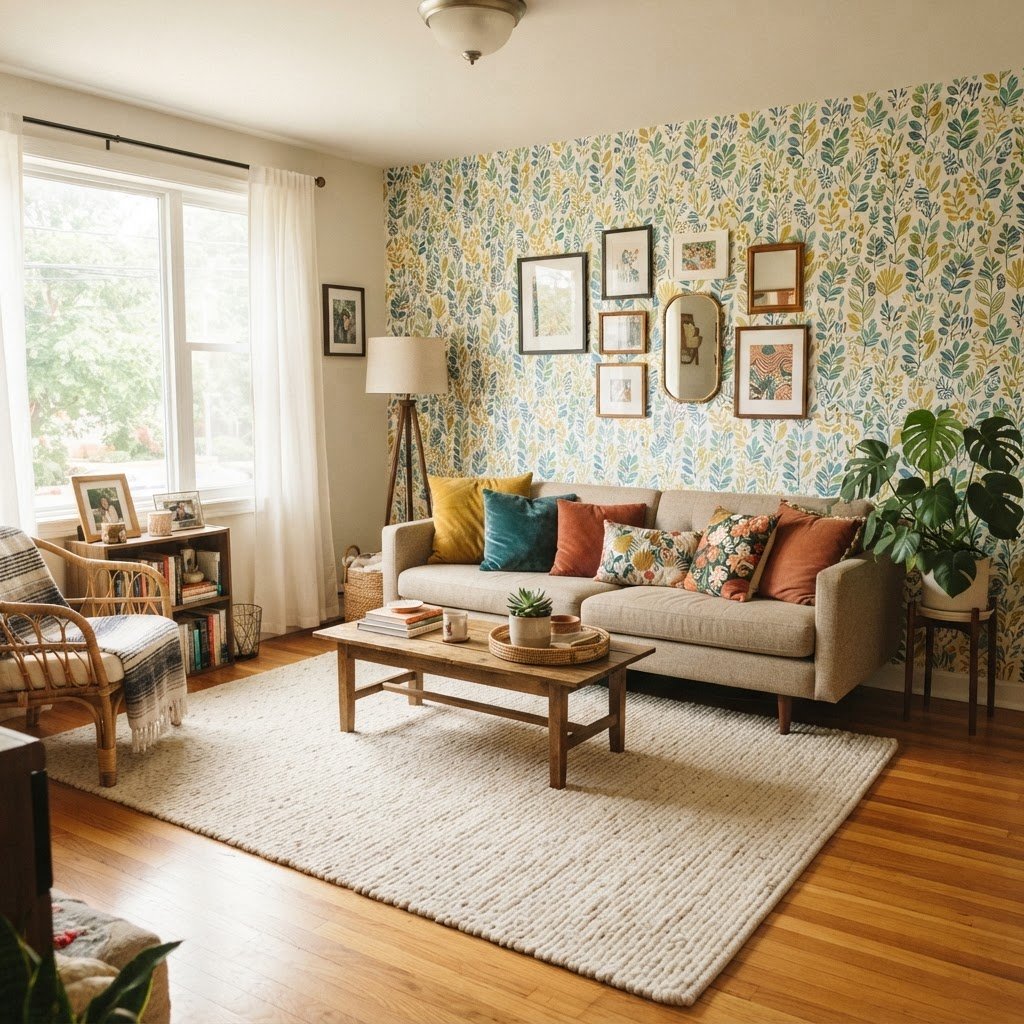
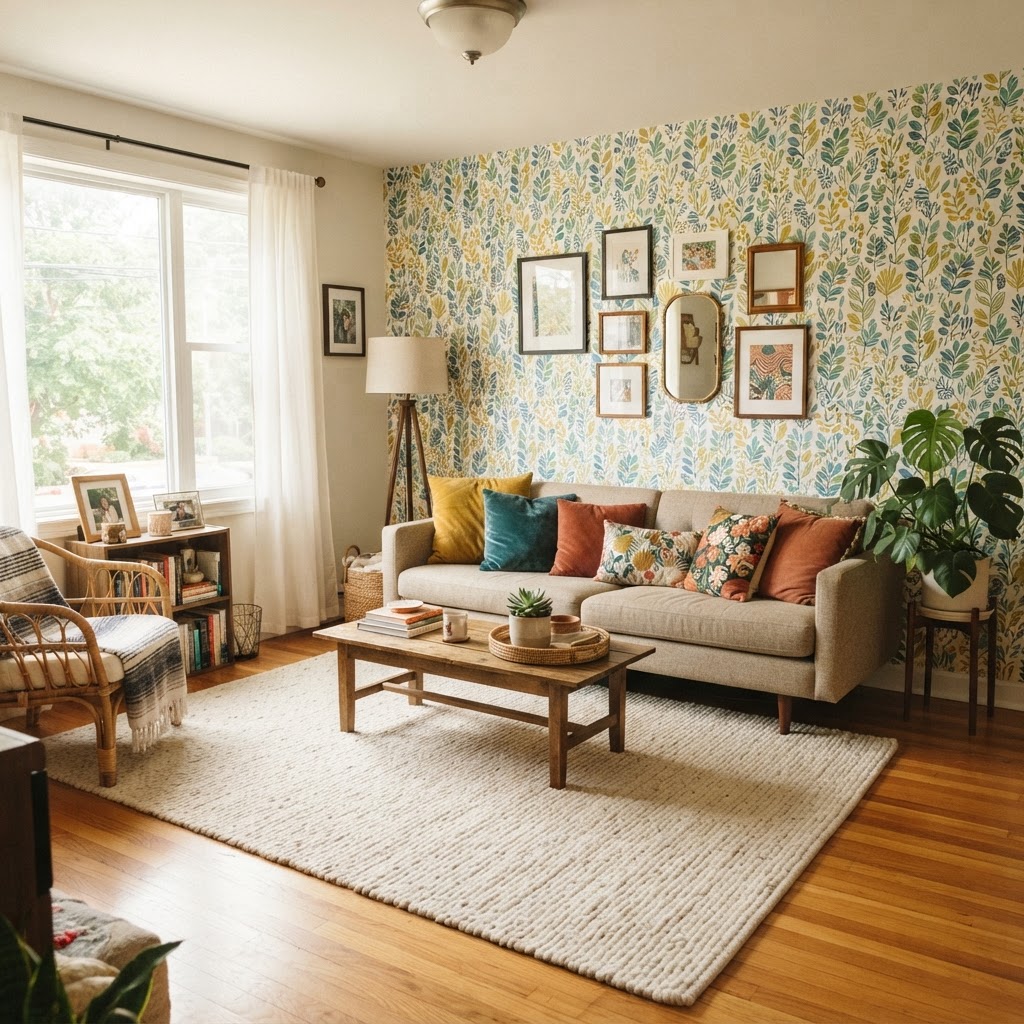
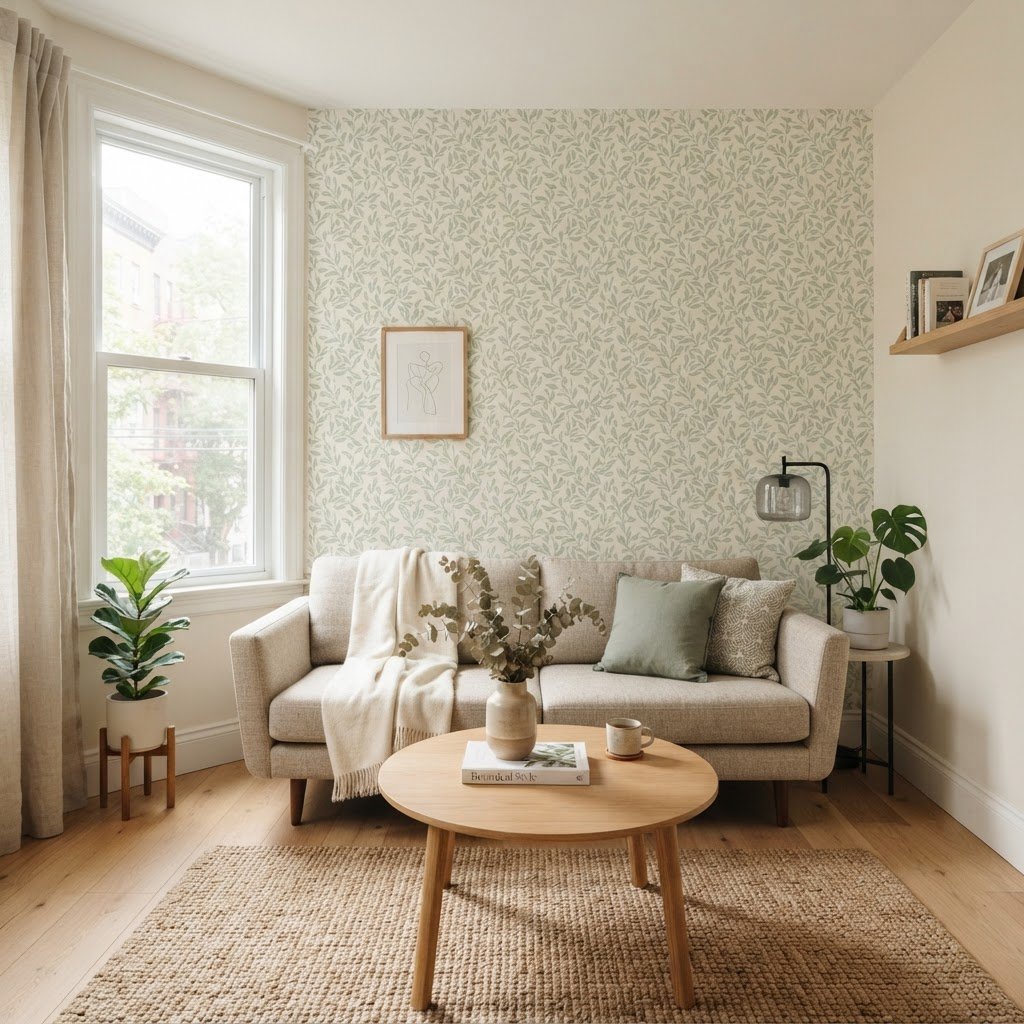
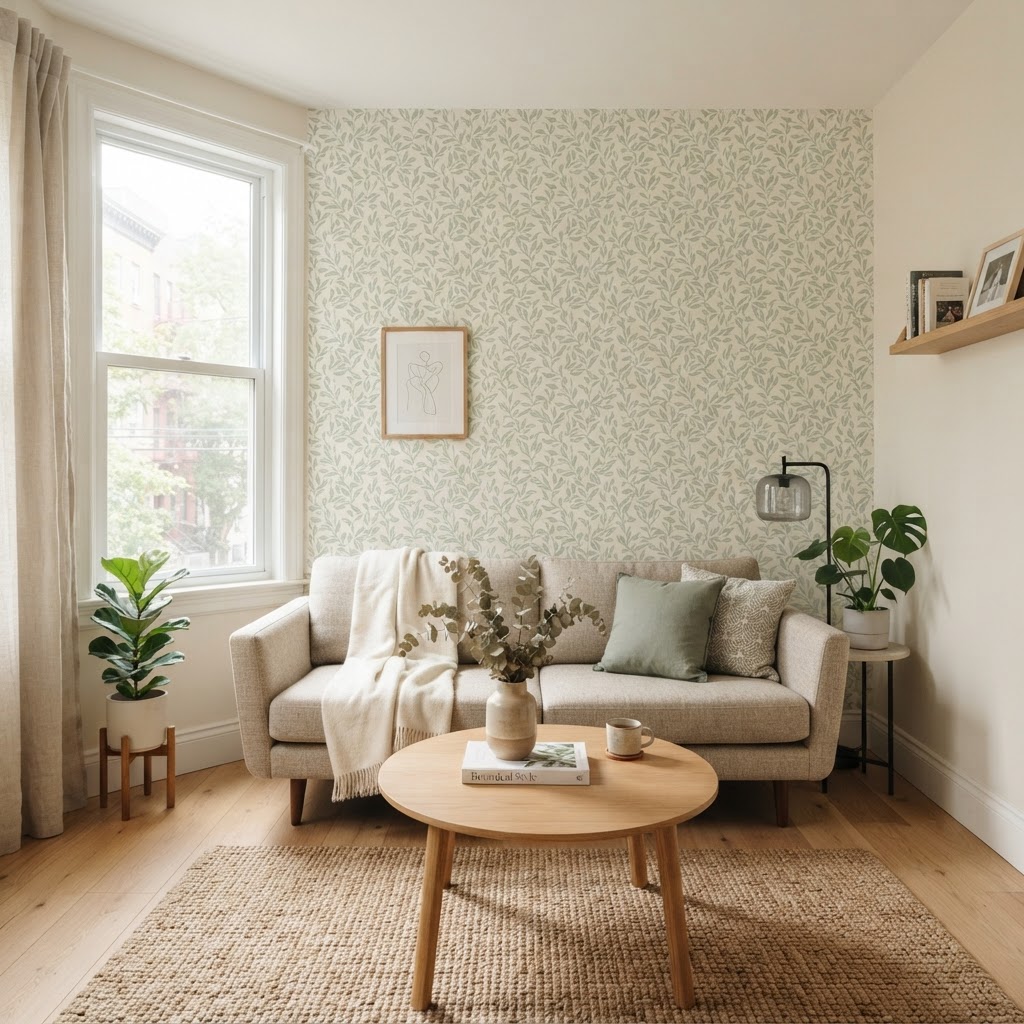
Botanical accents create an airy, garden-inspired feel in tight living quarters.

Peel-and-stick wallpaper, often referred to as self-adhesive or removable wallpaper, has revolutionized the world of renter-friendly home decor by eliminating the need for permanent pastes or tools. Unlike traditional wallpaper that requires glue, water, and specialized labor, these products function like a large sticker, allowing for DIY installation and damage-free removal in under two hours for an average 10×10 foot wall. They are the ideal choice for studio apartments or compact urban units because they allow tenants to customize space without violating lease agreements. The versatility of these materials allows you to cover up to 50 square feet per standard roll, which typically costs between $30 and $70 depending on the brand and material quality. Whether you are dealing with sterile blank walls or outdated textured surfaces, there is a design solution that can anchor your room. For small spaces, the goal is often to create depth, add light, or define specific zones within an open-concept layout, making temporary wallpaper one of the most cost-effective ways to increase the perceived value of your home.

Feature Traditional Wallpaper Peel-and-Stick
Installation Time 6-8 Hours 1-2 Hours
Removal Damage High (Can tear drywall) Low (Non-destructive)
Skill Level Professional Beginner DIY
Cost per Roll $80 – $200+ $30 – $70

The Power of Light and Bright Patterns

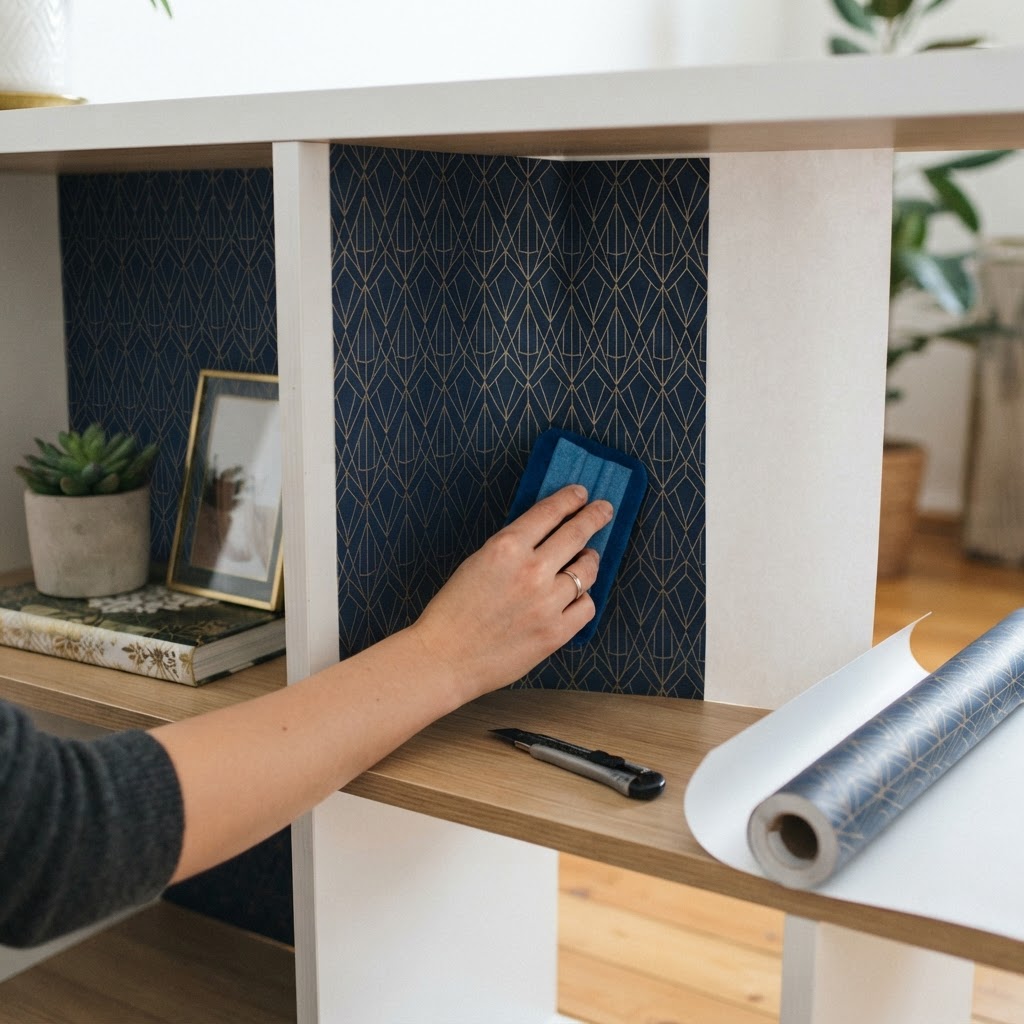
Personalize your furniture by adding a surprise pattern to the back of open shelving.

When working with limited square footage, choosing light-colored or reflective peel-and-stick wallpaper can significantly expand the feeling of a windowless bedroom or cramped hallway. You should prioritize designs with soft botanicals, neutral minimalist geometric patterns, or high-sheen finishes that help bounce natural light across the surface. By selecting colors like off-white, champagne, or light sage, you can prevent the ‘closed-in’ effect often caused by dark colors in small apartments. Research indicates that rooms with light, monochromatic wallpaper patterns can feel up to 15% more spacious than those with deep, saturated colors or busy, high-contrast prints. Furthermore, reflective surfaces in metallic or pearlescent finishes can act as a secondary light source, which is particularly beneficial in apartments with limited natural sunlight. Always aim for a color palette that complements your existing flooring and furniture to create a cohesive look that doesn’t overwhelm the eye.

Selecting the Right Scale for Your Walls

One common mistake in small-space design is choosing patterns that are too dense or busy, which can make a room feel claustrophobic. In a confined space, a large-scale mural or a very intricate repeating pattern often overwhelms the eye; instead, opt for “breathable” patterns that provide significant negative space. These designs allow the wall to act as a background rather than the primary focal point, ensuring the room feels airy and open rather than cluttered. A good rule of thumb is to maintain a ratio of 60% negative space to 40% pattern to ensure the aesthetic remains balanced.

Defining Zones with Accent Walls

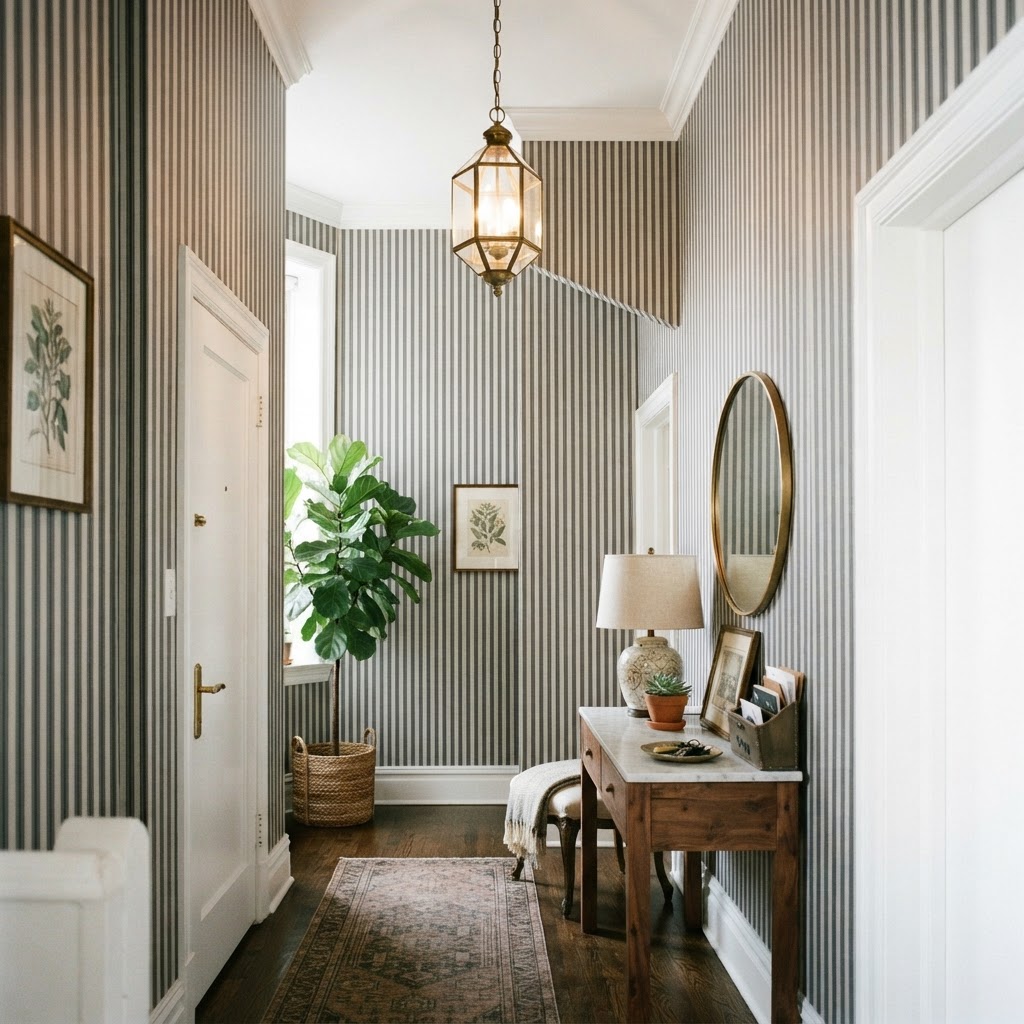
Vertical stripes are a clever design trick to draw the eye upward and create height.

Creating a dedicated accent wall is a proven technique for segmenting multi-purpose rooms in small apartments where the living, working, and sleeping areas overlap. By visually demarcating a space—such as placing a sophisticated, patterned wallpaper behind your bed or dining table—you create a psychological boundary that signals a shift in room function. This “zoning” strategy is highly effective in studio apartments under 500 square feet, where open-concept layouts often lack natural separation. Using a high-contrast or textured wallpaper for the accent area can turn a standard corner into a boutique-style focal point that feels intentional rather than accidental. This method effectively separates the room into distinct quadrants, which can improve your mental clarity and organization. Studies on interior space planning suggest that visual dividers can increase the functional utility of a room by defining specific “use cases” for different wall sections.

Creating a Home Office Nook

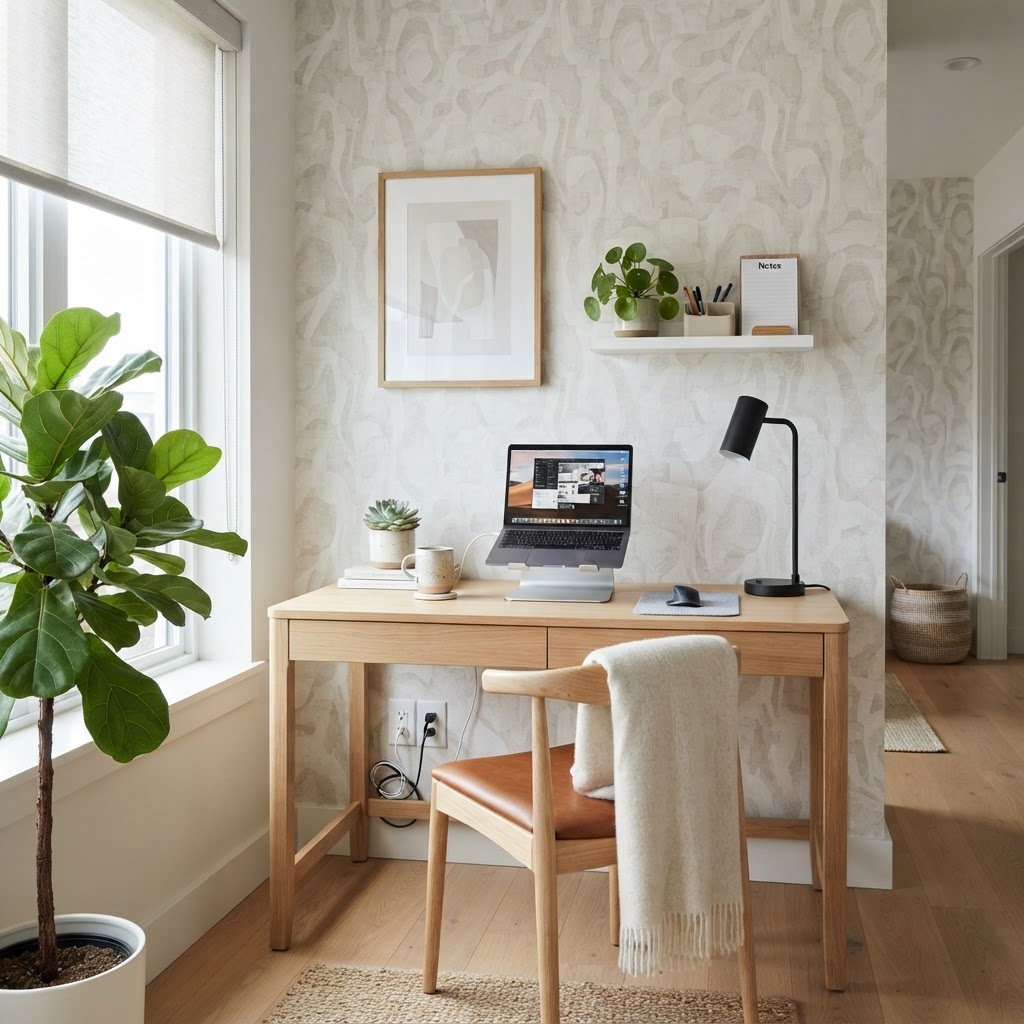
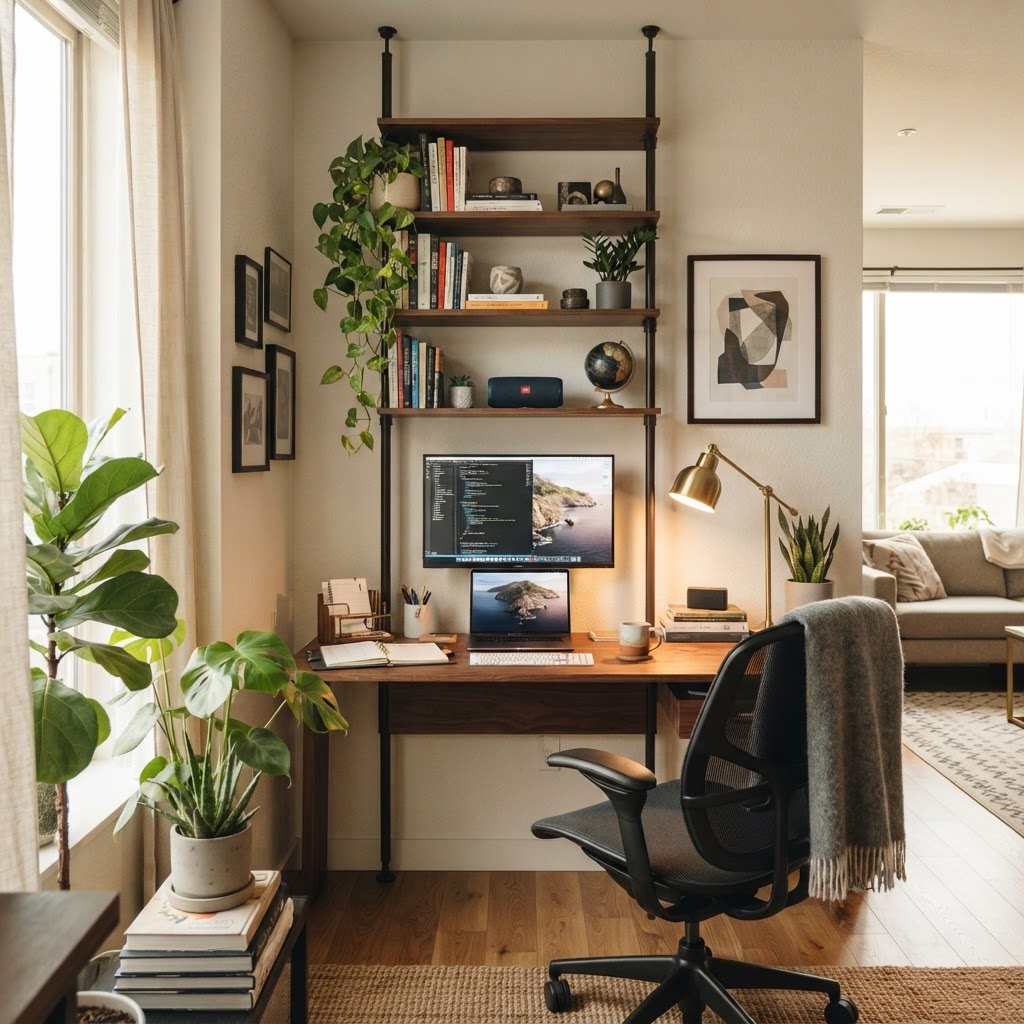
If you work from home, the psychological boundary provided by a change in wall decor is invaluable for maintaining work-life balance. Use a clean, professional print, such as a subtle pinstripe or a soft herringbone, to frame your desk area and separate your “office” from your living space. This DIY project can be completed for less than $50 and helps signal the end of the workday when you leave the designated ‘wallpapered zone.’

Maximizing Vertical Space with Stripes

Define your workspace with a subtle wallpaper accent to boost productivity.

Vertical stripes are the most effective way to address low ceilings, as they create an optical illusion that draws the eye upward, making any apartment feel significantly taller. When searching for the right peel-and-stick options, look for muted, vertical-heavy patterns in soft color palettes like creams, greys, or muted pastels to prevent the design from becoming too aggressive or visually fatiguing. If your apartment has standard 8-foot ceilings, using vertical stripes can add the perception of an extra 6 to 12 inches of height, which significantly changes the room’s proportions. This technique is particularly powerful in smaller rooms where horizontal furniture placement tends to dominate the visual field, drawing focus away from the floor and toward the ceiling. By maintaining a soft color contrast—where the stripe and the background are close in hue—you achieve the height effect without sacrificing the serene, minimalist aesthetic required for small-space living.

The Vertical Effect in Entryways

An entryway is often the most neglected space, but applying vertical striped paper in a narrow foyer immediately upgrades it from a storage pass-through to a formal arrival point. This design choice creates a sophisticated first impression that feels curated. Because entryways are usually small, you can typically complete this transformation using only 1-2 rolls of wallpaper, keeping your total project budget under $100 while significantly elevating your home’s interior design.

Creative Uses for Furniture and Shelving

Applying wallpaper to furniture and shelving is a highly effective way to add personality to a room without overwhelming the space with wall-to-wall patterns. By wallpapering the back of a bookshelf, the front of a dresser drawer, or even the top of a coffee table, you introduce a custom, designer touch that mimics expensive, bespoke furniture. This technique is perfect for refreshing big-box store items, allowing you to turn a $100 bookshelf into a $300-value statement piece. The process requires only minimal adhesive film and a sharp utility knife, making it an accessible project for beginners. Furthermore, using wallpaper on furniture allows for bolder, more vibrant patterns that might be too intense for an entire wall, providing that desired ‘pop’ of color while maintaining a clean, airy room aesthetic.

Incorporating Texture for Depth

Texture is the secret ingredient for making a modern apartment feel grounded and warm, especially when architectural details like crown molding or fireplaces are absent. Opting for high-resolution, faux-textured wallpaper—such as grasscloth, faux brick, or wood-look designs—adds a tactile, luxury feel that simple flat patterns cannot replicate. High-quality faux textures can make a cramped kitchen backsplash look like a $500 tile renovation for only a fraction of the cost. When selecting these materials, verify that the print quality is high-resolution; look for images that show subtle organic imperfections to ensure the wall doesn’t look like a repeating, flat photograph. Texture also helps absorb sound better than smooth, non-porous surfaces, which is an added acoustic benefit for apartment dwellers living near noisy neighbors or busy streets.

Practical Tips for Renter-Friendly Installation

To ensure your project remains truly temporary and damage-free, adhere to these four industry-standard installation steps:

  1. Prep the Surface: Clean your wall thoroughly with a mixture of water and mild dish soap to remove dust, as adhesive bonds 30% stronger to clean surfaces.
  2. Patch Test: Apply a 4×4 inch piece in an inconspicuous area (like behind a door) and leave it for 48 hours to confirm that the adhesive does not lift the paint upon removal.
  3. Measure Twice, Cut Once: Always add an extra 2-3 inches to each strip for ceiling and baseboard trimming to ensure a seamless fit.
  4. Avoid Humid Areas: If applying in a bathroom, ensure the room remains dry; humidity above 60% can cause edges to peel over time, regardless of the brand quality.

Elevating Your Living Experience

Applying wallpaper is a transformative act that turns a rental unit into a personal sanctuary, allowing you to reclaim your space and express your style. The versatility of peel-and-stick products means you can swap out patterns as your taste evolves or as seasons change, providing ultimate creative freedom. With the ability to install and remove designs in an afternoon, you can refresh your living environment annually, keeping your apartment at the forefront of interior design trends without ever losing your security deposit.

FAQ

Q: Does peel-and-stick wallpaper ruin apartment walls?

Most high-quality peel-and-stick wallpapers are designed to be removable without damaging standard drywall, provided the wall was properly primed before the original paint job. Always perform a patch test in an hidden area to confirm your specific wall surface and paint type are compatible.

Q: How much does it cost to wallpaper a small apartment room?

For a typical small bedroom or office space, you can expect to spend between $100 and $250 on materials. This budget covers 3-5 rolls of adhesive wallpaper, a smoothing tool, and a sharp utility knife, which is significantly cheaper than a professional paint job.

Q: Can I put peel-and-stick wallpaper in a bathroom?

Yes, but you must choose a moisture-resistant or vinyl-coated product to prevent peeling caused by steam. Ensure your bathroom has adequate ventilation or an exhaust fan to minimize humidity levels and prolong the life of the adhesive.

Q: How long does peel-and-stick wallpaper last?

When installed correctly on a clean, dry, and flat surface, peel-and-stick wallpaper can last for 3 to 5 years. It is designed to be a semi-permanent solution, making it ideal for renters who want a long-term look that can be easily removed when moving out.

Q: What is the best pattern for a very small apartment?

Minimalist, light-colored, and “breathable” patterns with ample negative space work best for very small apartments. These designs avoid overwhelming the eye, creating an illusion of space that makes compact rooms feel significantly more open, airy, and bright.

7 Easy Renter-Friendly Bedroom Ideas That Won’t Cost Your Deposit

You can transform a rental bedroom into a personalized sanctuary without losing your security deposit by utilizing non-permanent, adhesive-based decor, modular furniture, and layered lighting schemes. These renter-friendly strategies allow you to add style, texture, and color to your living space while ensuring every upgrade is fully reversible and portable for your future moves.

1. Master the Art of No-Damage Wall Decor

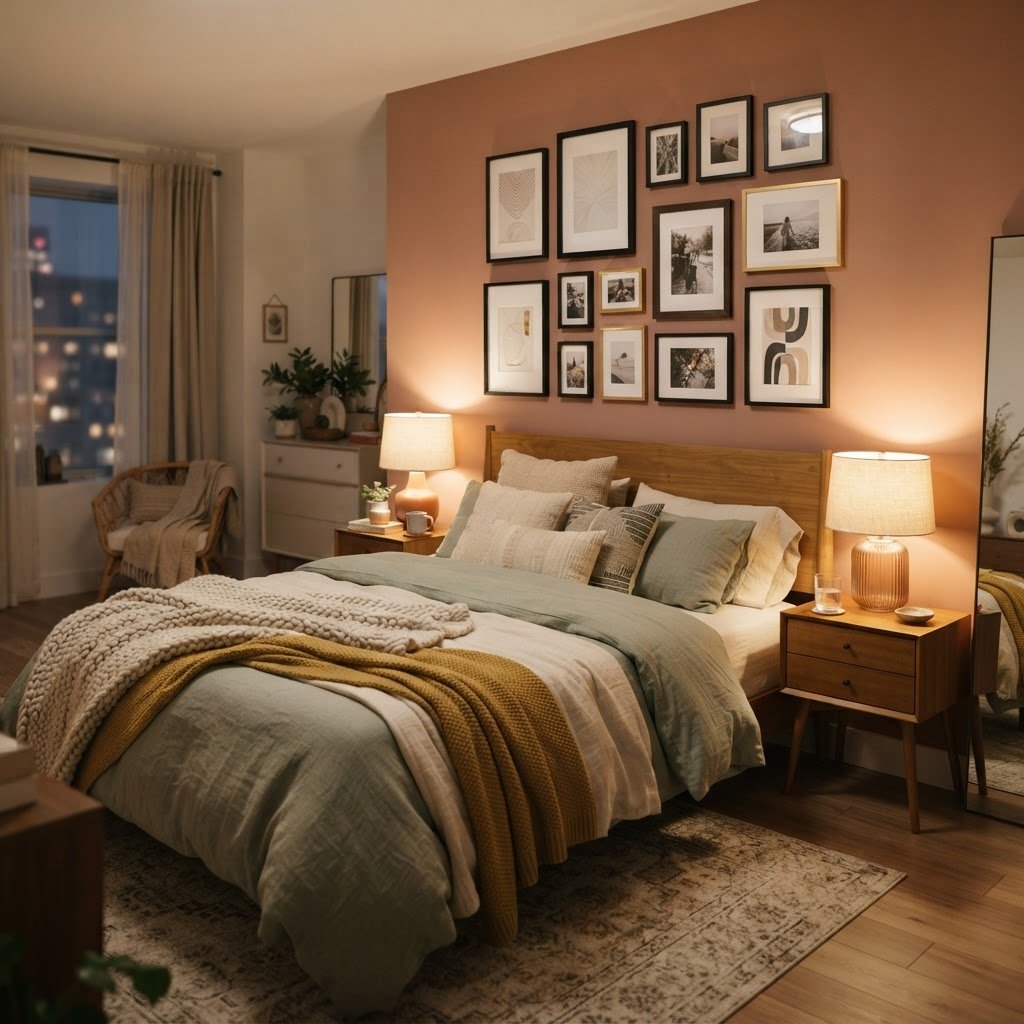
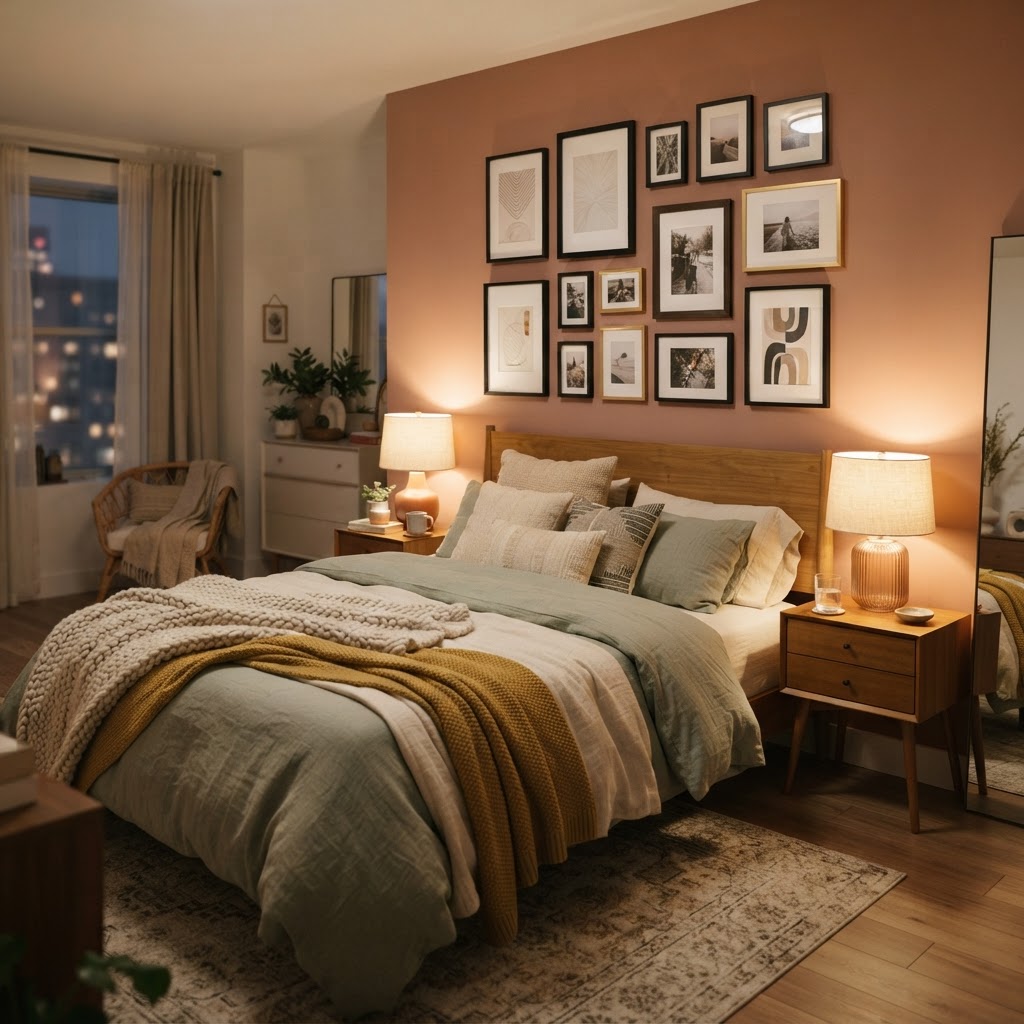
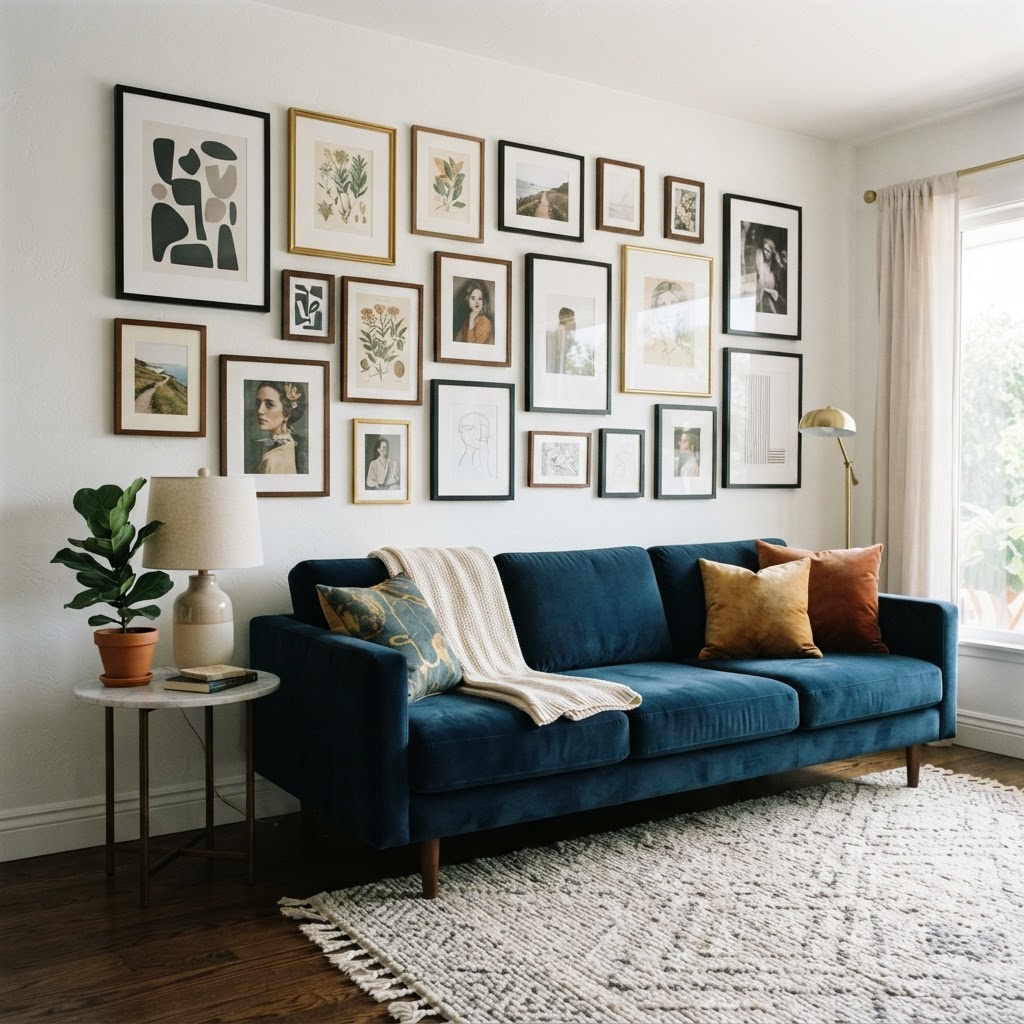
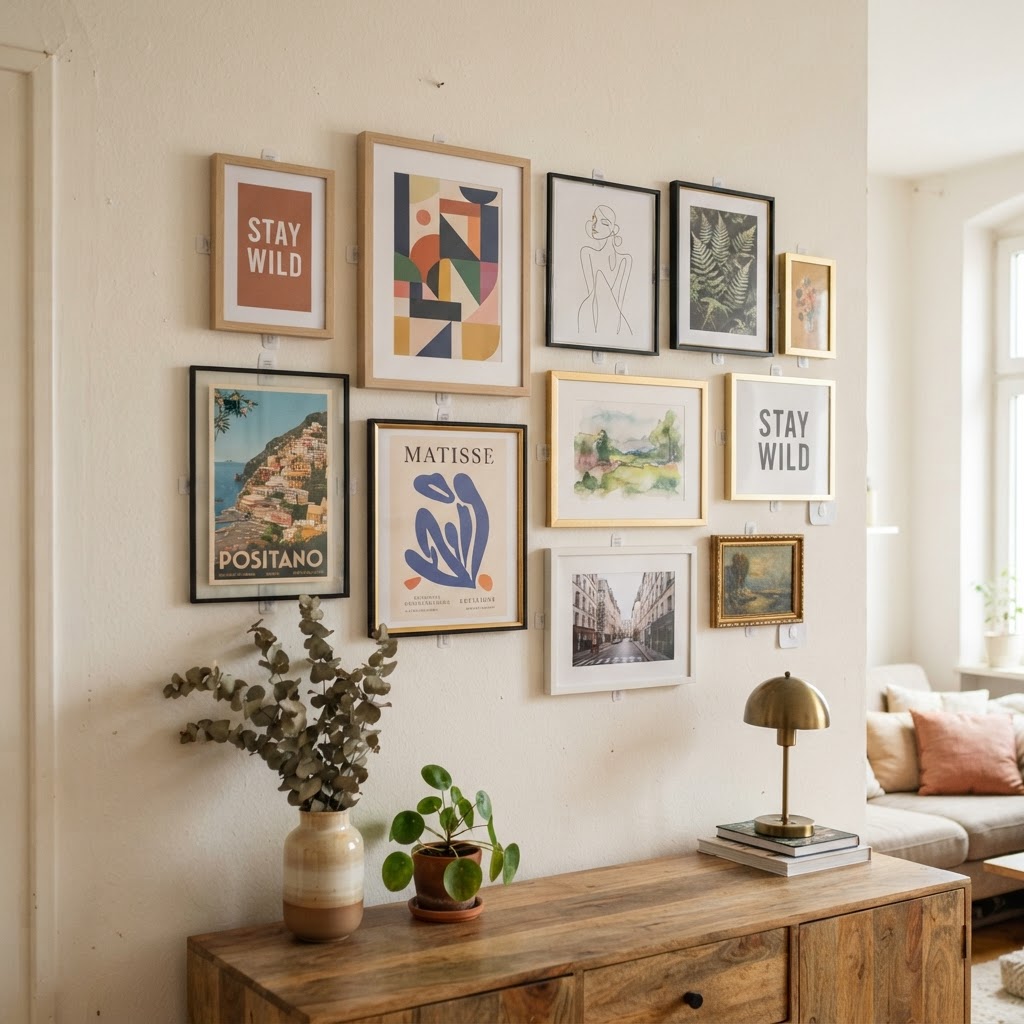
Create a gallery wall using adhesive strips to keep walls deposit-safe.

One of the biggest concerns for any renter is the prohibition of nails and screws, but the modern market for adhesive technology allows you to decorate empty, clinical walls without leaving a trace. By using professional-grade mounting solutions, you can achieve a sophisticated, gallery-like aesthetic that stays secure for years yet removes cleanly in seconds.

Using Adhesive Strips and Hooks

Adhesive mounting strips are the gold standard for apartment dwellers, with brands like Command offering solutions for everything from frames to heavy-duty hooks. To ensure success, always clean the wall surface with 70% isopropyl rubbing alcohol to remove dust or grease before application. For removal, pull the adhesive tab vertically against the wall at a 90-degree angle; this stretches the adhesive, breaking the bond without peeling off paint or damaging drywall.

Gallery Walls Without the Holes

Creating a gallery wall is an excellent way to add personality to a room without risking your deposit. Instead of hanging frames individually, mount your art on large-scale lightweight poster boards or foam core, which can be leaned against the wall on top of a dresser. Alternatively, use heavy-duty adhesive strips to mount frames directly to the wall. For a cohesive look, keep frame colors consistent—such as all black or all wood—while mixing varying sizes of artwork.

Mounting Method Damage Potential Best Use Case Cost Estimate
Adhesive Strips None Picture Frames $5 – $10
Adhesive Hooks Low Curtains/Decor $4 – $8
Tension Rods Zero Window Treatments $15 – $25
Foam Board Mount Zero Gallery Walls $10 – $15

2. Upgrade Your Lighting Scheme

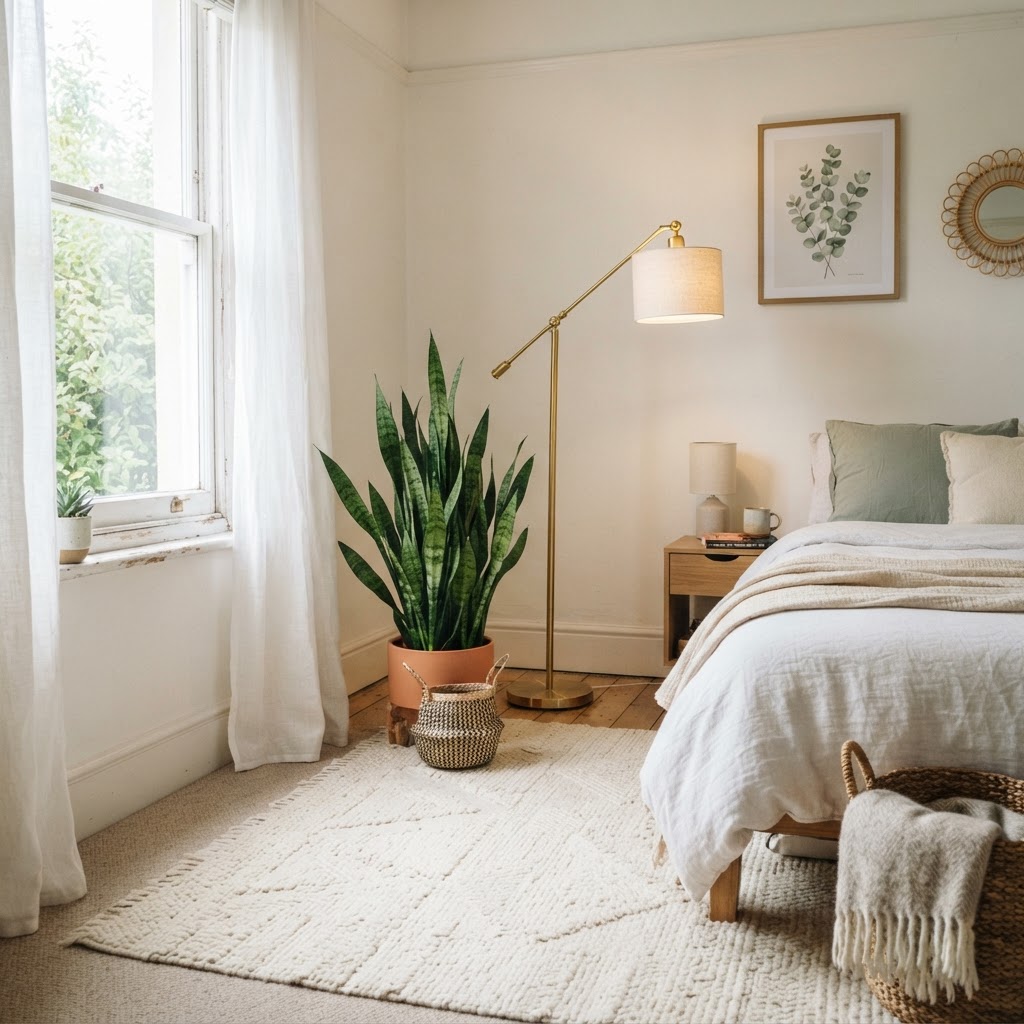
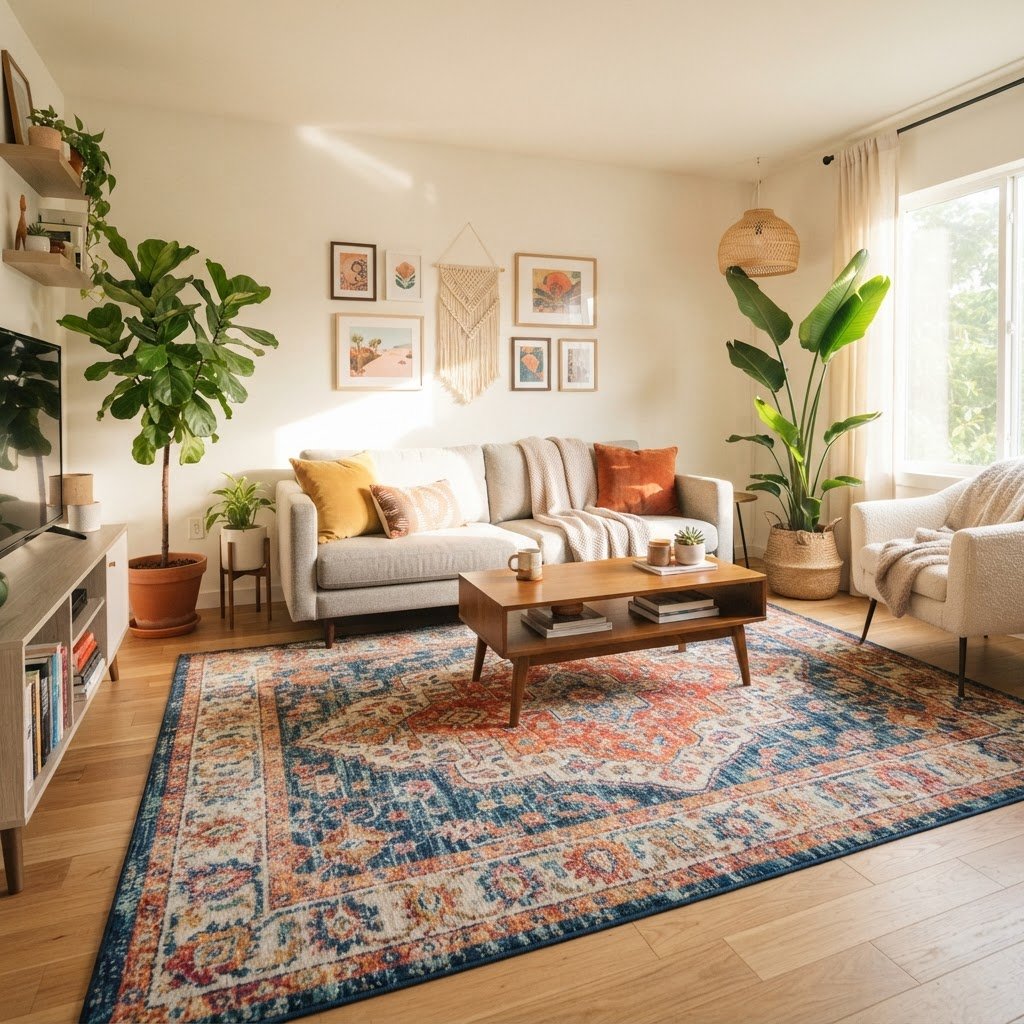
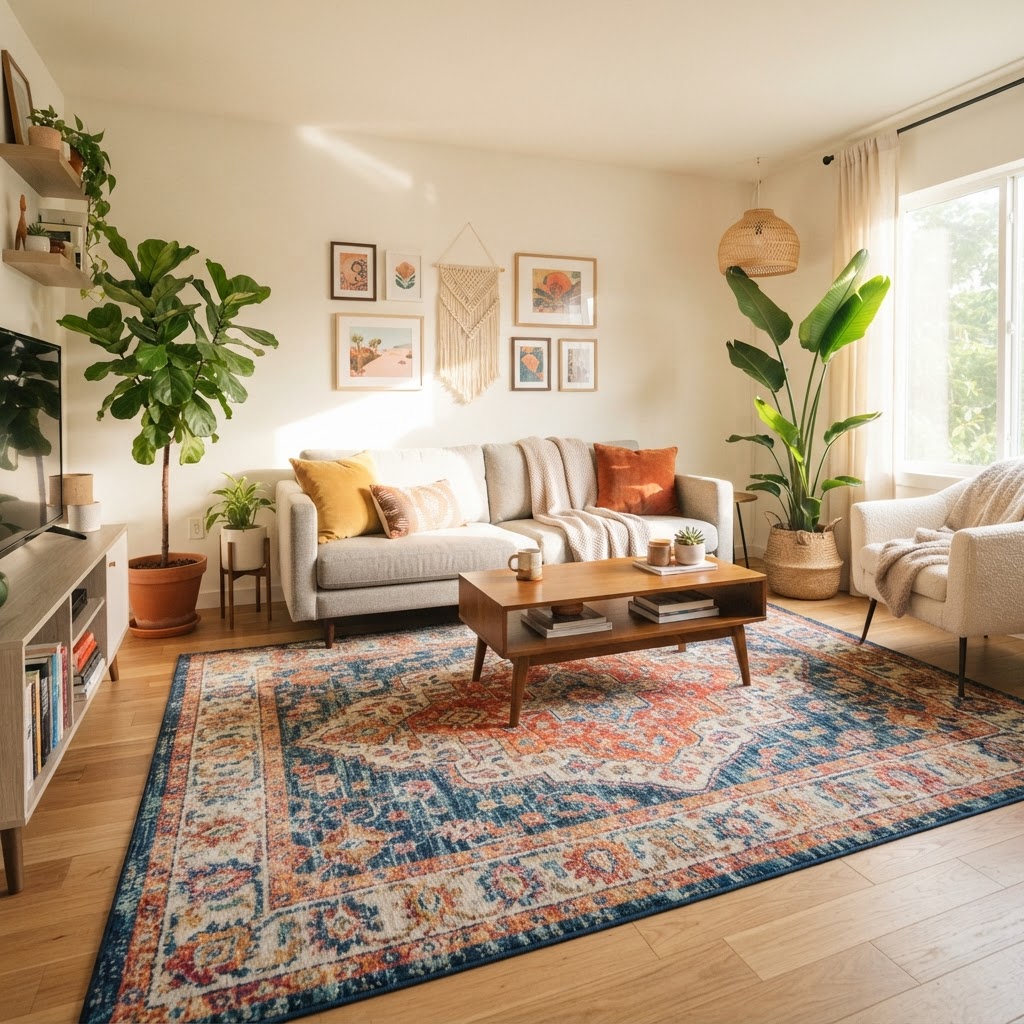
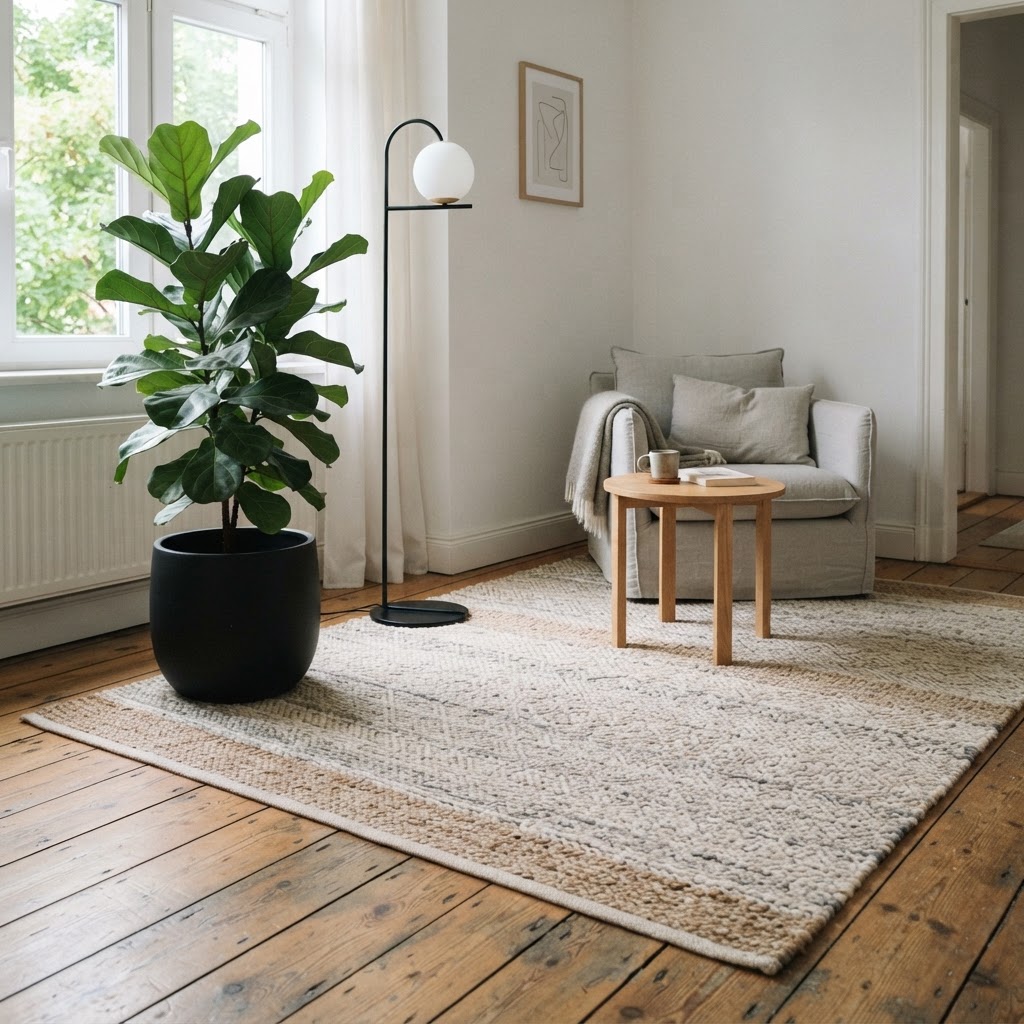
Add greenery and rugs to instantly warm up a rental space.

Many rentals come with outdated, overhead “boob lights” or harsh fluorescent fixtures that cast unflattering shadows, making layered lighting the most effective way to change the entire mood of a bedroom. By ignoring the primary ceiling fixture and introducing secondary, softer sources of light, you can create a high-end, cozy atmosphere that masks the basic nature of rental architecture.

Layering With Lamps

Incorporate a minimum of three light sources—such as bedside table lamps, a tall floor lamp in a dark corner, and battery-operated accent lighting—to achieve a balanced “lighting triangle” in your room. Opt for warm-toned LED bulbs in the 2700K to 3000K range to mimic the relaxing glow of incandescent bulbs. If your room lacks sufficient wall outlets, utilize rechargeable LED sconces that attach via adhesive magnets, providing a modern, custom look without any wiring.

The Magic of String Lights

String lights are not just for patios; they provide a soft, ambient glow that makes a bedroom feel larger and more inviting. Use them to create a soft outline behind a headboard or along the ceiling molding for a “floating” effect. Use clear adhesive clips every 6 to 10 inches to ensure the lights stay taut and organized. These lights are incredibly affordable, often costing less than $20, and can be removed in minutes when your lease expires.

3. Invest in Statement Textiles

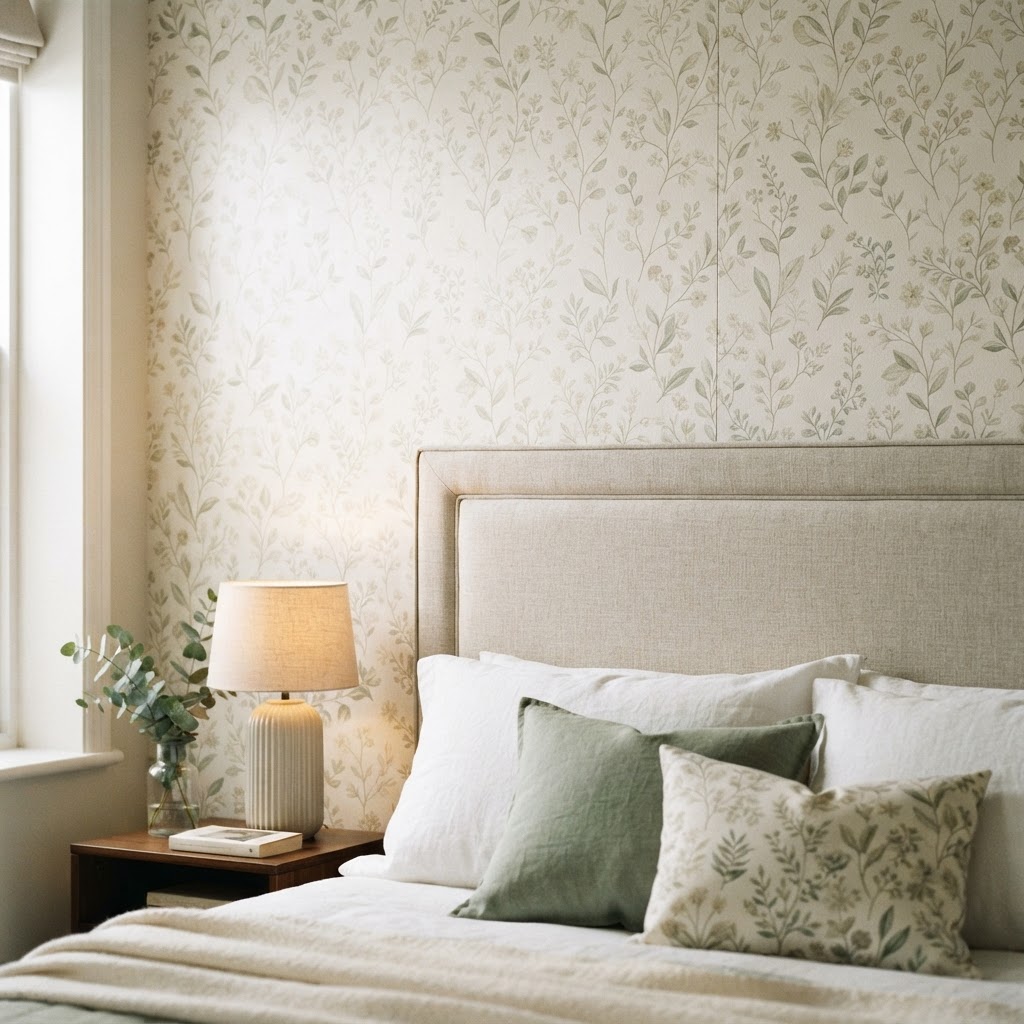
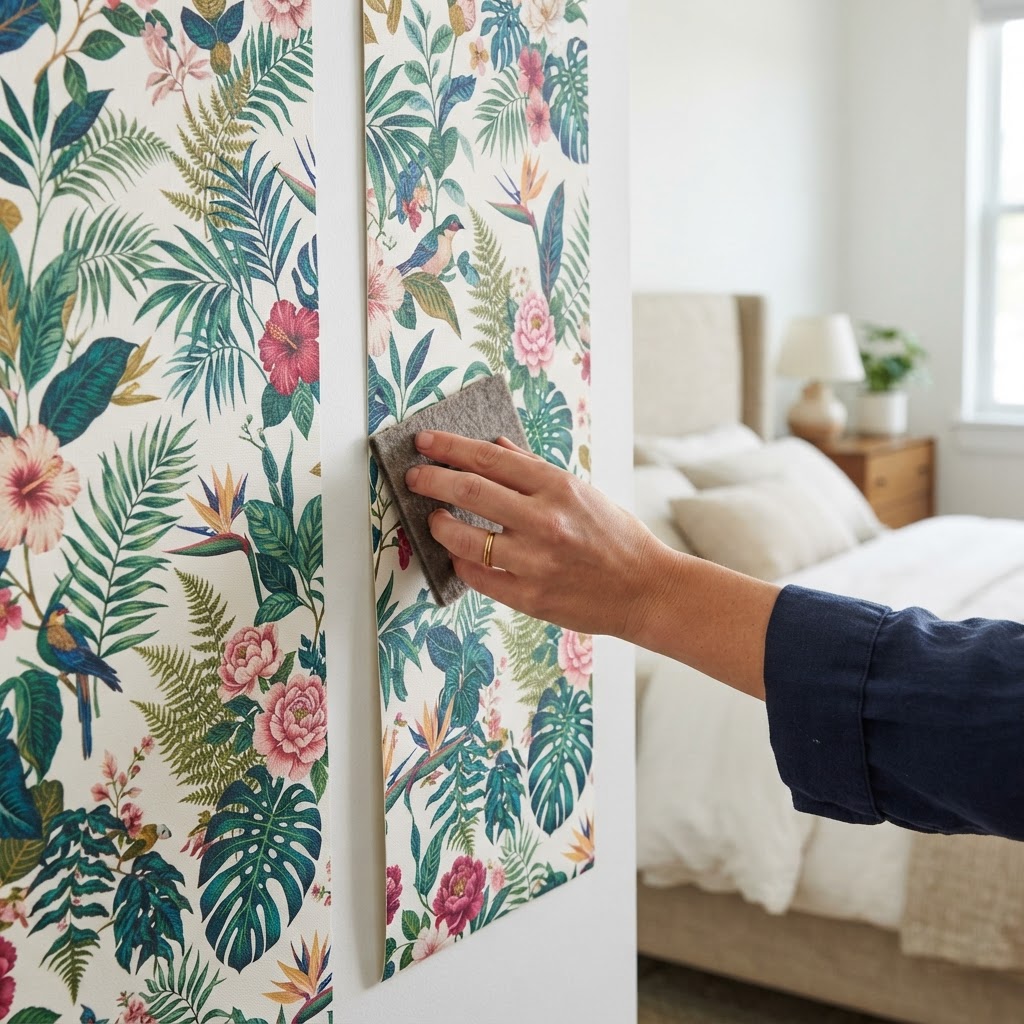
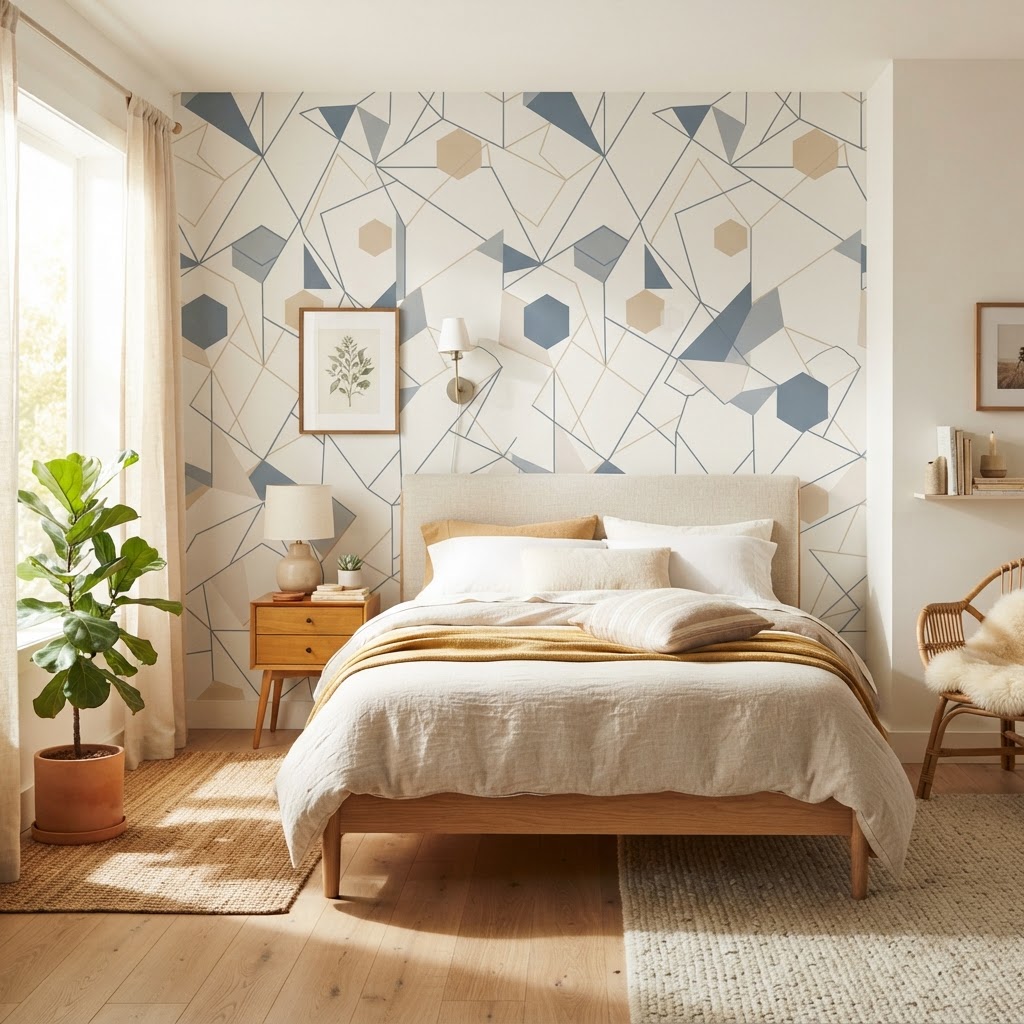
Peel-and-stick wallpaper is the ultimate renter-friendly upgrade.

If you cannot change the wall color, let your textiles do the talking because they are the easiest way to inject high-impact color, pattern, and depth into a rental bedroom. Because these items are entirely portable, they represent a long-term investment that increases your comfort in any future apartment, making them one of the most budget-efficient decor strategies for frequent movers.

Layered Bedding and Pillows

Don’t just stick to a single duvet cover; aim for a layered look that includes a duvet, a folded quilt at the foot of the bed, and a mix of at least four decorative pillows. Choose a consistent color palette—such as neutral creams with navy accents—to maintain a cohesive aesthetic. This layering technique provides a “hotel quality” look and serves as the primary focal point, drawing attention away from dated rental features like plain flooring or baseboards.

Floor Coverings to Hide Ugly Carpeting

If your rental has dated, worn-out, or stained wall-to-wall carpeting, covering it with a large, high-quality area rug is your best strategy. A rug does not just hide the flooring; it defines your sleeping area and adds sound dampening qualities that are crucial for apartment living. Choose a rug that measures at least 8×10 feet for a standard queen bed to ensure the rug extends beyond the bed edges, grounding the furniture and making the room feel significantly larger.

4. Temporary Wallpaper for Maximum Impact

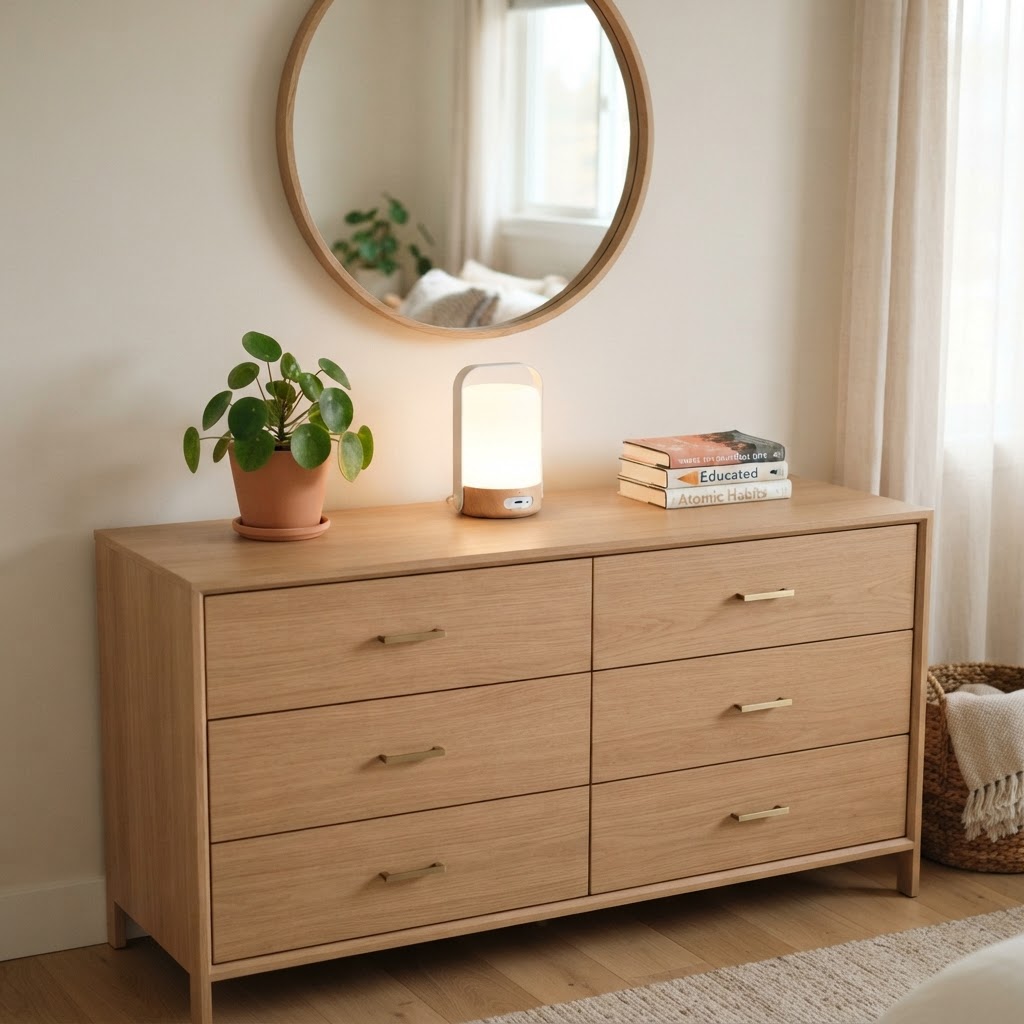
Layered lighting and decluttered surfaces make small bedrooms feel larger.

Peel-and-stick wallpaper is a total game-changer for renters because it allows you to install dramatic, professional-looking wall treatments that peel off clean when you leave. While traditional wallpaper requires messy paste and permanent adhesion, modern removable vinyl options act like oversized decals that provide a high-end, bespoke appearance for a fraction of the cost of professional painting.

Choosing the Right Pattern

For a professional result, apply the wallpaper to just one “accent wall” directly behind your bed to create a bold, grounding focal point. Before committing to a full wall, purchase a small sample swatch to test the adhesive on an inconspicuous area, such as inside a closet, to ensure it doesn’t pull the finish off your paint. When installing, use a plastic smoothing tool to push out air bubbles as you peel the backing, and ensure you purchase 10-15% extra material to account for pattern matching across strips.

5. Curtains as a Decorative Tool

Standard rental blinds are often functional but visually unappealing, yet you can easily elevate your bedroom’s architecture by installing floor-to-ceiling curtains. Even if you don’t need them for privacy, adding curtains creates a perception of height and luxury that makes a standard 8-foot ceiling feel more elevated and spacious.

Tension Rod Hacks

If you are prohibited from drilling holes for curtain rods, heavy-duty tension rods are the perfect alternative. These rods rely on internal spring pressure and rubberized ends to stay fixed within the window frame without the need for hardware. For the best result, select floor-length, heavy-weight drapes in velvet or linen. The weight of the fabric helps the curtains hang straight and adds a layer of insulation, which can save you money on heating and cooling costs during the year.

6. Curate Your Furniture for Versatility

In a rental, you rarely know what the layout of your next home will be, so focusing on modular, versatile furniture is key to a stress-free move. Avoid heavy, built-in pieces that are difficult to transport or that only fit in one specific architectural niche, as these often become damaged or discarded during the moving process.

Multi-Functional Pieces

Look for pieces that serve dual purposes, such as ottomans with internal storage or nightstands with multiple drawers to minimize visual clutter. If your apartment lacks closet space, a stylish, minimalist clothing rack can serve as a functional piece of art while keeping your favorite outfits organized. By keeping your furniture base neutral in wood or metal tones, you can easily adapt your bedroom’s color scheme or style by simply changing out the bedding or wall decor as your tastes evolve.

7. Add Life With Indoor Plants

Nothing breathes life into a space faster than greenery, as plants serve as natural air purifiers that add color and organic texture to sterile, neutral-toned rentals. They are the ultimate accessory for renters because they are fully portable, require no installation, and provide an immediate aesthetic upgrade that softens the hard lines of apartment living.

Choosing Low-Maintenance Varieties

If you aren’t a seasoned gardener, prioritize hardy, low-light plants like the Snake Plant (Sansevieria), ZZ Plant, or Pothos, which can survive for weeks with minimal water and indirect light. Place them on top of dressers, hang them from ceiling hooks, or group them together on the floor in decorative baskets to create a focal point. Not only do these plants act as natural decor, but they also contribute to better indoor air quality, which is essential for a peaceful bedroom environment.

FAQ

Q: Does peel-and-stick wallpaper damage apartment walls?

Most high-quality peel-and-stick wallpaper is designed to be removable without damaging standard latex paint. However, always test a small, hidden piece of the wallpaper on your wall for 24 hours to ensure it does not lift the paint finish when peeled off.

Q: What is the best way to hang heavy art without nails?

For heavier items, use industrial-strength adhesive strips rated for high weight capacities, often labeled for “large frames” or “heavy-duty” projects. Ensure you follow the weight limits specified by the manufacturer and clean the wall surface with rubbing alcohol before applying the adhesive to ensure a maximum bond.

Q: Can I replace a rental light fixture?

Technically, you can replace a light fixture as long as you keep the original unit and reinstall it before you move out. Always turn off the power at the circuit breaker before beginning any electrical work, and keep the original fixture and all its hardware in a safe, labeled bag.

Q: How do I hide ugly rental flooring without permanent changes?

Layering large area rugs is the most effective way to cover dated carpet or worn vinyl flooring while adding texture and warmth. Choose an area rug that covers at least 70% of the visible floor space to successfully camouflage the original flooring and define your bedroom as a cohesive space.

5 No-Drill Living Room Upgrades to Personalize Your Rental

5 No-Drill Living Room Upgrades to Personalize Your Rental

You can transform a rental living room without drilling holes by using high-impact, reversible decor strategies like peel-and-stick wallpaper, adhesive-backed mounting strips, tension-rod window treatments, and layered lighting schemes. These methods protect your security deposit while allowing you to create a high-end, personalized aesthetic that feels permanent rather than temporary.

The Power of Strategic Lighting Upgrades

Lighting is the most impactful design element for transforming the mood of a rental, as it offsets the limitations of sterile, builder-grade fixtures. By moving away from a single overhead source, you can craft an atmosphere that feels intentional and high-end. Aim for at least three distinct sources of light—such as a floor lamp, a pair of table lamps, and accent LEDs—to create a professional, layered glow. Standard rental fixtures often cast a harsh, flat light; swapping these for sculptural floor lamps in materials like brass or matte black creates immediate visual interest. For an even more sophisticated look, use LED light strips hidden behind media consoles or under floating shelves to create a custom ambient effect that mimics professional interior design lighting plans. Research shows that layering light at different heights can make a small living room appear up to 20% more spacious by reducing dark corners and creating subtle depth. When choosing bulbs, opt for warm white (2700K to 3000K) to ensure the room feels cozy rather than clinical.

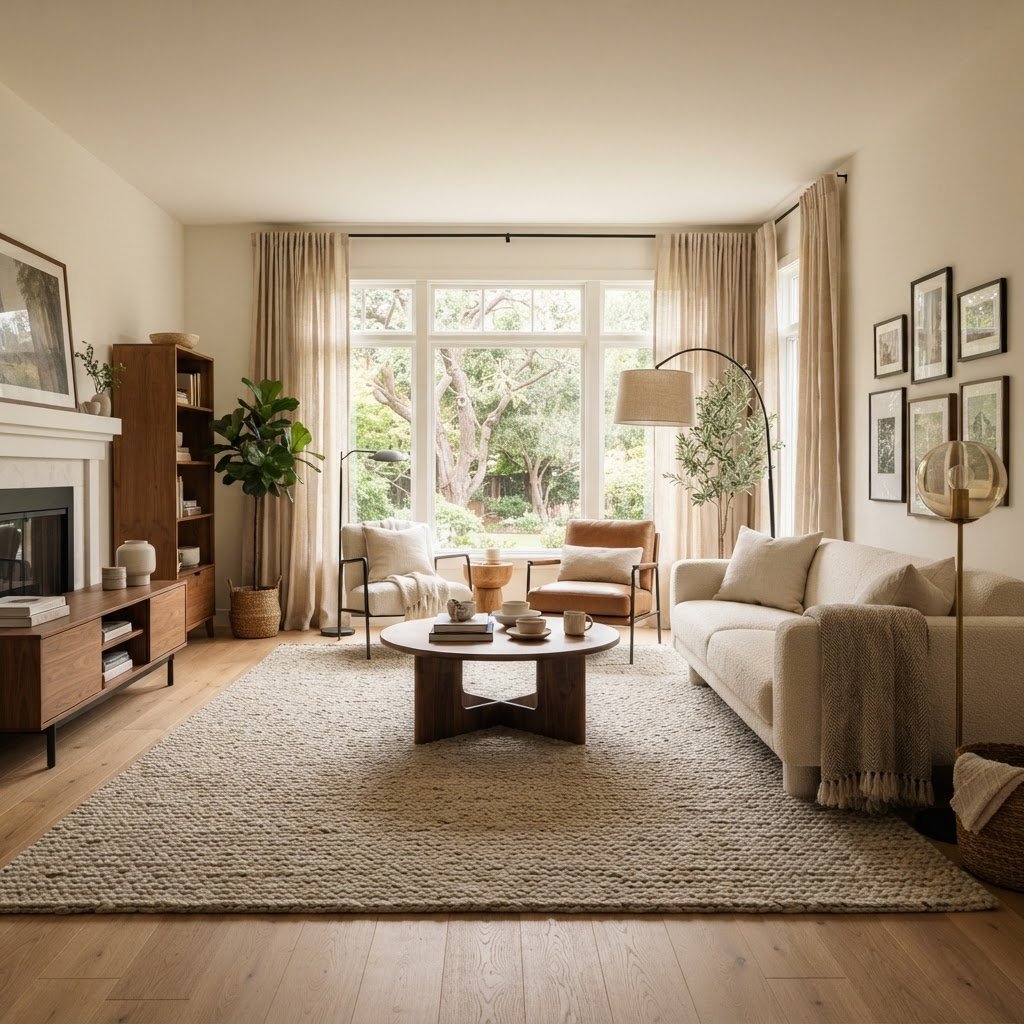
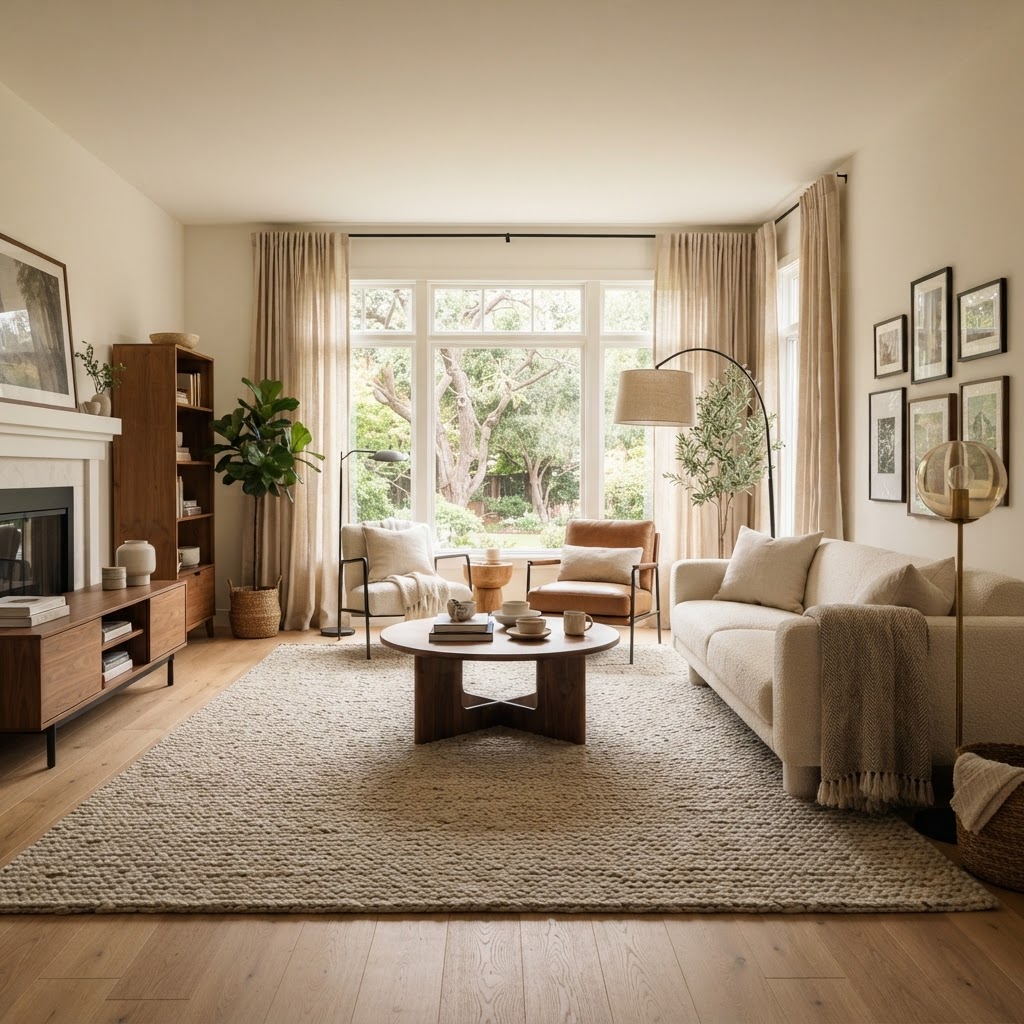
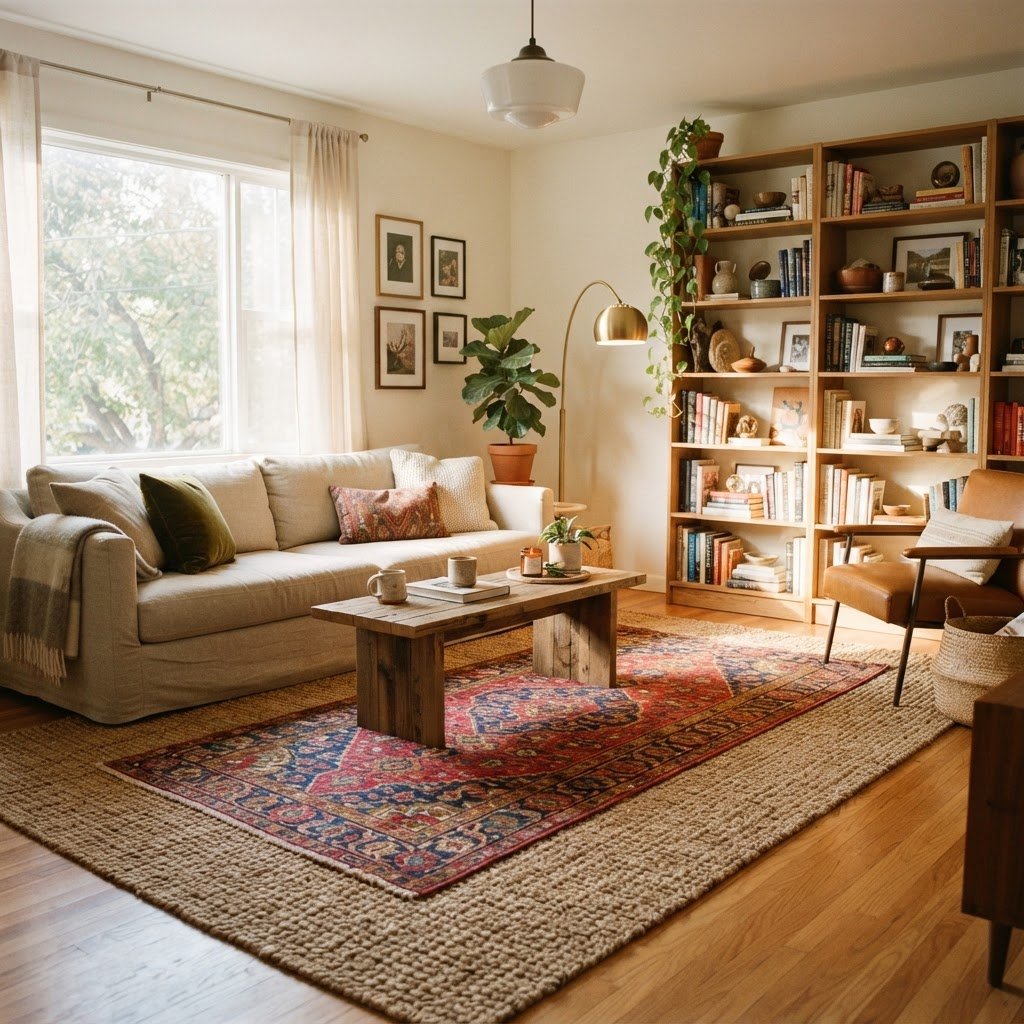
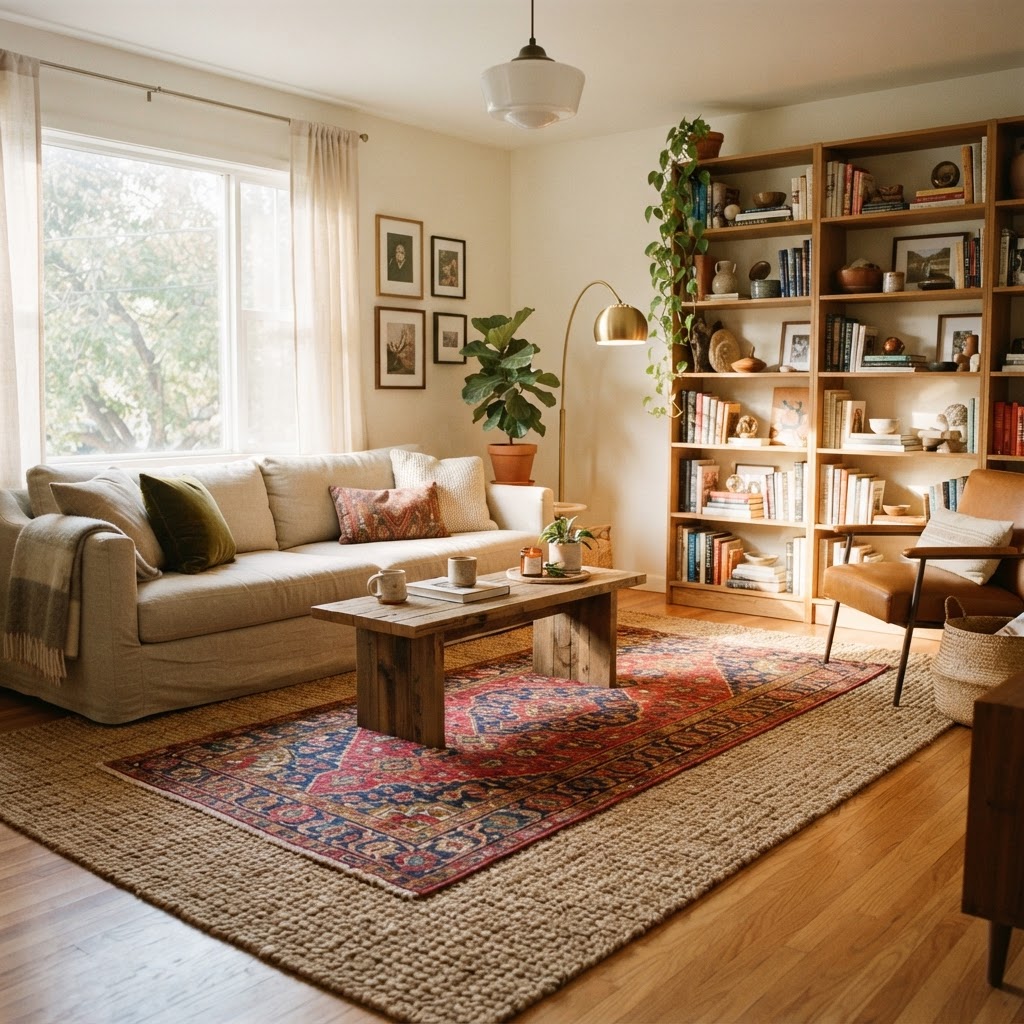
Layering textiles like rugs and floor-to-ceiling curtains instantly softens the space.

Creating Depth with Multiple Sources

Instead of relying on a single overhead light, aim for at least three sources of light in your living room. A combination of a tall floor lamp in the corner, a pair of table lamps on end tables, and a dimmable accent light creates a professional, layered look. This design hack makes a small room feel significantly more spacious and custom, mimicking the high-end lighting plans found in custom-built homes.

Lighting Type Best Use Case Expected Budget
Floor Lamp Corner lighting & height $50 – $150
Table Lamp Task lighting & style $30 – $100
LED Strips Accent & feature glow $15 – $40

Transforming Walls with Removable Decor

Removable wall treatments are the ultimate solution for the ‘blank wall’ dilemma, allowing renters to add color and texture without violating lease terms. Peel-and-stick wallpaper is a durable, high-impact choice available in thousands of styles, from modern geometric prints to textures like faux grasscloth or linen. These wallpapers are engineered for clean removal, typically leaving no residue if applied to standard painted drywall. Complement your wallpaper with a gallery wall using heavy-duty adhesive strips like Command brand mounting hardware, which can safely hold frames weighing up to 16 pounds without the need for drills or nails. To achieve a professional look, ensure you measure the wall area accurately before purchasing; most rolls cover approximately 30 square feet, so a standard 10×8 foot wall usually requires four rolls to account for pattern matching. If you are worried about surface texture, always test a small 2-inch square of the wallpaper in an inconspicuous area behind a door for 48 hours to ensure compatibility with your landlord’s specific paint type.

Use adhesive strips to create a personalized gallery wall without damaging paint.

Rethink Your Furniture Layout and Storage

Freestanding modular furniture allows you to simulate built-in cabinetry while maintaining the flexibility to move your pieces to your next home. By selecting tall, uniform bookcases and aligning them side-by-side, you can create a “custom” library wall that anchors the living room and adds architectural weight. To further enhance this look, use strong, removable double-sided mounting tape to attach light MDF trim or crown molding to the top of the units, seamlessly bridging the gap between the furniture and the ceiling. Modular systems are particularly effective for small rentals because they provide vertical storage that clears floor clutter, which can increase the usable square footage of a room by up to 15%. When sourcing furniture, prioritize items with clean, minimalist lines and neutral finishes; these pieces serve as a versatile foundation that adapts to various floor plans. Always anchor tall furniture pieces using heavy-duty furniture straps that attach to the back of the unit and the wall with non-damaging, high-strength adhesive pads to ensure safety without drilling studs.

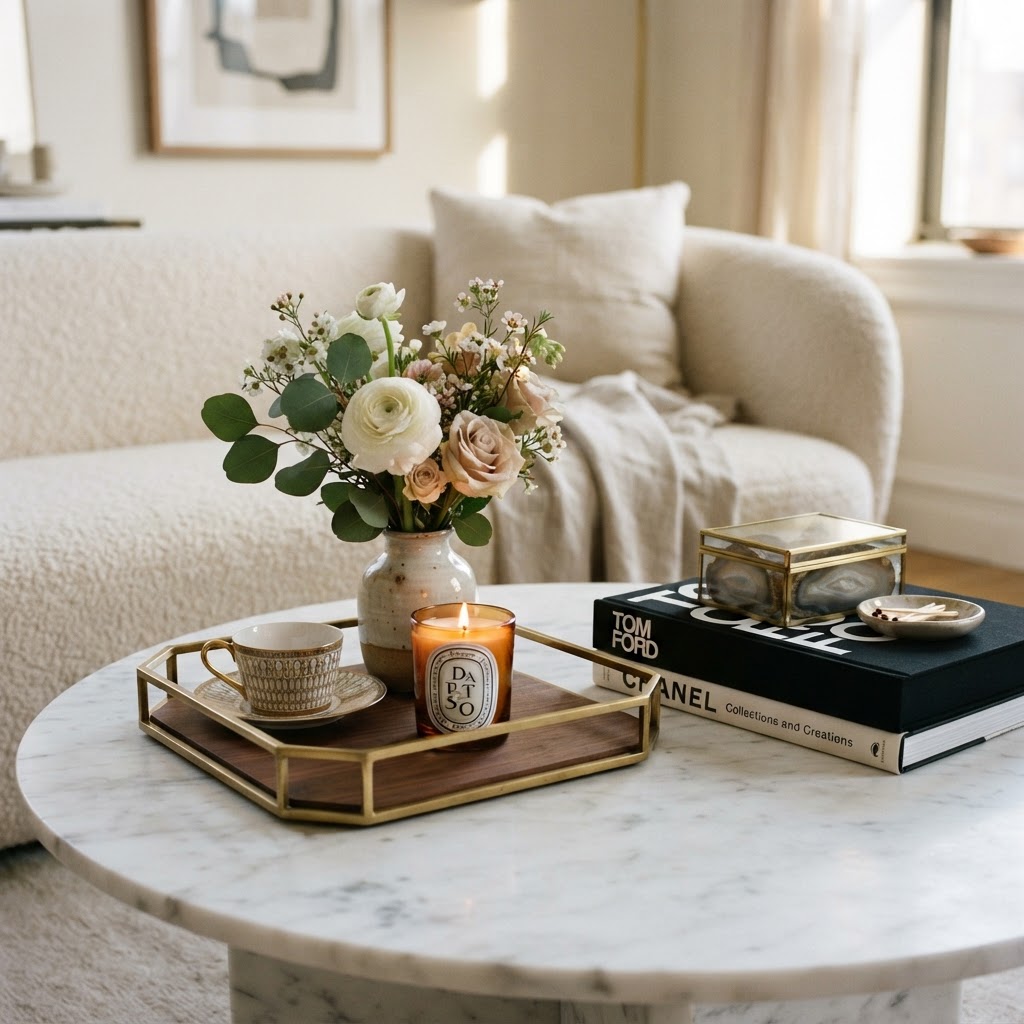
Carefully curated tabletop decor elevates the overall aesthetic of your room.

Bringing Life Indoors with Plants

Plants are perhaps the most versatile no-drill living room upgrades available. A large floor plant, like a Fiddle Leaf Fig or a Bird of Paradise, can soften harsh corners and add height to a room. You can also hang plants using tension-rod shelving or over-the-door hooks, which creates a vertical element that draws the eye upward, giving the illusion of higher ceilings and a more intentional design scheme.

FAQ

Can I paint my rental walls to customize the look?

Most landlords allow painting if you return the walls to their original neutral color before your lease ends, but always check your lease agreement first. Alternatively, peel-and-stick wallpaper provides a customizable, non-permanent way to add color without the labor of painting or the risk of losing your deposit.

How do I hang heavy art without using nails?

Use heavy-duty adhesive mounting strips or hooks designed for up to 15-20 pounds to hang art securely without drilling. Ensure you clean the wall surface with rubbing alcohol before application to allow the adhesive to create a long-lasting, firm bond with the paint.

What is the best way to hide ugly rental floors?

Cover dated or damaged flooring with large area rugs that define the living space, as these cover the majority of the visible surface area. You can also layer smaller rugs over a larger, neutral jute rug to create texture and a high-end designer look without any permanent installation.
Are tension rods strong enough for curtains?

Yes, modern high-tension spring rods can hold significant weight if sized correctly for your window frame width. Select a rod with rubberized non-slip ends to provide extra grip, ensuring the rod stays securely in place even with heavy velvet or blackout fabric curtains hanging from it.

How can I make a small rental look bigger?

Maximize space by using mirrors to reflect light and selecting furniture with exposed legs to create a sense of ‘airiness’ under the pieces. Additionally, keeping your color palette monochromatic with soft, neutral tones can help blur the edges of the room, making it feel more expansive and open.

10 Renter-Friendly Decor Ideas That Look Permanent

Moving into a new apartment often feels like a balancing act between expressing your personal style and respecting the boundaries set by your landlord. Many people assume that if they do not own their home, they are stuck with beige walls, lackluster flooring, and builder-grade finishes. Fortunately, the landscape of interior design has evolved, offering a plethora of renter-friendly decor ideas that allow you to customize your living space without jeopardizing your security deposit. By focusing on temporary but impactful changes, you can create a home that feels uniquely yours and looks entirely permanent.

Achieving an elevated aesthetic in a rental property does not require massive construction or expensive contractors. It is all about choosing the right materials that offer high visual impact but can be reversed once your lease ends. Whether you are dealing with a tiny studio or a sprawling suburban apartment, these strategies will help you redefine your living environment.

Rethink Your Wall Treatments

Layering rugs is a perfect way to hide worn floors and add comfort.

One of the most effective ways to change the mood of a room is by addressing the walls. While painting is sometimes allowed, many property owners restrict this, leaving you with bland surfaces. The solution lies in the world of peel-and-stick wallpaper. Modern options are sophisticated, durable, and completely removable, making them a top-tier choice for any renter looking to add pattern or texture.

When applying peel-and-stick wallpaper, preparation is the secret to success. Ensure your walls are clean and dry before starting to prevent bubbling. If you are intimidated by covering an entire room, try an accent wall behind your bed or in the dining area. This provides a dramatic focal point that elevates the room’s character without requiring a massive commitment. For those who want something less permanent than paper, consider using fabric tapestries or large-format framed prints that can be hung with command strips to avoid damage.
Customizing Your Flooring Solutions

Removable wallpaper is a game-changer for adding personality to rental walls.

If you are staring at unattractive vinyl or dated carpet, you are not out of luck. The floor is the foundation of any room, and you can transform it using area rugs. A large, high-quality rug can cover up damaged or ugly flooring, instantly making a space look more polished and intentional. Layering rugs is another professional technique; place a large neutral jute rug down first, then layer a smaller, patterned vintage-style rug on top to add depth and warmth.

If rugs are not enough, look into peel-and-stick vinyl tiles. These can often be applied directly over smooth, non-porous existing floors. They come in a variety of styles, including wood look and patterned ceramic, allowing you to mimic a high-end renovation. Always check with your landlord before applying adhesive materials to floors, and ensure you use a version specifically designed to be residue-free.

Lighting Hacks for Ambiance

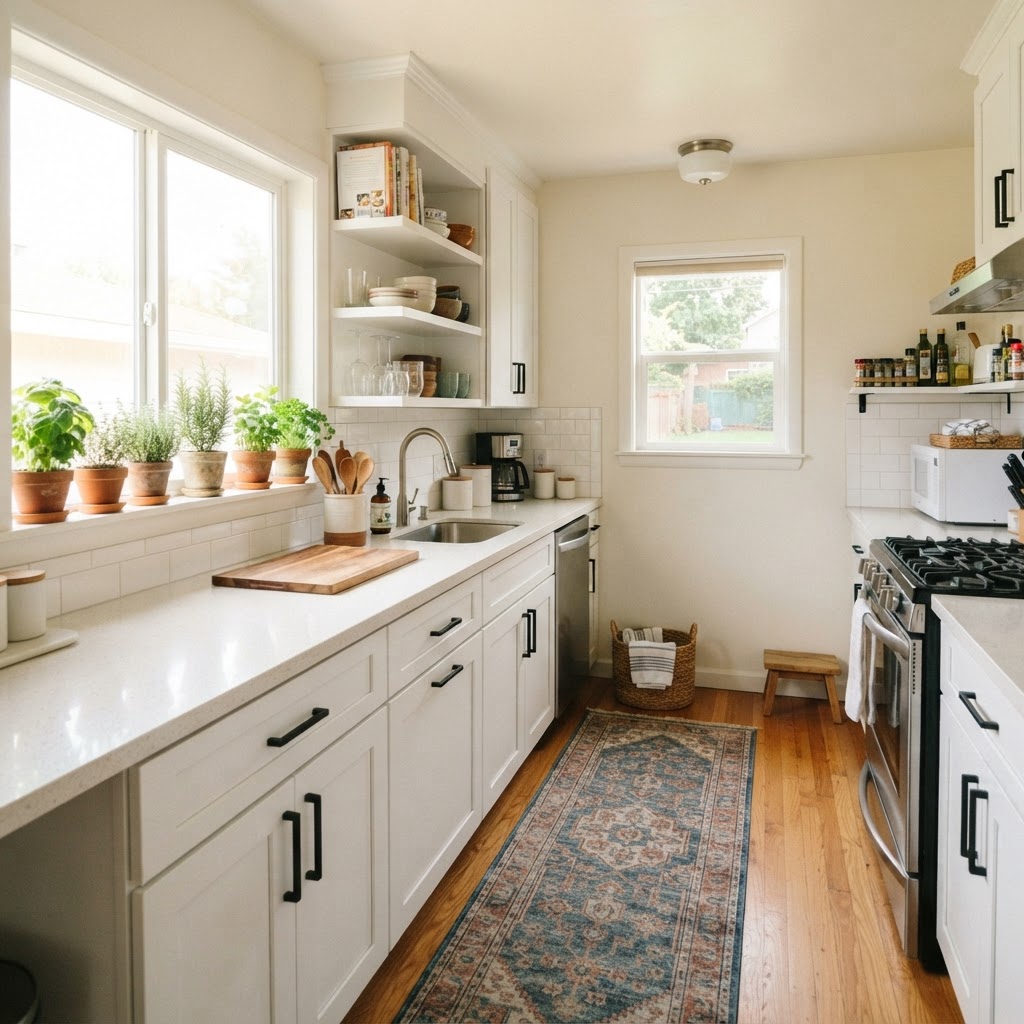
Swap out standard hardware to instantly modernize your kitchen cabinets.

Lighting is often the most overlooked aspect of apartment living. Many rentals come equipped with harsh, overhead “boob lights” that do nothing for the aesthetic. Swapping these fixtures out is a classic renter hack that provides an immediate luxury feel. Keep the original lights in a safe box, and reinstall them before you move out. If you are not comfortable with wiring, there are many “plug-in” wall sconces that achieve the same look.

In addition to the main fixture, layer your lighting with floor lamps and table lamps. Warm light creates a cozy, inviting atmosphere that makes a space feel established. Use smart bulbs that allow you to adjust the color temperature depending on the time of day. This simple change makes your rental feel like a permanent, well-curated sanctuary rather than a transient stop.

Window Treatments as Architectural Statements

A thoughtful gallery wall makes any space feel like a curated home.

Window dressings do more than provide privacy; they add texture and height to a room. Instead of sticking with the plastic blinds provided by your landlord, install a proper curtain rod that extends wider and higher than the window frame. By mounting the rod closer to the ceiling and extending it past the window edges, you create the illusion of larger windows and higher ceilings. This simple decor trick makes your room feel significantly more spacious and expensive.

Choose curtains with weight and texture—think linen, velvet, or heavy cotton. When the fabric hangs all the way from the ceiling to the floor, it draws the eye upward and adds a vertical elegance that builder-grade blinds simply cannot provide. You can easily remove these rods and curtains in minutes, ensuring you leave the rental exactly as you found it.

Creative Storage and Shelving Units

Lack of storage is a common complaint for many apartment dwellers. Instead of relying on bulky plastic bins, invest in modular shelving units that can be stacked or arranged to fit your specific needs. Use these pieces to display books, personal mementos, and plants, creating a “built-in” look that anchors a room. If you need vertical storage, utilize tension rod shelving or furniture that anchors securely to the wall using minimal hardware.

When organizing your space, consider the visual weight of your furniture. Open shelving can make a small room feel larger by allowing light to pass through. If you use contact paper, you can even customize basic laminate bookshelves to look like high-end wood grain or marble finishes, providing a custom touch to off-the-shelf items.

Mastering the Gallery Wall

One of the most effective ways to make a rental feel permanent is by personalizing the walls with a gallery wall. A well-curated collection of art, photographs, and mirrors serves as a visual statement of your personality. The key to making it look professional rather than messy is consistency. Choose frames with matching or complementary finishes, and map out your layout on the floor before you start hammering or sticking.

If you are worried about surface damage, use heavy-duty adhesive strips. These command strips are incredibly reliable for lightweight to medium-weight frames and leave your drywall pristine when removed. By curating art that reflects your history and travels, you turn a generic rental unit into a home that tells a story, effectively erasing the feeling of temporary living.

Kitchen and Bath Upgrades

The kitchen and bathroom are often the hardest areas to decorate due to high utility. However, you can use contact paper to cover dated countertops or backsplashes. This is a brilliant renter-friendly method to hide ugly surfaces without any permanent damage. Be sure to choose high-quality, water-resistant films to ensure durability in these wet areas.

Replacing hardware is another “must-do” for renters. Swap out standard cabinet pulls for modern gold, matte black, or brushed nickel hardware. It takes minutes to do and instantly transforms the look of dated cabinets. Just remember to keep the original hardware in a labeled bag so you can easily swap them back when you move out. These small details go a long way in making a functional space look custom designed.

Conclusion

Decorating a space you do not own does not mean you have to sacrifice your personal style. By utilizing peel-and-stick solutions, smart lighting, and high-quality textiles, you can turn any apartment into a beautiful, personalized retreat. Whether you are in a short-term lease or settling in for years, these renter-friendly decor ideas provide the perfect balance of aesthetic appeal and landlord compliance.

Ready to get started? Pick one room to focus on this weekend, choose your color palette, and start your transformation today. Your dream home is just one DIY project away—start shopping for your favorite removable accents and see how quickly your space evolves from a standard rental into a stunning, permanent-looking residence.

15 Renter-Friendly Apartment Decor Ideas (No Damage)

Moving into a new place is an exciting milestone, but the limitations of a rental agreement often feel like a creativity killer. You dream of a personalized sanctuary, but the fear of losing your security deposit keeps you staring at blank, beige walls. The good news is that you do not need to renovate to make a space feel like home. With the right techniques, you can transform your environment into a stylish retreat without putting a single nail in the wall.

Understanding Rental Limitations and Creative Freedom

Textiles and greenery are the best ways to soften a rental space.

Before you start your project, it is essential to read your lease carefully. Most landlords have strict policies regarding permanent fixtures, but almost all allow for temporary modifications that do not leave behind holes or paint damage. The goal is to focus on reversible changes. By prioritizing quality products designed for a renter, you can achieve a high-end look while maintaining the integrity of the property.

If you have a small kitchen, consider using over-the-cabinet organizers. These units slide over the door and provide instant spots for cleaning supplies or cutting boards. For your bedroom or living area, a decorative rolling cart can serve as a nightstand, a bar cart, or a craft station. These items are functional, mobile, and require zero installation effort.

Lighting and Textile Layering for Coziness

Lighting is often neglected in rentals, yet it is the most effective way to change the mood of a room. Most overhead rental lighting is harsh and uninspiring. Offset this by layering in floor lamps, table lamps, and LED strips. You can hide cables with adhesive cord covers to keep your space looking polished.

Don’t forget the power of a rug. A large area rug can cover dated carpet or worn flooring, instantly warming up the room and adding a layer of style. If you have a hard surface floor, a high-quality rug pad will prevent slipping and protect the original flooring underneath. Layering textures—like a chunky throw over a sleek sofa—adds a tactile dimension that makes a space feel expensive and intentional.

Bringing Nature Inside Safely

Plants are perhaps the easiest way to breathe life into a rental apartment. They act as natural decor that fits any style. Since you cannot always count on great natural light, choose species that thrive in lower light conditions, such as snake plants or ZZ plants. Place them in stylish pots that match your color palette to turn them into statement pieces.

If floor space is limited, use hanging planters. Many modern hangers work with tension rods or existing curtain rod hardware. Adding greenery at different heights draws the eye upward, making your room feel larger and more airy. Remember to place a saucer under every pot to protect your floors from water damage, which is a common concern for landlords.

Finalizing Your Rental-Friendly Design

Once you have implemented these changes, take a step back and assess the flow of the room. The goal is a cohesive look where every item feels intentional. Do not be afraid to switch things up if something isn’t working; the beauty of these renter-friendly hacks is that they are entirely temporary. If you decide you want a change, simply remove the adhesive or move the furniture, and you are back to square one.

Maintaining the original condition of your unit is always the priority. Before you leave, perform a thorough check of all surfaces. If you used a decal, use a hairdryer on a low heat setting to gently soften the adhesive before pulling it away from the wall. This trick leaves zero residue behind and ensures your walls remain pristine for the next person.

Conclusion

Your living space should be a reflection of your personality, regardless of who holds the deed. By utilizing removable wallpaper, adhesive hooks, and strategic furniture placement, you can create a beautiful home that feels entirely your own. Start with one room today and see how these small changes can make a massive difference in your quality of life. Happy decorating! If you found these tips helpful, share them with a friend who is currently apartment hunting or preparing for their first big move.

10 Renter-Friendly Apartment Decor Ideas for Your Home

Moving into a new space is an exciting milestone, but the reality of a rental unit often brings a wave of limitations. Many tenants feel discouraged by restrictive lease agreements that prevent painting walls or making permanent structural changes. However, you can still decorate your home to reflect your unique personality without risking your security deposit. With the right approach and a few clever hacks, your rental can transform into a sanctuary that feels like your own.

Understanding Your Lease Constraints

Transform your living space with removable wallpaper and textured rugs.

Before you start purchasing furniture or hanging art, it is essential to review your lease agreement thoroughly. Most landlords allow standard decorating practices, but you should always be aware of the specific policies regarding wall damage. If you are unsure about the rules, a polite conversation with your property manager can often clarify what is acceptable. Open communication is key to maintaining a good relationship while you improve your living environment.

[![10 Elegant Ways to Upgrade Your Rental Apartment (Easy … [1]](https://img.youtube.com/vi/XyDC-SdRYq0/hqdefault.jpg)](https://www.youtube.com/watch?v=XyDC-SdRYq0)

Many leases specifically prohibit painting or drilling large holes, but these constraints are actually the best starting point for creative design. When you embrace these limitations, you are forced to think outside the box, often leading to more innovative and stylish results. By focusing on surface-level changes and temporary accents, you can achieve a sophisticated look that is completely reversible.

Lighting and Window Treatments

Create a custom gallery wall using removable adhesive strips.

Lighting is perhaps the most significant factor in how a room feels, yet it is frequently overlooked in rental properties. Standard builder-grade fixtures often cast a harsh or uninviting glow throughout the living area. You can easily replace these with your own fixtures, provided you store the original items safely to reinstall before moving out. This simple swap instantly elevates the aesthetic of your home.
Window treatments are another area where you can exert creative control. Standard blinds are often functional but lack personality. By installing an elegant curtain rod using tension mounts, you can hang floor-to-ceiling drapes that add height and drama to any room. This design trick creates a polished, custom look while effectively blocking out unwanted light during the day.

The Power of Removable Decor

Small updates like new hardware and rugs can refresh a rental kitchen.

When you cannot renovate, you must accessorize strategically. Removable wallpaper has revolutionized the industry, offering a way to add color and pattern to boring white walls without the mess of traditional adhesives. Modern versions are easy to apply and peel away clean when your lease expires, making them a perfect renter-friendly solution for a feature wall.

[![Home Decor – 7 RENTER FRIENDLY Design Ideas [2]](https://img.youtube.com/vi/RSyEnOEimQc/hqdefault.jpg)](https://www.youtube.com/watch?v=RSyEnOEimQc)

In addition to wall treatments, think about the impact of soft textiles on your space. A high-quality rug can anchor a seating area, hide unsightly carpet stains, and add warmth to cold flooring. Similarly, a well-placed pillow on a neutral sofa provides a pop of color that can be easily swapped out to match the changing seasons or your evolving design preferences.

Creating Vertical Interest

Without the ability to renovate, you should look upward to maximize your space. A gallery wall is an excellent way to display personal art or family photos without drilling dozens of holes into the drywall. Using a high-quality command strip system allows you to hang frames securely and remove them without leaving a trace behind. This method is perfect for renters who want to curate a meaningful collection that showcases their interests.

Consider adding vertical storage solutions such as leaning bookshelves or modular units that do not require wall mounting. These pieces provide functional storage while drawing the eye upward, making your apartment feel larger and more organized. Verticality is the secret weapon for anyone living in a smaller square-foot apartment.

Styling Your Rental Kitchen and Bath

Kitchens and bathrooms are often the most restrictive areas of a rental, as they usually feature dated cabinetry or tile work. You can soften the look of a sterile kitchen by adding a colorful runner rug in front of the sink. Swap out standard cabinet hardware for stylish knobs or pulls that match your personal decor style. Just remember to keep the original hardware in a labeled bag so you can replace it before you move.

In the bathroom, focus on upgrading your accessories to create a spa-like atmosphere. Replace a plain shower curtain with a fabric option that features a modern print or texture. These small, thoughtful additions make a significant difference in how much you enjoy your morning routine. A little bit of effort in these utilitarian spaces can go a long way toward making a rental feel like a permanent residence.

[![26 MUST TRY Renter Friendly Upgrades for 2026 [16]](https://img.youtube.com/vi/ZjpcY3zov8g/hqdefault.jpg)](https://www.youtube.com/watch?v=ZjpcY3zov8g)

Bringing Nature Indoors

Plants are the ultimate accessory for any apartment, especially when you cannot modify the structure of the room. A large floor plant can fill an empty corner and provide a lush, organic element to your home. If you lack natural light, there are many varieties that thrive in low-light conditions, ensuring that your home feels vibrant regardless of your window situation.

Group plants of different sizes and textures together on a plant stand to create a focal point in your living room. The greenery provides a sense of life and energy that makes any space feel more inviting and comfortable. Plus, plants are inherently portable, so you can easily take your collection with you when you move on to your next adventure.

Conclusion

Decorating a rental apartment is all about balancing your personal style with the practical realities of a temporary living situation. By focusing on removable wallpaper, smart lighting, textiles, and greenery, you can create a home that feels uniquely yours. Never feel that you have to settle for the standard “white box” aesthetic just because you don’t own the property. Start with one room at a time, implement these tips, and begin building the home you deserve today. Happy decorating!

Peel and Stick Apartment Decor: Renter Friendly Ideas

Living in a rental property often feels like you are stuck in a decorative limbo. You want to make your space feel like a true home, yet the fear of losing your security deposit often keeps your walls tragically bare. Fortunately, the world of peel and stick technology has revolutionized the rental experience, offering a simple way to inject personality into every corner of your apartment. Whether you are aiming for a minimalist look or a bold, colourful statement, these versatile solutions allow you to experiment without permanence.

The Magic of Renter-Friendly Upgrades

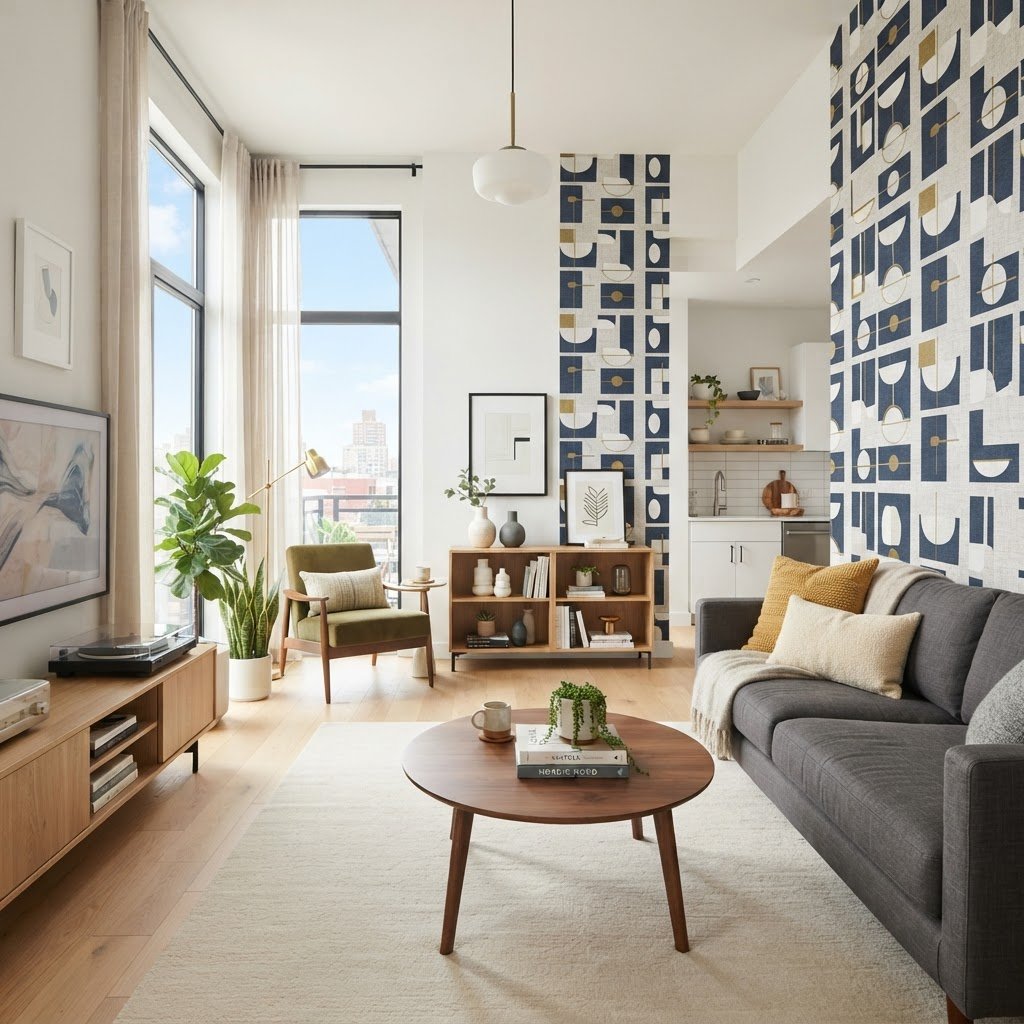
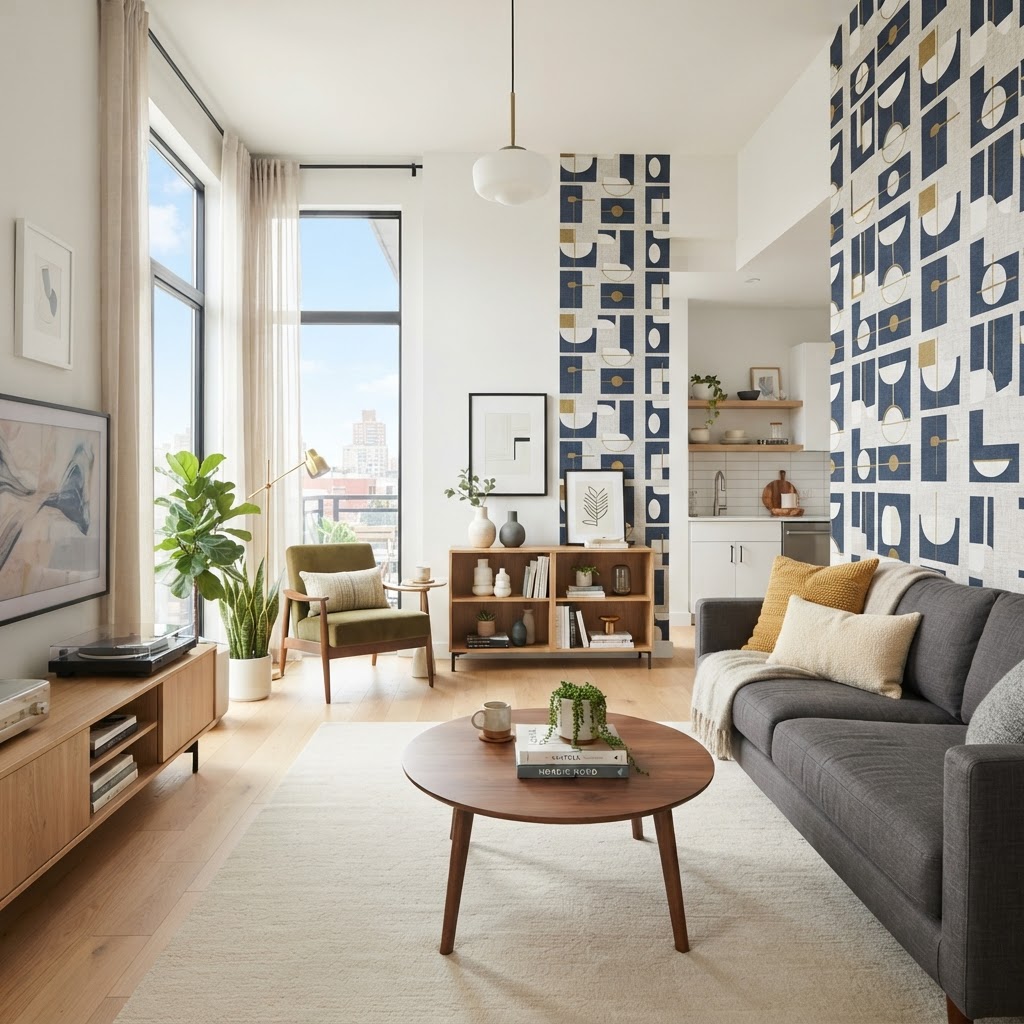
Transform your living room with a bold accent wall.

When we talk about renter-friendly home decor, we are talking about solutions that provide maximum visual impact with zero long-term commitment. Peel and stick wallpaper is essentially a giant sticker for your walls, designed to be applied easily and stripped away when your lease ends. This innovation allows you to transform a drab studio apartment into a chic, cozy environment in just a single afternoon. By choosing removable products, you ensure that your design choices remain temporary, protecting your financial interests while elevating your living standards.

Is peel and stick actually renter friendly? Yes, provided you choose high-quality vinyl options specifically marketed for temporary use. The adhesive is formulated to bond securely to smooth surfaces without damaging the underlying paint or drywall upon removal. Most professional-grade removable wallpaper products are designed to lift off cleanly if you follow the manufacturer’s instructions, making them the ultimate tool for a stylish rental makeover.

Is Peel and Stick Wallpaper Allowed in Rentals?

Update your kitchen or bath with easy-to-apply tile stickers.

Before you dive into your DIY project, it is wise to review your lease agreement. Most landlords are generally open to decor changes that do not damage the structure, but some have strict rules regarding adhesives. Is peel and stick wallpaper allowed in rentals? In the vast majority of cases, yes, because it is considered temporary decor rather than a permanent renovation. Always perform a patch test in an inconspicuous area of your apartment to ensure the surface is compatible and the wallpaper will not peel paint away.

When you select a design, consider the aesthetic of your room. A subtle, neutral wallpaper with a slight texture can add depth to a space without overwhelming it. For those who want something more dramatic, a large-scale mural can act as the focal point of a living room. Remember to check if your wall surface is porous or heavily textured, as some peel products struggle to adhere to rough, uneven surfaces found in older buildings.

Versatile Design Ideas for Your Home

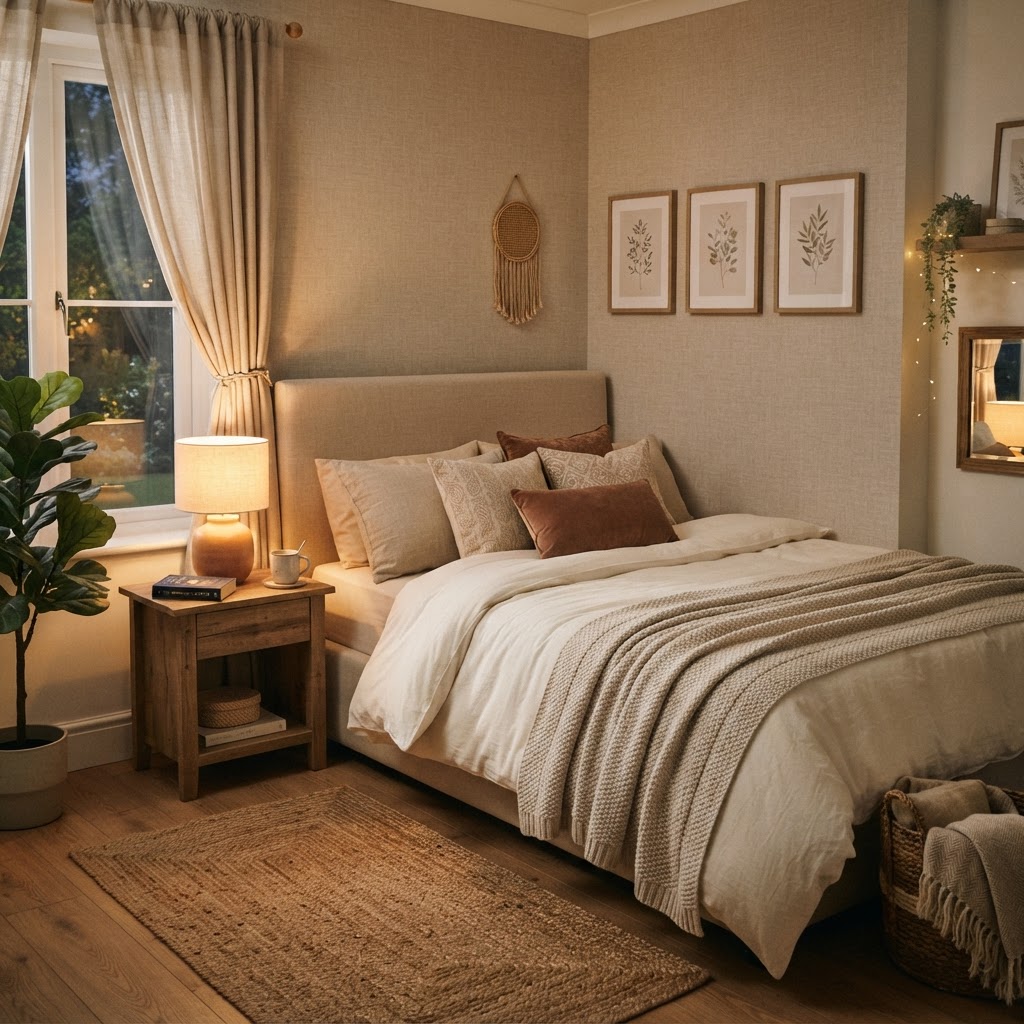
Add warmth and depth to your bedroom with textured wallpaper.

What are some design ideas for using peel and stick wallpaper? The possibilities are nearly endless. You can use wallpaper to create a faux headboard behind your bed, line the back of an open cabinet for a pop of color, or create a faux marble backsplash in your kitchen. If you have an ugly bathroom mirror or dated vanity, you can use these durable sheets to wrap the frame or even the sides of the cabinet for a modern look.

For a sophisticated vibe, try a beige grasscloth pattern to add warmth and tactile interest. If you have a small space, a vertical striped pattern can trick the eye into thinking the ceilings are higher. You might even consider using tile-look decals to upgrade a boring floor in your bathroom. These tile stickers are specifically designed to be waterproof and heat-resistant, making them perfect for high-traffic areas that need a refresh.

Choosing the Right Product for Your Walls

What is the best renter-friendly peel and stick wallpaper? The best products are those that offer “easy release” technology. Look for brands that explicitly state they are repositionable, which gives you a second chance if you make a mistake during the initial application. When you buy, try to order all rolls from the same “batch” or lot number to ensure the colours match perfectly across the entire mural.

Texture is another vital factor. If your apartment walls have a heavy “orange peel” texture, you might find that standard wallpaper struggles to stick. In these cases, look for heavier-duty vinyl that provides a better grip. If you are worried about the finish, a matte texture is generally more forgiving than a high-gloss finish, as it hides imperfections in the wall surface much better.

Professional Tips for a Flawless Application

Achieving a seamless look requires patience and the right set of tools. Start by cleaning your walls thoroughly with a mild detergent and water to remove any grease or dust. Even invisible particles can prevent the adhesive from bonding correctly, leading to peeling edges later on. Once the wall is completely dry, use a level to mark a straight plumb line; this will be your guide for hanging your first strip of wallpaper.

How to decorate an apartment without putting holes in the wall? Focus on tension-based systems and high-quality adhesives. Instead of traditional hardware, look for tension rods that can fit inside window frames for curtains or even between two walls to create a makeshift room divider. These items rely on pressure rather than piercing the drywall, ensuring the integrity of the paint and surface. It is the ultimate renter-friendly strategy for those who love frequently changing their layout.

Transforming Walls with Peel-and-Stick Wallpaper

Peel-and-stick wallpaper creates a dramatic temporary accent.

One of the most dramatic ways to change a rental is by updating the walls, and peel-and-stick wallpaper is the industry standard for temporary upgrades. Unlike traditional paper that requires glue, this modern version is entirely removable and easy to install. You can choose from bold patterns or subtle textures to give your apartment a professional designer look. It is an excellent way to cover up dated paint colors or add character to a sterile white box.

Application Tips for Success

Before you start, clean the surface thoroughly to ensure the adhesive sticks properly. Even a small amount of dust can cause the paper to peel prematurely. Use a smoothing tool to get rid of bubbles, and always buy a little extra material to account for pattern matching. If you are worried about potential damage, test a small piece in an inconspicuous area, such as behind a bookshelf or inside a closet. Most quality brands are designed to come off cleanly, meaning no patch work is required when you move.

Utilizing Furniture for Storage and Style

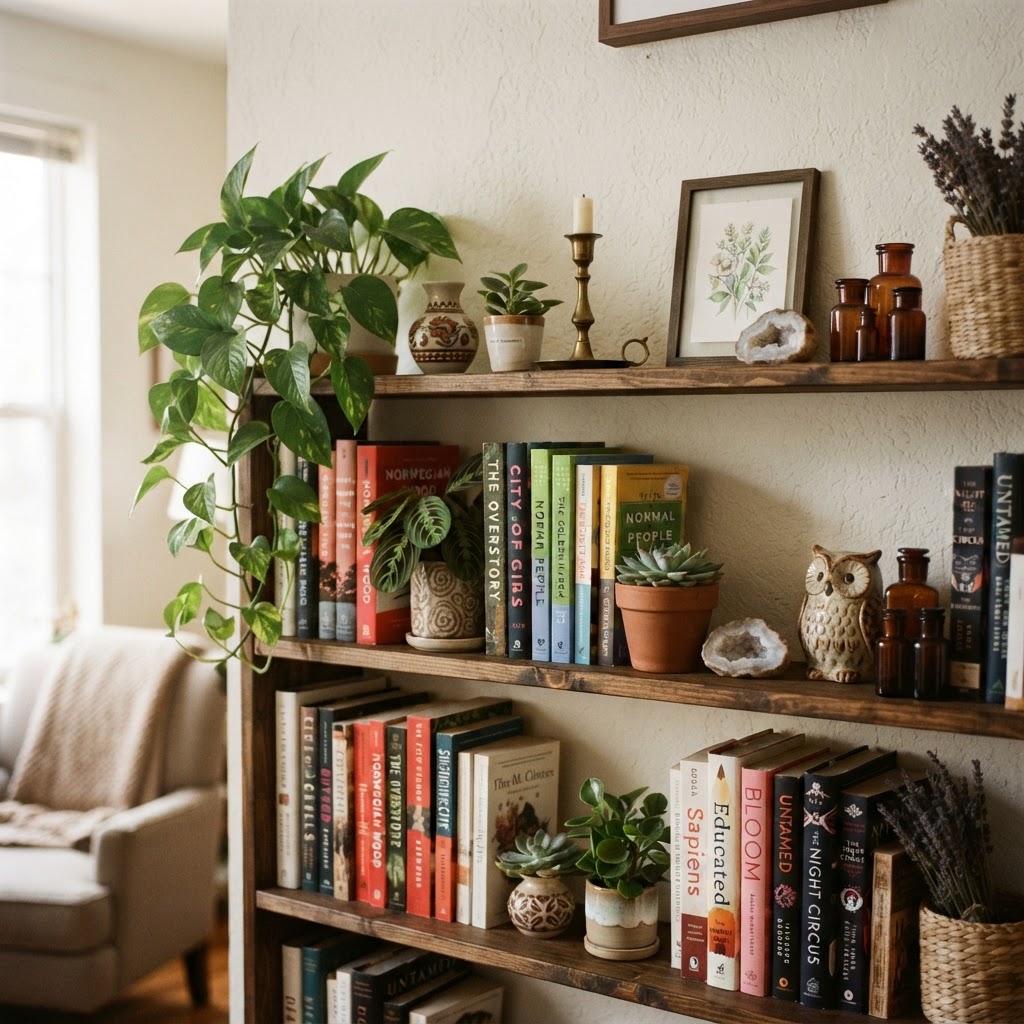
Style your bookshelves to avoid needing wall-mounted storage.

When wall mounting is off the table, you must rely on your furniture to do the heavy lifting. A sturdy bookshelf or a tall dresser can serve as a canvas for your decor items. Instead of hanging pictures, lean oversized frames against the wall on top of a console table for a casual, layered look. This approach adds depth to your room and avoids any risk of damaging the surface behind it.

What are some renter-friendly decor hacks? One of the best is to use furniture to anchor your space. By grouping items on a surface, you create a cohesive vignette that draws the eye away from blank walls. You can also use decorative baskets or modular storage units that sit on the floor to keep your items organized. Remember to use furniture pads to prevent scratches, as you want to protect the floor just as much as the walls to ensure your lease terms are met.

Adding Personality with Textiles and Lighting

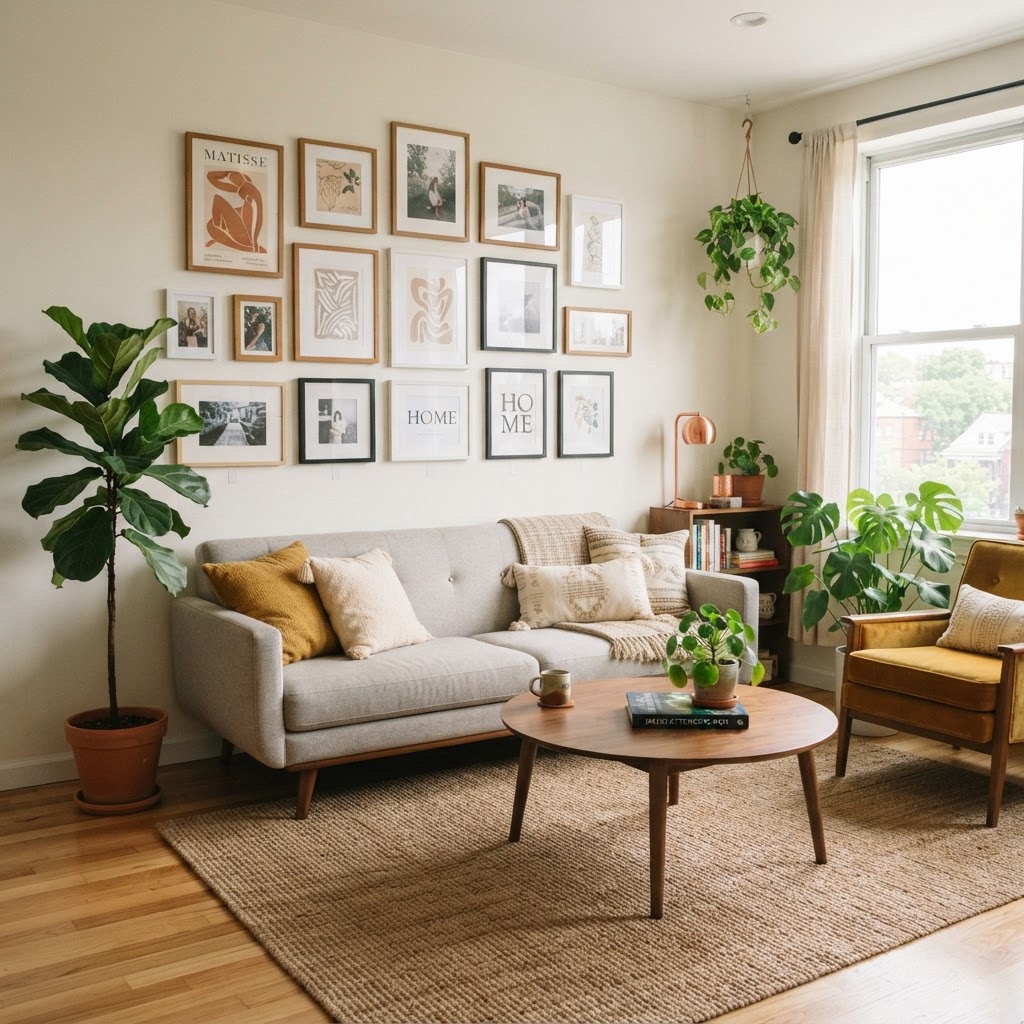
Use rugs and plants to cover flooring and add personality.

If you cannot change the structural elements of your rental, lean into soft decor. Rugs are a fantastic way to cover up worn-out flooring and inject color or texture into a room. You can also use layering techniques to make a space feel cozy and curated. Lighting is another powerful tool; replace standard landlord-provided light fixtures with your own floor lamps or table lamps to change the mood instantly. Just keep the original fixtures in a safe place so you can swap them back before moving out.

The Power of Soft Decor

Curtains can also hide unattractive blinds or wall finishes. Install them using a long tension rod between the window casing for an easy, no-drill solution. The fabric adds softness to the room, dampening sound and making your apartment feel like a luxury sanctuary. When you choose textiles, aim for high-quality fabrics that reflect your personal style, effectively masking the generic features of your rental home.

Mastering the Layout with Design Rules

What is the 3-5-7 rule in interior design? This guideline helps in grouping decor items to create visual balance. It suggests that arrangements of three, five, or seven items are more pleasing to the human eye. Applying this rule to your shelves or tabletops helps you curate a space that looks professionally decorated rather than cluttered. It is a simple trick that works in any size apartment, helping you achieve a polished look without hanging anything on the wall.

Before you start, ensure your walls are clean and dry. A small test patch in an inconspicuous area is always a smart move to ensure the adhesive won’t pull off the existing finish. If wallpaper feels too daunting, consider using large-scale wall decals or hanging lightweight tapestries that create visual interest without the need for adhesive applications.

Rethink Your Floors with Area Rugs

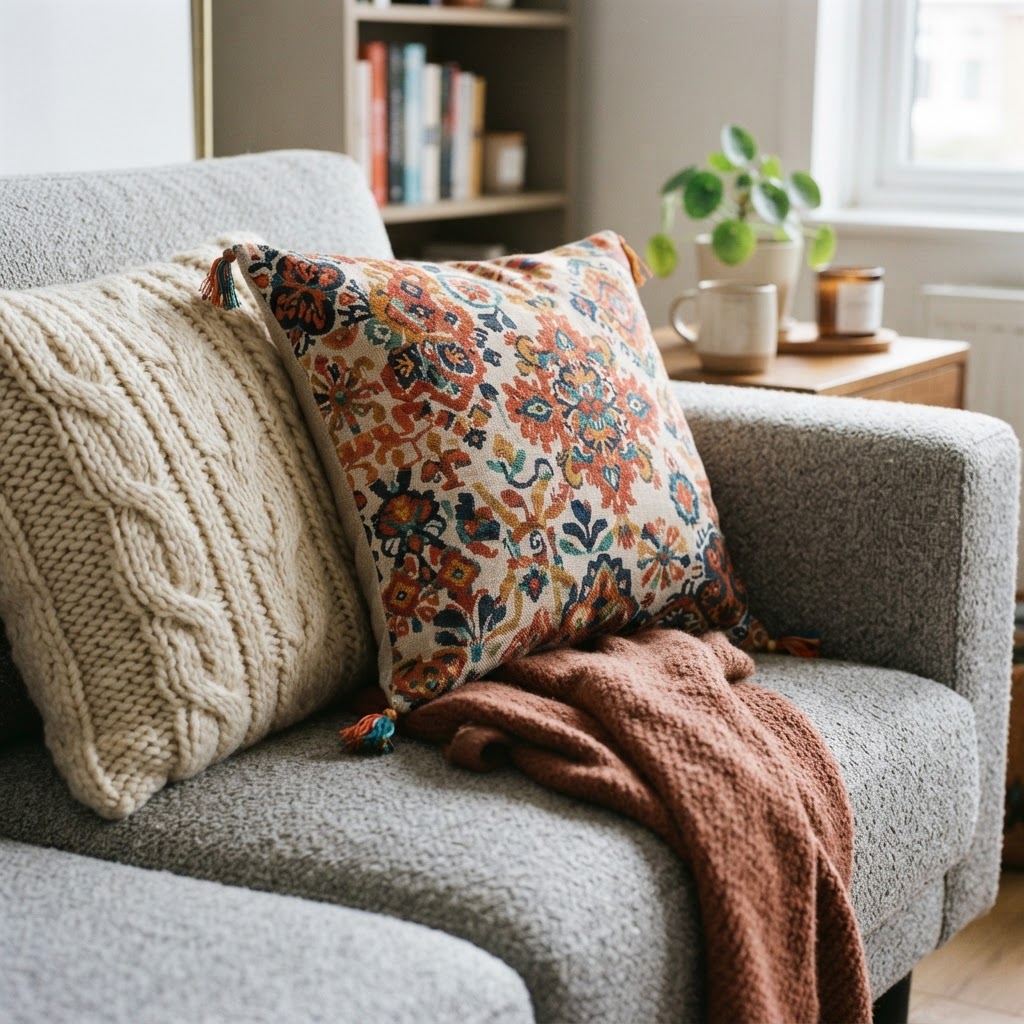
Incorporate textured throw pillows for a cozy, inviting look.

Rental apartments often come with flooring that is either outdated or worn. While you cannot replace the floor, you can certainly cover it. A high-quality area rug acts as the anchor for your entire living room design, allowing you to define seating zones and inject warmth into the space.

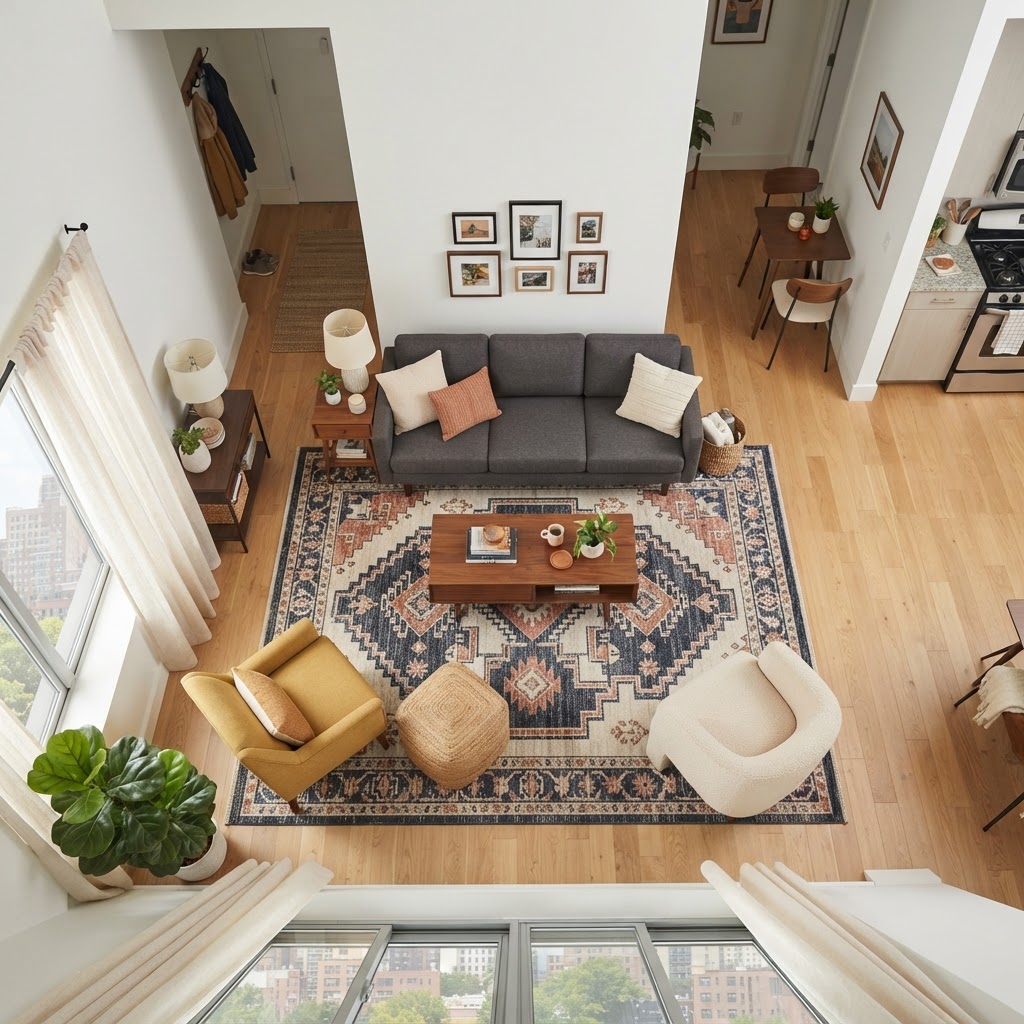
Choose a large rug that fits your furniture arrangement to avoid the room feeling segmented. Layering rugs is another professional trick; placing a smaller, patterned rug over a larger, neutral jute or sisal base adds dimension and texture to your floor. This simple addition can completely transform the atmosphere of the room while protecting the original surface.

Lighting and Window Treatments That Impress

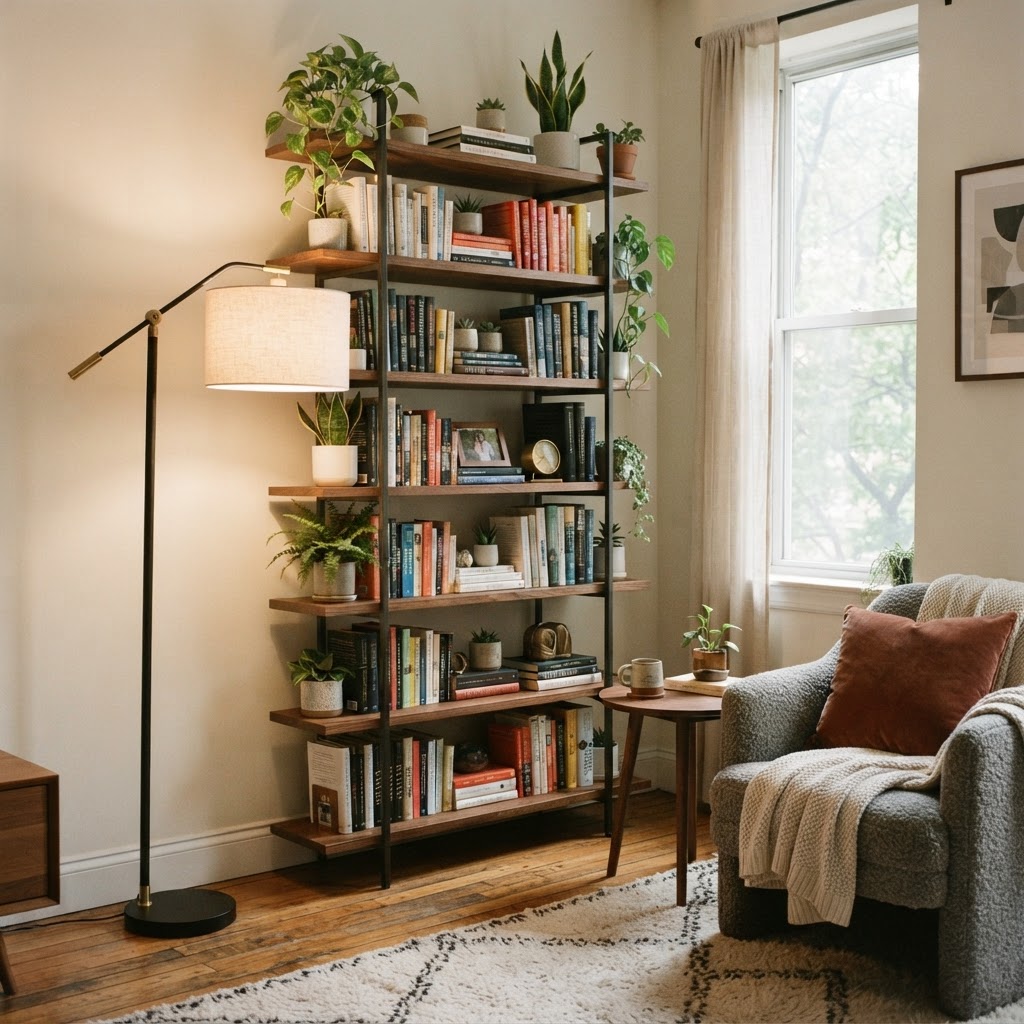
Free-standing bookshelves are perfect for non-permanent storage.

Standard rental lighting is often harsh and unattractive. Swap out generic boob lights for stylish floor lamps or table lamps to create a layered lighting scheme. If your lease allows, you can swap out basic fixtures, but make sure to store the original hardware safely to reinstall before moving out.

Curtain panels are another essential tool. Replace standard plastic blinds with elegant curtains hung from a tension rod or a temporary, drill-free mount. Floor-to-ceiling curtains draw the eye upward and make the ceilings appear taller, creating a luxurious, custom-designed feel. If you must use the existing blind, layering a Roman shade over it can soften the look significantly.

Smart Furniture and Shelving Solutions

A large area rug is essential for defining your living space.

Large furniture pieces are the backbone of a living room, but they can be expensive to replace. Focus on multifunctional pieces that serve dual purposes, such as an ottoman with storage or a coffee table with built-in shelves. These pieces help maximize your square footage and keep clutter at bay.

When it comes to storage, look for free-standing bookshelves instead of wall-mounted options. If you need a decorative shelf for small items, use heavy-duty adhesive strips designed for heavy objects. Always check with your landlord if you are considering anything that involves drilling holes, but usually, there are plenty of gravity-defying solutions available that keep your walls intact.

Adding Personality Through Decor

Your living room should be a reflection of your lifestyle. Bring in art, mirrors, and greenery to add life to the space. Mirrors are particularly effective in small rentals because they reflect light and create the illusion of extra space. Use command hooks to hang artwork securely without causing damage to the wall surfaces.

Introduce a soft touch with a well-placed pillow or two. Throw pillows are the easiest way to swap out color palettes with the seasons. Don’t be afraid to mix patterns and materials to add depth. These small decorative flourishes are what truly make a rental feel like a home.

Managing Landlord Expectations and Leases

Communication is key when you live in a rental. Always read your lease agreement carefully before starting any projects. If you really want to paint a wall or install something that requires minor drilling, ask your landlord for permission in writing. Many property managers are open to upgrades if they enhance the property, provided you agree to restore it to its original state if requested.

Keep a dedicated bin in your closet for all the original hardware and light fixtures you have removed. Being organized during the move-out process is just as important as the design process itself. By treating your temporary home with respect, you build a positive relationship with your landlord while enjoying a beautifully curated space.

Conclusion

Creating a rental friendly living room is all about finding creative workarounds that satisfy your need for design without risking your security deposit. By layering textures, using removable wallpaper, and choosing the right furniture, you can achieve a space that feels permanent and personal. Remember that a great design isn’t about owning the walls—it’s about how you live within them. Start with one area of your room today and see how these small changes can make a massive impact on your daily life. What project are you going to tackle first?