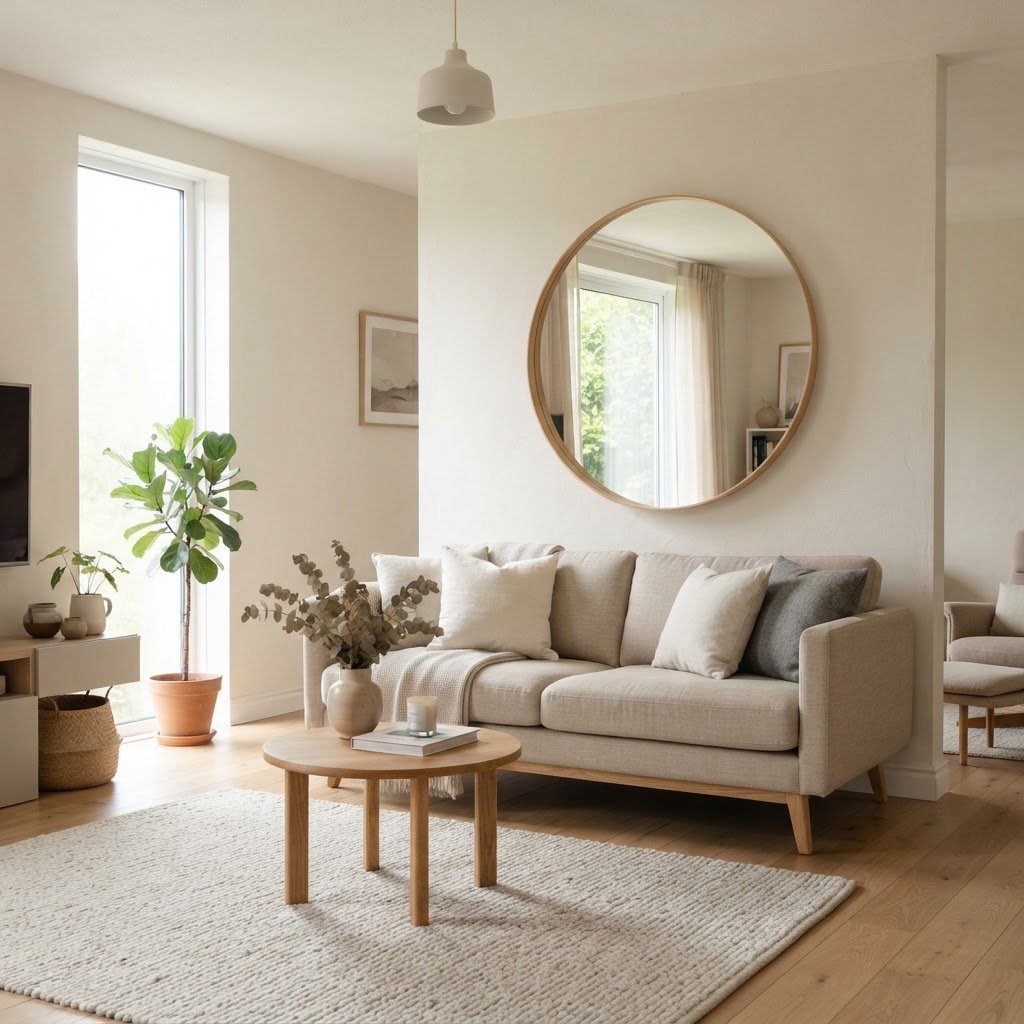
Living in a smaller home does not mean you have to sacrifice comfort or style. In fact, many professional designers argue that compact living room layouts often force us to be more intentional, resulting in spaces that are more cozy and highly functional. By mastering the art of spatial arrangement and adopting a few optical illusions, you can significantly enhance your square footage. The secret lies in balancing furniture proportions, light, and visual flow to create an environment that feels expansive rather than cramped.
Understanding the Basics of Space Planning
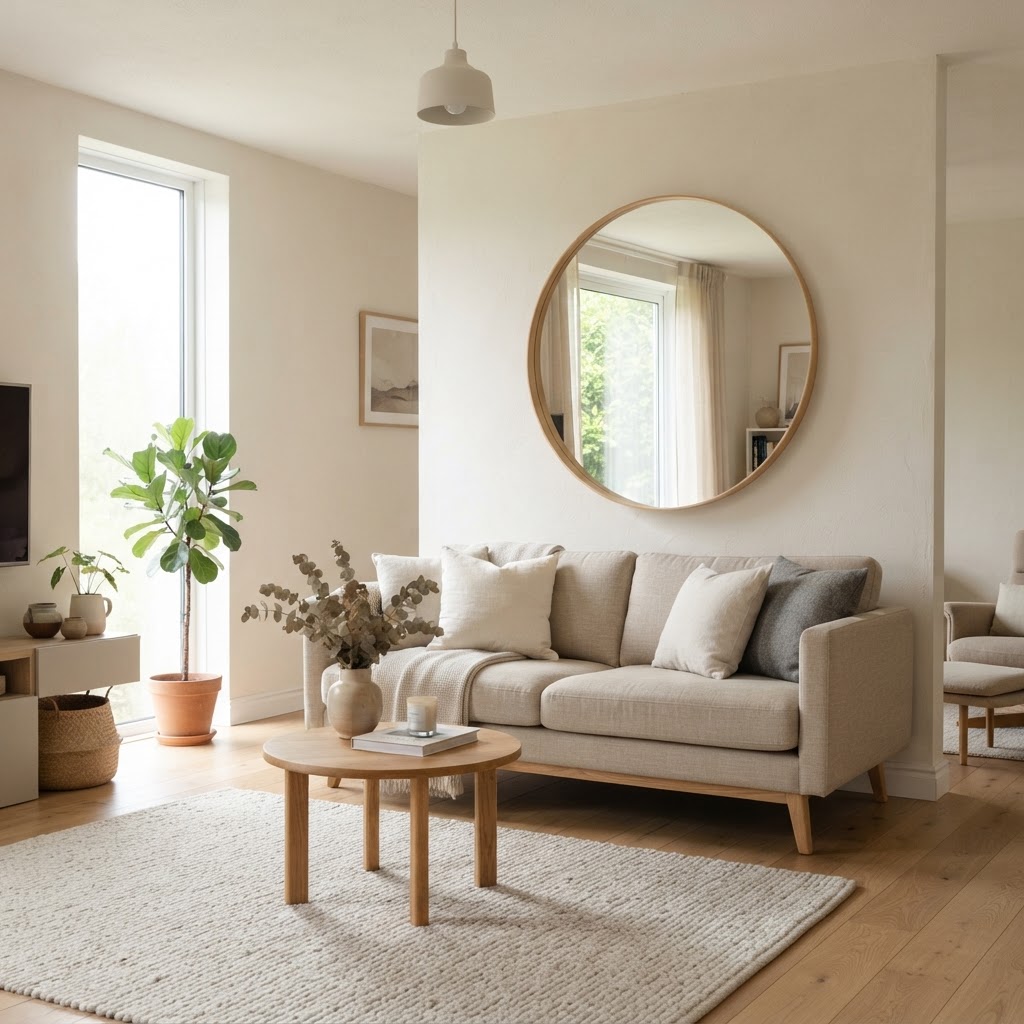
Before you move a single piece of furniture, you must audit your space. The most successful compact living room layouts begin with a clear understanding of the room’s “traffic flow.” You want to ensure that people can move from the entryway to the rest of the room without bumping into tables or sofas. Measure your walls and furniture carefully, and map them out on graph paper before you start heavy lifting. Before you get started, it is worth familiarizing yourself with common layout mistakes that make small living rooms feel smaller so you can avoid these pitfalls from the beginning.
Prioritizing Function Over Form
When working with limited dimensions, every item must earn its place. Avoid the temptation to fill every corner with decor; instead, focus on multi-purpose pieces. Think of ottomans that serve as hidden storage or nesting tables that can be tucked away when guests leave.
Choosing furniture with raised legs is another subtle but powerful trick. When you can see the floor beneath your sofa or chairs, your eyes perceive more floor space, which tricks the brain into thinking the room is larger than it actually is. This “lightness” prevents the room from feeling weighed down by heavy upholstery.
Vertical Space as a Design Asset
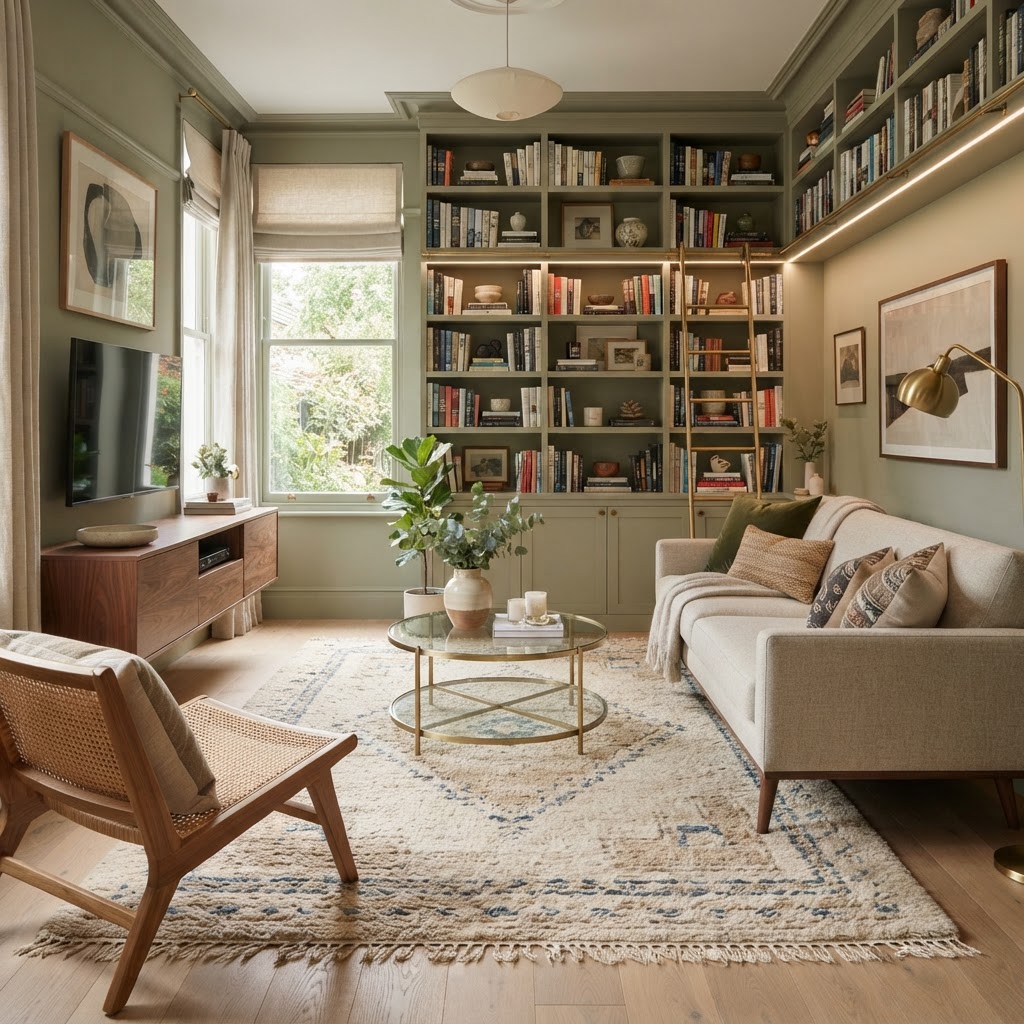
Often, we focus so much on the floor that we ignore the potential of our walls. Utilizing vertical height is one of the most effective ways to open up a room. Tall, floor-to-ceiling shelving draws the eye upward, making the ceiling appear higher and the walls seem more distant. This approach provides abundant storage without sacrificing precious floor real estate.
Choosing the Right Shelving
Opt for wall-mounted shelves rather than bulky, floor-standing units. By keeping the floor clear, you maintain a sense of openness. You can also paint your shelves the same color as your walls to help them blend into the background, effectively removing the visual clutter that often plagues small apartments.
Lighting Techniques to Expand Your Room
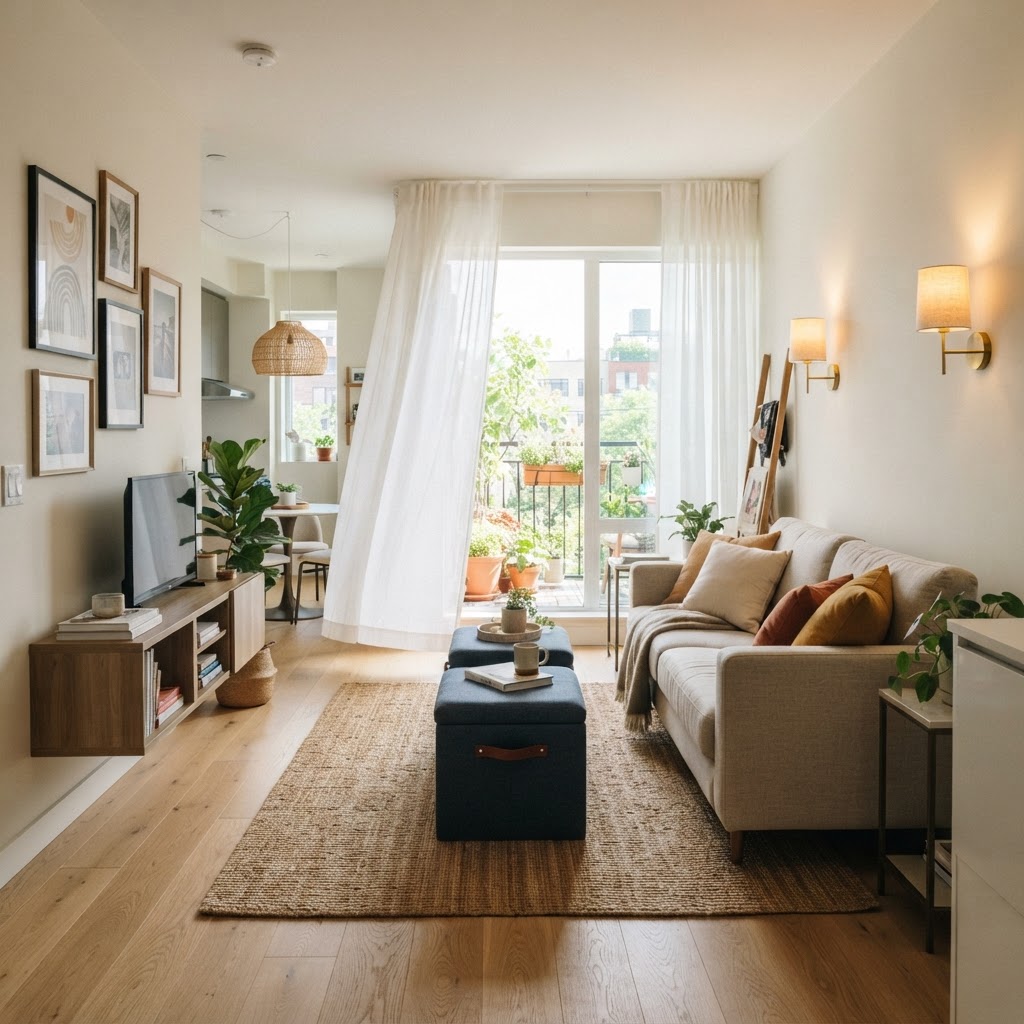
Lighting is perhaps the most important element in your design arsenal. Dark corners make a room feel smaller by “closing in” the space. You want to ensure you have multiple layers of light: ambient, task, and accent lighting.
- Use floor lamps with thin, minimalist profiles to avoid bulk.
- Install wall sconces to keep tables clear for books or drinks.
- Utilize mirrors strategically to bounce natural light around the room.
- Choose sheer curtains that allow maximum sunlight to filter through.
By placing a large mirror directly opposite a window, you can double the amount of natural light entering the space while creating a reflection that adds depth to the room. This simple trick is a staple in professional design for a reason.
The Psychology of Color in Small Spaces
Common wisdom says you should only use white in small spaces, but that isn’t entirely true. While light colors do reflect more light, you can also use bold, moody colors to blur the lines of the room. If you paint your walls and trim the same color, you eliminate the sharp edges that define the room’s limits.
Creating Depth with Monochromatic Palettes
Using a monochromatic color scheme—shades of gray, beige, or even soft blues—creates a sense of continuity. When your sofa matches the wall color, it seems to recede into the wall, which makes the floor area feel more expansive. If you prefer patterns, stick to large-scale, low-contrast prints; tiny, busy patterns can make a small room feel overwhelmed and cluttered.
Strategic Furniture Placement
Many people make the mistake of pushing all their furniture against the walls in an attempt to open up the center of the room. However, this often makes a room feel like a waiting area. Instead, consider floating your furniture away from the walls.
Creating a small walkway behind a sofa can make the room feel surprisingly grand. Additionally, opting for a large area rug can unify your space. One large rug under your furniture grouping will anchor the room, whereas several small rugs can create a fragmented, busy look that makes the space feel smaller and disjointed.
Incorporating Smart Technology and Hidden Storage
Technology can often lead to cord clutter, which is the enemy of a clean, small space. Invest in furniture with integrated cable management or hidden compartments. A media console with closed doors will always make a room look tidier than an open unit.
Decluttering Habits
Maintenance is just as important as the layout itself. In a small space, a single pile of mail or a stray blanket can make the whole area look messy. Make it a habit to “reset” your living room every evening. When surfaces are clear and items have a dedicated home, your compact living room layouts will naturally feel more serene and spacious.
Choosing the Right Scale
One of the biggest mistakes in small-space design is choosing “dinky” furniture. People often think that small rooms require tiny furniture, but using many tiny pieces just makes the room feel cluttered. Instead, choose a few larger, statement pieces that fit the proportions of the room well. One comfortable, appropriately scaled sofa is much better than two uncomfortable, tiny chairs that clutter the walkways.
Conclusion
Designing a beautiful and functional space within tight limits is an exercise in creativity. By prioritizing vertical storage, selecting multi-functional furniture, and playing with light, you can easily implement these compact living room layouts to transform your home. Remember that the goal is not to cram as much as possible into your room, but to curate a space that supports your lifestyle.
Take a look at your living room today and pick one thing you can change—maybe it is clearing off your bookshelf or moving your chair away from the wall. Start small, and enjoy the process of making your space feel bigger and better. Do you have a favorite trick for making a small room feel grand? Let us know in the comments below, and don’t forget to subscribe to our newsletter for more interior design tips!

Leave a Reply