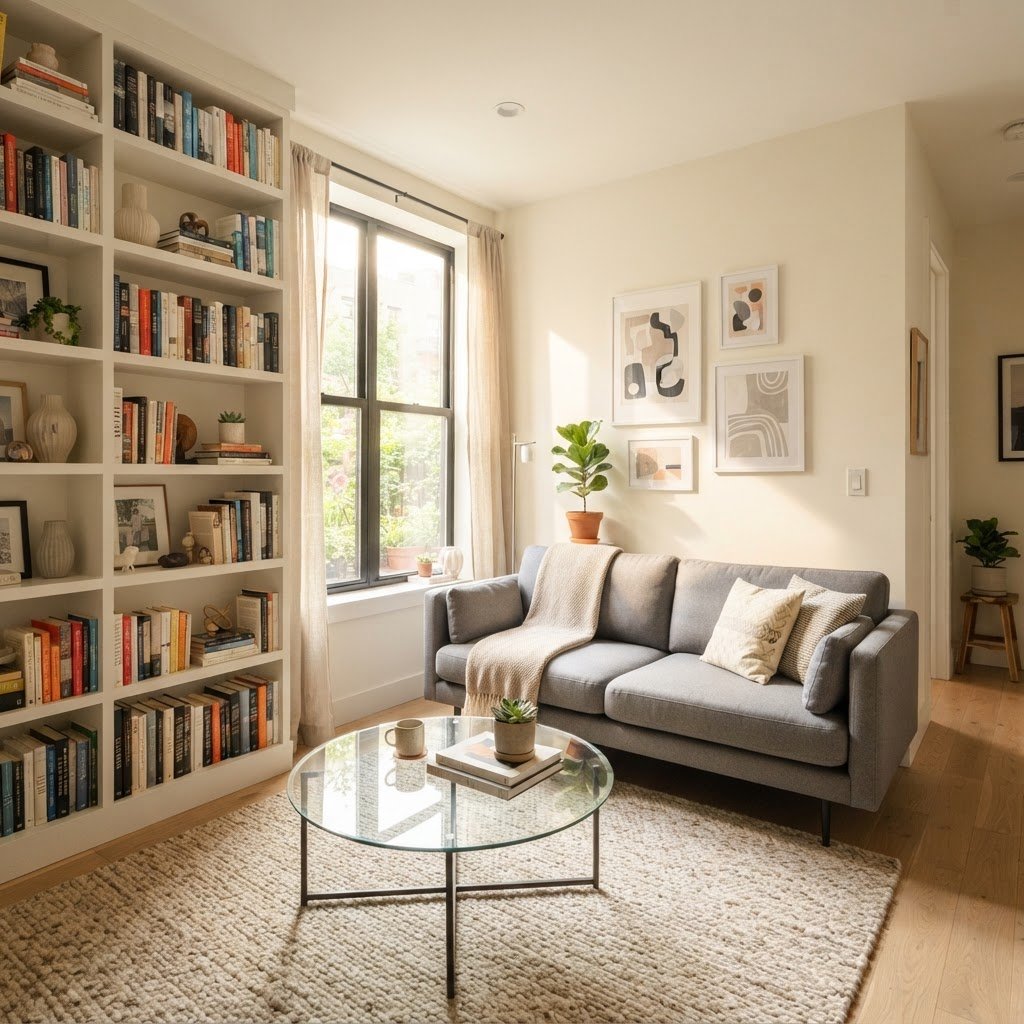
Designing a home that feels both intimate for daily relaxation and spacious enough for hosting guests is a universal challenge. If you are struggling with a compact layout, these small living room ideas will help you maximize every square inch without sacrificing personality. Achieving the perfect balance requires a thoughtful approach to furniture selection, vertical storage, and visual flow. Whether you live in a tiny studio or a cozy townhouse, your living room can become the ultimate multi-purpose sanctuary. With the right strategy, you can create an inviting atmosphere that works for lazy Sundays and lively dinner parties alike.
Rethink Your Layout for Dual-Purpose Use
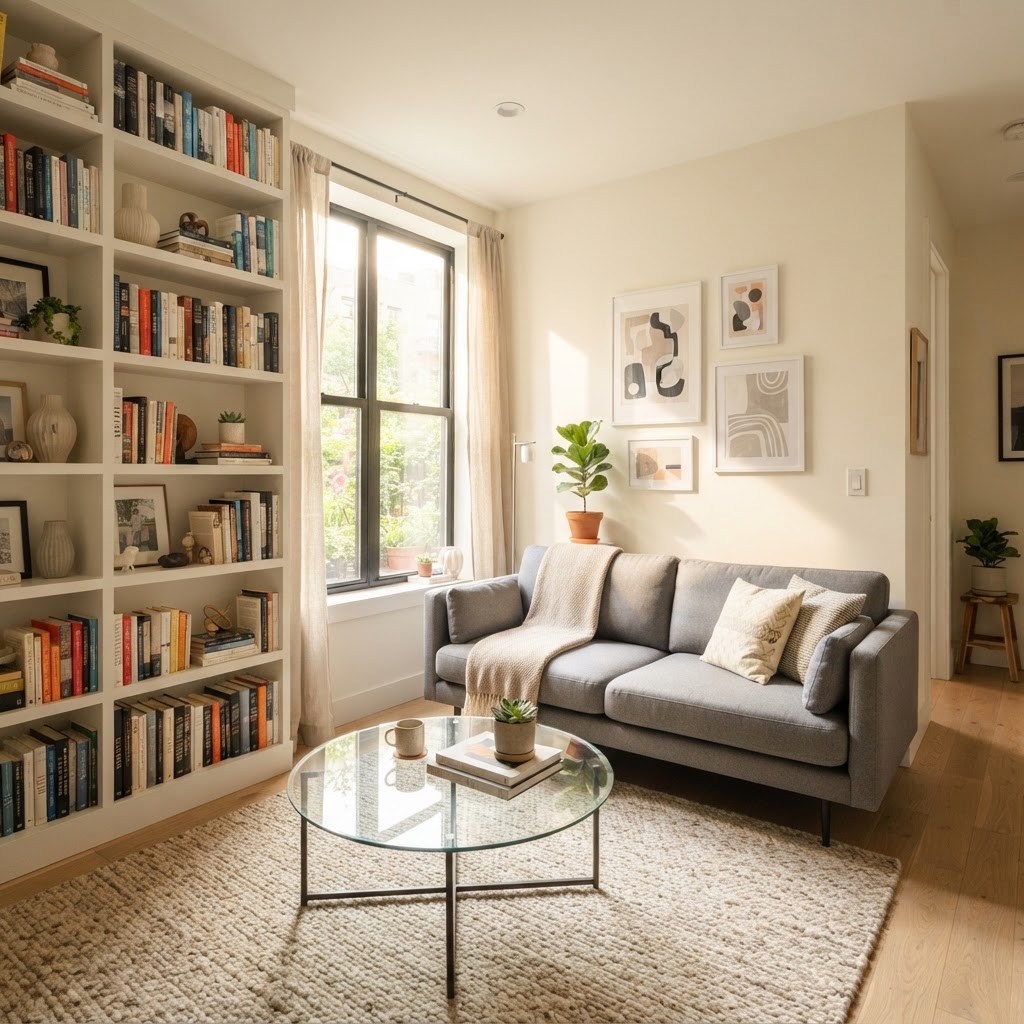
When working with limited footage, the traditional sofa-facing-TV arrangement is not always the best choice. To facilitate easier entertaining, consider a layout that prioritizes conversation areas. Use a round coffee table to soften traffic flow and provide more legroom for guests maneuvering through the room. By pulling your furniture slightly away from the walls, you create a sense of ‘floating’ that makes a small room feel airier and more intentional.
The Power of Multifunctional Furniture
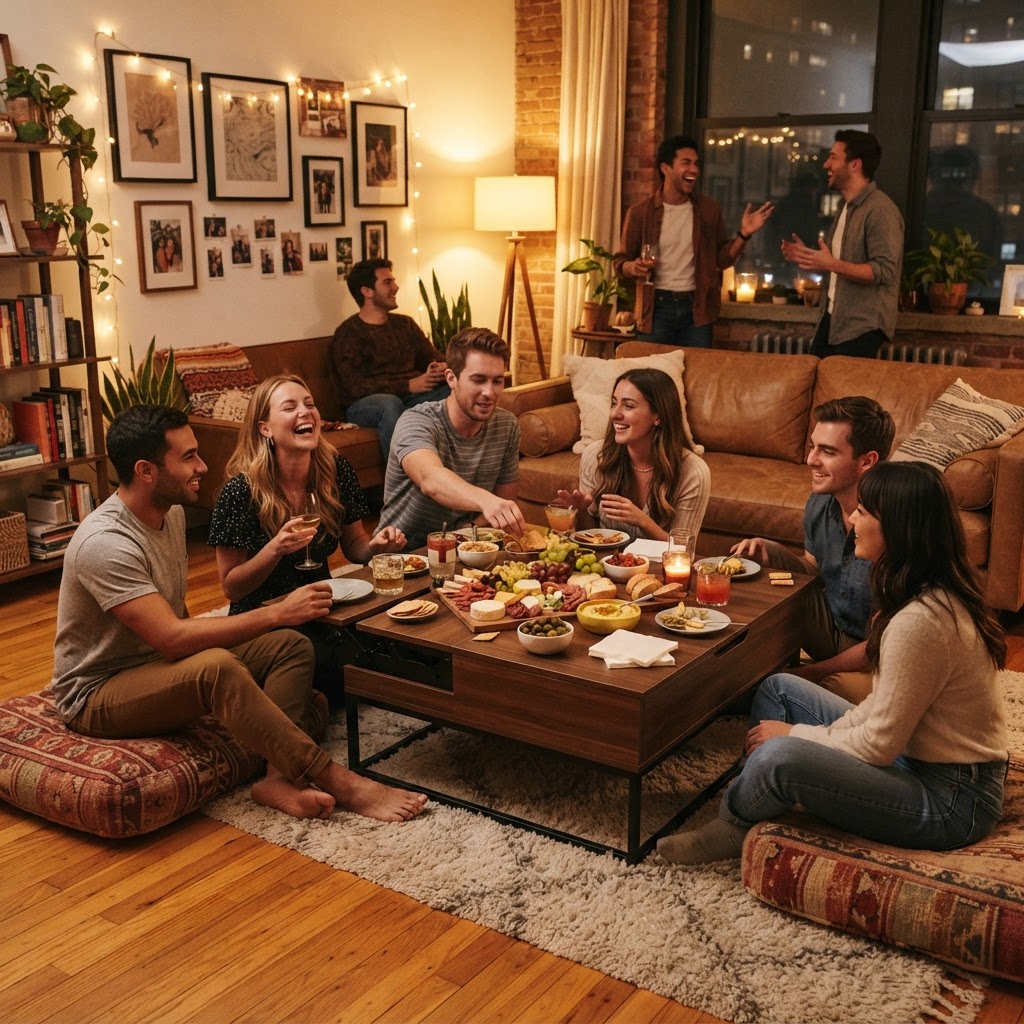
Investing in pieces that do double duty is the golden rule of small-space design. Look for ottomans that serve as extra seating for guests or lift-top coffee tables that provide a hidden workspace. Modular sofas with integrated storage are another game-changer, allowing you to hide away blankets, board games, or seasonal decor when you need to clear the floor for a social gathering. To keep your space organized while hosting, explore these clever living room storage ideas to maintain a clutter-free environment without sacrificing style.
Creative Seating Arrangements
Don’t let a lack of square footage limit your guest list. Consider incorporating ‘poufs’ or floor cushions that can be tucked under a console table or stashed in a closet when not in use. These versatile additions provide comfortable seating during movie nights or parties without taking up valuable floor space during the rest of the week.
Maximize Vertical Space to Reduce Clutter
One of the most effective small living room ideas involves drawing the eye upward. When floor space is at a premium, walls become your best friend. Floor-to-ceiling shelving units can house books, decor, and media components, effectively clearing the floor of bulky consoles. By keeping the floor clear, you naturally make the room feel larger and more organized.
Open Shelving vs. Closed Cabinetry
While open shelves can make a space feel light, they can also look cluttered if not curated correctly. A mix of both is ideal. Keep your everyday necessities in closed cabinets to maintain a clean aesthetic, while reserving open shelves for your favorite decorative pieces. This balance keeps the room functional for daily life while maintaining a stylish, intentional look for your guests.
Lighting as a Design Tool
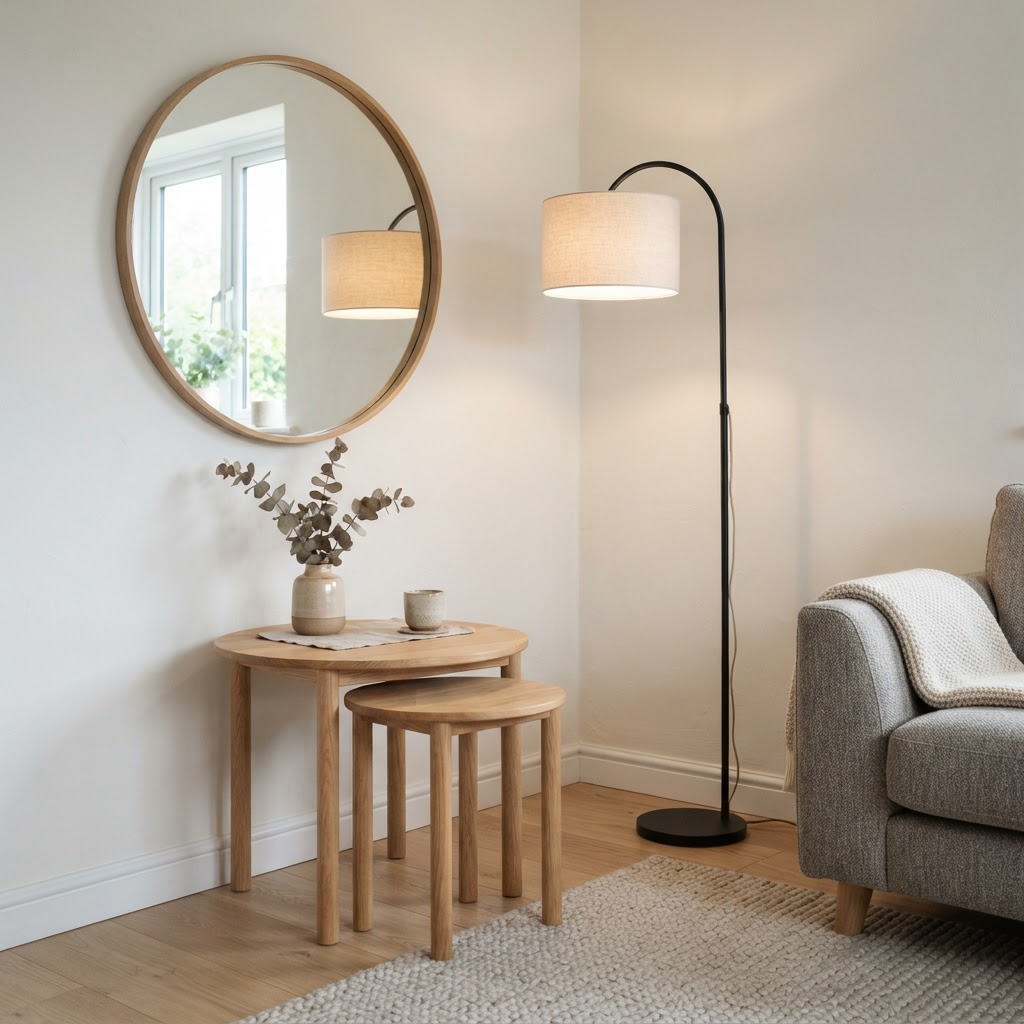
Lighting is perhaps the most underrated element of a successful small-space layout. Avoid relying solely on a single overhead fixture, which can create harsh shadows and make a room feel smaller. Instead, layer your lighting to create a warm, inviting glow that shifts based on the time of day. Use floor lamps, table lamps, and wall-mounted sconces to illuminate different zones of the room.
Adjustable Lighting for Entertaining
Dimmer switches are essential for transitioning a space from a bright, active area to an intimate entertaining environment. By softening the light, you create a cozy atmosphere that masks imperfections and highlights your decor. Consider adding LED strips behind your TV or under shelving for a subtle, modern glow that adds depth to the room without taking up any space.
Using Color and Texture to Expand Space
Visual weight plays a huge role in how small a room feels. Lighter color palettes are the classic choice for making a room feel expansive, but you don’t have to stick to boring beige. Consider painting your trim and walls the same color to blur the boundaries between surfaces, which tricks the eye into seeing more space. You can introduce pops of color through throw pillows, rugs, and artwork to keep things interesting.
The Importance of Rug Selection
In a small living room, a rug that is too small can actually make the space feel fragmented. Always opt for a larger rug that extends under the front legs of your furniture. This defines the seating area and grounds the space, creating a cohesive zone that anchors your layout for both lounging and hosting.
Mirrors and Reflective Surfaces
Mirrors are the oldest trick in the designer’s handbook, and for good reason. Placing a large mirror on a focal wall can instantly double the visual depth of a room and brighten up darker corners. For a modern look, consider a collection of smaller mirrors or a decorative mirror with a frame that complements your interior style. Reflective surfaces, such as glass coffee tables or polished metal accents, also help bounce light around the room, adding a sense of airiness.
Maintaining Flexibility for Entertaining
When preparing for guests, clear the decks of everyday items that don’t serve the party. Keep a decorative basket nearby to quickly corral stray blankets or gadgets. If your room is very small, use a “zone” approach. Make sure there is at least one clear path for guests to move through, and ensure there are flat surfaces within arm’s reach of every seat for drinks and snacks. Small, nesting tables are perfect for this as they take up virtually zero space when not in use.
The Art of ‘Soft’ Entertaining
For a truly comfortable living room, don’t focus only on looks. Ensure your space has plenty of texture—through pillows, throws, and soft rugs—that invites guests to get comfortable. Even in a small space, you can host a memorable evening by focusing on the ‘vibe’ rather than the amount of furniture. A well-lit, cozy space with a great playlist is always more welcoming than a larger room that lacks personality.
Conclusion
Designing for a compact living space is all about intentionality. By choosing furniture that earns its keep, utilizing vertical space, and playing with light, you can easily create a room that transitions seamlessly from your daily retreat to an entertaining hub. Remember, the best small living room ideas focus on how a space feels rather than how much furniture it holds. Start by assessing your current layout and identifying one area you can optimize this weekend. Your perfect, multi-functional home is closer than you think! If you found these tips helpful, subscribe to our newsletter for more interior design secrets delivered straight to your inbox.

Leave a Reply