Small Living Room Decor Ideas: Maximize Comfort & Storage
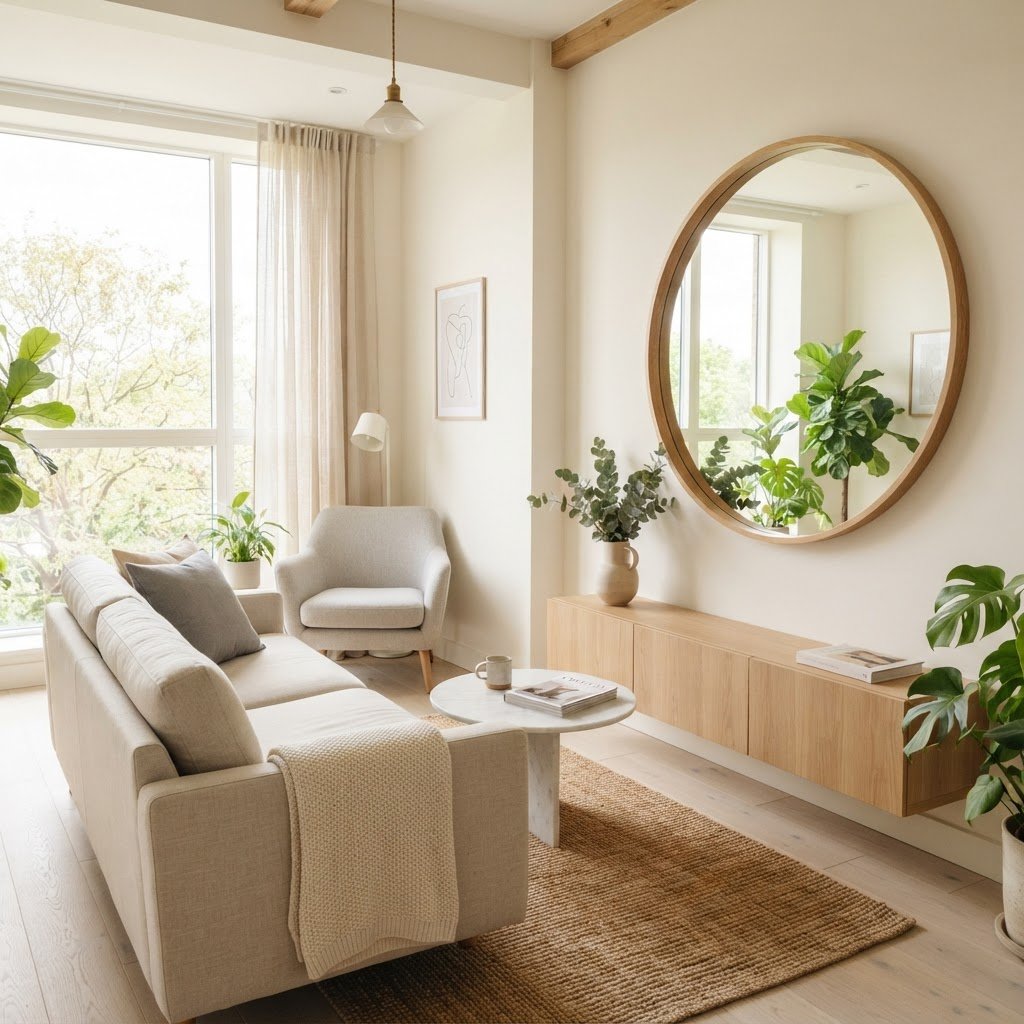
To maximize a small living room, prioritize multi-functional furniture, utilize vertical wall space for storage, and use light color palettes to create an expansive feel. By choosing streamlined pieces that lift off the floor and keeping surfaces clutter-free, you can effectively double the perceived square footage of any compact apartment.
Rethink Your Furniture Choices
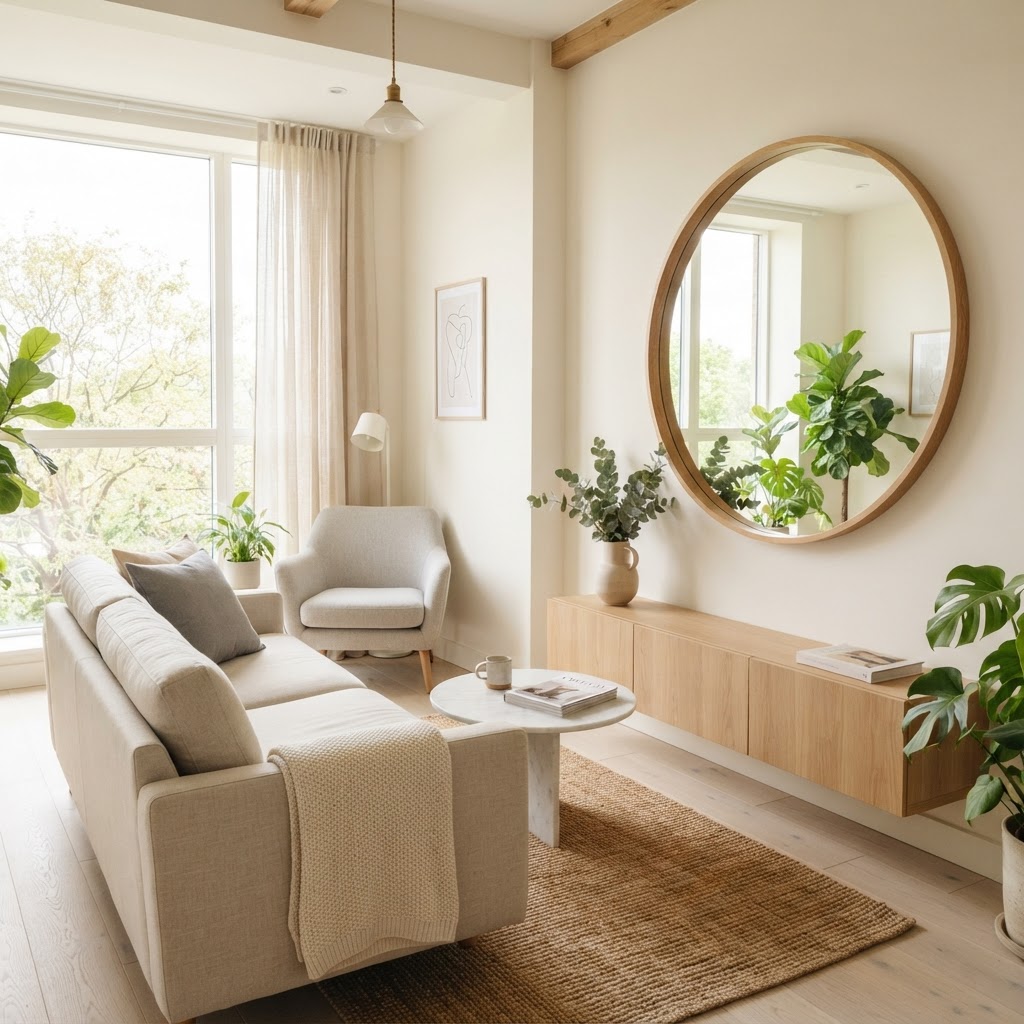
When working with limited square footage, every piece of furniture must serve at least two purposes to justify its floor footprint. Instead of choosing bulky, oversized sofas that dominate the room, opt for streamlined silhouettes with exposed legs; furniture that sits on legs creates the illusion of more space underneath, preventing the room from feeling heavy or claustrophobic. Research shows that choosing furniture with a “visual weight” below 30% of the total room volume significantly increases the comfort rating of small floor plans.
The Power of Multi-Functional Pieces
If you are looking to maximize every square inch, incorporating clever living room storage ideas can help you stay organized without sacrificing style. Investing in multi-functional furniture is the golden rule for compact living. A coffee table with built-in drawers or a lift-top mechanism offers hidden storage for remotes, blankets, and books. Similarly, ottomans with removable tops can serve as extra seating for guests while secretly hiding clutter inside. For optimal results, prioritize furniture that can be moved easily, such as pieces on hidden casters.
Choosing a sofa bed is another excellent way to add utility to your living area. Modern designs have evolved significantly, offering comfort levels that rival traditional sofas while providing a guest sleeping solution. By selecting items that pull double duty, you effectively reduce the need for excessive shelving or storage cabinets.
Master the Art of Vertical Storage
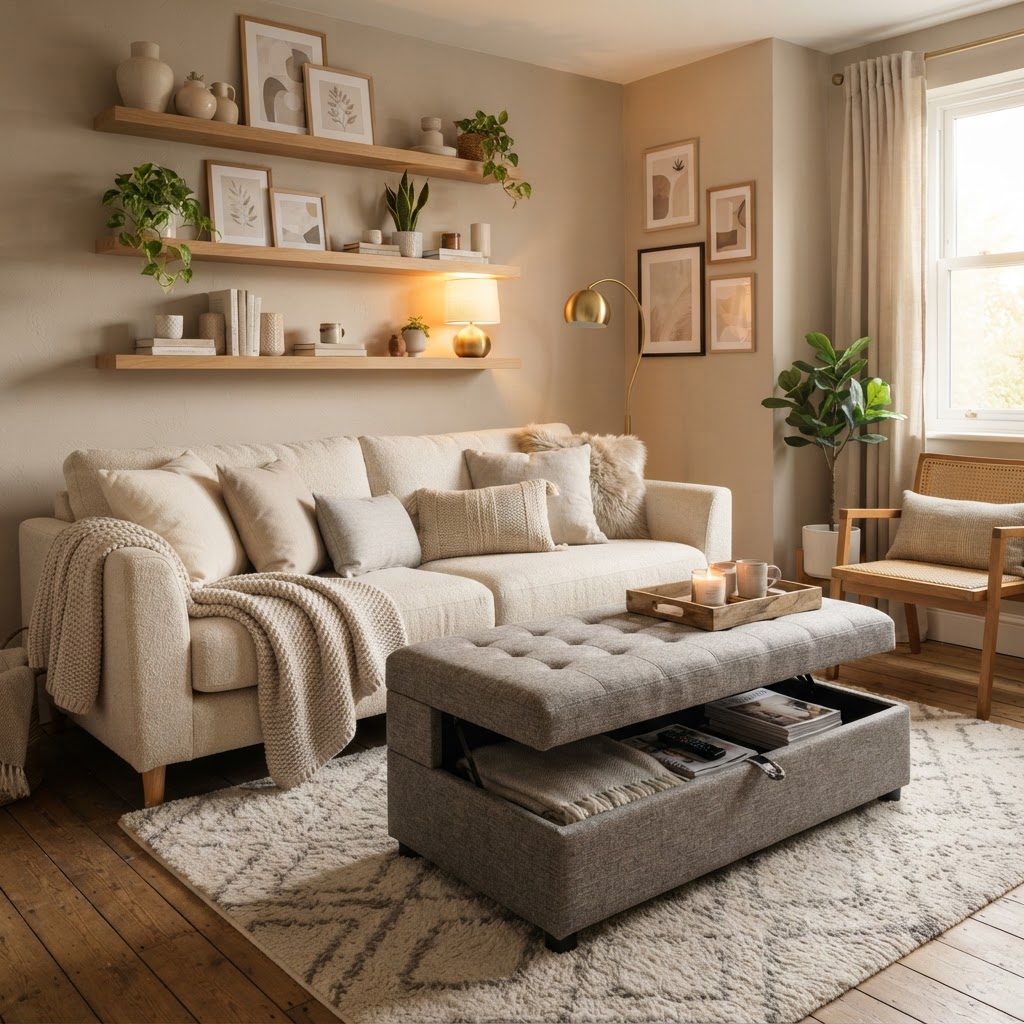
If floor space is at a premium, look up because your walls are your best asset for maximizing storage without sacrificing precious floor footage. Installing floor-to-ceiling bookshelves or floating shelves helps draw the eye upward, making the ceiling appear higher and the room feel more expansive. According to interior design standards, using the top 2 feet of wall space near the ceiling can increase your storage capacity by up to 25% without impacting the room’s “walkable” feel.
Creative Wall Solutions
Utilize the space above your windows or doorways for additional shelving. This often-overlooked area is perfect for displaying decorative items, plants, or books you don’t need daily access to. Using wall-mounted sconces instead of floor lamps also clears up valuable floor space, freeing up room for plants or side tables. Avoid “visual clutter” by keeping these high shelves organized with uniform bins or baskets.
Don’t forget the back of your doors. Over-the-door organizers can be used for more than just shoes; they are perfect for storing craft supplies, chargers, or small electronic devices. By keeping surfaces clear of small objects, you maintain a clean and airy atmosphere that is vital in smaller spaces.
Color Palettes and Lighting Strategies
Color plays a psychological role in how we perceive space, as lighter, neutral tones such as off-white, soft gray, or pale beige reflect more light, making a small living room feel brighter and more open. This doesn’t mean you have to avoid color entirely; rather, use vibrant hues as accents in pillows, rugs, or artwork to add personality. Experts suggest a 60-30-10 color rule: 60% dominant light neutral, 30% secondary neutral, and 10% bold accent color to maintain a sophisticated, airy balance.
Lighting is equally important for creating a sense of volume. Avoid relying solely on a single overhead light fixture, which can create harsh shadows and make corners feel dark and closed off. Instead, layer your lighting with floor lamps, table lamps, and LED strips under shelves to create warmth and depth. Ensure that natural light is not obstructed by using sheer curtains that allow sunshine to filter through while still providing privacy. If you have a small window, placing a large mirror directly opposite it can double the amount of natural light entering the room, instantly making it feel double the size.
Strategic Layout and Flow
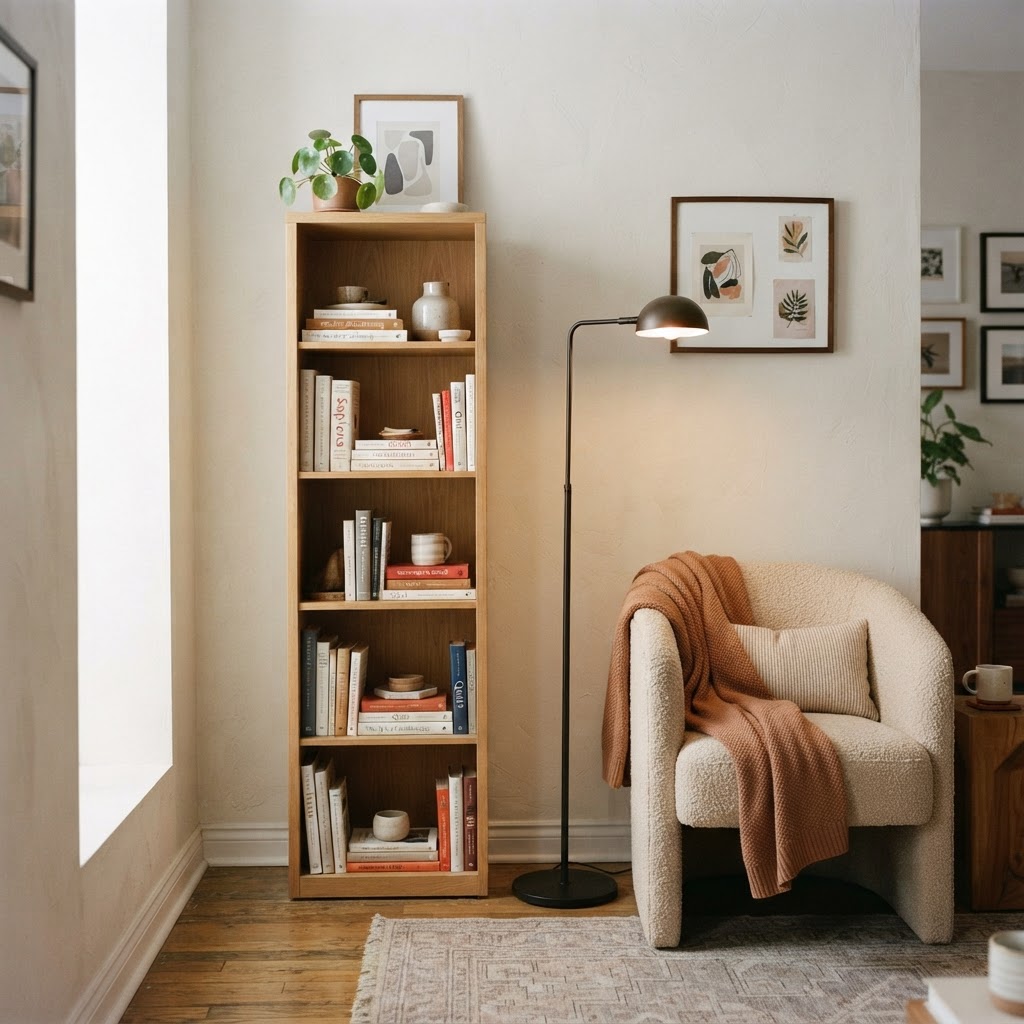
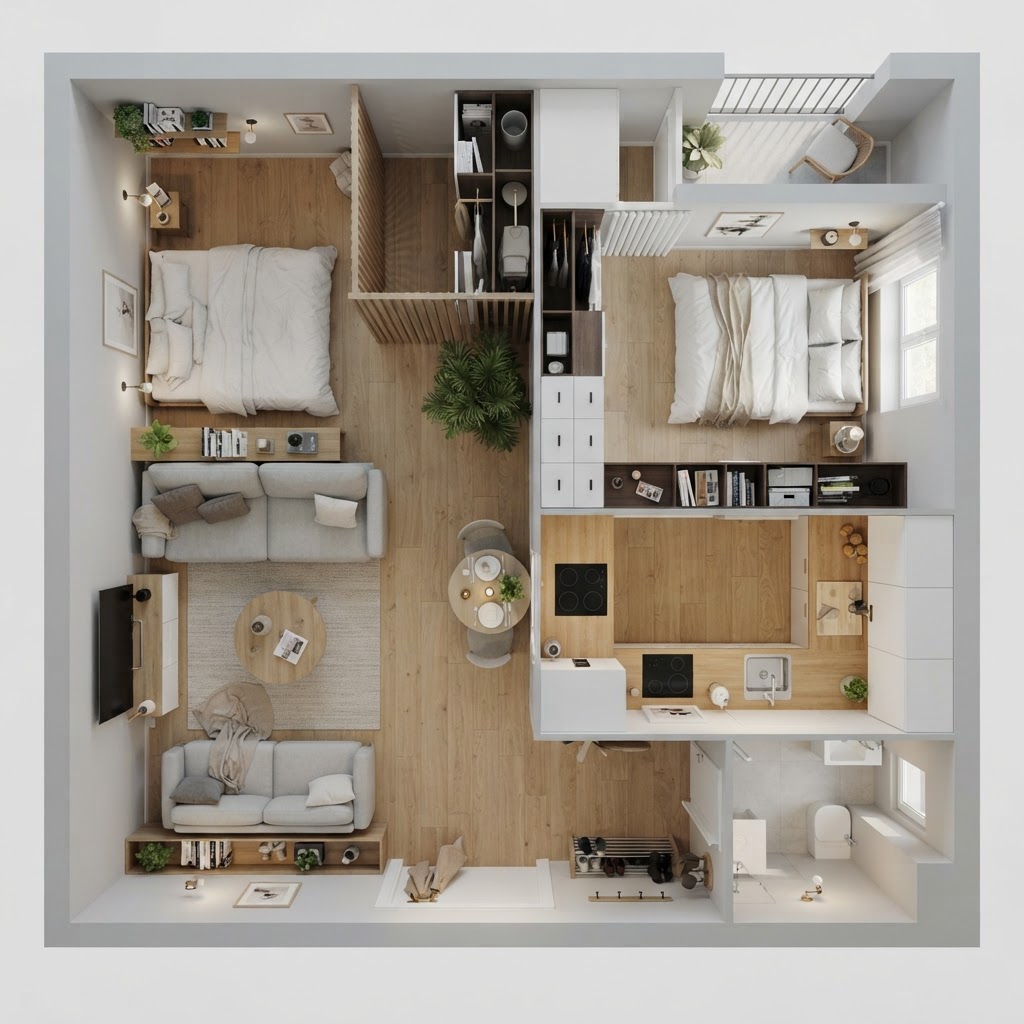
Arranging furniture in a small room requires careful consideration of the flow of movement, so avoid the common mistake of pushing all your furniture against the walls. “Floating” your furniture slightly away from the walls—even by just a few inches—creates a more intimate and cozy arrangement while preventing the room from feeling like a waiting area. For an optimal layout, maintain at least 30 inches of walking clearance in high-traffic pathways to ensure the space remains functional and accessible. Beyond the living area, you can also explore clever small apartment kitchen ideas to ensure the heart of your home stays just as functional and spacious.
Define zones with area rugs. A well-placed rug can anchor a seating area, visually separating it from a dining or workspace corner without the need for physical partitions. Keep the path between your entry points and focal points clear to avoid the “obstacle course” feel that often plagues tiny homes. Using a rug that is sized correctly (usually extending at least under the front legs of your furniture) helps define the zone’s boundaries effectively.
Mirrors and Reflective Surfaces
Mirrors are the oldest, most effective trick in the book for expanding small spaces, as placing a large mirror on a main wall acts as a window to another space, tricking the brain into perceiving more depth. Consider mirrored furniture, such as a side table or a console, to reflect your decor and add a touch of glamour without occupying visual weight. These pieces are particularly effective when placed near sources of light to amplify the room’s overall brightness.
Glass or acrylic “ghost” furniture is another fantastic option. Coffee tables with glass tops or clear acrylic chairs essentially disappear into the room, fulfilling their purpose without clogging up your line of sight. This allows you to have the necessary furniture without sacrificing the “open” feeling of the design. According to home staging experts, using clear furniture can reduce the “visual clutter” impact by nearly 50% compared to solid, dark-colored wood pieces.
Curating Your Decor and Clutter Control
In a small space, clutter is the primary enemy of comfort, so you must adopt a strict “one in, one out” rule for accessories to prevent shelves and tables from becoming overwhelmed. Choose high-quality decorative pieces rather than a large collection of small trinkets, which can make a space look busy and disorganized. Focus on scale and proportion: a single large piece of artwork usually makes a bigger impact and looks less cluttered than a gallery wall filled with tiny, disjointed frames.
If you want to achieve a high-end look without overspending, it is important to learn how to decorate a small apartment on a budget using clever DIY projects and strategic shopping habits. Look for hidden nooks and crannies that are currently going to waste. Underneath your sofa or chairs might seem inaccessible, but low-profile baskets can slide underneath to store rarely used items. If you have a corner, consider a corner cabinet or a pedestal plant stand that also functions as a storage unit. Using decorative boxes or woven baskets as functional decor allows you to hide away mail, chargers, and toys in plain sight, creating a uniform, clean look that doubles as texture and style.
FAQ
How do I make a tiny living room look bigger?
Use a light-colored, monochromatic color palette and incorporate mirrors to reflect light and depth throughout the room. Selecting furniture with exposed legs and utilizing vertical wall space helps maintain an airy, open feeling that prevents the area from feeling crowded.
What is the best furniture for a small living room?
Prioritize multi-functional furniture like lift-top coffee tables, ottomans with internal storage, and sleeper sofas. Choose pieces with slim profiles or transparent materials, such as acrylic or glass, to maintain clear lines of sight and minimize visual weight in the room.
Should furniture touch the walls in a small room?
Avoid pushing all furniture against walls, as this can make the room look like a stiff waiting area. Floating furniture even a few inches away from the wall creates a sense of depth and flow, making the room feel more intentional and spacious.
How can I add storage to a small living room without bulky cabinets?
Utilize vertical wall space with floor-to-ceiling shelving and install over-the-door organizers for hidden storage. Incorporate functional decor such as woven baskets, storage ottomans, or decorative boxes to contain clutter while keeping the aesthetic clean and organized.

Leave a Reply