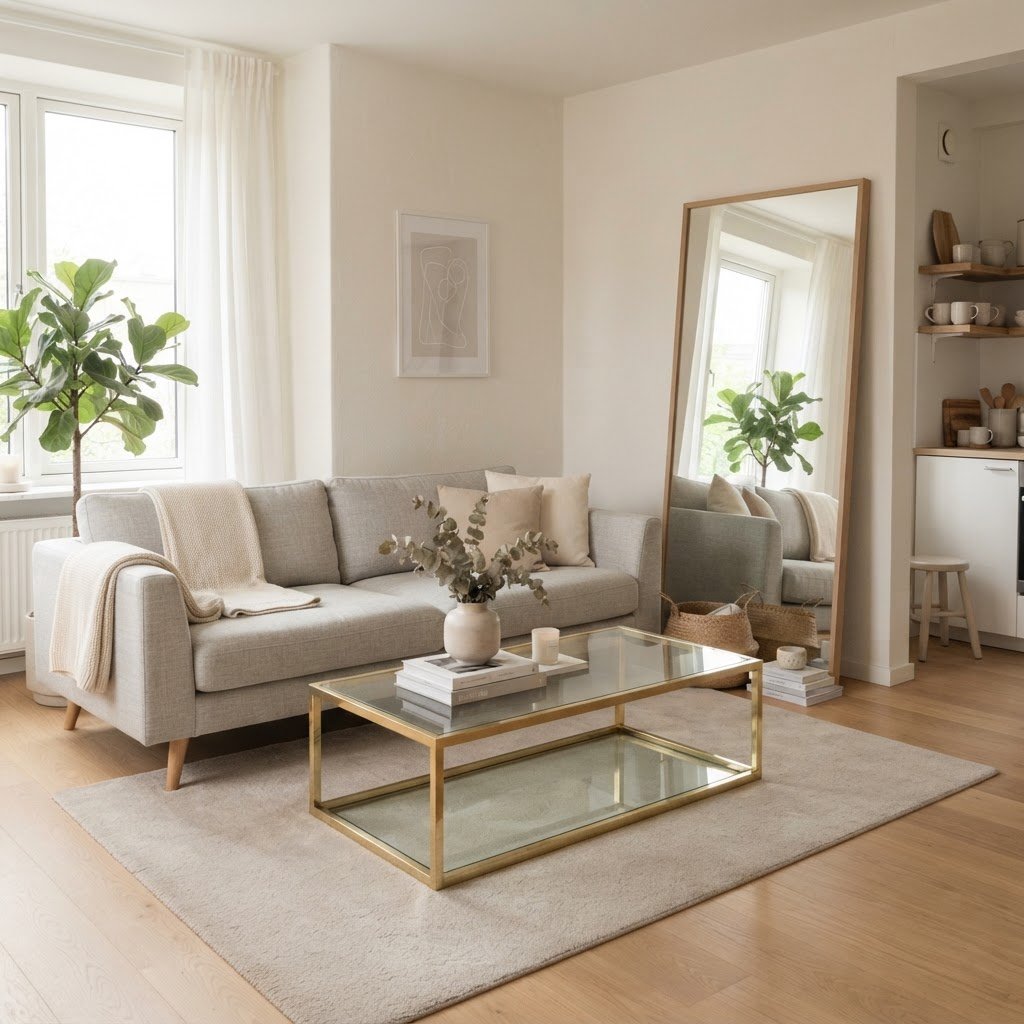
Living in a compact apartment or a cozy house often feels like a constant battle against clutter. Many homeowners search for genius tiny living room ideas because they crave comfort without feeling boxed in by their furniture. You do not need a sprawling square footage to enjoy a sophisticated, airy space. By utilizing smart design principles, optical illusions, and clever storage solutions, even the smallest rooms can feel expansive and inviting. Small living room design is about maximizing utility while maintaining a sense of openness and flow. In this guide, we explore how to elevate your home through intentional decor choices and spatial planning.
Rethinking Furniture for Maximum Impact
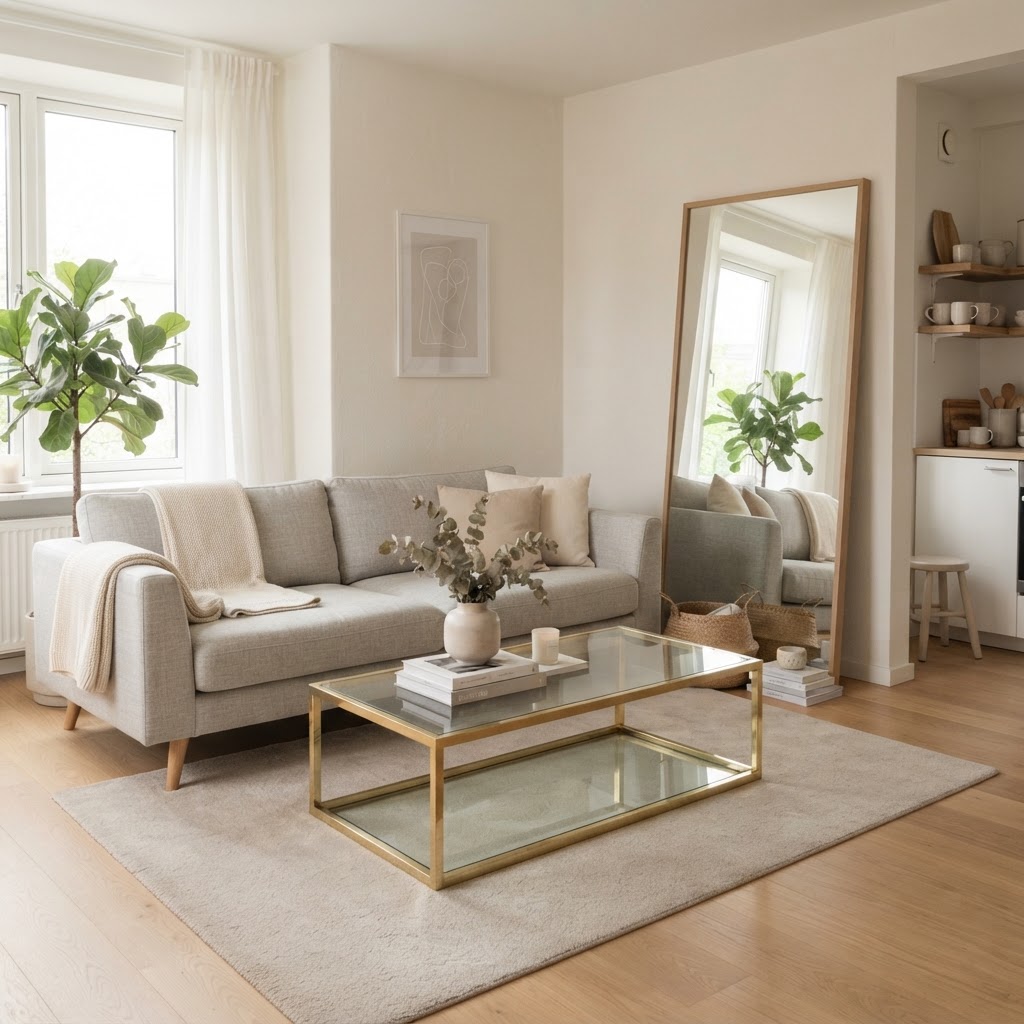
The biggest mistake people make in tight quarters is buying furniture that is far too bulky or oversized. When you are looking for tiny living room ideas, prioritize pieces that serve multiple purposes or offer a lighter aesthetic. A velvet sofa might be luxurious, but if it sits directly on the floor with no legs, it can look heavy and stagnant. Instead, choose furniture with raised, slender legs. This allows light to travel underneath the pieces, creating a visual sense of more floor space and making the room feel significantly larger.
The Power of Multipurpose Pieces
Versatility is the golden rule of small living room design. Look for coffee tables with hidden storage drawers or ottomans that double as extra seating when guests arrive. Modular sofas are also excellent choices because they can be rearranged to fit the specific constraints of your layout. Consider a nesting coffee table set that can be pulled apart when needed and tucked away during the day to clear traffic paths.
Harnessing Light and Reflection
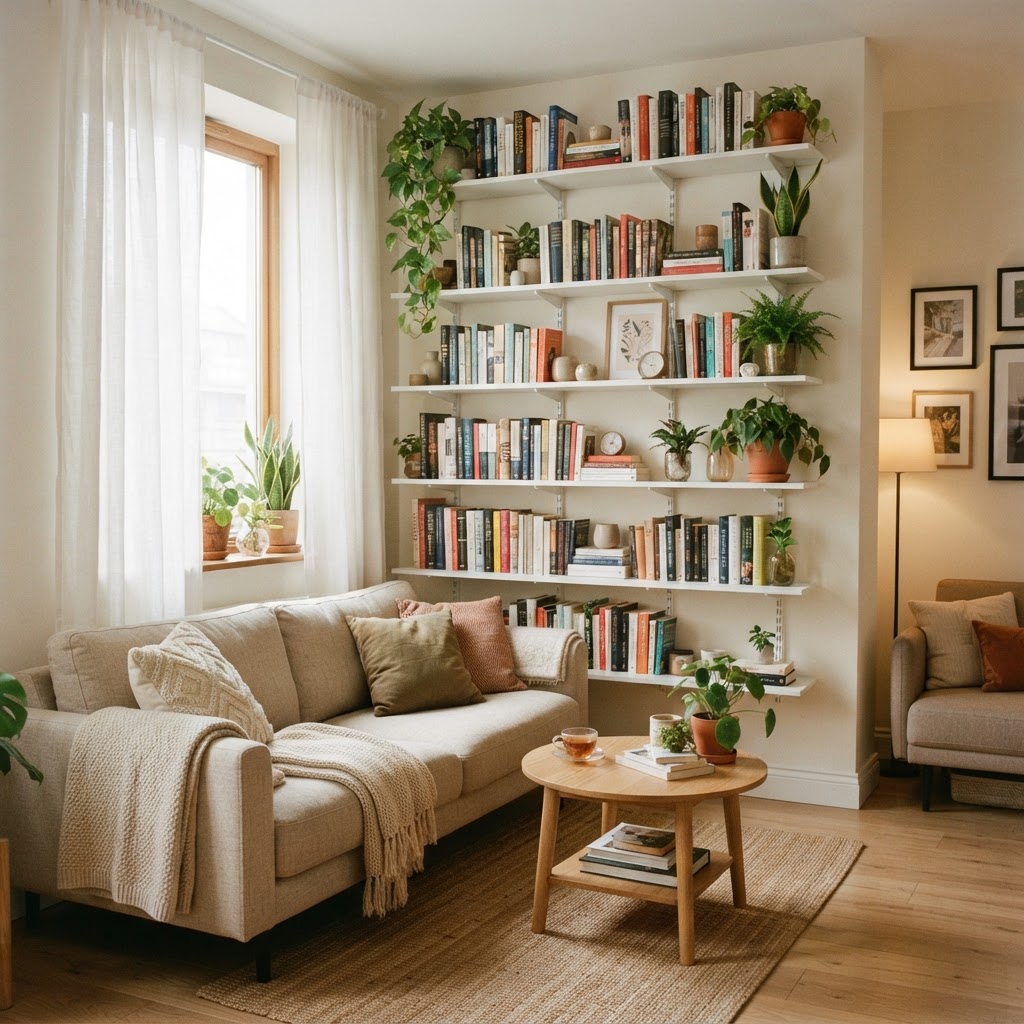
Natural light is the greatest asset in any room, but it is critical in a small space. Avoid heavy, dark curtains that block the sun. Instead, opt for sheer drapes or bamboo shades that filter light softly. If your living room lacks large windows, you must create the illusion of brightness through strategic mirror placement. A large, oversized mirror leaning against a main wall serves as a focal point while reflecting light and doubling the perceived depth of the room.
Why Mirrors Change the Game
When you place a mirror opposite a window, it captures the outdoor view and pulls it inside. This creates a secondary “window” effect. For an added touch, use metallic finishes on your lamp bases or side tables. These subtle reflective surfaces bounce light around the room, which prevents corners from feeling dark and gloomy. Keeping your walls a crisp, clean white is another classic trick, as it erases visual borders and makes the ceiling feel taller.
Creating Vertical Storage Solutions
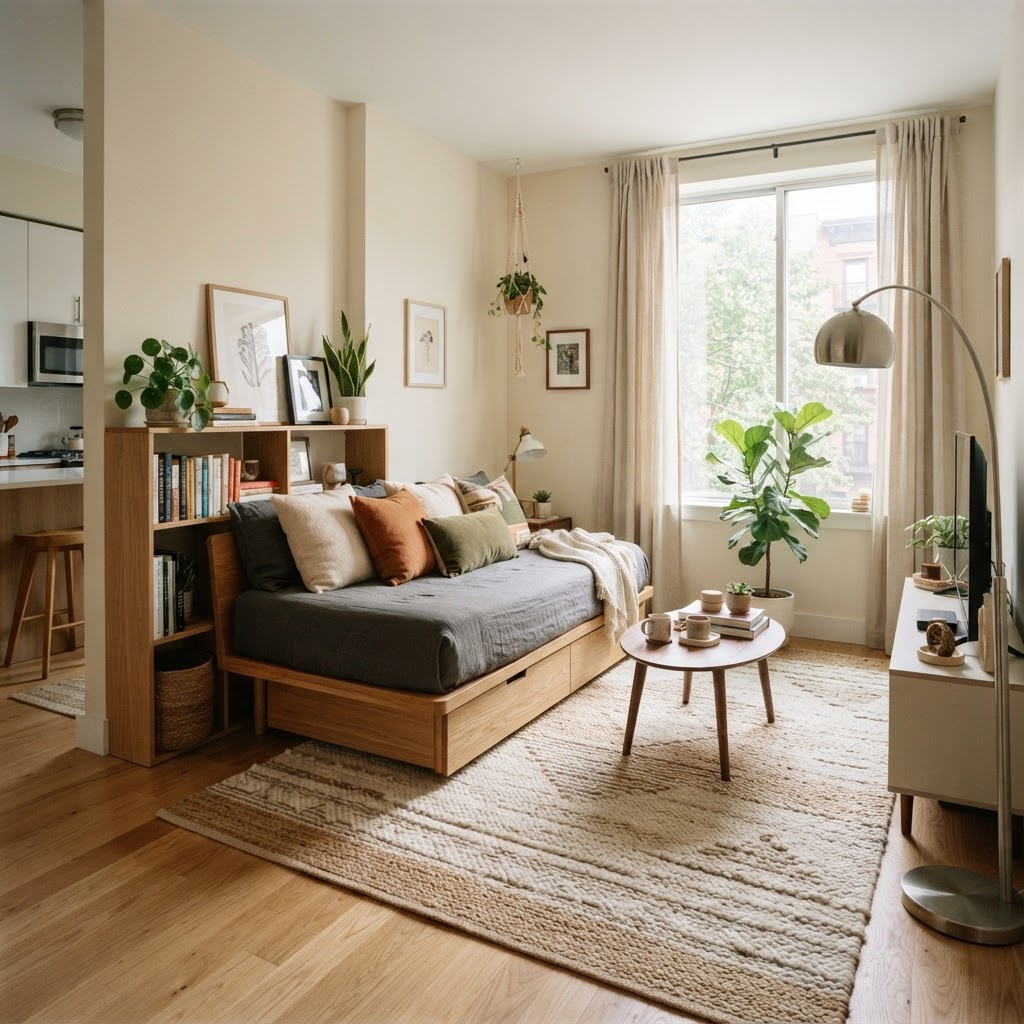
Floor space is often at a premium, so why ignore the walls? When you need to maximize small spaces, you have to start thinking vertically. Floating shelves are a genius way to display books, plants, and art without eating up valuable surface area on the floor. Install shelves high up, near the ceiling, to draw the eye upward and emphasize the height of your walls.
The Magic of Built-ins
If you have a wall that is essentially dead space, consider installing floor-to-ceiling built-in cabinets. By painting them the same color as the wall, they blend into the background rather than acting as visual clutter. This provides massive storage capacity, which allows you to clear off your tabletops and mantels. A clean, clear surface is essential for maintaining a sense of calm in a tiny living room.
Managing Clutter Through Minimalism
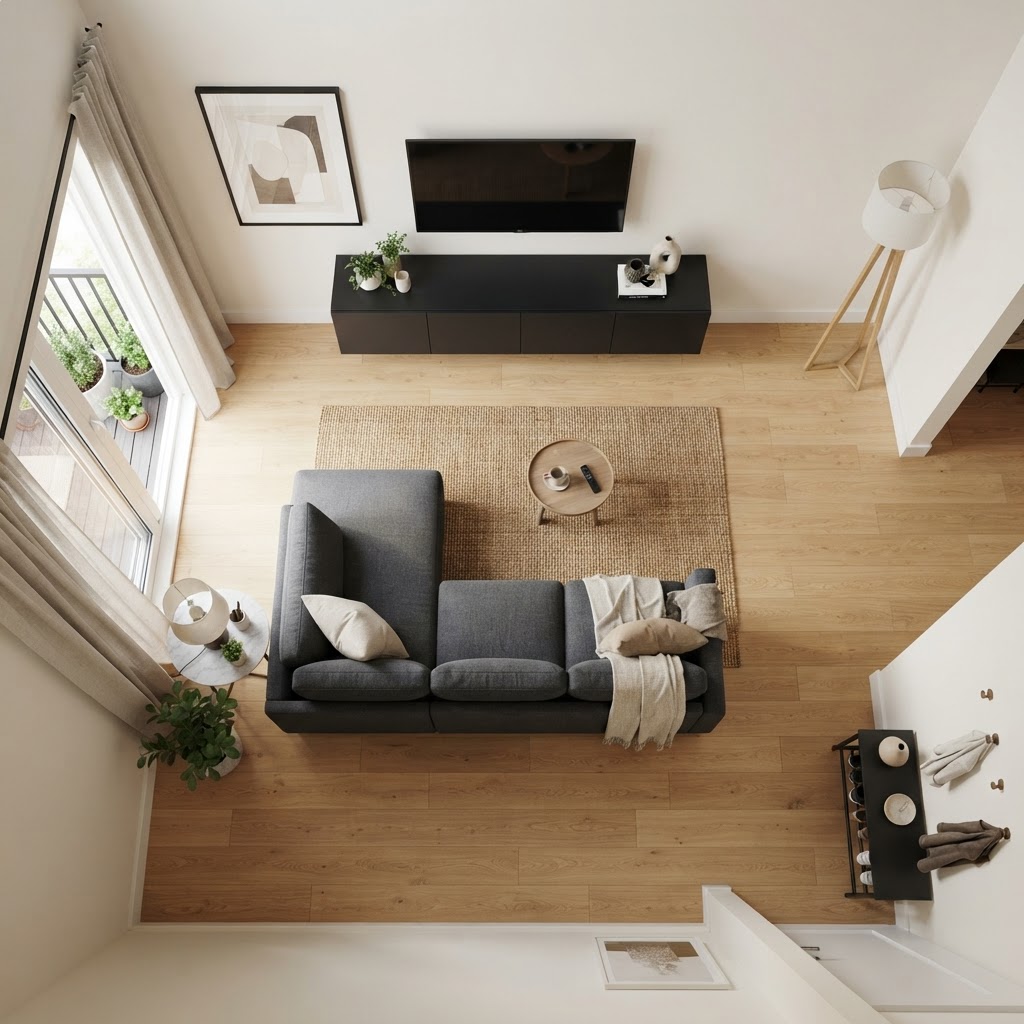
Clutter is the natural enemy of small space design. It creates visual noise that makes a room feel suffocating and chaotic. To master your tiny living room ideas, you must be ruthless about what you keep on display. Adopt a minimalist approach by curating your decor. Every object in the room should either be functional or hold significant sentimental value. Use “hidden” storage techniques, such as baskets tucked under the sofa or a console table with decorative bins, to keep your essentials out of sight.
Zoning Without Physical Barriers
Even in a tiny room, you might need to carve out a workspace or a reading nook. Instead of using bulky room dividers, use rugs to create “zones.” A well-placed area rug can define the living area, signaling to the eye that this is a separate space from the rest of the home. Choose a rug that is large enough to tuck under the front legs of your sofa. This tricks the brain into thinking the entire floor area is expansive and unified.
Using Scale to Your Advantage
Many people make the mistake of using only tiny furniture in a small room, but this actually makes the room look like a dollhouse. Instead, choose a few high-impact, appropriately scaled pieces. A large, dramatic piece of wall art can actually make a wall feel bigger by providing a single point of focus. Similarly, a large chandelier or pendant light can anchor the room and add a sense of luxury that tiny lamps simply cannot replicate.
Selecting the Right Palette
Color psychology plays a huge role in how we perceive space. While monochromatic schemes (shades of white, beige, or soft gray) are famous for opening up rooms, you don’t have to be afraid of color. If you want a bold look, try painting the walls and the trim the same color. This removes the contrast lines that typically define the edges of a room, creating a seamless, infinite feel. If you prefer texture over bold color, mix various materials like linen, jute, and velvet in neutral tones to add warmth and depth without adding “visual weight.”
Practical Checklist for Small Rooms
To help you get started on your journey, here is a quick summary of essential design choices:
- Use glass or acrylic furniture (ghost chairs) to remove visual clutter.
- Utilize corner shelving to fill empty dead zones.
- Incorporate sliding doors instead of swinging ones to save floor space.
- Mount your television on the wall to reclaim table surface area.
- Keep paths clear to ensure the room flows well.
- Use monochromatic rugs to keep the floor looking unified.
Conclusion
Mastering small living room design is truly an art form that balances aesthetics with extreme functionality. By incorporating these 15 genius tiny living room ideas, you can reclaim your space and create a home that feels like a personal retreat rather than a cramped box. Remember, the goal is not to fill every inch with “stuff” but to create a flow that allows you to breathe, relax, and enjoy your environment. Start with one or two changes—perhaps clearing the clutter or adding that oversized mirror—and watch how your room transforms. Ready to renovate your living area? Share your favorite small-space hack in the comments below and let us know which tip you plan to try first!

Leave a Reply