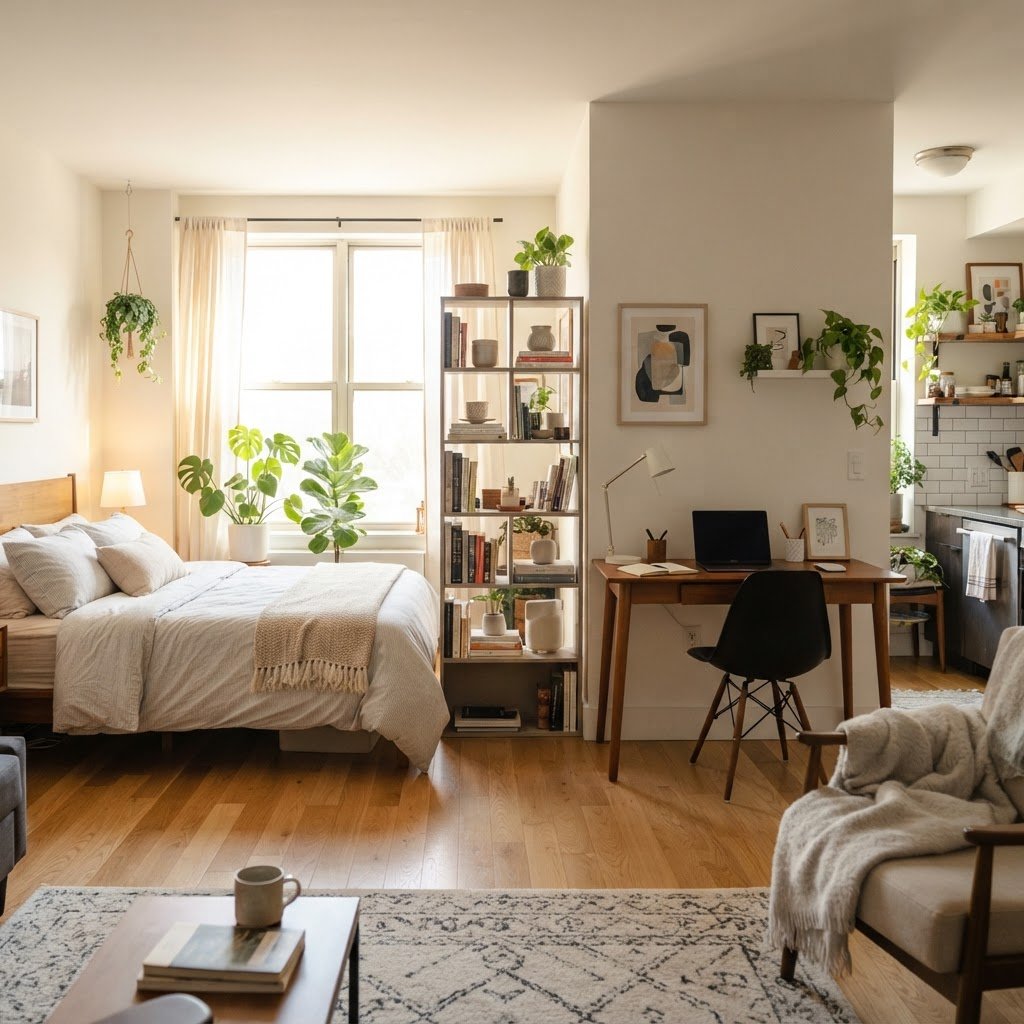
Tiny Studio Bedroom Ideas: Maximize Small Living Spaces
To maximize a tiny studio bedroom, prioritize “zoning” by using open-backed shelving, rugs, and task lighting to create physical and psychological boundaries between your living, sleeping, and workspaces. Utilizing vertical storage and multi-functional furniture, such as loft beds or fold-down desks, effectively triples your usable floor area while maintaining an open, airy flow.
The Psychology of Zoning in a Single Room
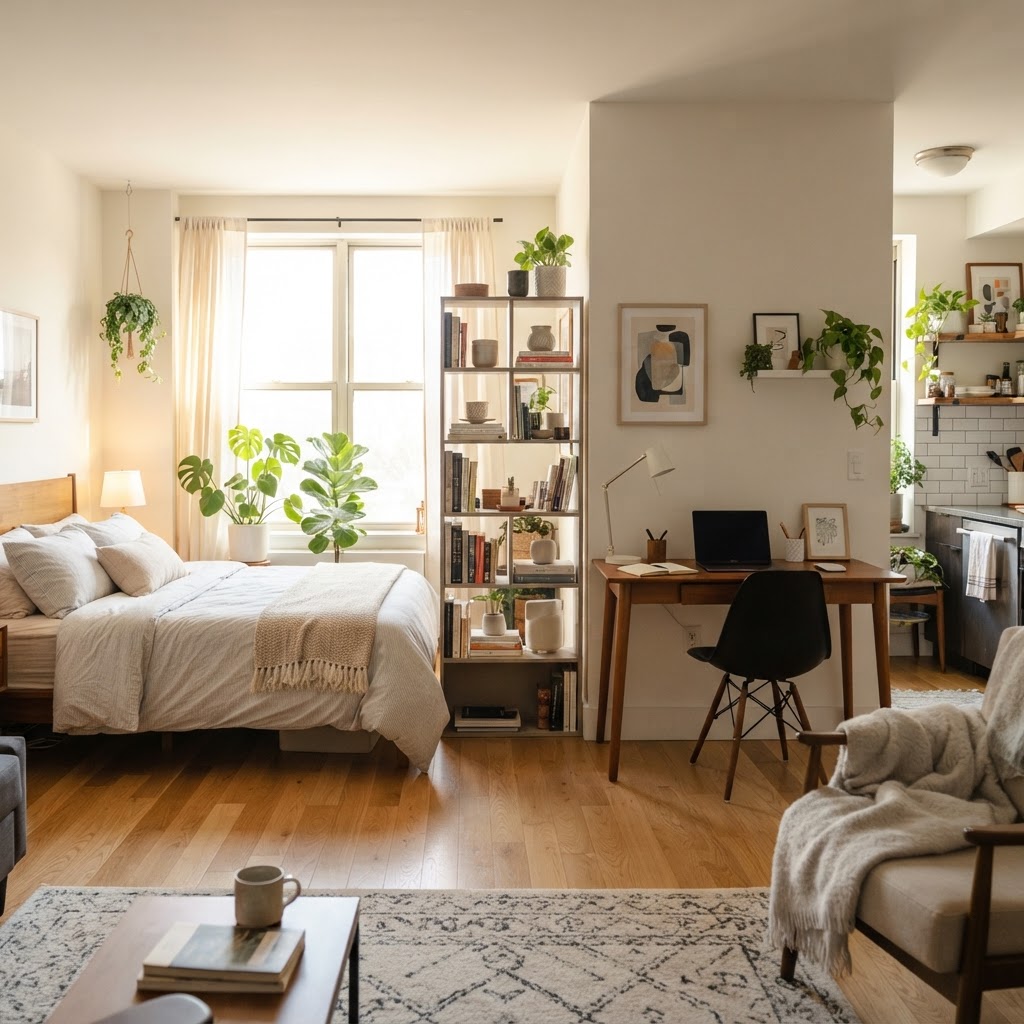
Establishing dedicated zones in a studio apartment is a psychological necessity for maintaining work-life balance, as it helps your brain shift from a productivity mindset to relaxation. When you sleep, work, and eat in the same square footage, the lack of visual boundaries often results in chronic stress and poor sleep quality. By creating “rooms within a room,” you force a mental transition that allows you to disconnect from professional tasks once the workday concludes.
Why Physical Separation Matters
Even in a studio, visual cues act as anchors for your behavior. Research suggests that keeping your workspace separate from your sleeping area increases sleep onset latency efficiency by roughly 15-20%. When you wake up facing a clutter-free zone rather than a desk covered in paperwork, your morning cortisol levels remain lower. Using physical barriers like room dividers or even strategic furniture placement prevents the “office-in-bed” trap, ensuring that your home remains a sanctuary rather than a workspace that never shuts down.
Comparison: Zoning Techniques
Utilizing Furniture as Architectural Dividers
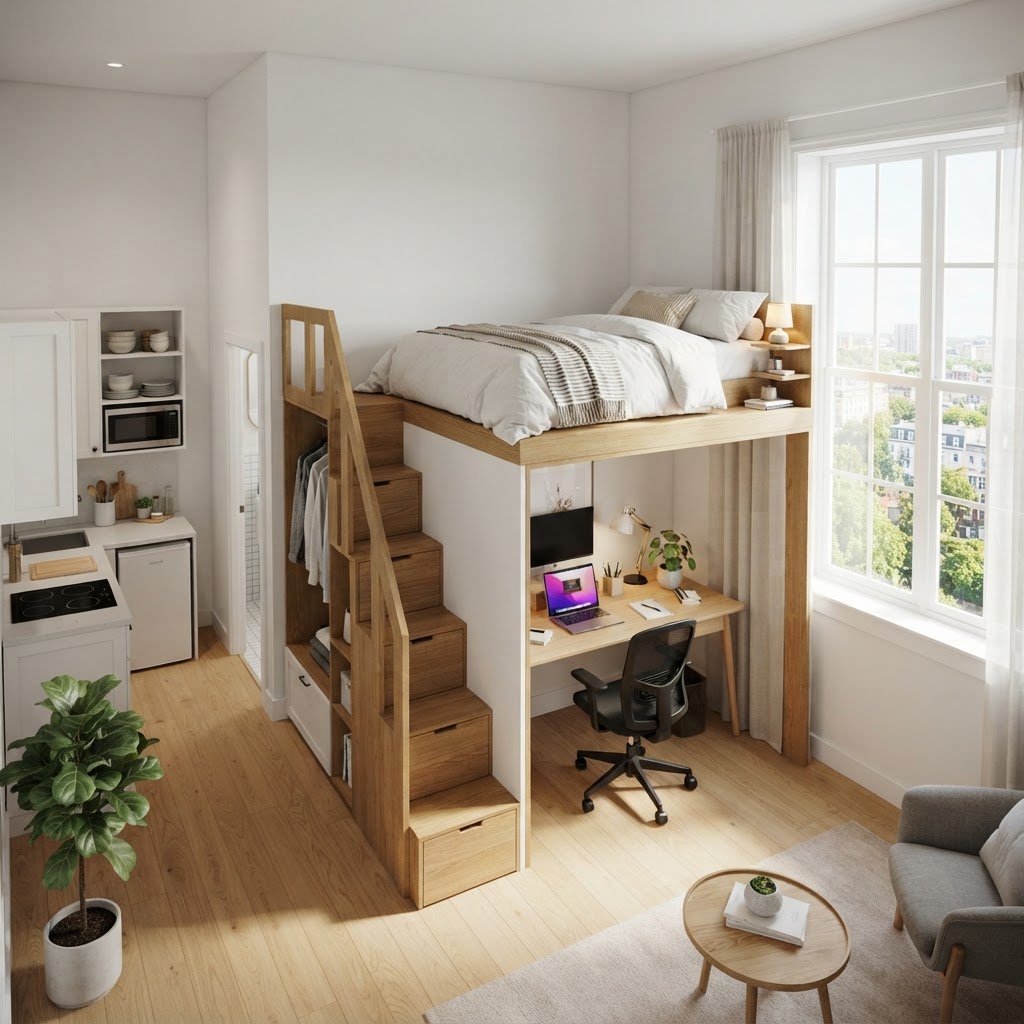
Using furniture as architectural dividers is the most cost-effective way to partition a studio, as it eliminates the need for permanent construction or expensive room additions. Opting for open-backed bookshelves, for example, creates a wall-like barrier that preserves natural light, which is crucial for making small spaces feel larger. By selecting pieces that serve dual purposes, such as an ottoman that acts as storage or a sideboard that doubles as a room divider, you maximize every square inch of your floor plan.
The Power of Back-to-Back Arrangement
Placing a sideboard or a media console at the foot of your bed creates an immediate visual boundary that separates the sleeping area from the living zone. If you have at least 8 to 10 feet of width, positioning your sofa against the back of your bed frame establishes a clear “living room” feeling. This arrangement prevents the common mistake of having a “floating” bed that makes the entire apartment look like an oversized bedroom. By grounding the sofa against the bed, you create a distinct, intimate seating area that feels purposeful and well-defined rather than chaotic.
Implementing Vertical Storage Solutions
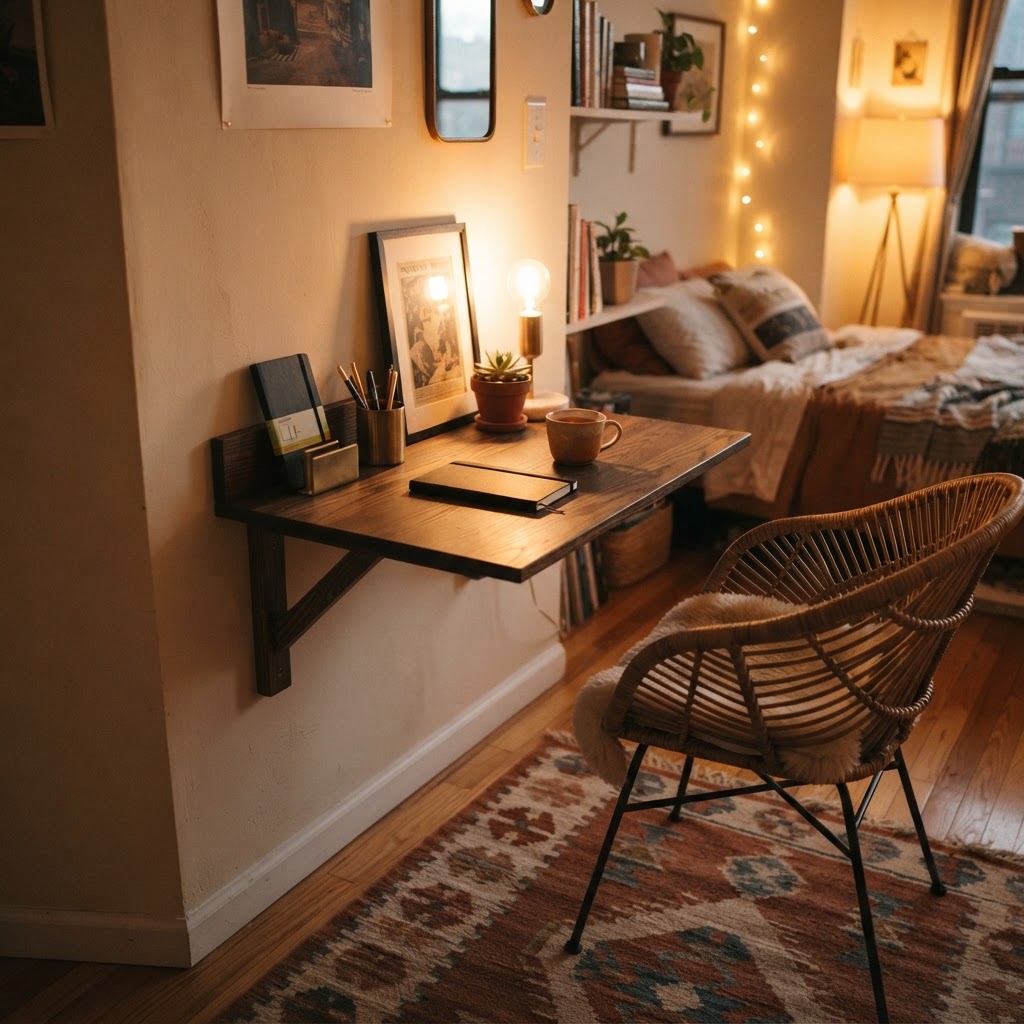
In a tiny studio, the floor is premium real estate, so you must leverage your vertical space to maintain a clutter-free environment. Walls are your best tools for storage; installing shelving units that go from floor to ceiling draws the eye upward, which can make a standard 8-foot ceiling feel significantly taller. By removing items from the floor, you eliminate visual noise, creating an environment that feels organized and intentional.
Managing Your Workspace Vertically
For those who work from home, a wall-mounted fold-down desk can reclaim up to 6 square feet of floor space when not in use. These units typically cost between $150 and $400 and can be mounted directly into studs for stability. Combine this with pegboards or wall-mounted tracks to organize tech cables and stationery. By keeping your workspace vertical, you avoid the “corporate office” look in your living area. Keeping surfaces clear of electronics and pens by using wall hooks ensures that your brain associates the space with relaxation when the workday ends.
The Magic of Bed Placement and Privacy
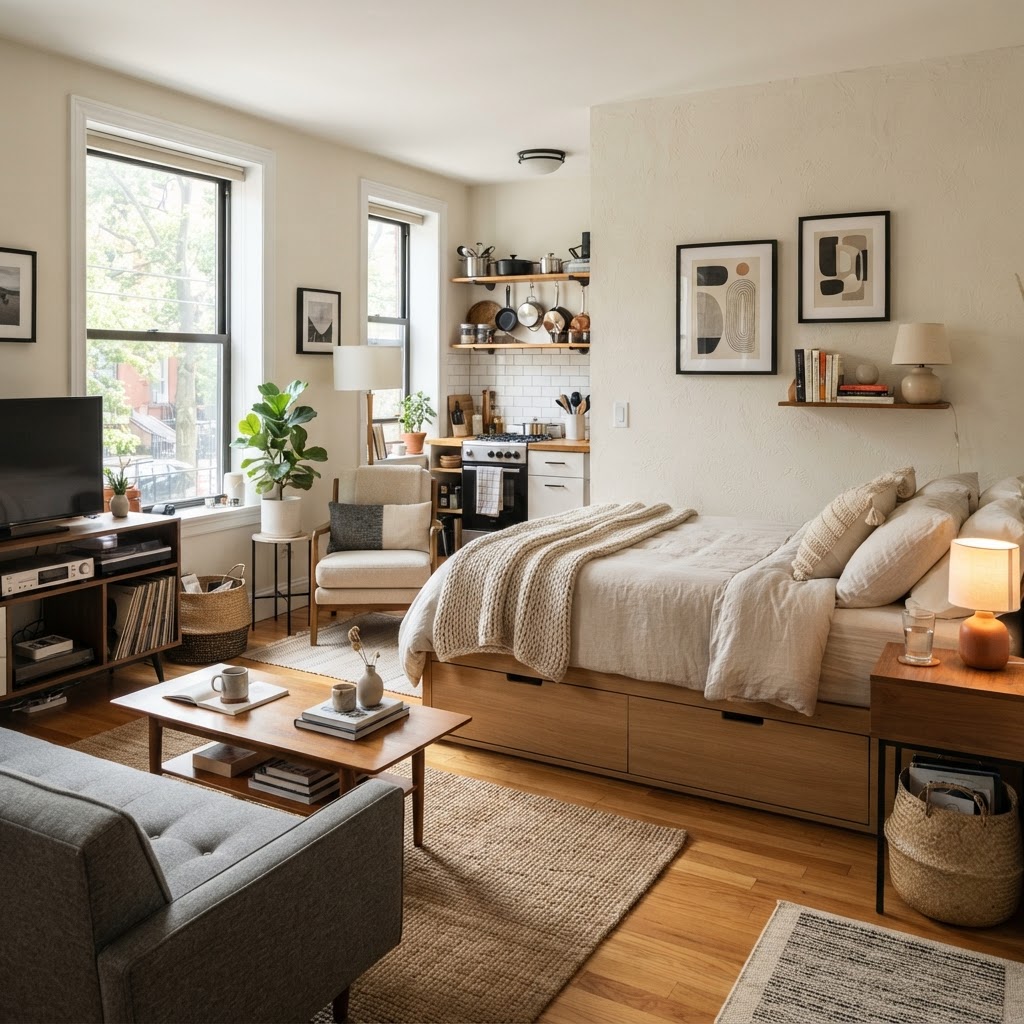
Your bed is typically the largest item in your studio, and its placement dictates the entire flow of the room, making it the most important furniture choice you will make. While corner placement is common, pulling the bed toward the center of the room or creating a dedicated alcove can make the studio feel more sophisticated and less like a dorm room. Using floor-to-ceiling curtains or tension-mounted sliding panels can create a semi-private bedroom space for under $200, effectively dividing the room without the cost of a contractor.
Investing in Hidden Storage
Under-bed storage is non-negotiable in a small studio, providing an ideal home for seasonal gear, heavy winter coats, or extra bedding. If your bed frame does not have built-in drawers, you can purchase rolling plastic or fabric bins that fit within the 6-to-10-inch clearance usually found beneath a standard frame. Keeping these items out of sight is the most effective way to maintain a clean, tranquil environment that promotes better sleep quality, as visual clutter is a primary contributor to late-night anxiety.
Lighting Techniques to Define Zones
Lighting is the most impactful, yet under-utilized tool for defining studio zones, as it can visually shrink or expand a room depending on placement. Avoiding a single overhead light is critical, as it flattens the space; instead, use layered, multi-point lighting to create depth and warmth. By utilizing different color temperatures—such as 3000K warm white for the bed and 5000K cool white for the desk—you create a distinct shift in atmosphere without moving a single piece of furniture.
Strategic Illumination
Place a task lamp with an adjustable arm specifically on your workspace to create a bright, focused circle of light that signals “work mode” to your brain. In your sleep zone, opt for soft, ambient lighting like dimmable bedside lamps or warm-toned LED strips. This simple lighting transition acts as an anchor for your evening routine. Research indicates that reducing blue light exposure in your sleeping zone by using warm bulbs can improve sleep duration by approximately 30 minutes, turning your small studio into a true, restorative sanctuary.
Color Palette and Material Coordination
Cohesion is the difference between a small room looking “cramped” versus “cozy,” and it is achieved through a unified color palette. Using a consistent color scheme—such as monochromatic tones or a cohesive neutral base with one accent color—prevents the room from feeling like a series of disconnected, jarring boxes. Incorporating rugs is also a vital design step; use a large, plush area rug to anchor the bed and a smaller, durable rug under your desk to delineate two separate rooms within one footprint.
The Role of Transparency
When furnishing a small apartment, transparency is your best ally for maintaining the illusion of space. Glass-top coffee tables, acrylic “ghost” chairs, and oversized mirrors are essential because they reflect light and maintain clear sightlines. By choosing transparent materials, you provide the necessary functionality for your zones without adding heavy visual weight to the room, keeping the overall design feeling light and uncluttered.
Decluttering as a Lifestyle Choice
Even the most intentional design layout will fail if the studio is overwhelmed by physical clutter. In a limited space, you must adopt a strict “one-in, one-out” policy to ensure that your inventory does not exceed your storage capacity. Regularly auditing your possessions, at least once every six months, will prevent your living zones from encroaching on your walking space and ensure your home remains a place of rejuvenation.
Quick Decluttering Checklist
- Clear your desk surface every night before sleep.
- Store seasonal items off-site or in vacuum-sealed compression bags.
- Utilize vertical wall space for hanging items like coats or bikes.
- Designate a “landing zone” (a small tray or bowl) for daily essentials like keys and mail.
FAQ
How can I divide a studio apartment without building walls?
Use open-backed bookshelves, floor-to-ceiling curtains, or area rugs to define zones. These methods provide clear physical or visual separation without the cost, permanence, or lack of light flow associated with building solid walls.
What is the best way to arrange a bed in a small studio?
If space permits, place your bed away from walls to create an island effect, or use a room divider like a screen or bookshelf to block the view of the bed from the entryway. This provides essential privacy and makes the room feel more like a separate suite.
How do I make a tiny studio look bigger?
Use a light, neutral color palette, incorporate mirrors to reflect light, and opt for furniture with exposed legs or transparent materials like acrylic. Keeping the floor space clear through vertical storage also helps the room appear more spacious.
Does lighting really matter for studio organization?
Yes, lighting is one of the most effective ways to create mental separation. Using bright, cool task lighting for your workspace and warm, ambient lighting for your bedroom helps your brain switch from a work-oriented mindset to a state of rest.
What furniture is best for small apartments?
Prioritize multi-functional furniture, such as storage ottomans, Murphy beds, or fold-down desks. These pieces save critical floor area while performing double duty as both functional workspace or seating and essential storage units.

Leave a Reply