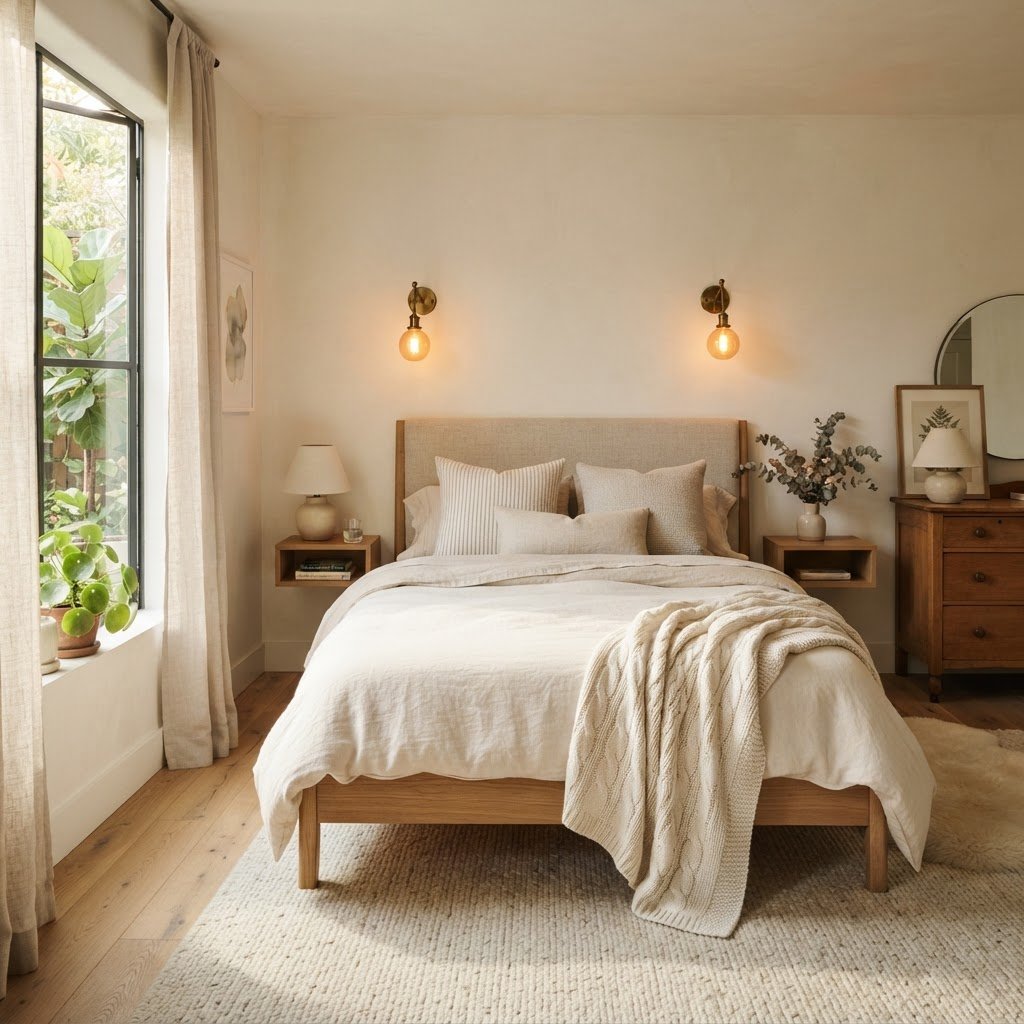
Cozy white small bedroom ideas rely on a layered ‘warm white’ palette, textured textiles, and strategic lighting to make confined spaces feel expansive and serene. By mixing finishes like matte walls with high-pile rugs and using mirror placement to reflect natural light, you can visually double the perception of space in rooms under 100 square feet.
The Power of the White Palette
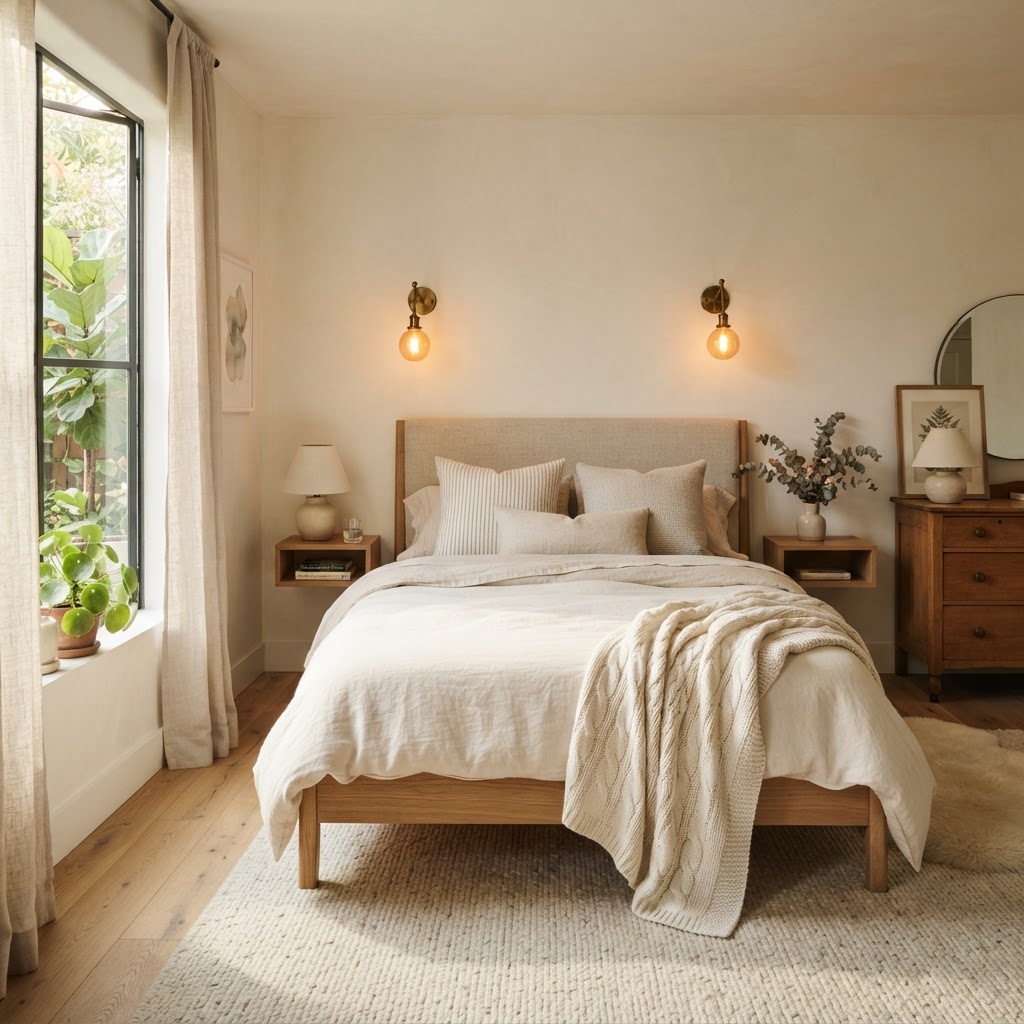
White serves as a versatile neutral foundation that blurs architectural boundaries, making small bedrooms feel significantly larger. To avoid a clinical aesthetic, designers must master the ‘white-on-white’ approach by mixing varied undertones. Utilize ivory, cream, and bright white to create depth rather than a flat, monochromatic look. A simple rule is to ensure your walls are the lightest shade, while textiles and furniture introduce subtle variations in warmth.
Mixing finishes is the most effective way to prevent a white room from falling flat. Think of a matte chalk-painted wall paired with a satin finish trim and a shaggy faux-fur rug. The variation in how light hits these different surfaces creates natural shadows and visual interest. By maintaining a neutral palette, you allow the architecture and the soft decor elements to speak for themselves, resulting in a room that feels both sophisticated and inherently cozy. Research indicates that using a satin finish on trim against flat wall paint can increase perceived depth by up to 15% in low-light rooms.
Mastering Soft Bedroom Lighting
Lighting is the heartbeat of a cozy bedroom, as improper fixtures can make a small room feel boxed in or harsh. For rooms under 120 square feet, prioritize multi-layered lighting schemes to eliminate dark corners. Aim for a total of at least 800-1000 lumens distributed across three distinct levels to ensure the space feels both functional and ambient.
Layering Your Light Sources
For a truly warm ambiance, you should aim for at least three levels of lighting:
- Ambient Lighting: This is your primary source, such as a dimmable flush-mount fixture or warm-toned recessed LEDs that mimic soft natural light.
- Task Lighting: Wall-mounted sconces on either side of the bed are perfect for saving nightstand space while providing focused light for reading.
- Accent Lighting: Consider installing LED light strips behind your headboard or inside closet shelves to create a gentle, diffused glow that makes the room feel ethereal.
Choosing the Right Bulb Temperature
Always opt for ‘warm white’ bulbs, typically in the 2700K to 3000K range. Avoid cool or blue-toned daylight bulbs at all costs, as they will wash out your neutral tones and make the room feel like an office rather than a sanctuary. The right Kelvin temperature ensures that your whites look buttery and soft, even after the sun goes down. Studies on circadian rhythms suggest 2700K lighting promotes melatonin production, making it superior for bedroom sleep quality.
Textures as a Design Tool
When you remove color from the equation, texture becomes your primary design language for creating an inviting atmosphere. In a neutral space, the tactile experience compensates for the lack of visual stimulation, making the room feel cozy rather than cold. Focus on high-pile and organic materials that offer visual weight to balance the lightness of white paint.
The Importance of Soft Textiles
Start with the bed, as it is the largest piece of furniture in the room. A white linen duvet cover provides a relaxed, lived-in texture that is both breathable and stylish. Layering a secondary blanket, like a cable-knit throw at the foot of the bed, adds visual weight and comfort. When you walk into the room, these layers should signal that the space is intended for relaxation and rest. Mixing materials like cotton, linen, and wool creates a sensory experience that defines a ‘cozy’ retreat.
Curating Your Materials
Beyond bedding, consider the floor and window treatments. A thick, high-pile rug in a cream tone anchors the room, while sheer floor-to-ceiling curtains allow natural light to diffuse beautifully into the space. The goal is to choose items that feel soft against the skin, reinforcing the sense of calm that neutral design is famous for.
Smart Storage Solutions
Clutter is the primary enemy of a calm bedroom, so prioritizing hidden storage is essential for maintaining a clean aesthetic. In a small space, you must maximize every cubic foot by utilizing vertical surfaces and furniture that serves dual purposes. Keeping surfaces clear of non-essential items creates a psychological sense of spaciousness.
Utilizing Vertical Space
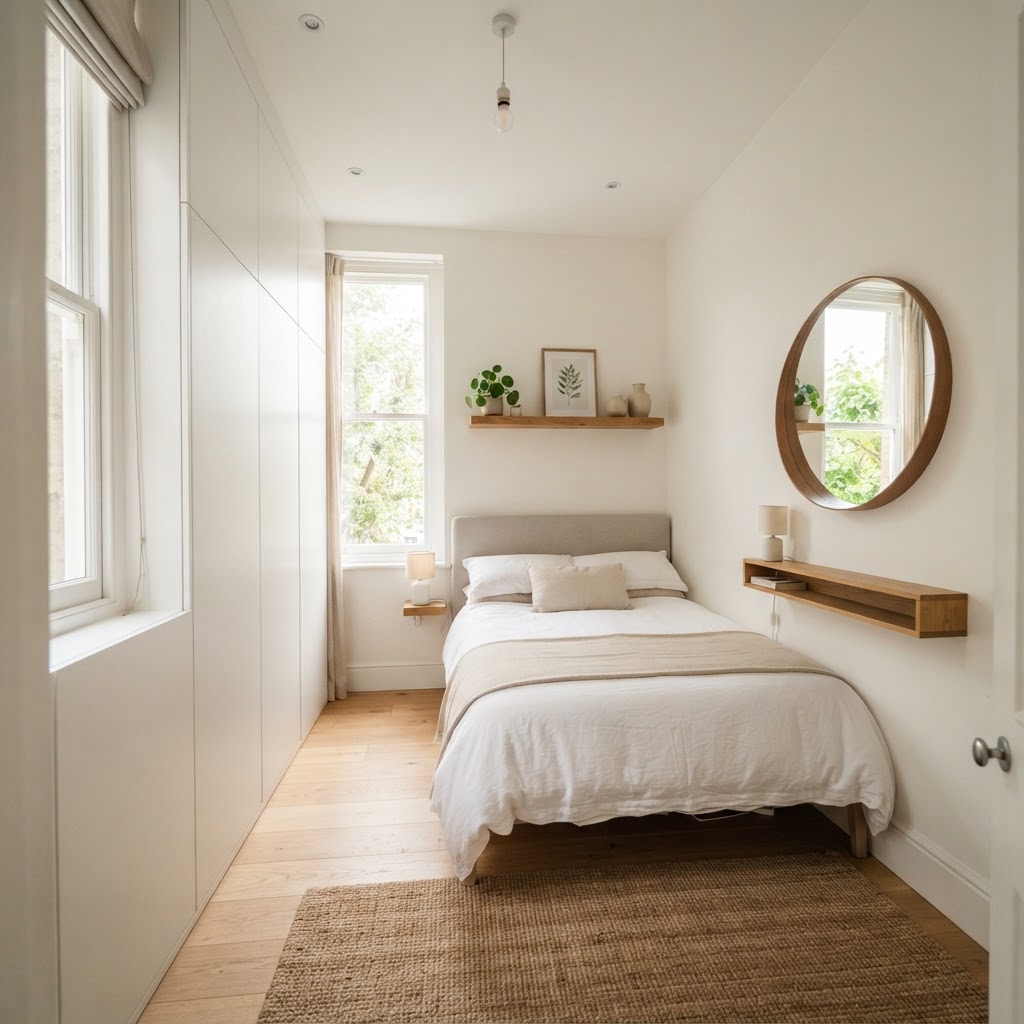
When your floor space is limited, look up. Floating shelves painted the same color as the walls can store books or small decor items without adding visual bulk. Consider installing floor-to-ceiling wardrobes or built-in cabinetry that blend into the wall, offering a seamless look that maximizes every square inch of your home. This technique can increase usable storage capacity by up to 40% compared to traditional standalone dressers.
The Bed as a Storage Hub
Your bed frame is often the most underutilized piece of furniture. Choosing a bed with built-in drawers underneath is a game-changer for small rooms. If a new bed isn’t in the budget, storage baskets placed under a standard frame can serve the same purpose while keeping the aesthetic clean and organized. Aim for storage containers that match the bed skirt color to ensure they remain visually invisible.
Minimalist Decorating Philosophy
Minimalism is the intentional curation of space, ensuring that only items that serve a purpose or provide joy are displayed. In a small, neutral room, each piece of decor must justify its footprint. A single piece of large-scale art is significantly more effective than a gallery wall, which can easily make a 10×10 foot room feel cluttered or disorganized.
Selecting Impactful Accents
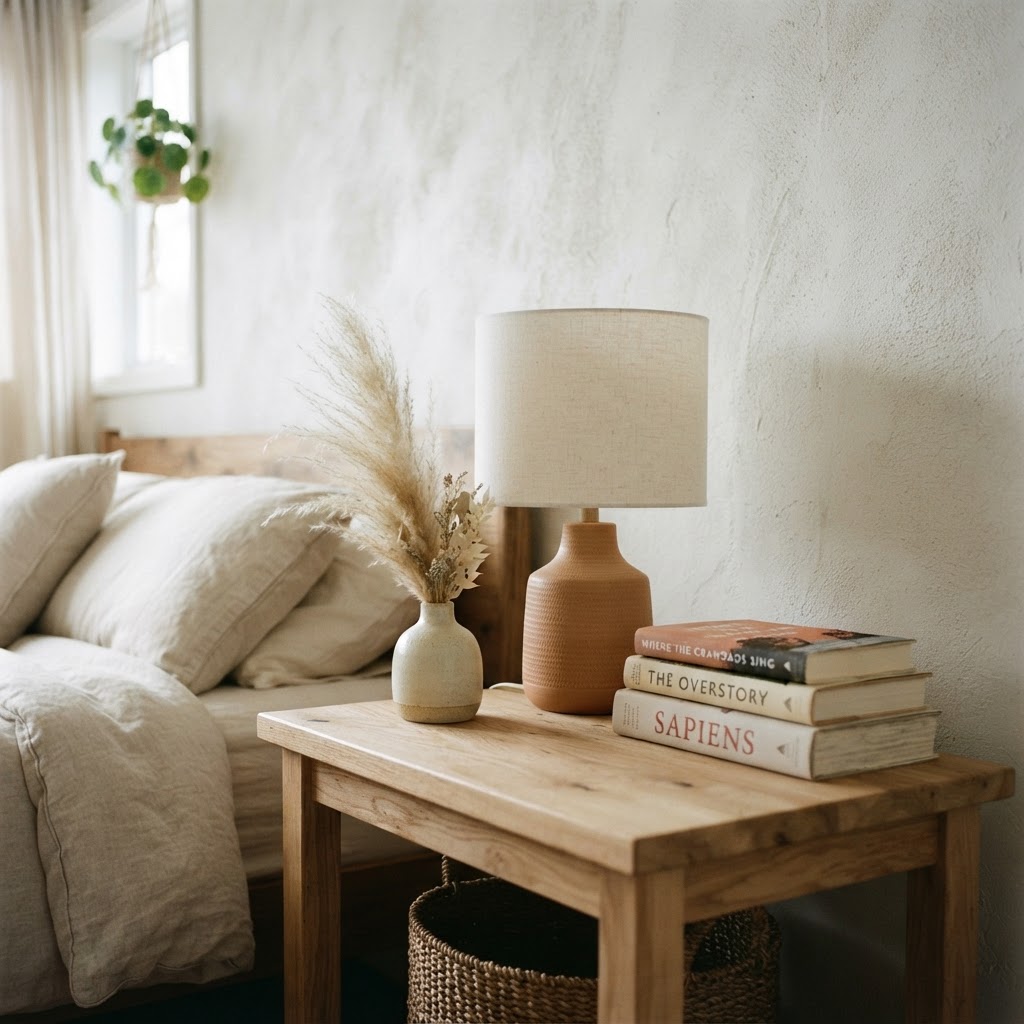
Choose neutral-toned decor with interesting shapes or organic materials. A rattan basket, a wooden stool, or a vase with dried pampas grass can add earthiness to a white room without introducing jarring colors. Keeping your decor choices intentional ensures that the bedroom remains a place for mental clarity and relaxation rather than a repository for trinkets. When choosing accents, follow the 80/20 rule: 80% should be functional, and 20% should be purely aesthetic.
Enhancing Natural Light
Even if your room lacks expansive windows, you can drastically amplify natural light using interior design hacks. Mirrors are the most efficient tool for this, as they bounce light into darker zones of the bedroom. Placing a large mirror opposite a window increases the amount of available light by roughly 30-50% during daylight hours, making the room feel noticeably larger.
Window Treatments Matter
Heavy, dark drapes will immediately make a small bedroom feel smaller by visually cutting off the walls. Stick to light, airy fabrics like linen or cotton voile. These materials allow for privacy while still letting in enough light to maintain that ‘white and bright’ aesthetic. If you need blackout capabilities, look for white roller shades that can be hidden behind your sheer curtains during the day. This provides the best of both worlds: daylight diffusion and complete darkness for sleep.
Bringing Nature Indoors
Adding greenery is the perfect final touch for a white and neutral bedroom. The vibrant green of a plant provides a natural contrast that complements a white palette without breaking the serene mood. Plants also improve air quality and add a sense of life to the space. Ensure you choose plants based on the specific light levels of your room.
- Snake plants: Excellent for air purification and thrive in low light (needs water every 2-3 weeks).
- Pothos: Cascading leaves add soft, natural texture to floating shelves (grows well in indirect light).
- Fiddle Leaf Fig: A great statement piece if you have a corner with bright, indirect light (requires steady humidity).
Choosing pots in ceramic, stone, or woven baskets will keep the natural aesthetic consistent and cozy. Always prioritize pots with drainage holes to protect your bedroom flooring.
FAQ
Q: How do I keep a white room from looking cold?
A: Combat coolness by layering varying white undertones and incorporating warm textures. Use creamy whites, ivory, and off-white linens, then add soft materials like chunky wool or velvet to introduce physical warmth to the space.
Q: What is the best light bulb color for a cozy bedroom?
A: Always choose ‘warm white’ bulbs in the 2700K to 3000K range. These temperatures replicate soft light and prevent the blue-toned harshness that makes a room feel clinical or like an office environment.
Q: Can I use mirrors in a small bedroom?
A: Yes, mirrors are essential for small spaces. Place a large mirror opposite a window to bounce natural light around the room, which visually doubles the space and makes the area feel twice as large.
Q: How can I hide clutter in a tiny bedroom?
A: Use vertical storage like floor-to-ceiling shelves and under-bed storage bins to keep the floor clear. Utilizing furniture with hidden compartments is the best way to maintain a minimalist look while keeping essentials accessible.
Q: Which indoor plants are best for low-light bedrooms?
A: Snake plants and Pothos are ideal for low-light conditions. They require minimal maintenance, improve air quality, and provide a pop of vibrant green that breaks up an all-white design without disrupting the room’s calm aesthetic.

Leave a Reply