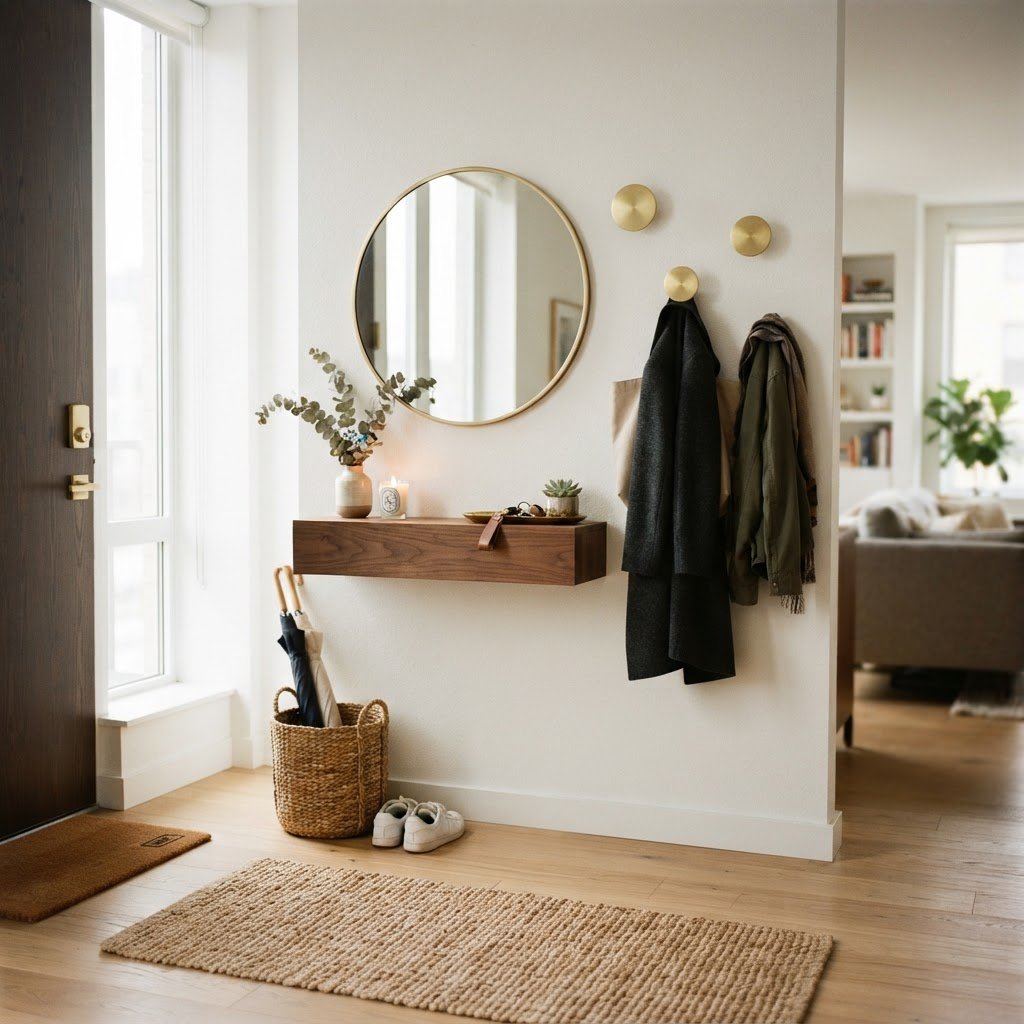
6 Ways to Create an Entryway With Zero Floor Space
You can create a functional entryway with zero floor space by utilizing vertical wall zones, floating furniture, and over-the-door storage systems. By shifting your organizational focus from the ground to walls, doors, and eye-level surfaces, you can establish a dedicated drop zone that keeps your essentials tidy without sacrificing square footage.
The Power of Vertical Wall Hooks
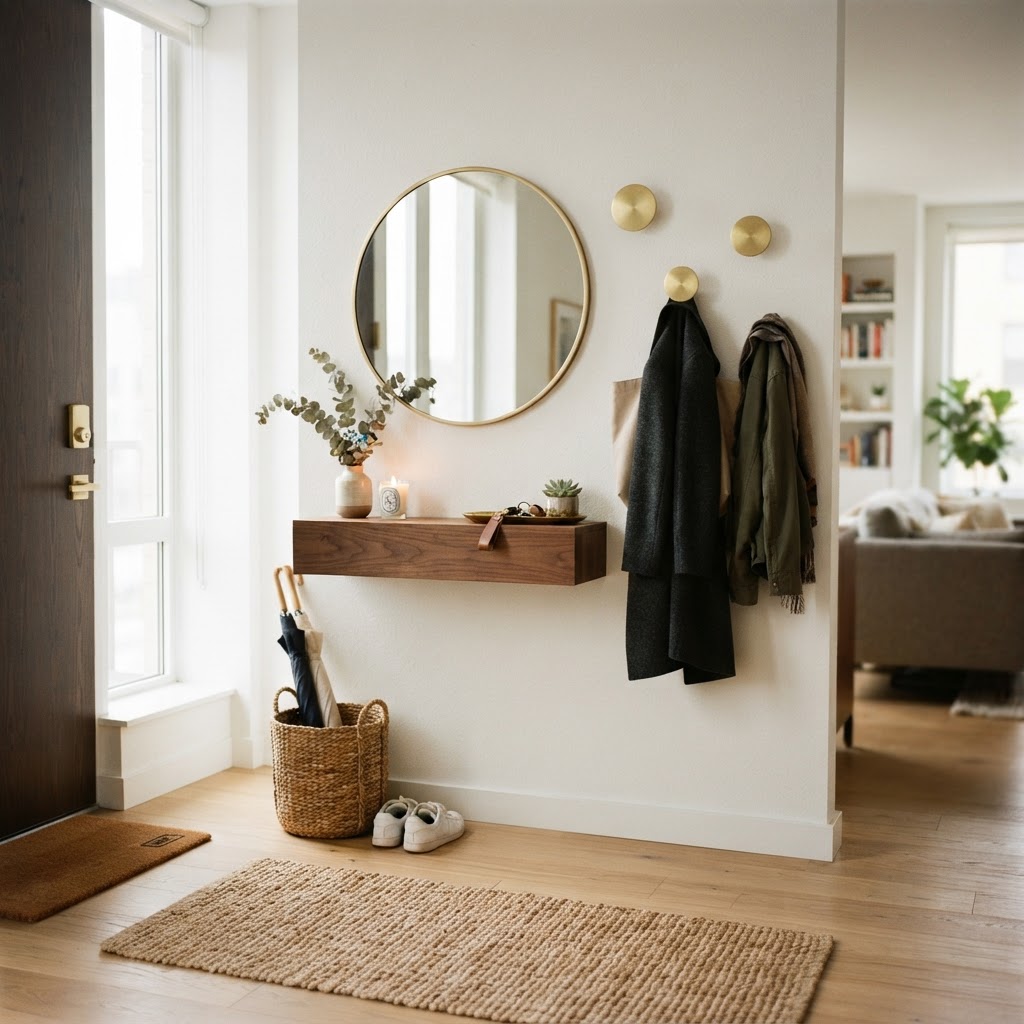
When you lack the physical space for a console table or a bulky coat rack, your walls become your most valuable asset. Wall hooks are the quintessential solution for those trying to create an entryway with zero floor space because they occupy depth rather than square footage. Rather than opting for a standard row of hooks, consider installing them at varying heights to create a dynamic visual display that acts as both storage and art. A standard wall hook only projects 2 to 3 inches from a wall, making it 90% more space-efficient than a traditional freestanding coat stand, which typically requires a 15-inch diameter footprint.
Maximizing Your Hook Placement
To make this work, divide your vertical space into zones. The higher hooks, ideally placed at 60 to 65 inches from the floor, can house seasonal items or backpacks, while lower hooks at 36 to 42 inches are perfect for keys, umbrellas, and dog leashes. If you have a particularly tight corner, vertical wall-mounted strips can hold heavy winter coats securely without creating the bulk of a traditional standing unit. Using a tiered arrangement allows you to categorize items by weight and frequency of use, ensuring your “drop zone” remains organized during high-traffic morning periods.
Installing Floating Console Shelves
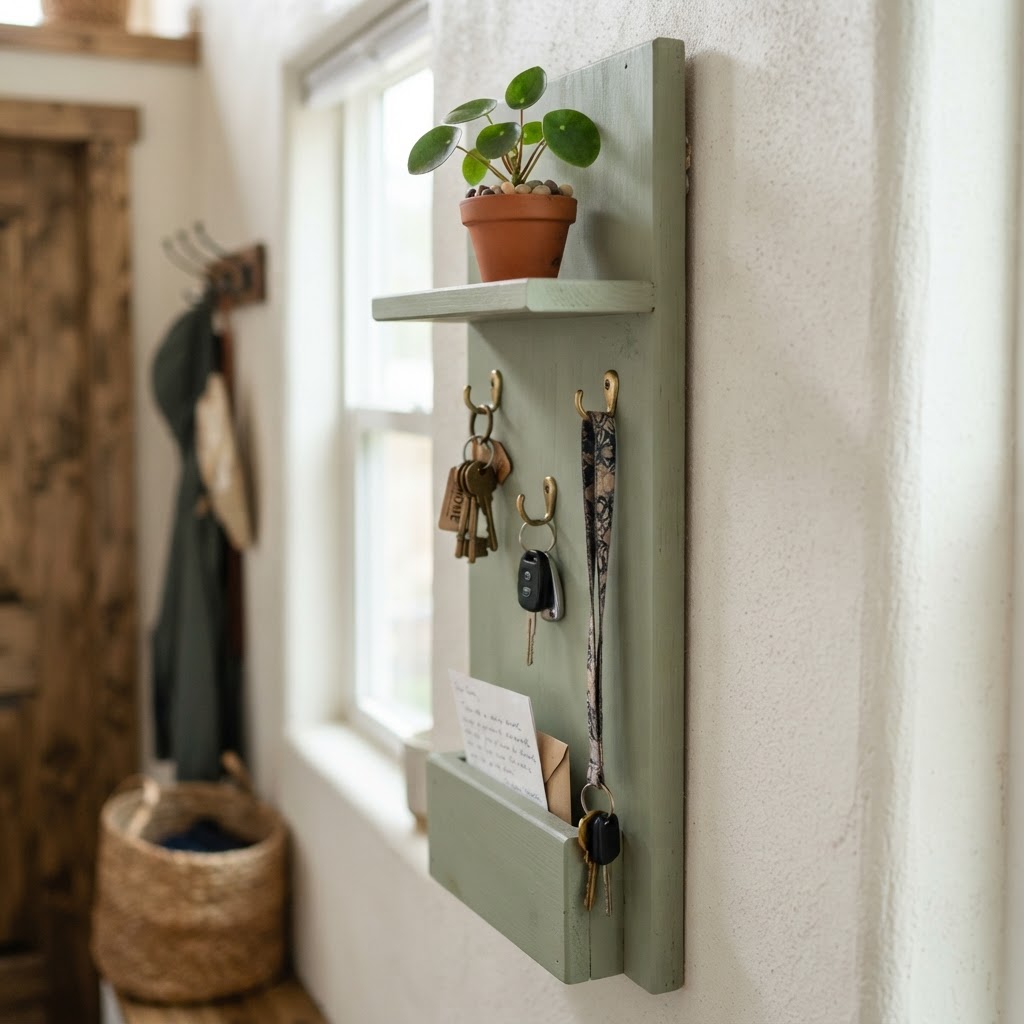
Floor-mounted tables take up precious traffic paths, but floating console shelves are an architectural miracle for tight quarters. By mounting a narrow shelf at waist height, typically 30 to 34 inches from the floor, you instantly provide a “landing strip” for your mail, wallet, and sunglasses. Because there are no legs involved, the visual weight of the furniture is minimized, keeping your small room feeling open and airy. Floating shelves also increase the perceived value of an apartment by showcasing architectural hardware and clean lines.
Choosing the Right Depth
Look for shelving units that are between 8 and 10 inches deep. This is wide enough to hold a standard 6-inch tray for your keys and a small plant, but shallow enough that you won’t bump into it when moving through the entrance. A floating shelf with a built-in drawer can add hidden storage for items you don’t want on display, keeping your home looking curated rather than cluttered.
Using Over-the-Door Storage Solutions
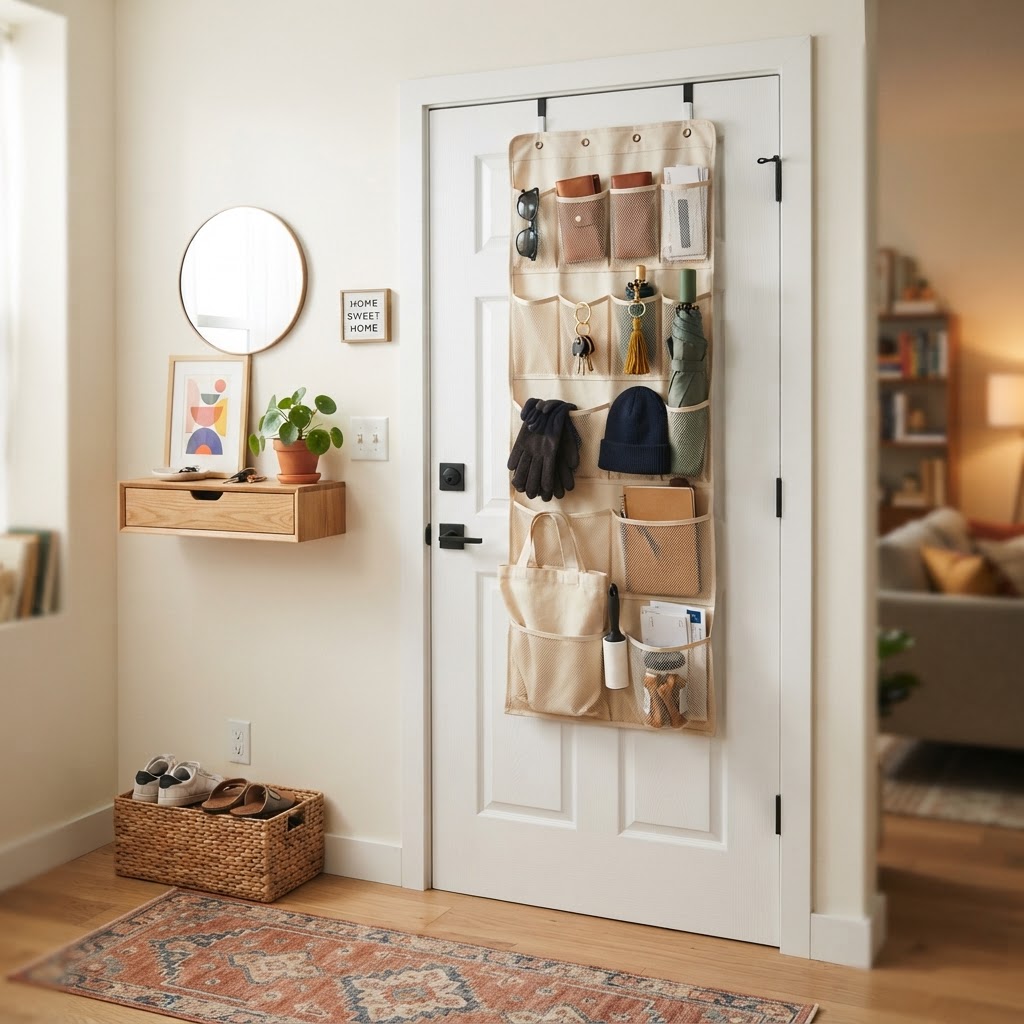
If you have a front door that opens inward, you have an entire vertical plane of untapped potential. Over-the-door organizers are often overlooked, yet they are one of the most effective ways to create an entryway with zero floor space. These systems allow you to hang shoe racks, accessory bags, or coat hooks directly onto the door itself. Over-the-door units typically support up to 20 pounds of weight, allowing you to hang heavy winter jackets without concern for wall integrity.
Entryways almost always need a mirror for that final look-in-the-eye check before leaving, so why not make that mirror perform double duty? A wall-mounted medicine cabinet or a custom shadow box with a mirrored door acts as a sleek entryway storage solution. By placing it at eye level—generally 57 to 60 inches from the floor—you create a focal point that reflects light and makes the room appear larger. A mirror can effectively double the perceived depth of a narrow entryway, creating a psychological sense of more space.
The Benefits of Hidden Storage
Inside these mirrored cabinets, you can install tiny shelves for your daily essentials. This keeps your space looking minimalist while providing a secret stash for lip balm, hand sanitizer, and spare keys. It is the perfect marriage of form and function for a space-challenged home. Using hidden storage behind a mirror maintains a clean visual field, which is essential in small urban studios where cluttered surfaces can increase perceived stress levels.
Incorporating Magnetic Backsplashes or Boards
If you want to keep your entryway looking ultra-modern and minimalist, consider using magnetic surfaces. A magnetic board or a painted magnetic backsplash on the wall next to your door can hold your keys, shopping lists, and reminders using decorative magnets. This eliminates the need for bulky bins or bowls that occupy tabletop space. You can purchase magnetic paint for under $30, allowing you to transform an entire section of wall into a functional bulletin board without requiring hardware or mounting brackets.
Why Magnetism Matters in Small Spaces
Magnets provide a flat, non-intrusive way to manage the small items that usually contribute to clutter. By assigning a specific magnetic spot for your keys, you save yourself the stress of morning searches. This strategy proves that you don’t need a formal entryway to have a highly organized and efficient home flow. For the best results, use high-strength neodymium magnets which are small enough to be unobtrusive but powerful enough to hold several sets of keys securely.
Defining the Zone With Visual Cues
Even if you don’t have physical space, you can create a psychological boundary to define your “entryway.” Using a different color of paint to frame the wall section where your coats hang or adding a piece of circular wall art above your hooks creates a visual anchor. This tricks the eye into perceiving a distinct zone, which makes the lack of floor space feel intentional rather than accidental. Visual zoning is a common technique used in interior design to delineate areas in open-concept floor plans.
Lighting as a Marker
Consider adding a battery-operated wall sconce above your floating shelf or hook zone. Good lighting distinguishes the entry area from the rest of the living room, signaling to guests that this is where they should drop their belongings. It adds a sophisticated layer to your decor while serving a practical purpose for finding items in low light. Studies suggest that dedicated task lighting in entry zones can reduce the time taken to locate daily essentials by up to 15%.
FAQ
How can I create an entryway if I have no room?
You can create an entryway by utilizing vertical space on walls and the backs of doors. By installing floating shelves, wall hooks at various heights, and over-the-door organizers, you create a dedicated drop zone without using any floor space.
What is the best height for wall hooks?
Wall hooks should be placed between 36 and 42 inches for keys and small bags, and 60 to 65 inches for coats and backpacks. This tiered approach allows you to organize items by height for better accessibility.
Are floating shelves sturdy enough for heavy items?
Floating shelves are highly durable if installed correctly using wall anchors or mounted directly into wall studs. They are designed to hold lightweight everyday items like mail, wallets, and keys, typically supporting 10 to 20 pounds depending on the mounting hardware.
How can I make a small entryway look bigger?
Use a large mirror or a mirrored cabinet to reflect light and create the illusion of extra space. Keeping the floor clear of items and using vertical storage instead of furniture with legs will also help the area feel airy and open.
Can renters use these entryway storage tips?
Yes, renters can use command-strip wall hooks, over-the-door storage systems, and magnetic strips that require no drilling. These options are fully removable, making them perfect for temporary or leased living spaces.

Leave a Reply