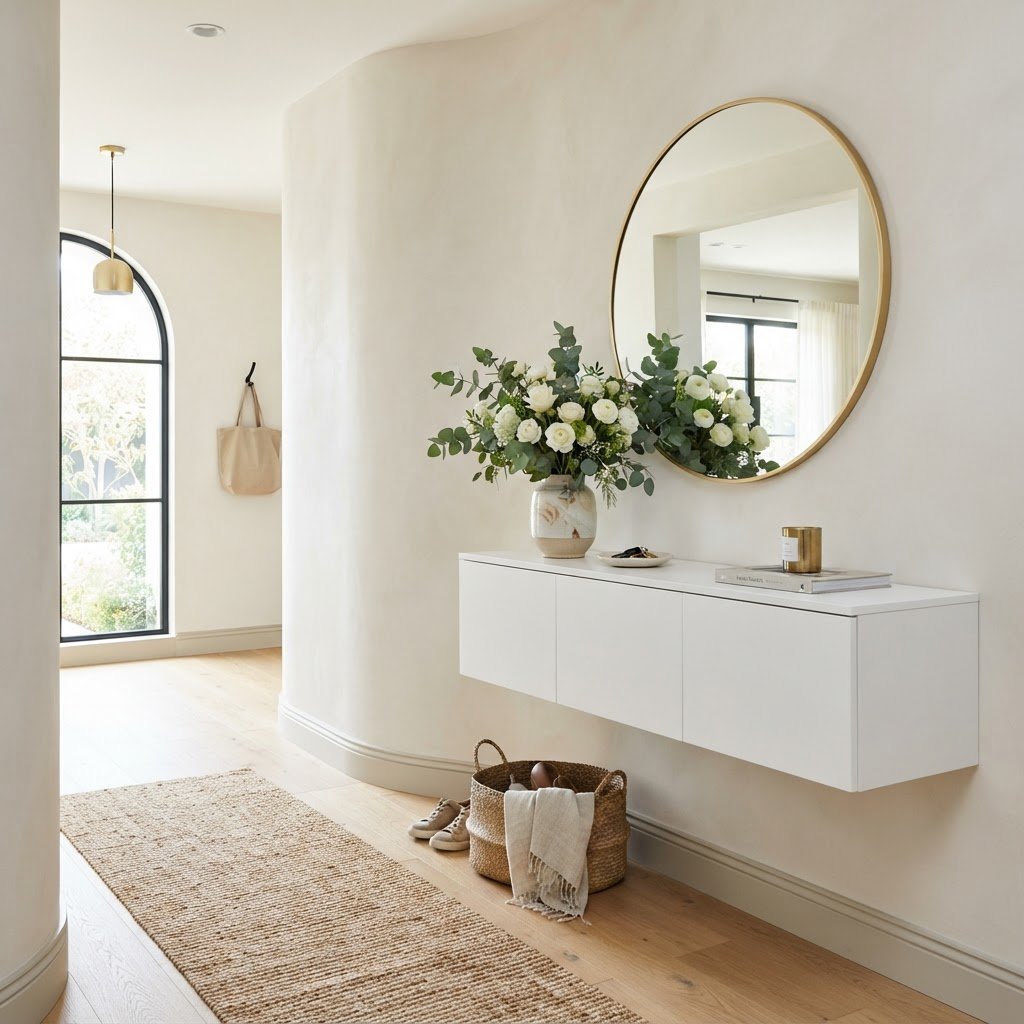
Elegant Small Foyer Ideas for Awkward or Odd-Shaped Walls
To transform an awkward or odd-shaped small foyer, prioritize vertical storage, wall-mounted floating furniture, and layered lighting to maximize floor space. By utilizing wall-integrated pegs, custom-cut consoles, and oversized mirrors, you create a functional, airy transition zone that turns architectural limitations into deliberate, stylish design features.
The Philosophy of Small Space Design
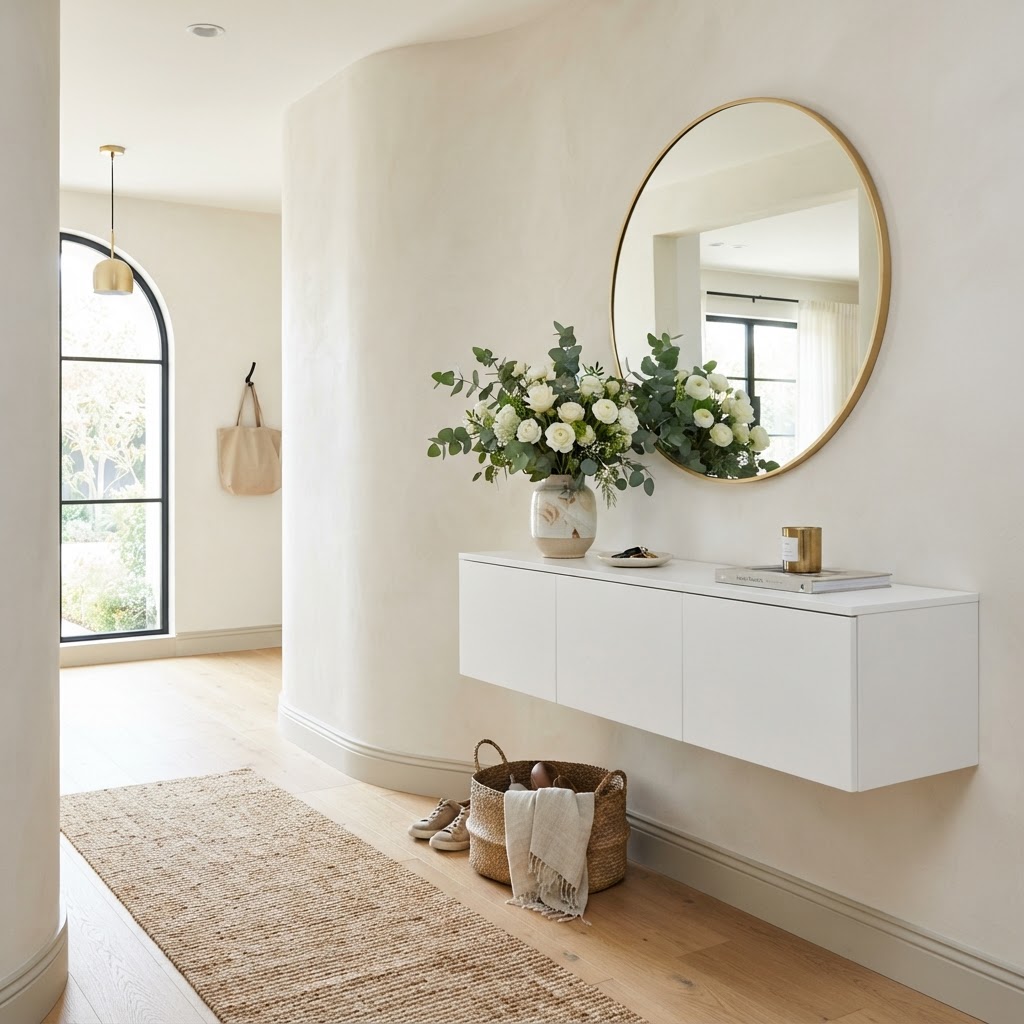
Designing for limited or non-traditional footprints requires a shift in perspective, focusing on high-functioning furniture and maximizing vertical wall utilization. Instead of viewing a jagged wall or narrow hallway as a limitation, treat it as a blank canvas where custom solutions can hide architectural flaws while providing utility. The goal is to create a seamless transition between the outdoors and your living area by prioritizing flow and organization without crowding the floor.
By selecting pieces that serve double duty—such as a storage bench that hides clutter or a mirror that doubles as a light reflector—you transform a cramped zone into a functional greeting space. The secret is to maintain at least 30 inches of clearance for traffic flow to ensure the entryway remains practical for daily use.
Maximizing Odd-Shaped Corners
When floor space is at a premium, corner-specific furniture is your best strategy to reclaim usable inches in an awkward entryway. Many entryways suffer from strange jogs in the wall or corners too narrow for standard tables; however, a floating corner shelf or a custom-cut wedge table provides an essential landing spot for keys and mail without blocking foot traffic.
Why Custom Floating Furniture Wins
Floating furniture removes the visual bulk of table legs, creating an illusion of more open floor space by keeping the floor visible. For an odd-shaped wall, a custom-built floating console can be cut to the exact millimetric contours of your home’s architecture, ensuring a perfect fit that store-bought items cannot achieve. This clearance makes a narrow room feel significantly wider and more airy, preventing that “stuffed” look common in entryways under 20 square feet.
Tips for Selecting Corner Pieces
When selecting items for your corner, consider the “triangle rule”: use a tall mirror to draw the eye upward (providing height), a small shelf for essentials (providing function), and a low basket (providing storage). This three-tiered approach ensures that your vertical space is fully utilized without feeling cluttered. Avoid pieces exceeding 12 inches in depth, as narrow entryways rarely accommodate larger footprints.
Lighting Strategies for Tight Entrances
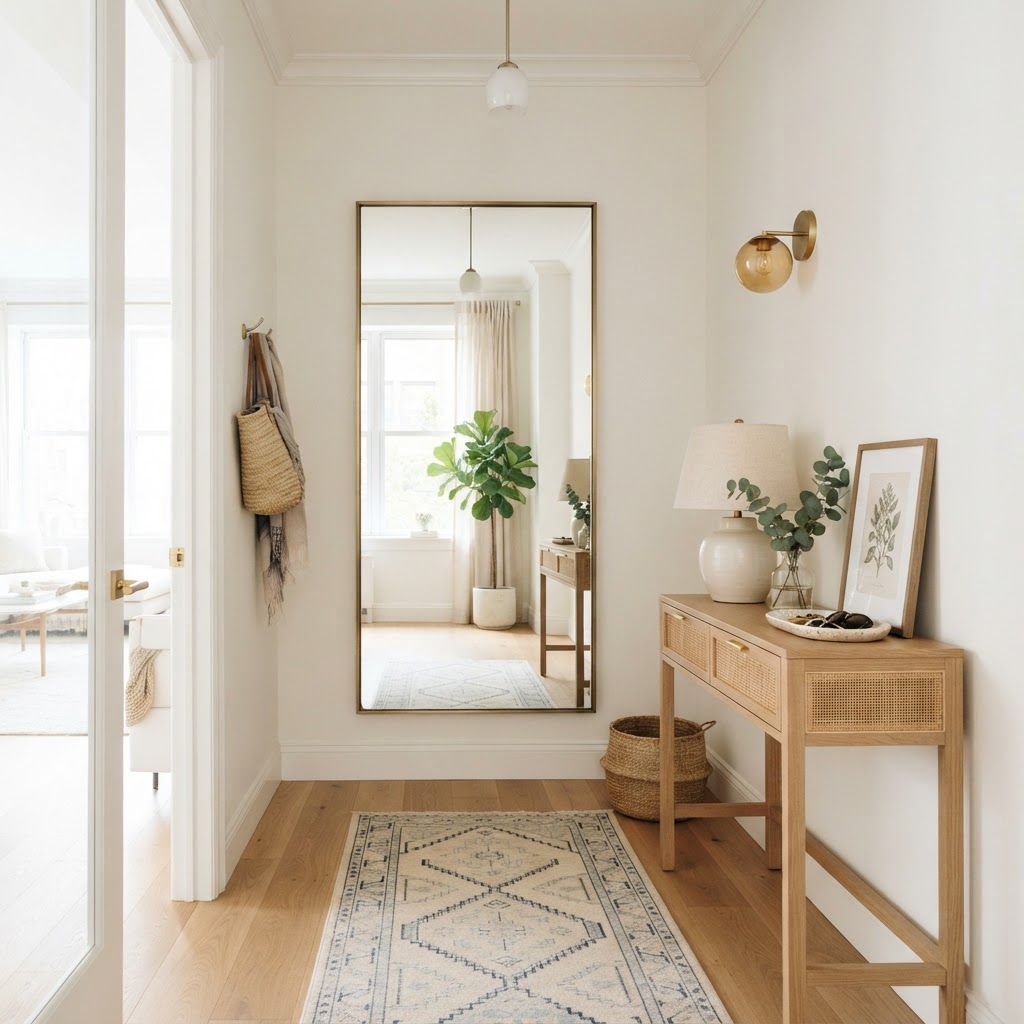
Poor lighting is the primary reason small entryways feel confined, so implementing layered lighting is essential to creating depth and perceived space. Avoid relying solely on a single overhead bulb, which creates harsh shadows in corners; instead, aim for at least two light sources, such as wall-mounted sconces paired with an LED strip or a table lamp.
Sconces are superior to floor lamps in tight spaces because they provide focused light while freeing up valuable table or floor space. By installing sconces at eye level (roughly 60 to 66 inches from the floor), you create a warm, inviting glow that highlights art or architectural textures. Pair these fixtures with a high-reflectivity mirror; a mirror placed opposite a light source effectively doubles the lumens in the room, making a dark, odd-shaped foyer appear significantly larger. For optimal brightness, choose bulbs with a color temperature between 2700K and 3000K to ensure a cozy, residential ambiance rather than a clinical, office-like brightness.
Curating Functional Storage Without the Bulk
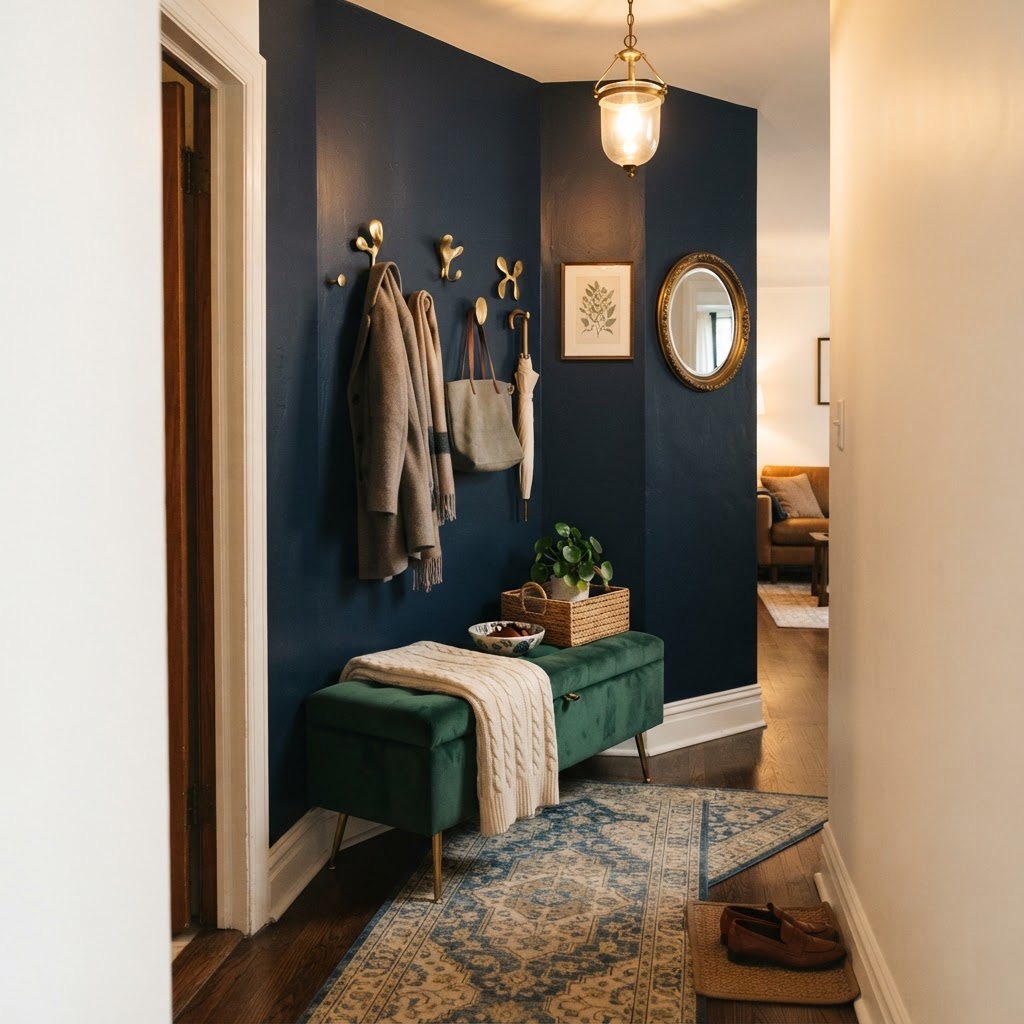
Finding practical small foyer ideas for awkward or odd-shaped walls often boils down to how you store your daily necessities without cluttering the aesthetic. When you lack room for a standard coat closet, treat your wall storage as functional art. A series of sculptural hooks can provide space for coats and bags while keeping the floor completely accessible for foot traffic.
- Install a peg rail that runs the entire length of the wall to customize storage capacity based on family height.
- Use wall-integrated, shallow-depth cabinets (typically 8-10 inches deep) for a seamless, minimalist profile.
- Incorporate a slim bench with built-in hidden drawers to maximize storage footprint beneath hooks.
- Use oversized baskets underneath consoles to catch daily clutter like umbrellas or shoes efficiently.
This system allows you to keep the “drop zone” organized. By implementing these four steps, you reduce the visual noise that naturally occurs in small, irregular rooms, allowing the home’s transition area to remain clean, accessible, and organized for high-traffic use.
Color and Texture Considerations
Color serves as a powerful design tool to either hide or highlight the unique geometry of an irregular foyer. If your goal is to minimize the distraction of awkward walls, paint the trim, doors, and walls the same color; this monochromatic approach creates a cohesive “envelope” that blurs the lines of the room, making it appear as one continuous, larger space.
Alternatively, lean into the architecture by creating a feature wall. Applying bold wallpaper or a textured grasscloth specifically to the “off” wall turns a design liability into a deliberate aesthetic choice. This strategy draws the eye to the pattern rather than the strange angles of the room. When using bold patterns, keep the floor neutral—such as a light-toned wood or a solid-colored rug—to prevent visual overload. If your space is very dark, choose light-reflecting paint finishes like satin or semi-gloss to amplify natural light and give the walls a more spacious feel.
The Power of Vertical Mirrors
Mirrors are the designer’s primary tool for expanding narrow spaces, but their placement is critical in odd-shaped entryways. Installing a full-length, vertically oriented mirror on an angled wall reflects surrounding rooms, effectively “stretching” your square footage and introducing light into otherwise dim corners. This is essential for those who need functional, elegant small foyer ideas for awkward or odd-shaped walls.
Choose mirrors with distinctive shapes—such as an oversized oval, arched top, or a scalloped edge—to add personality to the area, ensuring the piece serves as a decorative focal point. For maximum impact, mount the mirror so the center is approximately 57 inches above the floor. This provides the best angle for a quick outfit check before leaving. By turning the mirror into a design feature, you ensure your foyer feels like a planned, purposeful room rather than just a hallway passage that you happen to walk through.
Defining the Transition Zone
Even in a tiny foyer, you need a clear sense of transition to distinguish the entryway from the rest of your home. A runner rug acts as a visual guide, leading the eye into the house while providing a physical buffer that protects your flooring. Choose a durable, low-pile, or flat-weave rug—such as wool or sisal—that covers at least 75% of the hallway length to anchor the space and add warmth.
When selecting a runner for an odd-shaped hall, prioritize simple patterns like horizontal stripes or a monochromatic geometric design. Horizontal stripes can visually widen a narrow, cramped hall, while solid colors keep the floor from becoming a distraction. Always pair your rug with a non-slip pad to ensure safety and prevent bunching in high-traffic areas. A well-placed runner effectively defines the “entryway zone,” separating it from the living or dining room and keeping the overall aesthetic clean and sophisticated.
FAQ
How can I make a narrow, odd-shaped foyer look bigger?
Make a narrow foyer look bigger by using monochromatic paint colors, installing large wall-mounted mirrors to reflect light, and choosing slim, floating furniture. Removing visual clutter from the floor and keeping light sources bright and layered will significantly increase the perception of space in any small, irregular entry.
What type of furniture works best for an awkward wall jog?
Custom floating consoles or wedge-shaped corner shelves are the best solutions for wall jogs or irregular nooks. These pieces can be built to the exact dimensions of your wall, providing a useful landing surface for keys and mail without the visual bulk or footprint of standard table legs.
How high should I mount coat hooks in a small foyer?
Mount adult coat hooks at 60 to 65 inches from the floor, and install children’s hooks at approximately 40 to 45 inches. This ensures that items remain accessible while maintaining a clean, organized look that avoids overcrowding the walls or creating a visual hazard at eye level.
Is wallpaper a good idea for an awkward hallway?
Yes, using bold wallpaper on a single feature wall can turn an awkward architectural angle into a deliberate design choice. By directing the eye toward the pattern, you draw attention away from the irregular geometry, effectively hiding the structural flaws of the wall while adding a personalized, upscale aesthetic.
How do I light a foyer without overhead space?
Use wall-mounted sconces at eye level or LED strip lighting beneath floating shelves to create depth and ambiance without needing ceiling access. Pairing these with a reflective mirror will bounce the light around the room, ensuring the foyer feels bright and welcoming despite the lack of a central chandelier.

Leave a Reply