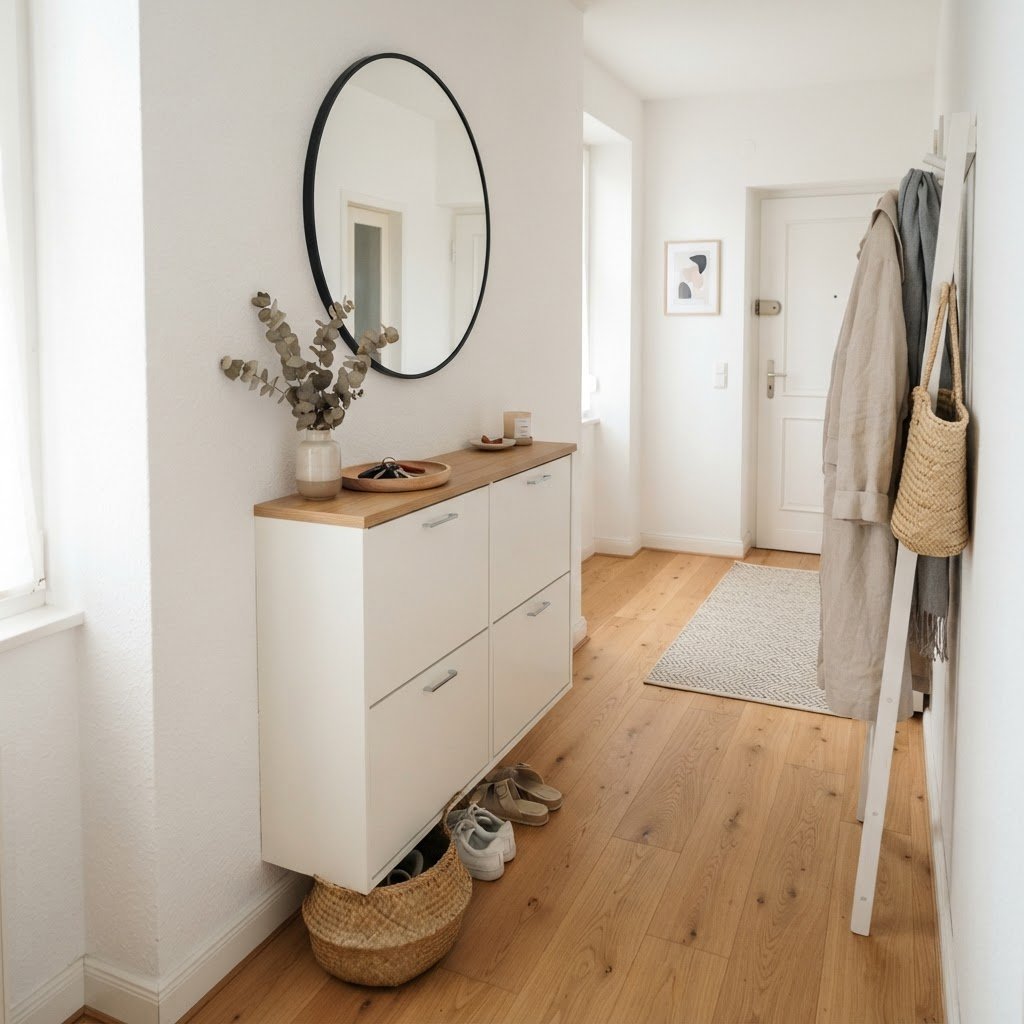
15 Slim Shoe Cabinet Ideas for Narrow Entryways
The best slim shoe cabinets for narrow entryways are wall-mounted floating units or tipping-door cabinets with a depth of 6 to 12 inches. These designs maximize floor space by storing shoes vertically, allowing you to organize dozens of pairs in a compact footprint without obstructing your hallway walking path.
The Art of Maximizing Tight Spaces
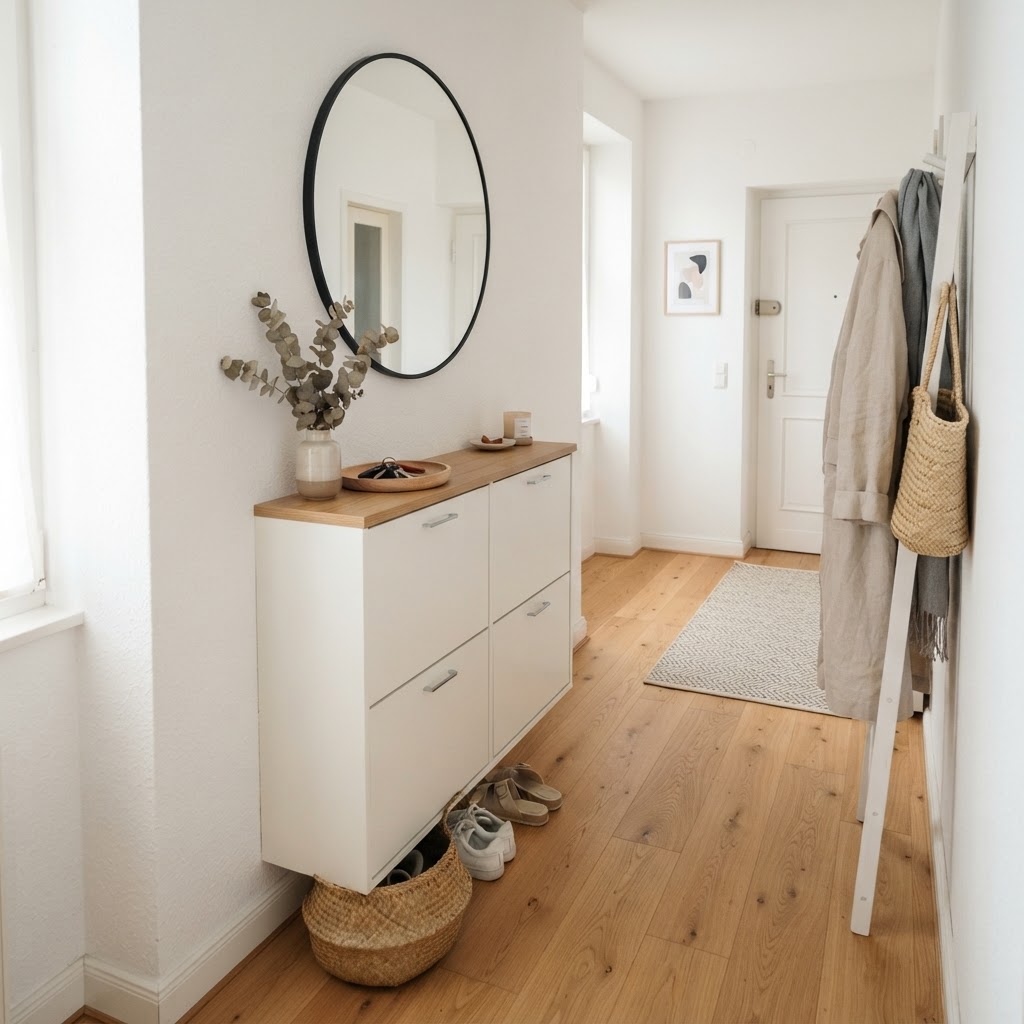
When working with a narrow entryway, every inch counts, and traditional shoe storage often fails due to excessive depth. The primary goal of a slim shoe cabinet is to provide maximum storage capacity with a depth profile that typically ranges from six to twelve inches. By choosing furniture designed specifically for thin hallways, you keep your walkways clear and safe while ensuring your footwear remains tucked away and out of sight. A standard hallway is often 36 to 48 inches wide; installing a 10-inch deep cabinet leaves enough clearance for easy movement.
Why Depth Matters in Your Hallway
Standard furniture is often designed for wide living areas, but a hallway requires a specific type of precision. A slim shoe cabinet operates on a tipping-door mechanism, which allows shoes to sit at an angle, effectively tripling storage density compared to flat shelving. This clever orientation means you can house up to 24 pairs in a unit that would normally only hold a small decorative plant. Selecting the right size starts with measuring your clearance zone, ensuring that the cabinet doors do not interfere with your front door opening or closing by leaving at least 30 inches of space for door swing.
Choosing the Right Slim Shoe Cabinet Material
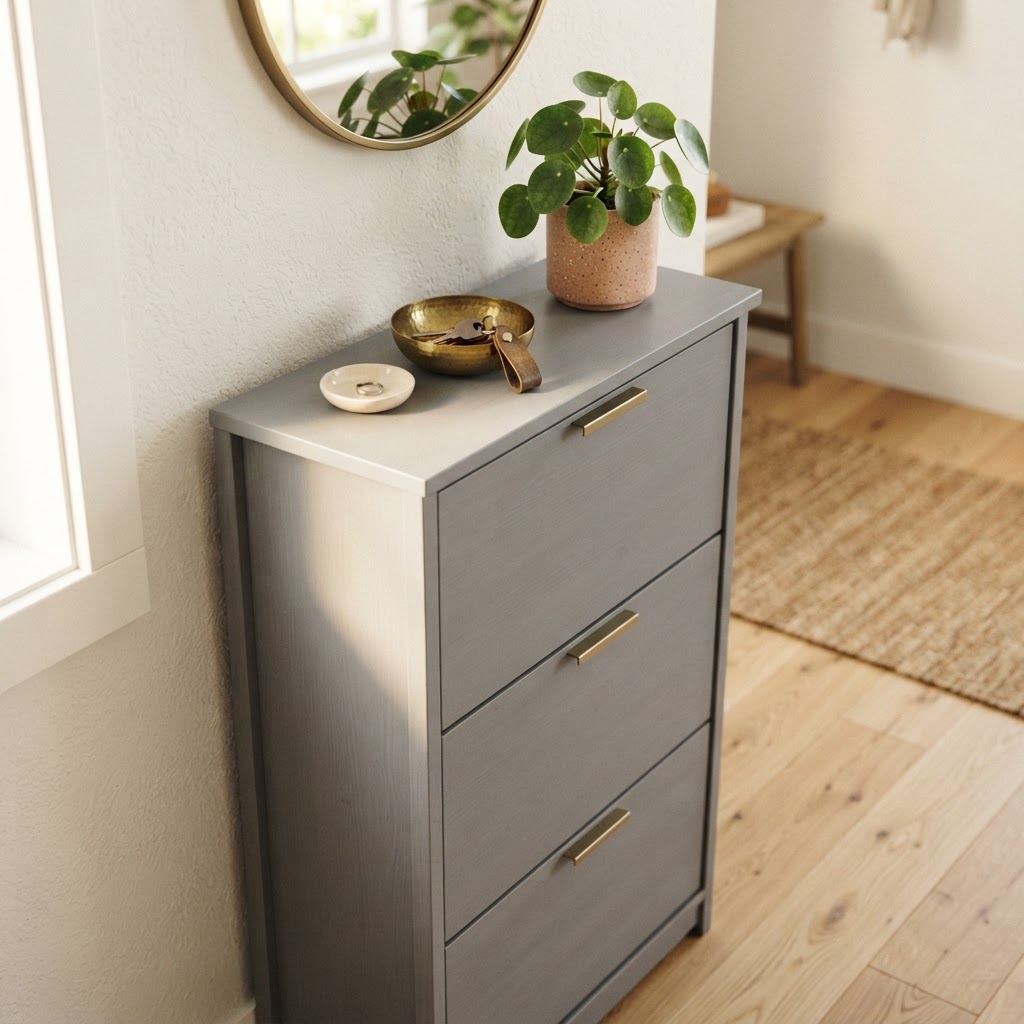
Material choice impacts both the durability and the visual weight of your entryway furniture, with lighter materials generally outperforming dark, heavy finishes in small spaces. For small areas, you generally want to avoid heavy, dark woods that can make a cramped hallway feel even smaller. Instead, consider lighter woods like oak, high-gloss whites, or mirrored finishes that reflect light and create the illusion of extra space. If your home features an industrial theme, metallic or matte black finishes can provide a sharp, clean look that grounds the space without being overwhelming. High-gloss finishes are particularly effective in windowless hallways because they bounce ambient light around the room, reducing the “tunnel” effect.
Benefits of Mirrored Fronts
One of the most effective tricks in interior design is using mirrors to expand a room, especially in hallways under 5 feet wide. A slim shoe cabinet with mirrored drawer fronts acts as a functional piece of art while making your hallway appear twice as long. This dual-purpose design is perfect for those who want to check their outfit before heading out the door while keeping their shoe collection perfectly hidden. By reflecting your lighting and artwork, the mirror also helps brighten up windowless entryways, increasing the perceived brightness of the area by up to 20%.
15 Innovative Slim Shoe Cabinet Concepts
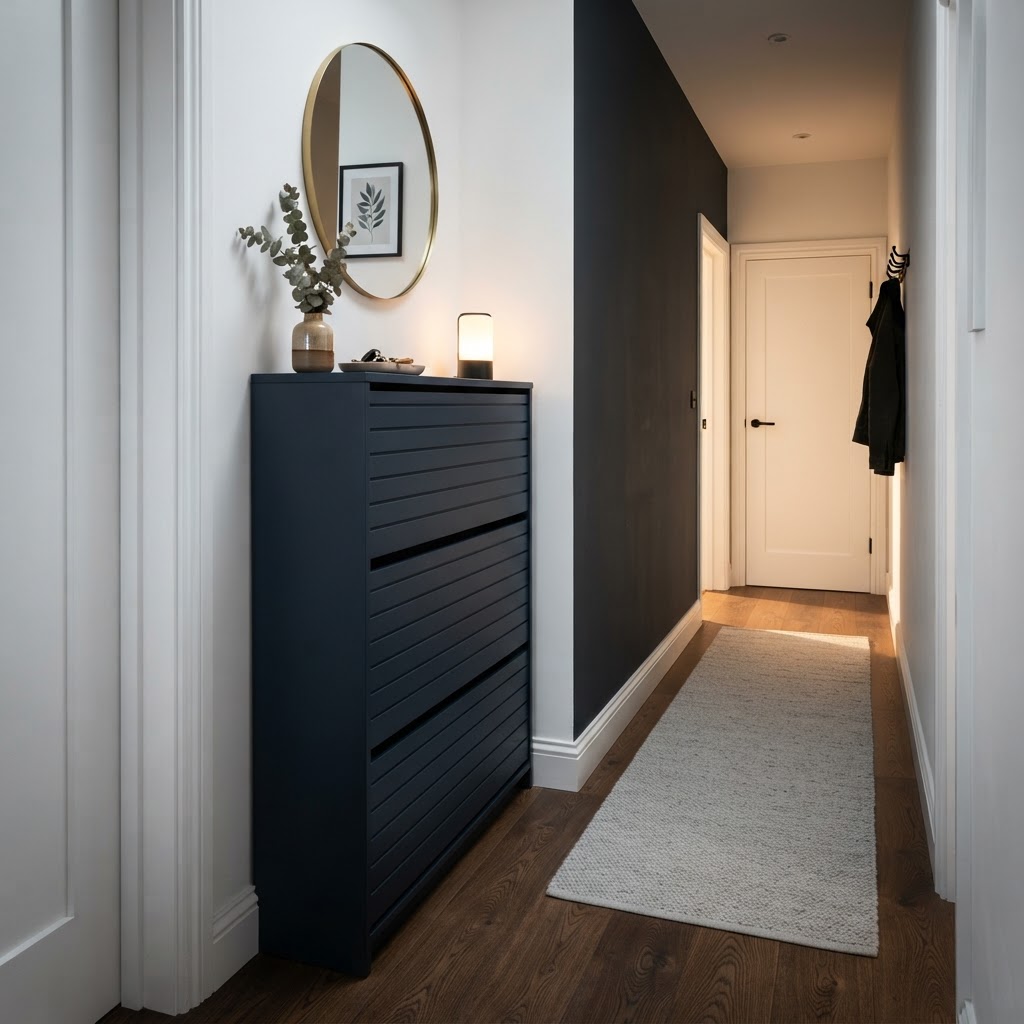
Finding the perfect fit involves looking at a variety of styles that prioritize function without sacrificing aesthetic. First, consider the wall-mounted floating cabinet, which keeps the floor visible and makes the room feel airier. Second, look for dual-row tipping bins, which double your capacity in the same footprint. Third, opt for a cabinet with an integrated bench top, providing a place to sit while you lace up. Fourth, utilize a tall vertical column style that stretches to the ceiling. Fifth, choose a modular system that allows you to add units as your collection grows. Sixth, try a rattan-faced cabinet to add texture. Seventh, select a design with a hidden top drawer for keys and mail. Eighth, utilize a bench with tilt-down compartments. Ninth, explore minimalist metal wire designs for an industrial look. Tenth, consider a cabinet with open shelving for daily-wear shoes and closed storage for seasonal items. Eleventh, look for rotating shoe columns. Twelfth, implement a slim console-style cabinet with patterned doors. Thirteenth, choose a unit with a built-in mirror. Fourteenth, try a corner-fit slim unit to maximize dead space. Finally, the fifteenth idea is a custom built-in unit that mimics your wall color to blend in seamlessly.
Implementing Vertical Storage Solutions
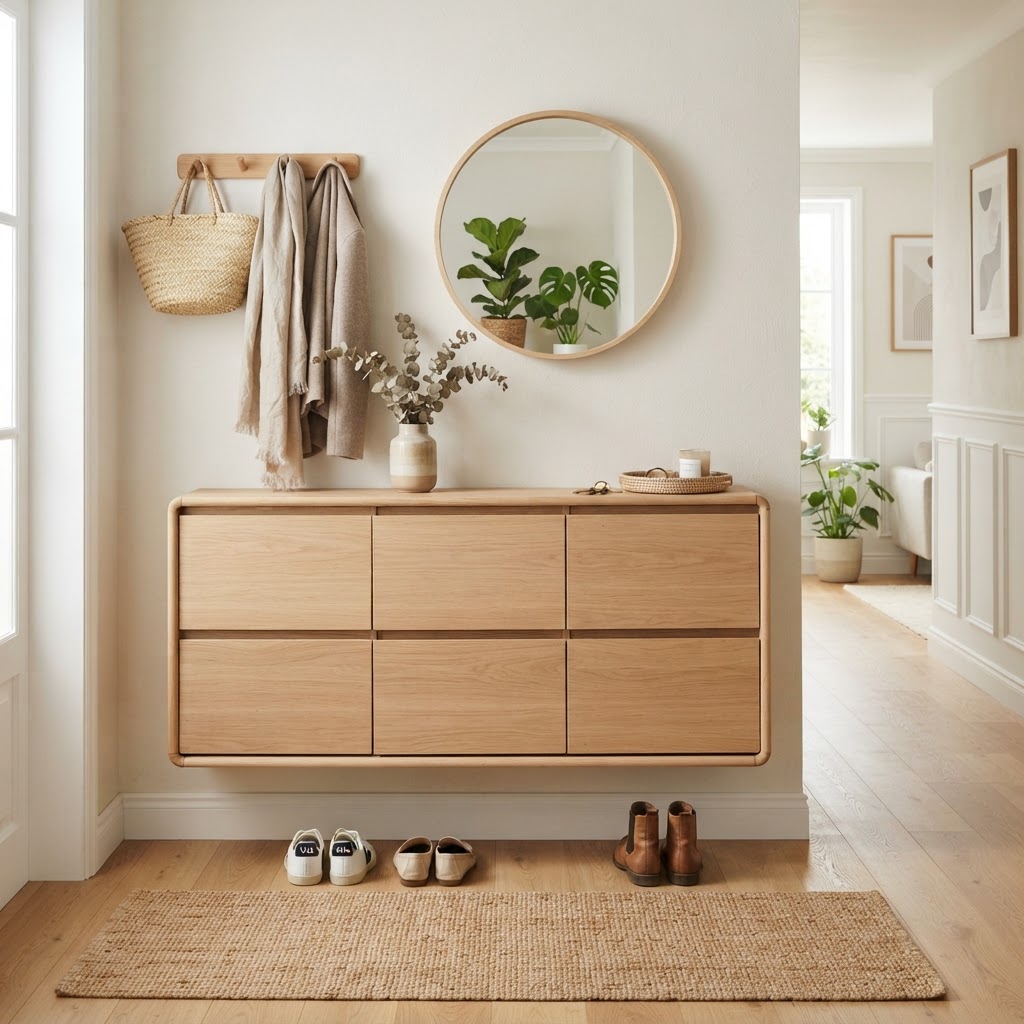
When floor space is non-existent, look toward the walls, as vertical storage is the secret weapon of professional organizers. By installing a slim cabinet that reaches higher up your wall, you free up the floor beneath it for umbrellas or decorative floor baskets. This “stretching” of the furniture helps draw the eye upward, making your ceilings appear higher and the overall entryway feel more expansive. Professional interior designers recommend leaving at least 6-8 inches of clearance from the floor for floating units, which creates the visual “weightlessness” that makes tight hallways feel larger.
Aesthetic Integration and Decor Tips
Your shoe storage should look like a planned part of your interior design, rather than a bulky afterthought. Treat the top surface of your slim shoe cabinet as a display area by incorporating a consistent decor theme. Use a small tray for keys, a decorative bowl, a table lamp, or a vase of fresh flowers to make the piece feel intentional. By adding a piece of art above the cabinet, you shift the focus from the utility of the object to the style of your home, effectively camouflaging its primary purpose.
Balancing Function and Style
To ensure your entryway remains welcoming, maintain a consistent color palette between the cabinet and the wall. If your walls are neutral, a cabinet in a matching tone will help it disappear into the background. Conversely, if you want your shoe storage to be a statement piece, choose a bold color or a unique hardware finish that complements your hallway rug or lighting fixtures. The balance between function and style is what defines a truly organized home, and opting for brass or matte gold hardware can elevate a standard white cabinet to a high-end look.
Maintenance and Organization Hacks
Once you have your new cabinet, keeping it organized is the next step in long-term success through a strict rotation system. Use the “one-in, one-out” rule to prevent clutter from overwhelming your new system, meaning for every new pair you buy, an old pair must be donated or moved to a closet. Periodically rotate your footwear based on the season—storing winter boots in the bottom compartments during summer and swapping them once the temperature drops. This ensures your most frequently used shoes are always at the easiest height for access, typically between 30 and 45 inches from the floor.
Customization vs. Pre-made Units
Deciding between pre-made furniture and custom cabinetry often comes down to budget and specific architectural constraints. Pre-made units are excellent for quick fixes, typically costing between $150 and $400, and offer a wide variety of styles at affordable price points. However, if your hallway has architectural quirks like floor vents, electrical outlets, or unusual angles, custom carpentry might be the best investment. A custom-built unit can ensure that every inch of your wall is utilized, providing a bespoke look that perfectly fits your home, though this typically ranges from $1,000 to $3,000+ depending on the materials used.
FAQ
What is the ideal depth for a slim shoe cabinet?
The ideal depth for a slim shoe cabinet in a narrow entryway is between 6 and 12 inches. This range is sufficient to accommodate most shoe sizes using a tipping-door mechanism without obstructing the walking path of your hallway.
How do you organize shoes in a narrow hallway?
Organize shoes by prioritizing the most frequently worn items in the easiest-to-reach cabinet tiers. Use the “one-in, one-out” rule to keep the total volume of shoes manageable and swap seasonal footwear into different storage locations when not in use.
Do floating shoe cabinets save more space?
Yes, floating shoe cabinets save more space by keeping the floor clear, which visually expands the footprint of a narrow hallway. By removing legs or bases, you create a sense of openness and make cleaning the floor underneath much easier.
Can I fit boots in a slim shoe cabinet?
Yes, you can fit boots in a slim cabinet by selecting a model with removable dividers or adjustable shelves to accommodate varying shaft heights. Ensure the internal height of the compartment is at least 15 inches if you plan to store tall riding or rain boots.
How much clearance should I have for a slim shoe cabinet?
Aim for at least 30 to 36 inches of clearance in front of your cabinet to allow for comfortable operation and room to maneuver while putting on shoes. Always measure your front door swing radius to ensure the cabinet does not block entry.

Leave a Reply